

Local food to try in da nang is exactly what this guide covers.
Da Nang, Vietnam’s third-largest city, is a vibrant blend of historical charm and modern innovation. Set along the central coast, this dynamic metropolis offers an array of attractions from ancient temples like My Son Sanctuary to lively beachfronts such as Da Nang Beach. As you plan your culinary journey through Da Nang, here’s what you need to know about its best local food, hidden gems, practical tips, and safety considerations.
Key Attractions in Da Nang
Historical Marvel: My Son Sanctuary
My Son Sanctuary is a UNESCO World Heritage site that showcases the Cham civilization’s architectural prowess. Explore ancient temples and monuments surrounded by lush greenery, providing a spiritual backdrop to your culinary adventure.
Cultural Enchantment: Hoi An Ancient Town
A short day trip from Da Nang, Hoi An is known for its well-preserved Japanese bridge and unique blend of Eastern and Western influences. Don’t miss the chance to wander through the town’s old streets lined with traditional shophouses and artisanal workshops.
Tranquil Retreat: Da Nang Beach
For a relaxing break, head to Da Nang Beach, where you can soak up the sun or take a dip in the clear waters. It’s a perfect spot for swimming, sunbathing, and enjoying seafood restaurants along the coast.
Artistic Discovery: Cham Museum
The Cham Museum is dedicated to displaying artifacts from the ancient Cham civilization. Immerse yourself in the history of this region while savoring local delicacies that reflect the area’s long cultural history.
Practical Tips for Visiting Da Nang
Ready to go? Book Sightseeing And Explore Vietnamese Local Food Tour with HolidaySG.
Da Nang offers various ways to navigate its streets, with Grab and Gojek being popular ride-hailing services. For those who prefer local taxis, negotiating fares is common practice. To avoid the hottest months (April to June), consider planning your visit during October to March, when temperatures are cooler and crowds are fewer.
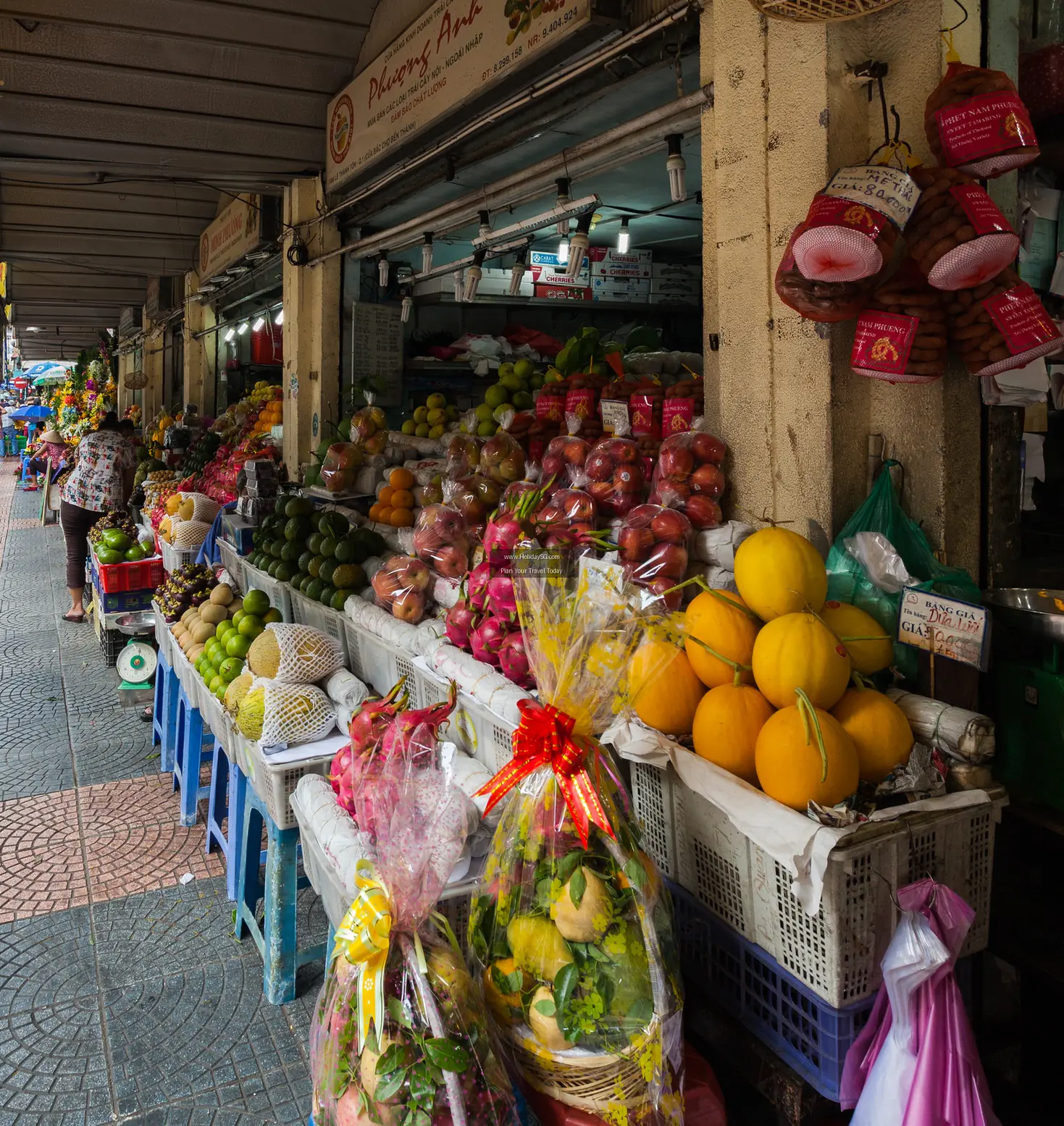
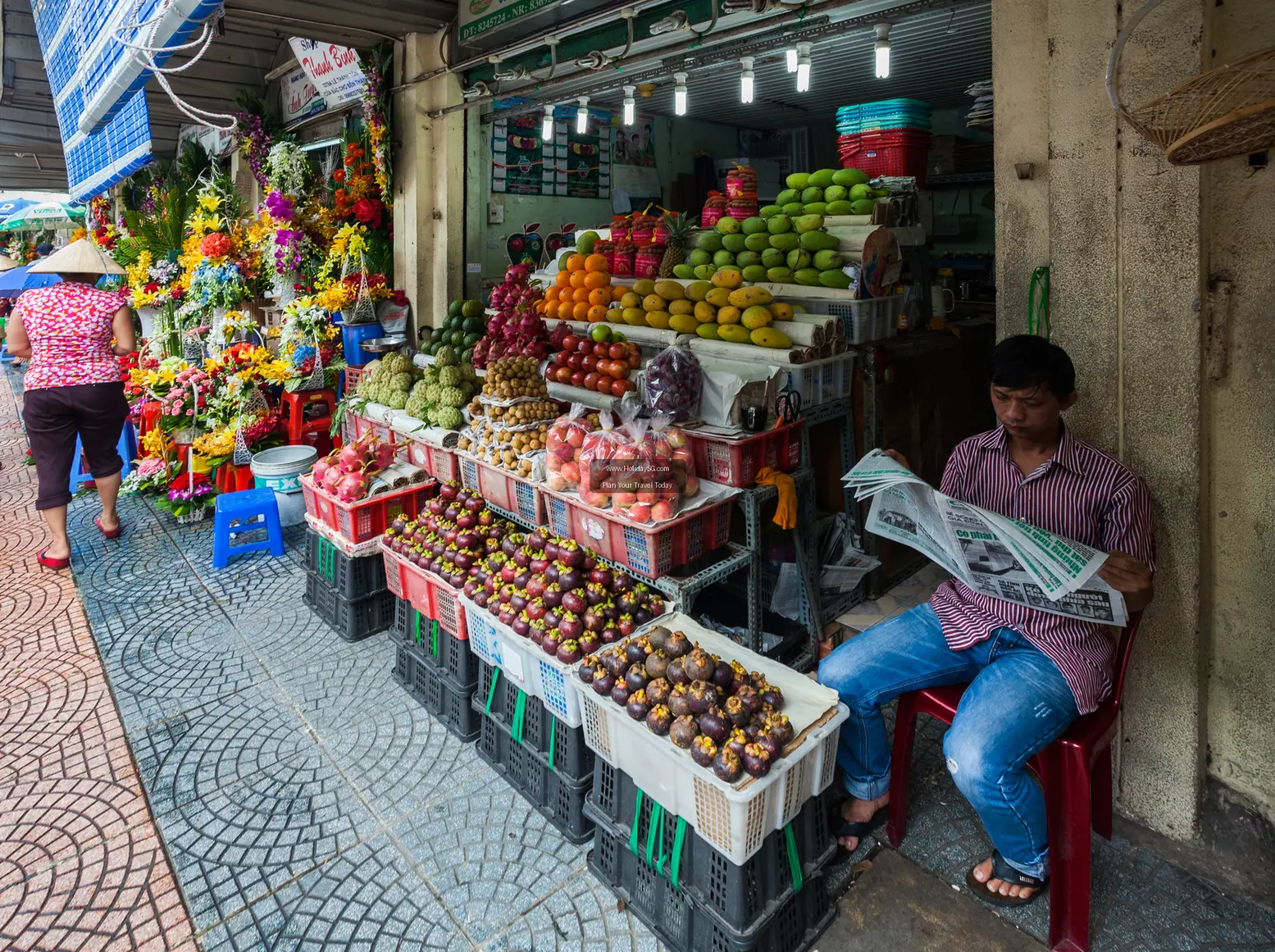
Exploring local markets such as Thap Rung Market is a must for food enthusiasts. Here, you can find fresh produce and indulge in street food that offers a taste of Da Nang’s vibrant culinary scene. These markets also provide a glimpse into the city’s daily life and traditional practices.
Typical Costs in Da Nang
Meals at mid-range restaurants typically cost between SGD$10 to SGD$20, making it an affordable destination for food lovers. Accommodation varies widely depending on your location and preferences, but you can find options to suit every budget.
Safety Tips in Da Nang
Da Nang is generally a safe city, but like any tourist destination, it’s important to take precautions. Be aware of your surroundings, especially at night, and keep an eye on your belongings. Always use licensed taxis or ride-hailing services to avoid scams.
Ready to explore? Check out our Sightseeing And Explore Vietnamese Local Food Tour →
Book these with HolidaySG:
- Must See Must Try Hanoi Day Tour
- Weekend Hanoi Night Market Street Food Tour
- Vietnam 5g Sim Card Pick Up At Da Nang International Airport Dad
- Exclusive Offer The Heritage Show Ticket In Da Nang
Book with HolidaySG online for Sightseeing And Explore Vietnamese Local Food Tour, Must See Must Try Hanoi Day Tour, Weekend Hanoi Night Market Street Food Tour.
Frequently Asked Questions
Where can I book this / what’s the link?
You can book the “Sightseeing And Explore Vietnamese Local Food Tour” directly here.
Do foreigners (non-citizens) need a different ticket, price, or visa for Vietnam?
Foreigners typically require a valid passport and a visa to enter Vietnam. The type of visa needed depends on your nationality and the purpose of your visit. It’s recommended to check the official Vietnamese government website or consult with your embassy for the most accurate and up-to-date information.
What is the best time (season, or time of day for the site/activity) to go?
The best time to visit Da Nang is generally from November to April when the weather is mild and pleasant. This period avoids the rainy season which occurs from May to October. For the local food tour, it’s advisable to avoid peak tourist hours (usually late morning to early afternoon) to enjoy a more relaxed dining experience.
How long should I spend in Da Nang?
A minimum of 2-3 days is recommended to fully explore Da Nang and try the local cuisine. This allows you time to visit key attractions like the Marble Mountains, My Son Historical Complex, and the Cham Museum, as well as enjoy a variety of street food and restaurants.
What are the typical costs for this tour?
The cost of the “Sightseeing And Explore Vietnamese Local Food Tour” varies depending on the group size and specific activities included. Prices can range from USD 50 to USD 100 per person. It’s best to check the exact pricing details on the tour page or contact HolidaySG directly for the most current information.
How do I get to Da Nang?
The easiest way to reach Da Nang is by flying into Da Nang International Airport (DAD). From the airport, you can take a taxi, ride-sharing service, or public transportation to your accommodation. HolidaySG offers a convenient 5G SIM card pick-up service at the airport to help you navigate your stay.
Is it family-friendly?
Da Nang is generally considered family-friendly, with plenty of attractions and activities suitable for all ages. The city offers scenic spots like the Cham Museum, My Son Historical Complex, and the Marble Mountains that are enjoyable for families. Additionally, there are many local markets and restaurants where you can experience authentic Vietnamese cuisine together.
What should I pack/bring?
When visiting Da Nang, it’s advisable to bring lightweight clothing suitable for tropical weather, sunscreen, a hat, sunglasses, and insect repellent. Comfortable walking shoes are essential as there will be some walking involved during the tour. Don’t forget your camera to capture the beautiful landscapes and delicious food! A reusable water bottle is also handy for staying hydrated.
“`
What things cost in Vietnam
Live HolidaySG prices for the experiences in this guide, so you can sanity-check a budget before you commit.
| Experience | Where | From price |
|---|---|---|
| ACV Lounge Noi Bai International Airport | Hanoi | From S$44.03 |
| Chuon Chuon Bistro Ticket in Da Lat | Da Lat | From S$5.00 |
| Cloud Hunting Da Lat Day Tour | Da Lat | From S$12.25 |
| Cham Island Walking Under Water and Snorkeling by Speedboat | Da Nang | From S$38.63 |
| Cham Island Day Tour by Speedboat from Da Nang | Da Nang | From S$38.63 |
| Han River Night Cruises By Dragon Cruise | Da Nang | Da Nang | From S$8.00 |
| Han River Night Cruises By Tau Rong Song Han | Da Nang | Da Nang | From S$6.00 |
| Sun World Ba Na Hills and Golden Bridge Premier Tour | Da Nang | From S$52.22 |
Quick answers
What are the signature local dishes to try in Da Nang? Myt Quang (a turmeric-yellow noodle soup unique to the city), Com Tam (broken rice with grilled pork), and fresh seafood at Han Market are non-negotiable. Most cost under 50,000 VND at casual eateries.
Where do locals actually eat in Da Nang? Skip tourist trap restaurants on the beach. Han Market (Cho Han) in the city centre, street stalls along Tran Phu Street, and the tiny pho shops near Cham Museum serve authentic food at real prices.
When should I visit Da Nang to enjoy local food tours? Visit between May and September when seafood is freshest and night markets are fully operational. The cooler months (November to March) are more comfortable for walking food tours, though slightly less abundant.
How much should I budget for eating local dishes in Da Nang? A full meal at a street vendor costs 40,000–80,000 VND. Mid-range local restaurants charge 150,000–300,000 VND per person. Check current exchange rates on official financial sources, as prices shift seasonally.
What makes local dishes in Da Nang different from the rest of Vietnam
Da Nang sits at a culinary crossroads. The city's food reflects centuries of Chinese, Indian, and French influence, but it has developed its own identity that you won't find in Hanoi or Ho Chi Minh City. The geography matters: being a major port on the central coast means seafood dominates in ways it doesn't inland.
Myt Quang is the obvious example. This yellow noodle soup with turmeric, shrimp, and pork is so specific to Da Nang that ordering it in neighbouring Hoi An gets you a slightly different version. The Cham Muslim communities who settled here centuries ago left flavour profiles you taste in the spice blends and cooking techniques, particularly in how fish is prepared. Local dishes in Da Nang also use more fresh herbs and aromatics than their northern counterparts—the hot climate and access to year-round markets means basil, mint, and dill appear in almost every meal.
The seafood here is simply fresher. Unlike dishes prepared hours away from the coast, Da Nang restaurants source squid, grouper, and shrimp from boats that landed that morning. You'll taste the difference immediately. One practical tip: ask your hotel staff or a local guide which restaurant received a delivery that day—the fishmongers at Han Market will also tell you what came in that morning if you ask in simple English or Vietnamese phrases.
Best time and season for trying local dishes in Da Nang
The timing of your visit affects not just the weather but which ingredients are at peak season. This matters more than most travellers realise when you're chasing authentic local dishes in Da Nang.
May through September is peak seafood season. The warm waters bring in abundant squid (muc nuong—grilled squid is phenomenal in July and August), grouper, and shrimp. Night markets operate at full capacity, and food stalls stay open later because locals are out in the evenings. The downside: heat and humidity are intense, and prices creep up slightly during July and August school holidays when domestic tourists arrive. Street food vendors start their stalls earlier in the morning to beat the heat, so you can eat excellent com tam (broken rice with grilled pork) at 6 a.m.
November to February brings cooler, more comfortable weather (around 18-22 degrees Celsius). Walking food tours are genuinely enjoyable rather than exhausting. Some seafood varieties thin out, but others peak—this is prime white fish and crab season. February is Tet (Lunar New Year), when many restaurants close or operate limited hours, so check ahead. March to April transitions to warmer weather, and spring vegetables are at their best.
Avoid September and October. Typhoon season peaks in September, roads flood, and boat deliveries become unreliable, so seafood selection shrinks. One practical tip: if you visit during cooler months, book food tours for mid-morning when vendors are most active but the sun isn't overhead yet.
Essential local dishes in Da Nang and where to eat them
Most first-time visitors miss the real signature local dishes in Da Nang because they eat at hotel restaurants. Here are the meals worth adjusting your itinerary for.
Myt Quang (turmeric noodle soup) is non-negotiable. The broth has turmeric, which gives it a subtle golden colour and earthy warmth. It comes topped with shrimp, pork, and a quail egg, finished with crushed peanuts and fresh herbs. Eat it at Myt Quang Ngu Hanh or any of the family-run shops along Tran Phu Street near Cham Museum. It costs around 35,000 VND and tastes completely different from pho—less broth-heavy, more assertive spice.
Com Tam (broken rice with grilled pork) appears in every neighbourhood stall for good reason. Broken rice—the fragments left after milling whole grains—has a denser, slightly different texture from regular white rice. It's topped with grilled pork ribs (thit nuong), a fried egg, and pickled vegetables. Han Market has at least a dozen vendors serving this from 5 a.m. onwards. The version with shrimp paste (com tam with tom cot) is richer. Cost: around 40,000–50,000 VND.
Grilled squid (muc nuong) is where Da Nang's seafood reputation shines. Local vendors grill squid over charcoal until it's just crispy on the outside, tender inside. Eat it at the beachside seafood stalls near My An Beach or at dedicated grilled seafood restaurants. The squid is served whole or sliced, brushed with fish sauce and lime. Mid-range restaurants charge 200,000–300,000 VND for a portion; street vendors sell it for 80,000–120,000 VND.
Banh Hoai (crispy pancake from Hoi An, but eaten everywhere in Da Nang) is technically from nearby Hoi An, but it's embedded in Da Nang food culture. Crispy rice flour pancakes folded with shrimp, pork, and bean sprouts. It requires a specific wooden pan and years of practice to make properly. The best versions are still from Hoi An (30 minutes away), but Da Nang vendors near the bridge serve respectable versions for 30,000–40,000 VND.
Hoang De (fragrant rice with pork and liver pate) is comfort food that tourists rarely know about. Jasmine rice is topped with pate, pork belly, and a runny egg yolk. It's rich, savoury, and exactly what locals eat when they want breakfast to feel special. Morning-only dish at vendors near Cham Museum. Around 40,000 VND.
Fresh spring rolls (nem song) and boiled crab (cua luoc) anchor every meal at night markets. Nem song uses shrimp, pork, rice paper, and fresh herbs—dip in fish sauce with lime and chilies. The crab is boiled and cracked open at the table. These aren't unique to Da Nang, but the quality is consistently high because of direct supply from local ports. Spring rolls: 25,000–40,000 VND. Crab: priced by weight, typically 150,000–400,000 VND depending on size.
One practical tip: eat myt quang for breakfast (6-8 a.m.), com tam for lunch, and grilled seafood for dinner. This matches when each dish is freshest and when vendors have the best energy.
How to navigate food prices and costs in Da Nang
Price confusion is the biggest complaint from food travellers in Da Nang. A single dish can cost 30,000 VND at a stall or 200,000 VND at a restaurant across the street. Understanding the pricing tiers prevents awkward moments and helps you eat well without overspending.
Street stalls and market vendors are the lowest tier. A complete meal—noodle soup, grilled meat, or rice dish plus a drink—costs 40,000–80,000 VND. Han Market operates on this tier entirely. These vendors have no overhead (no rent, electricity paid to the market), so prices reflect pure food costs. The trade-off: plastic stools, no napkins, loud environment, sometimes unclear ordering system if you don't speak Vietnamese.
Casual local restaurants (the kind with plastic chairs but a permanent building) charge 100,000–250,000 VND per person for a meal. Tran Phu Street has dozens of these places. Quality is consistent, menus have pictures, staff understand basic English, and you get a table that doesn't wobble. This is the sweet spot for most travellers.
Mid-range seafood restaurants (the kind with air conditioning and a view) charge 250,000–600,000 VND per person. These are usually beachfront or near tourist zones. The food is good, but you're paying for atmosphere. If you want the same grilled squid at a street stall, it costs one-third the price.
How to check current pricing: Street stall prices shift with fuel costs and seasonal ingredient availability. Rather than trusting published figures, ask your hotel staff what they paid for breakfast that morning. Food blogs and traveller forums (like budget travel communities) often post real prices from recent visits. Exchange rates fluctuate, so checking the official rate before you travel gives you a baseline for mental calculation.
One practical tip: carry small bills (10,000 and 20,000 VND notes). Vendors at stalls often claim they have no change for larger notes, which is sometimes true but sometimes convenient for them. Paying exact amounts speeds everything up.
Night markets and street food tours in Da Nang
Night markets are where Da Nang's food culture comes alive. This isn't a tourist attraction added for visitors—locals eat here 4-5 nights a week. Understanding how they work transforms the experience from overwhelming to genuinely enjoyable.
The largest night markets operate near Con Market (Cho Con) and along the riverfront near Dragon Bridge. Stalls open around 5 p.m. and stay open until 10 or 11 p.m., depending on foot traffic. Con Market is more touristy—vendors speak English, prices are marked, and seafood is displayed prominently on ice. The riverfront market near Han Bridge is more local, noisier, and cheaper. Both serve identical food; the difference is the crowd and language barrier.
How to eat at a night market: Walk the entire market first. Look for stalls with queues (good sign), where the vendor has a specialty (not a catch-all stall), and where food is being actively cooked in front of you. Point to what you want. Prices are negotiable at some stalls but not others—if a menu board exists, the price is fixed. Sit at the communal plastic tables in the centre. Eat and move to the next stall. Most locals do 3-4 stalls in one market trip, eating small portions at each.
What you'll find: grilled seafood (squid, shrimp, fish, crab), noodle soups, fresh spring rolls, banh mi, grilled meats on skewers, steamed snails, mussels, and fruit smoothies. Bring cash only—no card machines. One practical tip: eat earlier (6-7 p.m.) if you're uncomfortable with crowds. By 8 p.m., the best items sell out, but the atmosphere is more relaxed.
Health and safety when eating street food in Da Nang
Street food has a reputation for causing digestive problems. In reality, local dishes in Da Nang sold at established stalls are as safe as restaurant food—often safer, because the turnover is so fast that nothing sits around. The real risks are minor and avoidable.
Stomach issues usually come from two sources: eating too much rich food (grilled seafood with fish sauce is heavy) or eating at genuinely sketchy places where hygiene standards are unclear. Avoid stalls where cooked food sits under flies or water is visibly dirty. Most established vendors have clean water and reasonably clean surfaces. Watch how busy the stall is—if locals are eating there regularly, it's trustworthy.
Practical precautions: Eat foods that are cooked to order (noodles, grilled meat, soups) rather than pre-cooked items sitting in trays. Spring rolls are fine—they're cold and wrapped. Raw vegetables (though rarely included in main dishes) are slightly higher risk. Avoid ice from unknown sources; stick to bottled water or ice from established vendors.
Seafood safety: Da Nang's seafood is fresh because turnover is constant. However, shellfish left unrefrigerated for hours becomes risky. Eat mussels, clams, and oysters at crowded stalls where they've been cooked recently. Don't eat raw oysters unless you're certain of the source and handling.
Stomach adjustments: If you have a sensitive digestive system, introduce street food gradually. Start with rice-based dishes (com tam) before moving to heavy seafood or fish sauce-heavy soups. Bring a basic digestive medication from home (your usual brand), because finding it in Da Nang takes time. One practical tip: eat breakfast at a stall, lunch at a casual restaurant, and dinner at a night market to spread the adjustment over the day rather than overwhelming your system.
More quick answers
What is the most iconic local dish to try in Da Nang?
Cao Lau is Da Nang's signature dish—chewy noodles topped with pork, fresh herbs, and a savory broth that you won't find anywhere else in Vietnam. The noodles are made with water from a specific local well, which locals say gives them their unique texture, and the dish is traditionally served in small bowls at dedicated stalls around Hoi An (just 30 kilometres south) and in Da Nang itself.
Can I eat street food safely in Da Nang?
Yes, street food in Da Nang is generally safe if you choose busy stalls with high turnover and watch the food being prepared. Stick to cooked items rather than raw salads, drink bottled or boiled water, and avoid ice unless you're certain it comes from purified water sources.
How much should I budget for local dishes in Da Nang?
Is there a specific season for trying local dishes in Da Nang?
You can eat local dishes year-round, but September through November offers the best weather for exploring food markets outdoors. Seafood quality peaks in the cooler months when fishing is most active.
Regional variations: why Da Nang's local dishes taste different
Da Nang sits in central Vietnam, where the food reflects a unique blend of influences from the north and south. The coastal location means seafood dominates in ways you won't see in Hanoi or Ho Chi Minh City. Local herbs like dill and mint are used more liberally here, and the broths tend to be lighter and more delicate than their northern cousins.
One major difference is the use of shrimp paste and fermented fish in Da Nang's cooking. Unlike the heavier soy-based sauces common in the north, central Vietnamese cuisine relies on these pungent, umami-rich condiments. This gives dishes like banh hoai (Hoi An's fried pancake) and mam tom a distinctive sharp, complex flavour that takes some adjustment if you're used to milder Vietnamese food.
The city's proximity to Hoi An, just across the Thu Bon River, means many signature dishes blur together—Cao Lau belongs to Hoi An officially, but you'll eat it constantly in Da Nang. The difference lies in execution: street vendors in Da Nang often use slightly different pork cuts and broths than their Hoi An counterparts, creating subtle variations worth exploring across both cities.
A practical tip: ask locals where they personally eat rather than relying on tourist guidebooks. A vendor at Da Nang's Con Market will give you honest recommendations about which dishes are truly local versus tourist adaptations.
Seafood-focused local dishes in Da Nang and where to find them
Being a major fishing port, Da Nang's food culture revolves around incredibly fresh seafood. You'll find grilled fish (ca nuong) on almost every street corner, usually prepared whole with salt crust or wrapped in banana leaves. The fish comes from boats that docked that morning, so quality varies dramatically between vendors—the busier the stall, the fresher the catch.
Con Market (Cho Con), located near the Han River bridge, is where you'll see locals buying their daily seafood. The market has a small food court section where vendors prepare dishes from the fish and prawns sold just metres away. Squid (muc nuong) appears constantly on these stalls, charred on charcoal grills and served with lime and chilli salt. The texture should be tender, not rubbery—if it is, find another vendor.
Mam tom (fermented shrimp paste) deserves special mention. It's intensely pungent and an acquired taste, but locals eat it with morning rice and morning glory greens. You'll encounter it at breakfast stalls around Han Market. The smell is polarizing—some visitors find it revolting, others become obsessed. Try a tiny amount first.
Quick answers (part 3)
What local dishes in Da Nang should I prioritise if I have limited time?
Focus on banh hoai (Da Nang's signature crispy pancake), fresh grilled seafood at the Han Market, and com tam (broken rice) with pork chop. These three represent the city's food identity and take no more than three separate meals to experience.
How much should I realistically spend on local dishes per day?
Street meals and casual eateries cost 20,000 to 50,000 VND per dish. If you eat three local meals daily, budget around 150,000 to 200,000 VND. Mid-range seafood restaurants on the beach charge roughly triple that amount.
When is the ideal season to try local dishes in Da Nang?
September to April offers the best weather and freshest seafood catches. Summer months are hot and humid, but night markets become livelier. Avoid May to August if you're sensitive to heat while eating warm soups or standing near food stalls.
Can I eat street food in Da Nang without getting sick?
Yes, if you choose stalls with high turnover and visible cooking. Avoid raw vegetables at unfamiliar places and stick to cooked dishes. Your gut adapts after two to three days, so don't be overly cautious on day one.
Banh hoai: why this local dish defines Da Nang's food culture
Banh hoai is a crispy, cup-shaped pancake filled with pork, shrimp, and bean sprouts, and it belongs almost entirely to Da Nang. You won't find it in Hanoi or Ho Chi Minh City because the recipe is tightly held by local families who've perfected the technique over generations. The outside crackles when you bite it, but the inside stays soft and savoury.
The dish emerged from Chinese-Vietnamese fusion during the colonial era, but Da Nang cooks adapted it using local river prawns and a technique that requires precise timing. Many stalls serve it only in the evening, which adds to its mystique. The Han Market's night food section has at least five banh hoai vendors competing for customers, so you can taste subtle differences between them.
Practical tip: arrive at a banh hoai stall between 5 and 7 PM, when they've just finished their lunch rush and ingredients are at their freshest. One pancake costs around 15,000 to 20,000 VND and pairs well with nuoc mam (fish sauce dip) and fresh herbs.
Why local dishes in Da Nang rely so heavily on seafood and river ingredients
Where the Han River flows into the South China Sea, Da Nang's location shapes what ends up on every plate. Unlike inland regions that depend on pork and chicken, Da Nang's kitchens built their reputation on fish, shrimp, squid, and crab caught within hours of cooking. The city supplies seafood to restaurants across central Vietnam, so you're eating what fishermen landed that morning.
River snails and freshwater fish also appear in many local dishes because the Han River was historically more reliable than monsoon-dependent farming. Cau ca (fish sauce made from tiny river fish) and ca kho to (braised fish in clay pot) are comfort foods here, not fancy restaurant creations. The Cham Museum area sits near fishing communities that have barely changed in decades, and you can walk to stalls selling these ingredients directly.
Practical tip: visit the Han Market early morning to see vendors sorting the night's catch, then follow locals to breakfast stalls serving fish porridge or grilled squid. The energy and freshness you witness at 6 AM directly connects to your meal's flavour.
Things to book on this trip
Plan the rest of your trip
- Vietnam visa requirements - Check who needs a visa, the documents and the processing time.
- Hotels in Da Nang, Vietnam - Compare hotels and check room rates for your dates.
