

There's a side to this destination that guidebooks don't cover. Ready to discover it?
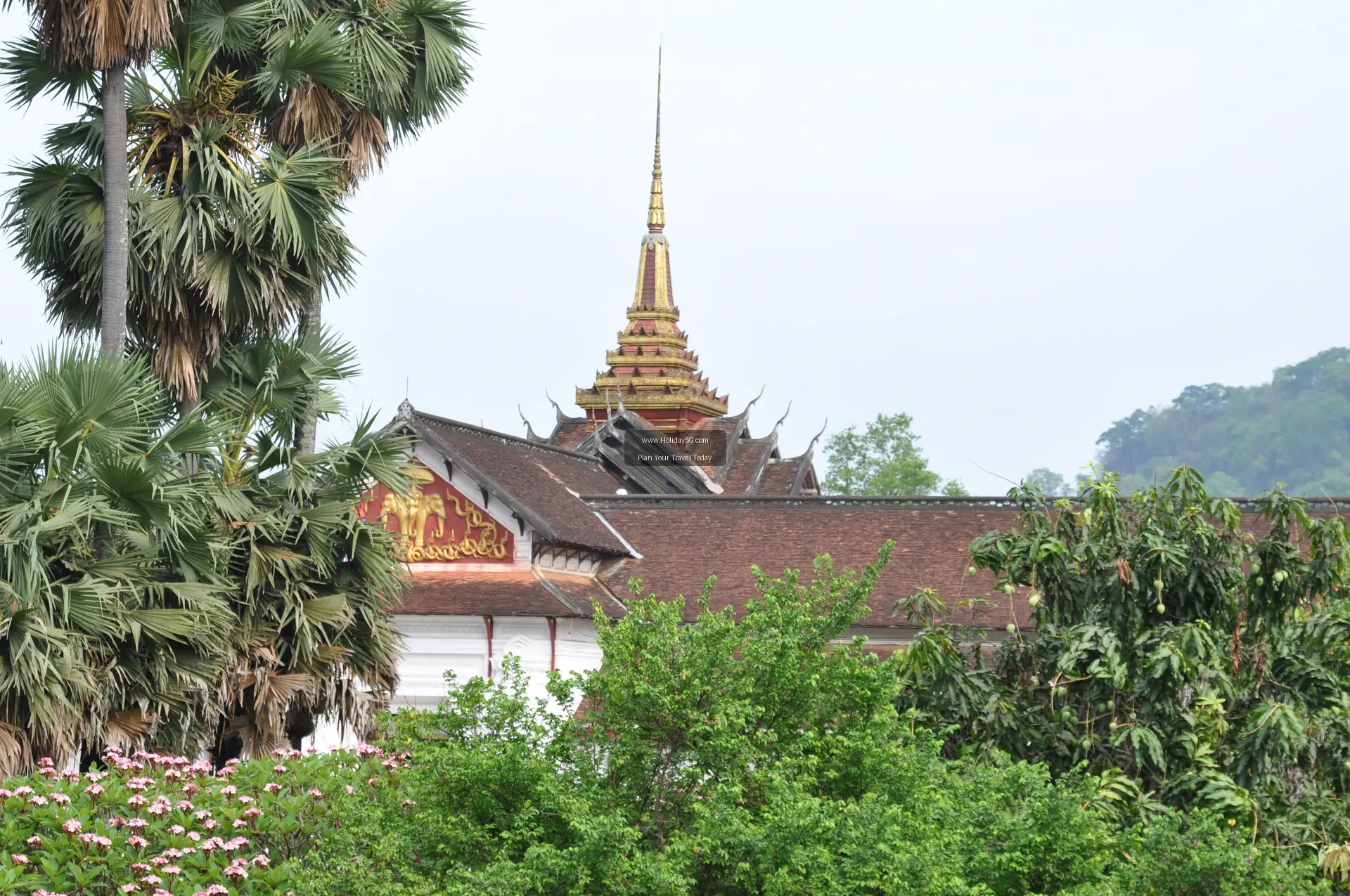
The Hidden Side of Luang Prabang
Beyond the tourist trail lies a world of undiscovered gems waiting for curious travellers willing to venture off the beaten path.
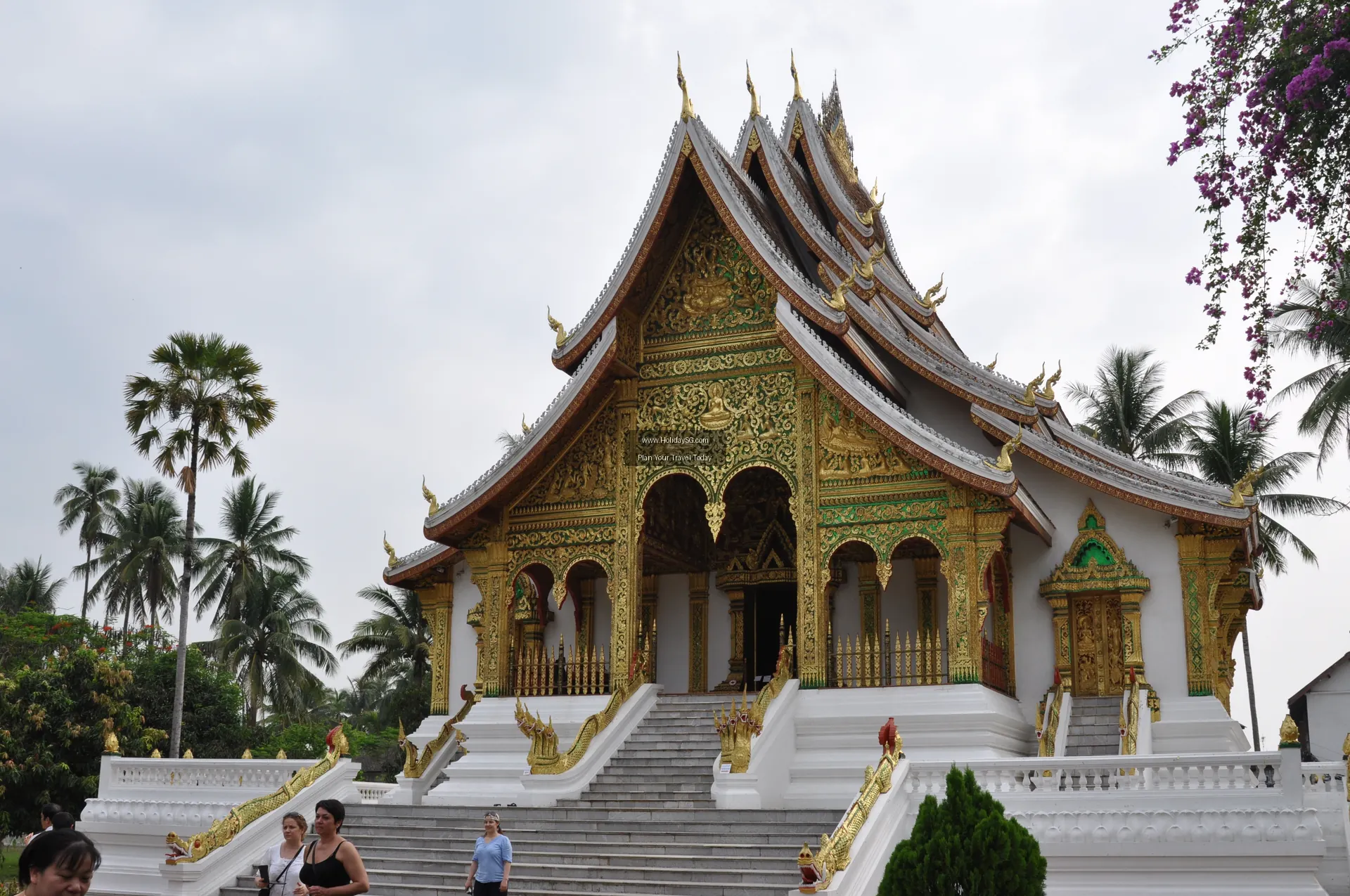
Local Secrets Most Visitors Miss
The best experiences in Luang Prabang aren't in any guidebook. They're shared by word of mouth among locals and seasoned travellers.
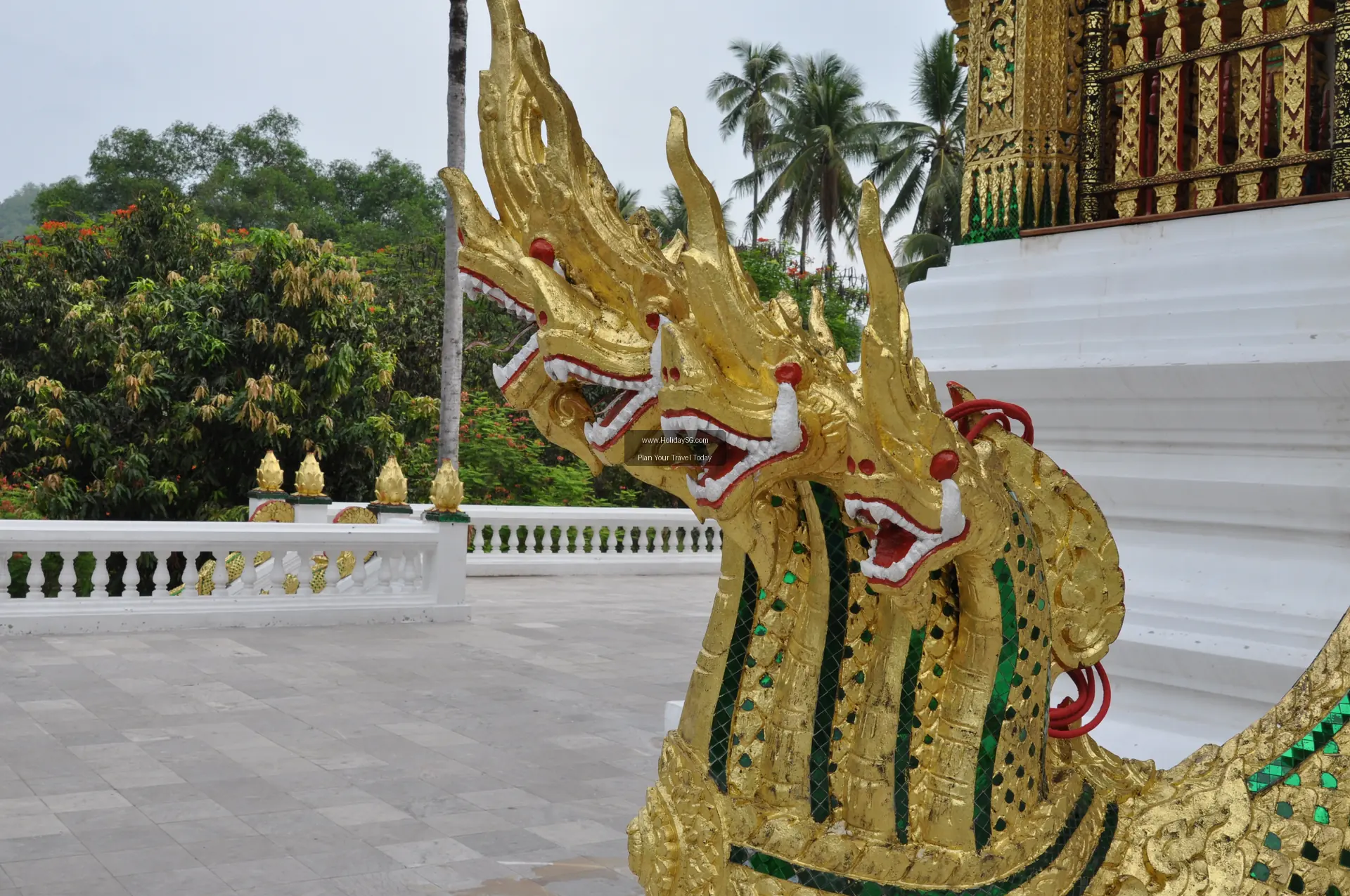
Where to Find Authentic Experiences
Skip the tourist traps and head straight for these spots where you'll experience the real Laos.
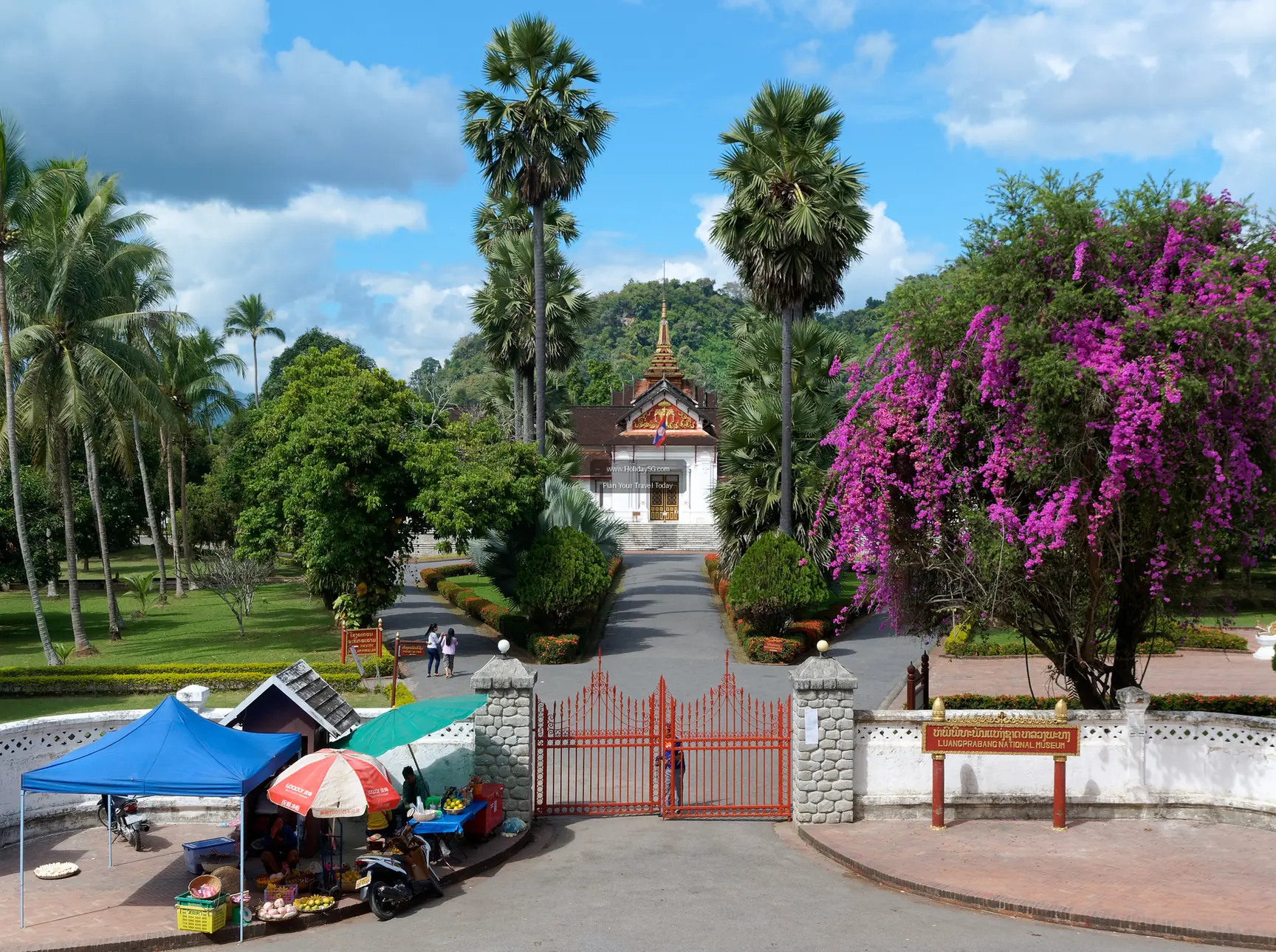
Insider Tips for Your Visit
Timing, transport, and local customs — here's everything you need to know to make the most of these hidden gems.
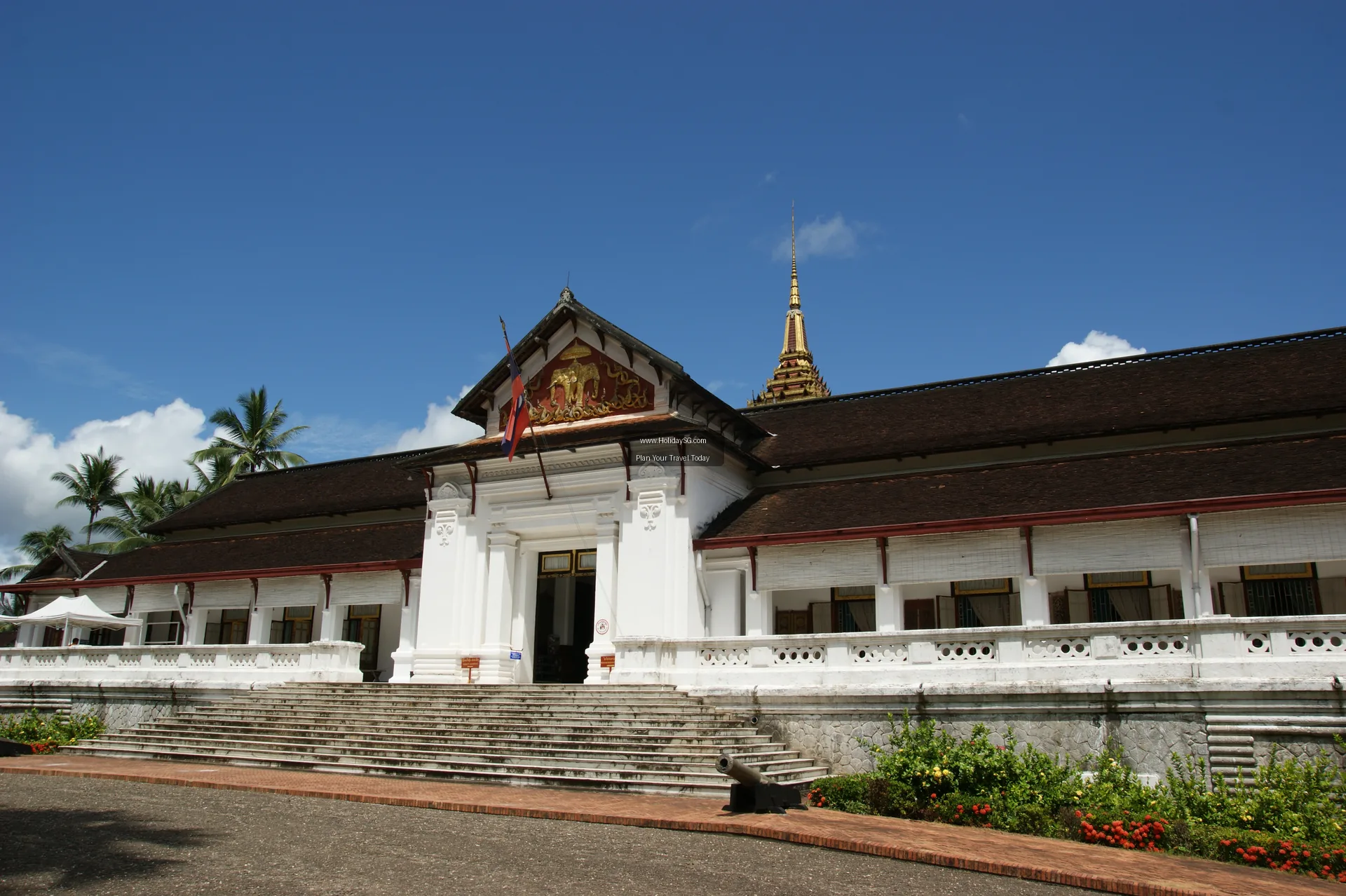
Planning Your Discovery Trip
Ready to explore beyond the obvious? Here's how to build an itinerary that uncovers the best-kept secrets.
Book Your Laos Experience
Get Luang Prabang activities, tours, and attractions through HolidaySG.
Explore Laos DealsRecommended Activities in Laos
Ready to Explore Luang Prabang?
View All Laos ActivitiesFrequently Asked Questions
What is the best time to visit Luang Prabang?
The ideal time depends on weather and crowd preferences. Check our guide above for seasonal tips.
How much does a trip to Luang Prabang cost?
Is Luang Prabang safe for tourists?
Luang Prabang is generally very safe for tourists. Take normal precautions and enjoy your trip.
What things cost in this destination
Live HolidaySG prices for the experiences in this guide, so you can sanity-check a budget before you commit.
| Experience | Where | From price |
|---|---|---|
| Kunsthistorisches Museum: Skip The Line Ticket | Vienna | From S$31.15 |
| Leopold Museum: Fast Track Ticket | Vienna | From S$15.79 |
| Four Seasons Biwa Lake & La Collina Omihachiman & Nara 1-Day T... | Kyoto | From S$136.00 |
| 1-day tour to Oslob whale sharks + Kawasan Falls canyoneering... | Manila | From S$116.00 |
Quick answers
When is the driest season to visit Luang Prabang? November through February offers the most comfortable weather with clear skies and cool temperatures between 15–25°C. This is peak season, so expect more tourists and higher accommodation rates.
How many days should I spend in Luang Prabang? Three to four days allows time for the morning alms-giving ceremony, exploration of the Old Town and temples, at least one trip to nearby villages or waterfalls, and a relaxed pace without rushing through the UNESCO heritage site.
What currency do I need and where do I exchange money? Laos uses the Kip (LAK). You can exchange money at the airport, banks in town, or withdraw cash from ATMs. Check your bank's foreign transaction fees before you arrive, as rates vary.
Can I drink tap water in Luang Prabang? Tap water is not considered safe for visitors. Use bottled water, widely available in shops and guesthouses, or ask your accommodation to provide it.
The Luang Prabang travel guide essential timing: avoid the monsoon pitfall
Most visitors assume they should visit Luang Prabang during the dry season—and statistically they're right—but many don't realize that the early dry season (October) offers something different from the peak months. After the May-to-September monsoon ends, the landscape is still lush and green, the rivers run full, and you see far fewer travellers crowding the morning alms ritual in Sakkaline Street.
October and early November bring intermittent showers in the afternoons, but mornings are typically clear. The trade-off is worth considering if you value solitude over guaranteed sunshine. Temperatures hover around 24–28°C, which is warm but not oppressive. Local restaurants and guesthouses operate normally; it's only the most extreme rainy-season flooding (June–August) that genuinely disrupts travel plans.
The other overlooked window is late February through March, when you've moved past peak season but the weather remains dependable. March temperatures climb toward 30°C and beyond, so bring lightweight, breathable clothing. This timing works well if you're combining Luang Prabang with other Laos destinations and want to follow a logical north-to-south route through the country without battling holiday crowds.
Practical tip: Book accommodation 4–6 weeks ahead for November–February travel, but during shoulder months (March–April, September–October) you can often secure better rates by arriving without a firm booking.
Understanding the real costs of Luang Prabang travel on different budgets
The phrase "cheap Southeast Asia" lures many travellers to Luang Prabang, but they arrive expecting backpacker prices and find the town has shifted. This isn't a bad thing—it reflects improved infrastructure and service—but you need realistic expectations. A basic guesthouse room in the Old Town costs more than equivalent accommodation in smaller towns like Muang Khua or Nong Khiaw.
Budget travellers should allocate funds for a simple double room (around 150,000–300,000 Kip per night), street food or market meals (20,000–50,000 Kip), and paid attractions like the Royal Palace Museum or Kuang Si Waterfall entrance fees. Mid-range visitors can access better-located hotels with air conditioning, restaurant dinners, and organized day tours without excessive expense. Luxury travellers will find upscale resorts and fine-dining experiences, particularly along the Mekong riverside.
The biggest variable is transport. Hiring a private driver or joining a half-day tour to Kuang Si costs more than negotiating a shared tuk-tuk with other travellers. The boat trip to Pak Ou Caves or a morning kayaking excursion represents significant spending, but many people skip them to manage costs. Domestic flights from Vientiane to Luang Prabang are more economical than overland travel when you factor in time and comfort.
Food at sit-down restaurants doubles or triples the price of street meals, but a single bowl of khao soi (Lao curry noodles) from a morning cart costs just a few dollars and fills you for half the day. Night markets operate year-round, and Dalaad Market (open daily) stocks fresh produce and ready-to-eat dishes cheaply.
Practical tip: Instead of estimating costs in your home currency, track daily spending in Kip for three days, then multiply by your trip length. This removes the mental distortion that makes cheap places feel cheaper than they actually are.
What to expect from temples and religious sites in your Luang Prabang travel guide
Luang Prabang has over 30 active Buddhist temples, and while that sounds manageable, visiting each one is neither necessary nor the point. Many visitors waste energy collecting temple checkmarks rather than sitting quietly in one compound to absorb the atmosphere. Wat Xieng Thong, the most photographed golden temple at the tip of the peninsula where two rivers meet, gets crowded by midday, so go early or skip it in favour of less-visited alternatives like Wat Aham or Wat Visoun.
The morning alms-giving (tak bat) ceremony happens daily before sunrise along the main streets. Monks walk silently past residents and visitors who place rice and other offerings in their bowls. This is a sacred ritual, not a tourist show. Wear long pants and a shirt covering your shoulders. Never touch a monk, take photos directly in their faces, or block their path. Many temples request a small donation if you enter; amounts are typically voluntary and modest. Shoes must come off before entering prayer halls, and women should not sit facing monks.
Interior temple decorations include depictions of hell and rebirth realms; these images are part of Buddhist teaching, not meant to frighten. Photography inside prayer halls is sometimes forbidden or requires permission. If you see a sign or notice monks instructing visitors otherwise, respect it immediately. Several temples offer meditation sessions for visitors, usually held in early mornings or late afternoons. These are genuine offerings, not performances, and spaces fill quickly during peak season.
Practical tip: Visit Wat Khili or Wat Choum Khong in the early morning or late afternoon, when locals are meditating or making offerings and the atmosphere is least touristy.
Navigating the Mekong River and boat excursions from Luang Prabang
The Mekong River defines Luang Prabang geographically and historically, yet many visitors spend their entire stay never stepping foot on it. A boat trip is essential to understanding the city and the landscape. The classic excursion visits Pak Ou Caves, limestone caverns carved into the cliff face about 25 kilometres upriver, filled with thousands of Buddha statues left by pilgrims over centuries. The journey upstream takes 90 minutes to two hours depending on water levels and boat speed. In the dry season (February–May), water levels drop and navigation becomes trickier; boats move slower and some smaller tributaries become impassable.
You can hire a long-tail boat privately or join a shared tour. Private hire costs significantly more but gives you flexibility to linger and stop at small villages along the way. Many tours bundle Pak Ou Caves with a visit to Ban Xang Hai village, known for rice whiskey production, though the "distillery tour" angle feels commercialized compared to simply buying a bottle and hearing the story from a local shopkeeper. The caves themselves deserve at least 45 minutes of genuine exploration; rushed visits reduce them to photo stops.
Sunset cruises along the river remain popular but often disappoint because you're sharing a crowded boat with 40 other tourists, and the Mekong's southern banks don't provide dramatic views at dusk from this stretch. A more rewarding evening is to walk to the pier in Ban Thapene (south of the Old Town) around 5 p.m., rent a small boat for an hour, and navigate the slower backwaters where you see fishermen, water birds, and stilted houses without the tour-group atmosphere.
Water safety standards vary. Check that your boat has life jackets for all passengers, though enforcement is inconsistent. During high water (July–September), currents move faster and some operators shut down. Always ask locally about current conditions before booking; seasons affect accessibility more than you'd expect.
Practical tip: Boat departures are typically flexible rather than scheduled; go to the pier by mid-morning, and boats depart once they have enough passengers or you negotiate a private hire rate.
Day trips from Luang Prabang: which excursions are actually worth the time
The villages and natural sites surrounding Luang Prabang compete aggressively for tourist attention, and the tourism trail has standardized the experience so much that many day trips feel interchangeable. Kuang Si Waterfall is the most promoted attraction, a tiered cascade with a turquoise pool where you can swim. It's genuine and beautiful, but extremely crowded. Getting there involves a 30-kilometre drive plus a 10-minute walk; the operation is well-organized but commercialized with inflated admission fees.
The alternative is Tad Sae Waterfall, less famous and closer (14 kilometres), which involves a bamboo raft ride to cross a section of water. The waterfall itself is smaller than Kuang Si, but the journey is more interesting and fewer visitors make the trip. Elephant camps marketed to tourists present ethical concerns; most animals work long hours in heat, and animal welfare varies widely. If you want to interact with elephants, research operators thoroughly or skip this activity altogether.
Village visits to Ban Xang Hai (rice whiskey village) or Hmong/Khmu minority settlements are increasingly choreographed for tourists, with staged demonstrations and pressured craft purchases. The authenticity erodes as tourism infrastructure grows. A more genuine experience is renting a bicycle or motorbike and cycling the rural roads north toward Nong Khiaw (a worthwhile full-day outing) without booking a formal tour. You'll pass gardens, encounter locals informally, and choose where to stop based on what interests you rather than where the tour van takes you.
The Night Market is technically not a day trip, but many first-time visitors to Luang Prabang skip it mistakenly, assuming it's purely a shopping venue. It's equally a food experience: vendors sell prepared dishes, fresh smoothies, sticky rice, and desserts. Walking the market at dusk requires no guide and costs nothing to enter.
Practical tip: Rent a motorbike from a shop in the Old Town and explore the rural roads independently rather than booking group tours; you'll save money and encounter fewer staged tourist experiences.
Local food and dining: eating like a resident in Luang Prabang
Restaurant rows catering to tourists exist throughout the Old Town, serving internationalized versions of Lao dishes at prices far above what locals pay. This doesn't mean avoiding restaurants altogether, but it means understanding the hierarchy: street carts and market food offer authentic preparation and cost; modest shophouses with plastic stools serve locals at local prices; riverside restaurants with sunset views charge tourist rates regardless of food quality.
Khao soi (a curry noodle soup from northern Laos) appears on nearly every street-food cart and at breakfast time. The broth carries different flavours depending on who makes it; some are rich and spiced, others lighter. A proper version includes crispy fried noodles on top, minced meat, and a squeeze of lime. Sticky rice (khao), served in a bamboo basket, accompanies almost every meal and is eaten with your hands, rolled into small balls and used to pinch food. Fish dishes are frequent because of proximity to the river: grilled fish (pa pa), fish soup, and raw fish salad (larb pa) appear on menus at small restaurants.
Dalaad Market operates morning and early afternoon and stocks raw ingredients; vendors also cook and serve prepared dishes on the spot, often with no English signage. Point to what interests you, and prices are negotiable if you're buying multiple items. The market is a sensory overload but captures how locals actually eat. Papaya salad (som tam) is everywhere, pounded to order in a mortar, with varying levels of heat depending on the cook's hand with chillies.
Lao coffee is strong and often served with sweetened condensed milk over ice (ca oy). It's not a specialty coffee movement; it's practical and delicious. Coffee shops now dot the Old Town, but the best version comes from a simple cart at breakfast time, priced in thousands of Kip.
Practical tip: Ask your guesthouse owner where they eat breakfast; follow that recommendation, and you'll likely sit among locals rather than tourists, with better food at lower cost.
Getting around: transport within Luang Prabang and onward travel
The Old Town itself is walkable, dense, and navigable on foot within 30–40 minutes corner to corner. Most attractions, temples, and restaurants cluster within this area or nearby. Tuk-tuks (three-wheeled vehicles) operate as shared transport; you negotiate a price per person or hire a vehicle exclusively. Hiring exclusively costs significantly more but offers flexibility. Motorbike and bicycle rentals are available from numerous shops, though road conditions vary and some streets lack sidewalks. Driving a motorbike requires caution if you're not experienced; roads into surrounding villages are sometimes unpaved.
The airport is 4 kilometres from the city centre. Airport transfers can be booked through your accommodation or negotiated with a tuk-tuk driver at the arrival area. Direct flights connect Luang Prabang to Vientiane (45 minutes), Bangkok (one hour), and other regional hubs. Flight schedules change seasonally and availability varies; book in advance during peak months.
Overland travel to other Laos destinations happens by bus or minivan. A 3-hour journey to Vang Vieng is popular and operates multiple times daily. The journey north to Nong Khiaw takes 3–4 hours and is scenic. Bus stations are outside the main town; your guesthouse can arrange transport or direct you. Road quality varies, and travel times are longer than they appear on maps. Buses fill according to demand rather than a fixed schedule, so arrive early or book seats a day ahead through travel agents in town.
The boat journey upstream to Nong Khiaw remains popular and scenic, though it takes a full day and operates only during high-water seasons (roughly July–November). This route through the Mekong is slower than overland but offers a different perspective and several villages en route.
Practical tip: To avoid confusion about transport timing and departure locations, ask your guesthouse to arrange tickets one day before you leave; costs are the same, and they'll handle logistics.
Seasonal considerations and monsoon reality for Luang Prabang travel planning
The monsoon season (May–September) gets described as impassable in many travel guides, but the reality is more nuanced. Rain typically falls in intense afternoon bursts rather than all day. Mornings remain dry enough for temple visits, walking, and exploring. The landscape turns vibrant green, and the heat becomes more humid but not unbearable. Prices for accommodation and tours drop significantly because tourism slows. Flights operate normally; roads remain open. The genuine disruptions are Kuang Si Waterfall access (occasionally restricted) and small-boat activities on the Mekong (fewer departures due to water levels).
The driest months (February–April) bring high heat. Temperatures exceed 30°C regularly, sometimes climbing toward 35°C. Humidity remains moderate in February but increases through March and April. This period is peak tourism season: accommodation is fully booked, prices are highest, and tourist sites are crowded. Lightweight, loose clothing is essential. The sun exposure is intense despite overcast appearances, and sunscreen becomes a daily necessity.
More quick answers
Can you visit Luang Prabang during monsoon season? Yes, but expect daily afternoon rain, slippery temple steps, and swollen rivers. The landscape turns lush and tourist numbers drop significantly, which appeals to some travellers. May to September sees the heaviest rainfall, particularly August.
How many days do you need in Luang Prabang? Three days covers the main temples, night market, and one boat trip. Five days lets you add a meaningful day trip to waterfalls or minority villages without rushing. A week allows you to slow down and experience the town's rhythm rather than ticking boxes.
What do locals actually eat daily in Luang Prabang? Sticky rice with nearly every meal, fish-based dishes like larb and nam pla, and a reliance on fresh herbs, chilli, and lime. Street vendors sell khao ji (Lao-style baguette sandwiches) for breakfast, while bamboo sticky rice containers appear at lunch stalls throughout town.
What are the real transport options from Luang Prabang? Shared minivans and songtheaws (open-sided buses) connect you to surrounding towns. Flights link Luang Prabang to Vientiane and Bangkok. Slow boats along the Mekong take 2-3 days southward and require advance bookings during peak season.
What cultural protocols matter most in Luang Prabang temples and religious sites?
Most visitors step into Wat Xieng Thong or Wat Visoun without understanding that removing shoes is non-negotiable, but so is keeping your head below Buddha statues and never pointing your feet toward them. Monks cannot touch women, and women should step back if a monk approaches. During the early morning alms ceremony, silence and stillness show respect—this isn't a photo opportunity, it's a spiritual practice the community performs daily.
Many temples require covering your shoulders and knees; sarongs are sold outside most major wats, but bring a light scarf if you're uncomfortable with borrowed cloth. Donations inside temples should be modest—a few thousand kip—and placed respectfully on the donation plate or into the alms bowl of a monk, never handed directly. Photographs inside prayer halls or near sleeping areas are often forbidden, so ask before raising your camera.
The Pha Bang, a golden Buddha statue housed in the Royal Palace Museum, holds deep spiritual significance. Entry times change seasonally, and you'll need to remove shoes at the entrance. Local tip: visit temples between 6 and 10 a.m. when monks are chanting and the atmosphere feels less performative than afternoon visits.
How should you actually spend time on the Mekong in Luang Prabang?
The Mekong River is Luang Prabang's lifeline, and many visitors book a sunset cruise expecting postcard moments but receive crowded boat tours instead. Instead, take an early morning private longtail or slow boat toward the Pak Ou Caves, where limestone cliffs rise directly from the water and you'll see fishermen setting nets as mist lifts off the river. This journey takes 1.5 to 2 hours one way and costs significantly less than an evening tour if you hire a driver and split costs with other travellers.
Slower exploration reveals riverside villages like Ban Xang Khong, known for weaving traditional textiles. You can stop, watch artisans at work, and purchase directly from families rather than tourist shops in the old town. The Mekong swells dramatically during monsoon season, making boats operate differently—June and July see higher water levels that change which routes are navigable.
A practical tip: negotiate boat hire prices in the morning when captains are less busy, and confirm whether fuel is included. Bringing water, a hat, and motion sickness tablets makes the journey more comfortable, especially on longer excursions. If you're sensitive to engine noise and fumes, a traditional wooden boat moves slower but feels less intrusive to the river's natural rhythm.
Which day trips from Luang Prabang offer genuine connection rather than tourist spectacle?
Kuang Si Waterfall is beautiful but crowded with tour groups by 10 a.m., turning a natural wonder into a bottleneck experience. If you visit, arrive at 7 a.m. with your own transport to swim in the turquoise pools before the crowds. The upper tiers see far fewer people and reward the 20-minute hike with solitude and views of the surrounding karst landscape.
The villages around Luang Prabang—Hmong, Khmu, and Lao ethnic groups live in nearby settlements—can feel extractive if visited through a tour operator. Instead, hire a local guide or driver who knows families personally, and visit during lunch when agricultural work slows and people are home. Ban Thapene, a Hmong village roughly one hour northeast, has no tourism infrastructure, which means interactions feel reciprocal: you're genuinely visiting, not consuming an experience.
The Elephant Park Sanctuary receives mixed reviews; research current conditions independently, as animal welfare standards change. A more authentic alternative involves asking your guesthouse or restaurant staff where they take visiting family—these recommendations often lead to smaller, community-run activities that don't appear in guidebooks. The trade-off is less infrastructure but immensely richer human connection.
How do you navigate Luang Prabang's night market and street food scene like a local?
The night market (Luang Prabang Travel Guide essential visiting time: after 5 p.m. when the sun cools) operates along Sisavangvong Road and serves both tourists and locals. Unlike Thai night markets, this one emphasises sticky rice, grilled items, and souvenirs rather than exotic street food theater. Arrive hungry and bring cash in small denominations—most vendors don't use card readers, and haggling is unusual here.
Quick answers (part 3)
When should I actually visit Luang Prabang to avoid crowds and poor weather?
November through early February offers reliable dry weather and lower humidity, making it the most comfortable window. October and March are shoulder months with fewer visitors but occasional rain. Avoid May through September when heavy monsoon downpours disrupt activities and render unpaved routes slippery or impassable.
How do visitor numbers and prices shift month to month in Luang Prabang?
December and January see peak tourism and correspondingly higher accommodation rates. September and early October experience minimal foot traffic but carry monsoon risk. Check official tourism board updates rather than relying on outdated guidebooks, as climate patterns shift annually.
What are realistic daily expenses if I budget carefully in Luang Prabang?
Guesthouses, street meals, and local transport can run 15–25 USD daily if you avoid tourist-marked restaurants. Mid-range stays and occasional paid activities typically cost 40–70 USD per day. Verify current prices with local accommodation providers before departure, as exchange rates and inflation affect costs constantly.
Is it genuinely safe to travel solo in Luang Prabang?
Luang Prabang has a reputation for being welcoming and low-crime by Southeast Asian standards. Petty theft in crowded areas and night markets does occur. Standard precautions—avoiding unmarked taxis late at night, securing valuables, staying aware of your surroundings—apply as they would in any unfamiliar city.
Understanding Luang Prabang travel timing beyond the calendar
Most guides simply list "dry season" without explaining what that actually means on the ground. November brings cool mornings (around 15–18°C) requiring a light jacket for pre-dawn alms-giving walks, while afternoons remain warm. By April, before the monsoon, temperatures climb to 35°C or higher, making midday exploration exhausting. Late September still feels oppressively wet even though rain has technically lessened, and riverside temples may have restricted access due to flooding.
Practical tip: If you must travel during shoulder season, pack both rain gear and sun protection. The Luang Prabang travel calendar should account for local festivals too. Lao New Year (mid-April) brings temporary business closures and inflated prices, while Vientiane's That Luang Festival (November) draws fewer visitors away from Luang Prabang itself.
Breaking down Luang Prabang travel costs without guesswork
Accommodation ranges dramatically: a fan-cooled room in the Old Town runs 12–20 USD nightly, while air-conditioned mid-range places occupy the 35–60 USD bracket. A noodle bowl or sticky rice plate from a street vendor costs under 2 USD; a restaurant dinner aimed at tourists, 8–15 USD. Boat excursions to Pak Ou Caves or the Mekong sunset run 10–25 USD depending on group size and operator.
- Guesthouse (basic): 12–25 USD per night
- Street meal: 1–3 USD
- Mekong River cruise: 10–25 USD
- Temple entry (donations): 1–5 USD suggested
- Tuk-tuk ride within town: 1–3 USD
- Motorbike rental: 5–8 USD daily
Verify rates directly with guesthouses and tour operators on arrival, as posted prices fluctuate. Official tourism office websites occasionally list partner operators with transparent pricing.
