

Torn between two destinations? We break down the pros and cons so you can pick the perfect trip.
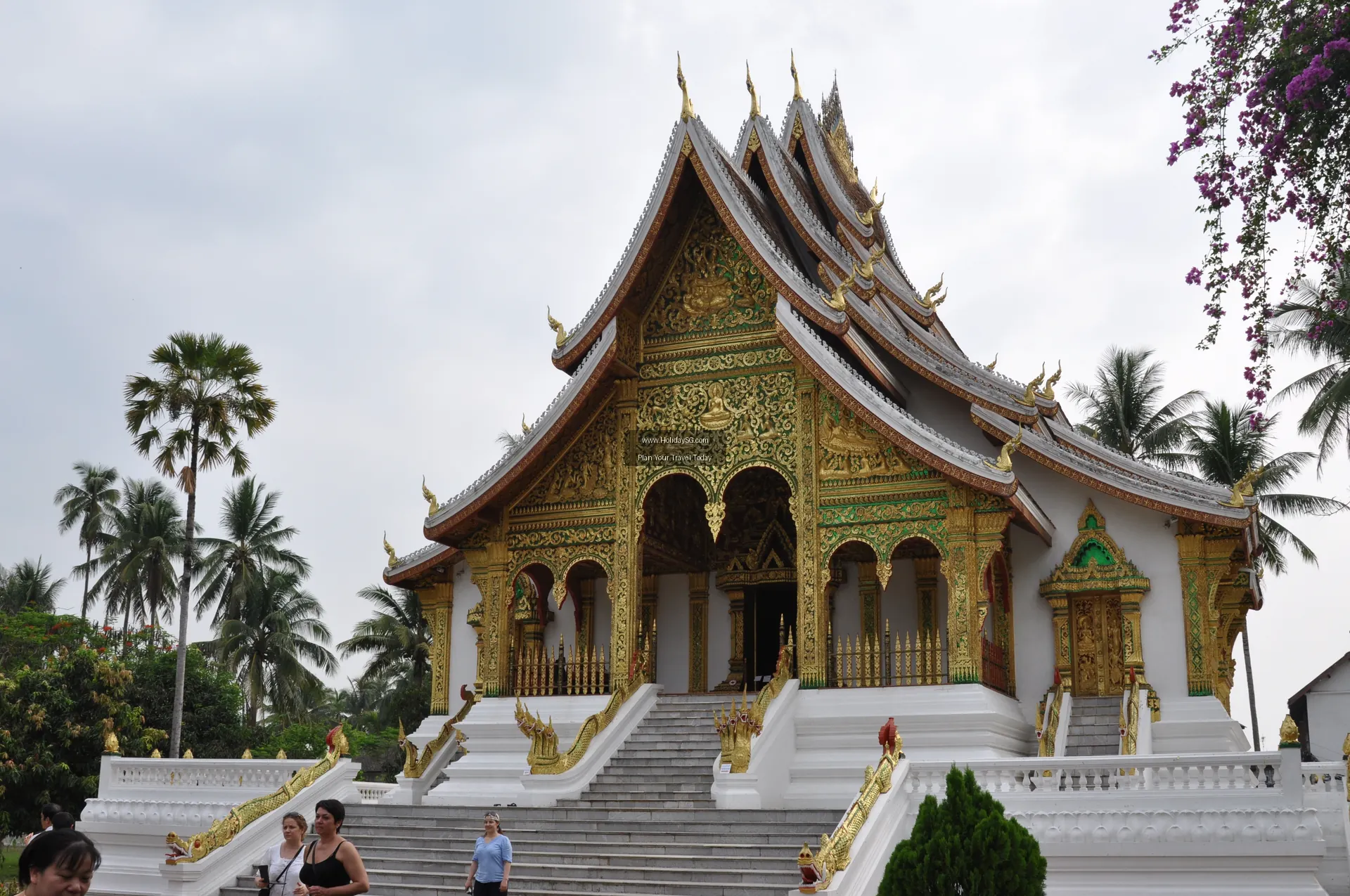
Overview: What Makes Each Destination Special
Laos's Vientiane offers a unique blend of culture, food, and adventure that draws millions of travellers each year.
Budget Comparison: Getting the Most for Your Money
When it comes to value, both destinations offer incredible experiences at different price points. Here's how they stack up for accommodation, food, and activities.
Food & Culture: A Taste of Local Life
From street markets to fine dining, the culinary scene here will delight every foodie. Don't miss the local specialties that define the region.
Activities & Attractions: What to See and Do
Whether you prefer temples, beaches, or city exploration, there's something for every type of traveller.
The Verdict: Which Should You Choose?
Both destinations have their charm. Your choice depends on what matters most — budget, food, adventure, or culture.
Book Your Laos Experience
Get Vientiane activities, tours, and attractions through HolidaySG.
Explore Laos DealsRecommended Activities in Laos
Ready to Explore Vientiane?
View All Laos ActivitiesFrequently Asked Questions
What is the best time to visit Vientiane?
The ideal time depends on weather and crowd preferences. Check our guide above for seasonal tips.
How much does a trip to Vientiane cost?
Is Vientiane safe for tourists?
Vientiane is generally very safe for tourists. Take normal precautions and enjoy your trip.
What things cost in France
Live HolidaySG prices for the experiences in this guide, so you can sanity-check a budget before you commit.
| Experience | Where | From price |
|---|---|---|
| Kunsthistorisches Museum: Skip The Line Ticket | Vienna | From S$31.15 |
| Leopold Museum: Fast Track Ticket | Vienna | From S$15.79 |
| Big Bus Paris: Hop-on Hop-off Tour + Seine River Cruise | Paris | From S$60.91 |
| Château de Vincennes: Entry Ticket | Paris | From S$15.84 |
| Dinner at Le Bistro Parisien with Seine River Cruise | Paris | From S$26.40 |
| From Paris: Versailles Palace Guided Tour & Gardens Access | Paris | From S$205.14 |
| La Marina Dinner Cruise, Eiffel Tower by Night and Moulin Roug... | Paris | From S$362.08 |
| The Batobus Pass | Paris | From S$15.00 |
Transportation Between Luang Prabang and Vientiane: Routes, Times & Reality Check
Most travellers assume there's a direct flight every few hours between these cities. The reality is messier—and that matters for your itinerary. The 200-kilometre gap between Laos's two major destinations offers several transport options, each with genuine trade-offs worth understanding before you book.
What's the fastest way to travel between Luang Prabang and Vientiane?
Flying takes around 50 minutes in the air, but you'll spend 3–4 hours total from leaving your accommodation to arriving at your next one. The two airlines operating this route both depart from Luang Prabang International Airport in the morning, typically between 8 and 11 a.m., reaching Wattay International Airport in Vientiane by early afternoon. Most travellers find the schedule predictable enough for a day trip, though afternoon returns are rarer. Expect to pay between USD 80 and USD 150 for a one-way ticket depending on how far ahead you book and which carrier you choose.
Is the bus a realistic alternative for budget travellers?
The overnight bus journey takes 10–12 hours depending on road conditions and stops. You leave Luang Prabang in the evening and arrive in Vientiane around dawn. The advantage is obvious—you save a night's accommodation and sleep while travelling. The catch is that the road contains stretches of uneven pavement, and some buses lack proper ventilation or leg room. A bunk usually costs between USD 20 and USD 40. Many seasoned travellers use this route specifically to conserve money during longer Laos itineraries.
Why would anyone choose a minibus over flying or the overnight bus?
Minibus services operate during daylight hours, departing mid-morning and arriving late afternoon—roughly 8–10 hours. You'll see more of the countryside, stop for lunch (usually near Vang Vieng), and avoid the discomfort of a night journey. The flexible departure times suit travellers with unpredictable schedules. Minibus tickets range from USD 35 to USD 60 depending on the operator and seat quality.
Practical tip: Book your transport 3–5 days ahead during peak season (October to March). Buses and minibuses departing Luang Prabang gather passengers from central hotels rather than a formal terminal, so confirm your exact pickup point when you arrange your ticket.
Seasonal Differences: When to Visit Luang Prabang vs Vientiane for Different Experiences
The seasons dictate everything in Laos—not just what you wear, but which activities are possible, how crowded the temples are, and whether you can afford accommodation. Luang Prabang and Vientiane experience the same monsoon patterns but feel distinctly different depending on when you arrive.
When is the dry season, and why do most tourists visit then?
October through March brings cool, dry weather with daytime temperatures around 25–28 degrees Celsius. November and December are peak months—clear skies, comfortable humidity, and ideal conditions for trekking around Luang Prabang or cycling through Vientiane's quieter neighbourhoods like Sikhottabong. Accommodation fills fast and prices rise noticeably in December and early January. If you're visiting during this season, booking hotels at least four weeks in advance is wise.
What happens during the rainy season, and should you avoid it?
May to October brings afternoon downpours, humidity climbing above 80 percent, and occasional flooding in low-lying areas. Most casual tourists skip this period. However, experienced travellers find advantages: hotel rates drop by 30–50 percent, temples and attractions feel genuinely uncrowded, and the countryside turns lush green. The Mekong River swells dramatically, creating stunning photography opportunities near Vientiane's riverside temples. Rain usually arrives in the afternoon and clears by evening, leaving mornings free for sightseeing. Luang Prabang's mountainous terrain means some trekking routes become impassable after heavy rainfall.
Does Luang Prabang vs Vientiane feel different depending on the season?
Luang Prabang draws more backpackers during dry months, making its night markets and temple-hopping tours feel busier. Vientiane stays relatively quieter year-round but sees day-trippers from Luang Prabang during peak season. The annual That Luang Festival in November fills Vientiane with Lao families celebrating their most important religious event—if you time your visit for this week, expect crowded transport and higher prices but an authentic cultural experience you won't find otherwise.
Practical tip: Travel between September and October if you want fewer crowds without full rainy-season rainfall. Accommodation is often still discounted, and the immediate post-monsoon landscape looks vibrant.
Visa Requirements and Entry Procedures for Luang Prabang and Vientiane Travelers
Visa rules change annually, and enforcement can vary between Luang Prabang's smaller airport and Vientiane's main gateway. Rather than giving you outdated numbers, here's how to verify the current requirements and what you actually experience on arrival.
Where should you check current visa requirements for Laos?
Contact the Laos Ministry of Foreign Affairs official website or your nearest Laos embassy before booking. Requirements differ based on your citizenship, length of stay, and whether you're arriving by air or land. Processing times and acceptable documentation can shift without notice. Checking the official source is faster and more reliable than relying on travel blogs or outdated forums.
What's the actual experience of arriving at each airport?
Luang Prabang International Airport is small and intimate—immigration queues move quickly, typically 15–30 minutes even during peak hours. Wattay International Airport in Vientiane handles more volume and can have longer waits, especially mid-morning. Both airports have ATMs, currency exchange counters, and sim card vendors just beyond the arrival hall. Luggage trolleys are free. Neither airport accepts most credit cards for visa purchases—bring cash in your home currency.
Can you move between Luang Prabang and Vientiane without re-entering via immigration?
Once you're inside Laos, travelling between the two cities is purely domestic. Buses and minibuses ignore national borders for practical purposes. If you fly, you technically stay within the country. No additional visa processing or border controls occur between them.
Practical tip: Bring copies of your passport's photo page and any visa documentation. Laos hotels request these for check-in, and the originals are safer left in your hotel safe.
Accommodation Guide: Where to Stay in Luang Prabang vs Vientiane by Budget and Preference
Where you sleep shapes your entire experience. Luang Prabang's guesthouses cluster around the old town, walking distance to temples and night markets. Vientiane spreads further, and choosing the right neighbourhood makes a huge difference in how you spend your days.
Which Luang Prabang neighbourhood offers the best balance of atmosphere and practicality?
The old town peninsula is tourist-heavy but unavoidable if you want to experience the morning alms ceremony and visit Wat Xieng Thong without rushing. Walking every street takes two hours. Most travellers stay within this compact triangle. The southern edge, near Wat Aham, feels slightly quieter while remaining central. Outer areas like Ban Wat That offer peace and local restaurants but require tuk-tuks to reach the main attractions. Accommodation here costs roughly 20–30 percent less than old town equivalents.
What are the best Vientiane neighbourhoods for different traveller types?
The riverfront area around Thanon Fa Ngoum (facing the Mekong) has restaurants, sunset spots, and mid-range hotels within walking distance. It's the closest equivalent to Luang Prabang's concentrated atmosphere, though less dense. Sikhottabong, south of the city centre, contains monasteries, French-colonial architecture, and quieter local cafes—ideal if you want to avoid other travellers. Vientiane Centre near the That Dam stupa and Patuxai monument offers shopping, dining, and cultural sights but feels more urban than charming. Budget guesthouses cluster in the backpacker quarter around Samsenthai Road, where you'll meet other tourists over cheap beer.
How much variation is there in accommodation prices between Luang Prabang and Vientiane?
Luang Prabang's tourism infrastructure is more developed, so budget dorm beds and mid-range rooms exist across a wider price spectrum. Vientiane has fewer budget options—many small properties have closed in recent years—meaning travellers often move upmarket or seek out specific recommendations. Both cities offer comfortable mid-range hotels (roughly USD 40–80 per night for a double) that are good value. High-end colonial properties exist in both places. The real difference: finding a USD 12 dorm bed in Luang Prabang is straightforward; Vientiane requires more searching.
Practical tip: Book accommodation during dry season months (November–February) at least 3–4 weeks ahead. April and September have the lowest rates but come with either heat or rain.
Food Scenes Compared: Eating in Luang Prabang vs Vientiane Beyond the Tourist Trail
The food is excellent in both cities, but the eating experience differs. Luang Prabang's dining reflects upscale tourism—plenty of craft cocktails and fusion restaurants. Vientiane keeps more local character, with older establishments serving dishes unchanged for decades.
What street foods should you prioritize in Luang Prabang's night markets?
The night bazaar spreads along Thanon Sisavangvong most evenings, with vendors grilling sticky chicken, rolling fresh spring rolls, and frying fish cakes. Seek out the stall selling larb (minced meat salad)—the cook will ask whether you want your version made with actual liver, blood, or just muscle meat, which tells you immediately how authentic the preparation is. Khao soi (turmeric curry noodles) appears in a few stalls, usually identifiable by the golden broth colour. Dessert vendors sell banana and sticky rice wrapped in bamboo leaves. Most plates cost USD 1.50–3. The market operates 5 p.m. to 10 p.m. and closes when tourists thin out.
Where do locals actually eat in Vientiane, and how is it different from tourist restaurants?
Morning markets like Talat Sao (Central Market) contain stall vendors cooking breakfast pho and khao tom (rice soup) from 6–11 a.m. Locals queue at specific stalls based on family reputation, not signage. The plastic stools and communal seating are authentic but crowded. For lunch, ask your hotel for nearby canteens (salas) in the Sikhottabong neighbourhood—basic wooden structures with no English menus where you point at the curry pot you want. Vientiane lacks the polished night market scene that Luang Prabang has; instead, food happens in daytime neighbourhoods and evening beer gardens where you order snacks rather than full meals. Vientiane's riverside restaurants have expanded in the last five years, now offering views of Thailand's Nong Khai across the Mekong.
What's a dish you can only find in one city, not the other?
Luang Prabang specializes in freshwater fish preparations from the Mekong tributaries flowing through the north—look specifically for nam pla dip (dipping sauce made with fish roe) served at established restaurants in the old town. Vientiane, as the capital, has more Vietnamese and Thai influence, so you'll find Vietnamese pho and Thai papaya salad sold more openly. Khao kha moo (braised pork leg with rice) is technically national but seems more prevalent as a Vientiane breakfast staple. Neither city has dramatically different cuisine, but the sourcing and preparation reflect their different regional roles.
Practical tip: Eat your main meal at lunch (11 a.m.–2 p.m.) when fresh ingredients are abundant. Dinner preparation often uses ingredients from earlier in the day, so the same dish tastes noticeably better at midday.
How Much a Trip to Luang Prabang vs Vientiane Actually Costs: Daily Expense Reality
Budget estimates online often underestimate costs because they assume you'll skip attractions, eat only street food, and use the slowest transport. Here's what actual daily spending looks like across different traveller styles, so you can plan more honestly.
What does a budget-conscious day in Luang Prabang actually cost?
A dorm bed runs USD 10–15 per night. Street food breakfast and lunch total USD 4–6. A temple tour with a guide costs USD 15–20. Two beers and dinner: USD 8–12. Local transport (tuk-tuk) for two trips: USD 4. One paid attraction like the Kuang Si waterfall (entrance plus transport): USD 15. Total daily estimate: USD 55–70. This assumes no activities beyond popular tourist routes and skips souvenir shopping or spa treatments. Many budget travellers spend USD 50–60 in Luang Prabang consistently; it's genuinely the cheaper of the two cities for basic expenses.
How do Vientiane costs compare for mid-range and upscale travellers?
Mid-range hotels in Vientiane (USD 50–80 per night) push daily costs higher because budget accommodation is scarce. A mid-range traveller might spend USD 20–30 on meals, USD 10–15 on activities and transport, and USD 60–80 on accommodation, totalling USD 90–125 per day. Upscale travellers in either city easily spend USD 150–200 daily when choosing riverfront hotels, multiple paid tours, and dining at chef-driven restaurants. Vientiane's upscale accommodation and dining scene has expanded, so luxury options now rival Luang Prabang's—the difference is that Vientiane lacks the mid-budget comfort zone that makes Luang Prabang popular.
Which expenses vary most between the two cities?
Accommodation gaps are most obvious. Paid attractions cost similarly (Luang Prabang temples, Vientiane's That Dam and Patuxai charge minimal entry fees, usually USD 1–3). Meals differ slightly—Vientiane's tourist restaurants charge 10–20 percent more than equivalent Luang Prabang establishments, but street food is cheaper. Transport between cities dominates trip costs far more than daily expenses. If you're splitting your Laos trip between both, the flight costs more than your accommodation will.
Practical tip: Check current exchange rates before arriving. Many vendors accept Thai baht and Vietnamese dong in both cities, though rates favor paying in Lao kip. Withdrawing kip from ATMs upon arrival (available in both airports) beats changing money with street vendors.
Activities Unique to Each City: Experiences You Can't Replicate Elsewhere
Both cities offer temples, food, and riverside walks. But the activities that justify choosing one over the other are distinctly different. Understanding what's genuinely unique helps you allocate your limited time.
What makes Luang Prabang's morning alms ceremony worth waking up for?
Between 5:30 and 7:00 a.m., Buddhist monks process through the old town collecting rice and food from residents in an unbroken tradition spanning centuries. The scale is human and participatory—you're not watching from behind velvet ropes but standing on quiet streets as monks file past in saffron robes. Hotels and tour operators offer guided walks (USD 15–20) where a local explains the ritual's significance and guides you to good vantage points. The ceremony happens daily year-round; Vientiane has no equivalent public ritual at this scale. Many travellers who initially booked just one day in Luang Prabang extend stays specifically to experience this once or twice more.
What outdoor adventures are only possible near Luang Prabang?
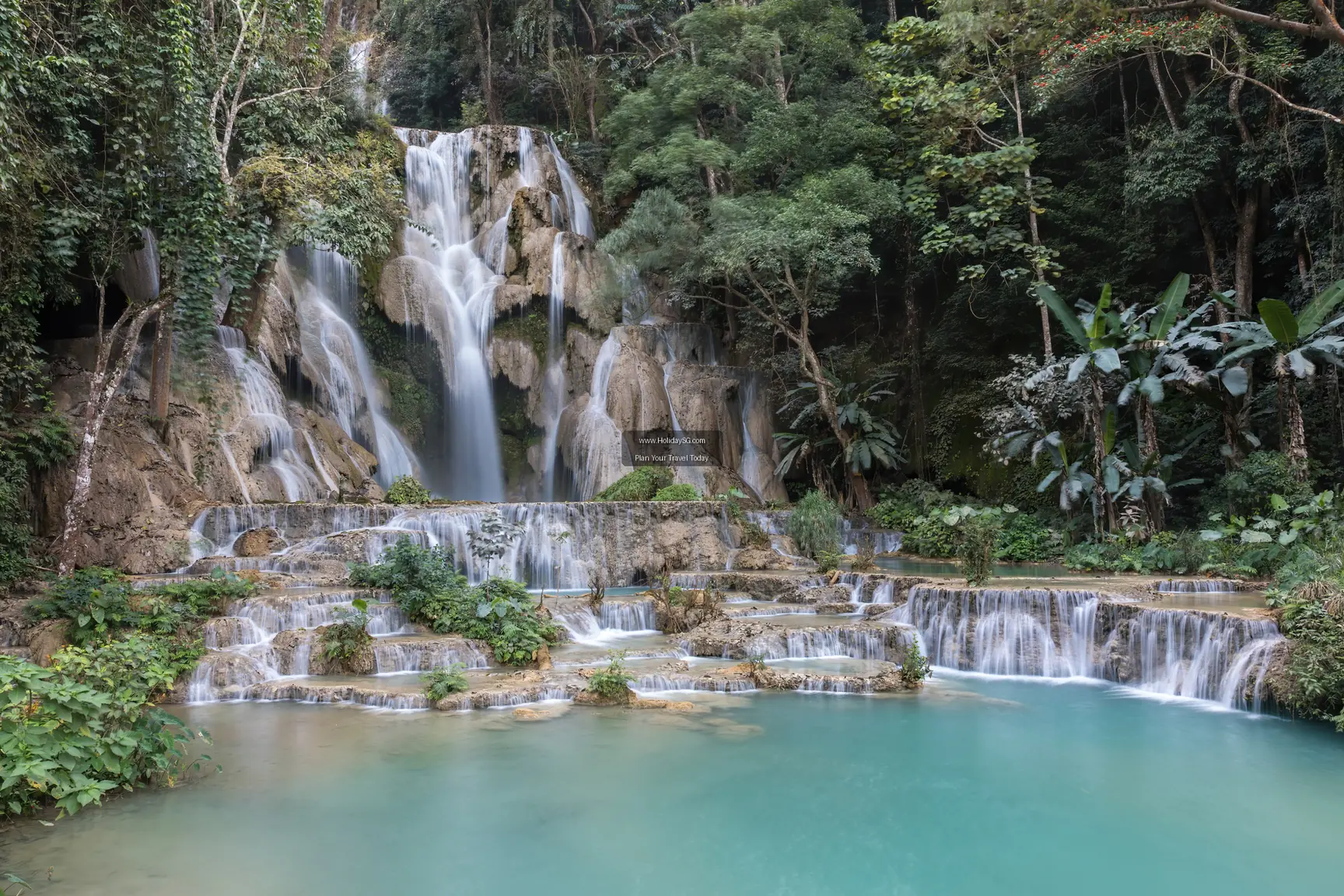
The Kuang Si waterfall (30 kilometres south) offers three-tiered swimming pools fed by limestone aquifers that shift colour from turquoise to deep blue depending on light. A day trip includes trekking, wildlife spotting (rare, but occasional gibbons and langurs appear), and bathing in pristine water—unavailable in Vientiane. Trekking routes around Luang Prabang penetrate jungle with local guides, including night walks where your guide points out nocturnal creatures using a flashlight. Kayaking the Nam Khan river, a tributary joining the Mekong upstream, combines paddling with forest scenery. Vientiane offers no trekking or waterfall experiences because its surrounding landscape is flatter and more developed.
What cultural experiences does Vientiane offer that Luang Prabang lacks?
As the capital, Vientiane has functioning museums exploring Lao history and communist-era politics. The COPE Visitor Centre documents the ongoing impact of unexploded ordnance from the Vietnam War—a sobering, necessary context for understanding modern Laos. Vientiane's That Luang stupa, the national religious monument, attracts Lao families during major festivals in ways Luang Prabang's temples don't. The riverside area contains French colonial architecture still functioning as government buildings, offering insight into Laos's colonial history. Luang Prabang emphasizes spiritual beauty; Vientiane emphasizes historical understanding.
Can you do day trips from either city to see both?
Yes, but they're exhausting and miss the point. A flight from Luang Prabang to Vientiane (departure around 8–11 a.m.) arrives early afternoon, leaving 3–4 hours before needing to return. That allows a quick temple visit, late lunch, and brief sunset walk. Overnight bus travellers arrive in Vientiane around 6 a.m., giving a full day. Return buses depart around 6–8 p.m., so you get approximately 12 hours in the city. Many travellers do this route and feel it's insufficient for either city. Spending 2–3 days minimum in each maximizes your experience.
Practical tip: Book Kuang Si waterfall and trekking tours directly through your Luang Prabang hotel rather than via tour operators—you'll pay the same amount but hotels often coordinate transport and skip time-wasting hotel pickups.
Language, Communication & Local Interactions in Luang Prabang vs Vientiane
English proficiency differs between the cities, affecting how easily you navigate and whether you'll have genuine exchanges with locals. Understanding this shapes how independent you can travel and what kind of experiences you'll have.
Where is English most useful, and where will you struggle?
Luang Prabang's tourism infrastructure means hotel staff, restaurant owners, and shop workers in central areas speak functional English. Outside the old town peninsula, English becomes patchy—locals in outer neighbourhoods rarely speak it. Vientiane has pockets of English (upscale hotels, international restaurants, central district) but feels less tourist-saturated, so venture beyond the riverfront and you'll find fewer English speakers. Bus drivers and minibus operators speak minimal English in both cities; establishing your destination beforehand through your hotel is wise.
Should you learn basic Lao phrases, and where does it help most?
Learning "hello" (sabaai), "thank you" (khob khun), and "one beer, please" (bia neung kaew) earns genuine smiles from locals in both cities. It matters more in Vientiane, where fewer tourists mean fewer locals are accustomed to the international tourism exchange. Speaking even minimal Lao opens doors to conversations and better pricing at markets. You don't need fluency; a few phrases and Google Translate app screenshots covering basic needs work fine.
What should you know about respecting local customs when interacting with people?
Pointing at people is considered rude; use your chin or an open hand instead. Feet are the lowest part of the body in Buddhist culture, so avoid pointing them at statues or people. The royal family deserves deep respect—avoid making jokes about the king. Photography in temples requires permission; most monks politely decline or ignore cameras but asking first is courteous. These customs apply equally in Luang Prabang and Vientiane but matter more in Vientiane's less-touristy areas where locals aren't accustomed to foreigners ignoring them.
Practical tip: Download a translation app offline before arriving. Mobile data is available in both cities but can be slow, and an offline dictionary eliminates connection delays when communicating with vendors or getting directions.
Safety, Health & Practical Concerns: What Actually Happens in Each City
Both cities are generally safe for travellers, but understanding real risks—not hypothetical ones—helps you stay healthy and keep your belongings secure. The risks differ slightly between places.
What are the actual security concerns for travellers in Luang Prabang and Vientiane?
Petty theft from bags, rooms, and bikes occurs in both cities but is uncommon compared to Southeast Asian tourist hubs. Luang Prabang's backpacker bars occasionally see drink-spiking incidents; stick to established venues and don't leave drinks unattended. Vientiane's night life is quieter and less conducive to these situations. Motorcycle taxis (tuk-tuks) are safe but occasionally overcharge visitors—agree on fares before riding or use your hotel to arrange transport. ATM theft is rare but possible; use machines inside hotels or established malls. Neither city experiences violent crime against tourists regularly. Standard traveller precautions apply: avoid walking alone late at night in unfamiliar areas, keep copies of important documents separate from originals, and don't display expensive cameras or phones unnecessarily.
What health concerns should you plan for before visiting?
Consult official health sources about vaccination recommendations specific to your citizenship before travelling. Water from taps is not consistently safe; hotels usually provide bottled water or filter systems. Street food is generally safe because it's cooked to order at high temperatures, though your stomach may need adjustment regardless. Mosquito-borne illnesses exist but are not widespread in central tourist areas. Medical facilities in Vientiane are significantly better than Luang Prabang—the capital has international clinics where English-speaking doctors address tourist ailments. Luang Prabang's medical services are basic; serious issues sometimes require transport to Vientiane or Thailand. Travel to remote areas puts you further from care, so trekking and jungle tours in Luang Prabang carry minor additional risk if you have pre-existing conditions.
How reliable is mobile connectivity and internet in both cities?
Mobile phone networks operate in both cities, and prepaid SIM cards are available at airports and convenience stores. 4G coverage works in central areas but slows significantly in outer neighbourhoods. Hotels and restaurants offer wireless internet; the connection quality varies widely even within the same establishment. Vientiane's infrastructure is generally slightly more stable. If you depend on video calls or constant connectivity, plan accordingly and test your hotel's speed before committing to staying there. Downloading offline maps and translation content beforehand removes dependency on real-time internet.
Practical tip: Carry a small first-aid kit with blister treatments, anti-diarrhoea medication, and pain relievers. Pharmacies in both cities sell these over the counter, but having them on hand speeds up treatment when trekking or exploring remote temple areas.
Ideal Itinerary Combinations: How to Split Your Time Between Luang Prabang vs Vientiane
How many days to allocate to each city is the most common planning question. Rather than generic advice, here are realistic itineraries based on what you actually want to see and experience.
What's a realistic short trip combining both cities?
Five to six days is the minimum to experience both meaningfully. Day 1–3: Arrive in Luang Prabang, attend the morning alms ceremony, visit Wat Xieng Thong and Wat Aham, take a day trip to Kuang Si waterfall. Day 4–5: Overnight bus or morning flight to Vientiane, explore That Luang, That Dam, and the riverfront. Day 6: Morning visit to the COPE museum or additional temple-hopping, depart for Thailand or your next destination. This pace is acceptable but leaves no recovery time for travel fatigue or afternoon naps. Many travellers feel rushed after a five-day trip through both cities.
How should you split time if you have 7–10 days?
Three to four days in Luang Prabang plus three to four days in Vientiane allows proper digestion of each place. Sample itinerary: Days 1–4 in Luang Prabang (morning ceremony, two temple days, one full-day waterfall/trek). Days 5–8 in Vientiane (capital museums, riverside area, surrounding satellite temples, afternoon cycling). This pacing lets you visit Kuang Si without feeling rushed, plus explore Vientiane's neighbourhoods beyond the main tourist circuit. You'll have time for meals with locals, spontaneous detours, and rest days.
What if you want to skip one city entirely—which is worth the time?
If you have only 3–4 days in Laos, choose Luang Prabang. It's denser with activities, offers better budget accommodation, and feels more transformative as an introduction to Laos. Vientiane is better as a secondary destination or if you're specifically interested in modern Lao history, political sites, and museum experiences. Many Laos itineraries skip Vientiane altogether if time is limited, instead adding Vang Vieng (cave kayaking and limestone karst scenery) between the two cities.
Should you add a third Lao destination to your Luang Prabang vs Vientiane trip?
Vang Vieng, midway between the cities, is technically possible to visit—you'd fly or bus into Luang Prabang, overnight bus to Vang Vieng (3 hours), spend a day there, then continue to Vientiane. However, this adds an extra travel day and accommodation cost. Most 7–10 day itineraries skip Vang Vieng if they want depth in both major cities. Four Plus days is necessary to add a third destination without feeling like you're living in transport.
Practical tip: If combining both cities, book accommodation in Luang Prabang first (it fills faster), then Vientiane. This prevents arriving in Vientiane with limited options for the second half of your trip.
Currency, Money Management & Payment Methods in Luang Prabang and Vientiane
The Lao kip is your only legal tender, but understanding money logistics prevents frustration and bad exchange rates. Both cities have reliable ATMs, yet payment practices differ between neighbourhoods.
What's the most efficient way to exchange money in each city?
Both airports have exchange booths in the arrival hall with rates that are acceptable (not the best, but not exploitative). ATMs are ubiquitous in Luang Prabang's old town and Vientiane's central areas; withdraw kip directly to avoid carrying large amounts of foreign currency. Exchanges at hotels are convenient but typically offer worse rates than dedicated exchange shops. Street money changers exist in both cities but are best avoided unless you're exchanging large amounts—rates are unpredictable and you risk counterfeit notes.
Where can you use credit cards, and where must you carry cash?
Mid-range and upscale restaurants, hotels, and shops accept credit cards in both cities. Street food, markets, and budget guesthouses require cash exclusively. Small street vendors rarely have card readers. Keep small bills (USD 1 or kip equivalents) for tipping, motorcycle taxis, and vendor change. Some vendors quote prices in Thai baht or US dollars—agreeing and paying in kip usually gives you a slightly better rate than exchanging at official shops.
Practical tip: Withdraw enough kip for 2–3 days from your first ATM visit. You'll develop a feel for pricing quickly, and carrying multiple large bills helps you bargain better (vendors are more willing to negotiate on price with a customer who has cash in hand).
Specific Attractions Worth Visiting: Temple Guide and Cultural Sites Compared
Both cities contain temples, but the experience and scale differ significantly. Knowing which temples justify your time prevents the "temple fatigue" common among first-time visitors.
Which Luang Prabang temples should you prioritize if you have limited time?
Wat Xieng Thong is the most ornate and photographed temple, featuring gold leaf exterior walls and intricate wooden decorative panels. Wat Aham, smaller and less touristy, serves active monks and hosts meditation sessions for visitors. Wat Mai houses an enormous golden Buddha image and receives daily worship from Lao families, making it feel less like a museum. Most travellers visit all three within one full day, creating temple fatigue. Pick Xieng Thong and Aham if time is limited; both reveal different aspects of Luang Prabang's spiritual life.
What are the essential temples and religious sites in Vientiane?
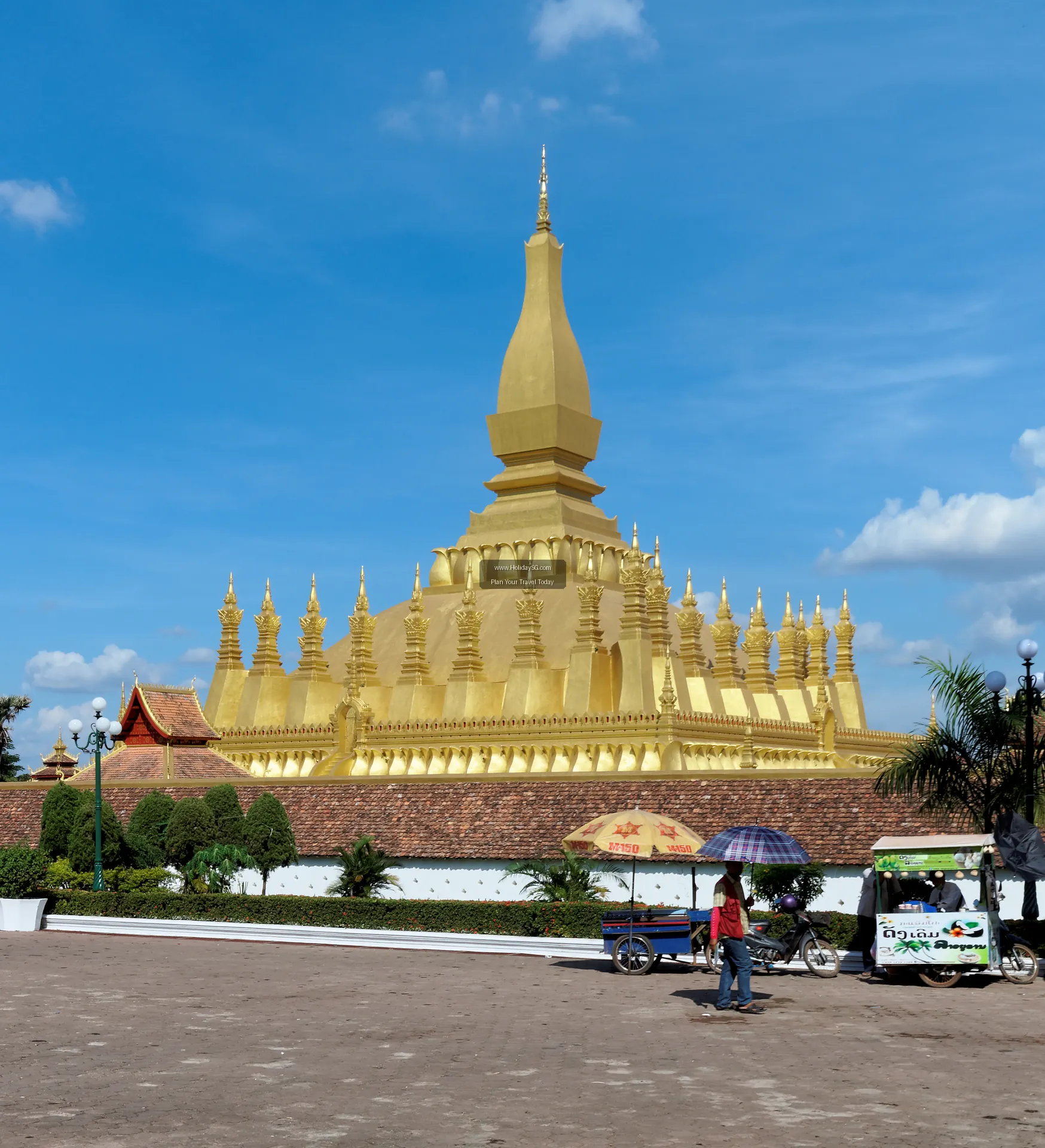
That Luang Stupa, the national religious monument with a massive golden central spire, dominates Vientiane's religious landscape and attracts Lao worshippers daily. That Dam (the Black Stupa) is smaller but historically significant, surrounded by street vendors and feeling more embedded in daily city life. Wat Si Muang contains an active Buddha image where locals come to make wishes and receive blessings. Wat That Luang Neua, adjacent to That Luang Stupa, is architecturally impressive but less famous among tourists. Visiting That Luang, That Dam, and Wat Si Muang covers Vientiane's major sites within one morning.
What non-religious attractions differentiate the two cities?
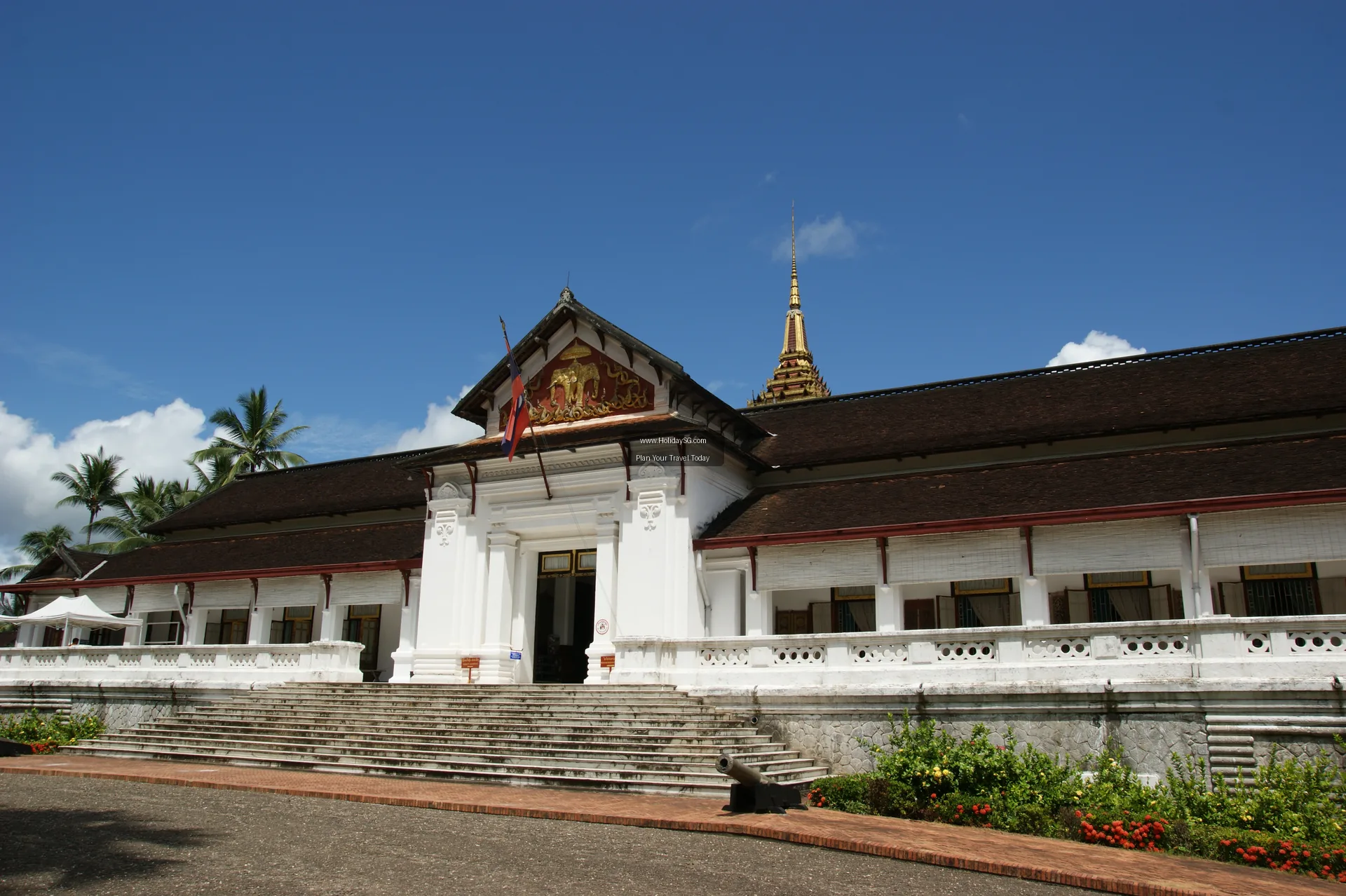
Luang Prabang's National Museum details Lao history through photographs and artifacts in a colonial-era building. The Artisans Angkor workshop showcases traditional woodcarving and silk-weaving with artisans working on-site. Vientiane's COPE Visitor Centre explains the lasting impact of unexploded ordnance from wartime bombing. The Haw Kham (Royal Palace Museum) displays royal regalia and provides insight into the Lao monarchy's role. Vientiane's Patuxai monument, a large archway at the city centre, offers rooftop views but limited interpretative content. Luang Prabang's museums emphasize arts and culture; Vientiane's emphasize history and current political context.
Practical tip: Most temples close between 11:30 a.m. and 2:00 p.m. for midday rest. Visit early morning (after the alms ceremony) or late afternoon. Wear pants and long sleeves; many temples deny entry to visitors in shorts or sleeveless shirts.
Nightlife, Entertainment & Evening Activities: What Each City Offers After Dark
Evening entertainment shapes whether you're bored after sunset. The two cities offer starkly different night experiences depending on your interests and energy levels.
What's the Luang Prabang nightlife scene actually like?
The night bazaar (most evenings 5–10 p.m. along Thanon Sisavangvong) is the primary evening draw—street food stalls, local craft vendors, and casual atmosphere. Bars cluster on Thanon Sakkaline (the backpacker strip) with Lao beer, Beerlao, served ice-cold for USD 0.75–1.50 per bottle. Later in the evening, some bars feature live music or DJ sets, though quality varies widely. Several establishments cater primarily to foreign travellers, making the scene feel less authentically Lao. Silent discos and craft cocktail bars have opened in recent years, targeting upscale tourists. Most locals go home after dinner; nightlife is largely a traveller phenomenon. By 11 p.m., the city is quiet regardless of which bars you're in.
Where does Vientiane's evening activity happen?
Riverside restaurants along Thanon Fa Ngoum stay lively through the evening, filled with both locals and tourists eating and drinking while watching the Mekong. Beer gardens operate throughout the city, particularly in the Sikhottabong and Samsenthai areas where locals gather more than tourists. Vientiane's nightlife feels less touristic and concentrated than Luang Prabang's. Karaoke venues are numerous and popular with locals; some welcome foreign visitors, making for entertaining cultural experiences if you're willing to embarrass yourself singing Lao and Thai pop. The city quiets by 10–11 p.m., earlier than Luang Prabang's tourist bars.
Are there live cultural performances in either city?
Luang Prabang occasionally hosts traditional dance performances in upscale hotels and restaurants, usually aimed at tourists—expect to pay USD 20–40
Transportation Between Luang Prabang and Vientiane: Routes and Duration
Most travellers assume the journey between these two cities is quick—it's not. The reality is that getting from Luang Prabang to Vientiane takes commitment, whether you choose the scenic route or the faster option. Understanding your transport choices helps you plan a realistic itinerary across Laos.
What are the main transport options between the two cities?
You have three realistic options: a domestic flight from Luang Prabang International Airport to Wattay Airport in Vientiane (takes about one hour), an overnight bus journey down Route 13 (approximately ten to twelve hours depending on road conditions), or a combination of minivan and bus if you want to stop in towns like Vang Vieng along the way. The flight costs more but saves your entire day. The bus is cheaper and allows you to see rural Laos, though overnight travel can be uncomfortable if you're sensitive to noise or confined spaces.
Should I break up the journey to Vientiane with a stop in Vang Vieng?
If you have extra days, absolutely. Vang Vieng lies roughly halfway between Luang Prabang and Vientiane and offers limestone karsts, cave exploration, and a younger traveller atmosphere that contrasts with both destinations. You can take a minivan from Luang Prabang to Vang Vieng (four to five hours), spend a night or two there, then continue to Vientiane by bus. This breaks the journey into manageable chunks and gives you a different perspective on central Laos.
Practical tip: Book any domestic flights at least three days ahead if travelling during peak season (November to February), as schedules can fill quickly and seat availability fluctuates.
Accommodation Prices: Luang Prabang vs Vientiane
Accommodation costs in each city are closer than you'd expect, but the value proposition differs dramatically. Luang Prabang's guesthouses occupy charming old wooden buildings in the Old Town, while Vientiane's budget hotels tend to be newer concrete structures on busier streets. Both cities cater to budget travellers, but what you're actually paying for changes between them.
How do hotel and guesthouse rates compare across both destinations?
To get current rates and compare specific properties, check accommodation review sites that show nightly prices updated in real time. Prices fluctuate seasonally and by property type, so any figures I provide would be outdated within weeks. What matters more is understanding that Luang Prabang's premium comes partly from its heritage status—you're paying for colonial charm and proximity to temples—while Vientiane offers functional comfort closer to standard city prices in Southeast Asia.
Where should I stay to get the most authentic experience in each city?
In Luang Prabang, the Old Town around Sisavangvong Road puts you steps from morning alms-giving ceremonies and within walking distance of Wat Xieng Thong and the Royal Palace Museum. Vientiane's That Dam neighbourhood, near the Black Stupa, feels less touristy than the Settathirath area, though it's less walkable. The trade-off is that authentic neighbourhoods often mean less English spoken by staff and fewer nearby restaurants catering to foreign tastes.
Practical tip: Book accommodation in Luang Prabang's Old Town several weeks ahead if you're visiting November through January, as limited room inventory means properties fill and prices rise during peak season.
Best Time to Visit Each City: Season, Weather and Crowds
The dry season (November to February) dominates travel calendars for both cities, yet each destination experiences this period differently. Luang Prabang becomes saturated with international tourists, while Vientiane feels relatively calm. Understanding seasonal patterns helps you decide whether you want crowds or solitude.
When should I visit to avoid peak season crowds?
March through May brings heat and humidity but fewer visitors willing to tolerate it. Late September through October, right after the rainy season ends, offers a sweet spot: roads and paths are freshly washed, rice paddies are lush green, yet tourist numbers haven't yet spiked. Temples and attractions feel accessible without queuing. Bear in mind that some smaller attractions may have reduced hours or occasional closures during shoulder seasons, so flexibility helps.
How do weather conditions differ between Luang Prabang and Vientiane during monsoon season?
May through October is monsoon season in both cities, but Luang Prabang's northern elevation means it can feel cooler and experiences heavier rainfall. Vientiane sits lower and accumulates more standing water on streets, making transport slower but usually avoiding the intense downpours Luang Prabang experiences. Most activities still run during monsoon; you just need waterproof bags and patience for occasional afternoon storms.
Practical tip: If you visit during monsoon, carry a lightweight rain jacket and waterproof phone case; the rain rarely lasts more than an hour but comes intensely, and puddles around Luang Prabang's Old Town can be deep.
Day Trips from Luang Prabang and Vientiane: Expanding Your Itinerary
Both cities serve as bases for exploring the surrounding countryside, yet the options available look completely different. Luang Prabang offers jungle hikes and waterfalls within reach, while Vientiane's appeal lies in rural temple culture and river crossings into Thailand. Knowing what's nearby helps you decide whether to anchor yourself in one city or divide your time.
What are the must-do day trips from Luang Prabang?
Kuang Si Waterfall, about thirty kilometres south, is the classic excursion—a three-tiered cascade where you can swim in turquoise pools and visit a bear rescue centre. Pak Ou Caves, accessible by boat upriver, contain thousands of Buddha statues in caverns overlooking the Mekong. Both trips run on half-day or full-day schedules from guesthouses. A less common option is visiting Ban Thapène village to see traditional weaving; this half-day experience feels less touristy because it requires a minivan ride away from standard routes.
What day trips make sense from Vientiane?
Vang Vieng (two to three hours north by minivan) offers caves, tubing, and limestone scenery. Buddha Park, about twenty-five kilometres south, displays eccentric concrete sculptures blending Hindu, Buddhist and Christian imagery—it's quirky and divisive, but unforgettable. Many travellers also cross into Thailand at Nong Khai, just north of Vientiane, for a day trip to Thai border towns. These options feel more removed from Luang Prabang's nature-focused outings and lean toward cultural oddities and border experiences.
Practical tip: Arrange day trips through your accommodation's front desk rather than street touts; prices are often similar, but guesthouses handle logistics more reliably and take responsibility if something goes wrong.
Visa Requirements and Entry Procedures for Luang Prabang and Vientiane
Visa rules change regularly, and requirements depend entirely on your nationality. Rather than state specific regulations that may be outdated, you need to confirm current entry requirements through official channels before booking anything. Both cities serve as entry points, but visa options and costs vary by port of entry and citizenship.
Where should I check official visa requirements?
Consult your country's official Laos embassy or consulate website for your nationality's specific requirements. They publish current visa categories, processing times, and documentation needed. Information on travel forums becomes outdated quickly and sometimes contains mistakes, so official sources are your only reliable reference.
Practical tip: Contact the embassy or consulate via email two to three weeks before your planned travel date, asking for confirmation of current entry requirements for your nationality; response times vary, but official confirmation protects you against sudden policy changes.
Language Barriers and Getting Around Each City
English proficiency differs sharply between the two cities, affecting how easily you navigate daily life. Luang Prabang's tourism infrastructure means most hotel staff and restaurant workers speak some English, while Vientiane requires more patience and gesture-based communication outside the tourist bubble. This shapes your entire experience, from ordering food to asking directions.
How easy is it to get around without speaking Lao?
Luang Prabang's Old Town is small enough to navigate on foot, and most major temples and restaurants have English signs or staff who speak English. Vientiane is larger and more spread out; tuk-tuk drivers rarely speak English, so having your destination written down in Lao (ask your hotel) helps immensely. Neither city matches Thailand's infrastructure for English speakers, so translation apps on your phone become genuinely useful.
Are translation apps reliable for basic communication in Laos?
Apps work reasonably well for basic phrases and can help with tuk-tuk negotiations or restaurant ordering. The camera translation feature helps read menus. However, they sometimes produce awkward or incomplete translations, especially for colloquial expressions, so combine app use with patience and a smile. Having a phrasebook or pre-written phrases in Lao shows respect and often generates goodwill.
Practical tip: Learn to say "thank you" (khop jai) and "hello" (sabaidee) in Lao—locals respond warmly to any effort, and it opens conversations where English might otherwise fail.
Temple Etiquette and Religious Respect in Both Cities
Misunderstanding temple rules causes awkward situations and genuine disrespect in deeply Buddhist communities. Both Luang Prabang and Vientiane contain sacred sites where specific behaviour is expected, but rules differ slightly between temples and evolve. Knowing general protocols before you enter shows consideration and protects your experience from feeling rushed or confrontational.
What clothing and behaviour are expected when visiting temples?
Wear clothing that covers shoulders and knees—loose pants, long skirts or maxi dresses work well. Remove shoes before entering any temple building. Never point your feet toward Buddha images (sit with legs crossed or tucked to the side). Don't touch monks or sit higher than them. Many temples in Luang Prabang, like Wat Xieng Thong, enforce these rules visibly; staff will redirect you if you slip up. Vientiane's temples tend to be more relaxed about enforcement, but rules remain the same spiritually.
What happens during morning alms-giving ceremonies, and can tourists participate?
Luang Prabang's morning alms-giving (tak bhat), where monks walk through streets receiving food offerings from residents, is a profound cultural practice, not a performance. Tourists can participate respectfully by standing quietly, offering rice or food purchased from local vendors, and never photographing monks' faces. Arrive early (before 6 am), position yourself respectfully off to the side, and observe silently. In Vientiane, this practice is less visible and less tourist-oriented, making it feel more authentic if you encounter it by chance.
Practical tip: Buy sticky rice in a take-away container from morning market vendors if you plan to participate in alms-giving; carry it respectfully and offer it into monks' alms bowls silently, then step back.
How Much Time Should You Spend in Each City?
Time allocation shapes whether you feel rushed or bored. Three days in Luang Prabang allows you to see temples, take a day trip, and absorb the atmosphere without overloading. Vientiane can feel repetitive after two days for some travellers, though others stretch it to three for a slower pace. Understanding what each city demands helps you build a realistic itinerary.
How many days do I realistically need in Luang Prabang?
Day one covers the Old Town temples (Wat Xieng Thong, Royal Palace Museum) and night market atmosphere. Day two can include Kuang Si Waterfall or Pak Ou Caves as a day trip, or explore Luang Prabang's quieter western temples and craft workshops. Day three lets you revisit favourite spots or venture to outlying villages. If you're rushing, you can hit major sites in two days, but you'll miss the rhythm of morning alms-giving and evening riverside walks that make Luang Prabang special. Four or five days makes sense if you combine it with jungle treks or longer day excursions.
How many days should I plan for Vientiane?
Two full days covers That Luang temple, Patuxai monument, the National Museum, and exploring the riverside and French Quarter. If you're combining Vientiane with a Vang Vieng day trip or Thailand border crossing, two days is adequate. Three days allows you to wander neighbourhoods like That Dam, visit quieter temples without tour groups, and sit in parks watching daily life. Many travellers find Vientiane less visually dramatic than Luang Prabang, so patience and a slower pace matter; rushing through diminishes what the city offers.
Practical tip: Arrive in Vientiane on a day when That Luang (located about four kilometres outside the city centre) is less crowded; morning visits feel more peaceful than late afternoon when school groups gather.
Safety Considerations and Practical Information for Both Cities
Both cities are considered reasonably safe for travellers, but specific risks deserve attention. Petty theft in crowded markets and night-time street safety in Vientiane require vigilance. Luang Prabang feels calmer overall, though tourists are occasionally targeted for theft of phones or bags in Old Town guesthouses. Neither city experiences violent crime against tourists regularly, but awareness prevents problems.
What practical precautions should I take in each city?
Keep valuables in your room's safe or on your person; don't leave cameras or phones on hostel beds or restaurant tables. Use tuk-tuks rather than walking alone at night, especially in Vientiane. Avoid displaying expensive jewellery, large amounts of cash or high-end camera gear. Street food and water from major restaurants are generally safe, though some travellers' stomachs react to unfamiliar bacteria—bring antacids if prone to digestive sensitivity. Both cities have pharmacies stocked with common medicines, and hospitals in each city handle standard tourist complaints.
Practical tip: Store copies of important documents (passport identification page, visa confirmation) separately from originals, either in cloud storage or printed and left with a trusted contact, in case of loss or theft.
Quick answers
Which city is better for first-time visitors to Laos? Luang Prabang works better for first-timers because its compact Old Town, iconic temples, and established tourism infrastructure make exploration easier. Vientiane serves well as a second destination once you've found your rhythm in Laos.
Can I visit both cities in one week? Yes, comfortably. Spend three days in Luang Prabang, one day travelling south (flight or bus with Vang Vieng stop), and two to three days in Vientiane. This avoids feeling rushed while seeing both city centres and their immediate surroundings.
Which city has better food, Luang Prabang or Vientiane? Both offer authentic Lao cuisine, but Luang Prabang has more refined, tourist-friendly restaurants alongside street food. Vientiane's food is less polished but more authentically local—finding the best dishes requires exploration and sometimes limited English menus.
Is it essential to book tours in advance? No. Both cities have abundant tour operators visible from guesthouses and street corners. Booking locally often yields better prices and allows you to meet other travellers, though advance booking guarantees availability during peak season (November to February).
