

Macau travel guide 2026 | tips, costs & local insights is exactly what this guide covers.
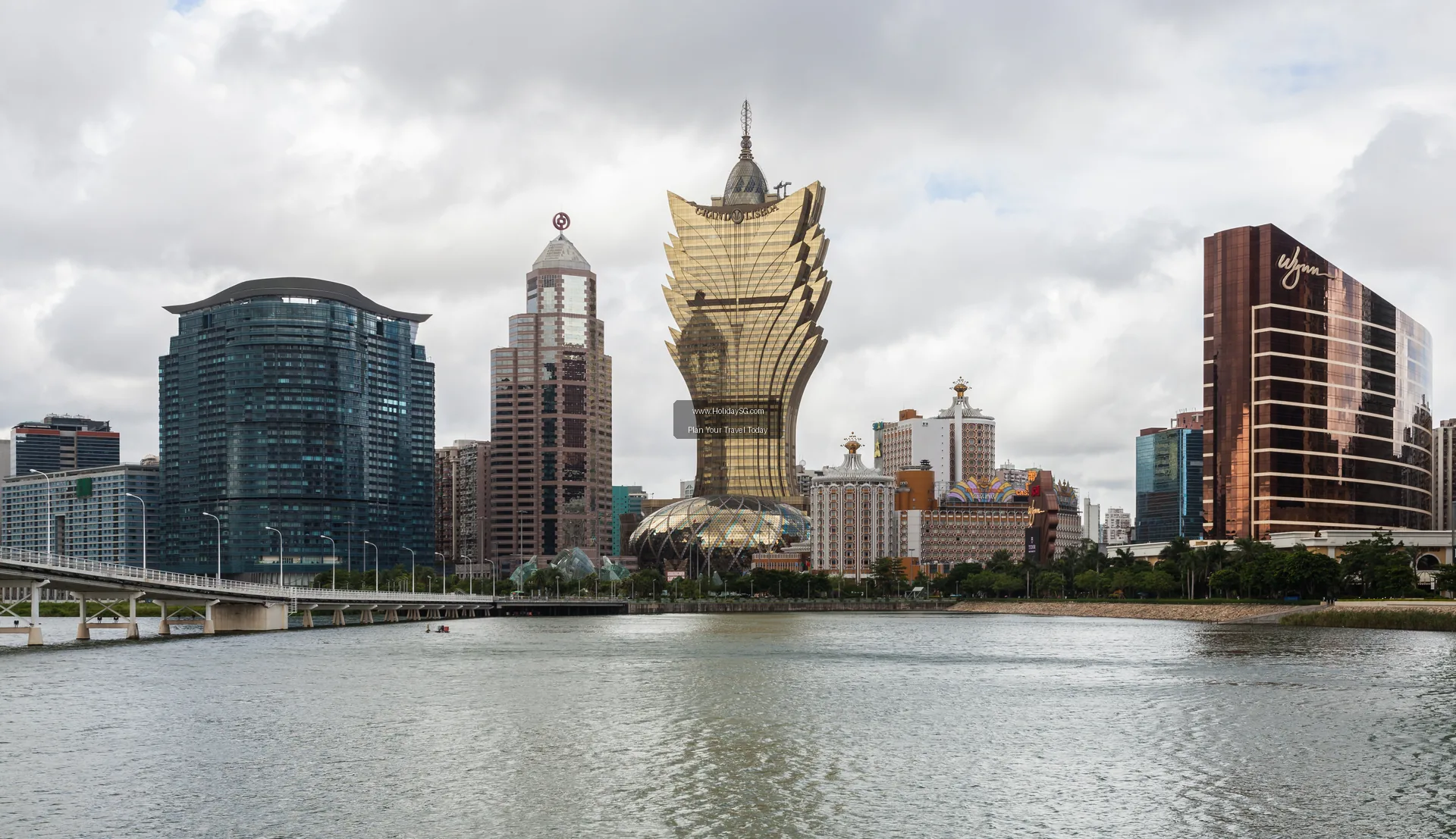
Macau Travel Guide 2026 offers an unforgettable blend of dazzling modern entertainment and deeply rooted history. Often called the “Vegas of the East,” this Special Administrative Region of China is far more than just casinos. Imagine wandering through cobblestone streets past centuries-old Portuguese churches, only to emerge into the neon-lit bustle of the Cotai Strip. It’s a place where you can savor an authentic Portuguese egg tart in the morning and watch a spectacular water-based acrobatics show at night. This guide will walk you through everything you need to plan your perfect Macau adventure.
TL;DR: Macau is a compact, fascinating destination offering a unique mix of UNESCO-listed colonial history and world-class resort entertainment. You can explore on a budget using efficient public transport and free casino shuttles. Aim for 2-3 days to see the main highlights without rushing, and don’t miss the incredible food scene beyond the hotels.
Planning Your Trip to Macau
When’s the Best Time to Go?
Timing your visit can greatly enhance your comfort. The ideal periods are during the pleasant autumn months from October to December, with comfortable temperatures around 20-25°C and lower humidity. Spring (March-April) is also lovely. It’s wise to avoid the peak summer heat (June-August), which also falls within the typhoon season. If you’re a motorsport fan, timing your visit for November means you could potentially witness the legendary Macau Grand Prix.
Visa Rules for 2026
A significant plus for many travelers is Macau’s generous visa policy. Passport holders from many countries, including Singapore, the United States, the EU, the UK, Canada, and Australia, typically enjoy visa-free entry for up to 30 days. As policies can change, it’s always prudent to double-check the latest official requirements before booking your flight.
How Many Days Are Enough?
Due to Macau’s relatively small size, you can see a lot in a short time. For a whirlwind tour of the iconic attractions, 2 full days are sufficient. However, to truly soak in the atmosphere, enjoy a show, and explore quieter neighborhoods, a 3-day itinerary offers a more relaxed pace. A day trip from Hong Kong is possible but will feel rushed.
Arriving in Macau
Ready to go? Book Full Day Macau Sightseeing Tour Day Tours with HolidaySG.
By Ferry from Hong Kong
The most traditional route is by ferry from Hong Kong. Services like Cotai Water Jet and TurboJET operate frequently from ports in Hong Kong (Sheung Wan, China Ferry Terminal) directly to Taipa or Macau Outer Harbour. The journey takes about an hour. For convenience, you can pre-book your ferry tickets online, such as the Two Travel Together Discount Official Ticket for Cotai Water Jet.
Using the Hong Kong-Zhuhai-Macau Bridge (HZMB)
The engineering marvel of the HZMB offers a bus service as another excellent option. These coaches cross the bridge and take around 45 minutes, dropping you off at the HZMB Port on Taipa. It’s a modern, comfortable, and often quicker way to enter Macau from Hong Kong.
Flying Directly to Macau
For those coming from further afield, Macau International Airport (MFM) receives direct flights from several cities across Asia. This is the most straightforward option if Macau is your primary destination.
Moving Around Macau: Transport Tips
Getting around Macau is simple and cost-effective. The public bus network is excellent, with a flat fare of MOP 6 per trip. However, for the budget-savvy traveler, there’s a secret weapon: the free shuttle buses. Nearly all major casino resorts operate their own fleets of shuttles, ferrying guests for free between the border gates, ferry terminals, and the resorts themselves. Utilizing these can save you a significant amount on transport. The Macau Light Rail is also a clean and efficient way to travel between Taipa and the Cotai Strip. Taxis are plentiful but can be pricey, especially during peak times.
Exploring the Highlights: From Historic Streets to Neon Strips
Ready to go? Book Full Day Macau Sightseeing Tour Day Tours with HolidaySG.
The Historic Centre: A Walk Through Time
The core of Macau’s UNESCO World Heritage Site is a joy to explore on foot. Start at the iconic Ruins of St. Paul’s, the magnificent stone facade of a 17th-century church. From there, wander down to the vibrant, Portuguese-tiled Senado Square, the historic heart of the city. Don’t miss the serene A-Ma Temple, one of the oldest in Macau, dedicated to the goddess of seafarers. This area is best explored in the morning to avoid the biggest crowds.
The Cotai Strip: Modern Marvels
Contrasting sharply with the historic centre is the Cotai Strip, a reclaimed piece of land housing colossal integrated resorts. Here you’ll find The Venetian Macao, a replica of Venice complete with canals and gondolas, and The Parisian Macao, famous for its half-scale Eiffel Tower. City of Dreams is another must-see, hosting the breathtaking House of Dancing Water show—a spectacular feat of theatre combining acrobatics, diving, and pyrotechnics in a purpose-built pool.
Iconic Entertainment Experiences
Beyond the casinos, seek out unique thrills. Macau Tower offers not just panoramic views but also the world’s highest commercial bungee jump and a thrilling Skywalk on the outer rim. For a gentler pace, visit the Giant Panda Pavilion at Seac Pai Van Park to see these adorable creatures up close.
Understanding Costs & Budgeting
Money Matters: Currency Tips
The official currency is the Macau Pataca (MOP), but Hong Kong Dollars (HKD) are accepted everywhere at a simple 1:1 rate. The catch is that if you pay in HKD, any change you receive will usually be in MOP. Credit and debit cards are widely accepted in hotels, resorts, and larger shops. It’s useful to carry some local cash for smaller purchases, like buses or street food.
What Will Your Trip Cost?
Macau can cater to all budgets, though it’s generally pricier than many mainland Chinese cities.
- Budget Traveler (MOP 600-800 per day): Stay in a hostel or basic hotel, eat at local cha chaan tengs (diners), and rely on public transport and free shuttles.
- Mid-Range (MOP 1,200-2,000 per day): A comfortable 3-4 star hotel, a mix of local meals and resort dining, and tickets to one or two attractions.
- Luxury Seeker (MOP 3,000+ per day): 5-star resort accommodation, fine dining experiences, premium show tickets, and shopping.
Where to splurge? The world-class shows and a memorable dining experience. Where to save? Use the free shuttles and public buses, and enjoy the delicious and affordable local snacks.
Local Insights & Unique Experiences
Ready to go? Book Full Day Macau Sightseeing Tour Day Tours with HolidaySG.
A Foodie’s Guide to Macau
Macau’s cuisine is a delicious fusion of Portuguese and Chinese influences. You absolutely cannot leave without trying the famous Portuguese egg tart, with Lord Stow’s Bakery being the most celebrated spot. Other must-tries include African chicken (a Macau specialty), minced pork noodles, and almond cookies. For a fantastic sit-down meal, consider a buffet like the one at Perk Restaurant at the Harbor View Hotel.
Beyond the Glitter: Coloane Village & Hac Sa Beach
To escape the crowds, take a bus to Coloane Island. The pastel-colored, sleepy Coloane Village feels a world away from the Cotai Strip, with its charming chapel and quiet squares. Nearby, Hac Sa Beach, Macau’s largest natural beach, is perfect for a relaxing afternoon stroll.
Practical Tips & FAQs
Day Trip or Overnight Stay?
While a day trip is feasible, an overnight stay is highly recommended. It allows you to experience the vibrant nightlife, enjoy evening shows, and avoid stressful queues for late-night ferries back to Hong Kong. The city has a completely different, magical atmosphere after dark.
Language and Etiquette
English is widely spoken in casino areas, hotels, and major tourist attractions. You’ll also see signs in Portuguese and Cantonese. Macau is generally very safe, but like any busy tourist destination, exercise normal precautions. When visiting temples, dress modestly and be respectful of worshippers.
Recommended HolidaySG Tours
Ready to go? Book Full Day Macau Sightseeing Tour Day Tours with HolidaySG.
- Full Day Macau Sightseeing Tour Day Tours
- HolidaySG eSIM plan for Macau
- Buffet At Perk Restaurant At Harbor View Hotel Macau
- Two Travel Together Discount Official Ticket Cotai Water Jet One Way Boat Ticket Macau Taipa To Hong Kong Sheung Wa
Your Ultimate Macau Adventure Awaits
Macau is a destination of delightful contrasts, offering something for every type of traveler. Whether you’re here to explore historic alleyways, take a risk on the gaming floor, or simply feast on incredible food, this vibrant city delivers. By planning ahead with this guide, you can navigate its costs and attractions like a local, ensuring your 2026 trip is smooth and filled with unforgettable memories.
Ready to dive into your Macau adventure? Enhance your experience with our curated Full Day Macau Sightseeing Tour Day Tours for a hassle-free exploration of the city’s top highlights.
Book these with HolidaySG:
Book with HolidaySG online for Full Day Macau Sightseeing Tour Day Tours, Commbitz Macau E Sim Package, Commbitz Macau E Sim Daily.
Where to Stay: Choosing the Right Base in Macau
Choosing where to sleep in Macau shapes your whole trip more than most visitors expect. The territory is small, roughly 33 square kilometres when you add the Cotai reclamation area to the Macau Peninsula and Taipa, so nothing is truly far away, but the character of each district varies enormously. The Macau Peninsula, where the old Portuguese-era streets, the A-Ma Temple and the Ruins of St. Paul's sit, feels the most like a traditional city. Staying here means narrow lanes, family-run noodle shops and quieter evenings, and it is the best choice if you want to walk to the historic centre each morning without fighting for a taxi. Hotels around Senado Square and the Inner Harbour area tend to be mid-range, often between MOP 900 and MOP 1,800 per night for a double room in shoulder season, and many are converted older buildings with more personality than the glossy resorts across the bridge.
Taipa is the middle option and, for many returning visitors, the most relaxed. Taipa Village, with its colonial houses, pastel facades and small squares, is one of the most photogenic corners of the territory, and the surrounding streets have a calmer rhythm after dark. Guesthouses and boutique hotels here usually cost a little less than comparable places on the peninsula, and the area is convenient for the Macau Light Rail, which connects Taipa with the Outer Harbour and parts of Cotai. The downside is that Taipa has fewer late-night dining options, so if you plan to eat well after 10 PM you may end up taking a taxi back to your room. Taipa also suits travellers heading to the University of Macau or the Hengqin side for research or business, since the distances are short and the traffic is generally lighter than in central Macau.
Cotai is where the mega-resorts live. The Venetian, the Parisian, the City of Dreams and the Galaxy complexes are essentially self-contained cities, with shopping arcades, theatre shows, pools, and dozens of restaurants under one roof. If you enjoy big production shows, indoor water canals and a long list of international brands, Cotai is hard to beat. Room rates are more variable here than anywhere else in Macau. Weekday rates in low season can drop well below MOP 1,000 for a standard room, while weekend rates during major events or public holidays can double. Keep in mind that Cotai is spread out, and walking between resorts can take 20 to 30 minutes. Shuttle buses and the Light Rail Line Hengqin Branch help, but planning your route in advance will save hours of frustration over a long weekend.
A final consideration is budget. Hostels and guesthouses in the Red Market area and near the Lilau Square district are the cheapest choices, with dormitory beds sometimes available from about MOP 150 and private rooms from around MOP 400 to MOP 600. These areas are lively, central and walkable, but rooms can be small and older buildings may lack lifts, so pack light if you are staying on an upper floor. When booking, check whether the property is licensed by the Macau Government Tourism Office, since reputable accommodation in the territory usually displays its registration number. Ask specifically about airport transfer options, too. The ferry terminal and the border crossings are well connected, but arriving late at night with heavy luggage is much easier when your hotel can arrange a pick-up.
Eating Your Way Through Macau: Macanese Flavours and Local Favourites
Food is arguably the strongest reason to visit Macau, and it is the part of the trip that rewards curiosity most. The cuisine is known as Macanese, a centuries-old blend of Cantonese cooking with Portuguese, African, Indian and Malay influences that arrived through trade and colonial history. Dishes you will see on menus include African chicken, a spicy, grilled bird marinated in coconut milk and piri-piri peppers, along with minchi, a homestyle plate of minced pork and potatoes often topped with a fried egg. Portuguese egg tarts, or pastéis de nata, are sold across the city, but the version from the older bakeries near the Ruins of St. Paul's and in Taipa tends to have a more caramelised top and a flakier crust than the mass-produced versions. Expect to pay around MOP 10 to MOP 15 for a single tart at a neighbourhood bakery.
For a proper sit-down meal, a typical Macanese restaurant in the historic centre will charge roughly MOP 80 to MOP 150 per main course, with set lunches available for less. Portuguese-style restaurants serve dishes such as bacalhau, salted cod baked in various ways, and caldo verde soup, and they are a good place to try the local wine. Macanese family restaurants often have handwritten menus in Chinese and Portuguese, and staff may speak limited English, so it helps to learn a few phrases or point at what other diners are eating. Do not be surprised if your meal arrives with bread and butter brought unasked, or with a dish of pickled vegetables. Some places count these as part of the cover charge, while others simply expect you to pay for what you consume. Asking politely before ordering avoids confusion at the end of the meal.
Street food and snacks are a fantastic way to spend an afternoon. Along the Rua do Cunha, the narrow lane lined with colourful shops near the Taipa ferry area, you will find sweet and savoury treats such as almond cookies, pork chop buns and dried meat, which Macau is famous for. Prices for a bag of dried pork are typically MOP 80 to MOP 200 depending on the weight and brand, and the quality varies, so buy from shops with a visible turnover and sample a small piece first. Egg waffles, sold in many shopping streets, are another popular snack and usually cost MOP 10 to MOP 20 each. Keep in mind that customs rules at the border mean you can only carry a limited amount of dried meat and other food products into mainland China or Hong Kong, so check the current regulations before you pack a large haul.
Dining hours matter in Macau. Many traditional restaurants close between about 3 PM and 5:30 PM, so plan lunch before mid-afternoon if you are travelling on foot. Late-night eating is easier near the Inner Harbour and in the Red Market neighbourhood, where small congee shops and noodle stalls stay open into the evening. If you have dietary restrictions, be aware that pork and seafood appear in most traditional dishes, and vegetarian options are limited outside the Buddhist temple restaurants and a handful of international cafés. Tipping is not expected in local eateries, though a service charge of about 10 percent is common in larger hotel restaurants and resort dining rooms. Rounding up the bill in a neighbourhood noodle shop is a kind gesture, but never a requirement.
Day Trips Beyond the Peninsula: Taipa, Hengqin and Hong Kong
Macau is compact enough that a well-planned day trip can add a surprising amount of variety to a short stay. The most obvious excursion is a visit to Hong Kong, which is reachable by high-speed ferry in about 60 minutes from the Macau Ferry Terminal near the Outer Harbour. Ferry operators run frequent departures throughout the day, and a standard economy seat usually costs between HKD 150 and HKD 200 each way, though prices shift with the season and the operator. Some travellers combine the trip with a mid-morning arrival and an evening return, leaving time to ride the Peak Tram, wander Central, and sample dim sum in Sheung Wan. Before you leave, check whether your passport will need to be stamped on both departure and arrival, and allow extra time at the terminal during public holidays when queues can grow long.
Closer to home, Taipa Village and the Coloane district make excellent half-day outings. Coloane Village has a quieter, more rural feel, with a lovely old church square, seafood restaurants along the waterfront and the quiet beach at Hac Sa, which is popular with locals on weekend afternoons. Buses on the southern routes run every 15 to 20 minutes during the day, and a single trip usually costs MOP 6 to MOP 10 with a Macau Pass card. Hac Sa Beach has a long stretch of sand, but the water is not especially clean for swimming, so treat it as a place for a walk and a seafood lunch rather than a beach holiday. Coloane is also close to the Hác Sá Reservoir and the trails of the Coloane Park area, which offer easy hikes for those who want a break from the city.
Crossing into Zhuhai is another option, and it is especially convenient for visitors who want to see the Hengqin area or the Chimelong resort complex. The Gongbei border crossing is a short bus or taxi ride from the peninsula, and the process is generally straightforward for holders of most foreign passports, although you should confirm visa requirements for your nationality before travelling. Many visitors are surprised by how modern Zhuhai appears compared with the old streets of Macau. Plan at least six to eight hours for a day trip, including immigration time, which can stretch to an hour or more on busy days. Carry a printed copy of your accommodation details, and keep your passport and Macau Pass within easy reach. Mobile payment apps are widely used in mainland China, but many Macau businesses still prefer cash in patacas, so bring both.
Whichever destination you choose, timing matters. Border checkpoints and ferry terminals are at their busiest during Chinese public holidays, Golden Week in early October, and Lunar New Year, so consider making day trips early in the morning or during weekday afternoons when crowds thin out. Carry some small cash in Hong Kong dollars and renminbi for transport and snacks, since not every vendor accepts Macau patacas outside the territory. Finally, keep your return ticket or boarding time in mind. Missing the last ferry or the last bus back can leave you paying an expensive taxi fare, so set a firm turnaround time before you set off and build in a comfortable margin for queues.
Festivals, Seasons and Gaming Etiquette: Timing Your Visit Well
When you travel to Macau matters almost as much as where you stay. The climate is subtropical, with hot, humid summers from June to September, when temperatures often climb above 30 degrees Celsius and heavy rain or typhoon warnings are possible. Spring from March to May and autumn from October to November are generally the most comfortable seasons, with daytime temperatures in the low to mid twenties and lower humidity. Winter is mild but can be damp, and temperatures sometimes fall to around 10 degrees Celsius overnight. Hotel prices tend to be highest during the Macau Grand Prix weekend in November, the Lunar New Year holiday in January or February and the National Day Golden Week in early October, so book well ahead if you plan to visit during any of these periods.
Festivals give the city a distinctive rhythm. Lunar New Year brings lantern displays, lion dances and crowds in the streets around the Senado Square area, while the Mid-Autumn Festival in September or October fills the parks with families carrying lanterns and eating mooncakes. The Macau International Fireworks Display Contest, held in the Outer Harbour area for several weekends each year, draws large crowds, so arrive early for a good viewing spot. The Macau Arts Festival, which takes place over several weeks in spring, offers concerts and theatre performances in venues across the territory and is a good option if you want culture beyond the casinos. Check the official event calendar before finalising dates, because festival schedules can shift from year to year and some events require separate tickets that sell out quickly.
Gaming is legal and central to the local economy, and visitors are welcome in the casinos, but a few etiquette points are worth knowing. Dress is generally casual at the mass-market gaming floors, though some of the high-end VIP rooms and the upscale restaurants inside the grand resorts expect smart clothing. Photography is restricted on many gaming floors, and you should ask staff before taking pictures of tables or players. Minimum table stakes vary by game and location, with many mass-market baccarat tables starting around HKD 100 or MOP 100, while higher-limit tables require considerably more. Set a daily budget before you walk in, and treat any gambling as entertainment rather than income. Many casinos also offer free drinks to seated players, but these are usually tied to play, so do not expect them simply for wandering the floor.
Finally, consider the practicalities of weather and transport during your visit. Typhoon signals can suspend ferry sailings and cause temporary closures of attractions, so keep an eye on the Hong Kong Observatory and local announcements if you are travelling in summer or early autumn. Many outdoor sites, including the Ruins of St. Paul's and the Guia Fortress, are most pleasant in the early morning or late afternoon, when the light is kinder and the crowds are smaller. If you are visiting with children or older relatives, plan rest breaks around the hilly areas near the Guia Hill and bring a light umbrella, because sudden showers are common even in the drier months. With a little seasonal planning, you can avoid the worst crowds, enjoy the festivals to the fullest and make the most of everything the city has to offer.
Shopping, Souvenirs and Money Matters
Shopping in Macau ranges from high-end luxury boutiques inside the Cotai resorts to small handicraft stores tucked into the old town. The official currency is the Macanese pataca, abbreviated as MOP, and it is pegged to the Hong Kong dollar at a rate that has stayed close to 1.03 MOP per HKD for many years. Hong Kong dollars are widely accepted in larger shops and hotels, but you will usually receive change in patacas, and prices in smaller stores are typically quoted in MOP. Credit cards are accepted at most hotels, restaurants and malls, and mobile payment systems are increasingly common, though very small street stalls and some traditional bakeries still prefer cash. Keep a mix of small notes and coins for buses, market snacks and tips.
Souvenirs worth considering include Macanese cookies, almond biscuits, and the locally produced dried meat, which is sold in attractive packaging and makes a practical gift. Look for shops with transparent packaging and clear labels showing the production date, and compare two or three stores before buying. Handmade items such as embroidered textiles, ceramic tiles inspired by Portuguese azulejos and small wooden keepsakes can be found in the shops along Rua da Felicidade and the streets near St. Dominic's Church. Antique and curio shops around the old town carry older items, but authenticity can be hard to judge, so only buy from dealers who provide written receipts and are willing to explain provenance. Prices for handmade ceramic tiles range widely, from about MOP 30 for a small piece to several hundred for a large framed panel.
For luxury shopping, the Venetian, the Galaxy and the Shoppes at Londoner Macao offer big-name labels across fashion, jewellery and watches. Tax-free shopping is not a feature of the territory in the same way it is in some Asian cities, so prices are generally similar to international levels once you convert from the local currency, though sales events during Golden Week and the Grand Prix can bring real discounts. Be wary of counterfeit goods in some of the more informal markets, and remember that customs rules apply when you return home. Many countries set duty-free allowances for alcohol, tobacco and luxury items, so check your home country's limits before you buy in bulk. Keep receipts for everything, since they can help if you are asked to declare purchases on arrival.
Budgeting for a shopping day is easier if you set a rough limit before you leave the hotel. A comfortable plan might allow MOP 300 to MOP 500 for snacks and small souvenirs, MOP 800 or more for a memorable gift, and a separate reserve for taxis, since rides between the peninsula and Cotai can cost MOP 60 to MOP 120 depending on traffic and the time of day. Taxis in Macau are generally metered and reliable, but drivers may not always accept large notes, so keep smaller denominations handy. Finally, always carry a few bags or a foldable tote, because many shops charge for plastic bags and you will likely accumulate more purchases than you expect. A little preparation turns a casual shopping stroll into a relaxed, rewarding part of your Macau trip.
Frequently Asked Questions
Where can I book tours and activities in Macau?
You can book various tours and activities in Macau through HolidaySG. For a comprehensive experience, check out the Full Day Macau Sightseeing Tour. Other options include dining experiences like the Buffet At Perk Restaurant.
Do foreigners (non-citizens) need a different ticket, price, or visa for Macau?
Generally, many nationalities can enter Macau visa-free for short stays, typically up to 30 days. However, requirements can vary based on your citizenship. It’s recommended to check the official Macau immigration website or your local consulate for the most current and specific visa rules before traveling.
What is the best time to visit Macau?
The best time to visit Macau is during the spring (March to May) and autumn (September to November) when the weather is pleasant and humidity is lower. For sightseeing, mornings are ideal to avoid crowds, especially at popular attractions like the Ruins of St. Paul’s.
How long should I spend in Macau?
A typical visit to Macau lasts 2 to 3 days, allowing enough time to see major attractions, enjoy local food, and experience the nightlife. If you’re planning day trips to nearby areas like Hong Kong, consider extending your stay.
What are the typical costs for a trip to Macau?
Costs vary, but budget travelers might spend around SGD 150-200 per day on accommodation, food, and activities. Mid-range travelers should budget SGD 300-500 per day. For precise costs, check current prices for hotels and tours.
How do I get to Macau from Singapore or other places?
From Singapore, you can fly directly to Macau International Airport (MFM) or fly to Hong Kong and cross via the Hong Kong-Zhuhai-Macau Bridge or ferry. For ferry tickets from Macau to Hong Kong, consider the Cotai Water Jet ticket.
Is Macau family-friendly?
Yes, Macau is family-friendly with attractions like Studio City theme park and animal shows at Macau Fisherman’s Wharf. Many hotels offer family amenities, and cultural sites provide educational value for children.
What should I pack for a trip to Macau?
Pack light, breathable clothing for the humid climate, comfortable walking shoes, and a rain jacket or umbrella as showers are common. Don’t forget sunscreen, a hat, and any necessary medications.
Are there accessibility options for travelers with disabilities in Macau?
Macau has improved accessibility, with many hotels and major attractions offering wheelchair access. However, some older historic sites may have limitations. It’s advisable to check specific venues in advance for accessibility features.
Is Macau safe for tourists?
Macau is generally safe for tourists with low crime rates. Standard precautions, such as safeguarding personal belongings and being aware of surroundings, are recommended, especially in crowded areas.
What’s the weather like in Macau?
Macau has a subtropical climate with hot, humid summers (June to August) and mild winters (December to February). Temperatures range from 15°C in winter to 30°C in summer, with frequent rain from April to September.
What are some local customs or etiquette tips?
Macau blends Portuguese and Chinese cultures. Greet people with a slight nod or handshake. Tipping is not mandatory but appreciated. When visiting temples, dress modestly and respect local customs.
What are the must-see attractions in Macau?
Must-see attractions include the Ruins of St. Paul’s, Senado Square, A-Ma Temple, and the Venetian Macao. For a guided tour, the Full Day Macau Sightseeing Tour covers many highlights.
Where can I find good local food in Macau?
For authentic local cuisine, try Portuguese egg tarts, African chicken, and dim sum. Areas like Taipa Village and streets around Senado Square are great for food exploration. For a buffet, check out the Buffet At Perk Restaurant.
Are there any day trips from Macau?
Yes, popular day trips include visiting Zhuhai in mainland China, Hong Kong via ferry, or exploring nearby islands like Coloane. The Cotai Water Jet ticket is convenient for trips to Hong Kong.
What currency is used in Macau, and should I carry cash?
The official currency is the Macanese Pataca (MOP), but Hong Kong Dollars (HKD) are widely accepted. Credit cards are common in hotels and larger establishments, but carrying cash is useful for small shops and street food.
Do I need a power adapter for my electronics?
Macau uses power outlets similar to China (Type A, C, and I) with 220V. If you’re coming from Singapore, which uses Type G, you’ll need a power adapter.
What language is spoken in Macau, and do I need to know it?
The official languages are Portuguese and Cantonese. However, English is widely spoken in tourist areas, hotels, and by many locals. Basic English should suffice for most travelers.
How can I stay connected with internet in Macau?
You can use public Wi-Fi in many cafes and hotels, but for reliable connectivity, consider purchasing a local SIM card or eSIM. The HolidaySG eSIM plan for Macau or HolidaySG eSIM plan for Macau are convenient options.
What are some tips for budget travel in Macau?
To save money, stay in budget hotels or hostels, eat at local eateries instead of tourist spots, and use public transportation like buses. Many attractions are free to enter, such as the Ruins of St. Paul’s and Senado Square.
What things cost in Macau
Live HolidaySG prices for the experiences in this guide, so you can sanity-check a budget before you commit.
| Experience | Where | From price |
|---|---|---|
| TurboJet ferry boat ticket (Hong Kong→Macau) | Macau | From S$25.70 |
| Legend Heroes Park | Macau | From S$38.43 |
| Macao Open Top Bus | Macau | From S$24.47 |
| Museu Do Grande Prémio De Macau Macao Grand Prix Museum | Macau | From S$15.63 |
| Studio City Water Park | Macau | From S$74.47 |
| Golden Reel Figure-8 Ferris Wheel | Macau | From S$10.79 |
| Macau Tower | Macau | From S$16.00 |
| House of Dancing Water | Macau | From S$85.07 |
