

Dreaming of turquoise waters, overwater villas, and some of the world’s best diving? The Maldives is a bucket-list destination that delivers all this and more—but it’s not just about luxury resorts. Whether you’re planning a honeymoon, a solo adventure, or a budget-friendly getaway, this Maldives First Time Visitor Guide: Essential Tips & Insights will help you navigate everything from visas and transfers to cultural etiquette and marine conservation. Let’s dive into the essential tips and insights to make your Maldivian adventure unforgettable.
TL;DR: The Maldives offers visa-free entry for most travelers, with resorts accessible via speedboat or seaplane from Malé. Visit during the dry season (December–April) for ideal weather, or opt for the wet season (May–November) for lower prices. Choose between luxury resorts or budget-friendly local island guesthouses, and remember: respect local customs, protect marine life, and embrace the laid-back island vibe.
Your Essential Pre-Trip Checklist: Visas & Getting There
Visa on Arrival: A Hassle-Free Start
Good news: most travelers won’t need to stress about visas. The Maldives offers a 30-day visa on arrival for citizens of over 200 countries, including the US, UK, EU, Australia, and Singapore. All you need is a passport valid for at least six months, proof of onward travel (like a return flight or ferry ticket), and confirmation of your accommodation (resort or guesthouse booking). The process is quick—usually just a few minutes at immigration in Malé’s Velana International Airport (MLE).
If you’re arriving from a country not on the visa-free list, check with your nearest Maldivian embassy before traveling. And while you’re at it, double-check your passport’s validity—some airlines won’t let you board without at least six months left.
Flying into Malé: Your Gateway to Paradise
Velana International Airport (MLE) is the main hub for international flights, with direct connections from major cities like Singapore, Dubai, Colombo, and London. If you’re flying from Singapore, Scoot and Singapore Airlines offer regular flights, while budget-conscious travelers can look for deals via SriLankan Airlines or Maldivian.
Once you land, the airport’s compact size makes it easy to navigate. There’s a small café, duty-free shops, and currency exchange counters (though rates aren’t great—more on money later). If you’re heading straight to a resort, your transfer will likely be arranged by your accommodation, so keep an eye out for resort staff holding a sign with your name. Pro tip: If you’re connecting to a seaplane, factor in extra time—delays due to weather or scheduling are common.
Reaching Your Island: Speedboat vs. Seaplane
Your Maldivian adventure truly begins with the transfer from Malé to your resort or guesthouse. The two main options are speedboats and seaplanes, and which you take depends on your destination’s location.
- Speedboats are the faster, more budget-friendly choice for resorts near Malé (usually within 50–60 km). Transfers take 15–45 minutes and cost around USD $50–$150 per person round-trip. Some resorts include this in their package, so check before booking. Speedboats run during daylight hours, so if you arrive late, you might need to overnight in Malé (more on that below).
- Seaplanes are the iconic (and pricier) way to reach far-flung atolls. Operated by Trans Maldivian Airways and Maldivian Air Taxi, these flights take 30–90 minutes and cost USD $200–$600 per person round-trip. Seaplanes only fly during daylight, so if you arrive after sunset, you’ll need to stay overnight in Malé or Hulhumalé (a nearby artificial island with hotels).
For those on a tight schedule or budget, day tours from Hulhumalé are a great way to experience the Maldives without committing to an overnight stay. These tours often include snorkeling, sandbank visits, and even sunset cruises—perfect for a taste of paradise.
Planning Your Trip: Timing, Budget & Accommodation
Ready to go? Book Maldives Day Tour From with HolidaySG.
When to Visit: Dry Season vs. Wet Season
The Maldives has two distinct seasons, each offering a different experience. Your ideal time to visit depends on your priorities: weather, crowds, or budget.
- Dry Season (Iruvai, December–April): This is peak season for a reason. Expect sunny skies, calm seas, and water visibility up to 30 meters—ideal for diving and snorkeling. The trade-off? Higher prices and more crowds, especially around Christmas and New Year. If you’re planning a trip during this time, book early—resorts fill up fast.
- Wet Season (Hulhangu, May–November): The southwest monsoon brings occasional rain showers, rougher seas, and fewer tourists. But don’t write it off! Rain usually comes in short bursts, and the lower prices (sometimes 30–50% off peak rates) make it a great time for budget travelers. Plus, the ocean is still warm, and marine life is abundant. May and June are particularly good for spotting whale sharks and manta rays in South Ari Atoll.
Shoulder months like April and November offer a sweet spot—decent weather and fewer crowds. If you’re flexible, aim for these months to get the best of both worlds.
Budgeting for Paradise: From Guesthouses to Overwater Villas
The Maldives has a reputation for luxury, but it’s more accessible than you might think. Your budget will largely depend on where you stay and how you get there.
- Luxury Resorts (USD $300–$1,000+ per night): Think private overwater villas, butler service, and world-class dining. Resorts like Soneva Fushi, Conrad Maldives, and Four Seasons offer all-inclusive packages that can simplify budgeting. Pro tip: Some resorts offer “half-board” or “full-board” options, which can be more cost-effective than paying à la carte.
- Mid-Range Resorts (USD $150–$300 per night): These properties offer a taste of luxury without the eye-watering price tag. Look for resorts in North Malé Atoll or Ari Atoll, which are closer to Malé and often have speedboat transfers (saving you seaplane costs). Examples include OBLU Select at Sangeli and Centaara Ihuru.
- Local Island Guesthouses (USD $50–$150 per night): For travelers who want to experience Maldivian culture beyond the resort bubble, local islands like Maafushi, Gulhi, and Thulusdhoo offer budget-friendly guesthouses. These are often family-run, with simple but comfortable rooms and easy access to local beaches and snorkeling spots. Keep in mind that alcohol isn’t served on local islands (more on that later), and dress codes are more conservative.
If you’re torn between a resort and a local island, consider splitting your stay. Spend a few nights at a resort for relaxation and diving, then head to a local island for cultural immersion. This way, you get the best of both worlds without breaking the bank.
Money Matters: MVR, US Dollars, and Payment Tips
The Maldives uses the Maldivian Rufiyaa (MVR), but US dollars are widely accepted—especially at resorts, where prices are often quoted in USD. Here’s what you need to know:
- Cash vs. Card: Credit cards (Visa, Mastercard, Amex) are accepted at most resorts and larger shops, but cash is king on local islands and for small purchases. ATMs are available in Malé and larger local islands, but they’re scarce elsewhere. Withdraw some MVR or USD at the airport before heading to your resort or guesthouse.
- Tipping: Tipping isn’t mandatory, but it’s appreciated for good service. At resorts, a 10% service charge is often added to your bill, but you can tip extra for exceptional service (e.g., USD $5–$10 per day for housekeeping or your butler). On local islands, tipping isn’t expected but is a kind gesture.
- Bargaining: Prices are fixed in resorts and most shops, but you can haggle a little at local markets (like Malé’s fish market) or for souvenirs.
Pro tip: If you’re paying in USD, bring crisp, undamaged bills. Some vendors won’t accept torn or worn notes.
Experiencing the Maldives: Must-Do Activities & Attractions
The Underwater World: Diving & Snorkeling Hotspots
The Maldives is a diver’s paradise, with over 2,000 coral reefs, 250 species of coral, and 1,000+ species of fish. Whether you’re a beginner or a seasoned pro, there’s something for everyone.
- South Ari Atoll: A UNESCO Biosphere Reserve, this atoll is famous for its year-round whale shark sightings. Snorkeling trips here are a must—you might spot these gentle giants feeding near the surface. Dive sites like Maaya Thila and Fish Head are also top picks for their vibrant coral and pelagic species.
- North Malé Atoll: Close to Malé, this atoll is ideal for day trips and beginner divers. Sites like Banana Reef and Maldives Victory (a sunken cargo ship) offer stunning coral gardens and schools of tropical fish.
- Hanifaru Bay (Baa Atoll): During the southwest monsoon (May–November), this bay becomes a feeding frenzy for manta rays and whale sharks. Snorkeling here is a surreal experience—imagine dozens of mantas gliding beneath you. Note that access is restricted to protect the marine life, so book a guided tour through your resort or a reputable operator.
If you’re not a diver, don’t worry—snorkeling in the Maldives is just as spectacular. Most resorts have house reefs accessible from the shore, and guided snorkeling trips are often included in your stay. For a unique experience, consider a sandbank snorkeling and sunset cruise, where you’ll visit a tiny sandbank, snorkel in crystal-clear waters, and watch the sunset with a glass of champagne.
Unwinding on Land: Beaches, Villas, and Island Life
While the Maldives is famous for its underwater wonders, there’s plenty to enjoy on land (or over the water). Here are some of the best ways to relax and soak up the scenery:
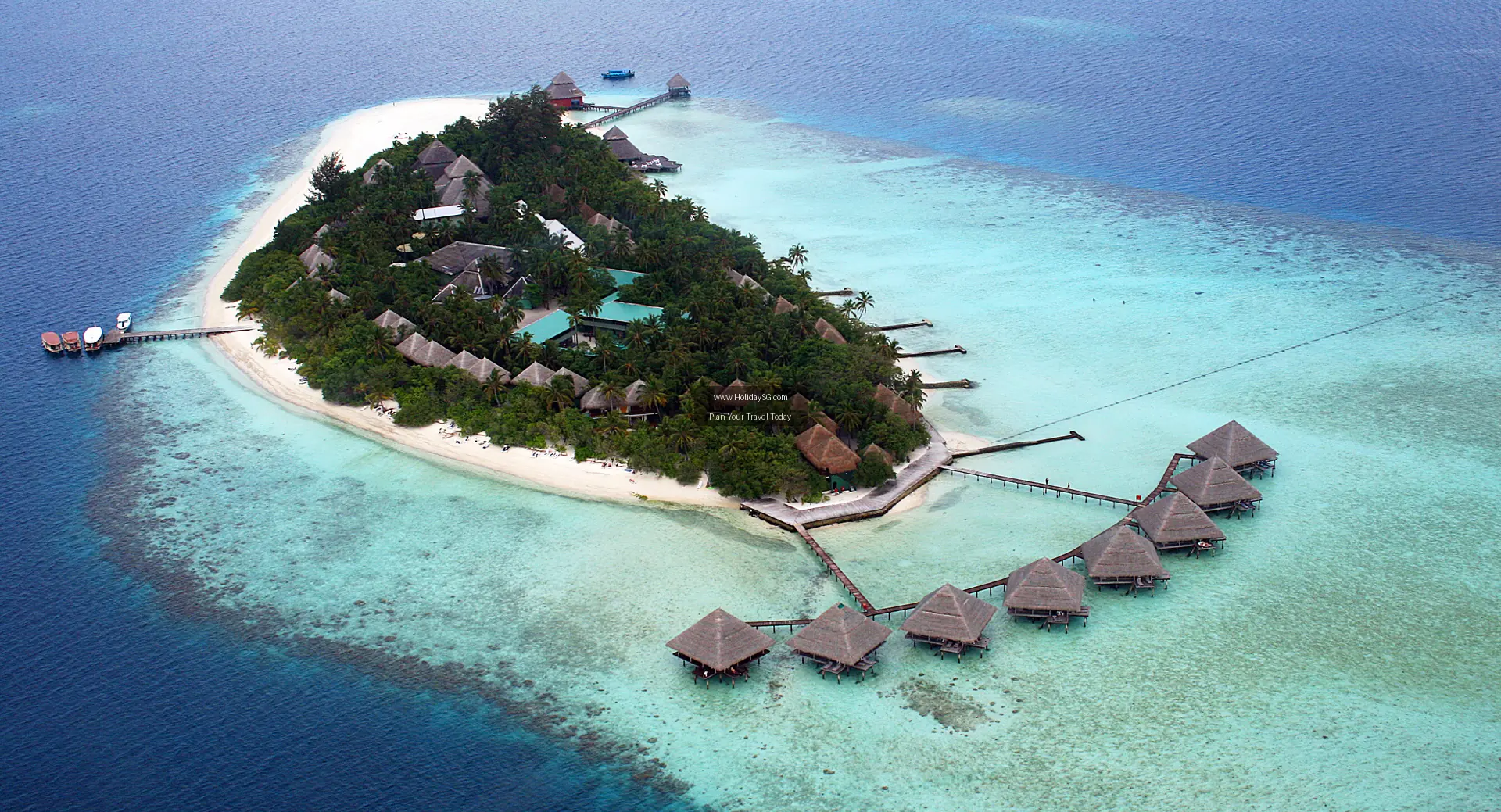
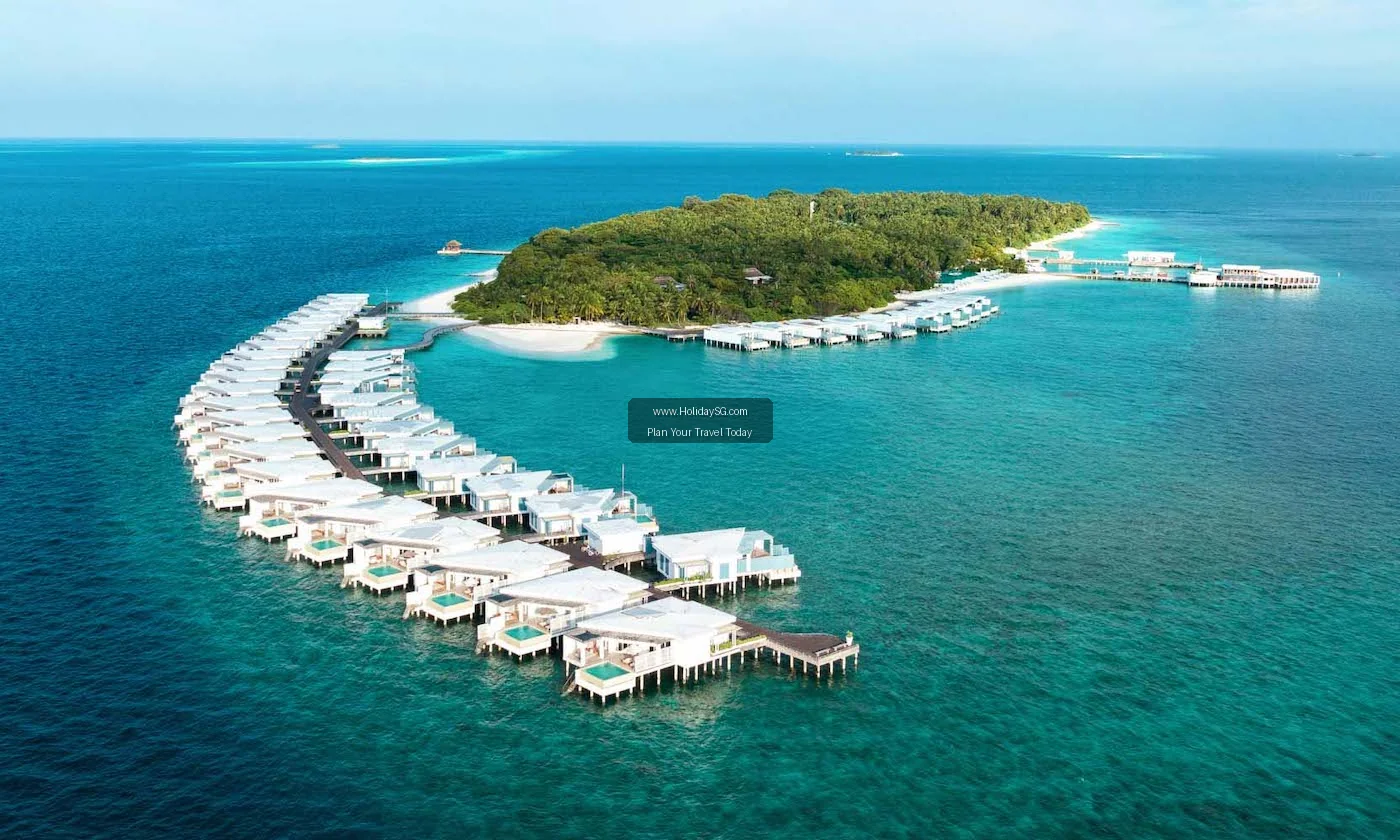
- Overwater Villas: No trip to the Maldives is complete without staying in an overwater villa. These iconic bungalows offer direct access to the lagoon, private decks, and even glass floors to watch fish swim beneath you. Some resorts, like Park Hyatt Maldives, take it a step further with overwater spas and underwater restaurants.
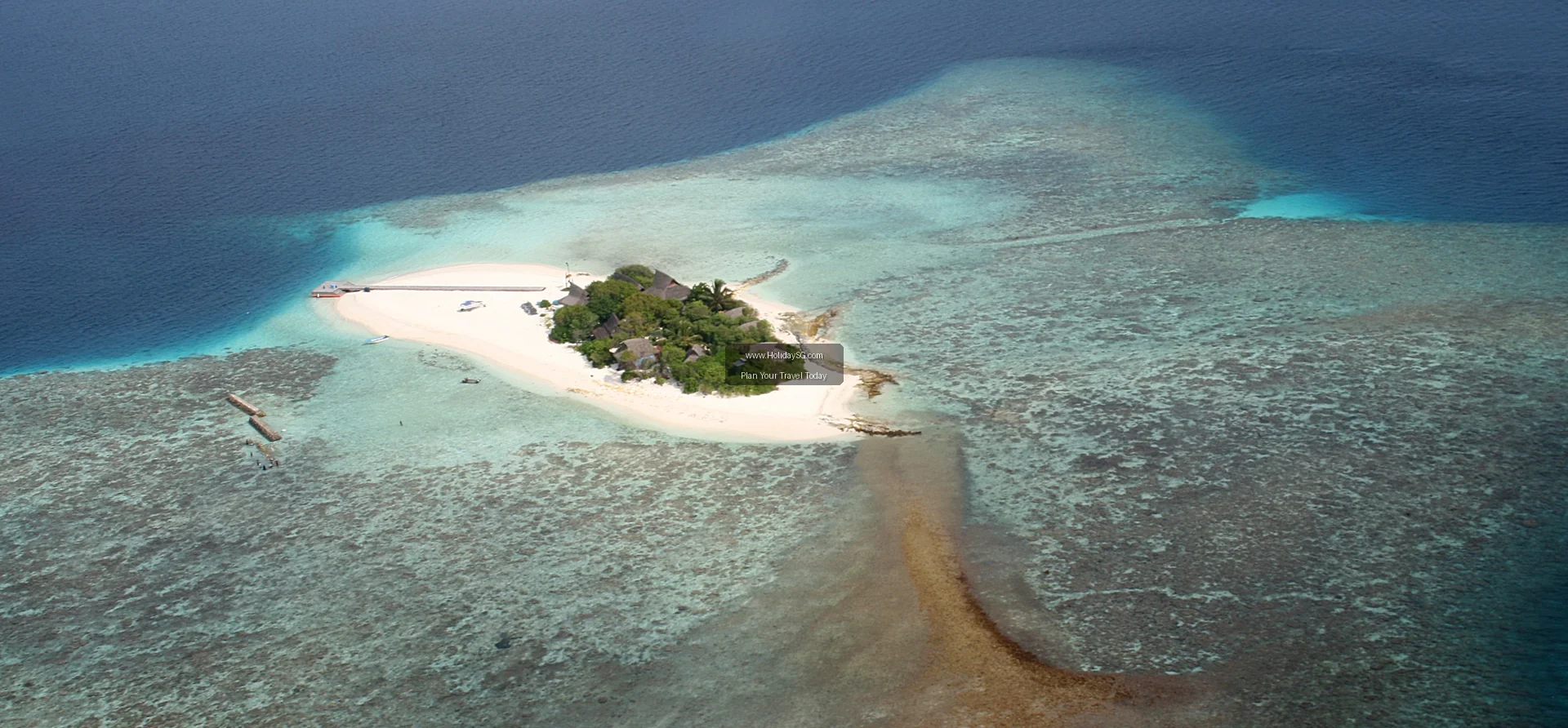
- Private Beaches: Many resorts have their own stretch of powdery white sand, often with sun loungers, hammocks, and beach service. For a truly secluded experience, look for resorts with “private island” status, like Cheval Blanc Randheli or Velaa Private Island.
- Spa Treatments: The Maldives is synonymous with relaxation, and its spas are some of the best in the world. Many resorts offer overwater spa villas with open-air treatment rooms, where you can enjoy a massage with the sound of waves lapping beneath you. Try a traditional Maldivian “Dhivehi Beys” treatment, which uses local ingredients like coconut oil and sandalwood.
For a change of pace, consider a day trip to a local island. Unlike resorts, these islands offer a glimpse into Maldivian culture, with bustling markets, historic mosques, and friendly locals. A guided eco-walking tour of Villimale is a great way to learn about the island’s history, flora, and fauna while supporting sustainable tourism.
A Taste of Culture: Exploring Malé and Local Islands
The Maldives isn’t just about resorts—its capital, Malé, offers a fascinating contrast to the idyllic islands. While it’s one of the world’s smallest capitals (you can walk across it in 20 minutes), Malé is packed with culture, history, and vibrant street life. Here’s what not to miss:
- Grand Friday Mosque: The largest mosque in the Maldives, this stunning white-marble building can hold up to 5,000 worshippers. Non-Muslims can visit outside of prayer times, but dress modestly (women should cover their hair, arms, and legs). The mosque’s intricate Islamic architecture and serene atmosphere make it a must-visit.
- National Museum: Housed in a modern building near Sultan Park, this small but fascinating museum showcases Maldivian history, from ancient Buddhist relics to royal artifacts. Highlights include the 12th-century coral stone head of Buddha and the throne of the last sultan.
- Malé Fish Market: A sensory overload in the best way, this bustling market is where local fishermen bring in their daily catch. Arrive around 4–5 PM to see the action as tuna, swordfish, and reef fish are unloaded and auctioned. It’s a great place to try local snacks like mas huni (a breakfast dish of tuna, coconut, and onion) or fresh coconut water.
- Local Cafés and Eateries: Malé’s food scene is a mix of Maldivian, Indian, and Sri Lankan influences. For a quick bite, try Sympathy Restaurant for Maldivian curries or Sea House for fresh seafood. If you’re craving something sweet, stop by The Coffee Club for cakes and pastries.
For a deeper dive into Maldivian cuisine, consider a local food tour. These tours take you to hidden eateries, street food stalls, and family-run restaurants, where you’ll sample dishes like garudhiya (fish soup), boshi mashuni (banana flower salad), and hedhikaa (Maldivian short eats). It’s a delicious way to connect with the local culture.
Important Etiquette & Local Rules to Know
Ready to go? Book Maldives Day Tour From with HolidaySG.
Respect for Religion: Dress Codes and Conduct
The Maldives is a 100% Muslim country, and while resorts are relaxed about dress codes, local islands have stricter rules. Here’s what to keep in mind:
- On Local Islands: Both men and women should dress modestly. Women should cover their shoulders, arms, and knees (avoid shorts, tank tops, or revealing swimwear). Men should avoid walking shirtless or wearing short shorts. Swimwear is only acceptable at designated “bikini beaches” on local islands—cover up when leaving these areas.
- In Malé: The same rules apply, but you’ll see more leniency in tourist areas. Still, it’s respectful to dress modestly when visiting mosques, markets, or government buildings.
- Public Behavior: Public displays of affection (even holding hands) are frowned upon on local islands. Alcohol is banned outside of resorts, and drinking in public is illegal. During the month of Ramadan, eating, drinking, or smoking in public during daylight hours is prohibited.
When in doubt, observe what locals are wearing and follow their lead. A lightweight scarf or sarong is a handy item to carry for covering up when needed.
Alcohol Restrictions: Where You Can (and Can’t) Enjoy a Drink
Alcohol is strictly regulated in the Maldives. Here’s what you need to know:
- Resorts: Alcohol is served freely at resort bars, and many offer all-inclusive packages with premium drinks. Some resorts even have underwater bars or champagne breakfasts—because why not?
- Local Islands and Malé: Alcohol is banned outside of resorts. This includes guesthouses on local islands, so don’t expect to find a beachside bar serving cocktails. If you’re staying on a local island and craving a drink, you’ll need to book a day trip to a resort or take a day tour from Hulhumalé, where some hotels have bars.
- Duty-Free Allowances: You can bring alcohol into the Maldives, but only if you’re staying at a resort. The duty-free allowance is two bottles of liquor or wine per person, and you’ll need to declare them at customs. Note that you cannot take alcohol from a resort to a local island.
If you’re a non-drinker, don’t worry—the Maldives has plenty of delicious alternatives, from fresh coconut water to sai (Maldivian tea) and mocktails made with tropical fruits.
Protecting Paradise: Marine Conservation Tips
The Maldives’ marine ecosystem is fragile, and as a visitor, you play a role in preserving it. Here’s how to minimize your impact:
- Reef-Safe Sunscreen: Traditional sunscreens contain chemicals like oxybenzone and octinoxate, which harm coral reefs. Opt for reef-safe sunscreen (look for mineral-based options with zinc oxide or titanium dioxide). Some resorts even provide reef-safe sunscreen for guests.
- No Touching: Coral is alive and extremely fragile—touching or standing on it can kill it. Similarly, avoid touching marine life like turtles, rays, or whale sharks. Even a gentle touch can stress them or remove their protective mucus layer.
- Responsible Snorkeling and Diving: Maintain good buoyancy to avoid kicking coral, and never chase or harass marine life. If you’re diving, choose a Green Fins-certified operator, which follows sustainable diving practices.
- No Souvenirs from the Sea: It’s illegal to take coral, shells, or sand from the Maldives. Not only is it harmful to the environment, but you could also face fines or confiscation at the airport.
- Reduce Plastic Use: Many resorts have banned single-use plastics, but it’s still a good idea to bring a reusable water bottle and shopping bag. Avoid products with excessive packaging, and dispose of waste properly.
By following these guidelines, you’ll help ensure that the Maldives’ underwater wonders remain vibrant for future generations. For more tips on sustainable travel, check out our guide to eco-friendly destinations in Asia.
Final Tips for a Seamless Maldivian Adventure
Packing Smart: What to Bring for Island Life
Packing for the Maldives is all about balancing practicality with island chic. Here’s what to include in your suitcase:
- Clothing:
- Lightweight, breathable fabrics (linen, cotton) for the tropical climate.
- Swimwear (pack a few sets—you’ll be in the water a lot!).
- Cover-ups for local islands and Malé (sarongs, kaftans, or long-sleeved shirts).
- A light jacket or shawl for cooler evenings or air-conditioned spaces.
- Waterproof sandals or flip-flops (you’ll be in and out of the water).
- Sun and Bug Protection:
- Reef-safe sunscreen (SPF 30+).
- Sunglasses with UV protection.
- A wide-brimmed hat or cap.
- Mosquito repellent (dengue fever is a risk in the Maldives).
- Gear for Water Activities:
- Snorkel gear (if you have your own—some resorts provide it, but quality varies).
- Underwater camera or GoPro (the Maldives is incredibly photogenic!).
- Waterproof phone pouch.
- Dive computer or logbook (if you’re a certified diver).
- Miscellaneous Essentials:
- Travel adapter (Type D or G plugs, 230V).
- Portable charger or power bank (outlets can be scarce on local islands).
- Waterproof dry bag (for boat trips and beach days).
- Basic first-aid kit (band-aids, antiseptic, motion sickness pills).
- Copies of important documents (passport, travel insurance, resort booking).
Pro tip: Leave room in your luggage for souvenirs like local handicrafts, Maldivian black coral jewelry (ethically sourced, of course), or a bottle of raa (palm wine) if you’re staying at a resort that serves it.
Health & Safety: Travel Insurance and Staying Connected
The Maldives is generally safe for travelers, but it’s always wise to take precautions.
- Travel Insurance: Medical care in the Maldives is limited, especially on local islands. Comprehensive travel insurance that covers medical emergencies, evacuation, and trip cancellations is a must. Some resorts require proof of insurance at check-in, so have your policy details handy.
- Vaccinations: No specific vaccinations are required for the Maldives, but it’s a good idea to be up to date on routine vaccines (hepatitis A, typhoid, tetanus). Check with your doctor or a travel clinic 4–6 weeks before your trip.
- Staying Connected: Wi-Fi is available at most resorts and guesthouses, but speeds can be slow. If you need reliable internet, consider buying a local SIM card at the airport (Dhiraagu and Ooredoo are the main providers). Coverage is good in Malé and resort islands but spotty on remote local islands.
- Safety Tips:
- Avoid walking alone at night on local islands or in Malé.
- Be cautious when swimming or snorkeling—currents can be strong, even in shallow waters.
- Keep valuables in a safe at your resort or guesthouse.
- Respect local laws—drugs are a serious offense in the Maldives, with severe penalties.
Embracing the “Maldives Time” Vibe
The Maldives runs on “island time”—a laid-back, flexible approach to life where schedules are more suggestion than rule. Here’s how to go with the flow:
- Expect Delays: Weather, tides, and logistics can disrupt plans, especially for seaplane transfers or boat trips. Build buffer time into your itinerary, and don’t stress if things don’t go exactly as planned.
- Slow Down: The Maldives isn’t the place for a packed itinerary. Instead of rushing from activity to activity, embrace the art of doing nothing. Spend an afternoon reading in a hammock, watch the sunset from your villa, or simply float in the lagoon.
- Disconnect to Reconnect: With limited Wi-Fi and no distractions, the Maldives is the perfect place to unplug. Use the time to reconnect with yourself, your travel companions, or nature.
- Be Open to New Experiences: Whether it’s trying garudhiya for the first time, learning to freedive, or striking up a conversation with a local fisherman, the Maldives rewards those who step outside their comfort zone.
Remember, the Maldives isn’t just a destination—it’s a feeling. Let the rhythm of the waves and the warmth of the people guide your journey, and you’ll leave with memories that last a lifetime.
Recommended HolidaySG Tours
Ready to go? Book Maldives Day Tour From with HolidaySG.
Ready to start planning your Maldives adventure? Here are some of the best tours to help you experience the highlights of this stunning destination:
- Maldives Day Tour From Hulhumalé
- The Original Villimale Eco Walking Tour
- Sandbank Snorkeling And Sunset Cruise Experience
- Male Local Food Tour
- Male Island Hopping Tour
Whether you’re looking for a quick day trip, a cultural deep dive, or an unforgettable snorkeling adventure, these tours offer something for every traveler. Book early to secure your spot—especially during peak season!
Ready to experience paradise? Check out our Maldives Day Tour From for an unforgettable day in the Maldives.
Book with HolidaySG online for Maldives Day Tour From, The Original Villimale Eco Walking Tour, Sandbank Snorkeling And Sunset Cruise Experience.
Frequently Asked Questions
Where can I book this / what’s the link?
You can book a variety of experiences and tours through these links:
- For day tours from Hulhumale: Maldives Day Tour From
- For a guided eco-walking tour: The Original Villimale Eco Walking Tour
- For snorkeling and sunset cruise: Sandbank Snorkeling And Sunset Cruise Experience
- For a local food experience: Male Local Food Tour
- For island hopping: Male Island Hopping Tour
Do foreigners (non-citizens) need a different ticket, price, or visa for Maldives?
Generally, all tourists need a visa to enter the Maldives. However, the Maldives offers a free **Visa on Arrival** for citizens of all nationalities for stays up to 30 days, provided you have a valid passport (with at least 1 month’s validity), a return ticket, and proof of accommodation. There is no need for pre-arranged visas or specific tourist tickets. Always check the official Maldives Immigration website or your country’s foreign affairs advisory before your trip for the most current entry requirements.
What is the best time (season, or time of day for the site/activity) to go?
The best time to visit the Maldives is during the dry season, from **November to April**, which offers sunny weather, calm seas, and excellent visibility for snorkeling and diving. The wet season (May to October) brings more rain and wind but can have lower prices and fewer crowds. For activities like snorkeling or diving, mornings are often best for clearer water and calmer conditions. Sunset cruises are, naturally, best enjoyed in the late afternoon.
How many days do I need in the Maldives?
While you can experience highlights in 3-4 days, a **minimum of 5-7 days** is recommended to truly relax and enjoy the islands. This allows time to acclimate, undertake one or two excursions (like a snorkeling trip or island tour), and simply enjoy the resort or local island amenities without rushing.
What is the typical cost for a trip to the Maldives?
Costs vary wildly. A budget guesthouse stay on a local island might start from **$100-$150 per night** for a room. A mid-range resort stay typically ranges from **$300-$600 per night** in a standard villa. Luxury private island resorts can cost **$1,000+ per night**. Add to this the cost of food, transfers (often by speedboat or seaplane), and activities, which can be significant. Expect to budget a minimum of **$150-$200 per day per person** for a basic trip, and considerably more for a resort experience.
Is the Maldives suitable for families with children?
Yes, the Maldives can be excellent for families. Many resorts offer family-friendly villas, kids’ clubs, shallow lagoons perfect for swimming, and activities like dolphin watching. However, consider the long transfer times, the remote nature of the islands (which can limit spontaneous activities), and the cost, which is higher when booking family-sized accommodation.
How do I get to the Maldives from Singapore?
Several airlines offer direct flights from Singapore (SIN) to Malé’s Velana International Airport (MLE), including Singapore Airlines and Scoot. The flight duration is approximately **4.5 hours**. From MLE, you will transfer to your final island destination via a resort’s speedboat, seaplane, or domestic flight.
What should I pack for a Maldives trip?
Pack lightweight, breathable clothing (cotton, linen), swimwear, a wide-brimmed hat, sunglasses, and high-SPF reef-safe sunscreen. Bring a light cover-up for island visits and respectful temple/mosque dressing. Essentials include a reusable water bottle, underwater camera, snorkeling gear (if not provided), insect repellent, and any necessary medications. A waterproof bag is very useful for boat transfers.
Is the Maldives safe for tourists?
The Maldives is generally very safe for tourists with a low crime rate. The main risks are associated with ocean activities: be mindful of strong currents when swimming, snorkel or dive with a guide or buddy, and follow resort or local advice. Standard travel precautions apply: safeguard your valuables and be aware of your surroundings in Malé.
What is the currency used, and how do I pay?
MVR (Maldivian Rufiyaa) is the Maldivian Rufiyaa (MVR). However, **US Dollars** are widely accepted at resorts, guesthouses, and for most tours and activities. Credit cards are accepted at resorts and larger establishments in Malé. It’s wise to carry some US cash for smaller purchases and tips. ATMs are available in Malé and at some resorts, but rates can be unfavourable.
Can I drink alcohol in the Maldives?
Alcohol is **only** available for purchase and consumption on **private resort islands** and liveaboards. It is strictly **forbidden** on local, inhabited islands, including the capital Malé. If staying at a guesthouse on a local island, you cannot legally consume alcohol there.
What is the local etiquette and dress code?
The Maldives is a Muslim nation. While resort islands have relaxed rules, on **local inhabited islands**, you should dress modestly away from the beach: shoulders and knees should be covered. Women may want to carry a scarf. Public displays of affection should be minimal. Always ask permission before photographing locals.
Is snorkeling and diving accessible for beginners?
Absolutely! The Maldives is a top destination for beginners. Most resorts and liveaboards offer PADI and SSI certification courses. Guided snorkeling excursions are suitable for all ages and abilities, and house reefs are often just steps from your villa.
What are the water villa and overwater bungalow options? Are they worth it?
Overwater villas are the iconic Maldives experience, offering direct lagoon access, stunning views, and often glass floors. They are a significant part of the luxury appeal. Whether they’re “worth it” is subjective; they provide privacy and a unique connection to the ocean but come at a premium price. For many, it’s a once-in-a-lifetime splurge.
What food can I expect to eat? Is it halal?
The cuisine is heavily influenced by seafood, coconut, and spices. Expect fresh fish, tuna, curries, flatbread (roshi), and fruit. Nearly all food in the Maldives is **halal** due to national laws. Resorts offer international buffets and à la carte menus. Local islands have simple cafes serving Maldivian and some Western food.
Are there any other attractions besides beaches and resorts?
Yes! In Malé, visit the **Old Friday Mosque**, the **National Museum**, and the bustling **Fish Market**. You can explore the vibrant artificial beaches, or take a tour like the Male Local Food Tour to discover local culture. The **Hukuru Miskiiy** (Old Friday Mosque) is a UNESCO World Heritage site.
How do I get around between islands?
Inter-island travel is done via **domestic flights**, **seaplanes**, or **speedboats**, arranged by your resort or booked independently. Speedboats are the most common for transfers from Malé to nearby resorts. Seaplanes offer spectacular aerial views but are weather-dependent and expensive. Public ferry services exist but are slow and limited for tourists.
Is the Maldives eco-friendly and sustainable? What should I be aware of?
Sustainability is a growing concern. Many resorts implement reef protection programs and waste management. As a tourist, you can help: use reef-safe sunscreen, avoid single-use plastics, choose resorts with strong eco-credentials, and participate in coral planting activities if offered. Observe marine life without touching or chasing it.
Do I need any special vaccinations or health precautions?
No special vaccinations are required for the Maldives from most countries. However, routine vaccines should be up to date. Use mosquito repellent to guard against dengue. Ensure you have comprehensive travel and medical insurance, as healthcare on remote islands is limited and medical evacuation to Malé or abroad may be necessary for serious issues.
What unique experiences can I book?
Beyond the beach, consider unique tours. For a different perspective, try The Original Villimale Eco Walking Tour. For a blend of relaxation and adventure, the Sandbank Snorkeling And Sunset Cruise Experience is highly popular. For a deep dive into local life, explore nearby islands with a Male Island Hopping Tour.
How do I handle connectivity and internet access?
Wi-Fi is generally available in resorts and guesthouses, but speeds can be variable and expensive in some remote locations. Local SIM cards with data plans can be purchased at the airport or in Malé for more reliable internet on your phone. Consider an international roaming plan or an eSIM for convenience.
What are the transfer options and typical transfer times from Malé Airport?
From Velana International Airport (MLE), transfers to your island are arranged in advance:
- Speedboat: For nearby islands, 30-90 minutes.
- Domestic Flight + Speedboat: For distant atolls, a 45-minute flight followed by a speedboat ride.
- Seaplane: The most scenic option, 10-60 minutes of flight time depending on the destination.
Transfer costs can add $200-$600+ per person roundtrip to your budget.
What things cost in Maldives
Live HolidaySG prices for the experiences in this guide, so you can sanity-check a budget before you commit.
| Experience | Where | From price |
|---|---|---|
| Huvandhumaa Lounge Velana International Airport | Male | From S$53.34 |
| Kashimaa Lounge Dharavandhoo Island Airport | Dharavandhoo | From S$26.19 |
| Moonimaa Lounge Velana International Airport | Male | From S$53.34 |
| Maldives Day Tour from Hulhumale | Maldives | From S$312.13 |
| Male Island Hopping Tour | Maldives | From S$210.74 |
| Sandbank, Snorkeling, and Sunset Cruise Experience in Hulhumal... | Maldives | From S$183.61 |
| The Original Villimale Eco Walking Tour | Maldives | From S$83.00 |
| Malé Local Food Tour | Maldives | From S$89.00 |