

Money-saving tips for singapore tourists is exactly what this guide covers.
Singapore often tops lists of the world’s most expensive cities, but with these money-saving tips for tourists, you can enjoy its vibrant culture without breaking the bank. Its gleaming skyline and luxury hotels can make budget travelers hesitant, but a strategic approach to transport, food, and activities lets you immerse yourself in the best of the Lion City affordably.
You can absolutely enjoy Singapore on a budget by focusing on free attractions like Gardens by the Bay and the Botanic Gardens, eating delicious meals at hawker centers for just a few dollars, using cost-effective public transport, and visiting paid sites during off-peak discount slots. Smart planning makes this city-state surprisingly affordable.
The Smart Way to Plan Your Timing and Transport
Visit During the Sweet Spot for Savings
One of the biggest budget hacks is choosing your travel dates wisely. The period from mid-January to March (excluding the week of Chinese New Year) is Singapore’s shoulder season. You’ll often find more competitive prices on flights and hotels during this window, stretching your travel fund further from the moment you book.
Navigate the City Affordably
Singapore’s public transport system is world-class, efficient, and far cheaper than taxis or private-hire cars. Your essential first purchase should be an EZ-Link or NETS FlashPay card. These stored-value cards can be tapped on all MRT trains and public buses, and offer significant fare savings over single-journey tickets. For a quick comparison: a city centre trip by MRT might cost S$1-2, while a taxi could easily cost S$10-15.
Is the Singapore Tourist Pass worth it? It’s a common question. The answer is: only if you plan to take at least three MRT or bus rides daily and intend to use the included hop-on-hop-off bus service. For most travelers, the simple EZ-Link card, topped up as needed, is the more cost-effective and flexible choice. If you do prefer private transport for a specific day or transfer, services like Ulacab’s hourly private transfers can be booked for convenience without the full-day cost of a traditional car service.
Feasting on a Budget: The Hawker Centre Way
Ready to go? Book Universal Studios Singapore with HolidaySG.
Your Go-To for Authentic, Cheap Eats
Forget expensive restaurants; the heart of Singaporean food culture is its hawker centres. These open-air food courts are a UNESCO-recognised cultural heritage and your ticket to flavourful, hearty meals for just S$3 to S$7. Iconic spots like Maxwell Food Centre (home to Tian Tian Hainanese Chicken Rice) and Lau Pa Sat (a Victorian-era gem famous for its satay street at night) are must-visits. You can feast on laksa, char kway teow, or carrot cake without spending a fortune.
Be Smart with Drinks
Your beverage choice also impacts your daily spend. A beer at a bar in Clarke Quay or Marina Bay can cost between S$12 and S$18. At a hawker centre, the same cold beer is typically S$6 to S$8. Even coffee shows a difference, with café prices around S$5-7 versus hawker stall prices. Making hawker centres your default for refreshments saves significant cash over a few days.
Free and Affordable Sights: Where to Go
Incredible Experiences That Cost Nothing
Singapore excels at providing world-class attractions that are completely free. You can stroll through the futuristic Supertree Grove at Gardens by the Bay, snap photos with the mythical Merlion at Merlion Park, and cross the stunning Henderson Waves bridge—all without paying a cent. The crown jewel is the Singapore Botanic Gardens, a UNESCO World Heritage Site that offers tranquil gardens, a swan-filled lake, and the beautiful National Orchid Garden (the only part with a small fee). A tip-based free walking tour is another excellent way to get oriented and learn from a local guide.
Maximising Value on Paid Attractions
When you do decide to pay for an attraction, do it wisely. The Singapore Zoo is a top-rated experience, and you can save by booking your tickets online in advance. For families, the Science Centre offers special weekend rates. Even premium attractions like the Singapore Flyer or the Marina Bay Sands SkyPark Observation Deck offer cheaper entry for their late afternoon or evening “sunset slots,” combining a view with savings.
Smart Stays and Daily Budgeting
Ready to go? Book Universal Studios Singapore with HolidaySG.
Accommodation: Hostels to Mid-Range
Sleep is one area where you can control costs dramatically. While luxury hotels abound, clean and social hostels in areas like Little India or Chinatown are available for S$30-S$50 per night. Mid-range business hotels offer a good balance of comfort and price. Always compare locations—staying slightly outside the core downtown can often mean lower prices with easy MRT access.
Your Sample Daily Budget
What does a day in Singapore actually cost? For a comfortable mid-range experience, a good estimate is S$80-S$120 per day. This breaks down roughly as: S$30-50 for accommodation, S$15-20 for food (eating mostly at hawker centres and a café), S$10-15 for public transport, and S$25-40 for one paid attraction (like the zoo). You can easily adjust this: tighten it by choosing a hostel and skipping paid attractions, or loosen it by adding a nicer dinner or an extra experience.
Everyday Hacks for Long-Term Savings
Drink Tap Water and Carry a Bottle
This is a simple but powerful tip. Singapore’s tap water is perfectly safe and of high quality. By carrying a reusable water bottle and refilling it at fountains or from the tap, you can save S$2-4 per bottle you would have otherwise bought. Over a few days, this adds up and is better for the environment.
Shop Wisely and Avoid Tourist Traps
If shopping is on your list, skip the high-end boutiques of Orchard Road. For better deals on electronics, head to the dedicated hub at Sim Lim Square. For general souvenirs, clothing, and a more local atmosphere, explore neighbourhood malls like Plaza Singapura near Little India or VivoCity, which is connected to HarbourFront MRT. You’ll find more competitive prices away from the main tourist drags.
Recommended HolidaySG Tours
Ready to go? Book Universal Studios Singapore with HolidaySG.
- Ulacab Singapore Mandai Attraction Bird Paradise River Wonders Night Safari Singapore Zoo Transfers
- Ulacab Singapore Private City Tour Day
- Universal Studios Singapore Universal Express
Singapore’s reputation as an expensive destination is not entirely unfounded, but it’s also not the complete picture. By leveraging the city’s excellent free offerings, hugging the hawker stalls, using public transport smartly, and timing your visits, you can experience its incredible diversity and energy on a very reasonable budget. This city rewards the savvy traveler—start planning your affordable adventure today.
Ready to explore more? Check out our Universal Studios Singapore experience for an unforgettable adventure!
Book with HolidaySG online for Universal Studios Singapore, Universal Studios Singapore Universal Express, Ulacab Singapore Private City Tour Day.
Frequently Asked Questions
Where can I book tickets for Universal Studios Singapore and related tours?
You can book directly through these trusted links. For the best experience, consider the VIP Experience: Universal Studios Singapore VIP Experience. To skip the queues with a Universal Express pass, use: Universal Studios Singapore Universal Express. For private city tours and transfers to attractions like the Zoo, Night Safari, or Bird Paradise, check out Ulacab: Ulacab Singapore Private City Tour Day and Ulacab Singapore Mandai Attraction Transfers.
Do foreigners need a different ticket, price, or visa for attractions in Singapore?
For attractions like Universal Studios Singapore, ticket prices are generally the same for all visitors regardless of nationality. Most nationalities can enter Singapore visa-free for short stays (typically 30-90 days). However, visa requirements can change. We strongly recommend you check the latest official requirements on the Immigration & Checkpoints Authority (ICA) website before your trip to confirm your specific situation.
What is the best time (season, or time of day) to visit Singapore’s attractions?
The best time to visit is during the drier months from February to April. However, Singapore is a year-round destination with indoor attractions. For outdoor sites like the Zoo or Sentosa, mornings (opening time) are cooler and less crowded. For Universal Studios, weekdays are generally less packed than weekends. Always check for special evening events like the Night Safari.
How many days do I need to see Singapore?
A minimum of 3 full days is recommended to experience the city-state’s highlights like Marina Bay Sands, Gardens by the Bay, and a cultural district like Chinatown. To include Sentosa Island attractions (like Universal Studios) and the Mandai Wildlife Reserve (Zoo, River Wonders, Night Safari), you should plan for 4-5 days.
What is a typical daily budget for a tourist in Singapore?
Singapore can be expensive. A moderate daily budget per person might be: S$50-S$100 on food (eating at hawker centres is cheap), S$15-S$50 on public transport, and S$30-S$50 on attractions. Mid-range hotels cost S$200-S$350 per night. Budgeting S$150-S$250 per day (excluding accommodation) is a safe estimate for a comfortable trip.
What’s the most cost-effective way to get around the city?
The MRT (train) and public buses are extremely efficient, clean, and affordable. Purchase an electronic stored-value card like an EZ-Link or SimplyGo card at any MRT station for seamless travel. Ride-hailing apps like Grab are also widely used. For day tours to attractions like the Zoo, a private transfer can be cost-effective for groups.
Are attractions like Universal Studios Singapore suitable for young children?
Yes, many attractions are family-friendly. Universal Studios has areas like Far Far Away and Madagascar designed for younger children. The Singapore Zoo and River Wonders are excellent for kids. Always check height requirements for specific rides beforehand. Strollers are available for rent.
What should I pack for a trip to Singapore?
Pack lightweight, breathable clothing (cotton or linen). A light jacket or sweater is essential for heavily air-conditioned malls and MRT stations. Comfortable walking shoes are a must. Bring a compact umbrella or rain jacket for sudden tropical showers, sunblock, sunglasses, and insect repellent, especially if visiting gardens or the Zoo.
Are Singapore’s tourist attractions accessible for visitors with disabilities?
Major attractions and public transport are generally wheelchair accessible. Most malls, hotels, and attractions provide accessible toilets and lifts. However, some older buildings or nature trails may have limitations. It’s best to check the specific attraction’s website for detailed accessibility information before visiting.
Is Singapore safe for tourists?
Singapore is consistently ranked as one of the safest cities in the world for tourists. Violent crime is very rare. However, like any major city, stay aware of your surroundings and belongings in crowded areas. The main precautions are to avoid scams, not to litter (fines are steep), and to be mindful of strict laws regarding chewing gum, smoking, and vandalism.
What is Singapore’s weather like throughout the year?
Singapore has a tropical rainforest climate, meaning it’s hot and humid year-round with temperatures averaging 27°C (81°F). Rain can occur at any time, but the northeast monsoon season (December to March) brings more rainfall. The southwest monsoon (May to September) is generally drier but still humid.
What local etiquette should I be aware of?
Respect is key. Remove shoes when entering homes or some temples. When dining, it’s polite to finish all food on your plate. Tipping is not customary and is often not accepted in restaurants (a 10% service charge is usually included). Be mindful when photographing people, especially in more conservative ethnic enclaves. Chewing gum is prohibited for import and sale.
What are some must-try local foods, and where can I find them?
You must try: Chicken Rice, Laksa (spicy noodle soup), Char Kway Teow (fried rice noodles), and Chili Crab. Head to legendary hawker centres like Maxwell Food Centre, Lau Pa Sat, or Tiong Bahru Market for affordable, authentic dishes. For a unique experience, try the Michelin-starred chicken rice at Hawker Chan.
What other attractions are near the Zoo and Night Safari?
The entire Mandai area is being developed. Right next to the Zoo and Night Safari is the River Wonders (formerly River Safari), featuring a giant panda exhibit. The new Bird Paradise (Avilon Zoo) is also in this vicinity. All are part of the integrated Mandai Wildlife Reserve.
Is tap water safe to drink in Singapore?
Yes, Singapore’s tap water is perfectly safe and meets or exceeds WHO guidelines. You can drink it straight from the tap, which helps reduce plastic waste and save money. Carry a reusable water bottle to refill throughout the day.
Do I need to carry cash, or is Singapore cashless?
Singapore is highly card-friendly, especially Visa and Mastercard. Contactless payments (NFC) via cards and mobile wallets are ubiquitous. However, carrying some cash (SGD) is useful for hawker centres, small shops, and some buses. ATMs are widely available.
What is the best time of day to visit Gardens by the Bay?
Visit in the late afternoon (around 4-5 PM) to walk through the gardens in daylight. Stay for the spectacular Garden Rhapsody light and sound show at the Supertree Grove (check schedule, typically 7:45 PM & 8:45 PM). For the Cloud Forest and Flower Dome, morning visits are often less crowded.
Are there any free things to do in Singapore?
Absolutely! Walk around Marina Bay Sands and the iconic Merlion Park. Explore the vibrant streets of Chinatown, Little India, and Kampong Glam. Visit the Botanic Gardens (a UNESCO World Heritage Site) for free (the National Orchid Garden has a small fee). Hike the MacRitchie Reservoir TreeTop Walk for free nature immersion.
How can I save money on attraction tickets?
Look for combo tickets (e.g., Universal Studios + S.E.A. Aquarium). Book tickets online in advance for discounts. Consider multi-day tourist passes like the Singapore City Tour Pass or the Singapore Pass, which bundle multiple attractions and transport. Using private transfer services for a full day can be economical for families or small groups compared to multiple taxis.
What are Singapore’s opening hours for shops and attractions?
Most shops in malls are open from 10:00 AM to 10:00 PM daily. Hawker centres typically operate from early morning to late evening, closing around 9-11 PM. Major attractions like Universal Studios usually open from 10:00 AM or 11:00 AM to 7:00 PM or later. Always check the specific attraction’s official website for current hours, especially for holiday periods.
Is it necessary to book attraction tickets in advance?
For popular attractions like Universal Studios Singapore, it is highly recommended to book tickets online in advance. This guarantees entry, saves time queuing for tickets, and often gives you access to exclusive online prices or express passes.
What things cost in Singapore
Live HolidaySG prices for the experiences in this guide, so you can sanity-check a budget before you commit.
| Experience | Where | From price |
|---|---|---|
| #INSTAWALK: BUGIS, WATERLOO, KAMPONG GLAM | Singapore | From S$45.32 |
| +Twelve | Singapore | From S$127.05 |
| ABOUT MR. LEE | Singapore | From S$66.17 |
| Harry Potter Visions of Magic | Singapore | From S$41.79 |
| Action Motion | Singapore | From S$37.07 |
| Adventure HQ | Singapore | From S$65.55 |
| Alphard / Vellfire | Singapore | From S$34.43 |
Where Your Money Goes: Mapping the Typical Trip
Budget travel in Singapore is easier once you know which costs dominate. For most visitors, accommodation takes the biggest share, followed by attraction tickets, transport and food. Shopping and nightlife are optional, which means they are the easiest to control. Before you travel, write down the three or four items you care about most, then trim the rest. A traveller who wants a long hotel stay and a theme park day may spend less on meals and shopping, while someone who prefers gardens, museums and walking can keep the daily total much lower.
Tracking spending during the trip is more useful than a detailed plan made in advance. Note what you spend each evening in a notes app or a simple spreadsheet. After two or three days, you will see patterns, such as coffee costing more than you expected or taxis adding up on wet afternoons, and you can adjust for the rest of the stay.
Getting a Transport Card and Using the Rail System
Singapore's MRT network and public buses are efficient and clean, and most visitors find them the simplest way to cover the city. You can pay with a contactless bank card or mobile wallet at the gates, or use a stored-value transport card. Check the current fare and card options on the official transport operator's website before you travel, because the rules for tourist cards and passes have changed over time. Taking the train during off-peak hours can be more comfortable, and it helps you avoid the crowds around the major interchanges at rush hour.
Buses are useful for reaching neighbourhoods that are not on the rail network, and a short bus ride often costs less than a taxi. Check the route on a map app before you board, and tap your card as you get on and off where the system requires it.
Taxis and ride-hailing services are convenient late at night or with heavy luggage. Compare the fare estimate in the app with the metered rate for a taxi, and allow for surcharges during peak hours or at certain locations.
Free Walks That Show the City's Character
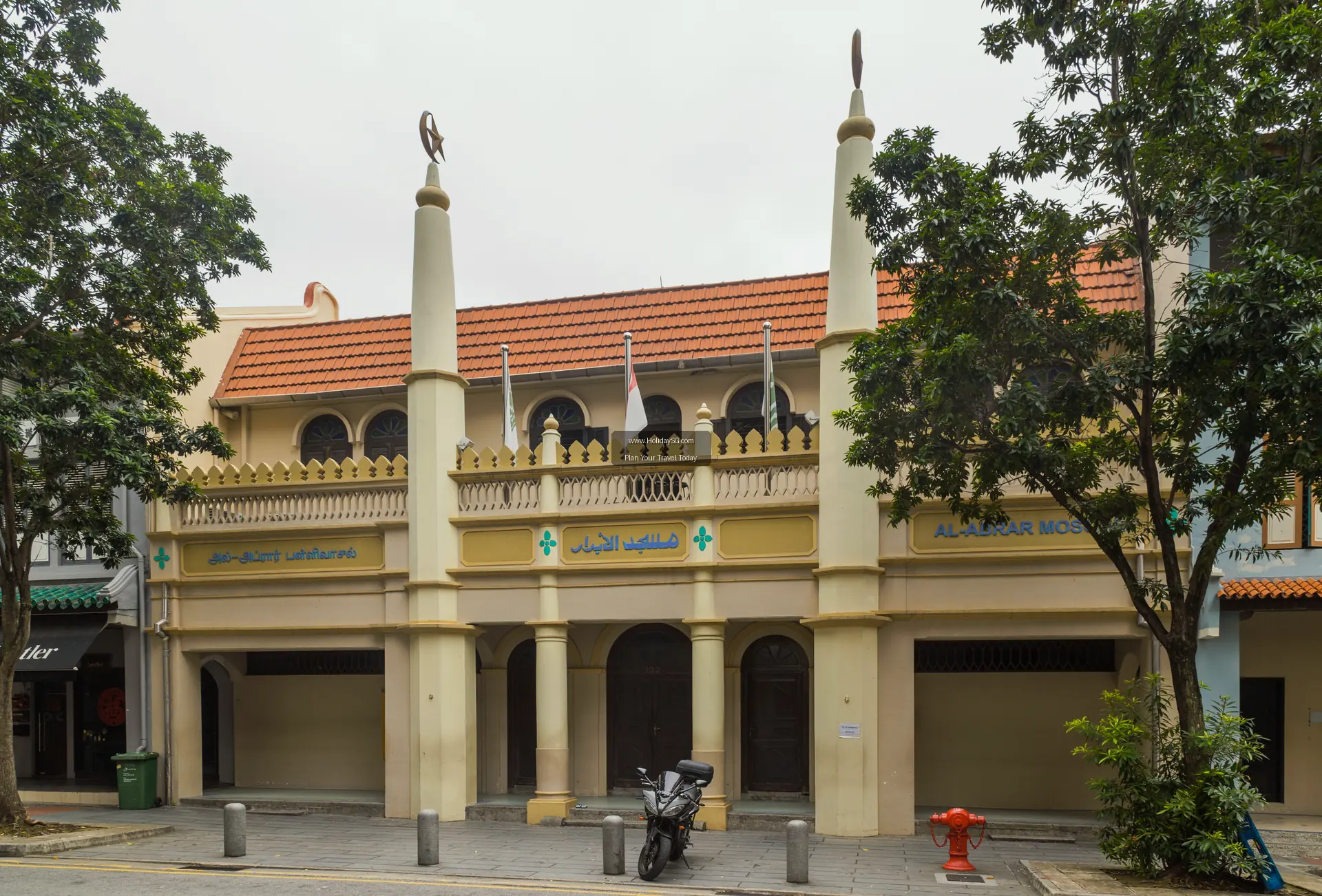
Some of Singapore's most memorable districts can be explored on foot at no cost. Little India has colourful shops, temples, spice stores and busy street life, and the best time to walk through is in the late afternoon. Kampong Glam, with its historic mosque and Haji Lane, offers independent boutiques, murals and cafes. Chinatown combines heritage shophouses, temples and street food stalls. Walking between these areas takes time, but it gives you a clear sense of how the city's communities developed side by side.
Heritage trails and public art routes are a good way to structure a walk. Look for the official tourism or heritage board guides, which often list the key points and their history. Carry water, wear comfortable shoes and walk in the shade where possible.
Parks, Gardens and Quiet Corners
Singapore's green spaces are one of its great budget assets. Parks such as the Botanic Gardens, the Southern Ridges and the waterfront promenades give you shady walks, views of the skyline and space to rest without spending money. Early morning is the most comfortable time for a walk, and you may see joggers, cyclists and locals doing tai chi. Bring sunscreen and a hat, since the sun can be strong even on cloudy days.
Some gardens and reserves have paid areas or special exhibitions, so check the official site before you assume a visit is free. The open-air paths and the public spaces are often enough for a relaxed afternoon.
Coffee Shops, Kopi Orders and Table Etiquette
Coffee shops, known locally as kopitiams, are the everyday dining rooms of Singapore. They serve breakfast sets, noodles, rice and drinks at very reasonable prices. Learning a few local terms helps. Kopi is coffee with condensed milk, kopi-o is black coffee with sugar, and teh is tea. Ordering at the stall for the food and at the counter for the drink is common in many places. Tables may be shared, so ask politely before taking a seat next to someone, and clear your tray if the stall expects it.
Many coffee shops have a tissue packet placed on tables to reserve a seat while you order. This is a local habit, and visitors can follow it while they find their food and drink.
Shopping on a Budget Without the Traps
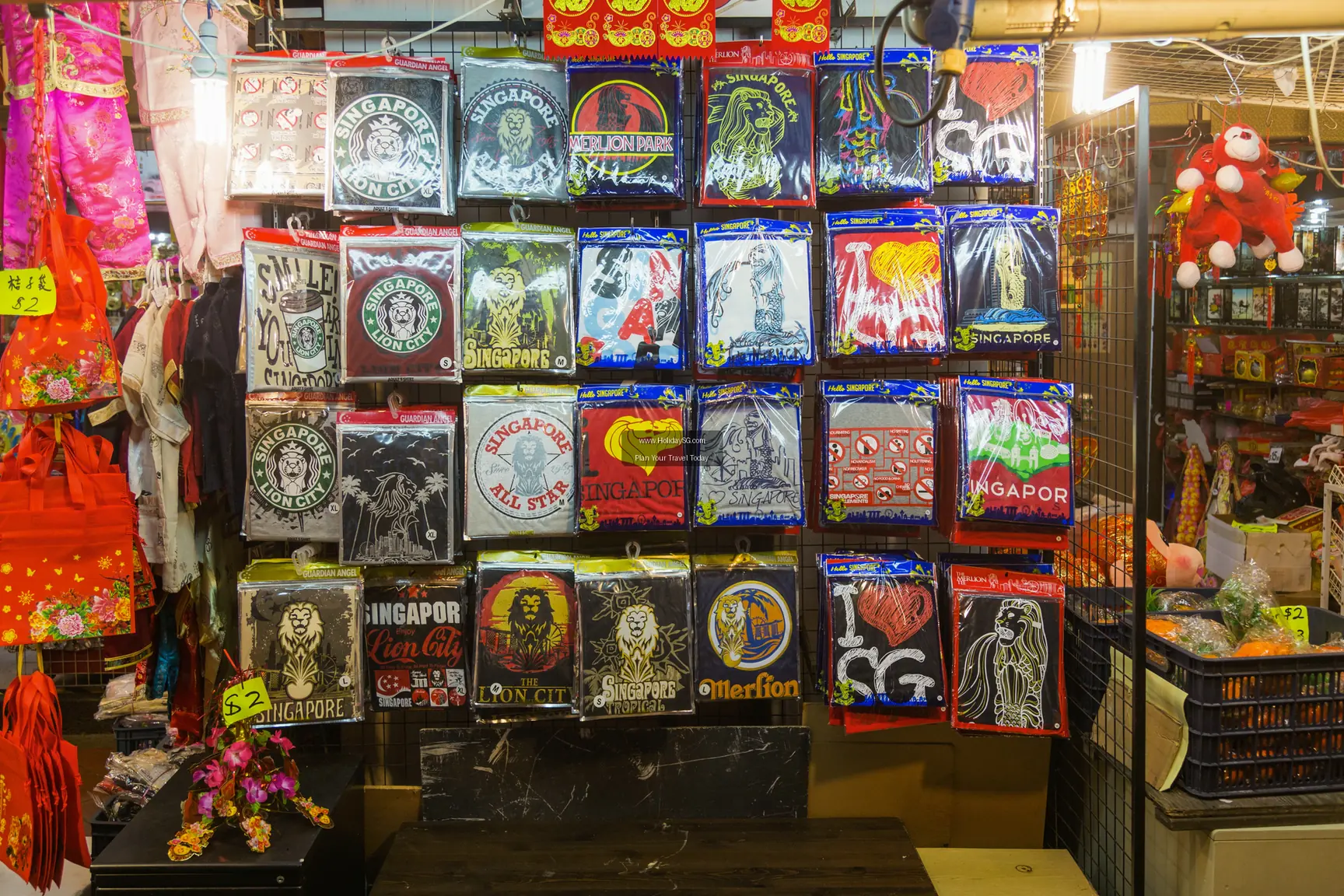
Shopping districts can be expensive, but there are better options for travellers who want souvenirs or everyday items. Local supermarkets stock snacks, fruit, drinks and toiletries at everyday prices, and some sell small packs that are ideal for trips. Night markets and bazaars offer clothes and gifts that are cheaper than the mall brands, although quality varies. Bargaining is less common in Singapore than in some other Asian cities, so ask whether a discount is possible rather than assuming it.
Check the tourist refund scheme and the rules for goods purchased for export, because the conditions change and the forms and thresholds are set by the authorities. Keep your receipts and ask the store to confirm the process before you buy anything large.
Bringing Your Own Food and Drink Savings
A reusable bottle is one of the simplest budget tools. Water fountains and refill points exist across the city, and the tap water is safe to drink. A small snack in your bag, such as nuts, fruit or biscuits, can stop you from buying expensive drinks at tourist hotspots. For longer days, plan a supermarket breakfast or a picnic in a park, which saves money and time spent queuing for a table.
Cafes and bars in tourist areas usually charge more than neighbourhood stalls for the same drink. Walk a few streets away from the main attractions for a better price and a more local atmosphere.
Choosing Accommodation for Value
Location matters more than a few extra dollars in a room rate. A hotel near an MRT station cuts taxi costs and saves hours of travel each week. Compare the total cost, including any taxes and service charges, and check whether breakfast or Wi-Fi is included. Hostels and guesthouses are a practical choice for solo travellers, and many have shared kitchens that help with meals. Families may find a serviced apartment with a kitchenette gives more flexibility for simple meals.
Read recent reviews carefully for noise levels, cleanliness and the condition of the bathroom, since these matter more than the star rating. Ask the property directly about any extra charges before you confirm your booking.
A Two-Day Budget Loop
Day one: start with a coffee shop breakfast, walk through Chinatown and the heritage streets, and visit a free public art trail. Lunch at a hawker centre, then a stroll through the Botanic Gardens in the afternoon. Finish with a MRT ride to a neighbourhood market for dinner.
Day two: take the MRT to Little India in the morning, explore Kampong Glam by late morning, and spend the afternoon at a waterfront promenade or a museum with a free-entry day if one applies on your visit. Keep the evening simple with a supermarket picnic on a park bench and an early night.
Staying Safe and Healthy on a Budget
Saving money should never mean cutting corners on safety. Keep your phone and wallet secure in busy places, and use registered taxis or reputable ride-hailing apps. Pharmacies are plentiful, and basic medicines are widely available, but check your insurance for any treatment you might need. Drink plenty of water in the heat, and take breaks in air-conditioned places when the humidity builds up.
Keep a copy of your travel insurance policy and emergency contact numbers on your phone. If you plan to visit attractions with physical activity, check the age and health requirements before you go.
Common Budget Mistakes to Avoid
Travellers often overspend in predictable ways. Buying bottled water at every stop, taking taxis for short distances, and eating only at tourist-area restaurants can quietly add up. Booking the most expensive hotel for a short stay, or buying multiple attraction passes that you will not use, is another common trap. Build a little flexibility into your plan so that you can decide each day how much to spend, rather than paying for everything in advance.
Finally, remember that some of the best experiences in Singapore are free or low-cost. A quiet evening by the water, a conversation with a stallholder and a walk through a park are as memorable as any paid attraction.
Budgeting for Rainy Days
Singapore's sudden downpours can wreck a planned walk, and a taxi ride to shelter can cost more than expected. Keep a compact umbrella or a light rain jacket in your bag, and have a list of covered options ready, such as food centres, museums, shopping malls with play areas and the open-air walkways that link many buildings. A rainy afternoon in a museum or a coffee shop with a long, slow drink is still a good day, and it often costs less than rushing between paid attractions in the heat.
Singapore Budget Travel: Common Questions Answered
Can I get by without a car or taxi in Singapore?
Absolutely—Singapore's Mass Rapid Transit (MRT) and bus network cover nearly everywhere tourists need to go, and a stored-value card like the EZ-Link card makes hopping between lines seamless. Taxis exist but are pricier than transit; ride-sharing apps charge surge pricing during peak hours, so the MRT is genuinely faster during morning and evening rush. Walking is also viable in central areas like Orchard and the Colonial District, where most budget attractions cluster within 15-20 minute stretches.
How much should I realistically budget per day for food and activities?
A comfortable budget hovers around SGD 80–120 daily if you eat hawker meals (SGD 4–8 per dish), use public transport, and mix free attractions with one paid experience every other day. Hawker centres like Maxwell Food Centre and Lau Pa Sat serve authentic local food at tourist-proof prices—you'll rarely spend more than SGD 15 on a full meal there. Adding Universal Studios or Gardens by the Bay costs SGD 70–80 per ticket, so spacing paid attractions prevents daily overruns.
What's the difference between tourist and local prices for attractions?
Most major attractions charge one flat price regardless of nationality, though some smaller temples and museums offer slight discounts for Singapore residents or student ID holders—it's worth asking at entry, but don't expect major reductions. The real savings come from targeting free experiences: the Singapore Botanic Gardens have no entry fee, Merlion Park is free to visit (paid viewpoints exist nearby but aren't essential), and walking trails through MacRitchie Reservoir cost nothing. Tourist traps tend to be air-conditioned shopping malls in Orchard Road and overpriced beachside cafes rather than ticketed attractions themselves.
Should I book attraction tickets ahead or buy them on arrival?
For major venues like Universal Studios or the Singapore Zoo, buying at the gate is fine unless you're visiting during Chinese New Year or school holidays when queues swell—then advance purchase saves time more than money. Smaller museums and heritage sites rarely sell out, so spontaneous visits work. Many attractions offer identical pricing online and on-site, so there's no special discount for advance buyers; the main advantage is skipping queues rather than saving cash.
Is Singapore rainy most of the year, and does it affect budget plans?
Singapore is hot and humid year-round with brief afternoon showers rather than all-day rain; monsoon seasons (December to March, June to September) bring heavier downpours but rarely force full closures. Pack a compact umbrella and quick-dry clothes rather than changing travel dates over weather. Budget-friendly indoor options like the Singapore National Museum (pay-what-you-wish evening hours) and covered hawker centres mean rain doesn't derail an affordable trip—it just reshapes your daily rhythm toward covered attractions mid-afternoon.
Quick Answers
Do I need cash or can I use cards everywhere?
Singapore is highly cashless—most shops, restaurants, and even hawker stalls accept PayNow, Apple Pay, or card payments—but carrying SGD 50–100 in notes is practical for older hawker vendors, temple donations, or emergency situations. Reload your EZ-Link card at any MRT station using cash or card, and you're set for transit.
What's the most affordable way to stay if hostels aren't my style?
Mid-range hotels in Geylang or Joo Chiat cost SGD 60–90 nightly and offer better privacy than dorms without resort pricing; neighbourhoods like Tiong Bahru and Tanjong Pagar have guesthouses at similar rates. These areas also have excellent hawker centres nearby, so you save on food costs while staying central enough for easy MRT access.
Which paid attractions give the most bang for the budget?
Gardens by the Bay's evening light show is free; you only pay for the Supertree Observatory or dome entries if desired, making it flexible budgeting. The Zoo and Night Safari justify their cost with full-day experiences, and if you visit both, multi-day passes bring per-attraction costs down.
What local food do I absolutely have to try, and where?
Laksa at Katong Laksa, chicken rice at any hawker, and roti prata from Indian stalls are Singapore classics available everywhere for under SGD 5. Head to Tiong Bahru Market for morning coffee culture and traditional kaya toast, or Chinatown Complex for chilli crab congee without resort markup.
Things to book on this trip
Plan the rest of your trip
- Singapore visa requirements - Check who needs a visa, the documents and the processing time.
- Hotels in Singapore - Compare hotels and check room rates for your dates.
