

Myanmar (burma) travel tips: a complete trip guide is exactly what this guide covers.
Here’s your engaging, SEO-friendly Myanmar travel guide, formatted for WordPress and optimized for both readers and search engines:
—
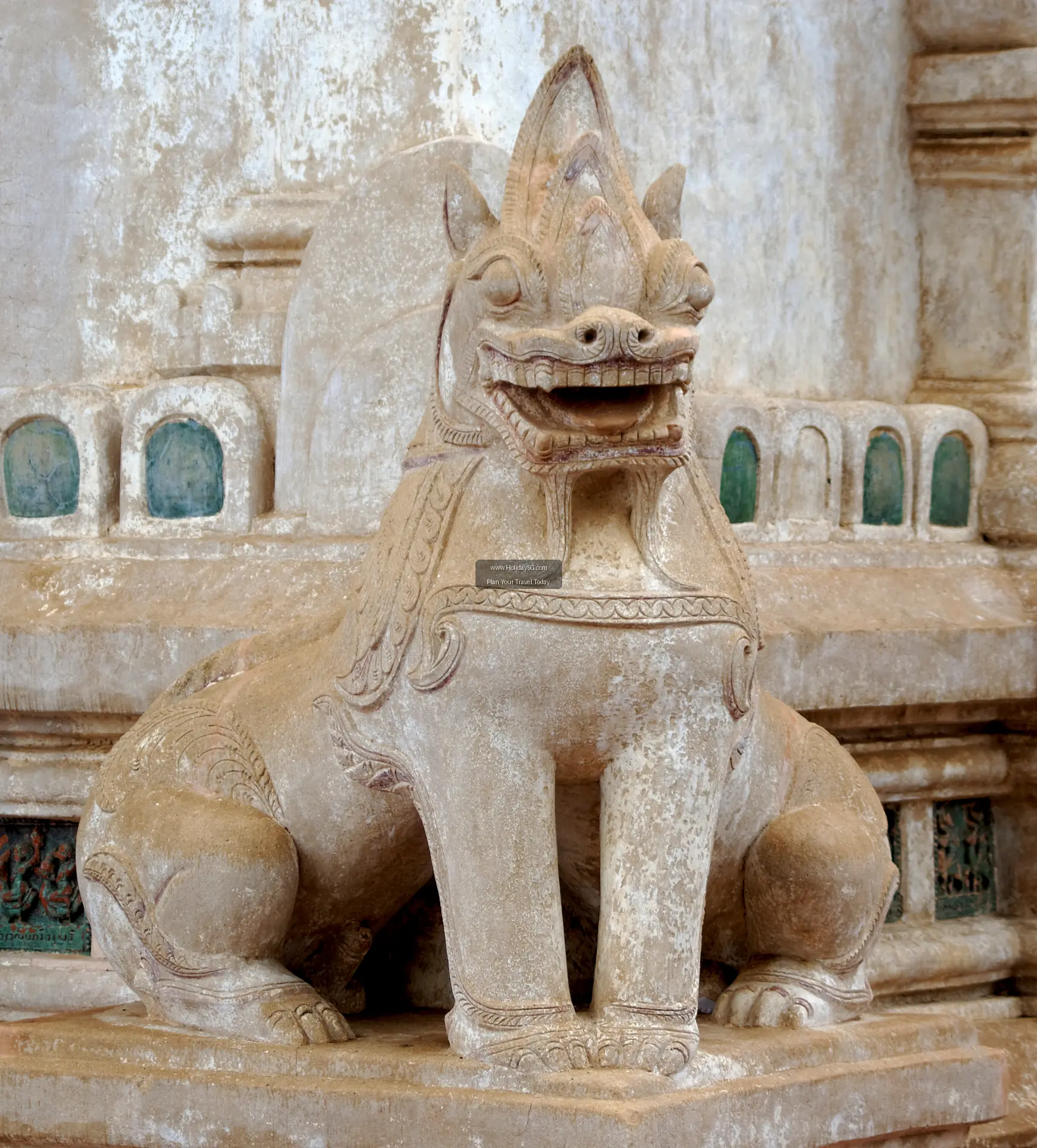
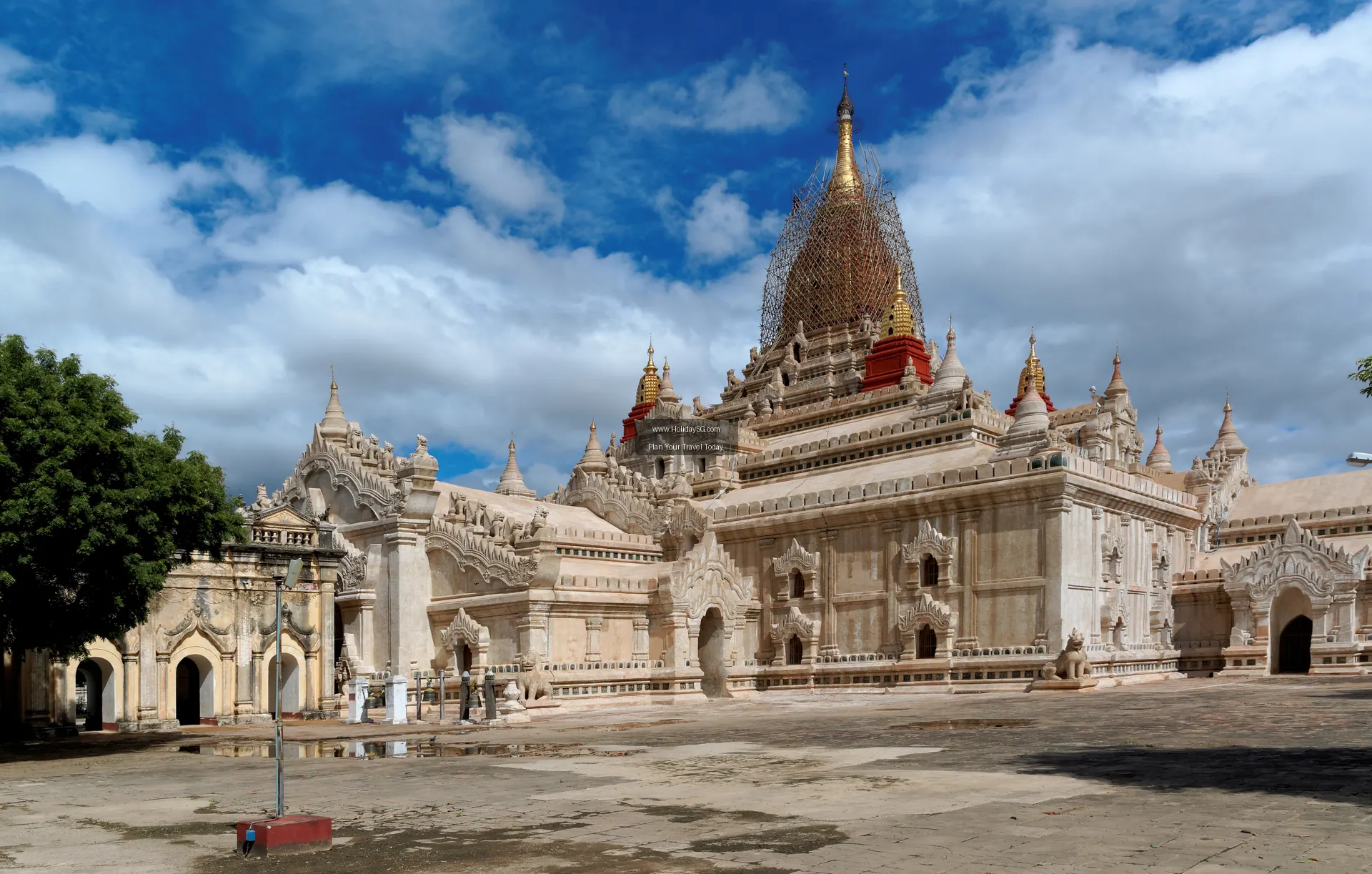
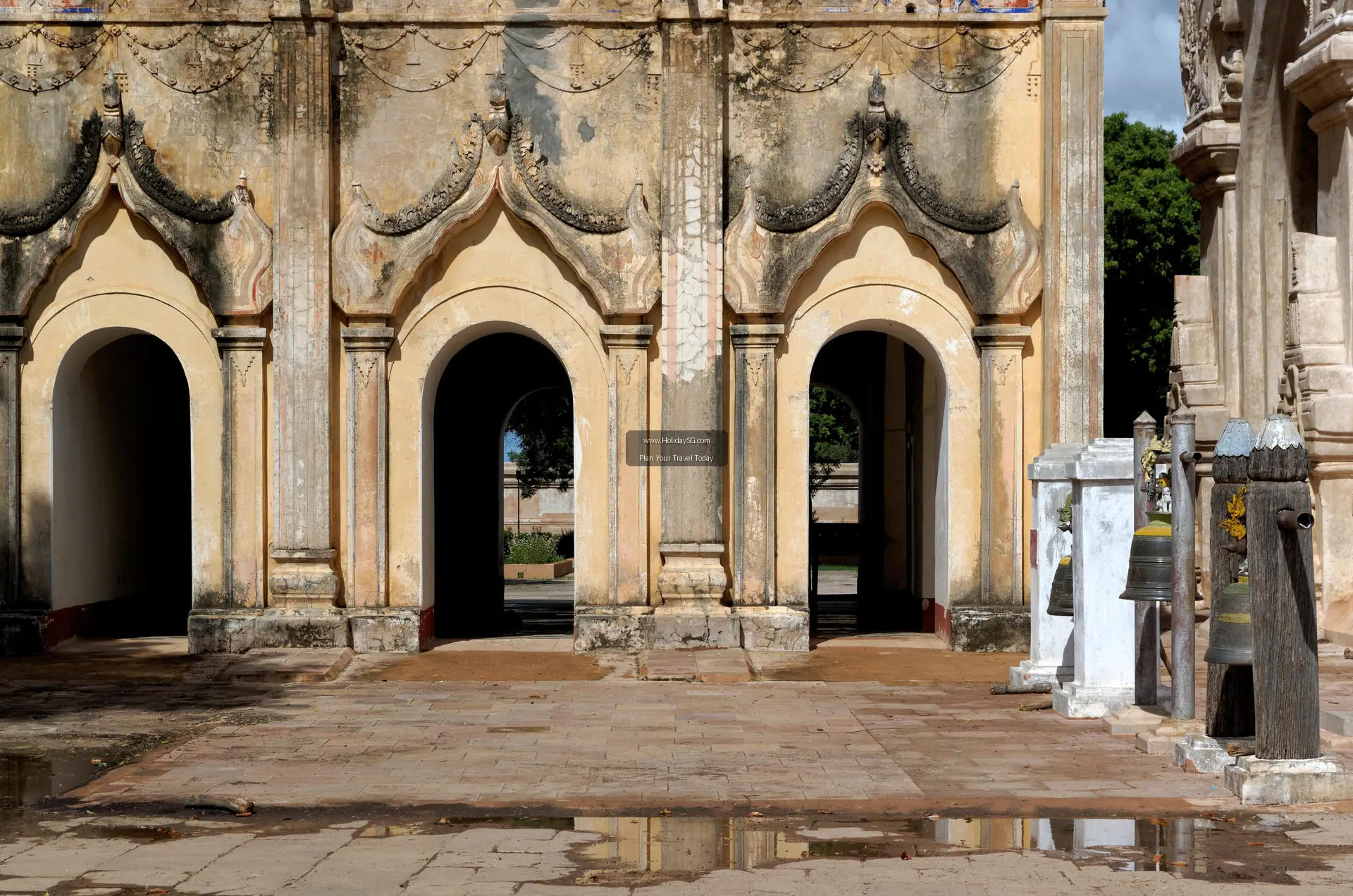
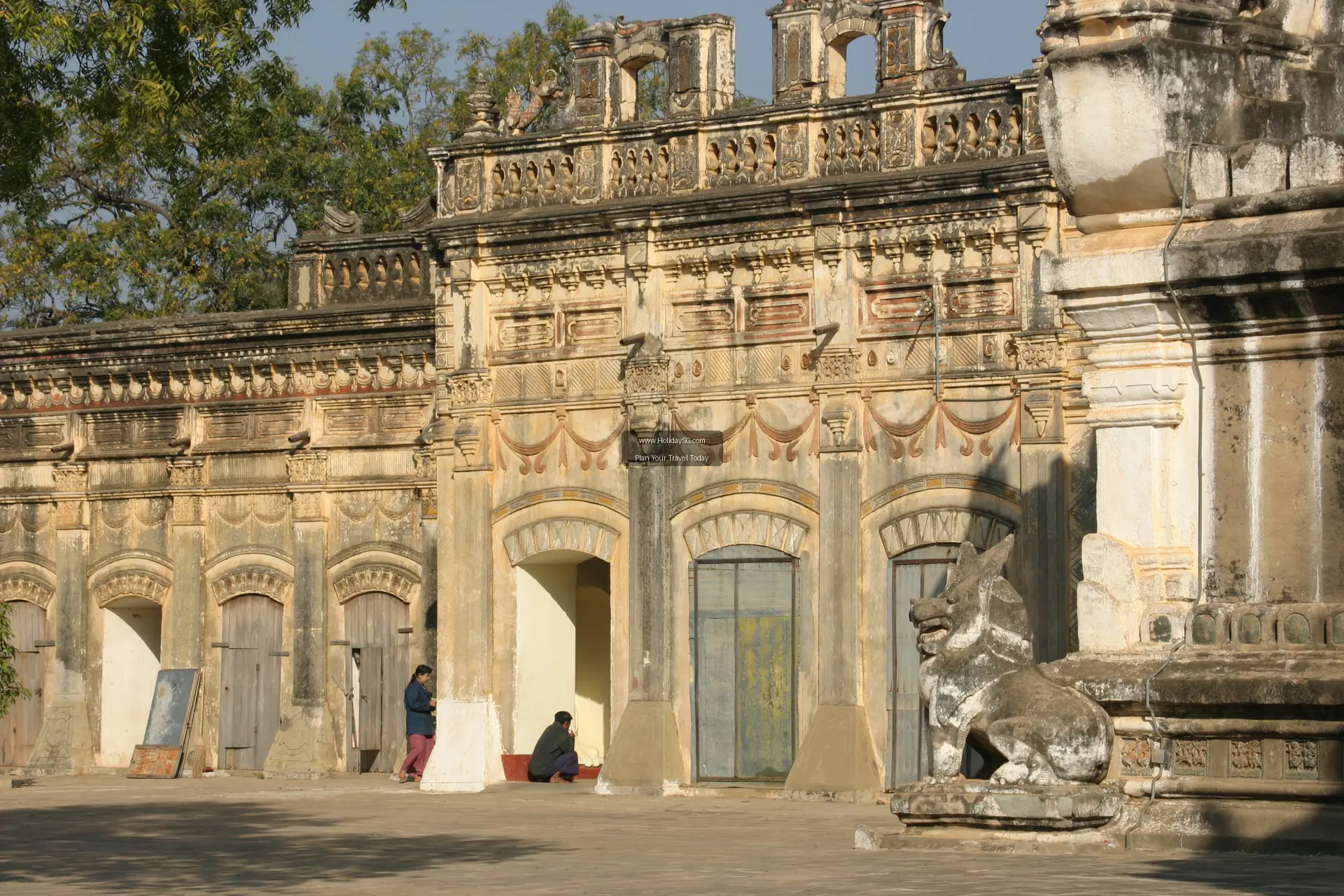
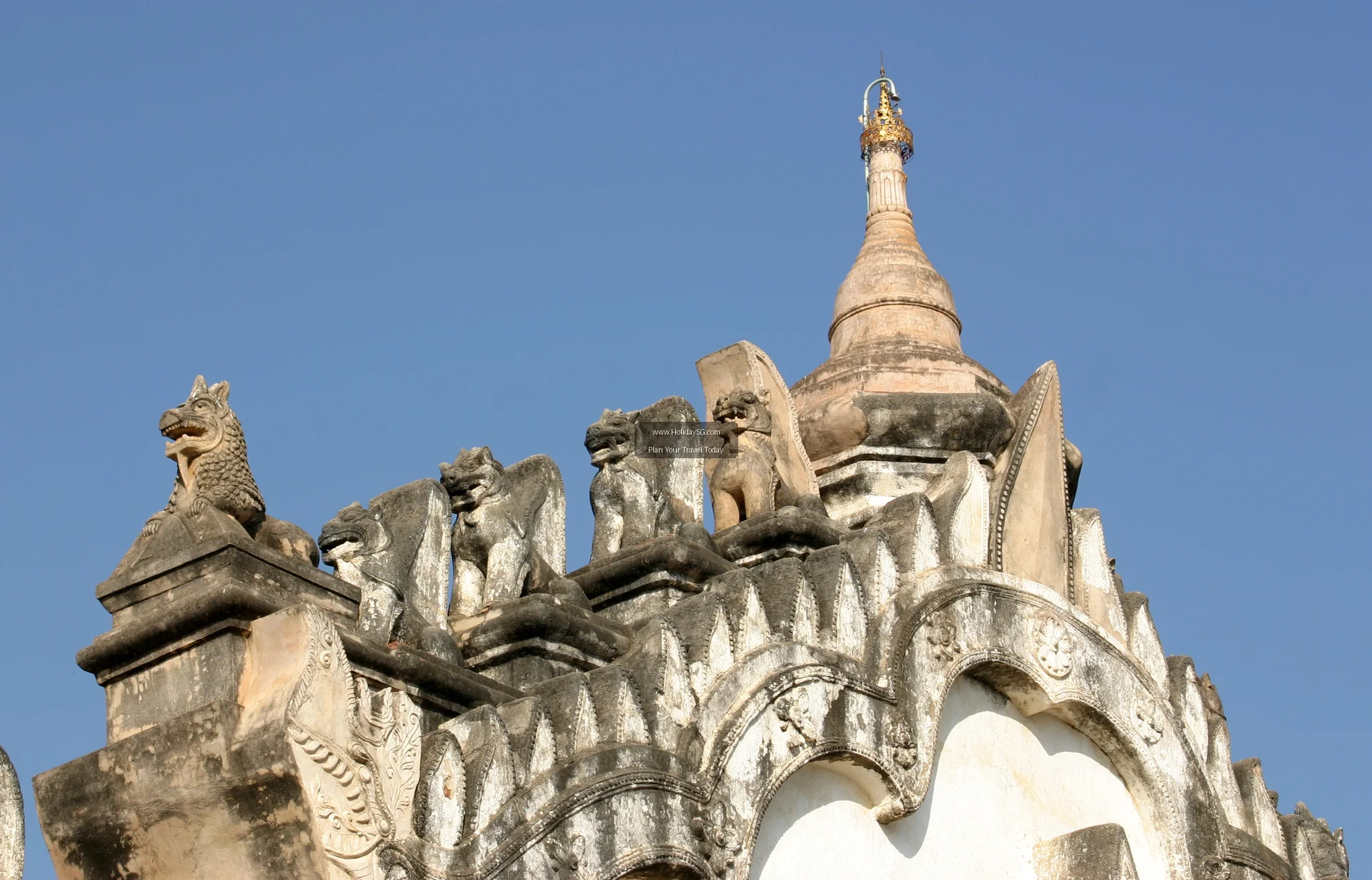
Myanmar (Burma) is a land of golden pagodas, misty mountains, and warm-hearted locals—a destination that feels like stepping back in time. From the ancient temples of Bagan to the floating villages of Inle Lake and the pristine beaches of Ngapali, Myanmar offers a mix of cultural richness and natural beauty that’s hard to find elsewhere. Whether you’re a history buff, an adventure seeker, or simply looking to unwind, this Southeast Asian gem promises an unforgettable journey.
Myanmar is best visited between November and February for cool, dry weather. Secure an e-visa in advance, carry pristine USD as backup, and prioritize cash payments. Must-see spots include Bagan’s temples, Inle Lake’s floating villages, and Mandalay’s U Bein Bridge. Pack light, respect local customs, and prepare for limited internet connectivity outside major cities.
When to Visit Myanmar: Timing Your Trip Perfectly
Myanmar’s climate is divided into three distinct seasons, each offering a different travel experience. The cool and dry season (November to February) is the most popular time to visit, with pleasant temperatures (20–28°C) and minimal rain. This is ideal for exploring temples, trekking, and beach trips.
The hot season (March to May) brings scorching temperatures (up to 40°C), especially in central regions like Bagan and Mandalay. While crowds thin out, sightseeing can be exhausting—early mornings and late afternoons are best for outdoor activities. The monsoon season (June to October) sees heavy rainfall, particularly along the coast and in the delta regions. Some rural areas become inaccessible, but lush landscapes and fewer tourists make it a unique time to visit.
Visa Requirements: How to Enter Myanmar Hassle-Free
Ready to go? Book Full Day Trekking In Inle Lake with HolidaySG.
Ready to go? Book Full Day Trekking In Inle Lake with HolidaySG.
Most travelers need a visa to enter Myanmar, but the process is straightforward. The e-visa is the most convenient option, costing USD 50 and processed within three business days. Apply online via the official government website, and print your approval letter to present upon arrival. The e-visa is valid for 90 days from issuance and allows a 28-day stay.
Citizens of select countries (e.g., Japan, South Korea, and ASEAN nations) can obtain a visa on arrival, but check the latest updates as policies change. For longer stays, visa extensions are possible at immigration offices in Yangon or Mandalay (USD 3 per day plus fees). Always carry a few passport-sized photos for applications.
Must-Visit Destinations in Myanmar
Bagan: A Temple Wonderland
Bagan is Myanmar’s crown jewel, home to over 2,000 ancient temples and pagodas spread across a vast plain. The best way to experience it? A sunrise hot-air balloon ride over the misty landscape, where the golden light illuminates the spires below. For a more grounded (but equally magical) experience, rent an e-bike (USD 5–10/day) to explore at your own pace.
Don’t miss the Ananda Temple, a masterpiece of Mon architecture, or the Shwezigon Pagoda, a prototype for later Burmese stupas. For sunset, head to Shwesandaw Pagoda or Pyathadar Temple for panoramic views. Pro tip: Bring a torch—some temples are dimly lit, and bats love to swoop at dusk.
Yangon: Where Tradition Meets Colonial Charm
Myanmar’s largest city is a fascinating blend of old and new. The Shwedagon Pagoda, a 2,500-year-old gold-covered stupa, is the city’s spiritual heart. Visit at dawn or dusk to see the pagoda glow under the changing light, and dress modestly (cover shoulders and knees). Nearby, Sule Pagoda offers a more intimate experience, with its central stupa surrounded by bustling streets.
For a taste of Yangon’s colonial past, stroll along Pansodan Street, where crumbling but elegant buildings house bookshops, cafés, and art galleries. The Bogyoke Aung San Market is perfect for souvenirs like lacquerware, gemstones, and traditional longyi (sarongs).
Mandalay: The Cultural Capital
Mandalay is Myanmar’s cultural hub, where you’ll find the world’s longest teak bridge, U Bein Bridge. Built in 1850, this 1.2-kilometer span is especially atmospheric at sunset, when monks, locals, and tourists gather to watch the sky turn gold. For a higher vantage point, climb Mandalay Hill at dawn—reward yourself with panoramic views and a refreshing coconut at the top.
The Mandalay Palace, a reconstruction of the original royal residence, offers a glimpse into the Konbaung Dynasty’s grandeur. Nearby, the Kuthodaw Pagoda houses the “world’s largest book”—729 marble slabs inscribed with Buddhist scriptures. Don’t leave without trying mandalay meeshay, a local noodle dish topped with pork and crispy cracklings.
Inle Lake: Floating Villages and Leg-Rowing Fishermen
Inle Lake is a serene escape where life revolves around the water. The lake’s leg-rowing fishermen are a sight to behold—standing on one leg while wrapping the other around an oar, they navigate the shallow waters with ease. For a deeper dive into local life, take a full-day trekking tour through floating gardens and stilt-house villages, where you’ll meet the Intha people and learn about their unique traditions.
Accommodation ranges from budget guesthouses to luxury resorts like Inle Princess Resort, where overwater bungalows offer direct lake access. Don’t miss the Phaung Daw Oo Pagoda, home to five sacred Buddha images, or the Nga Phe Kyaung Monastery, famous for its jumping cats (though the cats are now retired).
Ngapali Beach: Myanmar’s Tropical Paradise
If you need a break from temples and treks, Ngapali Beach is Myanmar’s answer to paradise. With powdery white sand, crystal-clear waters, and swaying palm trees, it’s the perfect place to unwind. The beach is divided into sections, with the northern end offering more seclusion and the southern end hosting luxury resorts like Amata Resort and Bayview Ngapali.
Activities include snorkeling, kayaking, and boat trips to nearby islands. For a unique experience, visit the local fishing villages to see traditional bamboo basket boats in action. While Ngapali is more developed than other Myanmar beaches, it retains a laid-back vibe—don’t expect wild nightlife, but do expect stunning sunsets and fresh seafood.
Hsipaw and Kalaw: Trekking Through Ethnic Villages
For adventure seekers, Hsipaw and Kalaw are the gateways to Myanmar’s most rewarding treks. These hill towns offer multi-day hikes through lush landscapes and ethnic minority villages, where you’ll stay in homestays and sample local dishes like shan tofu salad.
In Hsipaw, the trek to Shan villages is a highlight, with stops at hot springs and waterfalls along the way. Kalaw, meanwhile, is the starting point for the famous Kalaw to Inle Lake trek, a 2–3 day journey through pine forests and terraced rice fields. Both towns have a cool climate, making them a welcome respite from Myanmar’s heat.
Money Matters: Currency, Costs, and Budgeting
Ready to go? Book Full Day Trekking In Inle Lake with HolidaySG.
Ready to go? Book Full Day Trekking In Inle Lake with HolidaySG.
Myanmar’s official currency is the Myanmar Kyat (MMK), but USD is widely accepted—just ensure your bills are pristine (no tears, marks, or folds) and issued after 2006. Exchange rates fluctuate, but as of 2024, 1 USD ≈ 2,100 MMK. ATMs are available in major cities, but withdrawal fees range from 5,000–10,000 MMK per transaction. Always carry enough cash for rural areas, where ATMs and card payments are rare.
Myanmar is budget-friendly compared to neighboring Thailand or Vietnam. Here’s a rough breakdown of daily costs:
- Budget travel: $30–$50/day (hostels, street food, buses)
- Mid-range travel: $70–$150/day (hotels, tours, nicer meals)
- Luxury travel: $200+/day (boutique resorts, private guides, flights)
Bargaining is expected in markets and for tuk-tuk rides, but do so politely—start at 50% of the asking price and meet in the middle. Tipping isn’t mandatory, but it’s appreciated for guides, drivers, and hotel staff (10% is standard).
Getting Around Myanmar: Transport Options
Myanmar’s transport network is improving, but patience is key—delays and detours are common. Here’s how to navigate the country:
- Domestic flights: The fastest way to cover long distances (e.g., Yangon to Bagan). Airlines like Air KBZ and Myanmar National Airlines offer routes between major cities, but book in advance for a great selection of.
- Buses: Overnight sleeper buses (e.g., JJ Express, Elite Bus) are comfortable and affordable, with routes connecting Yangon, Mandalay, Bagan, and Inle Lake. VIP buses include reclining seats, snacks, and air conditioning.
- Trains: Scenic but slow, trains are best for short journeys like Mandalay to Hsipaw (the famous “Goteik Viaduct” route). Opt for upper-class seats for more comfort.
- Local transport: In cities, use Grab (Myanmar’s Uber) or taxis for convenience. For short trips, tuk-tuks and motorbike taxis are cheap but negotiate the price beforehand.
Staying Connected: Internet and SIM Cards
Ready to go? Book Full Day Trekking In Inle Lake with HolidaySG.
Ready to go? Book Full Day Trekking In Inle Lake with HolidaySG.
Wi-Fi is available in most hotels and cafés, but speeds can be painfully slow—don’t expect to stream videos or upload large files. For reliable internet, buy a local SIM card from providers like MPT, Telenor, or Ooredoo (USD 2–5 for 1–2 GB of data). SIMs are sold at airports, convenience stores, and official shops; bring your passport for registration.
Note that some websites (e.g., Facebook, WhatsApp) are intermittently blocked, so download a VPN before arrival. Offline maps (e.g., Maps.me) are also handy for navigating without data.
Safety and Health: Traveling Smart in Myanmar
Myanmar is generally safe for tourists, but petty theft and scams can occur, especially in crowded areas like Yangon’s markets. Avoid walking alone at night in isolated areas, and keep valuables secure. Political demonstrations are rare but best avoided—check your government’s travel advisories for updates on conflict zones in Rakhine, Shan, and Kachin states.
Health-wise, tap water is unsafe to drink, so stick to bottled or filtered water. Street food is delicious but choose vendors with high turnover to minimize risks. Recommended vaccinations include Hepatitis A/B, typhoid, and tetanus; malaria prophylaxis is advised for rural treks. Pack a basic medical kit with rehydration salts, antidiarrheal medication, and insect repellent.
Travel insurance is a must—ensure it covers medical emergencies, evacuation, and activities like trekking or hot-air ballooning. Companies like World Nomads or SafetyWing offer flexible plans for Myanmar.
Cultural Etiquette: Respecting Local Customs
Ready to go? Book Full Day Trekking In Inle Lake with HolidaySG.
Ready to go? Book Full Day Trekking In Inle Lake with HolidaySG.
Myanmar is a deeply Buddhist country, and respecting local customs will enhance your experience. Here’s what to keep in mind:
- Dress modestly: Cover shoulders and knees when visiting temples or rural areas. A lightweight scarf or longyi (sarong) is useful for impromptu temple visits.
- Remove shoes: Always take off your shoes before entering temples, homes, and some shops. Socks are usually fine.
- Mind your feet: Never point your feet at people or Buddha images—sit cross-legged or kneel instead.
- Greetings: A polite “Mingalabar” (hello) goes a long way. Use your right hand to give or receive items, as the left is considered unclean.
- Photography: Always ask permission before photographing locals, especially monks or ethnic minorities. Some temples charge a camera fee.
Language Basics: Essential Phrases for Travelers
English is spoken in tourist areas, but learning a few Burmese phrases will earn you smiles and better service. Here are the basics:
- Hello: Mingalabar (မင်္ဂလာပါ)
- Thank you: Cè-zù tin-ba-deh (ကျေးဇူးတင်ပါတယ်)
- How much?: Be-lau le? (ဘယ်လောက်လဲ)
- Yes/No: Ho deh / Ma ho bu (ဟုတ်တယ် / မဟုတ်ဘူး)
- Where is…?: … beh hma le? (… ဘယ်မှာလဲ)
Numbers are also useful for bargaining:
- 1: Tit (တစ်)
- 2: Hni (နှစ်)
- 3: Thone (သုံး)
- 10: Seh (ဆယ်)
- 100: Taya (တစ်ရာ)
Common Traveler Questions
Ready to go? Book Full Day Trekking In Inle Lake with HolidaySG.
Ready to go? Book Full Day Trekking In Inle Lake with HolidaySG.
Is Myanmar safe for tourists?
Yes, but with caveats. Most tourist areas (Bagan, Inle Lake, Mandalay, Yangon) are safe, but avoid conflict zones in Rakhine, Shan, and Kachin states. Petty theft and scams (e.g., overcharging for taxis or tours) are the main concerns. Stay alert, trust your instincts, and keep valuables secure.
Can I use credit cards in Myanmar?
Credit cards are accepted at high-end hotels, restaurants, and some tour operators, but cash is king everywhere else. Visa and Mastercard are more widely accepted than American Express. Always carry enough cash for rural areas, where ATMs may be scarce or out of order.
What’s the food like in Myanmar?
Myanmar’s cuisine is a flavorful mix of Burmese, Chinese, Indian, and Thai influences. Must-try dishes include:
- Mohinga: A fish-based noodle soup, often called Myanmar’s national dish.
- Tea leaf salad: A tangy, crunchy mix of fermented tea leaves, nuts, and beans.
- Shan noodles: Rice noodles with chicken or pork, topped with crispy garlic and chili oil.
- Curries: Mild but aromatic, often served with rice and a side of hin (sour soup).
Vegetarians will find plenty of options, especially in Buddhist areas. Street food is delicious but stick to busy stalls to minimize risks.
Do I need a guide in Myanmar?
Guides are helpful for complex sites like Bagan’s temples or multi-day treks (e.g., Inle Lake treks), where their knowledge of history and local customs adds depth to the experience. For independent travelers, apps like Maps.me and guidebooks (e.g. In rural areas, a guide can also help navigate language barriers and arrange homestays.
Unique Experiences in Myanmar
Beyond the usual tourist trail, Myanmar offers unforgettable experiences that immerse you in local culture:
- Sunset at U Bein Bridge: Join locals on Mandalay’s iconic teak bridge as the sun dips below the horizon, casting a golden glow over the water.
- Novitiation ceremonies: Held in April, these Buddhist coming-of-age rituals involve colorful processions, music, and feasting. Ask your hotel or guide for upcoming events.
- Homestays in ethnic villages: Spend a night with the Palaung or Danu people, learning about their traditions and sharing meals. Hsipaw and Kalaw are great bases for these experiences.
- Irrawaddy River cruises: Sail from Mandalay to Bagan on a multi-day cruise, stopping at riverside villages and ancient temples along the way. Companies like Pandaw and Belmond offer luxury options.
Final Tips for a Smooth Trip
Ready to go? Book Full Day Trekking In Inle Lake with HolidaySG.
Ready to go? Book Full Day Trekking In Inle Lake with HolidaySG.
- Pack smart: Lightweight, breathable clothing is essential for Myanmar’s heat, along with a scarf for temple visits. Don’t forget sunscreen, a hat, and a reusable water bottle with a filter.
- Bargain politely: Start at 50% of the asking price and negotiate with a smile. Walking away often leads to a better deal.
- Support local communities: Buy handicrafts directly from artisans, eat at family-run restaurants, and choose homestays over international chains.
- Be flexible: Myanmar’s infrastructure is improving, but delays and changes of plan are part of the adventure. Embrace the chaos!
Recommended HolidaySG Tours
Ready to explore Myanmar? Here are some curated tours to help you make the most of your trip:
Conclusion: Why Myanmar Should Be on Your Travel List
Ready to go? Book Full Day Trekking In Inle Lake with HolidaySG.
Ready to go? Book Full Day Trekking In Inle Lake with HolidaySG.
Myanmar is a destination that captivates the soul—where golden pagodas rise from misty plains, fishermen row with their legs, and locals greet you with genuine warmth. It’s a place where time slows down, and every corner holds a story waiting to be discovered. Whether you’re marveling at Bagan’s temples, trekking through Shan State’s hills, or relaxing on Ngapali’s beaches, Myanmar offers a travel experience unlike any other.
As tourism continues to grow, there’s never been a better time to visit. So pack your bags, brush up on your “Mingalabar,” and get ready for an adventure that will stay with you long after you’ve left. For more inspiration, check out our guide to off-the-beaten-path destinations in Southeast Asia—Myanmar is just the beginning.
—
Book with HolidaySG online for Full Day Trekking In Inle Lake.
Book with HolidaySG online for Full Day Trekking In Inle Lake.
Frequently Asked Questions
Where can I book the Inle Lake trekking tour?
Do foreigners need a different ticket, price, or visa for Myanmar?
What is the best time to visit Myanmar?
How many days should I spend in Myanmar?
What is a typical daily budget for Myanmar?
How do I get around within Myanmar?
Is it safe for tourists to travel in Myanmar?
What should I pack for a trip to Myanmar?
Is Myanmar suitable for families with children?
What is the local etiquette regarding temple visits?
What is the food like and what must I try?
Can I use credit cards in Myanmar?
Is the tap water safe to drink in Myanmar?
How do I stay connected with internet and phone access?
What are the must-see attractions in Myanmar?
Are there any health precautions I should take?
What are the opening hours and entrance fees for major sites?
Is there accessible travel infrastructure for people with mobility issues?
What are nearby attractions or day trips from Inle Lake?
Can I use foreign currency or traveler’s checks in Myanmar?
What things cost in Myanmar
Live HolidaySG prices for the experiences in this guide, so you can sanity-check a budget before you commit.
| Experience | Where | From price |
|---|---|---|
| Full day trekking in Inle Lake | Mandalay | From S$42.68 |
| Mingalar Sky Business Class Lounge Domestic Yangon Internation... | Yangon | From S$15.25 |
| Mingalar Sky Business Class Lounge International Yangon Intern... | Yangon | From S$44.06 |
| Madame Tussauds Bangkok | Bangkok | From S$20.00 |