

Myanmar travel tips for first-time visitors: essential guide is exactly what this guide covers.
Myanmar is a land of golden pagodas, misty mountains, and serene lakes—a destination that rewards travelers with authenticity and untouched beauty. Unlike its more tourist-savvy neighbors, Myanmar offers a slower pace, where ancient traditions and warm hospitality take center stage. Whether you’re drawn to the temple-strewn plains of Bagan, the floating villages of Inle Lake, or the colonial charm of Yangon, this Myanmar travel tips for first-time visitors guide will help you navigate your trip with confidence and ease.
Myanmar is best visited between November and February for cool, dry weather. Secure an e-visa in advance, carry pristine USD and local kyat for payments, and prioritize cultural respect—cover up at temples, remove shoes, and avoid political discussions. Cash is king, and flexibility is key for transport delays.
Best Time to Visit Myanmar: Weather, Crowds, and Costs
Myanmar’s climate is defined by three distinct seasons, each offering a different experience. The cool, dry season (November to February) is the most popular time to visit, with temperatures hovering between 20–30°C and clear skies perfect for sightseeing. This is peak tourist season, so expect higher prices for flights and accommodations—book early to secure the best deals. The crowds thin out slightly in March and April, but the heat becomes intense, often exceeding 40°C. Outdoor activities like temple-hopping in Bagan or trekking in Hsipaw can feel grueling, so plan accordingly with early morning starts and plenty of water.
The monsoon season (June to October) brings heavy rains, especially along the coast and in the delta regions. While the landscapes transform into lush, green vistas, travel can be disrupted by flooding, road closures, and boat cancellations. Ngapali Beach, for example, often closes during this period. However, if you’re on a budget, this is the best time to find lower prices and fewer tourists. Just be prepared for humidity, sudden downpours, and the occasional travel hiccup.
Visa Requirements: How to Enter Myanmar Hassle-Free
For most travelers, the e-visa is the simplest way to enter Myanmar. Available to citizens of over 100 countries, the e-visa costs USD 50 and is processed within three business days. You can apply online via the official government website, and the visa is valid for 28 days (single entry) within 90 days of approval. Print a copy of your e-visa approval letter to present at immigration—some airlines may also ask to see it before boarding.
Visa on arrival (VOA) is currently suspended for most travelers, so don’t rely on this option. If you overstay your visa, you’ll face a penalty of USD 3–5 per day at the immigration office in Yangon. For longer stays, extensions are possible but require a visit to the immigration office and a bit of patience.
Top Attractions in Myanmar: From Ancient Temples to Floating Villages
Bagan: A Journey Through Time
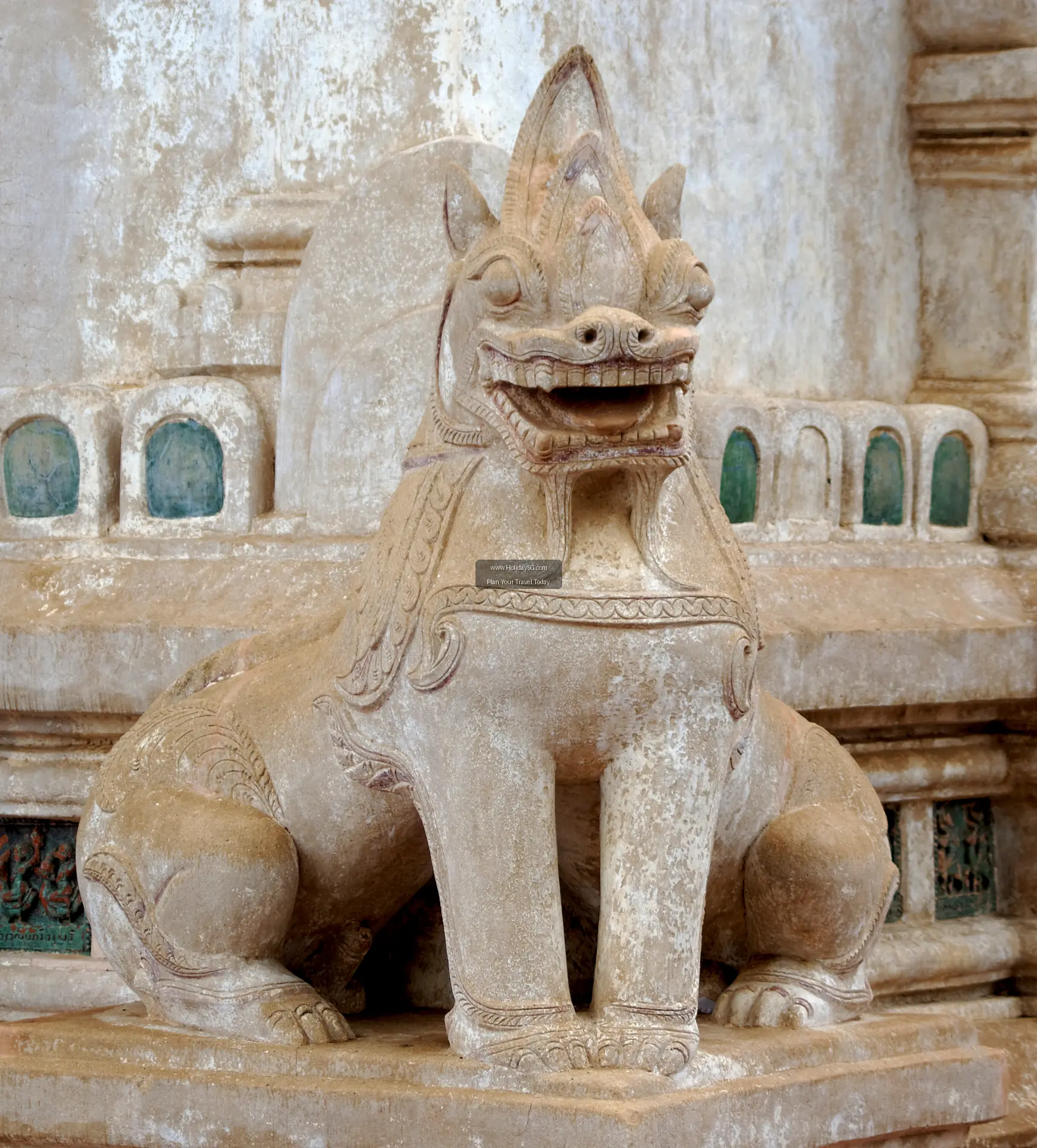
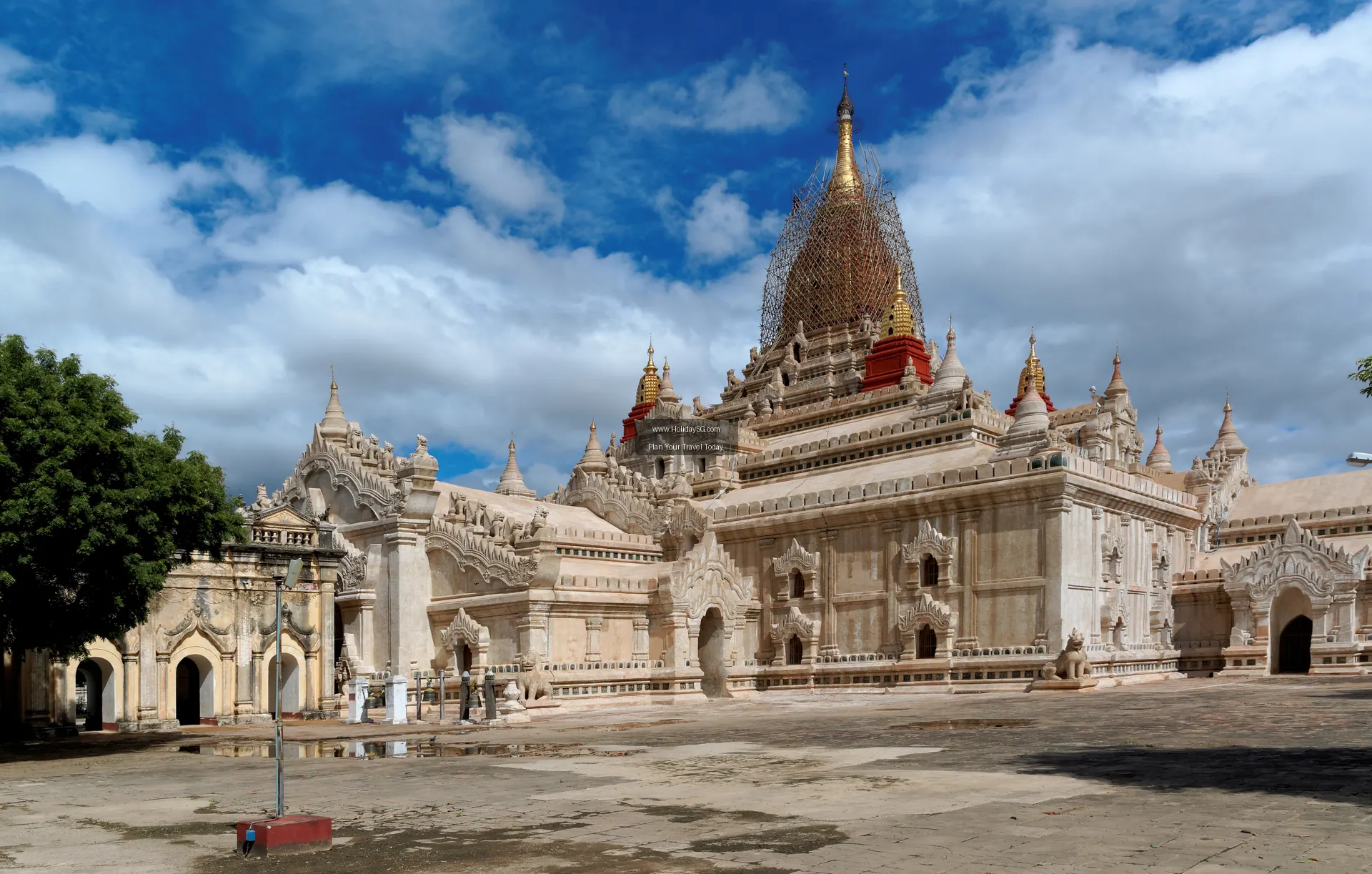
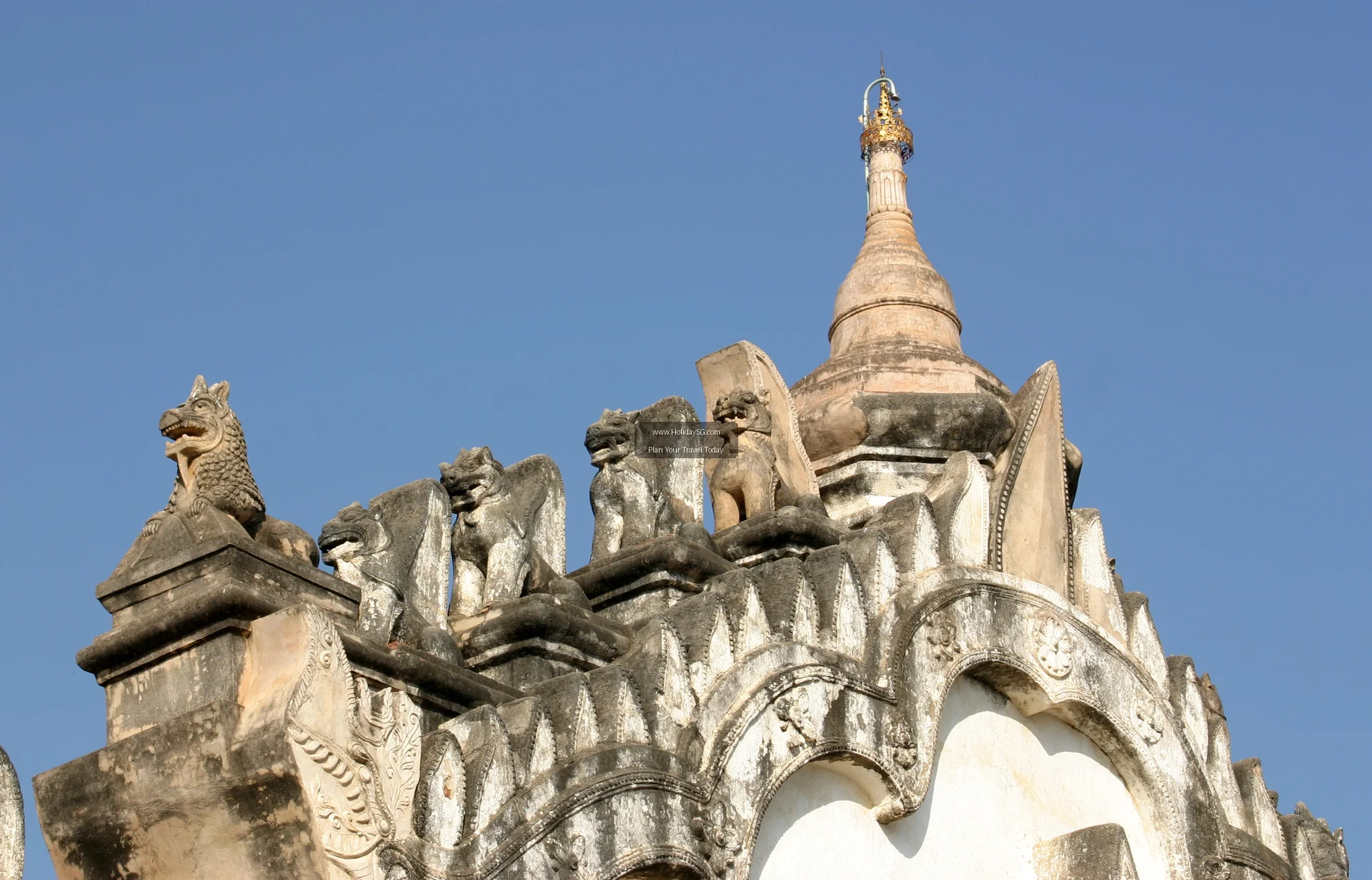
Bagan is Myanmar’s crown jewel—a vast archaeological zone dotted with over 2,000 ancient temples and pagodas dating back to the 9th century. The best way to explore is by e-bike (USD 5–10/day), weaving through dusty paths and stopping at hidden stupas. For a more leisurely experience, hire a horse cart or join a guided tour. Don’t miss the Ananda Temple, with its stunning golden Buddha statues, or Shwesandaw Pagoda, where you can watch the sunrise paint the sky in hues of pink and gold. For a bird’s-eye view, splurge on a hot-air balloon ride (USD 300–400) during the dry season.
Inle Lake: Life on the Water
Inle Lake is a world away from the hustle of Yangon, where life revolves around the water. The lake’s leg-rowing fishermen are an iconic sight, balancing precariously on their boats while using one leg to paddle. Explore the floating villages, stilt-house markets, and monasteries by boat (USD 10–20 for a half-day tour). For a deeper connection with the region, consider a full-day trekking adventure through Shan State’s countryside, where you’ll visit ethnic minority villages and learn about traditional weaving techniques. This guided trek is a fantastic way to experience the area’s culture and landscapes.
Yangon: Where Colonial Meets Spiritual
Yangon is Myanmar’s largest city and a fascinating blend of colonial architecture, bustling markets, and spiritual landmarks. The Shwedagon Pagoda, a 99-meter-tall golden stupa, is the city’s most sacred site and a must-visit at sunset, when the pagoda glows under the fading light. Nearby, Sule Pagoda offers a more intimate experience, while Bogyoke Aung San Market is the perfect place to pick up souvenirs like lacquerware, gemstones, and traditional longyi (sarongs).
For a taste of Yangon’s colonial past, stroll along Pansodan Street, where crumbling but elegant buildings house art galleries, cafés, and bookshops. Don’t miss the Yangon Circular Train, a slow but scenic ride through the city’s outskirts, where you’ll get a glimpse of local life.
Mandalay: The Cultural Heart of Myanmar
Mandalay is often overlooked in favor of Bagan or Inle Lake, but this city is the cultural hub of Myanmar. The U Bein Bridge, the world’s longest teak bridge, stretches 1.2 kilometers across Taungthaman Lake and is especially magical at sunrise or sunset. Climb Mandalay Hill for panoramic views of the city, or explore the Royal Palace, a reconstructed 19th-century complex that offers insight into Myanmar’s royal history.
For a unique experience, visit the Mahamuni Buddha Temple, where devotees apply gold leaf to a revered Buddha image. The temple is also home to a collection of ancient bronze statues, some of which are said to have been brought from Cambodia.
Ngapali Beach: Myanmar’s Tropical Paradise
If you’re craving some beach time, Ngapali Beach is Myanmar’s answer to Thailand’s islands—without the crowds. With its pristine white sand, crystal-clear waters, and seafood shacks, it’s the perfect place to unwind after a few days of temple-hopping. The best time to visit is between November and April, when the weather is dry and the sea is calm. Activities include snorkeling, kayaking, and simply lounging under a palm tree with a coconut in hand.
Hsipaw: Trekking and Ethnic Minority Villages
For travelers seeking an off-the-beaten-path adventure, Hsipaw in Shan State is a trekking paradise. This small town is surrounded by lush hills, terraced rice fields, and ethnic minority villages, where you can learn about the traditions of the Shan, Palaung, and Lisu people. Treks range from day hikes to multi-day expeditions, with homestays offering a chance to experience local hospitality. The journey to Hsipaw is an adventure in itself—take an overnight bus from Mandalay (6–7 hours) or a scenic train ride through the Gokteik Viaduct.
Money Matters: Currency, Budgeting, and Payments
Myanmar’s currency is the kyat (MMK), but USD is widely accepted—especially for larger purchases like hotels, flights, and tours. However, there’s a catch: USD bills must be pristine. Any tears, marks, or old bills (pre-2006) will likely be rejected, so bring crisp, new notes. Exchange rates hover around 1 USD = 2,100 MMK, but check current rates before your trip.
Where to Exchange Money
For the best rates, exchange money at official exchange counters in airports, banks, or reputable hotels. Avoid black-market exchanges, as scams are common. ATMs are available in cities like Yangon, Mandalay, and Bagan, but they often charge USD 4–5 per withdrawal. Always carry enough cash for rural areas, where card payments are rare.
Budgeting for Your Trip
Myanmar is still relatively affordable compared to other Southeast Asian destinations, but costs can add up quickly if you’re not careful. Here’s a rough breakdown:
- Budget travelers: USD 30–50/day (hostels, street food, buses).
- Mid-range travelers: USD 70–120/day (boutique hotels, tours, restaurants).
- Luxury travelers: USD 150+/day (5-star hotels, private guides, flights).
Getting Around Myanmar: Transportation Options
Myanmar’s transportation network is improving, but delays and unpredictability are part of the adventure. Here’s how to navigate the country like a pro.
Domestic Flights: Fast but Unpredictable
Domestic flights are the quickest way to cover long distances, with airlines like Air KBZ, Golden Myanmar, and Mann Yadanarpon operating routes between Yangon, Mandalay, Bagan, and Inle Lake. However, delays are common, so build buffer time into your itinerary. Book flights in advance, especially during peak season, and confirm your departure time the day before.
Buses: Affordable and Comfortable
Overnight buses are a popular and budget-friendly way to travel between cities. Companies like JJ Express, Elite, and Shwe Mandalar offer sleeper buses with reclining seats, blankets, and even snacks. A ticket from Yangon to Mandalay costs around USD 15–20, while Yangon to Bagan is USD 10–15. Buses are generally safe and comfortable, but be prepared for long journeys—Yangon to Inle Lake, for example, takes 12–14 hours.
Trains: Scenic but Slow
Myanmar’s train network is a throwback to a bygone era, with rickety carriages, slow speeds, and stunning views. The Yangon to Mandalay route takes 12+ hours but offers a glimpse into rural life, with stops at small villages and markets. For a more comfortable experience, book an upper-class seat (USD 30–40) with air conditioning and reclining seats. The Pyin Oo Lwin to Hsipaw route is another scenic option, featuring the famous Gokteik Viaduct, a towering railway bridge that spans a deep gorge.
Taxis and Ride-Hailing Apps
In Yangon and Mandalay, Grab (Myanmar’s version of Uber) is the most convenient way to get around. Fares are fixed, and you can pay in cash or via the app. Outside these cities, taxis are the norm, but negotiate fares upfront—drivers rarely use meters. For short distances, trishaws (cycle rickshaws) are a fun and affordable option.
Motorbike Rentals: Freedom to Explore
Renting a motorbike is a great way to explore places like Bagan, Inle Lake, and Mandalay, but check local laws first. Some areas require a permit, and police may stop you for random checks. Rentals cost USD 5–10/day, and you’ll need an international driver’s permit (though enforcement is lax). Always wear a helmet and be cautious on Myanmar’s chaotic roads.
Where to Stay: Accommodation for Every Budget
Myanmar offers a range of accommodations, from budget hostels to luxury resorts, with something to suit every traveler.
Budget Stays (USD 10–25/night)
Hostels and guesthouses are a great way to meet fellow travelers and save money. In Bagan, Ostello Bello is a popular choice, with a social atmosphere, free breakfast, and bike rentals. In Yangon, Little Yangon Hostel offers dorms and private rooms in a convenient location near downtown.
Mid-Range Hotels (USD 30–80/night)
For a bit more comfort, boutique hotels and 3-star properties offer private bathrooms, Wi-Fi, and breakfast. In Yangon, The Hotel by the Red Canal is a charming option with colonial-style decor, while in Bagan, Bagan Lodge features spacious rooms and a pool.
Luxury Resorts (USD 100+/night)
If you’re looking to splurge, Myanmar has no shortage of 5-star hotels and riverside resorts. In Yangon, Belmond Governor’s Residence is a former colonial mansion with lush gardens and impeccable service. In Bagan, Aureum Palace offers luxurious villas with private pools, while Inle Princess Resort on Inle Lake features overwater bungalows with stunning lake views.
Unique Stays: Eco-Lodges and Homestays
For a more immersive experience, consider an eco-lodge or homestay. Inle Lake’s floating bungalows offer a unique way to wake up on the water, while Hsipaw’s homestays provide a glimpse into the daily lives of Shan State’s ethnic minorities.
Food and Dining: What to Eat and Where
Myanmar’s cuisine is a flavorful blend of Burmese, Chinese, Indian, and Thai influences, with an emphasis on fresh ingredients and bold spices. Here’s what to try—and where to find it.
Must-Try Myanmar Dishes
- Mohinga: Myanmar’s national dish, this fish noodle soup is a breakfast staple, made with rice noodles, fish broth, and lemongrass. It’s often served with hard-boiled eggs, crispy fritters, and lime.
- Tea leaf salad: A unique and tangy dish made from fermented tea leaves, mixed with tomatoes, nuts, and garlic. It’s a great snack or light meal.
- Shan noodles: A specialty of Shan State, these rice noodles are served with chicken or pork in a tomato-based broth, topped with crispy fried garlic.
- Curry: Burmese curries are rich and aromatic, often served with steamed rice, lentil soup, and pickled vegetables. Try a pork, chicken, or fish curry for a hearty meal.
Street Food vs. Restaurants
Street food is a big part of Myanmar’s culinary scene, and it’s generally safe if it’s freshly cooked. Look for stalls with high turnover, and avoid raw salads or unpeeled fruits. Some must-try street foods include:
- Samosa thoke: A salad made with samosas, potatoes, and chickpeas.
- Grilled skewers: Marinated meat or tofu grilled over charcoal.
- Mont lin maya: Sweet coconut pancakes, often sold by street vendors.
For a more hygienic (but pricier) experience, head to restaurants like Rangoon Tea House in Yangon, which serves modern Burmese cuisine, or Feel Myanmar Food, a local favorite with a wide range of dishes.
Vegetarian and Vegan Options
Thanks to Myanmar’s Buddhist culture, vegetarian and vegan options are widely available. Look for restaurants with “thet thet” (vegetarian) signs, or ask for dishes without meat. Inle Lake’s Sin Yaw is a great spot for Shan-style vegetarian dishes, while Yangon’s Mandalay Vegetarian offers a variety of meat-free curries and salads.
Internet and Connectivity: Staying Online
Myanmar’s internet infrastructure is improving, but Wi-Fi can be slow and unreliable, especially in rural areas. Here’s how to stay connected.
Wi-Fi and SIM Cards
Most hotels and cafés offer free Wi-Fi, but speeds can be frustratingly slow. For a more reliable connection, buy a local SIM card from providers like MPT, Telenor, or Ooredoo. SIMs cost USD 2–5 and come with 1–2 GB of data (valid for 30 days). You can buy them at airports, official stores, or even some street vendors.
VPNs and Restricted Websites
Myanmar blocks access to Facebook, WhatsApp, and some news sites, so a VPN is essential if you want to stay in touch with friends and family. Apps like ExpressVPN or NordVPN work well in Myanmar—just download and set it up before you arrive.
Cultural Etiquette: Dos and Don’ts in Myanmar
Myanmar is a deeply religious country, and respecting local customs will enhance your experience—and help you avoid awkward situations.
Dress Code and Temple Visits
When visiting temples, dress modestly by covering your shoulders and knees. Remove your shoes and socks before entering any religious site, and avoid wearing hats or sunglasses inside. At the Shwedagon Pagoda, you’ll also need to remove your shoes before climbing the stairs.
Respectful Gestures and Behavior
- Greetings: A slight bow with your hands pressed together (namaste gesture) is the traditional greeting.
- Feet and head: Never point your feet at Buddha images or people, as feet are considered the lowest (and dirtiest) part of the body. Similarly, avoid touching people’s heads, as it’s seen as disrespectful.
- Photography: Always ask permission before photographing locals, especially monks or ethnic minorities. Some temples charge a camera fee (USD 1–2).
Tipping Culture
Tipping isn’t mandatory in Myanmar, but it’s appreciated. In restaurants, a 10% tip is standard if service isn’t included. For guides and drivers, USD 2–5 per day is a good rule of thumb.
Safety Tips for Travelers in Myanmar
Myanmar is generally safe for travelers, but it’s important to stay aware of your surroundings and follow local laws.
Political and Social Sensitivities
Myanmar has strict laws on dissent, so avoid political discussions or gatherings. Stick to well-traveled routes, and check government advisories before visiting border areas like Rakhine or Kachin State, which are off-limits due to conflict.
Scams and Petty Theft
Scams are rare, but overcharging is common, especially in taxis or markets. Always negotiate fares upfront, and keep your valuables secure. Use hotel safes for passports and cash, and avoid flashing expensive jewelry or electronics.
Solo and Female Travel Safety
Myanmar is safe for solo female travelers, but it’s best to dress conservatively and avoid walking alone at night in quiet areas. In rural regions, women may feel more comfortable joining a guided tour or traveling with a group.
Emergency Contacts
- Police: 199
- Fire: 191
- Ambulance: 192
- Tourist Police: +95 1 374 666 (Yangon)
Health and Vaccinations: Staying Healthy in Myanmar
Myanmar is a tropical country, so taking health precautions is essential to avoid common travel illnesses.
Recommended Vaccinations
Before your trip, visit a travel clinic to discuss vaccinations. Recommended jabs include:
- Hepatitis A and B
- Typhoid
- Japanese encephalitis (for rural areas)
- Rabies (if you plan to interact with animals)
Malaria and Mosquito Protection
Malaria is a risk in rural areas, particularly in Shan State, Kayin State, and the border regions. Use DEET repellent, wear long sleeves and pants, and consider antimalarial medication if you’re visiting high-risk areas. Dengue fever is also a concern, so take precautions against mosquito bites.
Food and Water Safety
- Drink bottled or filtered water—avoid tap water and ice in drinks.
- Eat freshly cooked food, and avoid raw salads or unpeeled fruits.
- Carry hand sanitizer, as soap isn’t always available in public restrooms.
Pharmacies and Medical Facilities
Pharmacies in cities are well-stocked, but bring a basic medical kit with essentials like anti-diarrheal medication, rehydration salts, and painkillers. Hospitals outside major cities are limited, so travel insurance is a must.
Common Traveler Questions Answered
Is Myanmar Safe for Solo Female Travelers?
Yes, Myanmar is generally safe for solo female travelers, but it’s important to take precautions. Dress modestly, avoid walking alone at night, and trust your instincts. In rural areas, consider joining a guided tour or traveling with a group for added safety.
Can I Use Credit Cards in Myanmar?
Credit cards are rarely accepted outside high-end hotels and restaurants. Cash is king, so carry enough USD and kyat for your trip. ATMs are available in cities, but they often charge USD 4–5 per withdrawal.
What’s the Nightlife Like in Myanmar?
Myanmar’s nightlife is low-key compared to Thailand or Vietnam. In Yangon, rooftop bars like The Strand’s Bar offer cocktails with a view, while Ngapali Beach has beachfront lounges with live music. There’s no wild club scene, but you’ll find plenty of local beer stations and karaoke bars.
Are There English Speakers in Myanmar?
English is limited outside tourist areas, so learning a few basic Burmese phrases can go a long way. Useful phrases include:
- Mingalaba (Hello)
- Cezu tin ba de (Thank you)
- Zay beh loh? (How much?)
- Thwa meh (Goodbye)
Translation apps like Google Translate can also help bridge the language gap.
What Should I Pack for Myanmar?
Myanmar’s climate is hot and humid, so pack lightweight, breathable clothing. Essentials include:
- Sunscreen and a hat (the sun is intense!)
- Mosquito repellent (DEET-based)
- Comfortable walking shoes (for temple-hopping)
- Power adapter (Type C/D/G)
- A reusable water bottle (with a filter if possible)
- A scarf or shawl (for covering shoulders in temples)
Recommended HolidaySG Tours
If you’re looking for guided experiences to make the most of your Myanmar trip, consider these HolidaySG tours:
Final Tips for a Smooth Myanmar Trip
- Book flights and accommodations early, especially during peak season (November–February).
- Carry small bills (USD and MMK) for tips, taxis, and local purchases.
- Respect local customs—dress modestly, remove shoes at temples, and avoid political discussions.
- Be flexible—delays and changes are part of the Myanmar travel experience.
- Leave room for spontaneity—some of the best moments happen when you least expect them!
Myanmar is a destination that rewards those who embrace its unpredictability and charm. With these Myanmar travel tips for first-time visitors in hand, you’re ready to explore its golden pagodas, serene lakes, and warm-hearted people with confidence. Ready to start your adventure? Check out our Full Day Trekking In Inle Lake and experience the magic of Myanmar’s countryside firsthand!
Book with HolidaySG online for Full Day Trekking In Inle Lake.
More Photos from HolidaySG
Book with HolidaySG online for Full Day Trekking In Inle Lake.
Frequently Asked Questions
Where can I book the Full Day Trekking In Inle Lake?
Do foreigners need a different ticket, price, or visa for Myanmar?
What is the best time (season, or time of day for the site/activity) to go?
How long should I spend in Myanmar?
What is the typical cost for a trip to Myanmar?
How do I get to Myanmar from Singapore or other countries?
Is Myanmar family-friendly for travel?
What should I pack or bring to Myanmar?
How accessible is Myanmar for travelers with disabilities?
Is it safe to travel in Myanmar?
What is the weather like in Myanmar?
What local customs and etiquette should I be aware of in Myanmar?
Where can I find good food and nearby attractions in Myanmar?
Do I need any vaccinations before traveling to Myanmar?
What currency is used in Myanmar, and should I bring cash?
How do I get around within Myanmar, such as transportation options?
Are there any travel restrictions or advisories for Myanmar currently?
Can I use my credit cards or ATMs in Myanmar?
What language is spoken in Myanmar, and is English widely understood?
What are must-see attractions or activities in Myanmar for first-timers?
What things cost in Myanmar
Live HolidaySG prices for the experiences in this guide, so you can sanity-check a budget before you commit.
| Experience | Where | From price |
|---|---|---|
| Full day trekking in Inle Lake | Mandalay | From S$42.68 |
| Nami Island one-day tour in South Korea [Alpaca Farm & Rail Bi... | Seoul | From S$80.00 |
| Mingalar Sky Business Class Lounge Domestic Yangon Internation... | Yangon | From S$15.25 |
| Mingalar Sky Business Class Lounge International Yangon Intern... | Yangon | From S$44.06 |
| Makkha Health & Spa | Bangkok | From S$30.05 |