

New zealand travel guide: the ultimate trip north & south (2026). is exactly what this guide covers.
Welcome to this New Zealand travel guide for 2026, covering the ultimate trip across the North and South Islands. New Zealand, Aotearoa, is a land of profound beauty and dramatic contrasts. From volcanic plateaus and ancient forests in the North to towering mountains and serene fjords in the South, it’s a destination that feels both epic and intimately wild. Planning a comprehensive trip across both main islands in 2026 requires a solid strategy. This guide is your blueprint for crafting the ultimate New Zealand itinerary, balancing iconic adventures with hidden gems while navigating the practicalities of travel in this stunning country.
TL;DR: For the best weather and manageable crowds, plan your 2026 New Zealand trip for the shoulder seasons (October-November or March-April). Book key inter-island transport and popular activities like Milford Sound cruises and the Tongariro Crossing shuttle well in advance, and be prepared for highly changeable weather with smart packing.
Setting the Foundation for Your Kiwi Adventure
Success starts with good planning. Understanding the seasons, setting a realistic budget, and choosing your transport mode will shape your entire experience.

When to Go: Timing Your Journey for Perfect Weather
New Zealand’s climate is temperate but highly variable. Your travel dates will significantly impact your experience:
- Summer (December – February): The warmest and busiest season. Expect long, sunny days (20-25°C / 68-77°F) perfect for beaches and hiking, but also peak crowds and higher prices for accommodation and rental vehicles.
- Shoulder Seasons (October-November & March-April): Often the sweet spot. You’ll find pleasant temperatures, fewer tourists, and the countryside is lush and beautiful. Spring brings blooming lupins, while autumn offers golden foliage. Be prepared for some rain.
- Winter (June – August): Cool and crisp in the lowlands (10°C / 50°F or below), and snowy in the mountains. This is prime time for skiing and snowboarding around Queenstown and Wanaka, but many alpine trails will be closed or require winter experience.
Budgeting for Your Kiwi Adventure
New Zealand isn’t the cheapest destination, but it offers immense value. For a mid-range traveler, a daily budget of NZD $200-300 per person is a realistic guide. This covers:
- Accommodation: From motels and holiday parks to nice B&Bs.
- Food: A mix of self-catering (supermarkets are excellent) and eating out at cafés and pubs.
- Transport: Fuel for a rental car or campervan, plus inter-island travel costs.
- Activities: Budget for 1-2 paid experiences per day, like a museum entry, a short hike with a guide, or a boat trip.
Note that major expenses like the Interislander ferry, guided glacier walks, or multi-day Great Walk packages will be separate line items in your budget.
Getting Around: Your Transport Guide
How you move between the islands and explore the landscapes is a key decision.
- Domestic Flights: Air New Zealand and Jetstar offer frequent, short flights between major cities (e.g., Auckland to Wellington, Christchurch to Queenstown). Book well ahead during peak times for the best fares.
- Inter-Island Ferries: The Interislander or Bluebridge ferries cross the Cook Strait between Wellington and Picton in about 3.5 hours. This is not just transport; it’s a scenic cruise through the stunning Marlborough Sounds and a highlight in itself.
- Driving the Dream: A campervan or rental car is the quintessential way to explore. The freedom to stop at viewpoints and hidden coves is unparalleled. Important: Most rental vehicles are manual transmission. Driving is on the left-hand side, and mountainous, winding roads mean you should always underestimate your daily driving distance. Driving from Auckland to Wellington, for example, is a solid 8-hour day.
- Freedom Camping Rules: While a dream for many, freedom camping is strictly regulated. It is only permitted in certified self-contained vehicles at designated sites. Fines for non-compliance are hefty.
Exploring the North Island: Geothermal Wonders & Cultural Heart
Ready to go? Book Whizcomms 14 Day 15gb Unlimited New Zealand Esim Instant Activation Nationwide with HolidaySG.
The North Island is geographically smaller but bursting with geothermal activity, Māori culture, and vibrant cities.
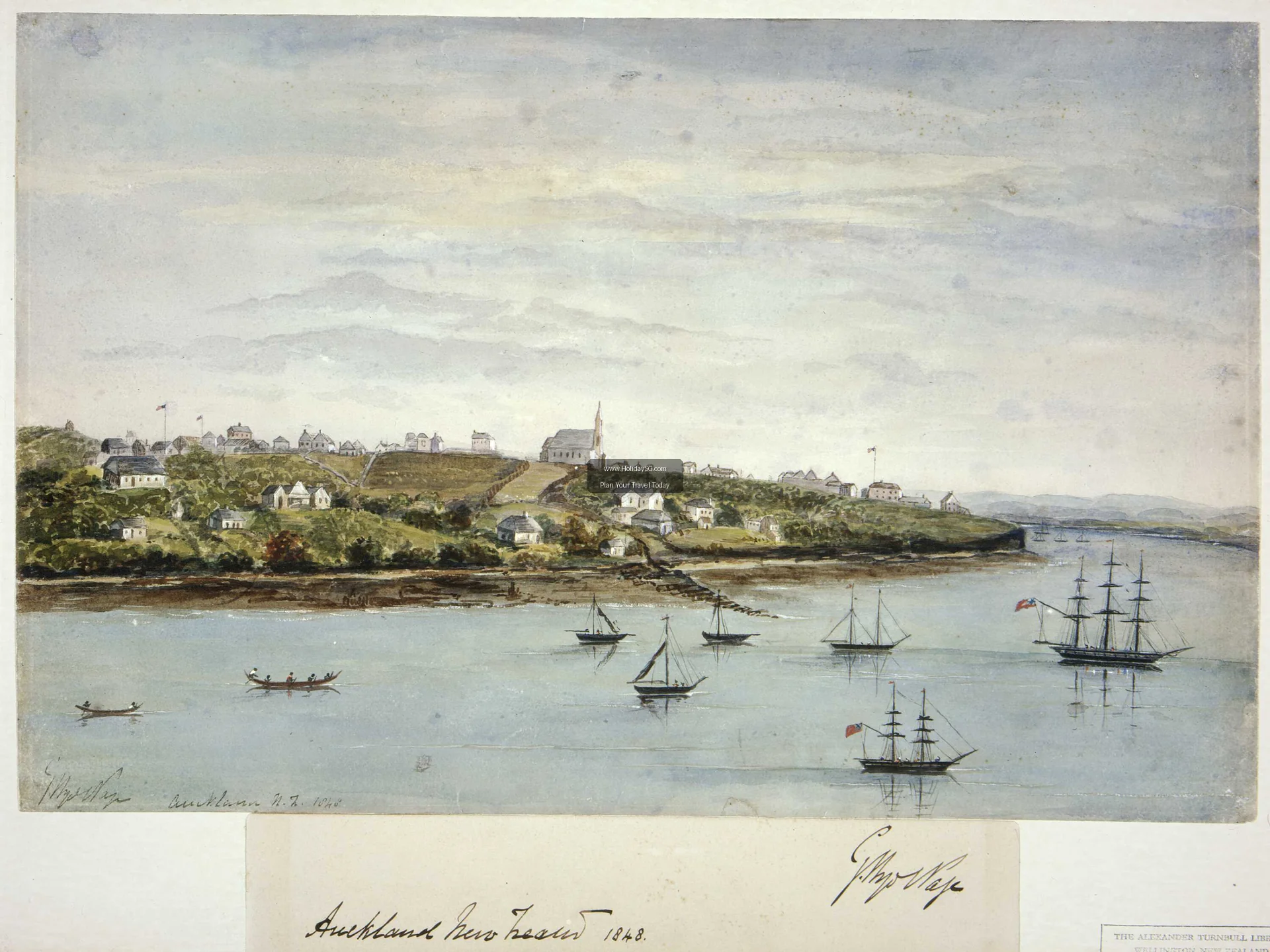
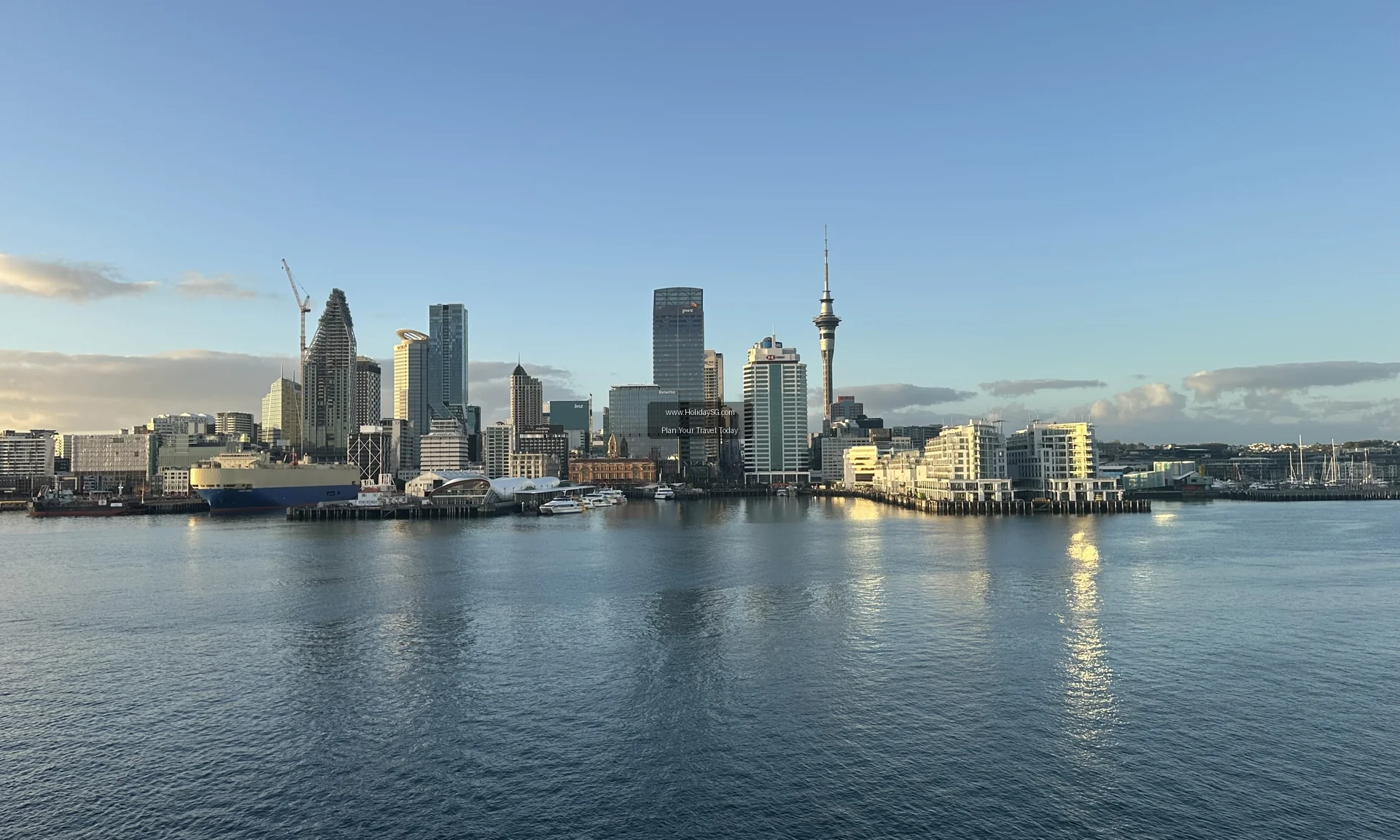
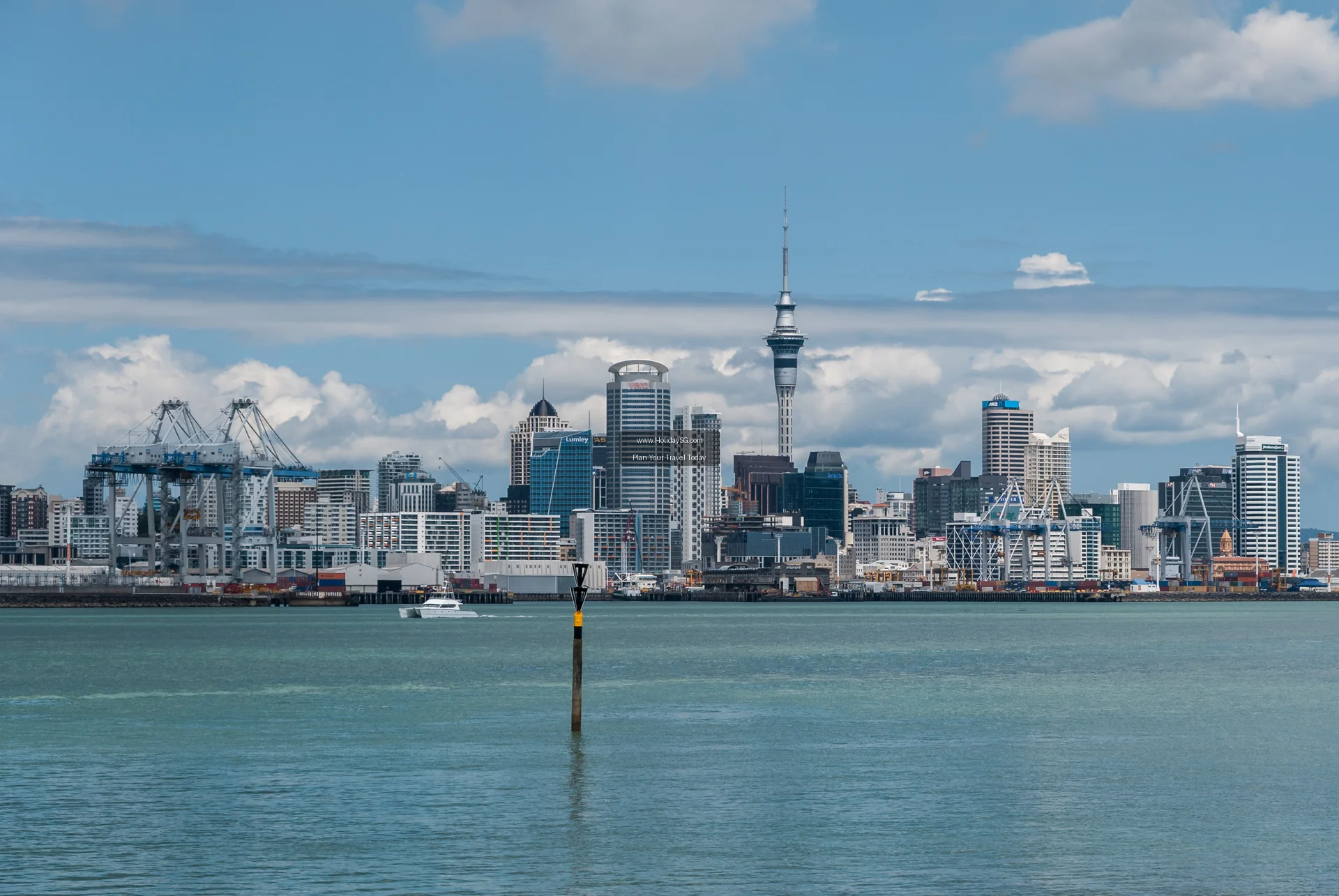
Auckland: The City of Sails
New Zealand’s largest city makes for a great start or end point. Ascend the Sky Tower for panoramic views, catch a ferry to the vineyard-covered Waiheke Island for a wine tour, or relax on the beach at Mission Bay.
The Adventure Corridor: Rotorua, Hobbiton & Tongariro
Drive south from Auckland into a land of fantasy and fire.
- Rotorua: Step into a geothermal wonderland with bubbling mud pools and powerful geysers at Te Puia or Wai-O-Tapu. Immerse yourself in a Māori cultural performance and feast (hāngī) for a deep understanding of indigenous heritage. The region is also a hub for relaxation with its natural hot springs.
- Hobbiton: For fans of The Lord of the Rings, the Hobbiton Movie Set is a pilgrimage. The meticulously maintained Shire is a joyful experience. As an alternative to driving yourself, consider a comprehensive day trip from Auckland that includes a stop at the incredible Waitomo Glowworm Caves. You can easily book a Hobbiton and Waitomo day tour here.
- Tongariro Alpine Crossing: Rated as one of the world’s best single-day hikes, this 19.4km trek crosses volcanic terrain with emerald lakes and lunar landscapes. Critical: You must book your return shuttle in advance. The hike is weather-dependent and requires good fitness.
Wellington: The Coolest Little Capital
Windy Wellington punches above its weight with Te Papa, New Zealand’s world-class national museum, a thriving craft coffee scene, and Craft beer bars. It’s also the gateway to Zealandia, an ecosanctuary where you have a fantastic chance to see the elusive kiwi bird on a nighttime tour.
Crossing the Strait & The Southern Majesty of the South Island
The South Island is where New Zealand’s landscapes shift into high gear—soaring peaks, deep fiords, and vast glaciers.
The Journey Between Islands
While a quick flight saves time, taking the ferry is an experience. The Interislander and Bluebridge routes offer breathtaking views of the Marlborough Sounds—a network of ancient drowned river valleys. It’s a scenic prelude to the wonders of the South.
Christchurch to Queenstown: The Southern Alpine Journey
The drive from Christchurch to Queenstown is about 5 hours on paper, but you should allow a full day to enjoy the stops. Break the journey in Geraldine, and at Lake Tekapo, visit the iconic Church of the Good Shepherd. This area is a designated International Dark Sky Reserve, offering incredible stargazing. This drive is the start of an unforgettable South Island road trip, a topic we expand on in our dedicated South Island driving guide.
Queenstown & Wanaka: The Adventure Capital
Queenstown is buzzing with adrenaline: bungee jumping (its birthplace), jet boating, gondola rides, and skydiving. It has a vibrant nightlife and dining scene. Just an hour away, Wanaka offers a more relaxed pace with its stunning lake and mountain views, the famous #ThatWanakaTree, and fantastic hiking. In winter, both towns become alpine ski resorts.
South Island Must-Sees: Where Giants Roam
Ready to go? Book Whizcomms 14 Day 15gb Unlimited New Zealand Esim Instant Activation Nationwide with HolidaySG.
Milford Sound: The Eighth Wonder of the World
Carved by glaciers, Milford Sound (Piopiotahi) is a masterpiece of sheer cliffs, permanent waterfalls, and rainforest. A cruise here is non-negotiable. The drive from Queenstown along the Milford Road is equally spectacular, culminating in the Homer Tunnel. Book your cruise and any transfers or helicopter flights months in advance for 2026.
Aoraki/Mt. Cook National Park: Land of Glaciers
Home to New Zealand’s highest peak, Aoraki/Mt. Cook, this park is a hiker’s paradise. Walk the Hooker Valley Track for stunning views of glaciers and alpine lakes. It’s also a prime spot for glacier viewing and kayaking. The surrounding Aoraki Mackenzie International Dark Sky Reserve offers some of the best stargazing on Earth.
Kaikōura: Where Mountains Meet the Ocean
This coastal town is a wildlife hotspot. The deep Hikurangi Trench close to shore brings an abundance of marine life. Go whale watching year-round to see sperm whales, or join an eco-tour to swim with wild dolphins. Don’t miss the large fur seal colonies that lounge on the rocks at Ōhau Point.
Wildlife & Unique Encounters Across Both Islands
New Zealand is a haven for unique fauna. Beyond the seals and whales in Kaikōura, you can spot:
- North Island: Swim with wild dolphins in the Bay of Islands. See kiwi in sanctuaries like Wellington’s Zealandia or on the Otago Peninsula near Dunedin.
- South Island: Look for rare Fiordland crested penguins and yellow-eyed penguins. The Otago Peninsula is another excellent spot for viewing royal albatross colonies and rare yellow-eyed penguins.
Always choose operators committed to ethical, low-impact wildlife tourism.
Practical Tips for a Smooth Kiwi Adventure
Ready to go? Book Whizcomms 14 Day 15gb Unlimited New Zealand Esim Instant Activation Nationwide with HolidaySG.
Staying Connected & Handling Money
New Zealand uses the New Zealand Dollar (NZD). Credit and debit cards are accepted almost everywhere, but it’s wise to carry some cash for remote areas, huts, or market stalls. Tipping is not a customary practice. To stay connected, especially when moving around, getting a local eSIM is a convenient option. You can find affordable packages like the Whizcomms 14-Day Unlimited eSIM for reliable nationwide coverage.
Packing for “Four Seasons in One Day”
The local saying is accurate. You can experience sun, wind, rain, and cold in a single day, especially in the mountains and Fiordland. The key is layers: a moisture-wicking base layer, a warm fleece mid-layer, and a waterproof, windproof outer shell. Sturdy hiking footwear is essential.
Hiking & Great Walks: What You Need to Know
New Zealand’s Department of Conservation (DOC) manages the network of national parks and huts. Many trails and huts require a small fee. For the iconic multi-day “Great Walks” like the Routeburn Track, you must book hut passes via a ballot system months in advance (typically opening several months before the season). For the ultimate thru-hiker, the Te Araroa Trail spans over 3,000km from Cape Reinga in the North Island to Bluff in the South.
Recommended HolidaySG Tours
- Hobbiton Movie Set & Waitomo Caves Day Tour from Auckland
- Whizcomms 14 Day 15GB Unlimited New Zealand eSIM
- Commbitz New Zealand eSIM Package
Start Planning Your 2026 Journey
Ready to go? Book Whizcomms 14 Day 15gb Unlimited New Zealand Esim Instant Activation Nationwide with HolidaySG.
New Zealand offers a lifetime of adventure packed into two incredible islands. From the geothermal surprises of Rotorua to the silent grandeur of Milford Sound, every day brings a new spectacle. The key to unlocking it all is planning ahead. Secure your inter-island transport and must-do activities for 2026 early, embrace the “layered” approach to both packing and itinerary planning, and let the Road of the Southern Cross, or the forgotten highways, guide you to the real magic of Aotearoa.
Ready to explore? Check out our Whizcomms 14 Day 15gb Unlimited New Zealand Esim Instant Activation Nationwide for hassle-free connectivity throughout your adventure.
Book these with HolidaySG:
Book with HolidaySG online for Whizcomms 14 Day 15gb Unlimited New Zealand Esim Instant Activation Nationwide, Hobbiton Movie Set Waitomo Caves Day Tour Departure From Auckland New Zealand, Commbitz New Zealand E Sim Daily.
Frequently Asked Questions
Where can I book this / what’s the link?
You can book featured tours and essential travel services directly through our partner links. For a comprehensive day tour covering Hobbiton and Waitomo Caves from Auckland, use this link: Hobbiton Movie Set & Waitomo Caves Day Tour. For convenient data connectivity, you can secure an eSIM before you travel with these options:
– Whizcomms 14-Day 15GB Unlimited NZ eSIM
– Commbitz New Zealand Daily eSIM
– Commbitz New Zealand Package eSIM
– Airalo New Zealand eSIM Package
Do foreigners (non-citizens) need a different ticket, price, or visa for New Zealand?
Ticket prices for attractions, tours, and transport in New Zealand are generally the same for all visitors, regardless of nationality. However, entry requirements are different. Most visitors (including those from Singapore) must obtain an Electronic Travel Authority (NZeTA) before arrival. Requirements can change, so it is crucial to check the official New Zealand Immigration website for the latest visa and NZeTA rules for your specific nationality before booking.
What is the best time (season, or time of day for the site/activity) to go?
The best time to visit New Zealand is during its summer and autumn months, from December to April, for the warmest and most settled weather ideal for hiking, beaches, and sightseeing. The ski season runs from June to October. For specific activities, early morning or late afternoon often provides the best light for photography and fewer crowds at popular sites like Hobbiton. Always check specific tour operators for their schedules.
How long do I need for a trip around both the North and South Islands?
For a comprehensive trip covering key highlights on both islands, a minimum of 2 to 3 weeks is recommended. This allows for travel time between islands (via a short domestic flight) and enough time to explore without rushing. A shorter 10-14 day trip is possible but will require focusing on fewer destinations.
Is it easy to rent a car and drive in New Zealand?
Yes, renting a car or campervan is the most popular and flexible way to explore New Zealand. Driving is on the left side of the road. The main highways are well-maintained, but rural and mountainous roads can be narrow and winding. An International Driving Permit is recommended alongside your home country licence. Book vehicles well in advance during peak season.
What is the typical daily budget for a traveler?
Budgets vary widely. Backpackers can spend around NZD 100-150 per day. Mid-range travelers typically spend NZD 200-350 per day, covering accommodation, food, transport, and one paid activity. This excludes inter-island flights or major tours. New Zealand is not a cheap destination, so planning ahead is key.
What are the must-see attractions on the North Island?
Must-sees include the geothermal wonders of Rotorua and Waitomo Caves, the cultural hub of Wellington, the stunning Coromandel Peninsula beaches, the Tongariro Alpine Crossing (a world-famous day hike), and the Hobbiton Movie Set. Auckland offers a vibrant urban base with its harbour and Sky Tower.
What are the must-see attractions on the South Island?
The South Island is famed for its dramatic landscapes. Top attractions include Fiordland National Park (Milford Sound and Doubtful Sound), Queenstown (the adventure capital), the Franz Josef and Fox Glaciers, the scenic drive along the West Coast, the Aoraki/Mount Cook National Park, and the beautiful Abel Tasman National Park for kayaking and coastal walks.
Is New Zealand family-friendly?
Absolutely. New Zealand is very safe and offers countless activities for families, from gentle walks and wildlife encounters to adventure parks and geothermal attractions. Many tour operators offer family-specific packages. The relaxed and friendly culture makes it a stress-free destination for travellers with children.
What should I pack? Do I need outdoor gear?
Pack layers, as weather can change rapidly, especially in the South Island. Essential items include a waterproof jacket, comfortable walking shoes or hiking boots, sun protection (hat, sunscreen), and a reusable water bottle. If you plan on hiking, bring appropriate gear. Otherwise, casual, comfortable clothing is fine. Don’t forget a universal power adapter (Type I plug).
Is New Zealand safe for tourists?
Yes, New Zealand is considered one of the safest countries in the world for travellers. Petty crime like theft can occur in tourist areas, so standard precautions apply. The main risks relate to outdoor activities—always check weather forecasts and be prepared when hiking or in remote areas. Follow safety instructions for adventure sports.
What is the weather like and how should I prepare?
The weather is highly variable, described as “four seasons in a day.” Coastal areas are mild, while the South Island can be cooler and wetter. Always check the forecast before heading out and be prepared for rain, even in summer. The sun’s UV rays are strong, so sun protection is essential year-round.
Are there any specific local customs or etiquette I should know?
New Zealanders (Kiwis) are friendly and informal. It’s polite to greet people, especially the Māori greeting “Kia ora.” When visiting a marae (Māori meeting ground), follow protocols as advised by your host. Tipping is not expected but is appreciated for excellent service. Respect the environment by taking all rubbish with you and using designated walking tracks.
What food is New Zealand famous for? Any recommendations?
Try the seafood, especially green-lipped mussels, crayfish, and Bluff oysters (in season). Kiwi classics include the meat pie, fish and chips, and lamb. For dessert, try a pavlova or Hokey Pokey ice cream. The wine regions, particularly Marlborough for Sauvignon Blanc, are world-class and worth a visit.
How do I get between the North and South Islands?
You can travel between islands via a short domestic flight (about 1 hour) between major cities like Auckland/Wellington and Christchurch/Queenstown. Interislander or Bluebridge ferries operate between Wellington (North Island) and Picton (South Island), offering a scenic 3.5-hour journey through the Marlborough Sounds.
What unique wildlife can I see?
New Zealand is home to unique native birds like the flightless Kiwi (best seen on a night tour), the cheeky Kea alpine parrot, and the Tūī. Marine life is abundant—you can spot whales, dolphins, seals, and penguins. The glowworm caves at Waitomo are another unique natural phenomenon.
Is it easy to use my credit card, or should I carry cash?
Credit and debit cards (Visa, Mastercard) are widely accepted, including contactless payments. However, it’s wise to carry some cash (NZD) for small purchases, remote areas, or market stalls. ATMs are available in most towns.
Do I need travel insurance?
Yes, comprehensive travel insurance is strongly recommended. It should cover medical expenses, trip cancellation, and activities you plan to do, especially adventure sports like bungee jumping or glacier hiking, which may require specific coverage.
Can I use my mobile phone and get internet access easily?
Yes, but using your home plan can be expensive. The most convenient solution is to purchase a local NZ eSIM or SIM card upon arrival for data and local calls. Providers like Spark, Vodafone, and 2degrees have kiosks at airports and towns. Alternatively, secure an eSIM package before you leave, such as the Whizcomms 14-Day 15GB Unlimited NZ eSIM, for instant activation nationwide coverage.
What are some iconic “Lord of the Rings” filming locations to visit?
Beyond the Hobbiton Movie Set, many other landscapes were used. Tongariro National Park’s volcanic terrain was Mordor and Mount Doom. Wellington’s nearby regions include Helm’s Deep (Kaweka Forest Park) and the Pelorus River (site of the barrel scene). Queenstown and its surroundings feature Isengard, Lothlórien, and Edoras. A guided tour from a hub like Queenstown can be a great way to visit multiple sites.
What things cost in New Zealand
Live HolidaySG prices for the experiences in this guide, so you can sanity-check a budget before you commit.
| Experience | Where | From price |
|---|---|---|
| 30 Minute Kaikoura Whale Watch Seaplane Flight | Auckland | From S$73.18 |
| Milford Sound Coach Cruise and Flight Package from Queenstown | Queenstown | From S$51.52 |
| Milford Sound Cruise with Coach and Flight from Queenstown | Queenstown | From S$313.04 |
| Punting with Gondola Combo | Christchurch | From S$37.61 |
| Wakatipu Basin Lord of the Rings Tour | Queenstown | From S$99.07 |
| Full Day 20 Tunnel Rail Cart Experience | Wellington | From S$276.59 |
| Skippers Canyon Tour with Jet Boat Ride | Queenstown | From S$74.46 |
| Cruise and Kayak Milford Sound Tour | Queenstown | From S$222.56 |