Switzerland offers a lodging experience as diverse and precise as its famous watches and chocolate. From the sleek business hotels of Zurich to the rustic charm of a family-run farmhouse in the Emmental valley, your choice of accommodation will define your Swiss adventure. Grasping the regional specialties, official quality ratings, and seasonal rhythms is key to finding the perfect base, whether you’re chasing luxury in the Alps, seeking lakeside relaxation, or embarking on a multi-day hiking tour.
Switzerland’s lodging is defined by strict quality ratings and regional focus. Book popular alpine spots 3-6 months ahead for peak seasons, and consider unique stays like historic grand hotels or mountain huts. Using travel passes like the Swiss Visitor Pass can bundle hotel discounts with train travel for great value.
Decoding Swiss Hotel Ratings: A Guarantee of Quality
When you see a hotel advertised with “Swiss Comfort,” “Swiss Quality,” or “Swiss Deluxe,” you’re looking at an official classification that guarantees a specific standard. This system, ranging from 1 to 5 stars, ensures you know exactly what you’re paying for.
Swiss Comfort (3 stars): Offers reliable, good-quality service. Expect clean, comfortable rooms with a private bathroom, TV, and phone. Breakfast is usually included.
Swiss Quality (4 stars): This is the sweet spot for many travelers, promising a high standard of service and facilities. Rooms are spacious, often with air conditioning, and the hotel will feature a restaurant, bar, and wellness area.
Swiss Deluxe (5 stars): The pinnacle of Swiss hospitality. These hotels provide exceptional luxury, from opulent suites and gourmet restaurants to extensive spa facilities and personalized concierge services.
Using this rating system is the best way to match your budget and expectations. A 3-star “Swiss Comfort” hotel is a dependable choice, while a 5-star “Swiss Deluxe” promises an unforgettable, luxurious experience.
Pick Your Perfect Base by Region
Where you stay should align with what you want to do. Switzerland’s regions have distinct personalities.
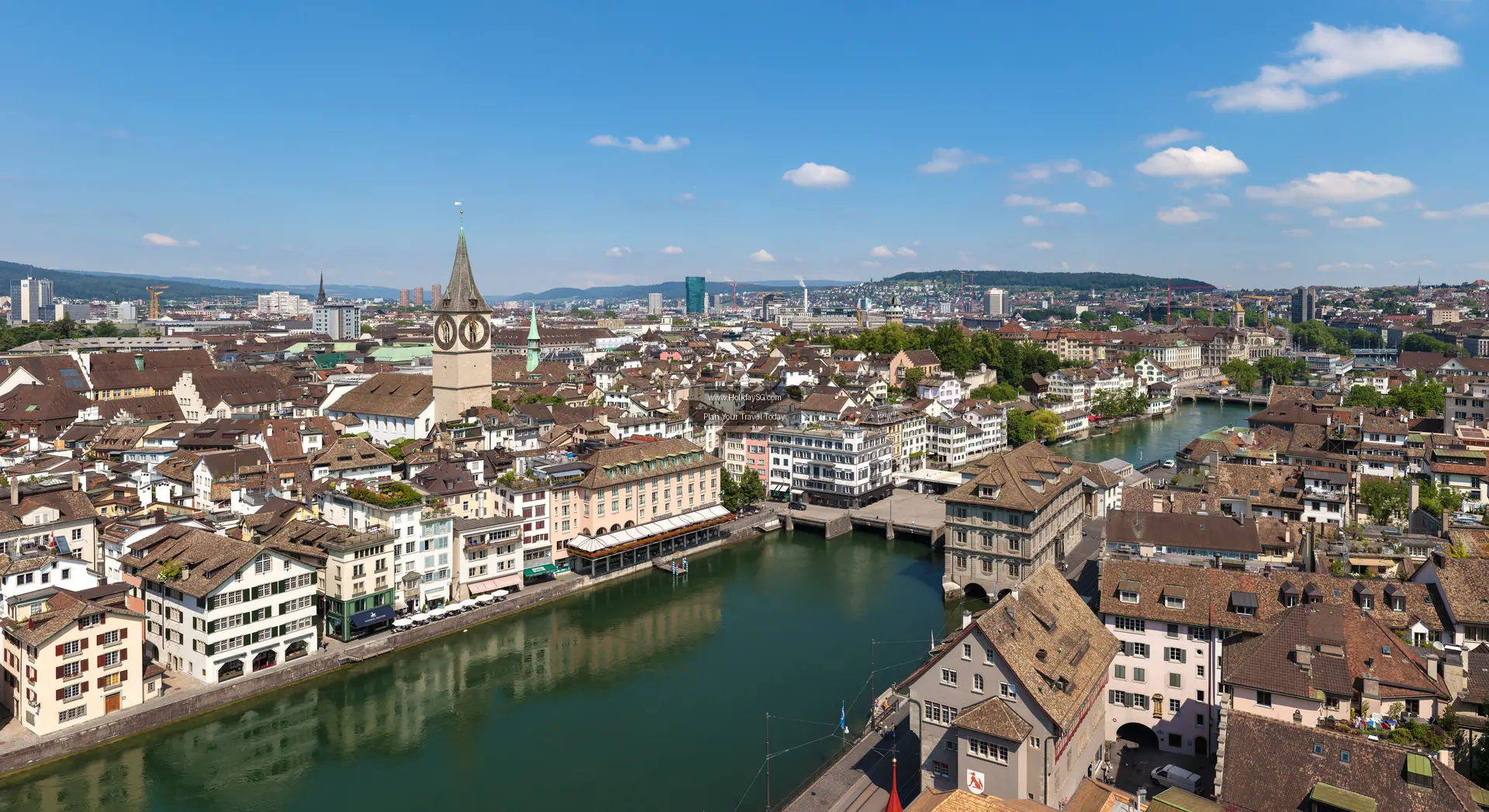
Zurich & Geneva: These are cosmopolitan, urban hubs. Expect sophisticated business hotels, stylish boutique stays, and international chains. Geneva’s area around the lake is particularly diplomatic and upscale.
Lucerne & Interlaken: For a classic postcard setting, Lucerne offers lakeside charm with views of the iconic chapel bridge and mountains. Interlaken is the undisputed adventure capital, packed with activity-focused hotels and hostels perfect for adrenaline junkies and families. The region is also a gateway to the Jungfrau, and a Berner Oberland Regional Pass can be invaluable for exploring its wonders.
The Alps (Zermatt, St. Moritz, Verbier): This is the realm of alpine luxury and car-free villages. Zermatt, at the foot of the Matterhorn, is a train-only paradise. St. Moritz and Verbier blend high-altitude glamour with world-class skiing.
Berner Oberland Villages (Wengen, Grindelwald): These car-free villages offer a timeless, classic mountain atmosphere. Staying here means waking up to views of the Eiger, Mönch, and Jungfrau peaks, with hiking and skiing right at your doorstep.
Beyond the Traditional Hotel: Unique Swiss Stays
For a more immersive experience, consider these distinctive options:
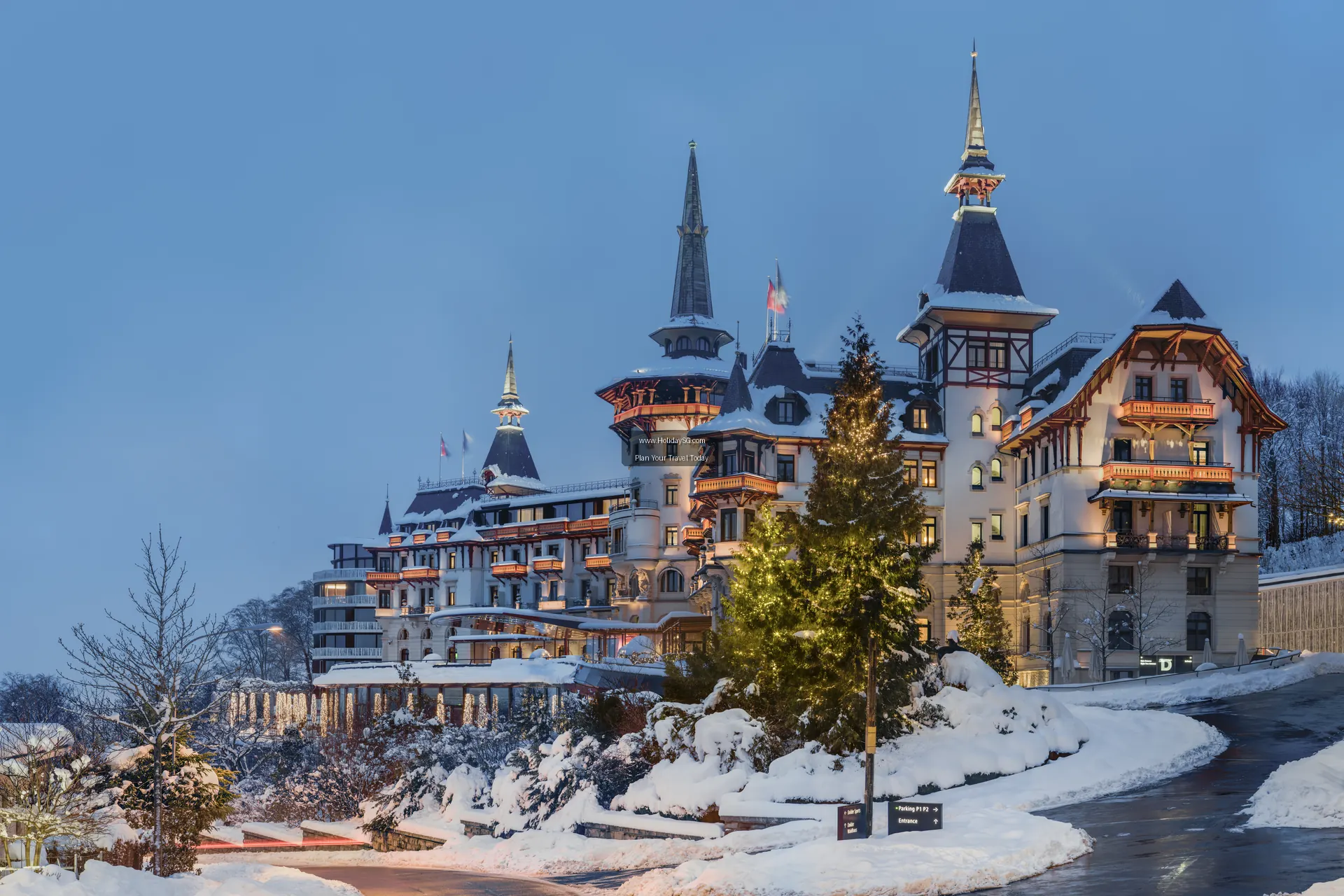
Historic Grand Hotels: Stay in living history at legendary properties like the Baur au Lac in Zurich or Badrutt’s Palace in St. Moritz. These icons combine timeless elegance with impeccable service.
Mountain Huts (SAC Huts): Operated by the Swiss Alpine Club, these remote huts offer basic, functional accommodation for hikers and climbers. Staying in one is an adventure in itself, often with dormitory-style beds and hearty meals.
Farm Stays (Bauernhof): Embrace rural Switzerland by staying on a working farm. It’s a fantastic way to experience local life, enjoy home-cooked meals, and let children interact with animals.
Holiday Apartments: Perfect for families or longer stays, these self-catering options offer space, flexibility, and a chance to shop at local markets and cook your own meals.
Logistics for Scenic Routes and Car-Free Villages
Planning your stay around Switzerland’s famous scenic trains and car-free villages is crucial for a smooth trip.
Towns like Brig, Chur, and St. Moritz are strategic stopovers for the Glacier Express and Bernina Express. Staying here allows you to break up the journey and explore these gateways to the high Alps. Remember, villages like Zermatt and Wengen are car-free; access is exclusively by train. This impacts luggage handling (pack light!) and means all your transfers will be by rail.
Mastering the Calendar: Seasons, Costs, and Booking
Timing is everything in Switzerland, both for your experience and your wallet.
Peak Seasons (June-August & December-February): Summer offers hiking and lake activities; winter is for skiing. Expect the highest prices, largest crowds, and essential advance booking.
Shoulder Seasons (April-May & September-October): These periods offer a fantastic balance. You’ll find better value, fewer tourists, and often beautiful weather—spring flowers or autumn foliage.
Typical Nightly Costs:
Budget Hostels: CHF 30-50
3-Star City Hotels: CHF 200-350
4-Star Alpine Hotels: CHF 350-600+
Luxury Resorts: CHF 600-1500+
Critical Tip: For popular alpine villages and ski resorts during peak seasons, you must book 3-6 months in advance. The best lodgings sell out very early.
Smart Booking and Value-Add Passes
For a quality-assured, homely experience, look into the “Swiss Bed & Breakfast” association.
A game-changer for value is the Swiss Visitor Pass. This pass often includes free or discounted stays at participating hotels across the country, bundled with unlimited travel on trains, buses, and boats. It’s a comprehensive way to simplify your trip planning and budget.
The Cross-Border Option: Savings vs. Convenience
A common question is whether to base yourself just across the border in Germany, France, or Italy. Often, hotels in border towns can be cheaper. However, you must factor in the time and cost of daily commutes, the loss of spontaneous evening exploration in Switzerland, and potential complications with baggage. For a deep, immersive Swiss experience, staying within the country is usually worth the premium. It’s best to consider a cross-border strategy only if you have a rental car and are focusing on the immediate border region.
For Car-Free Villages: Pack light and use the excellent luggage transfer services available in places like Zermatt.
Check the Fine Print: Always confirm if city taxes (typically CHF 2-5 per person per night) and breakfast are included in the quoted price.
Stay Connected: Ensure you can access maps and booking info on the go. Consider a local SIM card or eSIM for reliable data throughout your trip.
Utilize Luggage Services: Many train stations and hotels offer luggage forwarding (e.g., Airfreight), which is a fantastic way to travel light between destinations.
With a bit of research and planning, finding your ideal place to stay in Switzerland becomes part of the adventure. For more on planning your itinerary, explore our guide to the ultimate Swiss rail trip. Your perfect Swiss home awaits.
Book with HolidaySG online for Private Highlights Top Places Tour Electric Tuktuk 1h15, Switzerland Berner Oberland Regional Pass In 2nd Class, Switzerland Berner Oberland Regional Pass In 1st Class.
Do foreigners (non-citizens) need a different ticket, price, or visa for Switzerland?
Generally, foreigners do not need a different ticket or price for most tourist services in Switzerland; prices are often the same as for locals. However, visa requirements vary by nationality. Many countries, including Singapore, allow visa-free entry for short stays (typically up to 90 days). For the most accurate and current information, it is recommended to check official sources like the Swiss Federal Department of Foreign Affairs or the Swiss Travel System website.
What is the best time (season, or time of day for the site/activity) to go to Switzerland?
The best season to visit Switzerland depends on your interests. Summer (June to August) is ideal for hiking, sightseeing, and outdoor activities, while winter (December to March) is perfect for skiing and snow sports. For time of day, early mornings or late afternoons often offer fewer crowds and better lighting for photography, especially at popular sites like Lake Geneva or the Alps.
How long should I spend in Switzerland for a typical vacation?
A typical vacation in Switzerland can range from 5 to 10 days, allowing enough time to explore major cities like Zurich, Geneva, and Lucerne, as well as scenic regions such as the Swiss Alps and Interlaken. However, if you have limited time, even a 3-day trip can cover highlights, while extended stays of two weeks or more are great for in-depth exploration.
What are the average costs for accommodation in Switzerland?
Accommodation costs in Switzerland vary widely. Budget options like hostels can cost around CHF 40-80 per night, while mid-range hotels range from CHF 150-300 per night. Luxury hotels can exceed CHF 500 per night. Prices are higher in popular tourist areas and during peak seasons like summer and winter holidays.
How do I get to Switzerland from Singapore?
From Singapore, you can fly directly to Zurich or Geneva with airlines like Singapore Airlines. Alternatively, you can take connecting flights via other European hubs. The flight time is approximately 12-13 hours. Once in Switzerland, the efficient public transport system, including trains and buses, makes it easy to reach various destinations.
Is Switzerland family-friendly for travelers?
Yes, Switzerland is very family-friendly. It offers numerous activities for children, such as playgrounds, family-oriented museums, and easy hiking trails. Many accommodations provide family rooms or apartments, and public transport is convenient for families with children often traveling for free or at reduced fares.
What should I pack for a trip to Switzerland?
Packing depends on the season. For summer, bring light clothing, layers, a rain jacket, comfortable walking shoes, sunscreen, and sunglasses. For winter, pack warm clothing, thermal layers, waterproof boots, gloves, hats, and ski gear if needed. Always carry a universal adapter for electronics, as Switzerland uses type J plugs.
Are there accessibility options for travelers with disabilities in Switzerland?
Switzerland has good accessibility features in many public areas, including trains, buses, and hotels. Most major attractions and accommodations offer wheelchair access or accommodations for mobility-impaired travelers. However, it’s advisable to check specific venues in advance for detailed accessibility information.
Is Switzerland safe for tourists?
Yes, Switzerland is one of the safest countries in the world for tourists. Crime rates are low, and public transport is reliable. However, as with any destination, exercise normal precautions, such as keeping an eye on personal belongings in crowded areas and being aware of local laws.
What is the weather like in Switzerland throughout the year?
Switzerland has a varied climate. Winters are cold with snow in the Alps, ideal for skiing. Springs are mild and blooming. Summers are warm and pleasant, with occasional rain. Autumns are cool and colorful. Weather can change rapidly in mountainous areas, so always check forecasts before outdoor activities.
What local etiquette should I know when staying in Swiss accommodations?
Swiss etiquette is polite and punctual. Greet hosts with “Bonjour” (French) or “Grüezi” (German), and be mindful of quiet hours, typically after 10 PM. Tipping is not mandatory but appreciated for good service; rounding up the bill is common. Respect house rules, especially in shared accommodations.
Where can I find nearby food and attractions while staying in Switzerland?
Most accommodations are centrally located near restaurants, cafes, and attractions. Use local maps, hotel recommendations, or travel apps to discover nearby eateries serving Swiss cuisine like fondue or raclette. Attractions such as museums, lakes, and hiking trails are often within walking distance or a short train ride away.
What types of accommodations are available in Switzerland?
Switzerland offers a wide range of accommodations, including luxury hotels, boutique hotels, family-run guesthouses, hostels, vacation apartments, and even farm stays. For a unique experience, consider staying in a mountain hut or lakeside cabin.
How can I travel within Switzerland using public transport?
Switzerland’s public transport system is excellent, with trains, buses, boats, and trams connecting most areas. Consider purchasing a Swiss Travel Pass for unlimited travel on public transport, which also offers free entry to many museums. Regional passes like the Berner Oberland Regional Pass are also available for specific areas: Berner Oberland Regional Pass in 2nd Class and Berner Oberland Regional Pass in 1st Class.
Are there any travel passes that include accommodation discounts?
Some travel passes, like the Swiss Travel Pass, include discounts on certain accommodations, but not directly. However, passes often provide free or discounted entry to attractions, which can save money overall. Check with specific passes for any bundled offers.
What are some must-visit destinations for accommodation in Switzerland?
Popular destinations for stays include Zurich for urban charm, Geneva for international flair, Interlaken for adventure, Lucerne for scenic beauty, and Zermatt for proximity to the Matterhorn. Each offers a variety of accommodations to suit different budgets and preferences.
Can I book accommodations in advance or last-minute?
It’s recommended to book accommodations in advance, especially during peak seasons like summer and winter holidays, to ensure availability and better prices. Last-minute bookings are possible but may be limited and more expensive, particularly in high-demand areas.
Are there any cultural differences in Swiss hotels or guesthouses?
Swiss hotels are known for their efficiency and cleanliness. Staff often speak multiple languages, including English. Breakfast is typically included and served buffet-style. In guesthouses, you might experience a more personal touch with home-hosted stays.
What are some tips for finding budget-friendly stays in Switzerland?
Booking in off-peak seasons can also reduce costs. Look for combo deals with travel passes or tours, such as those available through Switzerland Esim Free Roaming Mobile Data for connectivity without extra fees.
What things cost in Switzerland
Live HolidaySG prices for the experiences in this guide, so you can sanity-check a budget before you commit.
Important: Some of the links recommended here are paid placements or have sponsored our stay in one way. We have paid for these accommodations ourselves. If you book through any of our links, we make a small commission at no extra cost to you. This helps keep our site running – so thank you in advance for your support!
Written by
HolidaySG Travel Team
Singapore-based travel specialists covering attractions, tours and travel experiences across Asia-Pacific and beyond. Licensed travel agency (TA04014).
This conversation was resolved. Reply below to continue, or
We use cookies
We use cookies to enhance your browsing experience, serve personalised content, and analyse our traffic. By clicking "Accept All", you consent to our use of cookies.
Read our Cookie Policy