

Places to visit indonesia is exactly what this guide covers.
Indonesia is a dazzling archipelago where emerald rice terraces meet turquoise waters, ancient temples whisper history, and jungle trails lead to dragons. With over 17,000 islands, it’s a destination that caters to every traveler—whether you’re chasing world-class waves in Bali, diving with manta rays in Raja Ampat, or trekking through volcanic landscapes in Java. From the cultural heart of Ubud to the untouched beaches of the Gili Islands, the best places to visit in Indonesia offer a mix of adventure, relaxation, and cultural immersion that’s hard to match.
Indonesia is a diverse paradise for beach lovers, culture seekers, and adventure travelers. Visit Bali for surfing and temples, Java for volcanoes and ancient sites, and Raja Ampat for pristine diving. Plan around the dry season (April–October), budget $20–$200/day, and respect local customs like modest dress in temples.
**Why Indonesia Should Be Your Next Destination**
Indonesia isn’t just a country—it’s a continent of experiences. Here, you can wake up to the sunrise over Mount Batur, spend the afternoon snorkeling with sea turtles in the Gili Islands, and end the day with a traditional Balinese dance performance under the stars. The country’s sheer diversity means you can tailor your trip to your interests: surfers flock to Uluwatu, divers head to Komodo National Park, and culture enthusiasts lose themselves in Yogyakarta’s batik workshops and temple ruins.
What truly sets Indonesia apart is its blend of accessibility and adventure. Bali is as comfortable for first-time travelers as it is for digital nomads, while destinations like Sumatra and West Papua offer off-the-beaten-path thrills for those willing to venture further. And with affordable prices, warm hospitality, and a well-trodden tourist trail, it’s easier than ever to explore the best places to visit in Indonesia.
**Top Destinations in Indonesia**
**Bali: More Than Just a Beach Paradise**
Bali is Indonesia’s most famous island—and for good reason. Beyond its postcard-perfect beaches, it’s a hub for culture, spirituality, and adventure.
Ubud, the island’s cultural heart, is a haven for yoga retreats, art markets, and the iconic Sacred Monkey Forest. Here, mischievous macaques swipe sunglasses and phones, so keep your valuables hidden! For a deeper dive into Balinese traditions, join a cooking class or visit the Tegallalang Rice Terraces, where emerald-green paddies cascade down hillsides. The terraces are best visited early in the morning to avoid crowds, and the nearby swings offer a fun (if slightly Instagram-cliché) photo op.
If you’re after surf and sunset views, Uluwatu is the place to be. The cliffside Uluwatu Temple is a must-visit, especially at dusk when the Kecak fire dance performance begins. Nearby, Single Fin bar is the perfect spot to watch surfers ride the waves as the sun dips below the horizon. For a day trip, consider exploring Nusa Penida, where turquoise waters and dramatic cliffs await. A guided tour can help you navigate the island’s rugged terrain and hidden gems like Kelingking Beach.
For nightlife and beach clubs, Seminyak and Canggu deliver. Seminyak is chic and upscale, with boutique hotels and beachfront bars, while Canggu attracts digital nomads with its coworking spaces and hip cafés. If you’re looking to unwind, Bali’s spa scene is legendary—from affordable massages in Ubud to luxurious treatments at high-end resorts.
Pro Tip: Rent a scooter to explore Bali’s backroads, but only if you’re confident—traffic can be chaotic, and police occasionally stop tourists for international license checks.
**Java: Where Temples and Volcanoes Collide**
Java is Indonesia’s cultural and historical powerhouse, home to some of the country’s most iconic landmarks.
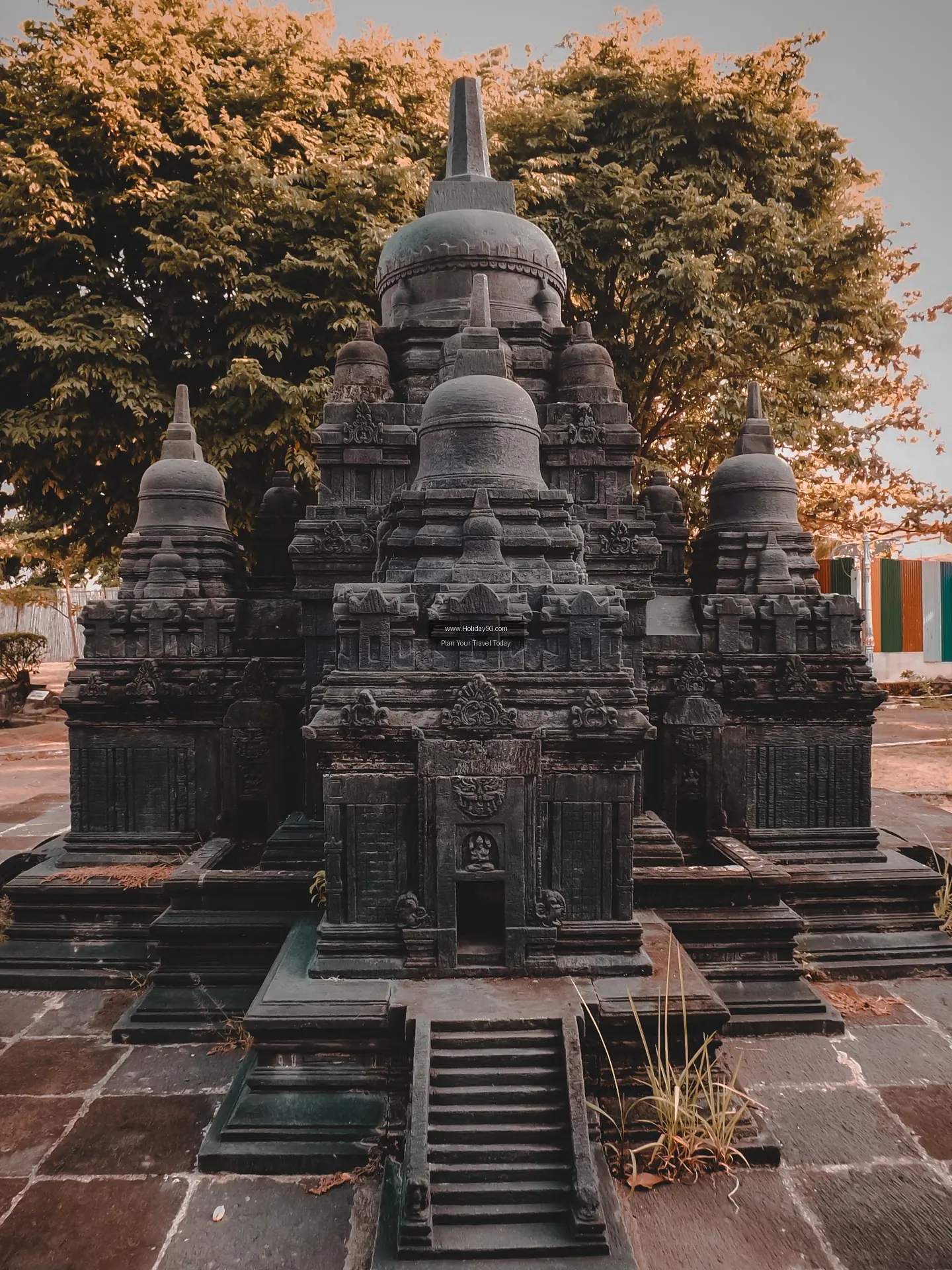
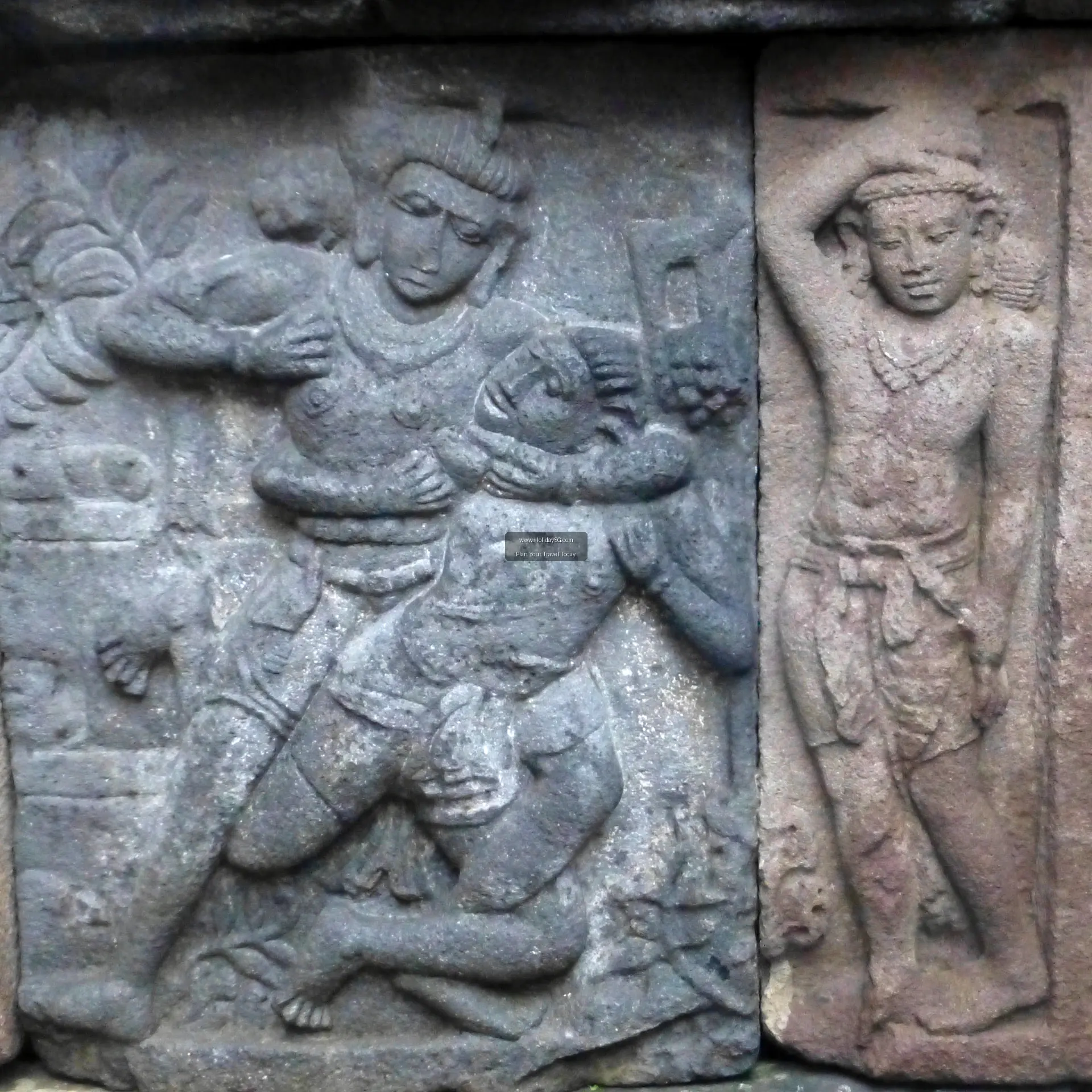
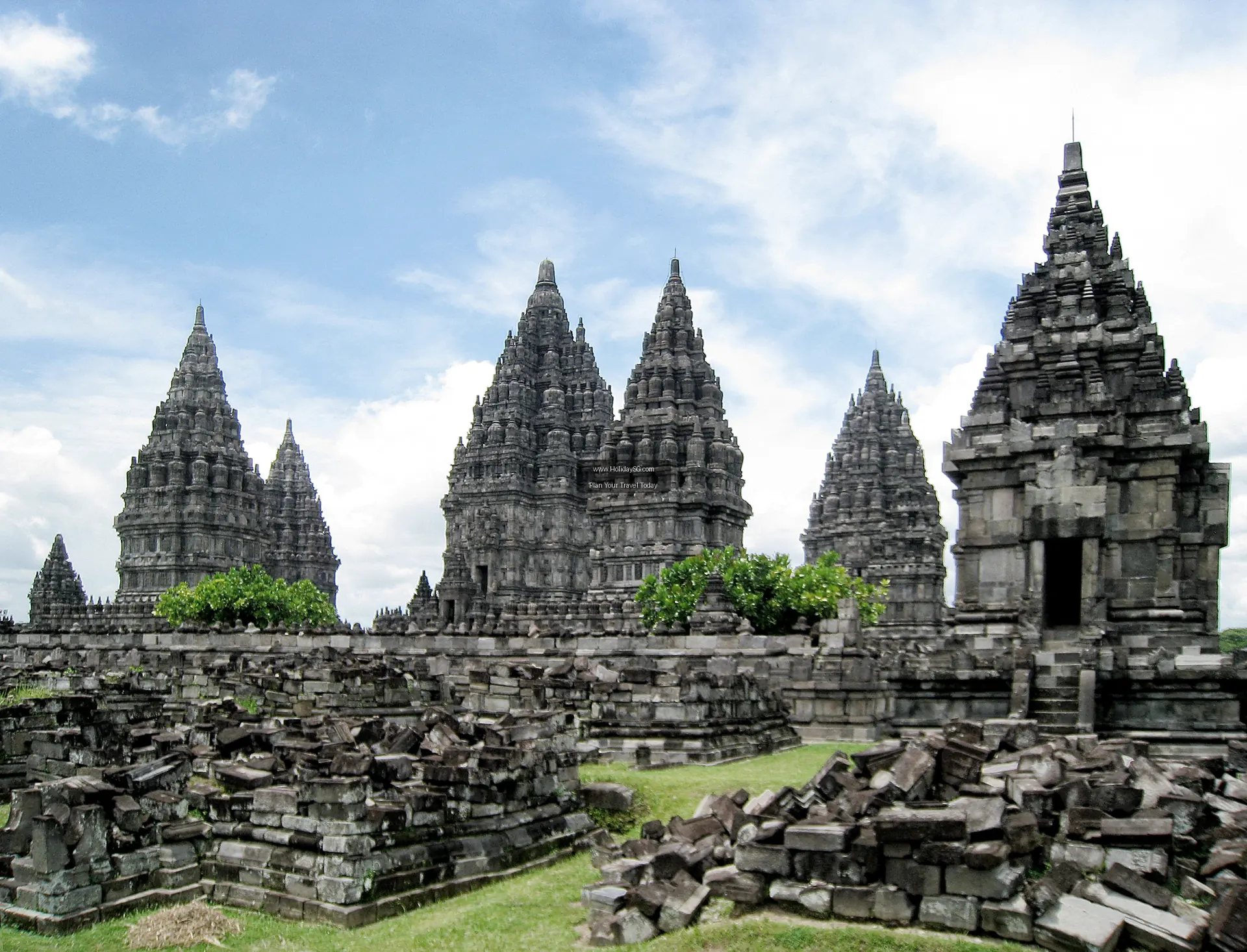
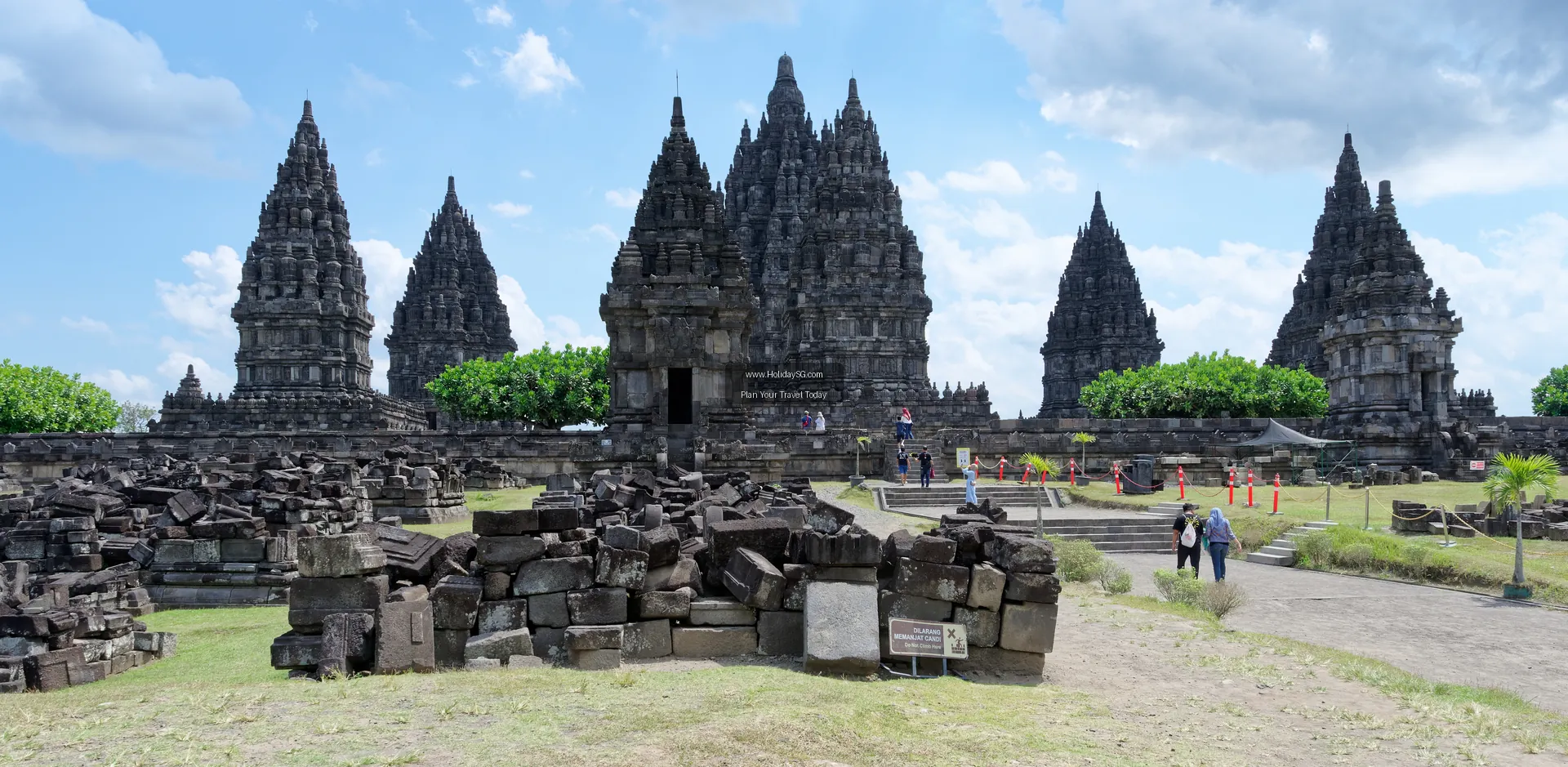
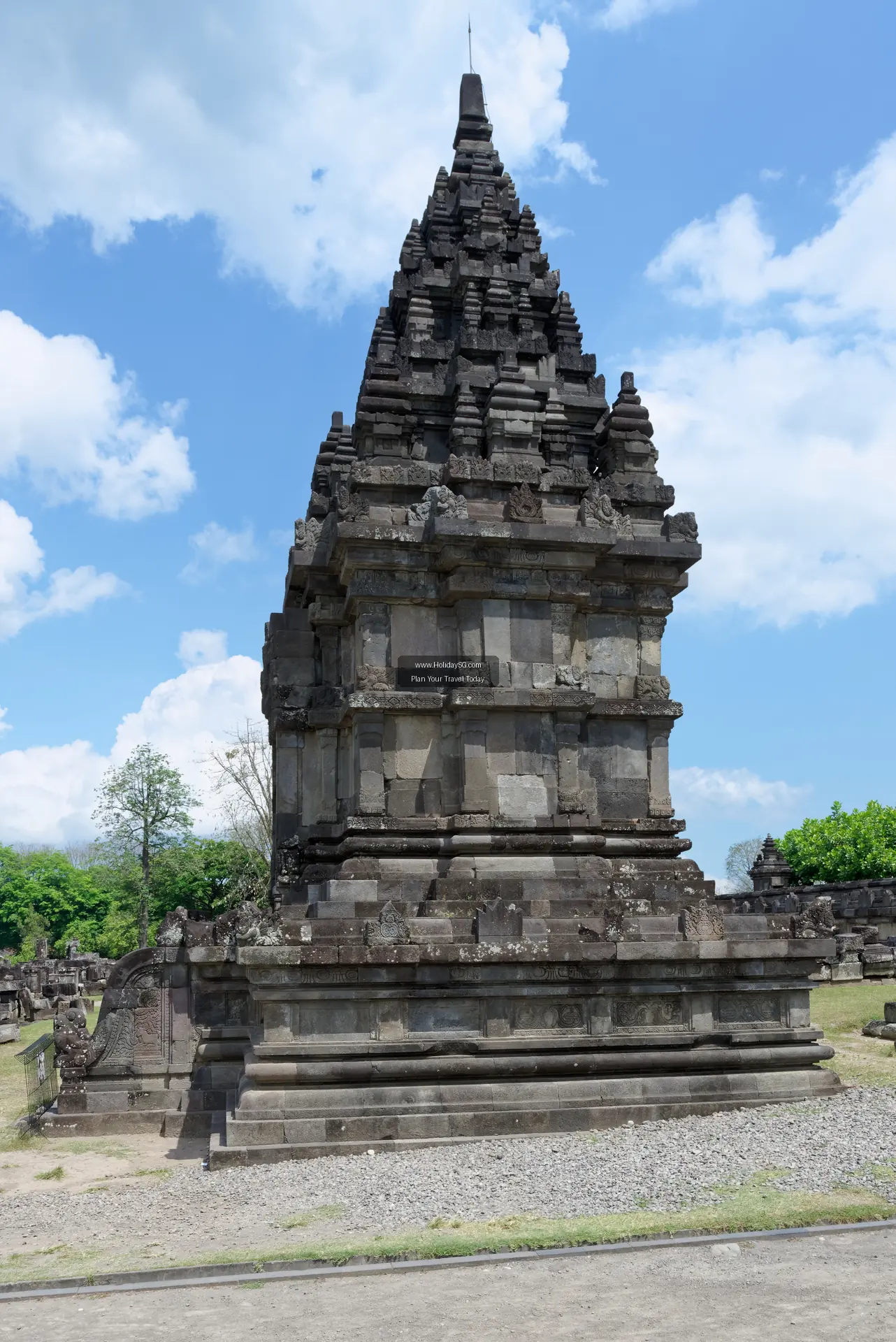
Borobudur, the world’s largest Buddhist temple, is a masterpiece of ancient architecture. Built in the 9th century, its stupas and intricate carvings tell stories of Buddhist cosmology. The best time to visit is at sunrise, when the temple emerges from the mist—a truly magical experience. Nearby, Prambanan is a stunning Hindu temple complex dedicated to the Trimurti (Brahma, Vishnu, and Shiva). Its towering spires and detailed reliefs are equally impressive.
For adventure seekers, Mount Bromo is a must. This active volcano sits in the middle of a vast, otherworldly caldera, and sunrise hikes reward visitors with surreal views of the smoking crater. The nearby Ijen Crater offers a different kind of spectacle: the blue fire phenomenon, caused by sulfuric gases igniting at night. The hike is challenging but unforgettable, especially when you reach the rim and see the turquoise crater lake below.
Yogyakarta, Java’s cultural capital, is the perfect base for exploring these sites. Known as Jogja to locals, the city is a hub for traditional arts like batik-making and wayang (shadow puppet) performances. Don’t miss the Sultan’s Palace or a stroll down Malioboro Street, where vendors sell everything from handmade crafts to delicious street food.
**Komodo National Park: Dragons and Diving**
Komodo National Park is one of Indonesia’s most unique destinations, where the world’s largest lizards—Komodo dragons—roam freely. These prehistoric-looking creatures can grow up to 3 meters long and are best observed on a guided tour. The park’s ranger stations, like Loh Liang on Komodo Island, offer safe viewing opportunities, but always follow your guide’s instructions—these predators are dangerous!
Beyond the dragons, the park is a paradise for divers and snorkelers. Pink Beach, one of only seven in the world, gets its rosy hue from red coral fragments mixed with white sand. The waters here are teeming with marine life, from manta rays to vibrant coral reefs. For serious divers, sites like Manta Point and Batu Bolong offer some of the best underwater experiences in Indonesia.
Travel Tip: Komodo National Park is best visited as part of a liveaboard or day trip from Labuan Bajo in Flores. The journey is an adventure in itself, with opportunities to spot dolphins and explore hidden lagoons.
**Sumatra: Jungles, Orangutans, and Volcanic Lakes**
Sumatra is Indonesia’s wild west—a land of dense jungles, towering volcanoes, and rare wildlife.
Lake Toba, the world’s largest volcanic lake, is a stunning natural wonder. Formed by a massive eruption 75,000 years ago, the lake is surrounded by lush hills and traditional Batak villages. Samosir Island, in the middle of the lake, is a great place to experience local culture, with opportunities to see traditional dance performances and sample Batak cuisine.
For wildlife lovers, Bukit Lawang is the gateway to Gunung Leuser National Park, one of the last places on Earth where you can see wild orangutans. Trekking through the jungle to spot these gentle giants is a once-in-a-lifetime experience, though it’s important to choose ethical tour operators that prioritize the animals’ well-being.
Surfers and adventurers should head to the Mentawai Islands, where world-class waves and indigenous cultures await. The islands are remote, so plan for a longer trip with plenty of time to explore.
**Lombok and the Gili Islands: Bali’s Laid-Back Neighbors**
Lombok is often overshadowed by Bali, but this island offers a quieter, more authentic experience. Mount Rinjani, Indonesia’s second-highest volcano, is a challenging but rewarding trek. The multi-day hike takes you through lush forests, past waterfalls, and up to a stunning crater lake, with panoramic views of the island.
The Gili Islands—Gili Trawangan, Gili Meno, and Gili Air—are a short boat ride from Lombok and offer a car-free paradise. Gili Trawangan is the liveliest, with beach bars and nightlife, while Gili Meno is the most peaceful, with pristine beaches and excellent snorkeling. Gili Air strikes a balance between the two, with a relaxed vibe and great diving spots.
For surfers, Selong Belanak Beach on Lombok’s south coast offers gentle waves perfect for beginners, while more experienced surfers can head to Desert Point for world-class barrels.
**Raja Ampat: The Last Paradise on Earth**
Raja Ampat, in Indonesia’s far east, is a dream destination for divers and nature lovers. This remote archipelago is home to some of the most biodiverse marine ecosystems on the planet, with over 1,500 species of fish and 75% of the world’s coral species. The vibrant coral reefs, crystal-clear waters, and abundant marine life make it one of the best places to visit in Indonesia for underwater enthusiasts.
Beyond diving, Raja Ampat offers stunning landscapes above water, too. Wayag Lagoon, with its karst islands and hidden coves, is one of the most photographed spots in Indonesia. Kayaking, birdwatching, and snorkeling are also popular activities, and the region’s luxury eco-resorts provide a comfortable base for exploring.
Travel Tip: Raja Ampat is best visited during the dry season (October–April). Flights to Sorong, the gateway to the islands, can be expensive, so book in advance.
**Jakarta: The Bustling Capital**
Jakarta is Indonesia’s sprawling, chaotic capital—a city of contrasts where skyscrapers tower over historic neighborhoods. While it’s not a typical tourist destination, it’s worth a stop for its cultural attractions and vibrant street food scene.
The National Monument (Monas) is Jakarta’s most iconic landmark, offering panoramic views of the city from its observation deck. Nearby, Kota Tua (Old Town) is a step back in time, with Dutch colonial architecture, museums, and lively street performances. For a taste of Indonesia’s diversity, visit Taman Mini Indonesia Indah, a cultural park showcasing traditional houses, dances, and crafts from across the archipelago. You can even explore Taman Mini with a guided tour to learn more about the country’s rich heritage.
Jakarta is also a food lover’s paradise. Don’t miss gado-gado (a peanut-based salad), soto betawi (Jakarta-style beef soup), and kerak telor (a spicy omelet snack). For a break from the city’s hustle, head to Ancol Dreamland, a waterfront amusement park with beaches, gardens, and a seafood market.
**Toraja: Land of the Heavenly Kings**
Toraja, in Sulawesi’s highlands, is one of Indonesia’s most culturally unique destinations. The Torajan people are known for their elaborate funeral rituals, which can last for days and involve buffalo sacrifices, traditional dances, and feasts. These ceremonies are a fascinating (if sometimes confronting) insight into Torajan beliefs about the afterlife.
The region’s traditional tongkonan houses, with their distinctive boat-shaped roofs, are another highlight. These houses are often decorated with intricate carvings and buffalo horns, symbolizing the family’s status. The highlands around Toraja are also stunning, with terraced rice fields, coffee plantations, and scenic trekking routes.
Travel Tip: Funeral ceremonies are held between July and September, but dates are not fixed—ask locals or your guesthouse for the latest schedules.
**When to Visit Indonesia**
Indonesia’s weather varies by region, but the dry season (April–October) is generally the best time to visit. This is when you’ll find sunny skies, calm seas, and ideal conditions for trekking, diving, and beach hopping. The peak tourist season (July–August) brings higher prices and crowds, so consider traveling in the shoulder months (April, May, September, October) for a balance of good weather and fewer tourists.
The wet season (November–March) brings heavy rains, especially in December and January. While this is the low season, it can be a great time to visit if you’re on a budget and don’t mind the occasional downpour. Some regions, like Raja Ampat, are best avoided during this time due to rough seas and limited accessibility.
Regional Variations:
- Bali, Java, Lombok, Komodo: Best in the dry season (April–October).
- Sumatra: Year-round, but the west coast is wetter from October to April.
- Raja Ampat: Dry season (October–April).
- Toraja: Dry season (June–September), but ceremonies are held year-round.
**Budgeting for Your Trip**
Indonesia is an affordable destination, but costs vary depending on your travel style. Here’s a rough breakdown of what to expect:
- Budget Traveler ($20–$40/day): Hostels, street food, public transport, and free or cheap attractions. You can find dorm beds for $5–$10/night and meals for $2–$5 at local warungs.
- Mid-Range Traveler ($50–$150/day): Private rooms in 3-star hotels or guesthouses, local tours, taxis, and mid-range restaurants. A private driver for a day trip costs around $40–$70, while a meal at a nice restaurant might set you back $10–$20.
- Luxury Traveler ($200+/day): 5-star resorts, private tours, fine dining, and domestic flights. Overwater bungalows in Raja Ampat or luxury villas in Bali can cost $300–$1,000/night.
Key Expenses:
- Domestic Flights: $50–$150 (e.g., Jakarta to Bali, Bali to Labuan Bajo).
- Private Driver (8–10 hours): $40–$70.
- Meals: $2–$5 (warungs), $10–$20 (mid-range restaurants).
- Entrance Fees: $1–$25 (e.g., Borobudur $25, Komodo National Park $11).
- SIM Card (10GB data): $5–$10. Consider an eSIM for hassle-free connectivity.
**Visa Requirements**
Indonesia makes it easy for tourists to visit, with visa policies that cater to short-term travelers.
- Visa-Free Entry: Citizens of 90+ countries (including the US, UK, Australia, Singapore, and Malaysia) can enter Indonesia visa-free for 30 days. This is not extendable, so plan accordingly.
- Visa on Arrival (VOA): Available for $35, allowing a 35-day stay that can be extended once for another 30 days (~$35). VOA is available at major airports and seaports.
- e-VOA: Apply online before arrival for faster processing ($35). This is a great option if you want to skip the queues at the airport.
- Social/Cultural Visa (B-211): For longer stays (60 days, extendable up to 4 times). Requires a sponsor letter from an Indonesian citizen or organization.
Pro Tip: Always check the latest visa requirements before traveling, as policies can change. Overstaying your visa can result in fines or deportation.
**Getting Around Indonesia**
Indonesia’s vast size means you’ll likely need a mix of transport options to explore.
- Domestic Flights: Essential for long distances (e.g., Jakarta to Raja Ampat, Bali to Labuan Bajo). Airlines like Garuda Indonesia, Lion Air, Batik Air, and Citilink offer frequent flights. Book in advance for a great selection of.
- Ferries and Boats: Island hopping is a big part of the Indonesian experience. Ferries connect Bali to Lombok, Lombok to the Gili Islands, and Java to Sumatra. For popular routes, book tickets in advance, especially during peak season.
- Private Drivers: Affordable and convenient for day trips (e.g., exploring Bali’s Ubud to Uluwatu circuit). A full-day driver costs around $40–$70, including fuel. Negotiate rates upfront and agree on a route.
- Ride-Hailing Apps: Gojek and Grab are cheaper than taxis and widely used in major cities like Jakarta, Bali, and Yogyakarta. They’re also great for food delivery!
- Local Transport: In rural areas, you’ll find bemos (minivans), ojeks (motorcycle taxis), and becaks (cycle rickshaws). Always agree on fares before riding.
- Trains: Limited to Java, but a comfortable way to travel between cities like Jakarta, Bandung, and Yogyakarta. Book executive class for the best experience.
Pro Tip: If you’re renting a scooter, make sure you have an international driving permit—police occasionally stop tourists for checks, and fines can be steep.
**Health and Safety Tips**
Indonesia is generally safe for travelers, but it’s important to take precautions to stay healthy and avoid common pitfalls.
- Vaccinations: Recommended vaccines include Hepatitis A/B, Typhoid, Tetanus, and Rabies (for rural areas). Malaria prophylaxis is advised for Sumatra, Papua, and rural Kalimantan.
- Mosquito Protection: Dengue fever is a risk, so use DEET-based repellent and wear long sleeves at dusk. Sleep under mosquito nets in rural areas.
- Food and Water Safety: Stick to bottled or filtered water and avoid ice in drinks from street vendors. Eat at busy warungs (high turnover means fresher food). Street food is delicious but choose stalls with good hygiene practices.
- Safety: Petty theft (e.g., bag snatching) can occur in tourist areas, so keep valuables secure. Avoid walking alone at night in poorly lit areas. Solo female travelers should dress modestly in rural regions and use reputable transport.
- Travel Insurance: Highly recommended, especially if you plan to dive, trek, or rent a scooter. Ensure your policy covers medical emergencies and adventure activities.
Pro Tip: Carry a small first-aid kit with basics like antiseptic, bandages, and rehydration salts. Pharmacies (apotek) are widely available, but bring any prescription medications you need.
**Cultural Etiquette: Do’s and Don’ts**
Indonesia is a predominantly Muslim country, but Bali’s Hindu culture adds a unique layer to the mix. Respecting local customs will enhance your experience and help you connect with locals.
- Dress Modestly: Cover your shoulders and knees when visiting temples or rural areas. In Bali, sarongs are often provided at temples, but it’s a good idea to carry your own. Avoid revealing clothing in conservative regions like Aceh or rural Java.
- Greetings: A handshake is common, but use your right hand for giving or receiving items (the left hand is considered unclean). In Bali, a slight bow with hands pressed together (like a prayer) is a respectful greeting.
- Temple Visits: Remove your shoes before entering temples. In Bali, don’t step on canang sari (daily offerings) or touch sacred objects. Women menstruating are traditionally not allowed in some temples—respect these rules.
- Public Behavior: Avoid public displays of affection, especially in conservative areas. Use polite phrases like “Selamat pagi” (good morning) and “Terima kasih” (thank you).
- Bargaining: Expected in markets (e.g., Ubud’s art markets, Jakarta’s street stalls). Start at 30–50% of the asking price and negotiate with a smile. Don’t bargain in fixed-price shops or restaurants.
Pro Tip: In Bali, it’s customary to leave a small offering (canang sari) at temples, shops, and even your hotel room. These are made of flowers, rice, and incense—don’t step on them!
**Language Basics for Travelers**
Bahasa Indonesia is the official language, and while English is widely spoken in tourist areas, learning a few phrases will go a long way in connecting with locals.
- Greetings:
- Hello: Halo / Selamat pagi (morning) / Selamat siang (afternoon)
- How are you?: Apa kabar?
- I’m good: Baik-baik saja
- Essentials:
- Thank you: Terima kasih
- Yes/No: Ya / Tidak
- How much?: Berapa harganya?
- Where is…?: Di mana…?
- I don’t understand: Saya tidak mengerti
- Dining:
- Delicious: Enak
- Bill, please: Minta bon, ya
- Cheers: Bersulang (when drinking)
- Numbers (for bargaining):
- 1: Satu, 2: Dua, 3: Tiga, 10: Sepuluh, 100: Seratus, 1,000: Seribu
Pro Tip: Indonesians appreciate even a basic attempt to speak their language. A simple “Terima kasih” or “Selamat pagi” can earn you a warm smile!
**Internet and Connectivity**
Staying connected in Indonesia is easy, with affordable SIM cards and widespread Wi-Fi.
- SIM Cards: Buy at airports or official stores (avoid street vendors). Telkomsel offers the best coverage, especially in remote areas like Raja Ampat. A 10GB data package costs around $5–$10. For hassle-free connectivity, consider an eSIM.
- Wi-Fi: Available in hotels, cafés, and coworking spaces, but speeds vary. In Bali, Dojo Bali and Hubud are popular spots for digital nomads.
- VPN: Useful for accessing restricted sites (e.g., WhatsApp calls in some areas) or secure browsing on public Wi-Fi.
Pro Tip: Download offline maps (Google Maps or Maps.me) for areas with poor connectivity, like Sumatra’s jungles or Raja Ampat’s remote islands.
**Unique Experiences You Can’t Miss**
Indonesia is packed with unforgettable experiences that go beyond the usual tourist trail.
- Cultural:
- Balinese Cooking Class: Learn to make dishes like bebek betutu (slow-cooked duck) or lawar (mixed vegetable salad with coconut).
- Batik-Making Workshop (Yogyakarta): Try your hand at this UNESCO-listed art form, where wax and dye create intricate patterns.
- Torajan Funeral Ceremony: Witness the elaborate rituals of the Torajan people, where buffalo sacrifices and traditional dances honor the deceased.
- Adventure:
- Surfing in Uluwatu: Ride Bali’s legendary waves or take a lesson if you’re a beginner.
- Diving in Raja Ampat: Swim with manta rays, sharks, and schools of tropical fish in one of the world’s most biodiverse marine ecosystems.
- Trekking Mount Rinjani: A challenging but rewarding hike to the summit of Lombok’s iconic volcano.
- White-Water Rafting (Bali): Navigate the rapids of the Ayung River while enjoying jungle views.
- Wildlife:
- Orangutan Trekking (Bukit Lawang): Spot these gentle giants in Sumatra’s Gunung Leuser National Park.
- Komodo Dragon Tour: Observe the world’s largest lizards in their natural habitat.
- Whale Shark Snorkeling (Gorontalo): Swim alongside these majestic creatures in Sulawesi’s waters.
- Wellness:
- Yoga Retreats (Ubud): Join a multi-day retreat or drop into a class at a jungle studio.
- Jamu Workshop: Learn about Indonesia’s traditional herbal medicine and make your own remedies.
- Balinese Massage: Indulge in a spa treatment that combines acupressure, aromatherapy, and stretching. For a luxurious experience, check out spa treatments in Batam.
**Sustainable Travel in Indonesia**
Indonesia’s natural beauty is under threat from plastic waste, deforestation, and overtourism. As a traveler, you can minimize your impact and support local communities.
- Reduce Plastic Waste: Bring a reusable water bottle (many hotels and cafés offer refill stations). Avoid single-use plastics like straws, bags, and cutlery.
- Ethical Wildlife Tourism: Choose sanctuaries that prioritize animal welfare. Avoid activities like elephant riding or taking photos with caged animals.
- Support Local: Buy handicrafts directly from artisans, eat at warungs, and stay in locally owned guesthouses. This ensures your money goes to the community, not international chains.
- Coral Reefs: Use reef-safe sunscreen (oxybenzone-free) when diving or snorkeling. Avoid touching coral or standing on reefs.
- Respect Sacred Sites: Follow temple rules, don’t litter, and avoid loud noises in residential areas.
Pro Tip: Participate in a beach cleanup—many organizations in Bali and the Gili Islands organize regular events.
**Festivals and Events Worth Planning For**
Indonesia’s festivals are a vibrant mix of culture, religion, and tradition. Planning your trip around one of these events can add a unique dimension to your experience.
- Nyepi (Day of Silence, Bali): March/April. The Balinese New Year is a day of complete silence—no lights, no flights, no activities. It’s a surreal experience, with the island coming to a standstill.
- Galungan & Kuningan (Bali): A 10-day festival celebrating the victory of good over evil. Streets are decorated with penjor (bamboo poles), and families gather for feasts and prayers. Dates vary each year.
- Yogyakarta Arts Festival: June–July. A month-long celebration of traditional dance, music, and theater in Java’s cultural capital.
- Toraja Funeral Ceremonies: July–September. These multi-day rituals are a fascinating (if sometimes confronting) insight into Torajan culture. Check local schedules for exact dates.
- Jakarta Fair: June–July. A massive event featuring cultural performances, food stalls, and shopping. It’s a great way to experience the city’s energy.
Pro Tip: Nyepi is a unique experience, but plan ahead—flights to and from Bali are grounded, and hotels may require guests to stay indoors.
**FAQs About Traveling in Indonesia**
Is Indonesia safe for solo female travelers?
Yes, but take precautions. Dress modestly, avoid walking alone at night, and use reputable transport like Gojek or Grab. Bali is particularly safe, but rural areas may require more caution.
Do I need a visa for Indonesia?
It depends on your nationality. Citizens of 90+ countries (including the US, UK, Australia, and Singapore) can enter visa-free for 30 days. Others can get a Visa on Arrival (VOA) for $35 (extendable once). For longer stays, apply for a Social/Cultural Visa (B-211).
What’s the best way to get around Bali?
- Private Driver: Best for day trips (~$40–$50/day).
- Scooter Rental: Cheap (~$5/day) but requires confidence in traffic. An international driving permit is technically required.
- Ride-Hailing Apps: Gojek and Grab are affordable and convenient for short trips.
Is it safe to drink tap water?
No. Stick to bottled or filtered water, and avoid ice in drinks from street vendors.
What’s the deal with Bali’s monkey forests?
The monkeys are cute but mischievous—they’ll steal phones, glasses, and food. Hide valuables, avoid direct eye contact, and don’t feed them.
Can I use USD in Indonesia?
IDR (Indonesian Rupiah) is preferred, but USD is accepted in tourist areas. Always check exchange rates and carry small bills for markets.
What’s the tipping culture?
Tipping isn’t mandatory, but it’s appreciated. In restaurants, leave 10% if service isn’t included. For drivers or guides, a small tip (e.g., $5–$10) is a nice gesture.
How do I avoid tourist scams?
- Research prices beforehand (e.g., taxi fares, tour costs).
- Use licensed taxis or ride-hailing apps.
- Book tours through reputable agencies (ask for recommendations or read reviews).
- Be wary of “too good to be true” deals (e.g., cheap gems, “free” tours).
**Recommended HolidaySG Tours**
If you’re planning your Indonesia adventure, these tours can help you make the most of your trip:
- Taman Mini Indonesia Indah – Explore Indonesia’s cultural diversity in one park.
- eSIM Indonesia Telkomsel Unlimited Travel Sim – Stay connected with hassle-free data.
- Special Trip Nusa Penida – Discover the island’s stunning cliffs and beaches.
- Spa Treatments At Absolute Spa Batam – Relax with a luxurious Balinese massage.
Ready to dive into Indonesia’s wonders? Start your journey with a visit to Taman Mini Indonesia Indah for a taste of the country’s rich culture and heritage!
Book with HolidaySG online for Taman Mini Indonesia Indah, Esim Indonesia Telkomsel Unlimited Travel Sim Indonesia Global, Special Trip Nusa Penida.
More Photos from HolidaySG
Book with HolidaySG online for Kereta Gantung At Taman Mini Indonesia Indah, Indonesia Esim Free Roaming Mobile Data, Indonesia Unlimited 4g5g Data Esim.
Book these with HolidaySG:
- Kereta Gantung At Taman Mini Indonesia Indah
- Indonesia Esim Free Roaming Mobile Data
- Indonesia Unlimited 4g5g Data Esim
- Funworld Grand Indonesia Shopping Town Arcade
- E Sim Indonesia Data Plan Tourist Travel Esim Internet Total Data E Sim
- E Sim Indonesia Data Plan Tourist Travel Esim Internet Daily Data E Sim
- Commbitz Indonesia E Sim Package
- Commbitz Indonesia E Sim Daily
Frequently Asked Questions
Where can I book this / what’s the link?
Do foreigners (non-citizens) need a different ticket, price, or visa for Indonesia?
What is the best time (season, or time of day for the site/activity) to go?
How long should I spend in Indonesia?
What is the typical budget per day for a traveler in Indonesia?
How do I get around between the islands?
Is Indonesia family-friendly?
What should I pack for a trip to Indonesia?
Is Indonesia accessible for travelers with disabilities?
Is it safe to travel to Indonesia?
What is the weather like and when is the rainy season?
What are important local etiquette rules?
What kind of food should I try, and is vegetarian food available?
Do I need to speak Indonesian?
What are the must-see attractions beyond Bali?
Can I use my credit card in Indonesia?
How do I get a local SIM card or stay connected?
Are there any health risks I should be aware of?
What is the best way to exchange money?
p>You can exchange currency at official money changers, banks, or your hotel. For the best rates, use ATMs (Banks like BCA, Mandiri, BNI are reliable) to withdraw cash directly, but be aware of your bank’s international fees. Notify your bank of your travel dates.
Are there any specific items prohibited from bringing into Indonesia?
What are some unique souvenirs to buy?
What things cost in Indonesia
Live HolidaySG prices for the experiences in this guide, so you can sanity-check a budget before you commit.
| Experience | Where | From price |
|---|---|---|
| 10 Min - 100 Min Bali Helicopter Tours | Departing from Canggu | Bali | From S$150.47 |
| 10 Min - 100 Min Bali Helicopter Tours | Departing from Nusa D... | Bali | From S$150.47 |
| 4WD Jeep Caldera Sunrise Experience by Bali Volcano Jeep | Bali | From S$52.69 |
| 4WD Jeep Mount Batur Sunrise Experience by Bali Volcano Jeep | Bali | From S$60.13 |
| Black Lava Tour | Bali | From S$154.57 |
| Cimory Dairyland Farm Theme Park Gowa | Makassar | From S$4.00 |
| Seafood Dinner in Jimbaran Bali by New Dewata | Bali | From S$6.59 |
| Dairyland Farm Theme Park Prigen | Surabaya | From S$4.00 |