

Singapore is a shopaholic’s paradise, a dazzling fusion of gleaming mega-malls, vibrant street markets, and niche boutiques tucked away in charming neighbourhoods. Whether you’re hunting for a luxury timepiece, a unique vintage find, or a bargain souvenir, this city-state offers a retail experience as diverse as its culture. This guide will navigate you through the best shopping streets in Singapore, helping you find your perfect spot for some world-class retail therapy.
Singapore’s shopping scene caters to every style and budget. Orchard Road delivers ultimate luxury and brand variety, Bugis Street is the heart of bargain hunting, Haji Lane offers trendy indie finds, Chinatown provides cultural souvenirs, and Tiong Bahru showcases local design. Remember to use the efficient MRT, carry some cash for markets, and don’t miss the tax refund for eligible purchases.
Orchard Road: The Premier Shopping Belt
No conversation about Singapore shopping begins without Orchard Road. This iconic, tree-lined boulevard is a two-kilometer stretch of retail paradise, home to over 20 major malls. The atmosphere is one of polished, air-conditioned comfort, where you can smoothly hop from one luxury brand to another. It’s the go-to destination for high-street fashion, electronics, and premium goods.
Key Malls to Explore
With so many options, a few stand out. ION Orchard is a marvel of modern architecture and hosts an impressive roster of luxury brands like Louis Vuitton and Cartier, alongside a gourmet supermarket. For a more curated mix of international high-street labels like Zara and Mango, Paragon is a popular choice. For an unparalleled experience that combines luxury shopping with stunning views, don’t miss The Shoppes at Marina Bay Sands. Connected to the famous integrated resort, it features an indoor canal for sampan rides, high-end boutiques, and exclusive brands you won’t find elsewhere. If you’re planning a broader itinerary, you might consider how to include a visit to the Singapore Oceanarium as part of a full day at Marina Bay Sands.
Practical Tips
Most malls operate from 10:00 AM to 10:00 PM daily. Prices in these major retail outlets are fixed. The area is exceptionally well-connected by the MRT, with Orchard, Somerset, and Dhoby Ghaut stations providing easy access. Driving is not recommended due to high parking costs and congestion.
Bugis Street: The Ultimate Bargain Hunt
Ready to go? Book Singapore Cable Car with HolidaySG.
If Orchard Road is about the polish, Bugis Street is about the pulse. It proudly claims the title of Southeast Asia’s largest street shopping experience. Forget pristine malls; here you’ll navigate a lively, crowded labyrinth of over 800 stalls. The energy is infectious, with vendors calling out deals and a constant buzz of activity.
What to Buy
This is the place for budget-friendly finds. Rows upon rows of stalls sell everything from trendy clothing, sunglasses, and bags to phone accessories, quirky souvenirs, and shoes. If you’re looking to refresh your wardrobe without breaking the bank, Bugis Street is your first stop.
The Art of Bargaining
Haggling is not just accepted here; it’s expected. Start by offering about 50-60% of the initial asking price and work your way up from there with a smile. It’s part of the fun! Always be polite, and if the price isn’t right, you can always walk away—often the vendor will call you back with a lower offer. This vibrant shopping experience is easily accessible via the Bugis MRT station.
Haji Lane & Kampong Glam: The Hipster Hub
Just a short walk from Bugis lies the historic Kampong Glam district, and at its heart is the impossibly trendy and colourful Haji Lane. This narrow street is a world away from the mainstream, flanked by independent boutiques, vintage shops, and indie cafes housed in beautifully restored shophouses.
Unique Finds
Haji Lane is the epicentre of Singapore’s indie fashion scene. You’ll discover racks of unique clothing from local designers, one-of-a-kind vintage pieces, quirky homewares, and handmade jewellery. It’s a haven for those who want to wear or own something that stands out. The vibe is young, fashion-forward, and effortlessly cool, making it perfect for people-watching and café-hopping between shops.
Chinatown: Cultural Souvenirs & More
Ready to go? Book Singapore Cable Car with HolidaySG.
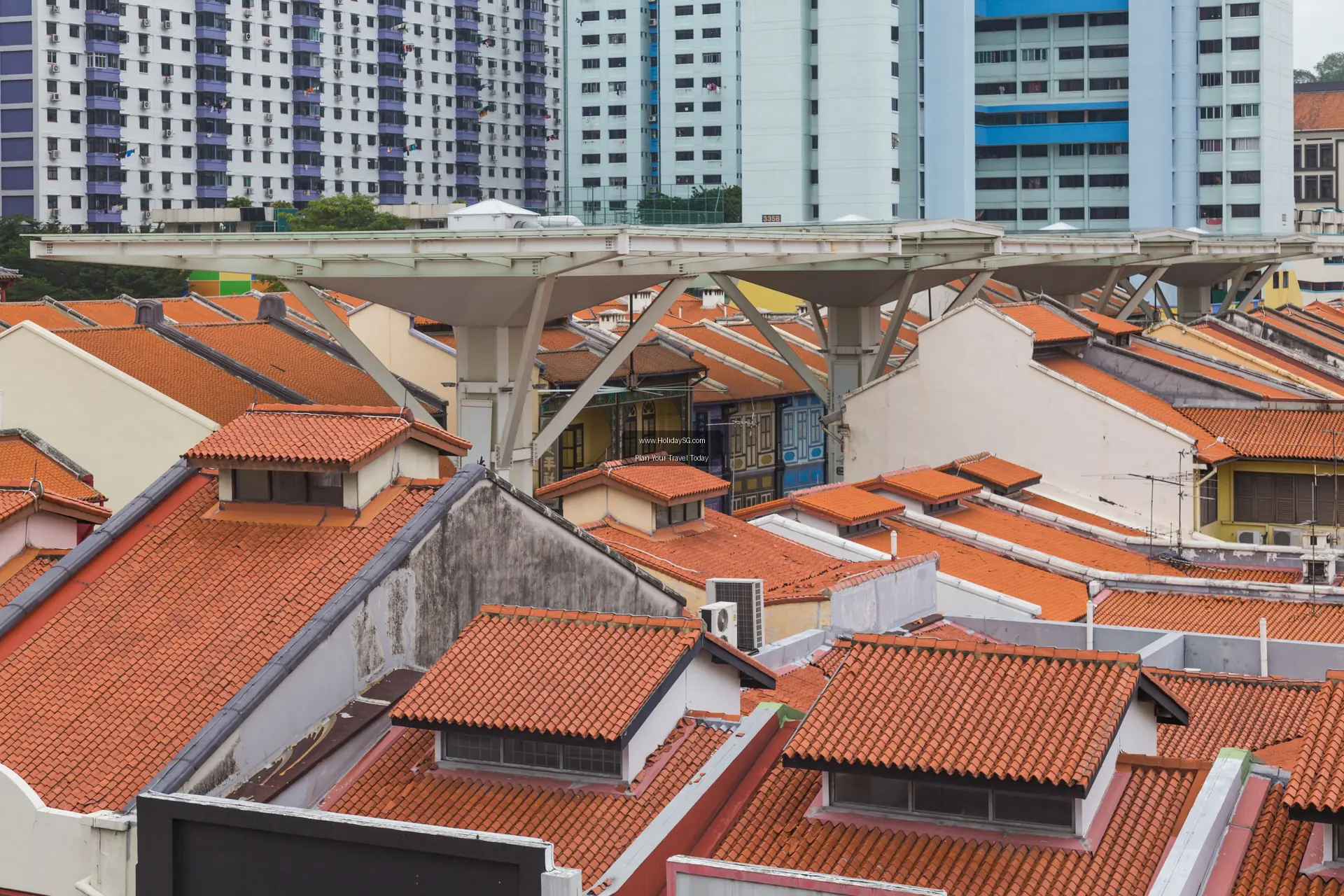
For a shopping trip steeped in culture, head to Chinatown. The main pedestrian malls, Pagoda Street and Trengannu Street, are lively with activity and lined with traditional stalls. The sights, sounds, and scents—from the aroma of tea to the vibrant colours of silk—create a rich sensory experience.
What to Shop For
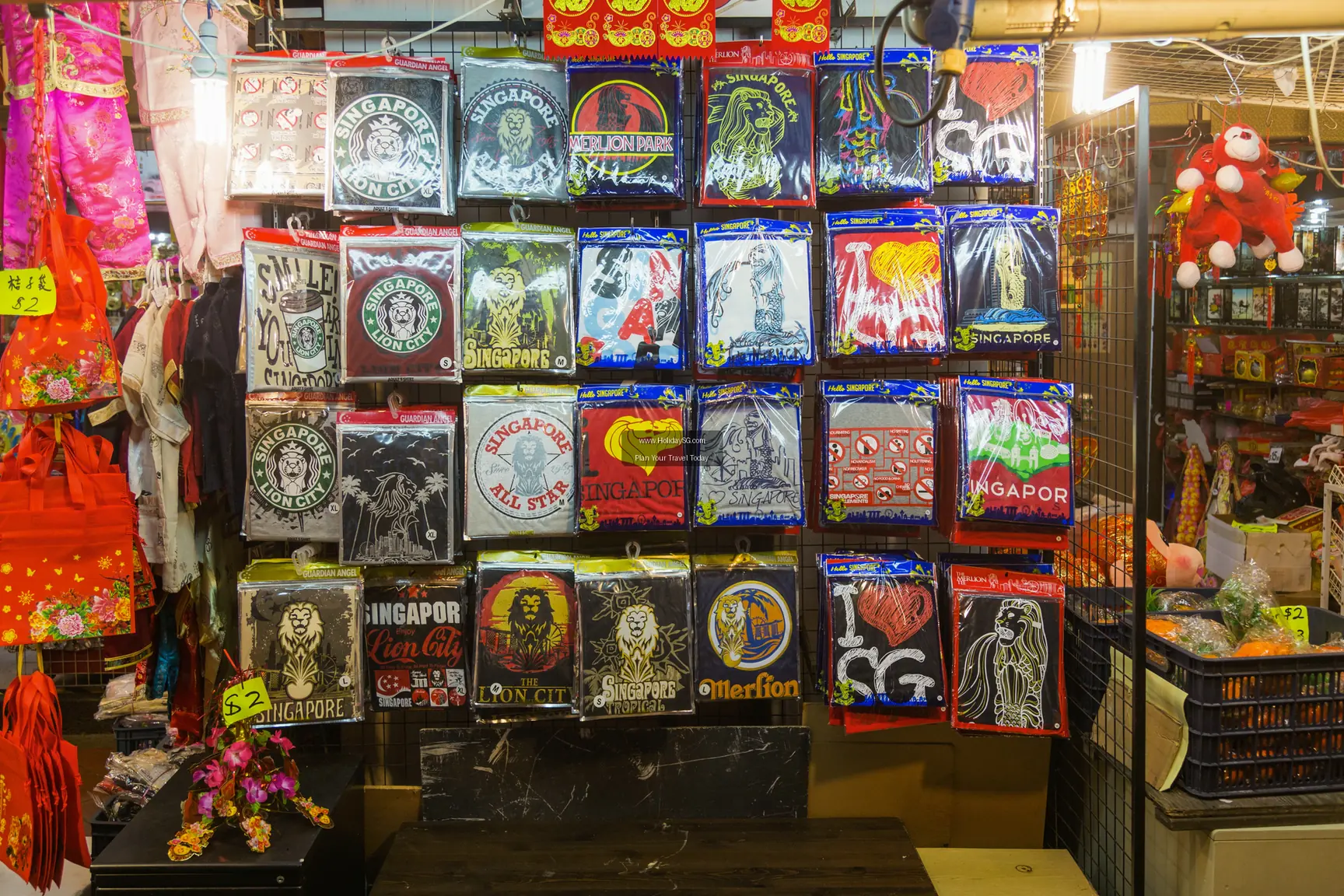
This is the best place to find authentic souvenirs and traditional Chinese goods. Stalls are packed with items like decorative fans, intricate lanterns, traditional Chinese medicine products, exquisite silk garments, handicrafts, and a vast array of teas. It’s also a great spot to pick up festive decorations during Chinese New Year.
Bargaining & Atmosphere
As with Bugis, bargaining is standard practice on these lively streets. The atmosphere is particularly lively in the late afternoon and evening. After shopping, you can explore the nearby Buddha Tooth Relic Temple or sample some local delicacies at the Chinatown Food Street.
Tiong Bahru: Heritage & Local Design
For a more relaxed and curated shopping experience, escape the crowds and head to the heritage neighbourhood of Tiong Bahru. Known for its art deco architecture and old-world charm, this area offers a calm antidote to the downtown frenzy. The vibe here is all about slow living, great coffee, and discovering local craftsmanship.
Unique Local Stores
Tiong Bahru is home to independent bookshops like the famous BooksActually, concept stores featuring local designers, and small boutiques selling beautifully crafted ceramics, stationery, and art. It’s the ideal place to find a unique, thoughtful gift or a piece of local design to take home. The area is dotted with excellent cafes, making it perfect for a leisurely afternoon of browsing and relaxing.
Essential Singapore Shopping Tips
Ready to go? Book Singapore Cable Car with HolidaySG.
Operating Hours & Payments
While major malls generally run from 10:00 AM to 10:00 PM, street markets have varied hours. Bugis Street stalls often open earlier (around 9:00 AM), and some stalls in night markets like Chinatown can be found open until 11:00 PM. In malls and department stores, credit cards and mobile payments (like Apple Pay) are widely accepted. However, for street markets, hawker centres, and smaller independent stores, cash is preferred and often necessary. Having small denominations will make transactions smoother.
The Tourist Tax Refund (GST)
Tourists can claim a refund on the 9% Goods and Services Tax (GST) for purchases above S$100 at participating retailers. Look for “Tax Free” or “eTRS” logos in store windows. You’ll need to show your passport and complete a refund form (eTRS) at the airport upon departure. Remember to keep all your receipts. Our guide to maximizing your travel budget in Singapore has more tips on saving money during your trip.
Getting Around Shopping Districts
Singapore’s MRT system is your best friend for a shopping spree. It’s efficient, affordable, and connects all the major shopping areas mentioned. A single journey costs between S$1–$2.50. Driving in the city centre is expensive due to congestion charges and high parking fees. Using public transport will save you money and stress.
Best Times to Shop for Deals
Great Singapore Sale (GSS)
If you’re planning your trip around discounts, aim for the Great Singapore Sale, typically held from late May to July. During this period, malls and stores across the island offer significant promotions, often with discounts of up to 70%.
Festive Promotions
The periods around Christmas (November-December) and Chinese New Year (January-February) are also fantastic times to visit. The streets and malls are adorned with stunning decorations, and many retailers run special festive sales and promotions, adding a magical atmosphere to your shopping spree.
Recommended HolidaySG Tours
Ready to go? Book Singapore Cable Car with HolidaySG.
Singapore’s shopping scene is a thrilling mix of the luxurious and the local, the high-tech and the traditional. From the glamour of Orchard Road to the vibrant chaos of Bugis Street and the curated charm of Tiong Bahru, there’s a perfect shopping street for every type of traveller. So, map out your route, wear comfortable shoes, and prepare for some serious retail therapy in one of Asia’s most dynamic cities.
Ready to see Singapore from above? Don’t miss the iconic Singapore Cable Car for breathtaking views of the city.
Book these with HolidaySG:
Book with HolidaySG online for Singapore Cable Car, Singapore Oceanarium, Singapore.
Little India: Spices, Saris, and Serangoon Road Bargains
Little India sits just a few stops east of the city centre on the Downtown and Circle Lines, and it rewards anyone willing to slow down and wander. Most visitors arrive at Little India MRT station, climb out into a mix of colourful shophouses, incense smoke, and the smell of cardamom and fried dough, and feel as though they have crossed a border. Serangoon Road is the spine of the district, and the side streets branching off it, such as Clive Street, Dunlop Street, and Buffalo Road, hold most of the shops worth your time. The area has been home to a Tamil community for generations, and that heritage shapes everything from the flower garland stalls to the gold jewellery counters that glitter along the main road. If you come with an open mind and a bit of patience, you will find products here that you simply cannot buy anywhere else in Singapore at comparable prices.
For textiles, start with the saree and fabric shops along Serangoon Road and Campbell Lane. Silk sarees with hand-woven borders can run from around S$80 for simpler machine-made pieces to well over S$1,000 for banarasi or kanjivaram silks, so set a budget before you walk in and be prepared to negotiate politely. Ready-made salwar kameez sets and cotton kurtas are usually much cheaper, often between S$30 and S$90 depending on embroidery. Spice shops are another highlight. Stalls sell whole and ground spices, curry powders, and chai masalas in quantities you can carry home easily. A 100-gram packet of saffron, if you can find a reputable vendor, might cost anywhere from S$15 to S$40, but check the strands carefully, because adulterated saffron is not unheard of. Ask the shopkeeper to let you smell the goods and compare two or three stalls before committing. Brass diyas, Ganesha figurines, and incense sticks make lightweight, meaningful gifts, typically priced from S$5 to S$30.
Mustafa Centre, located at 145 Syed Alwi Road, is the district's big-box landmark and deserves a full hour of your attention. It stocks an enormous range of electronics, cosmetics, luggage, watches, and groceries, and it has a reputation for keeping late hours, which makes it a handy option if your schedule has been shifted by jet lag. Electronics are not always the bargain people assume, so compare model numbers and warranty terms against official retailers before you buy a camera or a laptop. Cosmetics and fragrance are often a safer bet, especially for well-known brands and Indian beauty products such as herbal oils and ayurvedic soaps. On the lower floors you will find the food hall, where a plate of thali or a masala dosa can cost roughly S$6 to S$12. The surrounding lanes are also good for tiffin tins, stainless steel cookware, and cheap but durable bangles. Sundays and public holidays are the busiest days, particularly around Deepavali, when the entire district lights up with strings of lights and crowds spill onto the pavements. Visiting on a weekday morning gives you far more space to browse and haggle without feeling rushed.
Holland Village and Dempsey Hill: Boutiques, Cafés, and Leafy Browsing
If you have already explored the big malls of Orchard Road and want something quieter, Holland Village and Dempsey Hill make an excellent second act. Holland Village is reached by the Circle Line at Holland Village MRT station, and the walk from the exit to the heart of the village takes only about five minutes. The neighbourhood has a relaxed, almost village-like atmosphere, with low-rise shophouses, outdoor dining under shady trees, and a population that includes many long-term expats and families. Its shopping is more curated than commercial. You will find independent clothing labels, stationery and gift shops, specialty food stores, and a handful of homeware boutiques tucked into the shophouse units along Lorong Mambong and Holland Avenue. The shops here tend to open around 10 AM and stay open into the early evening, while many of the cafés remain busy well past dinner, so plan your visit around a slow lunch rather than a rushed morning sprint.
Dempsey Hill is a different proposition altogether. This cluster of colonial-era barracks, once used by the British and later by the Singapore armed forces, now houses restaurants, galleries, antique shops, and design studios among lush greenery just off Napier Road. To get there, most visitors take a taxi or ride-hailing car from Orchard Road, which typically costs between S$10 and S$15 depending on traffic, or they walk from Botanic Gardens MRT, a journey of roughly fifteen to twenty minutes through a pleasant tree-lined route. Antique furniture dealers here sell teak cabinets, Peranakan-style tables, and vintage lighting, often at prices that reflect the craftsmanship and provenance of each piece. Even if you are not in the market for a dresser that costs several thousand dollars, the stores are worth browsing for the atmosphere and the occasional small treasure, such as an enamelled tiffin carrier or a carved wooden box priced between S$40 and S$150. Expect the furniture and art shops to be quiet on weekdays, which makes it easier to ask questions and learn about the pieces.
Practical tips matter when you shop in these neighbourhoods, because they are less geared toward tour groups. Most independent boutiques accept credit cards and mobile payments, but a few smaller stores still prefer cash, so keep some Singapore dollar notes on hand, including S$2 and S$5 denominations for taxis and hawker centres nearby. The Goods and Services Tax is currently 9 percent, and it is usually included in listed prices, so the figure on the tag is generally what you will pay before any tourist refund. Holland Village also has a good supermarket in the basement of its shopping centre, which is a convenient place to pick up snacks, local coffee, and packaged teas for the flight home. In the evening, combine your shopping with a meal at one of the open-air restaurants along Lorong Liput or Holland Drive, where a plate of chilli crab or a bowl of laksa can be enjoyed without the crowds you would find in the central business district. A relaxed afternoon here feels like a genuine glimpse into everyday Singaporean life.
Marina Bay and Suntec City: Waterfront Luxury and Office-Block Gems
The Marina Bay area is Singapore's showpiece district, and its shopping reflects the city's ambition. The Shoppes at Marina Bay Sands, which sits beneath the iconic hotel towers, is a multi-level mall packed with international fashion labels, jewellers, watch boutiques, and a considerable range of dining options. Access is easiest from Bayfront MRT station, which serves both the Circle and Downtown Lines, or from Promenade station on the Downtown Line for those coming from the eastern side of the city. The mall is designed to feel like a canal-lined promenade, with a waterway running through its centre and gondolas gliding past shopfronts, and this alone makes it worth a visit even if you buy nothing. Prices are firmly in the premium range. A handbag from a luxury Italian house can easily cost several thousand Singapore dollars, while a simple café lunch may run S$25 to S$40 per person. Window shopping is free and the architecture is spectacular, particularly in the evening when the light show along the bay begins.
A short walk away, Suntec City offers a more grounded and surprisingly varied shopping experience. The complex is built around the Fountain of Wealth, a large ring-shaped fountain that is said to bring good fortune when visitors touch its water with both hands, a tradition that draws a steady stream of photographs and quiet moments of ritual. Suntec's retail floors cover electronics, sportswear, cosmetics, and a good number of mid-range fashion stores, and the basement food court is one of the more affordable places to eat in the district, with chicken rice and noodle dishes typically between S$4 and S$7. The complex is also well connected to the Esplanade and Promenade stations, making it easy to combine a shopping stop with a riverside walk along the Singapore River or a visit to the Esplanade Theatres. If you need a last-minute phone accessory, a travel adaptor, or a pair of comfortable walking shoes, the electronics and general goods stores here tend to be more competitively priced than the luxury boutiques next door.
When you plan a day in this part of town, think about timing and transport. Weekday lunchtimes bring office workers into the malls, which means queues at popular cafés and crowded lifts, while weekend afternoons often feel more relaxed for browsing. Evenings are ideal for a waterfront walk followed by dinner at one of the riverside restaurants around Clarke Quay or Boat Quay, though these tend to be pricier than hawker-style meals elsewhere. For a budget-conscious approach, buy a light lunch in Suntec's basement, then reserve your bigger spending for one or two high-value purchases. If you are shopping for luxury goods, remember that the tourist refund scheme in Singapore generally requires a minimum purchase at a single participating store, so check the receipt requirements before you pay. Keep your passport handy, because retailers will ask for it when you claim a refund at the airport. Finally, dress comfortably. The distances between malls, the bridges across the bay, and the air-conditioned interiors can make a long day feel much more tiring than expected.
Heartland Malls: Where Singaporeans Really Shop
Beyond the postcard districts lies a network of suburban shopping centres known locally as heartland malls, and they offer an honest look at how Singaporeans spend their weekends. Tampines Mall, located next to Tampines MRT station on the East-West Line, is one of the largest in the eastern part of the island. It has a broad mix of fashion chains, bookshops, homeware stores, and family-oriented toy shops, along with an extensive food court where prices are noticeably lower than in central malls. A bowl of wonton noodles or a plate of nasi lemak might cost S$4 to S$6, and the portions are generous. Jurong Point, accessible from Boon Lay MRT station on the West-West and East-West lines, is another heartland giant that has been upgraded over the years. Its cinemas, bowling alley, and supermarket make it a convenient stop for travellers staying in the west, and its clothing and sports retailers often run promotions during the midyear and year-end sales seasons. Heartland malls rarely have the glamour of Orchard Road, but they make up for it with value and with a warm, unpretentious energy that feels distinctly local.
What should you actually buy in these malls? Local brands are an excellent starting point. Singapore has a growing number of homegrown fashion labels that sell casual wear, batik-inspired prints, and sustainable basics, usually priced between S$30 and S$120 for a top, dress, or pair of trousers. Pharmacies such as Guardian and Watsons, both of which have multiple outlets in heartland malls, carry a wide selection of skincare, sunscreen, and travel toiletries. Local favourites include sheet masks, lip balms, and sunscreens formulated for the humid tropical climate, often sold at prices well below those in airport duty-free shops. Bakery chains and snack counters in the malls are also worth exploring for pineapple tarts, kaya-filled buns, and bak kwa, the sweet dried pork slices that are a popular gift during the Lunar New Year. A box of premium bak kwa from a well-known brand can cost S$30 to S$50, and most vendors will pack it neatly for the flight home, though you should check your airline's rules on carrying meat products before you travel.
Getting to heartland malls is straightforward, and the MRT is the most reliable option. Trains run frequently, with typical waiting times of between three and six minutes during peak hours, and a single fare for most journeys from the central area falls in the range of S$1.20 to S$2.50. Use a contactless bank card or your EZ-Link or SimplyGo card to tap in and out, and remember that fares are calculated by distance, so a trip to the far east will cost more than a short hop. Many heartland malls open around 10 AM and close at 10 PM, though individual stores and food courts may vary. If you plan to spend a full afternoon in one, bring a refillable water bottle, since the air-conditioned corridors are comfortable but the walk between entrances can be surprisingly long. Pick up a mall directory when you arrive, and ask the staff at the information counter about current promotions. Shopping in these places also gives you an excellent opportunity to talk with shopkeepers, who are often happy to recommend local dishes, neighbourhood gems, and things to avoid. This slower, more personal style of shopping complements the glossy malls in the city, and it gives you a richer sense of the island beyond its skyline.
Frequently Asked Questions
Where can I book a tour or experience related to shopping in Singapore?
For booking general Singapore experiences, you can check out the Singapore Duck Tours for sightseeing or the National Gallery Singapore Ota for art and culture. To stay connected while shopping, consider an HolidaySG eSIM plan for Singapore for unlimited travel data.
Do foreigners (non-citizens) need a different ticket, price, or visa for shopping in Singapore?
Generally, foreigners do not need a separate ticket or visa specifically for shopping in Singapore; shopping is part of the standard tourist experience. However, visa requirements depend on your nationality, so it’s best to check official sources like the Singapore Immigration & Checkpoints Authority website for the most current entry rules and any potential differences in pricing for attractions.
What is the best time (season, or time of day) to go shopping in Singapore?
Singapore’s shopping streets are enjoyable year-round due to its tropical climate, but the best time to visit is during cooler months from November to February. For time of day, mornings or late afternoons are ideal to avoid crowds and heat, though many malls are air-conditioned and open late. Note that holiday seasons like Christmas or Chinese New Year can be especially festive but crowded.
How many shopping streets should I plan to visit in Singapore?
With over 20 major shopping streets and malls, you can tailor your itinerary to your interests. Focus on 2-3 key areas per day, such as Orchard Road for luxury, Bugis Street for bargains, or Haji Lane for unique finds, depending on your time and preferences.
What are the most popular shopping streets in Singapore?
Top shopping streets include Orchard Road (upscale malls), Bugis Street (budget-friendly markets), and Haji Lane (boutique shops). Others like Marina Bay Sands Shoppes and Chinatown offer a mix of high-end and traditional items.
How long should I spend on each shopping street?
Allocate 1-2 hours for smaller streets like Haji Lane or Chinatown, and half a day for extensive areas like Orchard Road to explore multiple malls. Adjust based on your shopping pace and interests.
What is the typical cost of shopping in Singapore?
Costs vary widely: budget shopping at Bugis Street can be under SGD 20 per item, while Orchard Road luxury goods may exceed SGD 100. Factor in taxes like the Goods and Services Tax (GST) at 9% for most items.
How do I get to the shopping streets?
Singapore has excellent public transport; use the MRT (Mass Rapid Transit) system with stations like Orchard or Bugis. Buses and taxis are also convenient. For example, Orchard Road is directly accessible via Orchard MRT station.
Are the shopping streets family-friendly?
Yes, most shopping streets in Singapore are family-friendly with amenities like rest areas, kid-friendly stores, and food courts. Orchard Road and VivoCity mall, for instance, have playgrounds and family events.
What should I pack or bring when shopping?
Bring a reusable shopping bag, comfortable shoes for walking, sunscreen or an umbrella for occasional rain, and your passport for tax-refund claims on eligible purchases.
Is shopping in Singapore accessible for people with disabilities?
Many malls and streets, like Marina Bay Sands Shoppes, offer wheelchair accessibility, ramps, and elevators. It’s advisable to check specific venues in advance for detailed accessibility features.
Is it safe to shop in Singapore?
Singapore is very safe for shopping, with low crime rates and strict laws. However, keep an eye on personal belongings in crowded areas and use designated crossing points when navigating busy streets.
What is the weather like when shopping outdoors?
Singapore is hot and humid year-round, with temperatures around 25-32°C. Sudden rain showers are common, so carry a light raincoat or umbrella. Indoor malls are air-conditioned for comfort.
Are there any local etiquette tips for shopping?
Be polite and patient in queues, remove shoes if entering traditional shops or homes, and avoid aggressive bargaining in fixed-price stores. In markets, respectful negotiation is acceptable.
What are nearby food options when shopping?
Shopping streets are often near hawker centers or cafes; for example, Bugis Street has food stalls, and Orchard Road offers international restaurants. Try local dishes like Hainanese chicken rice at nearby food courts.
What other attractions are near the shopping streets?
Many shopping areas are close to attractions: Orchard Road is near the Singapore Botanic Gardens, while Marina Bay Sands Shoppes is next to the Singapore Cable Car for scenic views. The Singapore Oceanarium is also accessible for family outings.
Do I need to bargain when shopping?
In traditional markets like Chinatown or Little India, bargaining is common and expected for non-fixed-price items. In malls and chain stores, prices are fixed, so no negotiation is needed.
What are the operating hours for shops?
Most shops open from 10 AM to 10 PM daily, with some extending to 11 PM on weekends. Street markets like Bugis may open earlier and close later, so check specific venues for exact hours.
Are there any tax-free shopping options in Singapore?
Yes, tourists can claim GST refunds on purchases above SGD 100 at participating stores via the Electronic Tourist Refund Scheme (eTRS). Look for “Tax-Free” signs and keep receipts for processing at the airport.
How can I avoid crowds while shopping?
Visit on weekdays or early mornings to avoid peak hours. Major sales like the Great Singapore Sale in June attract crowds, so plan accordingly. Opt for less crowded areas like Dempsey Hill for a relaxed experience.
What things cost in Singapore
Live HolidaySG prices for the experiences in this guide, so you can sanity-check a budget before you commit.
| Experience | Where | From price |
|---|---|---|
| #INSTAWALK: BUGIS, WATERLOO, KAMPONG GLAM | Singapore | From S$45.32 |
| +Twelve | Singapore | From S$127.05 |
| ABOUT MR. LEE | Singapore | From S$66.17 |
| Harry Potter Visions of Magic | Singapore | From S$41.79 |
| Action Motion | Singapore | From S$37.07 |
| Adventure HQ | Singapore | From S$65.55 |
| Alphard / Vellfire | Singapore | From S$34.43 |
Things to book on this trip
Plan the rest of your trip
- Singapore visa requirements - Check who needs a visa, the documents and the processing time.
- Hotels in Singapore - Compare hotels and check room rates for your dates.
