

Souvenir shops in singapore is exactly what this guide covers.
Singapore is a shopper’s paradise, but beyond the gleaming malls lies a treasure trove of souvenir shops offering authentic, meaningful souvenirs. Finding the right gift isn’t just about grabbing a generic keychain; it’s about bringing home a piece of the Lion City’s rich culture, vibrant history, and contemporary creativity. From heritage shops tucked away in historic districts to sleek galleries showcasing local designers, Singapore offers a treasure trove for discerning gift hunters. This guide will take you beyond the tourist traps to the best districts and shops for discovering unique Singaporean souvenirs, whether you’re hunting for traditional crafts, delicious local treats, or modern art pieces.
For the most authentic souvenirs in Singapore, explore dedicated cultural hubs like Chinatown, Little India, and Kampong Glam, which offer everything from Peranakan crafts to Indian textiles. Focus on shops marked “Singapore-designed” or located within these districts to avoid mass-produced items, and remember to claim your GST refund for purchases over SGD 100 at participating stores.
Exploring Singapore’s Premier Souvenir Districts
Singapore’s unique multicultural tapestry is reflected perfectly in its souvenir shopping. Each ethnic enclave and modern district offers a distinct flavour, making it easy to curate a diverse and personal gift collection.
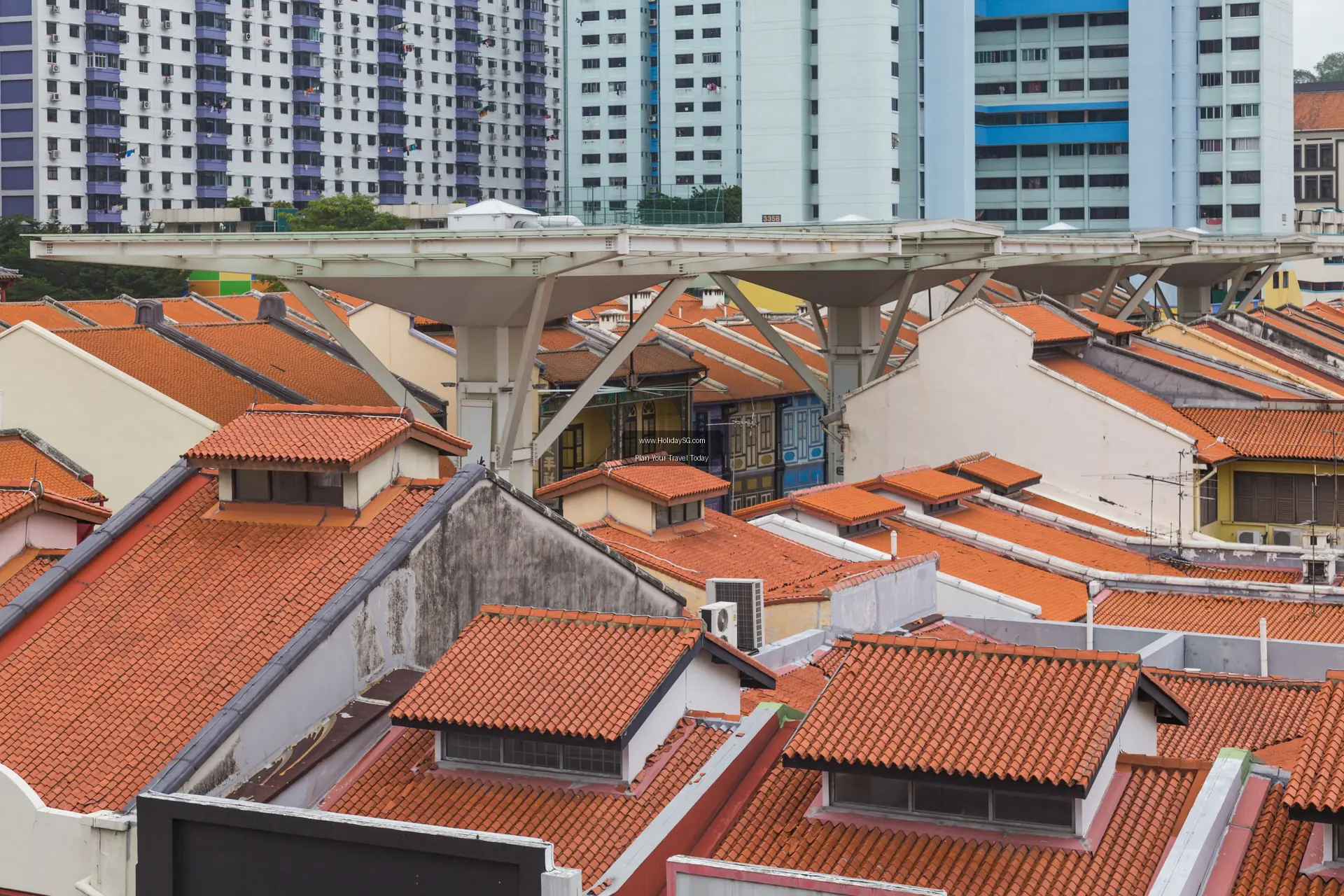
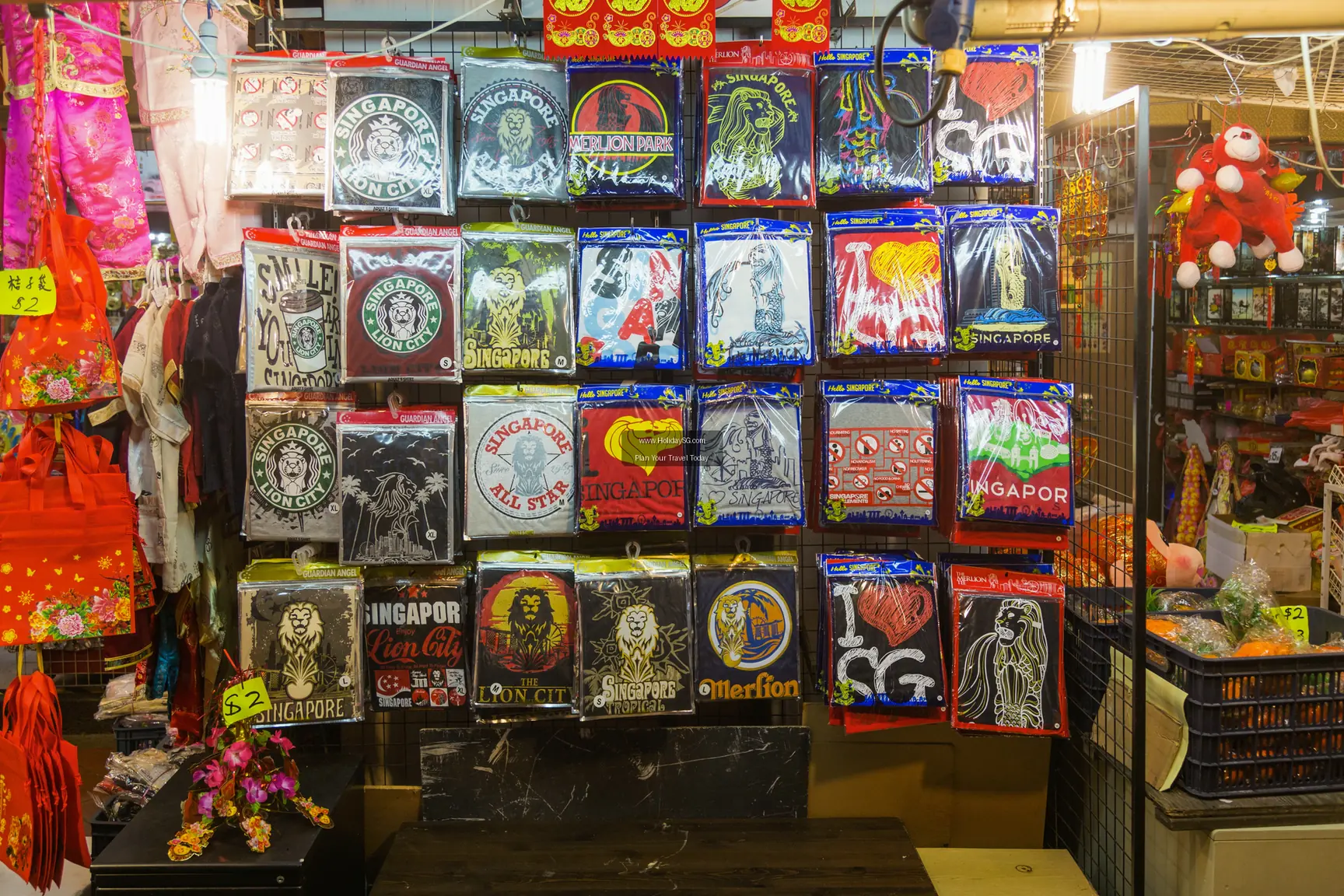
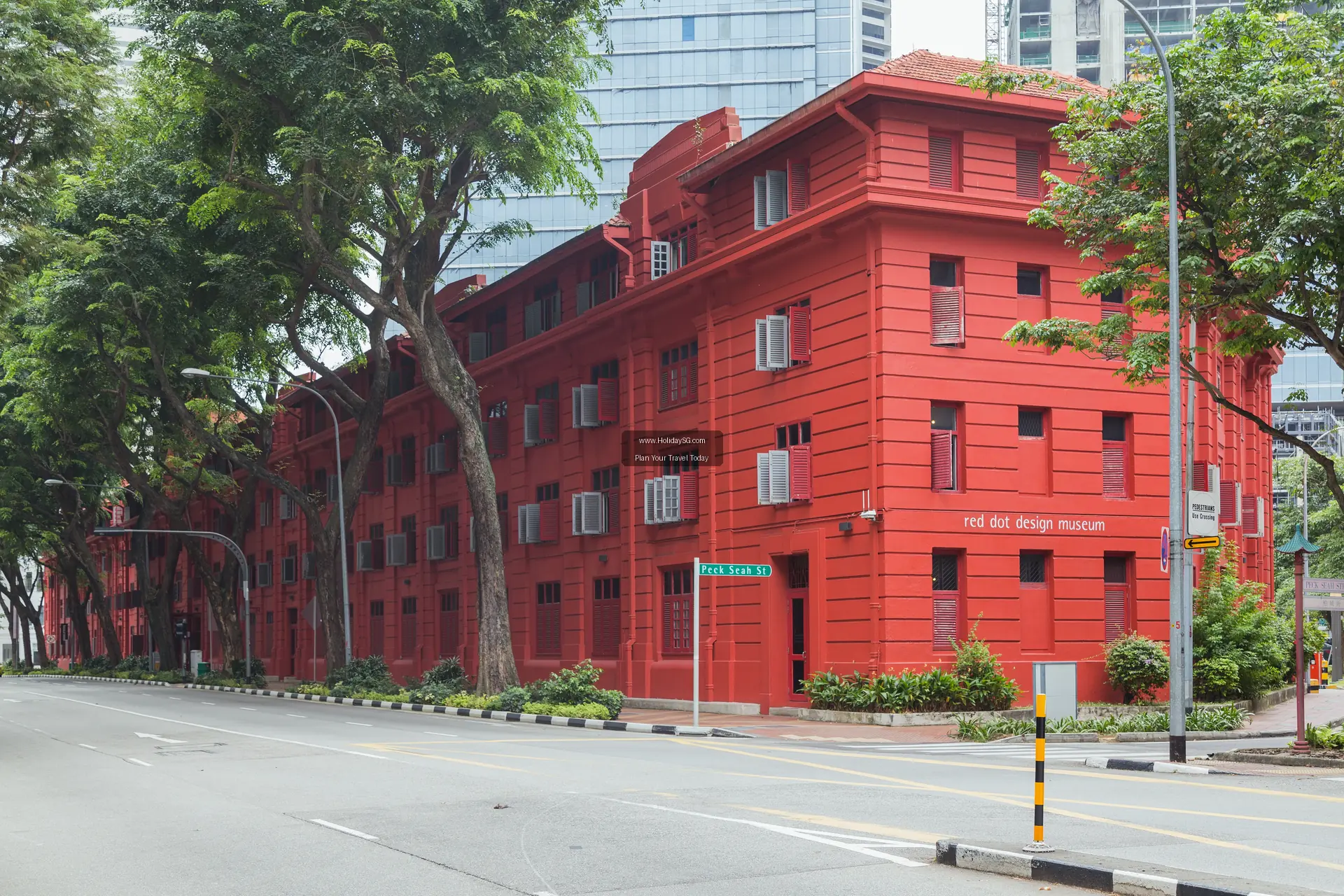
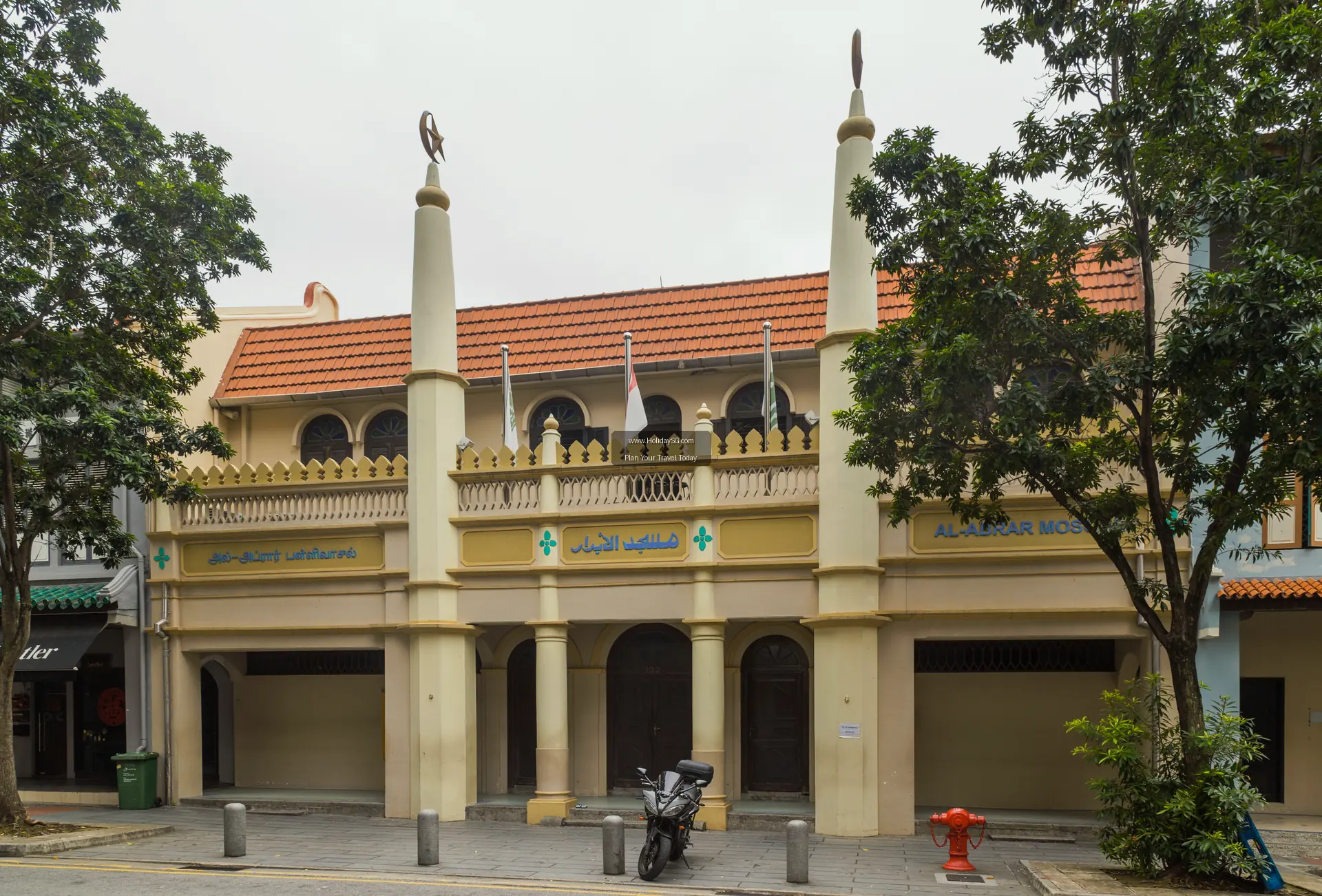
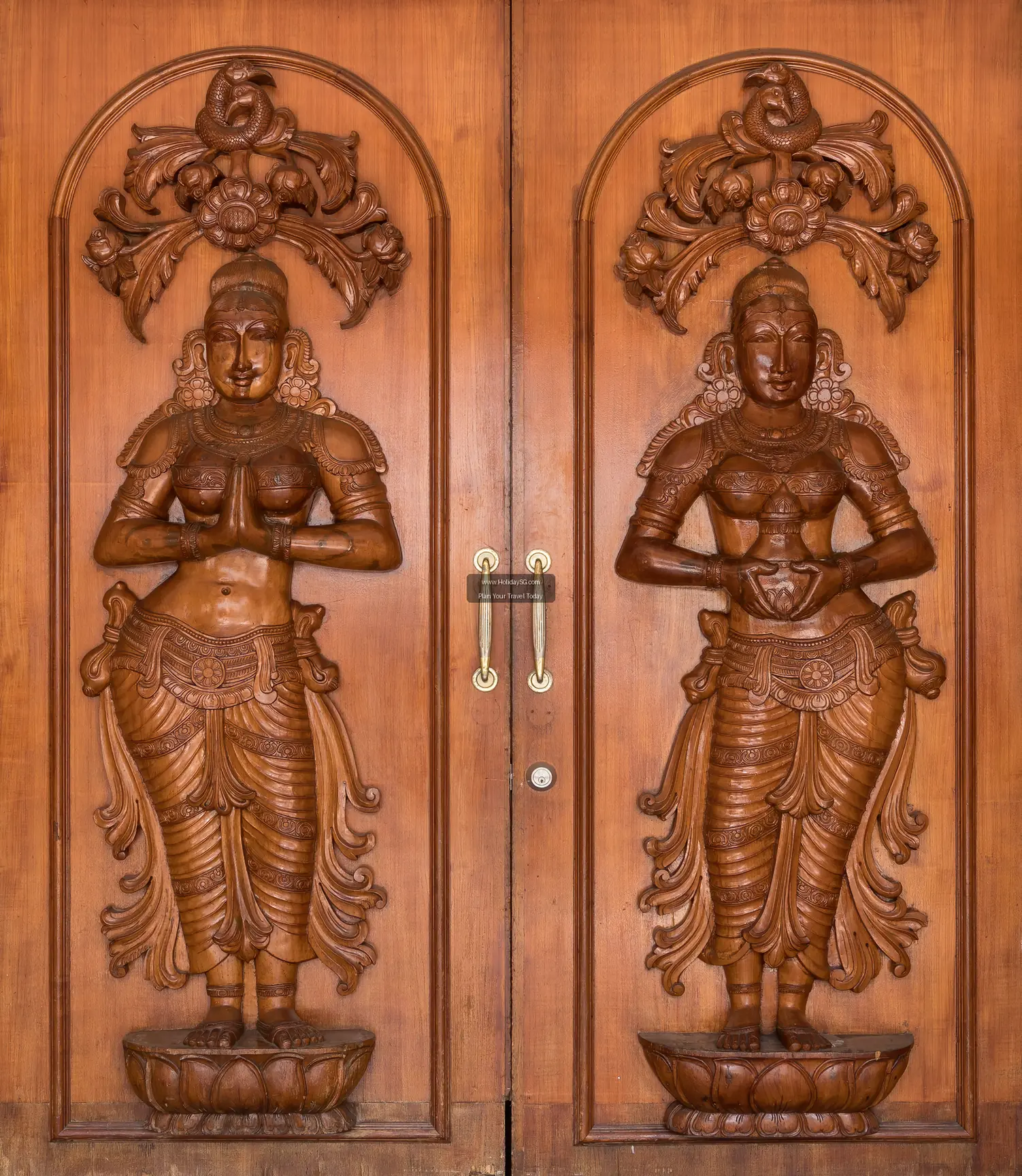
Chinatown: A Journey Through Heritage and Culture
The area around New Bridge Road and Pagoda Street is the epicentre of Chinese heritage in Singapore. Here, traditional shophouses house stores selling everything from calligraphy brushes to silk garments. One absolute popular is Bengawan Solo, famous for its heavenly pandan chiffon cakes and other local pastries—a perfect edible souvenir. For a truly special experience, book an appointment at The Intan, a private Peranakan museum and gift shop. It’s a fantastic way to understand the unique Peranakan culture before browsing their curated selection of intricate beaded slippers and ceramics. Expect prices to range from SGD 5 for small trinkets to SGD 100 or more for detailed collectibles. For those planning to explore Chinatown’s deeper lanes and cultural sites, a private city tour can provide insightful context.
Little India: A Symphony of Colour, Fabric, and Spice
Dive into the vibrant chaos of Little India, centred around the lively Tekka Centre. This is the place to hunt for colourful batik fabrics, traditional Indian snacks, and fragrant Ayurvedic products. The surrounding streets are lined with shops selling intricate jewellery and vivid saris. A key tip here: while prices in fixed stores are set, bargaining is often acceptable at some of the stalls within Tekka Centre or along the side streets. You can find everything from SGD 5 spices to SGD 80+ for a piece of well-crafted batik apparel.
Haji Lane & Kampong Glam: The Indie & Contemporary Hotspot
For a complete change of pace, head to Haji Lane in the Kampong Glam district. This narrow lane is Singapore’s epicentre for indie boutiques, vintage stores, and quirky design shops. Here, local artists and designers showcase contemporary Singapore-themed graphic art, fashion-forward accessories, and handmade crafts. It’s the perfect spot to find a modern, stylish souvenir that reflects the city’s creative spirit, often at mid-range price points.
Orchard Road & Marina Bay Sands: Upscale & Design-Focused Finds
While known for international luxury brands, Orchard Road and Marina Bay Sands also host exceptional local design stores. Visit Design Orchard on Orchard Road for a consolidated showcase of Singaporean labels. Over at The Shoppes at Marina Bay Sands, look for Supermama, renowned for its beautifully designed contemporary ceramics and art prints that reinterpret local heritage. Another gem in this area is Naiise, a curated lifestyle store offering a wide array of products from local designers. Expect prices here to be higher, with items typically ranging from SGD 30 for prints to SGD 150+ for premium ceramics or apparel.
Museum & Gallery Gift Shops: Curated Artistic Gems
Don’t overlook the gift shops at Singapore’s premier cultural institutions. The Singapore Art Museum and the National Gallery Singapore offer meticulously curated selections of locally-made art pieces, design objects, and books. These are ideal for finding a sophisticated, culturally rich souvenir that feels both unique and deeply connected to Singapore’s artistic scene.
What Constitutes an Authentic Singapore Souvenir?
Ready to go? Book Ulacab Singapore Private City Tour Day with HolidaySG.
To truly bring a piece of Singapore home, look for items that tell a story about the nation’s identity. Here’s what to seek out:
- Iconic Symbols: Merlion figurines or prints are classic, but look for unique artistic interpretations.
- Cultural Imagery: Items featuring Samsui women (the red-headscarfed pioneers) or the traditional Kopitiam (coffee shop) scene.
- Local Flavours: Packaged local snacks like Bak Kwa (barbecued meat), Kaya (coconut jam), Kopi (coffee), or pineapple tarts make delicious and authentic gifts. High-quality local tea blends are also a great choice.
- Contemporary Design: Look for “Singapore-designed” labels featuring local flora, fauna, or modern takes on heritage symbols.
- Artisanal Crafts: Peranakan-inspired jewellery, hand-painted ceramics, and batik textiles showcase exceptional craftsmanship.
Essential Tips for Savvy Souvenir Shopping
Navigate the GST Refund Scheme
As a tourist, you can reclaim the 9% Goods and Services Tax (GST) on your purchases. To be eligible, you must spend a minimum of SGD 100 at a single store participating in the eTRS (Electronic Tourist Refund Scheme). Ask the retailer for a refund voucher when you make your purchase. Upon departure at Changi Airport, proceed to the eTRS self-help kiosms or GST Refund counters before you check in your luggage to complete the process and receive your refund.
Time Your Shopping Trip
The two major sale periods are the Great Singapore Sale (typically June to August) and the year-end holiday season (November to December). If you prefer a calmer shopping experience, weekday mornings (around 10:00 AM to 12:00 PM) are generally less crowded. Note that operating hours vary: most mall shops are open from 10:00 AM to 10:00 PM, but street markets and smaller cultural shops may close by 9:00 PM.
Getting Around the Shopping Districts
All major souvenir areas are easily accessible via Singapore’s efficient MRT system. Key stations include Chinatown (NE4/DT19), Little India (NE7/DT12), and Bugis (EW12/DT14) for Haji Lane. For convenient travel between districts, consider using an hourly car service. Be sure to get an EZ-Link card or use SimplyGo for seamless public transport fare payments throughout your trip.
Frequently Asked Questions About Singapore Souvenirs
Ready to go? Book Ulacab Singapore Private City Tour Day with HolidaySG.
How can I avoid buying mass-produced, non-authentic souvenirs?
The best strategy is to shop within the designated cultural districts like Chinatown, Little India, and Kampong Glam. Within these areas, prioritise independent boutiques and shophouses over generic chain stores. Always look for the “Singapore-designed” label or inquire if the product is made by local artisans. Stores like Supermama and Naiise are specifically curated to feature local designers.
Is bargaining acceptable in Singapore?
The general rule is no bargaining in fixed-price stores, supermarkets, and shopping malls. However, it is often acceptable—and sometimes expected—in street markets, hawker centres, and some traditional stalls found in areas like Tekka Centre or parts of Chinatown. Always do so politely and with a smile.
What’s a good budget for souvenirs in Singapore?
Souvenir costs vary widely. A typical budget might look like this:
- Small Trinkets & Keychains: SGD 5-15
- Local Snacks & Biscuits: SGD 5-20 per box
- Batik Apparel or Premium Tea: SGD 30-80
- Peranakan-Style Jewelry or High-End Ceramics: SGD 100+
Recommended HolidaySG Tours
Enhance your souvenir hunting adventure with these convenient services:
- Ulacab Singapore Private City Tour Day
- Ulacab Singapore Hourly Exclusive
- Ulacab Singapore Private Airport Transfers
- Transfer Singapore To Legoland
Final Thoughts on Your Singapore Gift Hunt
Ready to go? Book Ulacab Singapore Private City Tour Day with HolidaySG.
Souvenir shopping in Singapore is an adventure in itself—a chance to explore the city-state’s diverse culture and support its talented local artisans. By venturing into its vibrant ethnic enclaves and curated design stores, you’ll find gifts that are far more meaningful than a generic trinket. Remember to leverage the GST refund to make your budget go further, and don’t be afraid to ask shopkeepers about the stories behind their products. Whether it’s a box of fragrant pandan cake, a piece of Peranakan-inspired jewellery, or a contemporary print of the skyline, the perfect Singapore souvenir is out there waiting to tell its story in your home. Happy hunting!
Ready to explore Singapore’s best souvenir shops? Enhance your adventure with a guided tour—Ulacab Singapore Private City Tour Day for insights and convenience.
Book these with HolidaySG:
Book with HolidaySG online for Ulacab Singapore Private City Tour Day, Ulacab Singapore Mandai Attraction Bird Paradise River Wonders Night Safari Singapore, Ulacab Singapore Hourly Exclusive.
Frequently Asked Questions
Where can I book a tour to include souvenir shopping in Singapore?
For convenient city tours that can include stops at major shopping districts like Orchard Road, Bugis Street, or Chinatown, you can book a private vehicle and driver. This allows you to customize your itinerary for shopping and sightseeing. You can book the Ulacab Singapore Private City Tour Day here.
Do foreigners (non-citizens) need a different ticket, price, or visa for Singapore?
Generally, foreign visitors do not need a separate ticket or pay a different price for shopping in Singapore. However, entry into Singapore itself may require a visa depending on your nationality. Visa requirements can change, so it is essential to verify the current rules. We recommend checking the official Singapore government immigration website or contacting your nearest Singaporean embassy for the most accurate and up-to-date information.
What is the best time (season, or time of day for the site/activity) to go?
The best time for souvenir shopping is typically during the evening or weekends when many shops are open later, and the atmosphere is lively. For seasonal events, the Great Singapore Sale (usually in June-July) and Christmas year-end sales offer significant discounts. To avoid crowds on regular days, aim for weekday mornings. Always check individual shop hours, especially for smaller stores in heritage districts.
What are the opening hours for most souvenir shops?
Opening hours vary significantly by location. In major shopping malls like ION Orchard or VivoCity, stores generally open from 10:00 AM to 10:00 PM daily. For street markets like Chinatown Street Market or Bugis Street, most stalls are open from around 11:00 AM to late evening, often past 9:00 PM. Traditional shops in Little India or Kampong Glam may open earlier but close earlier in the evening.
Are souvenir shops family-friendly?
Yes, souvenir shopping in Singapore is very family-friendly. Most malls are equipped with family amenities. Open-air markets like Chinatown and Little India are vibrant and exciting for children to explore. Many shops sell toys, crafts, and sweets that appeal to all ages.
How long should I spend souvenir shopping?
This depends on your shopping style. For a quick browse for a few items, you might spend 1-2 hours. If you plan to visit multiple districts, compare prices, and look for unique items, you could easily dedicate half a day or a full day to the experience, breaking it up with meals.
What is a typical budget for souvenirs?
Budgets are highly personal. You can find small keychains or fridge magnets for S$2-5, Batik apparel for S$20-60, premium local crafts or electronics for S$50-200, and luxury goods for much more. A reasonable budget for a range of mid-range souvenirs might be S$50 to S$100 per person.
How do I get to the main shopping districts?
Singapore’s public transport system (MRT and buses) is excellent and will get you to any major shopping area. For example, Orchard MRT is on the North-South Line for Orchard Road. Chinatown MRT serves Chinatown. Bugis MRT serves Bugis Street. For door-to-door convenience, especially with heavy bags, you can book Ulacab Singapore Hourly Exclusive transfers.
What unique souvenirs should I look for?
Look for uniquely Singaporean items: Bengawan Solo pandan cake, bak kwa (salty-sweet meat jerky),Ya Kun Kaya toast sets, Samsui Women souvenirs, Peranakan tiles or pottery, local art prints, and miniature Merlion statues.
Is bargaining acceptable in Singapore?
Bargaining is acceptable and expected in open-air markets like Chinatown Street Market, Little India’s Tekka Centre, and Bugis Street. It is not practiced in fixed-price retail stores, malls, or department stores. Always bargain politely.
Are there shopping districts accessible for wheelchairs?
Yes, most modern shopping malls (like those on Orchard Road, Marina Bay Sands Shoppes, and Jewel Changi Airport) are fully wheelchair accessible with elevators, ramps, and accessible toilets. Older street markets and shophouses may have steps or narrow aisles, presenting more challenges.
Is it safe to shop late at night?
Singapore is extremely safe. Major shopping areas remain well-lit and crowded into the late evening. Exercise normal precautions as you would in any city.
What should I pack when going souvenir shopping?
Wear comfortable walking shoes. Bring a reusable shopping bag or tote for your purchases, as many shops charge for plastic bags. A portable phone charger is handy for maps and payments. An umbrella is wise due to sudden rain showers.
What is the weather like when shopping outdoors?
Expect warm and humid conditions year-round, with temperatures around 25°C to 32°C. Rain showers can occur suddenly, especially during the monsoon seasons (November-January and June-September). Stay hydrated.
Is there a local etiquette to know when shopping?
Be polite and patient when browsing. Ask before touching delicate items. Say “no, thank you” firmly but kindly if you are not interested after a vendor engages you. Tipping is not expected or required in retail stores.
Are there good places to eat near the souvenir shops?
Absolutely! Every shopping district is a food paradise. Orchard Road has numerous mall food courts and restaurants. Chinatown offers hawker centres like Maxwell Food Centre. Bugis Street is surrounded by cafés and local eateries. You can easily combine souvenir hunting with a meal.
Can I get tax-free shopping (Tourist Refund Scheme) in Singapore?
Yes, Singapore offers a Tourist Refund Scheme (TRS) for GST (Goods and Services Tax) refunds for tourists. Look for shops displaying the “Tax Free” logo. The minimum spend per transaction and other conditions apply, so check the official TRS website for details.
Where can I find souvenirs if my last day is busy?
If you are short on time, consider the souvenir shops at Changi Airport, which offer a wide selection of local products from snacks to crafts. Alternatively, you can book a Ulacab Singapore Private Airport transfer that includes a brief stop en route to the airport, if time allows.
Are there attractions near the souvenir markets worth visiting?
Yes. Chinatown market is near the Buddha Tooth Relic Temple and Sri Mariamman Temple. Little India’s shops are close to the vibrant Sri Veeramakaliamman Temple. Kampong Glam’s Haji Lane is near the Sultan Mosque. Bugis Street is a short walk from the National Library and the ArtScience Museum.
Can I combine souvenir shopping with a trip to Sentosa or Legoland?
You can! While Sentosa has its own shops (like those at VivoCity), major souvenir shopping districts are on the mainland. For a day trip to Legoland Malaysia, you can book a seamless Transfer Singapore To Legoland and shop in Singapore before or after your excursion.
Where can I book attractions and tours to complement my shopping trip?
For tours that might include a mix of sightseeing and cultural experiences (with optional shopping stops), you can explore options like the Ulacab Singapore Mandai Attraction Bird Paradise River Wonders Night Safari Singapore Zoo Transfers, which focuses on the Mandai wildlife precinct but demonstrates the range of private tour services available.
What things cost in Singapore
Live HolidaySG prices for the experiences in this guide, so you can sanity-check a budget before you commit.
| Experience | Where | From price |
|---|---|---|
| #INSTAWALK: BUGIS, WATERLOO, KAMPONG GLAM | Singapore | From S$45.32 |
| +Twelve | Singapore | From S$127.05 |
| ABOUT MR. LEE | Singapore | From S$66.17 |
| Harry Potter Visions of Magic | Singapore | From S$41.79 |
| Action Motion | Singapore | From S$37.07 |
| Adventure HQ | Singapore | From S$65.55 |
| Alphard / Vellfire | Singapore | From S$34.43 |
Peranakan ceramics and the stories behind them
Few souvenirs say more about Singapore than Peranakan ceramics. These pieces grew out of the blending of Chinese, Malay and European tastes among the Straits-born communities, and the patterns on a teapot or a tiffin carrier often tell a story in flowers, birds and pastel colours. Shops specialising in this work range from small family studios to galleries that display antique pieces alongside modern reproductions. The best way to shop here is to ask the shopkeeper where a piece was made and whether it is hand-painted or printed, because the answer shapes both the value and the story you take home.
Look closely at the glaze and the brushwork. Hand-painted pieces show small variations in line and colour, while printed ones look more uniform. A small plate or a set of spoons is an affordable entry point, and it fits easily into a suitcase. Larger items such as a tea set or a decorative jar need careful wrapping, so ask the shop to pack them properly before you leave the counter.
Peranakan motifs also turn up on tote bags, notebooks, fridge magnets and scarves. These are useful gifts for people who prefer something light to carry. If you want a piece that feels genuinely local, choose one designed by a Singapore studio rather than a generic product stamped with the word Singapore.
Batik, textiles and clothing made by local designers
Batik and printed textiles are part of Singapore's Malay and Indonesian heritage, and you can find them in many shops around the Kampong Glam area and in some concept stores in the city centre. Traditional batik uses wax-resist dyeing, and the process takes time, so hand-drawn pieces often cost more than screen-printed ones. Neither is wrong, but it helps to know which you are buying. Ask the seller to explain how the fabric was made, and check the back of the cloth, where hand-drawn work often shows the wax lines more clearly.
Local fashion designers also draw on tropical prints and everyday Singapore motifs such as hawker stalls, void decks and the city skyline. A scarf, a shirt or a set of cushion covers can carry a design that reflects the city in a way a postcard never will. Check the care label before you buy, particularly for silk and natural fibres, which need gentle washing in a humid climate.
If you are buying clothing, try it on where possible. Sizing varies between brands, and returns in small independent shops can be limited, so confirm the policy before you pay.
Food gifts that travel well
Food souvenirs are among the most popular choices for visitors, and Singapore has a lot to offer. Kaya, the coconut and egg jam spread, comes in glass jars from many traditional bakeries and is a favourite with family and friends. Teh tarik and kopi sachets are easy to pack, and a box of local biscuits or pineapple tarts makes an easy talking point at home. Dried seafood and sauces need more care, and you should check the import rules for your country before you buy anything that contains meat, dairy or fresh produce.
Sealed packaging is the safest choice. Keep receipts and the original packaging with the product, and avoid bringing home anything that is not declared on your customs form. Rules on food in luggage vary, so consult your destination's official customs guidance before you pack.
Local tea and spice blends are a good middle ground. They are light, long-lasting and they tell a story about the island's trading past. Ask the shop for a small tasting sample if it is available, so you know what you are buying.
Stationery, stamps and paper goods
Singapore has a strong culture of independent stationery shops and paper artists. Notebooks with illustrated covers, hand-bound journals and postcard sets with city scenes are light to carry and easy to post home. Some of the small bookshops in the heritage districts also stock books about local history, architecture and food, which make thoughtful gifts for readers.
Postal souvenirs have a charm of their own. Singapore issues commemorative stamps and first-day covers from time to time, and these can be bought at post offices and philatelic counters. Check the current issues on the official postal site, as the range changes and some sets sell out quickly.
If you enjoy writing letters, buy a small set of paper and envelopes with a local design, then send one card from the island to your own address. It is a simple way to make the trip last longer.
Plants, herbs and home decor
Singapore's gardening culture is strong, and some nurseries and plant shops sell orchids, ferns and small tropical plants that travel well when packed correctly. Plant export rules are strict in many countries, so do not assume a plant can enter your home. Seeds, cuttings and soil are often restricted. A better option is a plant-themed object, such as a ceramic planter, a candle that smells of pandan or a set of botanical prints.
Home decor pieces made from rattan, bamboo and recycled materials are also popular, and many are lightweight enough to fit in a carry-on bag. Measure your case before you buy, and wrap fragile items in clothing so they have extra protection.
Packing and shipping your purchases home
Plan your packing before you start shopping. Bring a foldable tote bag, a few bubble wrap sheets and a roll of tape, which are easy to find in a larger shopping mall but can be surprisingly hard to get in the old quarters. Ask shops to wrap glass and ceramics in a way that cushions them on all sides, and place the heaviest items at the bottom of your case.
If you buy more than your luggage can hold, consider a courier service. Compare the total cost, including insurance, and read the terms about prohibited items. Keep copies of invoices and the courier's tracking number, and do not ship anything that is restricted in the country you are sending it to.
Keep your receipts together in one envelope. Customs officers sometimes ask to see proof of purchase, and having it ready makes the process faster on arrival.
Spotting genuine craft in a busy market
Busy markets and shopping streets can be overwhelming, and some stalls sell goods that look handmade but are mass-produced elsewhere. A few simple checks help. Ask the seller who made the item and where. Look for a maker's mark, a signature or a label with a studio name. Compare the finish on several pieces, because genuine handmade work shows slight differences, while factory output is almost identical. Trust your instinct if a seller will not answer simple questions.
Take a few minutes to walk the whole street before you buy. You will often see the same item at different shops, and a short comparison helps you choose the one that suits you best, including the quality of the materials and the story behind the work.
A simple shopping plan for one afternoon
Start in Kampong Glam with a coffee and a look at the textile shops. Move on to a Peranakan ceramics studio or gallery in the afternoon, when the light is good for looking at glazes. End with a food purchase at a bakery on your way back to the station, so the packaging is fresh and easy to carry. This sequence keeps the bags light until the last stop, and it lets you compare what you have seen before making big decisions.
Shops in most districts open from late morning until the early evening, and some close on Sundays or public holidays. Check the opening hours of a specific shop before you plan your route, because small independent studios sometimes keep irregular hours.
If you have questions about shopping or about combining a shopping afternoon with a tour, our team is available daily from 9 AM to 11 PM Singapore time to help you plan.
Singapore Souvenir Shopping: FAQ and Traveller Questions
What's the difference between souvenir shops in Chinatown versus Haji Lane?
Chinatown leans toward traditional heritage items—jade carvings, Peranakan ceramics, vintage postal stamps, and ancestral-style decorative pieces that reflect Singapore's Chinese cultural roots. Haji Lane and Kampong Glam showcase contemporary indie designers, vintage clothing, and experimental art pieces, so you'll find locally-made fashion, street-art-inspired prints, and modern crafts that appeal to younger travellers seeking something unconventional. If you want historical authenticity, Chinatown delivers; if you want current creative energy, Haji Lane is your destination.
Can I really negotiate prices at souvenir markets in Singapore?
Bargaining works in informal street stalls and smaller independent shops, particularly in Chinatown's side alleys and Little India's textile vendors, but expect less flexibility in branded boutiques and museum gift shops. Shopkeepers at permanent storefronts like those on Orchard Road rarely discount, whereas a vendor selling batik textiles from a covered stall might negotiate 10-15% off if you're buying multiple items or visiting near closing time. Always ask politely if prices are negotiable rather than assuming; many family-run shops appreciate respectful haggling as part of the cultural exchange.
How do I spot authentic local craft instead of mass-produced tourist items?
Authentic pieces show visible handwork—uneven stitching on batik fabrics, slightly imperfect glazing on Peranakan ceramics, or individually signed prints from local artists—whereas mass-produced items are uniform and pristine. Look for maker labels: shops like those in the National Gallery Singapore gift shop or independent designers in Kampong Glam will tell you the craftsperson's name or workshop origin. Visit the Peranakan Museum or Indian Heritage Centre gift shops for verified authentic items, and ask shopkeepers directly where their stock originates; honest merchants will describe their suppliers and production methods.
What budget should I allocate for souvenirs, and where does money go furthest?
Budget SGD 50-150 per person for quality souvenirs depending on your priorities; gourmet food gifts and spice blends from Little India vendors offer excellent value at SGD 5-15 per item, while Peranakan ceramics or framed batik art run SGD 30-80. Museum shops and curated galleries command premium prices but guarantee authenticity, whereas independent vendors at open-air sections of Chinatown offer lower prices with more negotiation room. Small stationery items like local-designed postcards or chopsticks cost SGD 2-8, making them ideal for budget-conscious shoppers filling carry-on space.
Are souvenir shops open late, and which districts are safest for evening shopping?
Most shops close between 8 and 10 p.m., though Orchard Road and Marina Bay Sands areas stay lively and well-lit until late evening when mall-based shops remain open. Chinatown's street-level vendors wrap up by 9 p.m., while Haji Lane's indie shops are inconsistent—some close at 7 p.m., others trade until 9 p.m. Evening shopping in Orchard Road and the Marina Bay precinct feels safer due to crowds and security presence; avoid poorly-lit side alleys in any district after dark, and always confirm shop hours before heading out late in your trip.
Quick answers
How long should I spend souvenir shopping in Singapore?
A focused afternoon (3-4 hours) covers one district well; a full souvenir-focused day spans 6-8 hours across Chinatown and Little India. If shopping complements general tourism, allocate 1-2 hours per district rather than treating it as your primary activity. Museums like the Peranakan Museum or National Gallery Singapore pair well with gift-shop browsing, doubling your cultural value without extra travel time.
What's the best weather window for shopping outdoors?
Early morning (8-10 a.m.) or late afternoon (4-6 p.m.) offers the coolest conditions; midday heat (11 a.m.-3 p.m.) makes street browsing uncomfortable, especially in Little India and Chinatown where air-conditioned shops are interspersed with outdoor stalls. The northeast monsoon season (December-March) brings occasional rain, so shop with an umbrella and check hourly weather before heading to open-air markets like those near Thian Hock Keng temple.
Can I get GST refunds on souvenir purchases?
Singapore's Goods and Services Tax is refundable for tourists at participating retailers when you spend above a set threshold; look for tax refund scheme stickers at shop entrances and ask cashiers about eligibility. Major malls on Orchard Road and Marina Bay Sands shops participate, while independent vendors rarely do. Claim your refund at the airport before departure and allow time in your schedule for the processing queue.
Which food souvenirs travel well and represent Singapore authentically?
Things to book on this trip
Plan the rest of your trip
- Singapore visa requirements - Check who needs a visa, the documents and the processing time.
