Planning a trip to Switzerland? Our guide covers 39 essential tips, from money-saving passes and punctuality to hidden c...
HolidaySG Travel Team
July 26, 2026
15 min read39 views
Planning a trip to Switzerland? Our guide covers 39 essential tips, from money-saving passes and punctuality to hidden cultural etiquette, ensuring a flawless alpine adventure.
In this guide.
Switzerland tips: 39 things to know before you go is exactly what this guide covers.
Imagine jagged Alpine peaks piercing the sky, mirror-still lakes reflecting charming villages, and a train system so punctual it feels like a secret superpower. Switzerland is a postcard come to life, but its perfection comes with a plan. It’s a country where the finer details matter, and a little insider knowledge goes a long way from navigating the currency to understanding your right to roam the mountains. To help you explore like a seasoned local, we’ve compiled our top tips for your Swiss adventure, ensuring your journey is as seamless and stunning as the landscape itself.
Switzerland is breathtakingly beautiful but requires savvy planning. Secure a Swiss Travel Pass or Half Fare Card for significant savings, be prepared for high costs with smart shopping, and respect the clock for public transport. Don’t forget a universal adapter, and know that tap water is pristine everywhere.
Planning Your Trip: The Essentials
Choosing the Ideal Season for Your Adventure
Your Swiss adventure will have a very different flavor depending on when you go. The classic summer months from June to September are perfect for hiking through lush green valleys and swimming in crystal-clear lakes. If winter sports or enchanting Christmas markets are your dream, then December to March offers a snowy wonderland. For travelers seeking fewer crowds and mild weather, the shoulder seasons of May and October present a sweet spot, often with beautiful autumn colors or spring blooms.
Budgeting for the High Cost of Living
Let’s address the elephant in the room: Switzerland is famously expensive. From a coffee to a hotel room, prices reflect the high quality of life. The key to managing your budget is to think like a local. Do your grocery shopping at major supermarket chains like Coop or Migros to save dramatically on meals. Packing a picnic with cheese, bread, and fruit from these stores is not only economical but also a quintessential Swiss experience. Museums and excursions can also add up, which is where strategic passes come in handy.
The Ultimate Hack: Unlocking Travel with the Swiss Travel Pass
If you plan to travel extensively by train, the Swiss Travel Pass is a game-changer. This all-in-one ticket grants you unlimited travel on the nationwide network of trains, buses, and lake boats. It’s not just about transport; it also includes free admission to over 500 museums and offers significant discounts on many mountain excursions. For those focusing on a specific region, like the Jungfrau area, a regional pass might be more economical. We highly recommend evaluating the Switzerland Berner Oberland Regional Pass if that’s your base.
Getting Around: Transport & Logistics
The Sacred Rule of Punctuality
Swiss public transport operates with legendary precision. Trains, buses, and even mountain railways adhere to their schedules to the minute. This reliability is a cornerstone of Swiss travel, but it means you must be equally punctual. A train scheduled for 10:05 will leave at 10:05, not 10:06. Always arrive at the platform a few minutes early.
Paying Like a Local: Currency & Cash
The official currency is the Swiss Franc (CHF). While credit and debit cards are accepted almost everywhere in cities and towns, Switzerland still has a cash culture in more remote areas. It’s wise to carry some CHF for small purchases, mountain huts (hüttes) off the beaten path, or tiny village bakeries.
Don’t Forget Your Universal Adapter
Switzerland uses a unique three-pin Type J socket, which is different from the standard European two-pin plug. The voltage is 230V. Unless your device has a multi-voltage setting, you’ll need a plug adapter and possibly a voltage converter for appliances like hairdryers. A good universal adapter is a non-negotiable travel companion.
On the Ground: Culture & Etiquette
Navigating the Language Landscape
Switzerland has four official languages: German (most common, especially in the north and center), French (spoken in the west), Italian (in the south), and Romansh (in parts of Graubünden). In tourist hubs and on international trains, you’ll find English is widely spoken, but learning a simple “Grüezi” (hello in German) or “Bonjour” (in French) is always appreciated.
Understanding Tipping & Service
Unlike in many countries, tipping is not obligatory in Switzerland. Service charges are included in the bill by law. The standard wage for staff is high, and they are not reliant on tips. However, it is common to round up the bill or leave a few francs for exceptional service as a gesture of appreciation, but it is never expected.
The Golden Rule: Access to Nature
Switzerland has a fantastic “Right of Way” (Wegefreiheit) law. This allows anyone to walk or hike through uncultivated land, including forests and meadows, free of charge, regardless of ownership. The key is to stay on marked trails where possible, respect private property like fenced fields and gardens, and always practice “leave no trace” principles.
Health, Safety & Comfort
Tap Water is a Treasure
The tap water in Switzerland is of exceptional quality, sourced directly from Alpine springs and lakes. It is perfectly safe and delicious to drink from any fountain or tap. Carrying a reusable water bottle will save you money and reduce plastic waste. You’ll even find fountains with drinkable water in the middle of cities.
Staying Connected in the Mountains
While coverage is excellent in valleys and towns, mobile signal can be spotty in remote alpine areas. To ensure you stay connected for maps and safety, consider securing data before you go. A convenient option is the Switzerland eSIM, which provides free-roaming mobile data for your trip.
Must-See Experiences: Beyond the Postcard
Iconic Mountain Excursions
Switzerland’s mountains are its crown jewels, and the excursions to reach their peaks are unforgettable. The Jungfraujoch, dubbed the “Top of Europe,” offers staggering views from a high-altitude railway station. For the classic, postcard-perfect view of the Matterhorn, the Gornergrat railway near Zermatt is unbeatable. Near Lucerne, the “Golden Round Trips” to Mount Pilatus or Rigi combine boats, railways, and cable cars for a spectacular panoramic adventure.
Charming Towns & Cultural Gems
Beyond the alpine giants, Switzerland’s cities are gems. Wander the cobblestone streets of Bern, the capital, with its iconic Zytglogge clock tower. In Lucerne, walk across the stunning wooden Chapel Bridge. The shores of Lake Geneva are dotted with treasures, including the fairy-tale Château de Chillon. For a different kind of beauty, visit the Lavaux vineyard terraces, a UNESCO World Heritage site where vines cascade down to the lake.
Switzerland rewards the prepared traveler. By understanding the value of a travel pass, respecting the country’s efficient systems, and embracing the simple pleasures—like pristine tap water and mountain picnic—you set the stage for an unforgettable trip. The cost is high, but the experience is priceless. As you plan, you might also find our guide to packing light for alpine weather useful. Embrace the planning, and the stunning Alpine landscapes will do the rest.
Ready to start your journey in comfort? Arrange your ground transport with ease and explore at your own pace. Check out our Switzerland Private Transfer By Car for a seamless start to your adventure.
Book with HolidaySG online for Switzerland Private Transfer By Car, Switzerland Half Fare Card For Trains Buses And Boats, Switzerland Berner Oberland Regional Pass In 2nd Class.
Do foreigners (non-citizens) need a different ticket, price, or visa for Switzerland?
For train and bus travel, tickets are generally the same price and type for all passengers, regardless of nationality. There are no separate “foreigner” tickets. For visas, Switzerland is part of the Schengen Area. Citizens of many countries (like the US, Canada, Australia, UK, and most EU nations) can enter for up to 90 days without a visa. However, rules vary by nationality and can change. You must check the official Swiss government website or your local Swiss embassy for the most current and specific visa requirements before you travel.
What is the best time (season, or time of day for the site/activity) to go?
The best time depends on your goals. For hiking and general sightseeing, summer (June to September) offers the best weather and open mountain lifts. For skiing and winter sports, December to March is ideal. Spring and autumn are “shoulder seasons” with fewer crowds and changing landscapes, but some high-altitude trails and lifts may be closed. For specific mountain attractions like Jungfraujoch or the Schilthorn, going early in the day (on the first trains) helps avoid the largest crowds.
How many days do I need to see Switzerland?
A minimum of 7-10 days is recommended for a first-time trip to experience a good mix of cities, mountains, and lakes without feeling too rushed. For a broader tour covering multiple regions (like Zurich, Lucerne, Interlaken, Zermatt, and Geneva), 2 weeks is ideal. Shorter trips of 4-5 days can focus on one region, such as the Bernese Oberland around Interlaken.
Is Switzerland expensive?
Yes, Switzerland is one of the most expensive countries in the world. Budget around CHF 150-250 per day per person for mid-range accommodation, food, and transport. To save money, buy groceries from supermarkets like Coop or Migros, consider the Half Fare Card for discounted travel, and look for Visitor Cards that some hotels provide for free local transport.
What’s the best way to get around Switzerland?
The Swiss public transport system is world-class, punctual, and comprehensive. Trains are the primary method for city-to-city travel, complemented by buses, boats, and even some cable cars in the timetable. For regional exploration, consider a travel pass like the Switzerland Half Fare Card for 50% off most tickets or a regional pass like the Berner Oberland Regional Pass for unlimited local travel. Renting a car offers flexibility for remote areas but comes with high costs (vignettes, fuel, parking).
Do I need a visa to visit Switzerland?
This depends on your nationality. Switzerland is part of the Schengen Area, so if you are a citizen of a Schengen member state, you do not need a visa. Many other nationalities (e.g., from the USA, Canada, Australia, Singapore, Japan) can also enter for short stays (up to 90 days within a 180-day period) without a visa. Always verify the latest entry requirements with the official Swiss State Secretariat for Migration (SEM) website before booking.
Is Switzerland family-friendly?
Absolutely. Switzerland is exceptionally family-friendly. Public transport is easy to navigate with children, playgrounds are ubiquitous, and attractions like mountain railways, lakes, and adventure parks cater to all ages. Many trains have family compartments, and children under 6 often travel free. The Swiss Travel Pass also offers free travel for children under 16 with a parent holding a valid pass.
What should I pack?
Layering is key due to rapidly changing mountain weather. Essential items include: waterproof and windproof jacket, comfortable sturdy walking shoes or hiking boots, sunglasses, sunscreen, a hat, and a small daypack. For winter, pack thermal layers, gloves, and a warm hat. A universal power adapter (Type J plugs are used in Switzerland) is necessary. Always check the weather forecast for your specific region.
Is Switzerland safe for tourists?
Switzerland is one of the safest countries in the world with extremely low crime rates. Violent crime is very rare. Exercise normal precautions against petty theft like pickpocketing in crowded tourist areas or train stations. The main risks are natural (e.g., sudden weather changes in mountains) or traffic-related. It is highly recommended to have comprehensive travel insurance.
What’s the weather like?
The weather varies significantly by season and altitude. Summers (June-August) are mild to warm (18-28°C / 64-82°F) in cities but cooler in the mountains. Winters (December-February) are cold (-2-7°C / 28-45°F in cities, much colder in mountains) with snowfall. Spring and autumn are unpredictable with a mix of rain and sun. Always be prepared for rain and cooler temperatures, especially in alpine regions.
What local etiquette should I know?
Punctuality is deeply ingrained; always be on time for trains, tours, and reservations. Greetings are formal; use “Grüezi” (hello) in German-speaking areas, “Bonjour” in French-speaking areas. When entering a shop or small restaurant, it’s polite to greet others. Tipping is not obligatory as service is included, but rounding up the bill for good service is appreciated. Keep noise levels down in residential areas and on public transport.
What food should I try?
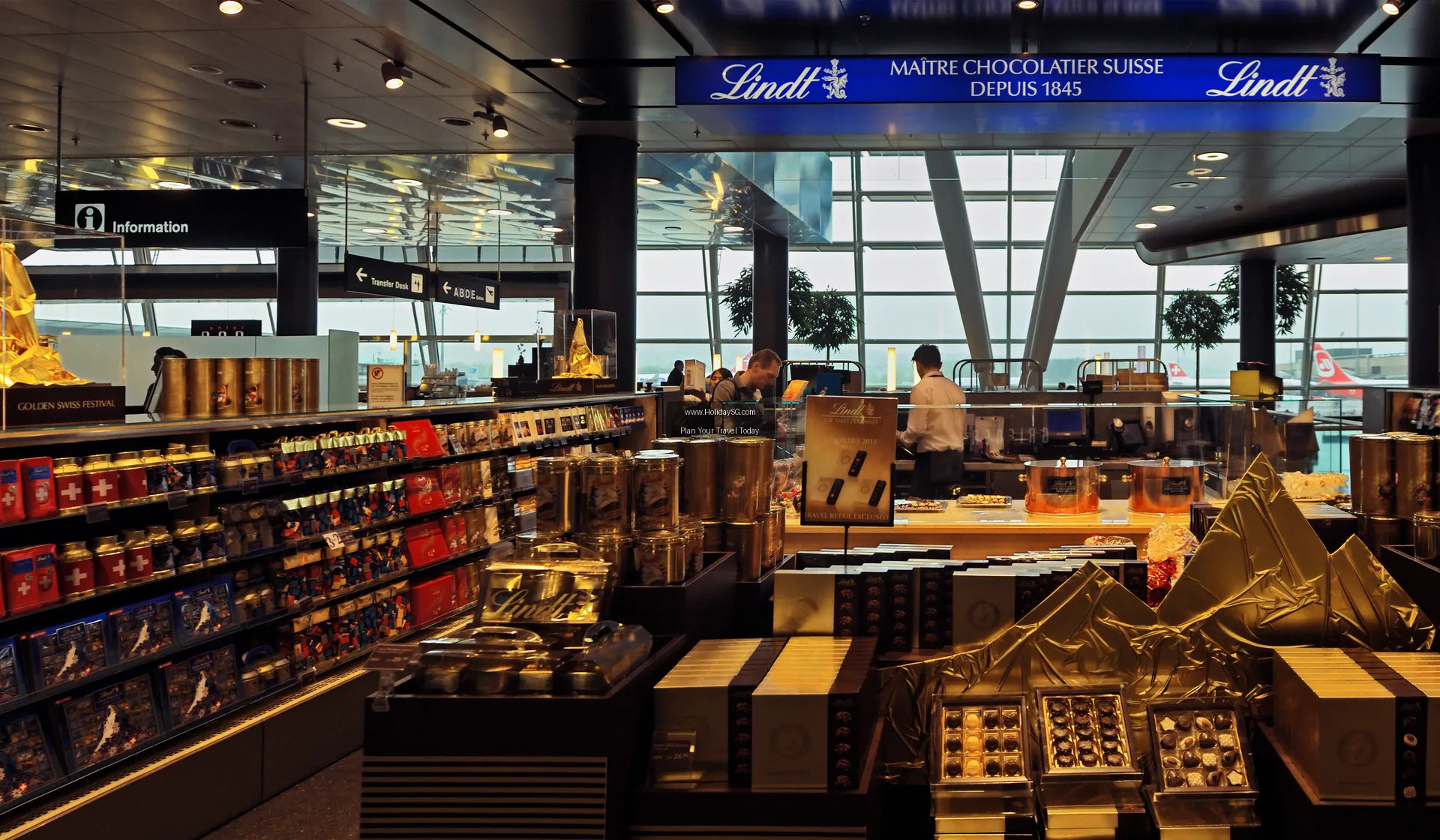
Must-try Swiss dishes include: fondue (melted cheese for dipping), raclette (melted cheese scraped onto potatoes), rösti (potato pancake), birchermüesli (oat dish), and local sausages like “bratwurst” or “viande des Grisons.” Also, indulge in world-famous Swiss chocolate and try local pastries like “Zürcher Geschnetzeltes” (sliced veal in cream sauce) or “Flammekueche” in the French-speaking regions.
Do I need travel insurance for Switzerland?
Yes, absolutely. While Switzerland is safe, healthcare is extremely expensive. Comprehensive travel insurance that covers medical emergencies, hospital stays, evacuation, and trip cancellation is essential. Check if your existing health insurance provides any coverage abroad, but a dedicated travel insurance policy is strongly recommended.
What is the currency and how do I pay?
The currency is the Swiss Franc (CHF). Euros are often accepted in tourist areas but at unfavorable exchange rates. Credit and debit cards (Visa, Mastercard) are widely accepted, even for small amounts. However, it’s wise to carry some cash (CHF) for smaller shops, mountain huts, or public toilets. ATMs (Bancomats) are readily available.
What is a Visitor Card and do I get one?
Many cities and regions offer a “Guest Card” or “Visitor Card” (like the “Bern Welcome Card” or “Lucerne Visitor Card”) to tourists staying in registered accommodation. This card typically provides free local public transport and/or discounts on attractions. Inquire at your hotel upon check-in or check the local tourism office website.
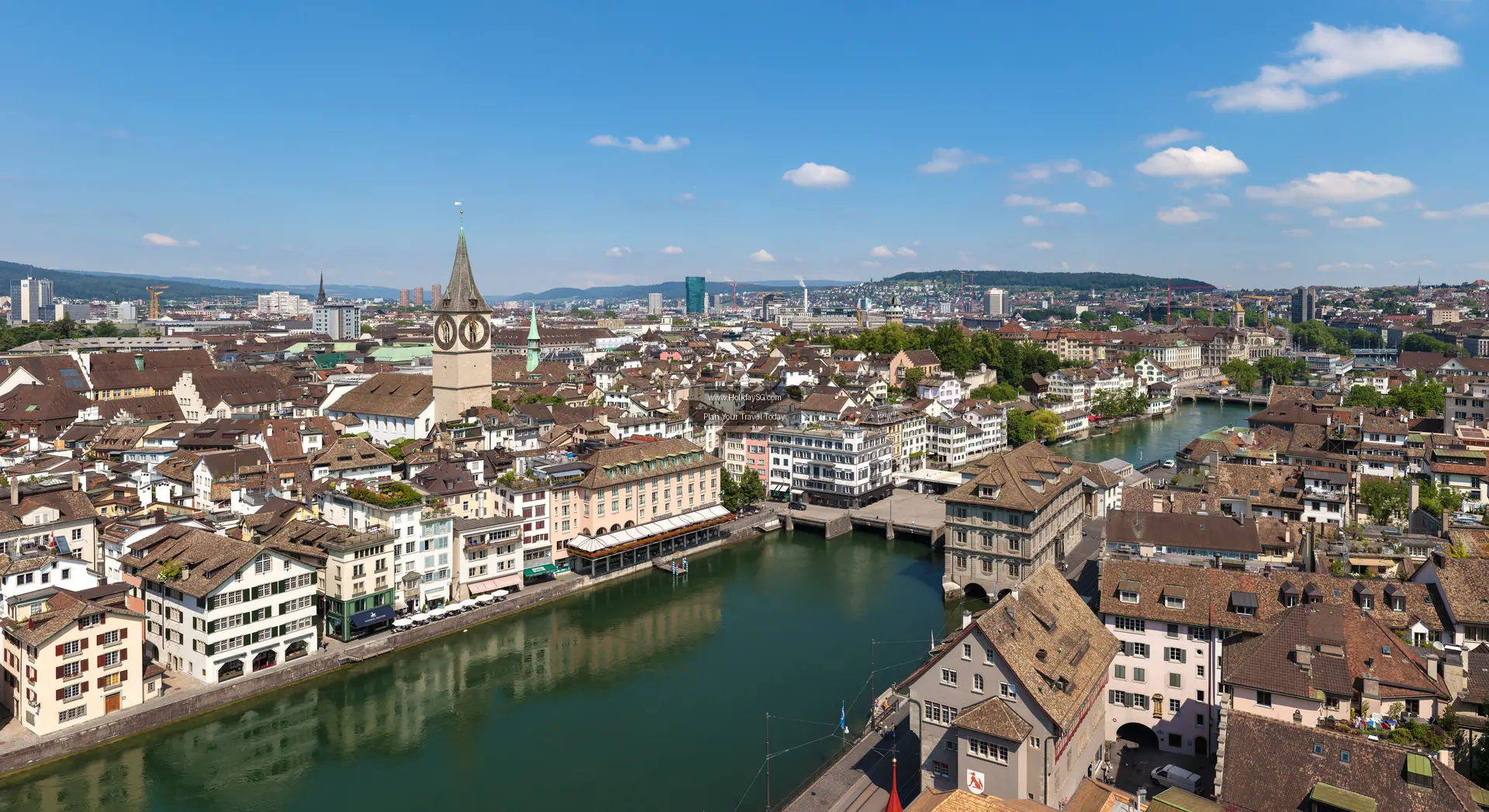
Are there any day trips from Zurich?
Yes, Zurich is an excellent base for day trips. Popular destinations include:
Lucerne (about 1 hour by train) with its iconic Chapel Bridge and lake.
The Rhine Falls near Schaffhausen (about 45 minutes), Europe’s largest waterfall.
The mountains of Appenzell or the Toggenburg region (about 1.5 hours).
A boat trip on Lake Zurich itself.
A regional day pass from SBB (Swiss Federal Railways) can make such trips cost-effective.
Do I need to speak German, French, or Italian?
No. English is very widely spoken, especially in the tourism sector, hotels, restaurants, and train stations. On national trains and in major attractions, information is provided in multiple languages, including English. Learning a few basic greetings in English (“Grüezi,” “Merci,” “Grazie,” “Danke”) is always appreciated.
What’s the difference between 1st and 2nd class on Swiss trains?
1st class offers wider, more comfortable seats with more legroom and quieter carriages. 2nd class is perfectly clean, safe, and comfortable for most travelers. The price difference can be 50-100% more for 1st class. For long journeys, 1st class might be worth the splurge, but for shorter trips, 2nd class is excellent value.
Is Switzerland accessible for travelers with disabilities?
Switzerland has made significant efforts to improve accessibility. The national railway (SBB) has wheelchair-accessible trains and stations with elevators and ramps. Many major attractions, hotels, and restaurants are accessible. However, navigating the steep, cobbled streets of old towns and some mountain railways can be challenging. It’s best to research specific attractions and transport routes in advance.
Can I use my mobile phone in Switzerland?
Yes, but roaming charges may apply depending on your home carrier. For affordable data, consider getting a local SIM card or using an eSIM. You can conveniently purchase a Switzerland Esim Free Roaming Mobile Data package for hassle-free connectivity during your trip.
What things cost in Switzerland
Live HolidaySG prices for the experiences in this guide, so you can sanity-check a budget before you commit.
Important: Some of the links recommended here are paid placements or have sponsored our stay in one way. We have paid for these accommodations ourselves. If you book through any of our links, we make a small commission at no extra cost to you. This helps keep our site running – so thank you in advance for your support!
Written by
HolidaySG Travel Team
Singapore-based travel specialists covering attractions, tours and travel experiences across Asia-Pacific and beyond. Licensed travel agency (TA04014).
This conversation was resolved. Reply below to continue, or
We use cookies
We use cookies to enhance your browsing experience, serve personalised content, and analyse our traffic. By clicking "Accept All", you consent to our use of cookies.
Read our Cookie Policy