Discover Switzerland’s Alpine peaks, scenic trains, and chocolate delights in 2026. Plan your dream trip with this ultim...
HolidaySG Travel Team
July 27, 2026
16 min read68 views
Discover Switzerland’s Alpine peaks, scenic trains, and chocolate delights in 2026. Plan your dream trip with this ultimate guide.
In this guide.
Switzerland travel guide 2026: alps, lakes, scenic trains and chocolate … is exactly what this guide covers.
Imagine jagged peaks piercing a cerulean sky, glacial lakes mirroring snow-capped giants, and a network of trains that feel like they’re rolling through a storybook. Switzerland is not just a destination; it’s an experience woven from precision, nature, and pure indulgence. For 2026, this Switzerland Travel Guide unveils the Alpine nation’s classic wonders—Alps, lakes, scenic trains, and chocolate—with fresh opportunities for discovery. Whether you’re here to conquer mountain passes, glide across serene waters, or lose yourself in the world’s finest chocolate, this guide is your roadmap to an unforgettable Swiss adventure.
TL;DR: Switzerland offers a flawless mix of breathtaking Alpine scenery, world-class scenic train journeys, and iconic cultural experiences like chocolate tastings. Plan to invest in a Swiss Travel Pass for cost-effective travel, choose your visit based on seasonal interests, and budget for a premium but rewarding trip.
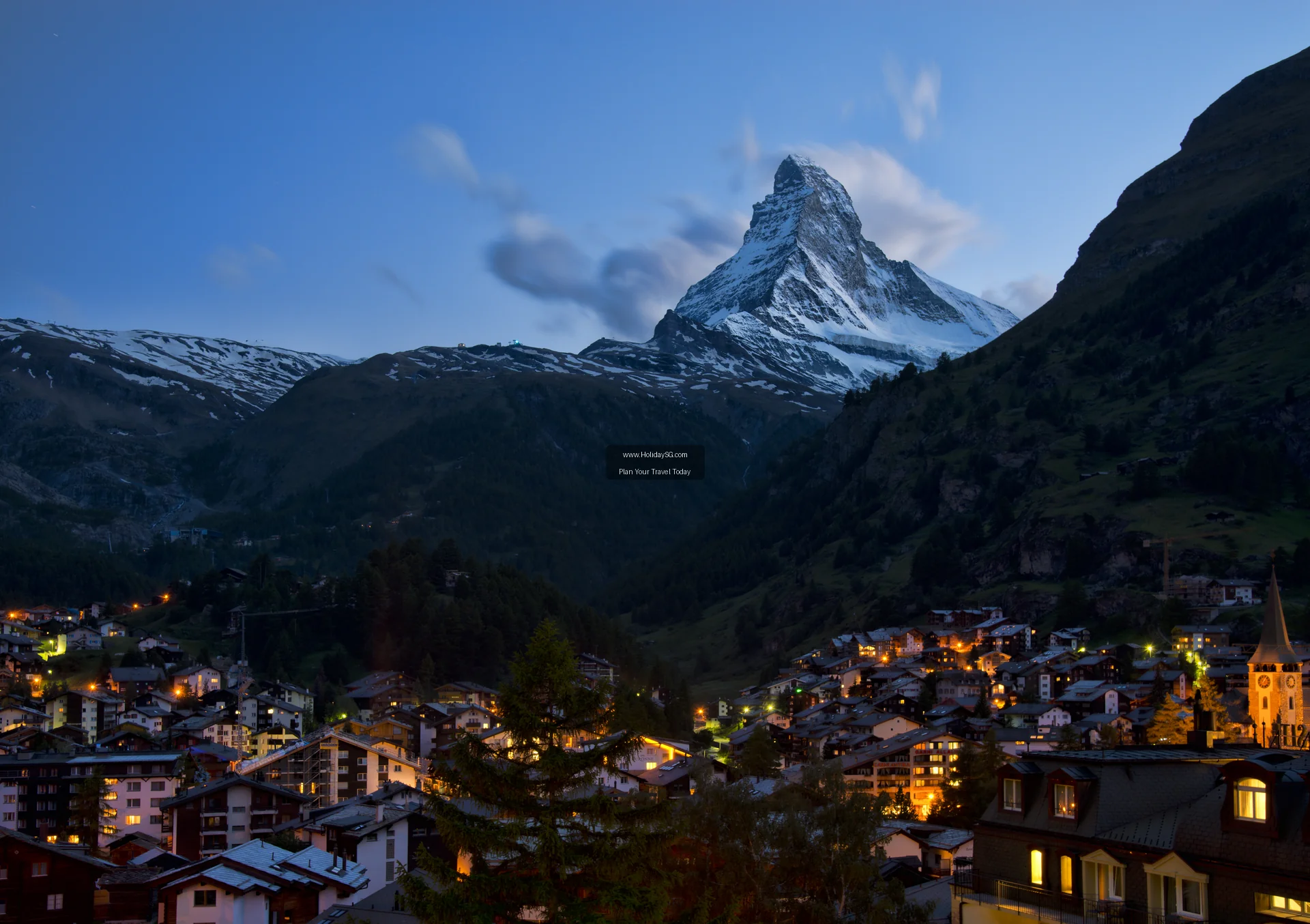
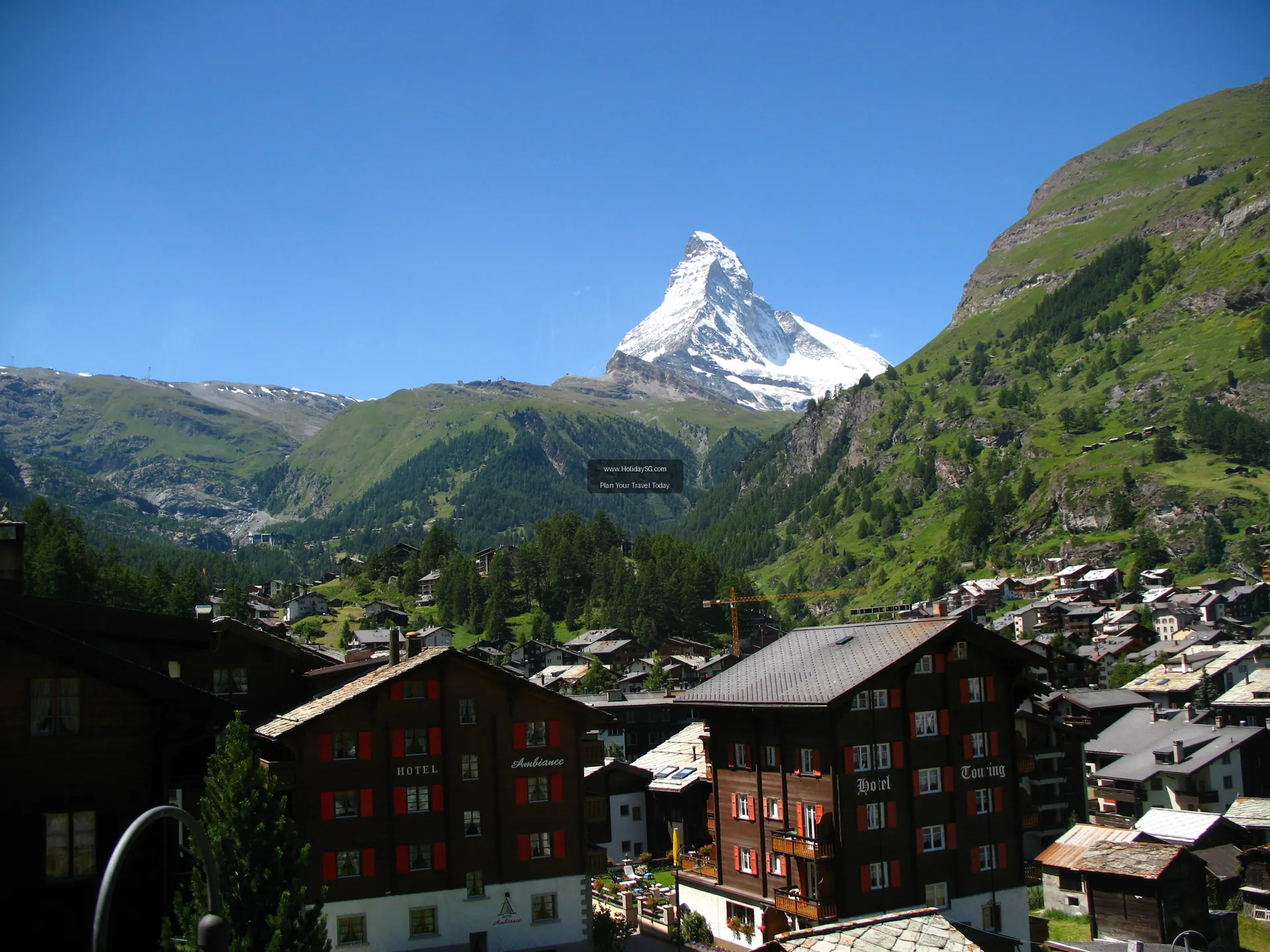
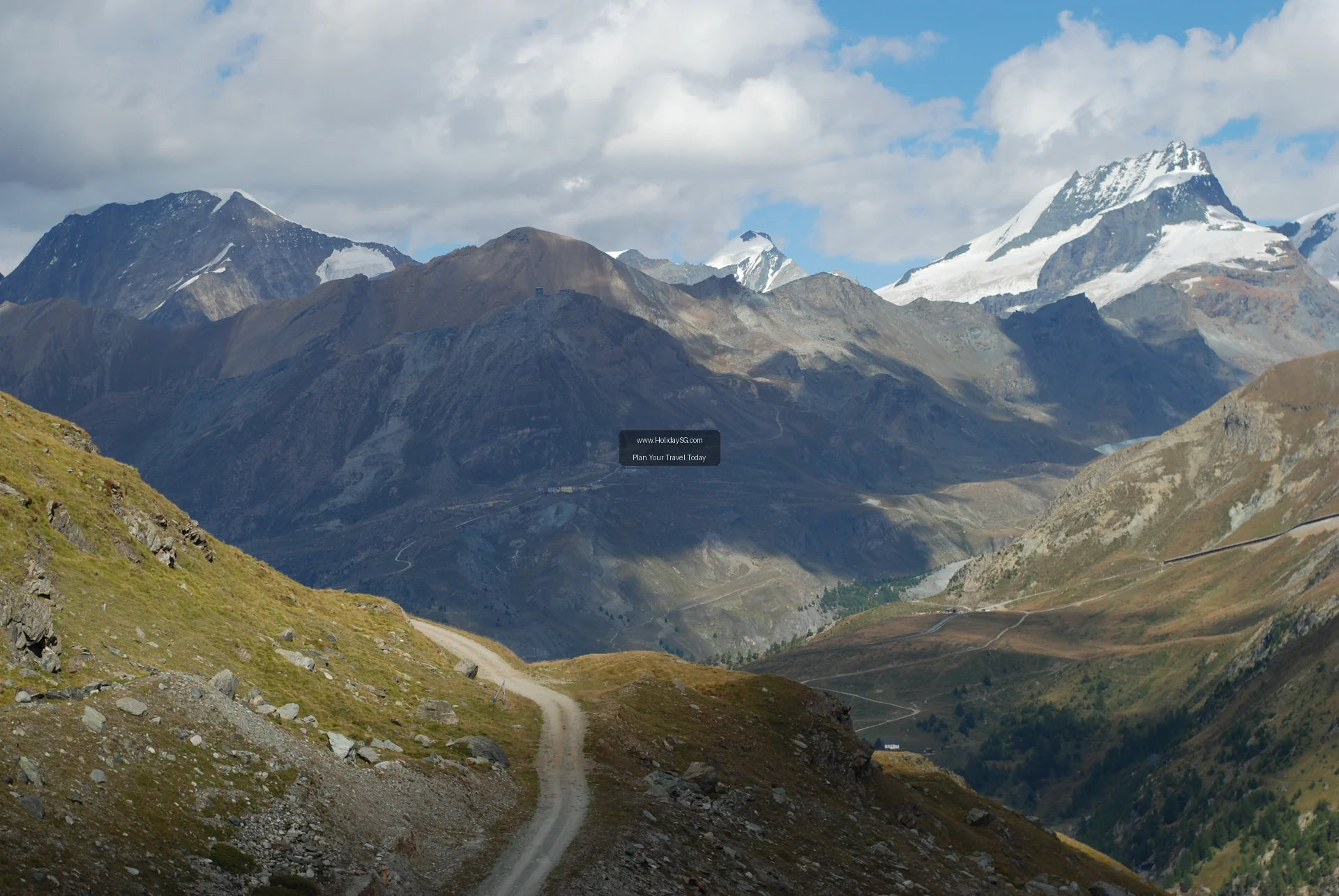
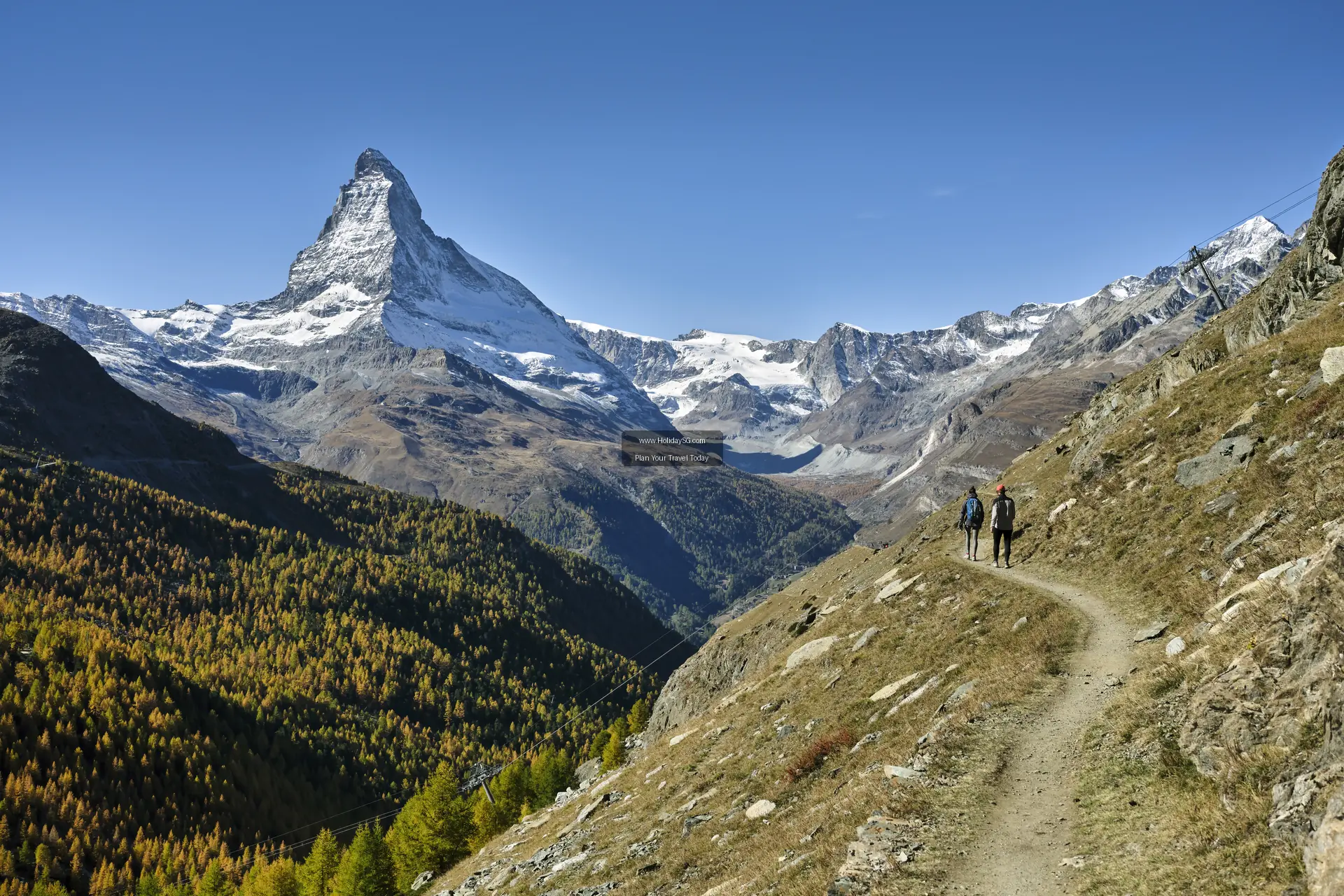
The Alps are Switzerland’s soul, offering dramatic landscapes that cater to every type of traveler. At the heart of this realm is Zermatt, a car-free village nestled beneath the iconic, pyramid-shaped Matterhorn. Here, you can take a cable car up to Gornergrat for jaw-dropping panoramas of 29 four-thousand-meter peaks. For a different kind of thrill, the Jungfrau region is home to Jungfraujoch – Top of Europe, the highest railway station in Europe. A cogwheel train takes you through the Eiger’s north face into a wonderland of ice and snow. To make the most of your day here, consider a guided experience like the Kleine Scheidegg Center Of The Alps Day Trip From Zurich, which simplifies the journey and enriches the experience.
Don’t overlook other alpine gems. The charming resort of Saas-Fee, surrounded by thirteen glaciers, offers a more relaxed, authentic vibe. And, of course, the formidable Eiger looms over the Grindelwald valley, its legendary north face a challenge for elite climbers and a spectacle for all.
In Switzerland, the journey is as important as the destination. The rail network is an engineering marvel that serves as one of the world’s greatest scenic tours. Board the Glacier Express for an eight-hour ride between Zermatt and St. Moritz, dubbed “the slowest express train in the world.” It crosses 291 bridges and 91 tunnels, offering unparalleled views of the Oberalp Pass and the Landwasser Viaduct. For an even more dramatic route, the Bernina Express from Chur to Tirano is a UNESCO World Heritage site. It climbs to over 2,200 meters, circling glaciers and offering breathtaking views of the Morteratsch glacier.
The GoldenPass Line provides a different kind of magic, connecting Lucerne with Montreux. You’ll witness a complete transformation of landscapes, from pastoral Lucerne lakeside through the Simmental Valley to the vineyards of Lavaux overlooking Lake Geneva. These trains are more than transport; they are curated, panoramic experiences.
Switzerland’s lakes are jewels set in the folds of its valleys, offering tranquility and recreation. Lake Geneva (Lac Léman) is the largest and most famous. A must-see is the fairytale Château de Chillon, perched on the lake’s eastern shore. Combine a castle visit with a stroll through the UNESCO-listed Lavaux vineyard terraces. Lake Lucerne is stunningly scenic, enclosed by peaks like Pilatus and Rigi. Boat cruises here offer ever-changing vistas of steep cliffs and charming lakeside villages.
Further south, the glacial Lake Thun, framed by the Eiger, Mönch, and Jungfrau, is perfect for a dip in summer or a reflective cruise. For a touch of Mediterranean flair, Lake Lugano, on the Italian border, is lined with palms, colorful towns, and invites you to enjoy a slower pace. For the best value on unlimited boat cruises, especially when combined with trains and buses, ensure your Swiss Travel Pass is in your pocket—it covers free travel on most lake steamers.
Chocolate is not just a treat in Switzerland; it’s a cultural institution. Go beyond the shop with immersive factory tours. The Lindt Home of Chocolate in Kilchberg (near Zurich) is a modern marvel with an interactive chocolate museum and the world’s largest Lindt chocolate shop. You can book your Lindt Home Of Chocolate Entry Ticket in advance to skip the line. For a more historical journey, visit the Cailler factory in Broc, where you’ll learn about the origins of Swiss chocolate and enjoy ample tastings.
In the cities, seek out Läderach for their incredible fresh chocolate ‘FrischSchoggi’ and Confiserie Sprüngli on Zurich’s Bahnhofstrasse for luxuriously filled pralines. For a comprehensive treat, a Mountains, Cheese and Chocolate Tour From Zurich can perfectly combine Alpine scenery with local gastronomic delights.
A key tool for navigating Switzerland efficiently is the Swiss Travel Pass. This all-in-one ticket offers unlimited travel on trains, buses, and boats within its validity period, plus free admission to over 500 museums. For 2026, pricing should remain competitive, with a 4-day consecutive pass costing around CHF 286 for second class. It provides flexibility and significant savings if you plan to move around frequently.
What’s included? All standard trains, most intercity buses, and lake boats. What’s not? Most mountain cable cars and cogwheel railways, but the pass does grant a 50% discount on them. To maximize its value, plan a multi-city or multi-region itinerary. For example, use your pass to seamlessly travel from Zurich to Lucerne via the GoldenPass Line, then use it for a lake cruise on Lake Lucerne. For shorter stays or regional exploration, the Swiss Half Fare Card is a great alternative, offering 50% off most tickets.
Timing your visit depends on your interests. Summer (June–August) is peak season for hikers and outdoor enthusiasts. The high alpine trails are open, lakes are accessible for swimming and cruising, and the weather is generally warm and sunny. This is the best time for classic Alpine experiences.
Winter (December–March) transforms the country into a snowy paradise. It’s the season for skiing and snowboarding in world-class resorts like Zermatt, Verbier, and St. Moritz. Christmas markets in cities like Zurich and Montreux add a festive magic. If you prefer fewer crowds and a quieter atmosphere, autumn (September–October) is ideal. The fall foliage is spectacular, especially around lakes Lucerne and Lugano, and mountain railways are still operational for stunning views.
Budgeting and Money-Saving Tips
Let’s address the elephant in the room: Switzerland is expensive. However, it’s manageable with smart planning. A realistic daily budget for a mid-range traveler is CHF 250–350 per person. This covers a nice hotel room, meals in moderately priced restaurants (like a midday ‘Tagestisch’ or daily special), local transport, and one paid attraction.
How to save: Embrace supermarket meals. Stores like Migros and Coop offer high-quality sandwiches, salads, and ready-made meals for a fraction of restaurant prices. Utilize the Swiss Travel Pass or Half Fare Card extensively. Carry a reusable water bottle; tap water is pristine and free everywhere. For accommodation, consider staying slightly outside major tourist hubs or look into aparthotels with kitchen facilities.
Languages: Switzerland has four official languages—German (63%), French (23%), Italian (8%), and Romansh in parts of Graubünden. Don’t worry, English is widely spoken in tourist areas, hotels, and on public transport.
Safety: Switzerland is one of the safest countries in the world, with very low crime rates. Exercise normal precautions, and you’ll have a worry-free trip.
Visas: Many nationalities can enter the Schengen Area, which includes Switzerland, visa-free for up to 90 days. Always check the latest requirements for your specific passport before booking.
Mountain Weather: Conditions can change in an instant at high altitudes. Always check live weather reports and webcams before ascending any mountain. Even in summer, pack layers, a rain jacket, and sturdy footwear. The Swiss National Park is a prime example of where these rules are paramount, as highlighted in our guide to responsible hiking in the Alps.
Switzerland is a masterclass in harmony—where man-made engineering perfectly complements natural grandeur. From the thunderous silence of the high Alps to the rhythmic chug of a panoramic train and the sweet melt of world-class chocolate, it’s a country that engages all the senses. Plan wisely, embrace the journey, and you’ll discover why this Alpine heartland has captured the imagination of travelers for centuries. Ready to explore? Check out our Switzerland Half Fare Card For Trains Buses And Boats to start your adventure on the right track!
Book with HolidaySG online for Switzerland Half Fare Card For Trains Buses And Boats, Swiss Chocolate Adventure Ticket At The Swiss Museum, Mountains Cheese And Chocolate Tour From Zurich.
“`html
Frequently Asked Questions
Where can I book the Switzerland Half Fare Card for trains, buses, and boats?
You can book the Switzerland Half Fare Card directly through the provided link. This card offers significant discounts on public transport across Switzerland.
Where can I book the Swiss Chocolate Adventure Ticket at the Swiss Museum of Transport?
The Swiss Chocolate Adventure Ticket can be booked online via the link. It includes entry to the museum and a chocolate-themed experience.
Where can I book the Mountains, Cheese, and Chocolate Tour from Zurich?
Do foreigners (non-citizens) need a different ticket, price, or visa for Switzerland?
Switzerland is part of the Schengen Zone, so travelers from many countries (including Singapore) can enter visa-free for short stays (typically up to 90 days). However, visa requirements vary by nationality, so it’s best to check the latest rules on the official Swiss government website. As for tickets and prices, most attractions and transport options offer the same rates for foreigners as for Swiss residents, though some discounts (like rail passes) may require proof of residency.
What is the best time to visit the Swiss Alps?
The best time to visit the Swiss Alps depends on your interests. For skiing and winter sports, December to March is ideal. For hiking, wildflowers, and pleasant weather, June to September is perfect. If you prefer fewer crowds and lower prices, consider May or October. Early mornings are best for scenic train rides to avoid crowds and enjoy clearer views.
What is the best time to visit the Lindt Home of Chocolate?
The Lindt Home of Chocolate is best visited on weekday mornings to avoid crowds. The experience is indoors, so it’s great year-round, but visiting during off-peak hours (before 11 AM or after 3 PM) ensures a more relaxed experience.
How long should I spend in Switzerland to explore the Alps, lakes, and cities?
A well-balanced trip to Switzerland typically requires 7 to 10 days. This allows time to explore Zurich (1-2 days), the Jungfrau region (2-3 days), Interlaken and its lakes (2 days), Lucerne (1-2 days), and a scenic train journey like the Glacier Express (1 day). If you’re short on time, a 5-day trip focusing on Zurich and the Jungfrau region is still rewarding.
Is Switzerland expensive for travelers?
Yes, Switzerland is one of the most expensive countries in Europe. Budget travelers should expect to spend around CHF 100-150 per day, while mid-range travelers may spend CHF 200-300 per day. Costs include accommodation (CHF 100-250/night), meals (CHF 20-50 per meal), transport (CHF 50-100/day with a rail pass), and attractions (CHF 20-50 per entry). The Switzerland Half Fare Card can help reduce transport costs.
How do I get around Switzerland efficiently?
Switzerland’s public transport system is one of the best in the world. Trains, buses, and boats are punctual, clean, and cover even remote areas. The Swiss Travel Pass or Half Fare Card is highly recommended for unlimited or discounted travel. For scenic routes, prioritize the Glacier Express, Bernina Express, and GoldenPass Line.
Are Switzerland’s scenic trains wheelchair accessible?
Most of Switzerland’s scenic trains, including the Glacier Express and Bernina Express, are wheelchair accessible. Stations in major cities like Zurich, Lucerne, and Interlaken also have ramps and elevators. However, some older stations in rural areas may have limited accessibility. It’s best to check with the Swiss Federal Railways (SBB) for specific routes and assistance.
Is Switzerland family-friendly?
Absolutely! Switzerland is a fantastic destination for families. Attractions like the Lindt Home of Chocolate, Swiss Museum of Transport, and Jungfraujoch (with its snow activities) are great for kids. Many hotels offer family rooms, and restaurants provide high chairs and kid-friendly menus. The efficient public transport system makes it easy to travel with strollers.
What should I pack for a trip to the Swiss Alps?
Pack layers for the Swiss Alps, as weather can change quickly. Essentials include:
A waterproof jacket (even in summer)
Sturdy hiking shoes or boots
Sunglasses and sunscreen (UV rays are stronger at high altitudes)
A reusable water bottle
A power adapter (Switzerland uses Type J plugs)
Comfortable clothing for layering (temperatures can drop below freezing at high altitudes)
For winter trips, add thermal wear, gloves, and a hat.
Is Switzerland safe for solo travelers?
Switzerland is one of the safest countries in the world for solo travelers, including women. Crime rates are low, and public transport is reliable. However, always take standard precautions like keeping valuables secure and avoiding isolated areas at night. English is widely spoken, making communication easy.
What is the weather like in Switzerland?
Switzerland has a temperate climate with four distinct seasons. Summers (June-August) are warm (18-28°C) but can be rainy. Winters (December-February) are cold (-2 to 7°C), with snow in the Alps. Spring (March-May) and autumn (September-November) are mild but unpredictable. Mountain weather changes rapidly, so always check forecasts before hiking or skiing.
What local foods should I try in Switzerland?
Swiss cuisine is hearty and delicious. Must-try dishes include:
Fondue: Melted cheese with bread (best in winter)
Raclette: Melted cheese served with potatoes and pickles
Rösti: A crispy potato pancake, often served with meat or eggs
Älplermagronen: Alpine macaroni with cheese, potatoes, and cream
Swiss chocolate: Try brands like Lindt, Toblerone, and Läderach
Swiss meringues with double cream: A sweet treat from the Gruyères region
Pair meals with local wines or Rivella (a Swiss soft drink).
Do I need to tip in Switzerland?
Tipping is not mandatory in Switzerland, as service charges are included in bills. However, it’s customary to round up the bill or leave a 5-10% tip for good service. For example, if your meal costs CHF 47, you can round up to CHF 50. Tipping is appreciated but not expected in taxis or hotels.
What are some must-visit attractions near Zurich?
Near Zurich, don’t miss:
Lucerne: A picturesque city with the Chapel Bridge and Mount Pilatus (1-hour train ride)
Rheinfall: Europe’s largest waterfall (1-hour train ride to Schaffhausen)
Jungfraujoch: The “Top of Europe” with stunning glaciers (2.5-hour train ride)
Mount Titlis: A year-round snow destination with a rotating cable car (2-hour train ride)
Lindt Home of Chocolate: A chocolate lover’s paradise (20-minute train ride to Kilchberg)
Can I use Euros in Switzerland?
Switzerland’s official currency is the Swiss Franc (CHF). While some tourist-heavy areas (like Zurich or Lucerne) may accept Euros, you’ll often receive change in CHF at unfavorable exchange rates. It’s best to pay in Swiss Francs for better value. ATMs and credit cards are widely accepted, but notify your bank before traveling.
What is the etiquette for visiting Swiss churches or religious sites?
Swiss churches and religious sites are generally open to visitors, but respectful behavior is expected. Dress modestly (avoid shorts or sleeveless tops), keep noise levels low, and avoid taking photos during services. Some churches may charge a small fee for entry to historic areas.
Are there any cultural customs I should be aware of in Switzerland?
Swiss people value punctuality, so always arrive on time for tours, trains, or reservations. Greetings are typically a handshake with direct eye contact. In German-speaking regions, use “Grüezi” (hello) and “Danke” (thank you). In French-speaking areas, say “Bonjour” and “Merci.” Avoid loud conversations in public transport, and always recycle (Switzerland has strict waste separation rules).
What are the best day trips from Zurich for chocolate lovers?
For chocolate enthusiasts, these day trips from Zurich are a must:
Lindt Home of Chocolate: A 20-minute train ride to Kilchberg, featuring a chocolate fountain and interactive exhibits.
Cailler Chocolate Factory (Broccard): Located in Gruyères, this 2-hour train ride offers a historic chocolate-making experience.
How do I get from Zurich Airport to the city center?
Zurich Airport (ZRH) is just 10 km from the city center, making it easy to reach. Options include:
Train: The fastest option (10-15 minutes) to Zurich HB (main station). Trains run every 5-10 minutes, and tickets cost CHF 6.80 (or free with a Half Fare Card).
Tram: Tram 10 runs directly to the city center (35 minutes, CHF 6.80).
Taxi: A 15-minute ride costing CHF 50-70.
Rental Car: Available at the airport, but not recommended for city travel due to high parking costs.
“`
What things cost in Switzerland
Live HolidaySG prices for the experiences in this guide, so you can sanity-check a budget before you commit.
Important: Some of the links recommended here are paid placements or have sponsored our stay in one way. We have paid for these accommodations ourselves. If you book through any of our links, we make a small commission at no extra cost to you. This helps keep our site running – so thank you in advance for your support!
Written by
HolidaySG Travel Team
Singapore-based travel specialists covering attractions, tours and travel experiences across Asia-Pacific and beyond. Licensed travel agency (TA04014).
This conversation was resolved. Reply below to continue, or
We use cookies
We use cookies to enhance your browsing experience, serve personalised content, and analyse our traffic. By clicking "Accept All", you consent to our use of cookies.
Read our Cookie Policy