

Thailand remains one of Asia’s most irresistible destinations, blending golden temples, turquoise waters, and a culture as warm as its tropical sun. Whether you’re drawn to Bangkok’s neon-lit streets, Chiang Mai’s misty mountains, or the Andaman Coast’s postcard-perfect beaches, this Thailand Travel Guide 2026: Complete Planning Resource ensures your trip is seamless—from visa rules to hidden gems.
Thailand’s best weather runs November–April, but regional variations mean Gulf Coast islands shine in summer. Budget 800–5,000 THB/day, pack modest temple attire, and skip elephant rides for ethical sanctuaries. Grab a local SIM card at the airport to stay connected.
**When to Go: Thailand’s Weather by Season**
Thailand’s climate splits into three seasons, but geography plays a starring role. The cool and dry season (November–early April) is peak travel time, with temperatures hovering around 25–32°C (77–90°F) and minimal rain. This is ideal for exploring Bangkok’s temples, trekking in Chiang Mai, or island-hopping along the Andaman Coast (Phuket, Krabi, Phi Phi).
For fewer crowds and lower prices, visit during the shoulder seasons (May–June, September–October). Expect brief afternoon showers, but lush landscapes and cheaper hotel rates. The low season (July–August, late April–early May) brings heat and humidity, but it’s the best time for the Gulf Coast—Koh Samui, Koh Phangan, and Koh Tao bask in sunshine while the Andaman Coast faces monsoons.
Pro tip: If you’re chasing festivals, plan around Songkran (April) for Thailand’s legendary water fights or Yi Peng (November) for Chiang Mai’s magical sky lanterns—book a lantern-release experience early, as spots sell out.
**Must-See Attractions: Thailand’s Regions Unpacked**
Ready to go? Book E Sim Thailand True Dtac Data Plan Tourist Travel Esim Internet Total Data E Sim with HolidaySG.
**Bangkok: Temples, Markets, and Michelin-Starred Street Food**
The capital is a whirlwind of contrasts. Start at the Grand Palace, home to the revered Emerald Buddha, then cross the Chao Phraya River to Wat Arun, its porcelain-encrusted spires glowing at sunset. For a taste of local life, dive into Chatuchak Weekend Market (15,000 stalls!) or Yaowarat (Chinatown) for fiery crab curry and mango sticky rice.
Don’t miss: A Chao Phraya dinner cruise—many include live traditional dance performances. For a quirky twist, visit the Museum of Contemporary Art (MOCA) or sip cocktails at a rooftop bar like Vertigo at Banyan Tree.
**Chiang Mai & Northern Thailand: Culture and Jungle Adventures**
Northern Thailand offers cooler temperatures and a slower pace. Doi Suthep Temple rewards climbers with panoramic city views, while Elephant Nature Park provides ethical encounters with rescued elephants (no riding—just feeding and bathing).
Hidden gem: Doi Inthanon National Park, Thailand’s highest peak, boasts waterfalls, hill-tribe villages, and the surreal Twin Pagodas. At night, Sunday Walking Street transforms the Old City into a handicraft paradise.
**Central Thailand: History and Scenic Train Rides**
Just 90 minutes from Bangkok, Ayutthaya Historical Park (a UNESCO site) lets you wander ancient temple ruins by bike. For a dose of nostalgia, ride the Death Railway in Kanchanaburi, a WWII-era route with stunning views of the River Kwai. Nearby, Erawan Falls’ seven-tiered turquoise pools are perfect for a refreshing dip.
Local tip: Skip the touristy Damnoen Saduak Floating Market and opt for Amphawa, where vendors sell grilled seafood from wooden boats at dusk.
**Southern Thailand: Beaches and Island Escapes**
**Andaman Coast (Phuket, Krabi, Phi Phi)**
The Andaman Sea dazzles with limestone cliffs and crystal waters. Railay Beach is a rock-climber’s paradise (accessible only by boat), while Maya Bay (from The Beach) has reopened with strict visitor limits. For diving, the Similan Islands offer world-class coral reefs.
Pro tip: Avoid Phuket’s Patong Beach if you dislike crowds—Freedom Beach or Nai Harn Beach offer serene alternatives.
**Gulf Coast (Koh Samui, Koh Phangan, Koh Tao)**
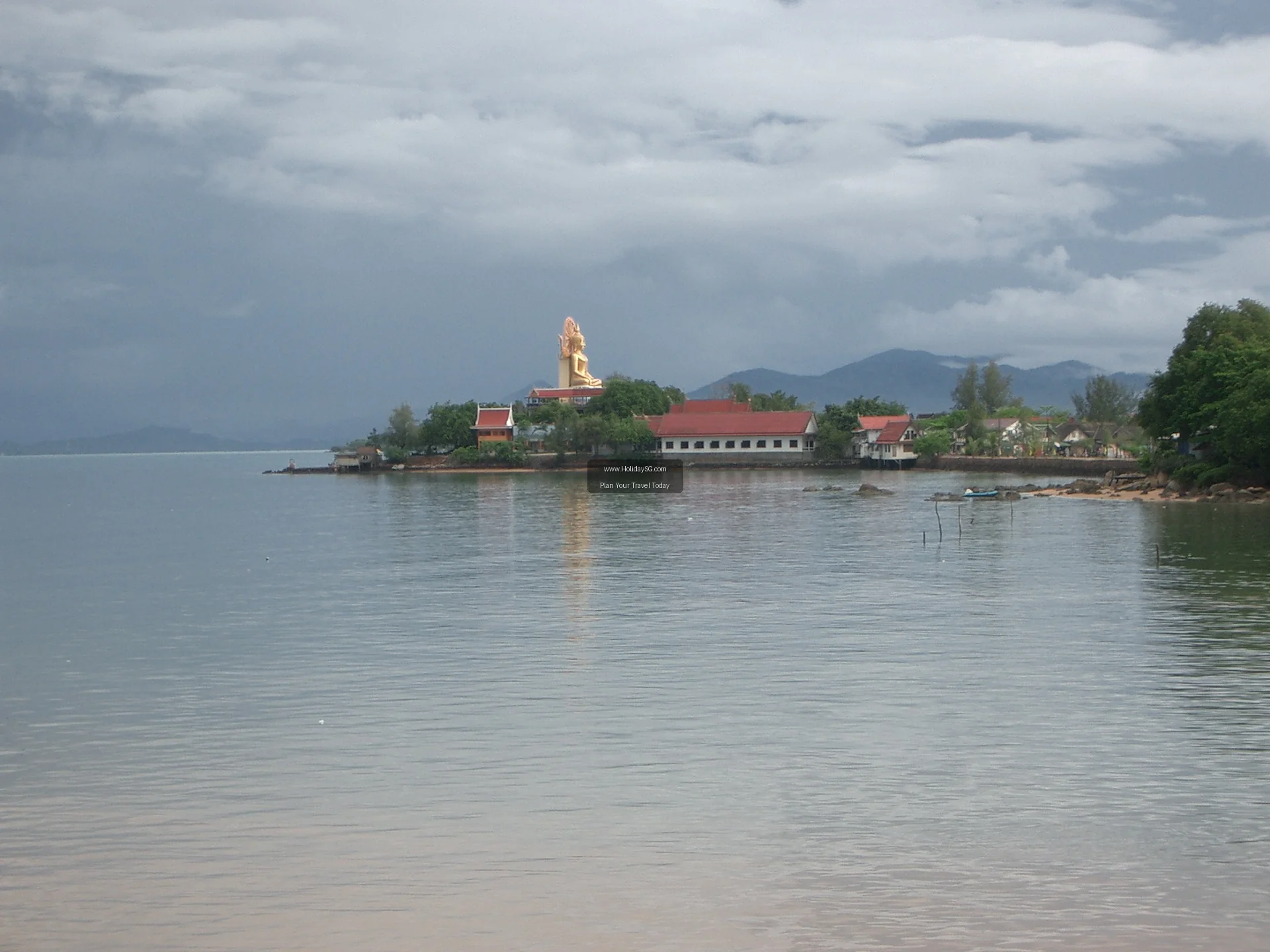
Koh Samui’s Chaweng Beach buzzes with beach clubs and nightlife, while Lamai Beach is quieter. Nearby, Koh Phangan’s Full Moon Party is legendary, but Bottle Beach and Zen Beach provide tranquil retreats. Koh Tao, a diver’s haven, has affordable PADI courses and vibrant coral gardens at Shark Bay.
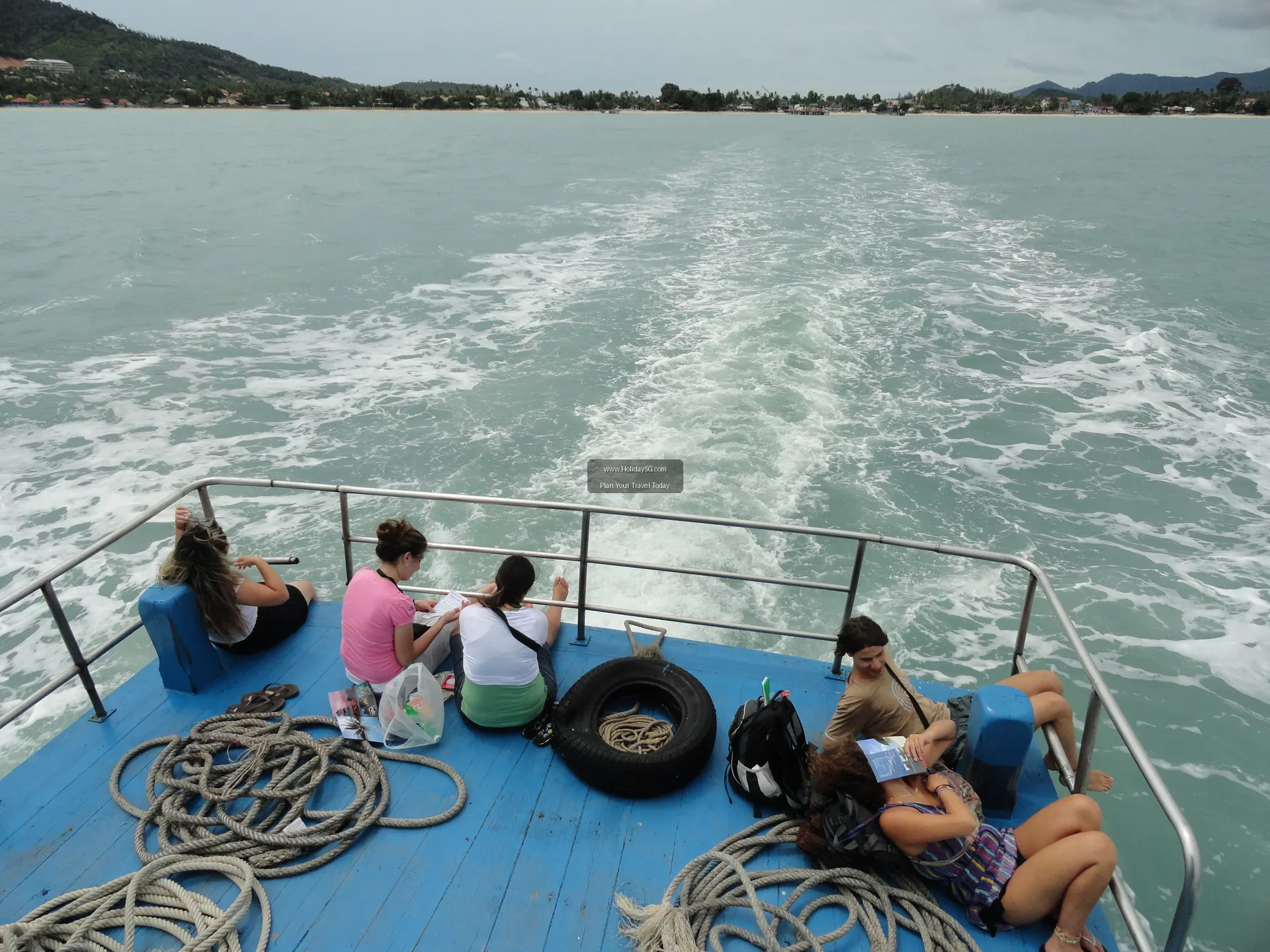
Budget hack: Ferries are cheaper than flights, but book in advance during peak season (November–April).
**Visa Rules for 2026: What You Need to Know**
Most travelers enjoy visa-exempt entry for 30 days (by air) or 15 days (by land). For longer stays, apply for a 60-day tourist visa (single or multiple entry) at a Thai embassy or via the e-visa portal (launched in 2024). Overstaying incurs fines (500 THB/day, up to 20,000 THB), so plan ahead.
Note: Rules can change—check the Thai Ministry of Foreign Affairs for 2026 updates before traveling.
**Thailand Travel Budget: How Much Will It Cost?**
Ready to go? Book E Sim Thailand True Dtac Data Plan Tourist Travel Esim Internet Total Data E Sim with HolidaySG.
| Travel Style | Daily Budget (THB) | What’s Included |
|---|---|---|
| Budget | 800–1,500 | Hostels, street food, local buses |
| Mid-Range | 2,000–4,000 | 3-star hotels, restaurants, domestic flights |
| Luxury | 5,000+ | 5-star resorts, private tours, fine dining |
Money-saving tips:
- Eat at 7-Eleven (yes, really—microwaved pad thai is shockingly good).
- Use Grab (Asia’s Uber) for taxis to avoid haggling.
- Book trains/buses via HolidaySG online.
**Getting Around: Trains, Buses, and Tuk-Tuks**
**Domestic Flights**
Budget airlines like AirAsia and Nok Air offer cheap flights between Bangkok, Chiang Mai, Phuket, and Krabi. Bangkok Airways serves smaller airports like Koh Samui (but tickets are pricier).
**Trains**
Overnight sleeper trains (Bangkok–Chiang Mai) are a scenic, budget-friendly option. Book 1st-class cabins for privacy or 2nd-class for a social vibe. The Death Railway (Kanchanaburi) is a must for history buffs.
**Buses**
Government buses are reliable and cheap, but VIP buses (with reclining seats) are worth the splurge for long journeys. Overnight buses save on accommodation costs.
**Local Transport**
- Tuk-tuks: Agree on a price before hopping in (or use Grab for fixed rates).
- Songthaews: Shared red trucks in Chiang Mai—flag one down and shout your destination.
- Motorbikes: Rentals are common on islands, but wear a helmet and check for hidden damage.
**Money Matters: ATMs, Tipping, and Bargaining**
Ready to go? Book E Sim Thailand True Dtac Data Plan Tourist Travel Esim Internet Total Data E Sim with HolidaySG.
Thailand’s currency is the Thai Baht (THB). ATMs are everywhere, but withdrawals incur a 220 THB fee (use a card with no foreign transaction fees). Credit cards are accepted in cities, but cash is king in markets and rural areas.
Tipping isn’t mandatory, but it’s appreciated:
- Restaurants: 10% if no service charge.
- Drivers/guides: 20–50 THB per day.
- Massage parlors: 50–100 THB for a 1-hour massage.
Bargaining: Expected in markets (start at 50% of the asking price and negotiate with a smile).
**Staying Safe and Healthy**
**Health Precautions**
- Vaccinations: Hepatitis A/B, Typhoid, and Tetanus are recommended. Malaria prophylaxis is advised for rural/forested areas.
- Food/water: Stick to bottled or filtered water and avoid ice in street drinks. Street food is safe if it’s cooked fresh in front of you.
- Mosquitoes: Dengue fever is a risk—use repellent with DEET.
**Common Scams**
- “Temple is closed” tours: Ignore touts offering alternative tours—they’re scams.
- Gem scams: If a friendly local tells you about a “government gem sale,” walk away.
- Jet ski rentals: Inspect for damage before renting, or you might be blamed for “pre-existing scratches.”
**Emergency Numbers**
- Police: 191
- Tourist Police: 1155 (English-speaking)
- Ambulance: 1669
**Cultural Etiquette: Do’s and Don’ts**
Ready to go? Book E Sim Thailand True Dtac Data Plan Tourist Travel Esim Internet Total Data E Sim with HolidaySG.
Thais value respect and harmony. Follow these customs to blend in:
- Dress modestly at temples (cover shoulders and knees).
- Remove shoes before entering homes and some shops.
- Avoid touching heads (considered sacred) or pointing feet at people/Buddhas.
- Use the wai greeting (palms together, slight bow) to show respect.
- Keep your cool—raising your voice or losing your temper is seen as rude.
Public displays of affection are frowned upon, especially in rural areas.
**Language Basics: Key Thai Phrases**
English is widely spoken in tourist areas, but learning a few Thai phrases goes a long way:
- Hello: Sawasdee (ka/kráp for women/men)
- Thank you: Khop khun (ka/kráp)
- How much?: Tao rai?
- Delicious: Aroy
- No spicy: Mai phet
**Staying Connected: SIM Cards and Wi-Fi**
Ready to go? Book E Sim Thailand True Dtac Data Plan Tourist Travel Esim Internet Total Data E Sim with HolidaySG.
Thailand has excellent 4G coverage, even on islands. Buy a tourist SIM card at the airport (AIS, DTAC, or TrueMove) for as little as 300 THB (15GB data). For hassle-free connectivity, consider an unlimited data eSIM—activate it before landing to skip queues.
Free Wi-Fi is available in cafes, malls, and hotels, but a local SIM ensures you’re always connected.
**Festivals and Events in 2026**
Thailand’s festivals are a riot of color and culture. Mark your calendar for:
- Songkran (April 13–15): Thailand’s New Year water festival—expect epic water fights nationwide.
- Loy Krathong & Yi Peng (November): Float banana-leaf baskets (krathongs) on rivers and release sky lanterns in Chiang Mai.
- Full Moon Party (monthly): Koh Phangan’s legendary beach party (check 2026 dates).
- Vegetarian Festival (October): Phuket’s street processions feature extreme rituals (firewalking, body piercings).
**FAQs: Your Thailand Travel Questions Answered**
Ready to go? Book E Sim Thailand True Dtac Data Plan Tourist Travel Esim Internet Total Data E Sim with HolidaySG.
**Is Thailand safe for solo female travelers?**
Yes, but take standard precautions: avoid isolated areas at night, dress modestly, and trust your instincts. Join Facebook groups like Girls Love Travel Thailand for local tips.
**Can I drink the tap water?**
No—stick to bottled or filtered water. Even locals boil or filter tap water.
**How much should I tip?**
Not mandatory, but appreciated:
- Drivers/guides: 20–50 THB per day.
- Restaurants: 10% if no service charge.
- Massage: 50–100 THB for a 1-hour session.
**Are there vegetarian/vegan options?**
Absolutely! Look for Jay food (strict vegetarian) or halal options in Muslim-majority areas (e.g., Yala, Pattani). Many restaurants offer vegan versions of Thai classics.
**What’s the deal with elephant sanctuaries?**
Avoid riding elephants—it’s cruel and supports exploitation. Instead, visit ethical sanctuaries like Elephant Nature Park (Chiang Mai) or Boon Lott’s Elephant Sanctuary (Sukhothai), where elephants roam freely and visitors observe (not ride).
**Recommended HolidaySG Tours**
- Yee Peng Lanna Sky Lantern Festival 2026
- Thailand Tourist SIM Card (Total Data Package)
- Thailand Unlimited 4G/5G Data eSIM
**Final Tips for an Amazing Thailand Trip**
Ready to go? Book E Sim Thailand True Dtac Data Plan Tourist Travel Esim Internet Total Data E Sim with HolidaySG.
- Packing essentials: Lightweight clothing, sunscreen, mosquito repellent, and a sarong (doubles as a temple cover-up).
- Booking platforms: Use HolidaySG for tours, Agoda for hotels, and HolidaySG for transport tickets.
- Sustainable travel: Bring a reusable water bottle (many hotels have refill stations), avoid single-use plastics, and support local businesses.
Thailand rewards travelers who venture beyond the guidebook. Whether you’re sipping coconut water on a secluded beach, chatting with monks at a temple, or feasting on street food under neon lights, the Land of Smiles delivers unforgettable experiences. Ready to plan your dream trip? Experience the magic of the Yee Peng Lanna Sky Lantern Festival 2026 and let your adventure begin!
Book these with HolidaySG:
Book with HolidaySG online for Yee Peng Lanna Sky Lantern Festival 2026 Ylf2026 24 25 November, Sim Card Thailand Data Plan Tourist Simcard Internet Travel Package Total Data, Esim Thailand Bangkok Big Data Travel Sim Thailand Kuota Besar.
Book with HolidaySG online for E Sim Thailand True Dtac Data Plan Tourist Travel Esim Internet Total Data E Sim, Commbitz Thailand E Sim Package, Classic Thailand Day Tour Damnoen Saduak Floating Market Elephant Camp.
Book these with HolidaySG: