

The 10 best indonesia sights & landmarks is exactly what this guide covers.
Introduction: Indonesia’s Archipelago of Wonders
Stretching across the equator, Indonesia is a nation of over 17,000 islands, where every horizon promises a new adventure. It’s a place where ancient Hindu and Buddhist monuments stand in serene contrast to the smoke-belching cones of active volcanoes, and where lush jungle gives way to some of the most biodiverse coral reefs on the planet. This is a land of dramatic contrasts and profound beauty, a true archipelago of wonders.
But with such a vast array of choices, where do you start? The 10 best Indonesia sights and landmarks, from the cultural heart of Java to the mythical shores of Bali and the untamed wilderness of its eastern islands, represent the very essence of an Indonesian journey. They are the icons that have shaped its history, its landscape, and the dreams of travellers worldwide.
Indonesia offers an unmatched blend of cultural heritage, dramatic natural landscapes, and world-class underwater ecosystems. This guide lists the top 10 must-see landmarks, focusing on iconic temples, volcanic treks, and pristine marine parks, while providing practical tips on costs, timing, and logistics to plan your perfect trip.
Java: The Cultural Heartbeat
Ready to go? Book Esim Indonesia Telkomsel Unlimited Travel Sim Indonesia Global with HolidaySG.
1. Borobudur Temple: The World’s Largest Buddhist Sanctuary
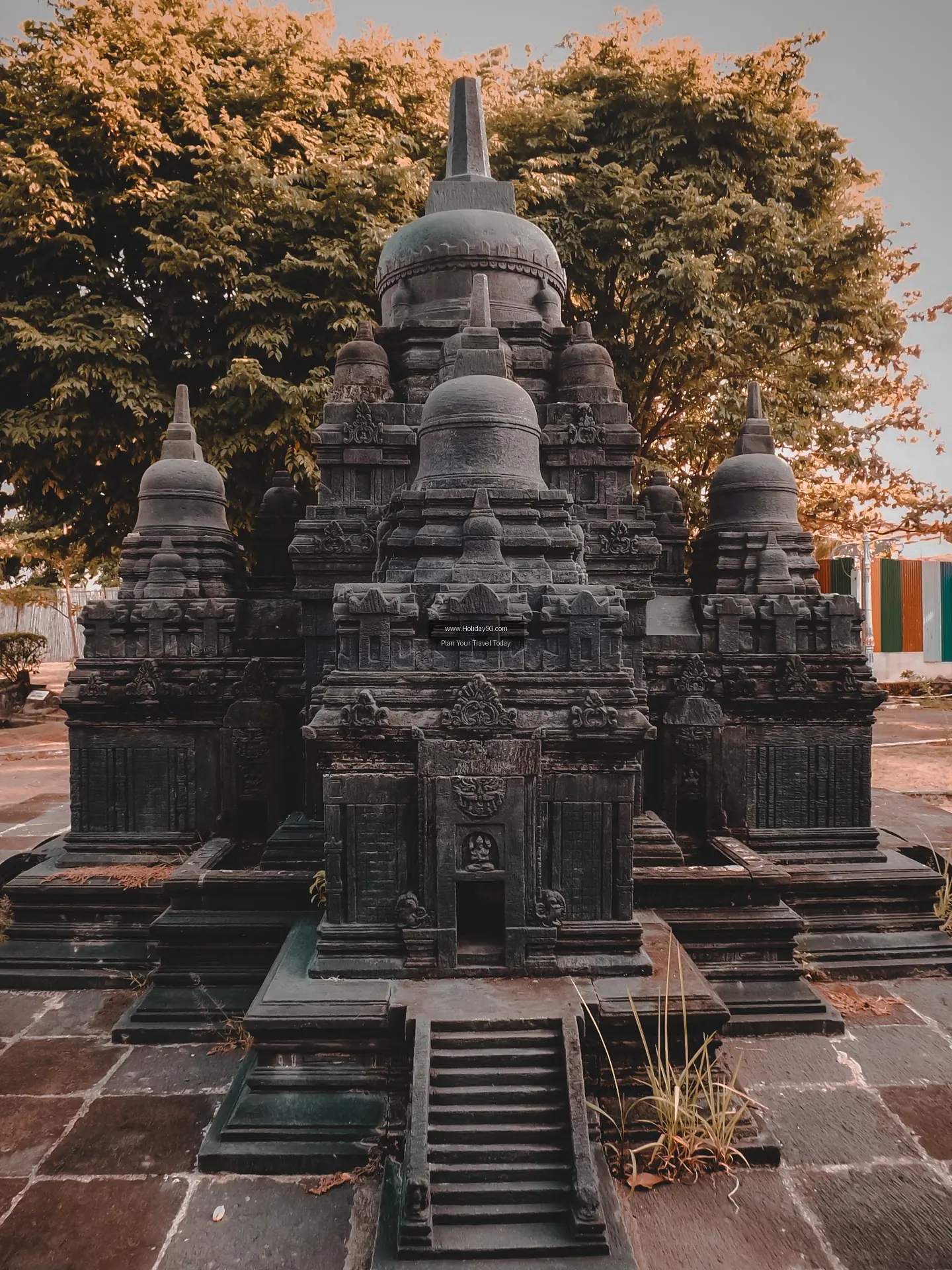
Rising from the fertile plains of Central Java, Borobudur is not just a temple; it’s a colossal stone mandala and a UNESCO World Heritage Site. Built in the 9th century, this masterwork of Buddhist architecture features nine stacked platforms decorated with 2,672 relief panels and 504 Buddha statues. The true magic, however, happens at dawn. Join a sunrise tour to watch the mist lift over the surrounding volcanoes as the first light illuminates the temple’s intricate carvings. The entrance fee for foreign visitors is approximately 350,000 IDR (~US$23), a small price for an unforgettable spiritual experience.
2. Prambanan Temple Complex: A Majestic Hindu Legacy
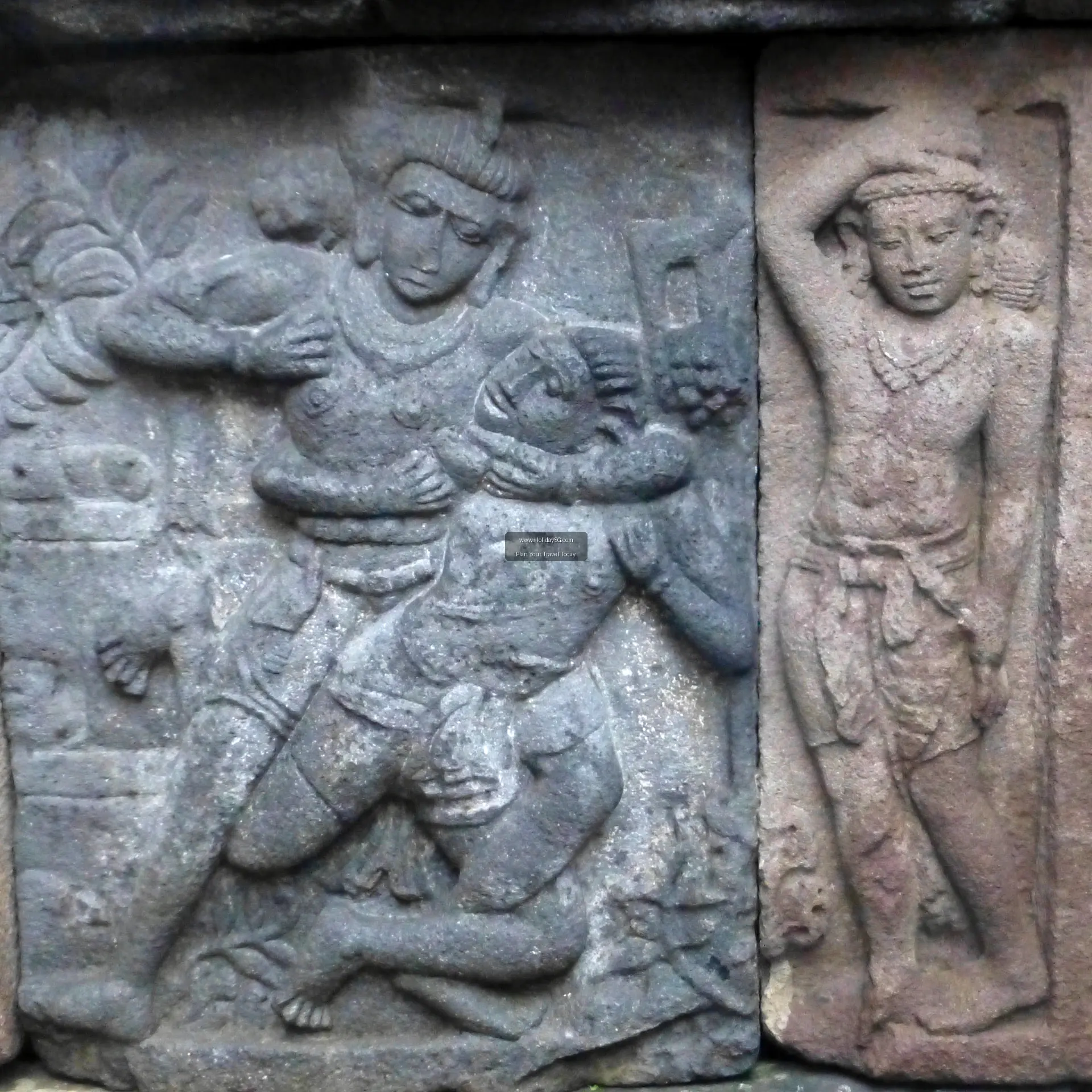
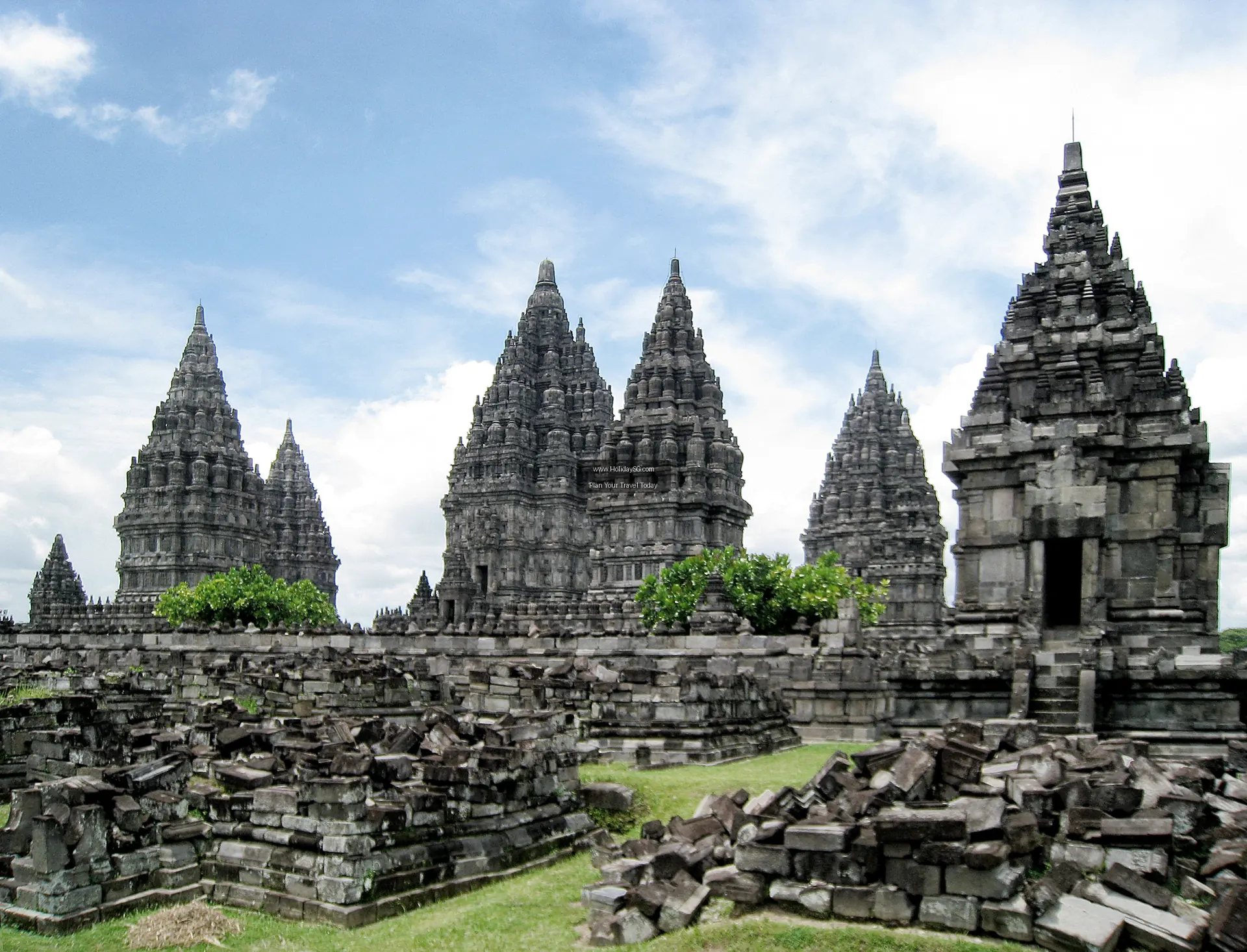
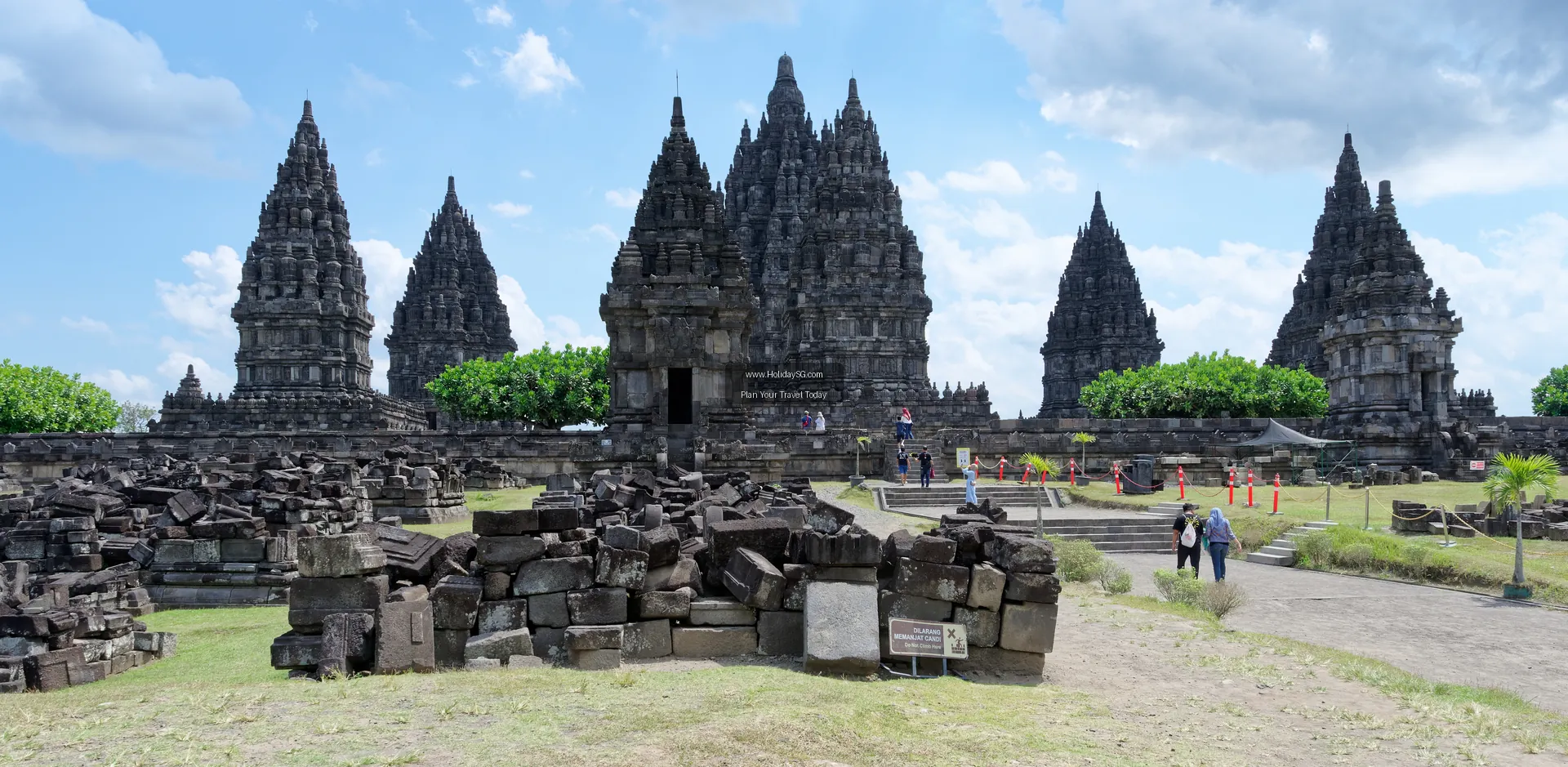
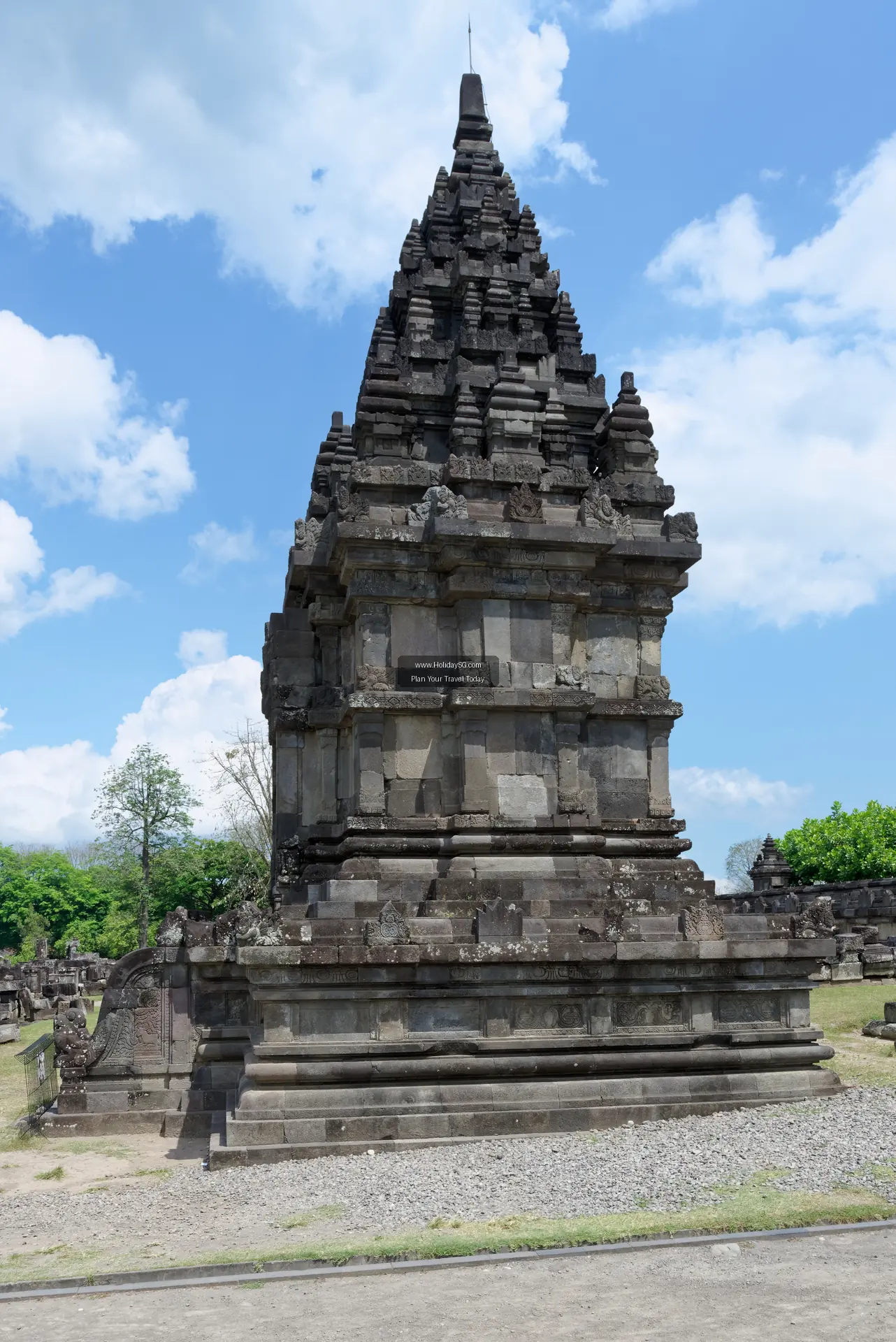
A short drive from Borobudur stands Prambanan, Indonesia’s largest Hindu temple complex. This striking 8th-century compound is a dramatic counterpoint to Borobudur’s rounded stupas, defined by its towering, needle-like spires (shikharas) dedicated to the Trimurti (Shiva, Vishnu, and Brahma). The central Shiva temple is a masterpiece of sculptural storytelling, with reliefs depicting the epic Ramayana. To make the most of your visit, consider a combined ticket that often includes access to the nearby Ratu Boko palace site, and aim to explore in the early morning or late afternoon to avoid the intense midday heat and crowds.
3. Mount Bromo: Trekking Through a Lunar Volcanic Landscape
No visit to Java is complete without witnessing the otherworldly panorama of Mount Bromo. This active volcano sits within the vast Tengger Caldera, a landscape so stark and dramatic it feels like another planet. The classic tour involves an early morning drive in a 4×4 vehicle to the Penanjakan viewpoint for a breathtaking sunrise over the Sea of Sand. You’ll then trek across the ashy plain to the foot of Bromo itself, where you can climb the steps to peer into its rumbling, sulfurous crater. It’s a raw and powerful encounter with the forces that have shaped the Indonesian archipelago.
Bali & the Lesser Sunda Islands: Iconic Seascapes and Terraces
4. Tanah Lot Temple: Bali’s Most Photogenic Sea Temple
Perched atop a dramatic rock formation battered by ocean waves, Tanah Lot is the epitome of Balinese mysticism and one of the island’s most revered sea temples. Believed to be guarded by sea snakes, the temple is only accessible on foot during low tide, when you can approach the base and witness Balinese Hindu rituals in progress. The small entry fee of around 60,000 IDR grants you access to the grounds, but the most magical photos are taken from the mainland cliffs as the sun sets, casting the temple in a fiery silhouette.
5. Tegallalang Rice Terraces: Bali’s Cascading Green Masterpiece
Near Ubud, the Tegallalang Rice Terraces present a breathtaking man-made landscape sculpted into the hillside. The emerald-green paddies cascade in intricate layers, showcasing the traditional Balinese cooperative irrigation system known as subak. For the best photos with soft light and fewer people, arrive early in the morning. A small donation is requested at some viewpoints. This area is perfect for a leisurely walk among the paddies, offering a glimpse into the island’s agricultural heart and a stunning natural backdrop.
6. Komodo National Park: Encounter Dragons in a Prehistoric Realm
Step into a prehistoric world in Komodo National Park, a UNESCO site shared between the islands of Komodo, Rinca, and Padar. This is the only place on Earth to see the formidable Komodo dragon in its natural habitat. A mandatory park guide (included in the ~300,000 IDR entry fee) will lead you on hikes to spot these ancient predators, along with wild boar, deer, and monkeys. Beyond the dragons, the park’s waters are world-class for diving and snorkeling, with sites like Batu Bolong offering vibrant coral gardens teeming with life. Don’t miss the hike to Padar Island’s viewpoint for one of Indonesia’s most iconic three-bay panoramas.
Remote Indonesia: Untamed Wilderness and Underwater Wealth
Ready to go? Book Esim Indonesia Telkomsel Unlimited Travel Sim Indonesia Global with HolidaySG.
7. Raja Ampat Islands: The Epicenter of Marine Biodiversity
Located off the northwest tip of Papua, Raja Ampat is the crown jewel of Indonesian diving and snorkelling. This remote archipelago is home to the highest recorded marine biodiversity on Earth, sheltering over 1,500 fish species and 600 coral species. The water visibility is often crystal-clear, revealing vibrant coral walls, manta ray cleaning stations, and swirling schools of barracuda. To protect this fragile ecosystem, a marine park permit is mandatory for all visitors (~1,000,000 IDR ~US$65). The best conditions for diving are typically between October and April, but the sheer density of life here is staggering year-round.
This list of seven highlights is a gateway to Indonesia’s vast treasures. To round out a top ten, one could easily include the serene Dieng Plateau with its ancient Hindu temples and misty lakes in Java, the dramatic clifftop Uluwatu Temple in Bali, or the pristine dive sites of Wakatobi. Each adds another layer to this complex and captivating nation.
Planning Your Indonesian Landmark Adventure
Choosing the Best Time to Go: The ideal time to visit most of Indonesia, including Java, Bali, and Komodo, is during the dry season from April to October, offering sunny days and calm seas perfect for hiking and temple tours. However, for the prime diving season in Raja Ampat, the window is October to April. Always check regional monsoon patterns, as the rainy season (November to March) can disrupt travel, especially to eastern islands.
Understanding Typical Costs and Budgeting: Indonesia can be very affordable for budget travellers, with daily costs potentially ranging from US$50-100. Major expenses include guided tours (especially for volcanoes and Komodo), park and temple entrance fees, and inter-island flights. For example, hopping from Bali to Lombok or on to Flores will form a significant part of your budget. Staying in guesthouses and eating at local warungs (eateries) will keep costs down.
Navigating Logistics: A Visa on Arrival (VOA) is available for most nationalities for approximately US$35, payable in cash upon arrival. Domestic flights are frequent and are the best way to cover large distances, but booking well in advance during peak season (July-August, Christmas) is crucial. For staying connected on the go, consider an Esim Indonesia Telkomsel Unlimited Travel Sim Indonesia Global for hassle-free data across the islands.
Essential Tips: Comprehensive travel insurance is non-negotiable for adventure activities like volcano trekking and diving. Always use licensed guides in national parks for your safety and to support local communities. Practise responsible tourism: refuse single-use plastics, respect sacred sites, and choose operators that contribute to conservation efforts.
Recommended HolidaySG Tours
Ready to go? Book Esim Indonesia Telkomsel Unlimited Travel Sim Indonesia Global with HolidaySG.
- Taman Mini Indonesia Indah
- Trans Studio Mini Pontianak
- Trans Studio Mini Padang
- Trans Studio Mini Cirebon
- Esim Indonesia Telkomsel Unlimited Travel Sim Indonesia Global
Conclusion: Which Icon Will You See First?
From the spiritual silence of Borobudur at dawn to the primal thrill of meeting a Komodo dragon, Indonesia’s landmarks are more than just sights—they are profound experiences. They tell the story of empires, gods, and the relentless creative force of nature. Whether you seek cultural enlightenment, volcanic adventure, or underwater marvels, this archipelago has an icon waiting to define your adventure. So, which will you choose?
Ready to explore Indonesia’s iconic sights? Stay connected on your journey with our Esim Indonesia Telkomsel Unlimited Travel Sim Indonesia Global for hassle-free data across the islands.
Book with HolidaySG online for Esim Indonesia Telkomsel Unlimited Travel Sim Indonesia Global, Taman Mini Indonesia Indah, Trans Studio Mini.
Frequently Asked Questions
Where can I book this / what’s the link?
For booking specific attractions mentioned in the article, such as Taman Mini Indonesia Indah,com/indonesia/jakarta/taman-mini-indonesia-indah">Taman Mini Indonesia Indah. For Trans Studio Mini in Pontianak, Padang, or Cirebon, links are available at Pontianak, Padang, and Cirebon. For other sights, it’s recommended to check official websites or trusted travel platforms for booking.
Do foreigners (non-citizens) need a different ticket, price, or visa for Indonesia?
Visa requirements for Indonesia vary by nationality. Many countries are eligible for visa-free entry for short stays (typically up to 30 days), while others may need a visa on arrival or an e-visa. For the most current and accurate information, please check the official Indonesian immigration website or consult your local embassy. Regarding ticket prices, some attractions may offer different rates for locals and foreigners, so it’s advisable to verify specific venues in advance.
What is the best time (season, or time of day for the site/activity) to go?
The best time to visit Indonesia’s landmarks is during the dry season from April to October, when weather is generally favorable for outdoor activities. For specific sites, early mornings or late afternoons are ideal to avoid midday heat and crowds. However, always check local weather forecasts and attraction schedules for the most up-to-date advice tailored to each landmark.
How long should I plan to spend at each landmark?
Time spent varies by attraction. For example, large sites like Taman Mini Indonesia Indah can take half a day to explore fully, while smaller museums might only need an hour or two. Plan based on your interests and the site’s size, and consider adding extra time for breaks or unexpected discoveries.
What are the typical entrance fees or costs involved?
Entrance fees differ widely; some landmarks are free, while others charge from a few dollars to tens of dollars per person. Always check the official website or inquire locally for current prices, as they may change seasonally or based on special events.
How do I get to these landmarks from the airport or major cities?
Most major landmarks are accessible by taxi, ride-hailing services, or public transportation from airports and city centers. For remote sites, consider hiring a car, joining a tour, or using local transport options like buses or minibuses, though reliability can vary.
Are these attractions family-friendly?
Yes, many Indonesian landmarks are family-friendly, offering activities and facilities for all ages. However, some may have challenging terrain, require significant walking, or have limited amenities for young children, so research specifics beforehand to ensure a comfortable visit.
What should I pack or bring along for a visit?
Essentials include sunscreen, hats, comfortable walking shoes, water bottles, and a camera. For religious sites, carry modest clothing like scarves or sarongs. It’s also wise to have insect repellent, especially in outdoor areas, and a small first-aid kit.
Is the site accessible for visitors with mobility issues?
Accessibility varies; newer attractions often have ramps, elevators, and accessible restrooms, but traditional or historical sites may lack these facilities. Contact the venue in advance to confirm accessibility options and plan accordingly.
How safe is it for tourists to visit these landmarks?
Indonesia is generally safe for tourists, but standard precautions apply: keep belongings secure, avoid isolated areas at night, stay aware of your surroundings, and follow local advice or travel advisories. Be cautious with traffic and street food if you have sensitivities.
What is the weather like, and how does it affect visiting?
Indonesia has a tropical climate with wet and dry seasons. The dry season (April to October) is better for visits, but rain can occur anytime. Expect high humidity and heat; stay hydrated, use sun protection, and be prepared for sudden downpours, especially in the wet season.
Are there any cultural etiquette tips I should know?
Respect local customs: remove shoes when entering homes, temples, or some shops; dress modestly at religious sites by covering shoulders and knees; and ask permission before photographing people or sacred objects. Learning a few basic Indonesian phrases can also enhance your interactions.
Can I find food or dining options near these sites?
Yes, most tourist landmarks have nearby food stalls, restaurants, or cafes offering local Indonesian dishes and international options. Street food is often available and affordable, but choose busy stalls for freshness and safety.
What are the opening hours for most attractions?
Opening hours typically range from 8 AM to 5 PM, but they can vary by day of the week or season. It’s best to check the specific attraction’s website or contact them directly to confirm current hours and any holiday closures.
Do I need to book tickets in advance to avoid queues?
For popular attractions like Trans Studio Mini, booking online in advance can save time and sometimes offer discounts. For other landmarks, it may not be necessary, but during peak seasons or holidays, online booking is recommended to avoid long lines.
Is public transportation readily available to reach these places?
In major cities like Jakarta or Surabaya, public transportation such as buses or trains is available, but service can be crowded and less frequent. For more remote landmarks, private transport, car rentals, or guided tours are often more convenient.
Are there guided tours available, or can I explore independently?
Both options are often available. Guided tours provide expert insights and convenience, while independent exploration offers flexibility and a personalized pace. Choose based on your comfort level and interest in learning from a guide.
Can I take photographs, and are there any restrictions?
Photography is usually allowed at most landmarks, but some sites restrict it in certain areas, near religious artifacts, or for commercial use without a permit. Always look for signs, ask for permission, and respect local guidelines.
How crowded do these landmarks get, and what are the peak times to avoid?
Crowds are heaviest on weekends, public holidays, and during school vacation periods. To avoid the rush, visit on weekdays, early in the morning, or late in the afternoon. Checking crowd forecasts or local tips can also help plan a quieter experience.
Are there any health precautions or vaccinations recommended before visiting?
Consult a healthcare provider for recommended vaccinations, such as typhoid, hepatitis A, or routine vaccines. Use insect repellent to protect against mosquito-borne diseases like dengue, and drink bottled or purified water to avoid stomach issues.
What things cost in Indonesia
Live HolidaySG prices for the experiences in this guide, so you can sanity-check a budget before you commit.
| Experience | Where | From price |
|---|---|---|
| 10 Min - 100 Min Bali Helicopter Tours | Departing from Canggu | Bali | From S$150.47 |
| 10 Min - 100 Min Bali Helicopter Tours | Departing from Nusa D... | Bali | From S$150.47 |
| 4WD Jeep Caldera Sunrise Experience by Bali Volcano Jeep | Bali | From S$52.69 |
| 4WD Jeep Mount Batur Sunrise Experience by Bali Volcano Jeep | Bali | From S$60.13 |
| Black Lava Tour | Bali | From S$154.57 |
| Cimory Dairyland Farm Theme Park Gowa | Makassar | From S$4.00 |
| Seafood Dinner in Jimbaran Bali by New Dewata | Bali | From S$6.59 |
| Dairyland Farm Theme Park Prigen | Surabaya | From S$4.00 |