

Indonesia is a land of endless adventure, where emerald rice terraces meet turquoise seas, ancient temples whisper legends, and dragons still roam wild. With over 17,000 islands, this archipelago offers something for every traveler—whether you’re chasing world-class dive sites, trekking active volcanoes, or immersing yourself in vibrant cultures. From the spiritual heart of Bali to the untouched wilderness of Raja Ampat, Indonesia’s diversity is unmatched. But with so many incredible experiences, where do you even begin? The 11 best things to do in Indonesia range from sunrise treks at Mount Batur to cultural deep dives in Yogyakarta and Tana Toraja.
Indonesia’s top experiences range from sunrise treks at Mount Batur and diving in Raja Ampat to cultural deep dives in Yogyakarta and Tana Toraja. The best time to visit is during the dry season (April–October), and budget travelers can explore comfortably for $20–$40/day. Plan ahead for visas, transport, and cultural etiquette to make the most of your trip.
1. Explore Bali’s Cultural and Natural Wonders
Bali is Indonesia’s most famous island for good reason—it’s a microcosm of the country’s beauty, blending lush landscapes, rich traditions, and world-class beaches. But beyond the postcard-perfect scenes, Bali offers immersive experiences that connect you to its soul.
Wander Through Ubud’s Tegallalang Rice Terraces
The iconic Tegallalang Rice Terraces are a masterpiece of traditional subak irrigation, a UNESCO-recognized system dating back over a thousand years. Arrive at sunrise to beat the crowds and witness the terraces bathed in golden light—a photographer’s dream. For a deeper experience, join a guided tour to learn about the local farmers’ way of life or try a Balinese cooking class in Ubud to pair your visit with hands-on cultural immersion.
Pro tip: Skip the overpriced swings and opt for a quiet walk along the lower terraces for a more authentic experience.
Witness the Kecak Fire Dance at Uluwatu Temple
Perched on a dramatic cliff overlooking the Indian Ocean, Uluwatu Temple is one of Bali’s most sacred sites. But the real magic happens at sunset, when the Kecak Fire Dance begins. This hypnotic performance tells the story of the Ramayana through chanting, fire, and dance, with the temple’s silhouette and crashing waves as the backdrop. After the show, head to Single Fin for a cocktail with panoramic ocean views.
Etiquette note: Dress modestly (sarongs are provided) and avoid pointing your feet at the temple or performers.
Trek Mount Batur for Sunrise
For an unforgettable start to your day, join a sunrise trek up Mount Batur. The 2-hour hike is moderate, and the reward is a breathtaking view of the sun rising over Bali’s volcanic landscape. Many tours include a stop at a local coffee plantation for luwak coffee tasting (yes, the famous—and controversial—civet coffee) and a hearty breakfast cooked over volcanic steam.
Alternative: If you’re up for a bigger challenge, Mount Agung offers a more strenuous but equally rewarding trek.
Relax on Bali’s Best Beaches
Bali’s beaches cater to every vibe:
- Seminyak: Upscale beach clubs like Potato Head and vibrant nightlife.
- Nusa Dua: Pristine white sand and calm waters, perfect for families.
- Padang Padang: A surfer’s paradise with a laid-back vibe (and Eat Pray Love fame).
- Nusa Penida: For adventure seekers, Kelingking Beach’s T-Rex cliff and Angel’s Billabong are must-sees—just be prepared for a bumpy ride to get there!
2. Encounter Komodo Dragons in Komodo National Park
Few places on Earth let you witness living dinosaurs, but Komodo National Park is one of them. Home to the world’s largest lizard, the Komodo dragon, this UNESCO-listed park is a bucket-list destination for wildlife lovers and divers alike.
Seeing Komodo Dragons Up Close
Start your adventure in Labuan Bajo, a charming fishing town on Flores Island. From here, join a guided tour to Rinca or Komodo Island, where rangers lead you on a safari-like trek to spot these ancient predators. Watch your step—these creatures can grow up to 10 feet long and move surprisingly fast!
Safety tip: Stay at least 6 feet away and follow your guide’s instructions. Komodo dragons have venomous saliva and a powerful bite.
Snorkeling and Diving with Manta Rays
Komodo isn’t just about dragons—it’s also one of the world’s best diving destinations. The Manta Point dive site offers the chance to swim alongside graceful manta rays, while Batu Bolong boasts vibrant coral reefs teeming with marine life. Even if you’re not a diver, snorkeling tours are a fantastic way to experience the underwater magic.
Pink Beach: A Rare Natural Wonder
Yes, the sand is actually pink! Pink Beach (or Pantai Merah) gets its hue from microscopic red coral fragments mixed with the white sand. It’s one of only a handful of pink beaches in the world, making it a unique spot for photos and a relaxing swim.
3. Step Back in Time at Borobudur and Prambanan (Yogyakarta)
Java, Indonesia’s most populous island, is home to two of Southeast Asia’s most awe-inspiring temple complexes. Borobudur and Prambanan are must-visits for history buffs and spiritual seekers alike.
Borobudur: The World’s Largest Buddhist Temple
Built in the 9th century, Borobudur is a marvel of Mahayana Buddhist architecture. The temple’s nine stacked platforms—six square and three circular—are adorned with over 2,600 relief panels and 500 Buddha statues. The best time to visit is at sunrise, when the temple emerges from the mist and the golden light illuminates the stupas. For a truly magical experience, combine your visit with a sunrise tour from Yogyakarta.
Pro tip: Climb to the top for a panoramic view of the surrounding volcanoes, including Mount Merapi, one of Indonesia’s most active volcanoes.
Prambanan: A Stunning Hindu Temple Complex
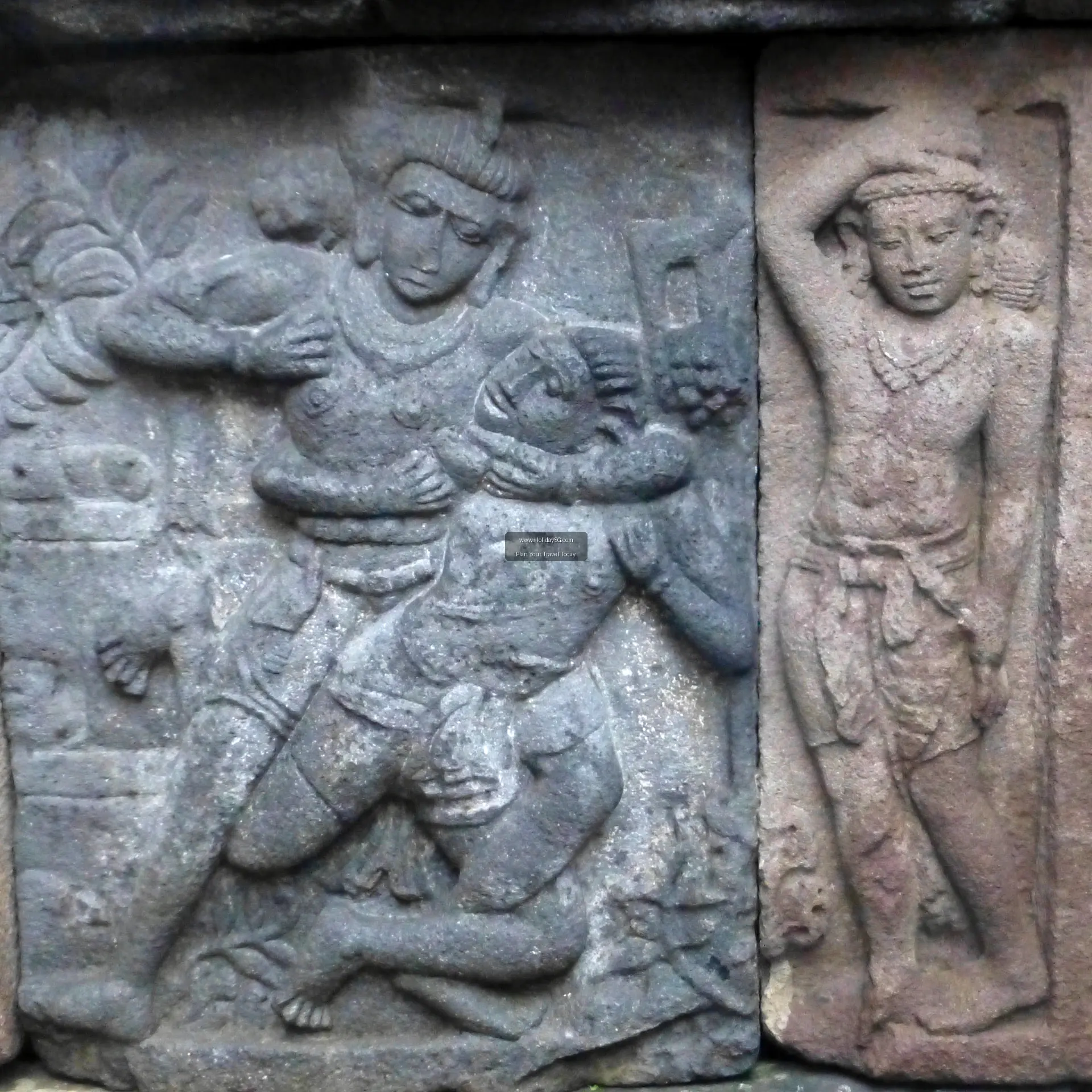
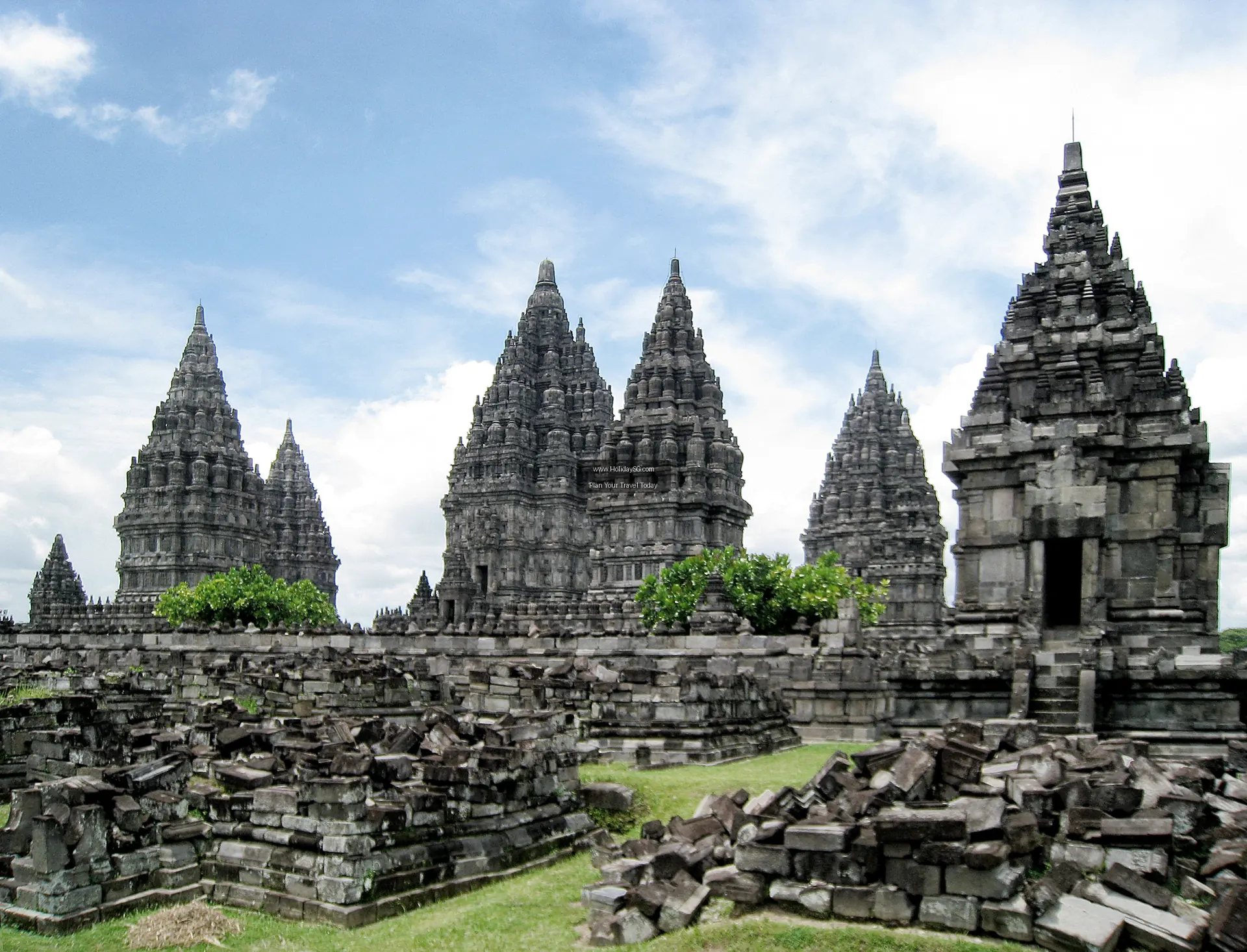
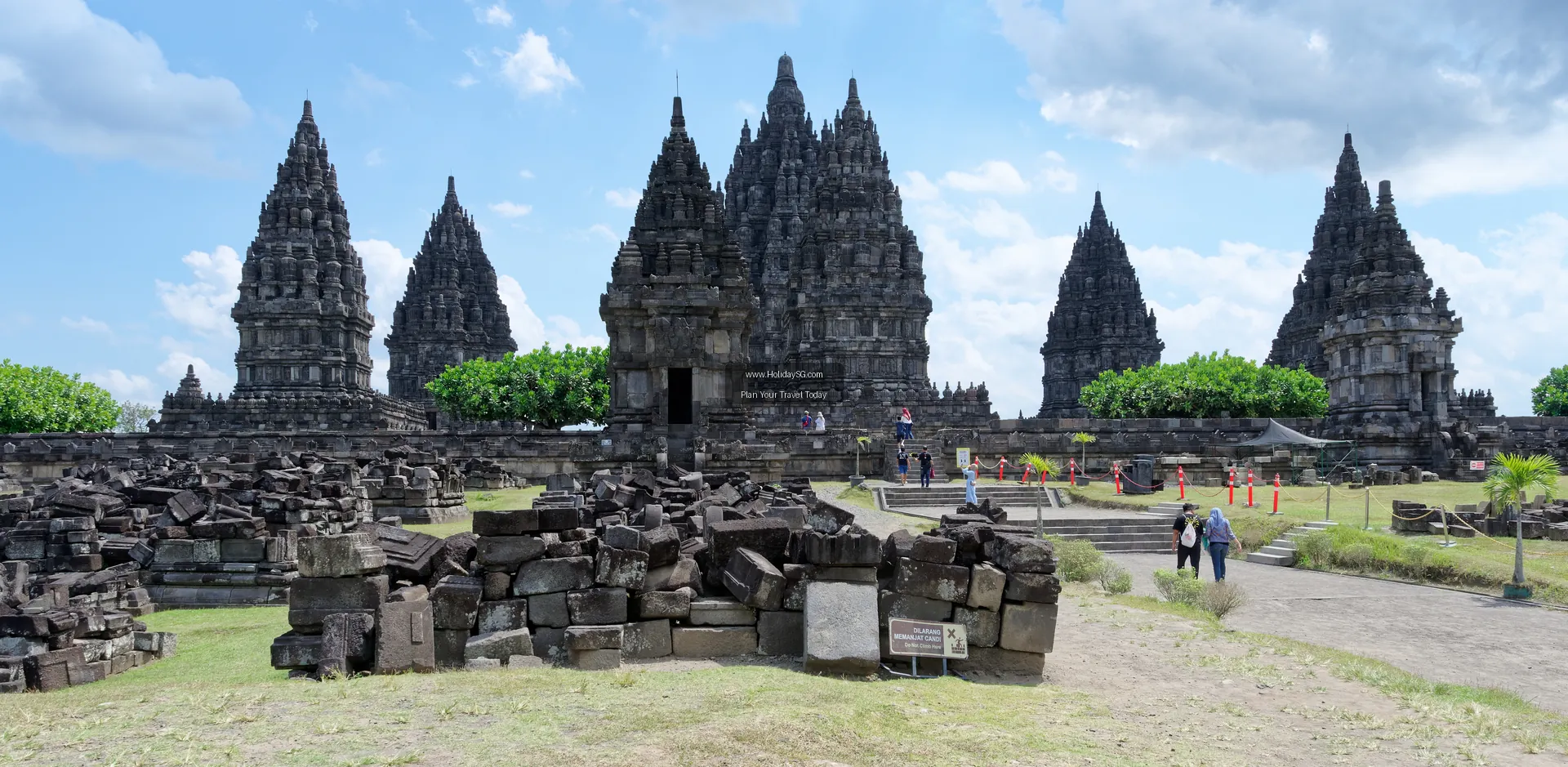
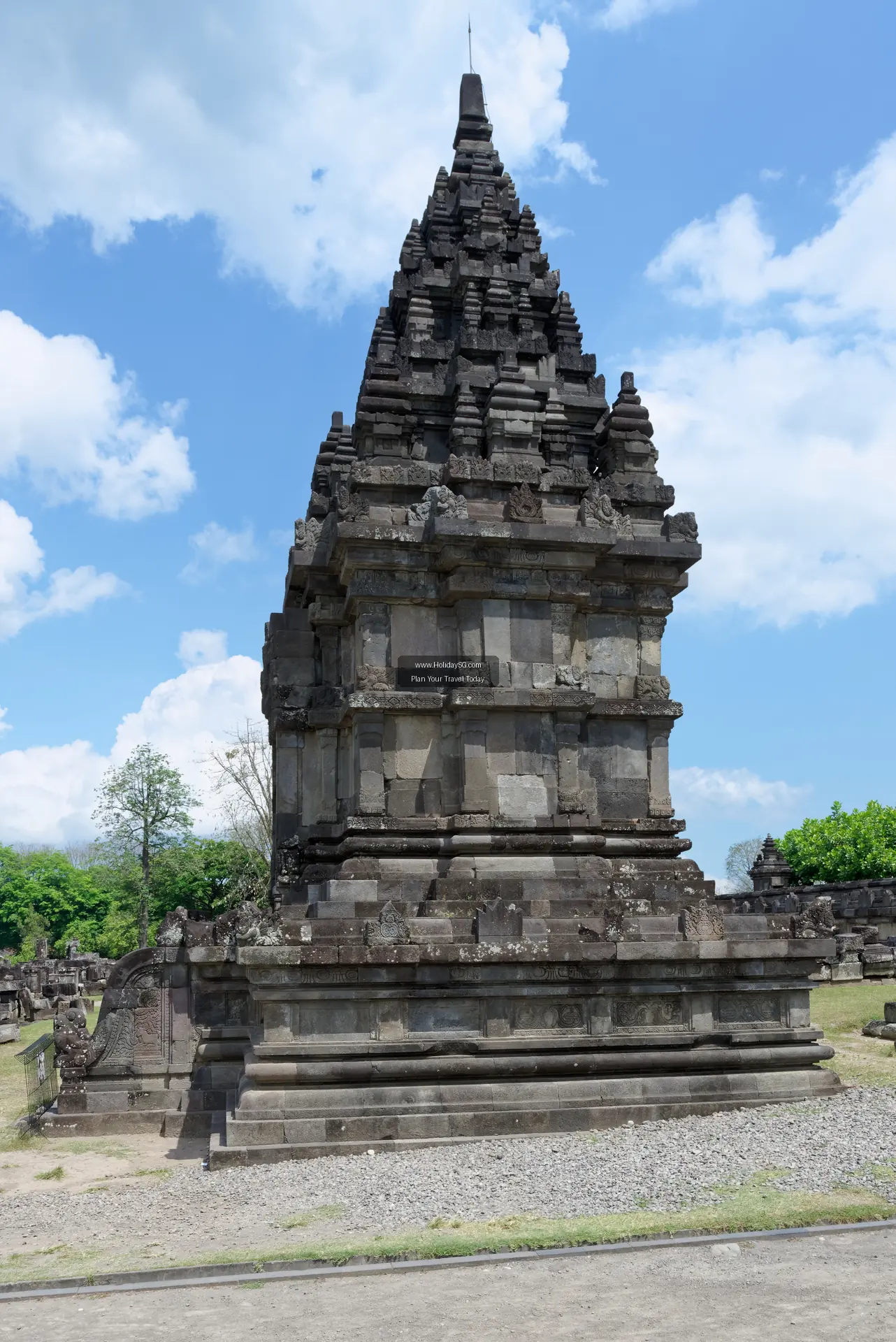
Just 50 kilometers from Borobudur, Prambanan is a stunning example of Hindu temple architecture. Dedicated to the Trimurti (Brahma, Vishnu, and Shiva), the complex features towering spires and intricate carvings depicting scenes from the Ramayana. Don’t miss the Ramayana Ballet, a mesmerizing open-air dance performance held at the temple during the dry season.
How to visit: Yogyakarta is the perfect base for exploring both temples. Consider hiring a private driver for the day (~$35–$50) or joining a guided tour for deeper insights.
4. Dive into Paradise in Raja Ampat
If you’re a diver, Raja Ampat needs no introduction. This remote archipelago in West Papua is often called the “Amazon of the Seas” for its unparalleled marine biodiversity. With over 1,500 fish species and 75% of the world’s coral species, it’s a dream come true for underwater explorers.
Top Dive Sites
- Cape Kri: Famous for its strong currents and large schools of fish, including sharks and barracudas.
- Manta Sandy: A cleaning station where you can swim with giant manta rays.
- Wayag Lagoon: A postcard-perfect landscape of karst islands and turquoise waters (great for snorkeling too!).
How to Get There
Raja Ampat is remote, but the journey is worth it. Fly into Sorong (via Jakarta or Makassar), then take a boat to your resort or liveaboard. Most visitors opt for a liveaboard dive trip (3–7 days) to explore multiple sites, but land-based resorts are also available for those who prefer to stay in one place.
Best time to visit: October to April (dry season) for the best diving conditions.
5. Chase Sunrise at Mount Bromo (East Java)
East Java’s Mount Bromo is one of Indonesia’s most iconic landscapes—a surreal sea of volcanic sand surrounded by jagged peaks. The sunrise view from Penanjakan is legendary, with the first light of day illuminating the smoldering crater of Bromo and the distant Mount Semeru, Java’s highest volcano.
How to Visit
Most travelers base themselves in Malang or Probolinggo, then join a sunrise jeep tour to Penanjakan. The tour typically includes stops at King Kong Hill (a quieter alternative to the main viewpoint) and a hike across the Sea of Sand to Bromo’s crater. For the adventurous, you can climb the 250 steps to the crater’s edge for a closer look at the sulfurous fumes.
Alternative: If you’re up for a bigger challenge, Ijen Crater offers a blue fire trek—a rare phenomenon caused by sulfuric gases igniting at night.
6. Island Hop in the Gili Islands (Lombok)
Just a short boat ride from Lombok, the Gili Islands are a car-free paradise where time slows down. Each island has its own personality, making it easy to find your perfect vibe.
Gili Trawangan: The Party Island
Gili T is the largest and liveliest of the three, with beachfront bars, reggae clubs, and a vibrant nightlife scene. But it’s not all about partying—Gili Meno Wall is one of the best snorkeling spots in Indonesia, where you can swim with sea turtles just meters from the shore.
Gili Air: A Relaxed Vibe
Gili Air strikes the perfect balance between activity and relaxation. Rent a bicycle to explore the island’s quiet beaches, or join a yoga retreat for a rejuvenating escape. Don’t miss the sunset at Mowies Beach Bar—it’s pure magic.
Gili Meno: The Romantic Escape
The smallest and most secluded of the three, Gili Meno is ideal for couples or travelers seeking solitude. Stay in a beachfront bungalow, snorkel with colorful fish, or visit the Gili Meno Bird Sanctuary to spot rare species.
How to get there: Fast boats run daily from Bali (Padang Bai or Serangan) to the Gili Islands (~2 hours). Alternatively, fly to Lombok and take a boat from Bangsal Harbor.
7. Discover Jakarta’s Urban Charms
Indonesia’s bustling capital is often overlooked by travelers, but Jakarta has a surprising amount to offer—from colonial history to modern shopping and vibrant street food.
National Monument (Monas)
Standing at 132 meters tall, Monas is Jakarta’s most iconic landmark. Take the elevator to the observation deck for a bird’s-eye view of the city, or explore the National History Museum at its base to learn about Indonesia’s struggle for independence.
Kota Tua (Old Town)
Step back in time in Kota Tua, Jakarta’s historic heart. This well-preserved area is home to Dutch colonial buildings, museums, and lively squares. Don’t miss Fatahillah Square, where you can rent a colorful vintage bicycle or visit the Jakarta History Museum.
Shopping and Food
Jakarta is a shopper’s paradise, with everything from high-end malls to bustling markets:
- Grand Indonesia: One of Southeast Asia’s largest shopping centers.
- Pasar Baru: A historic market selling textiles, batik, and souvenirs.
- Street food: Must-try dishes include nasi goreng (fried rice), soto betawi (Jakarta-style beef soup), and gado-gado (peanut sauce salad).
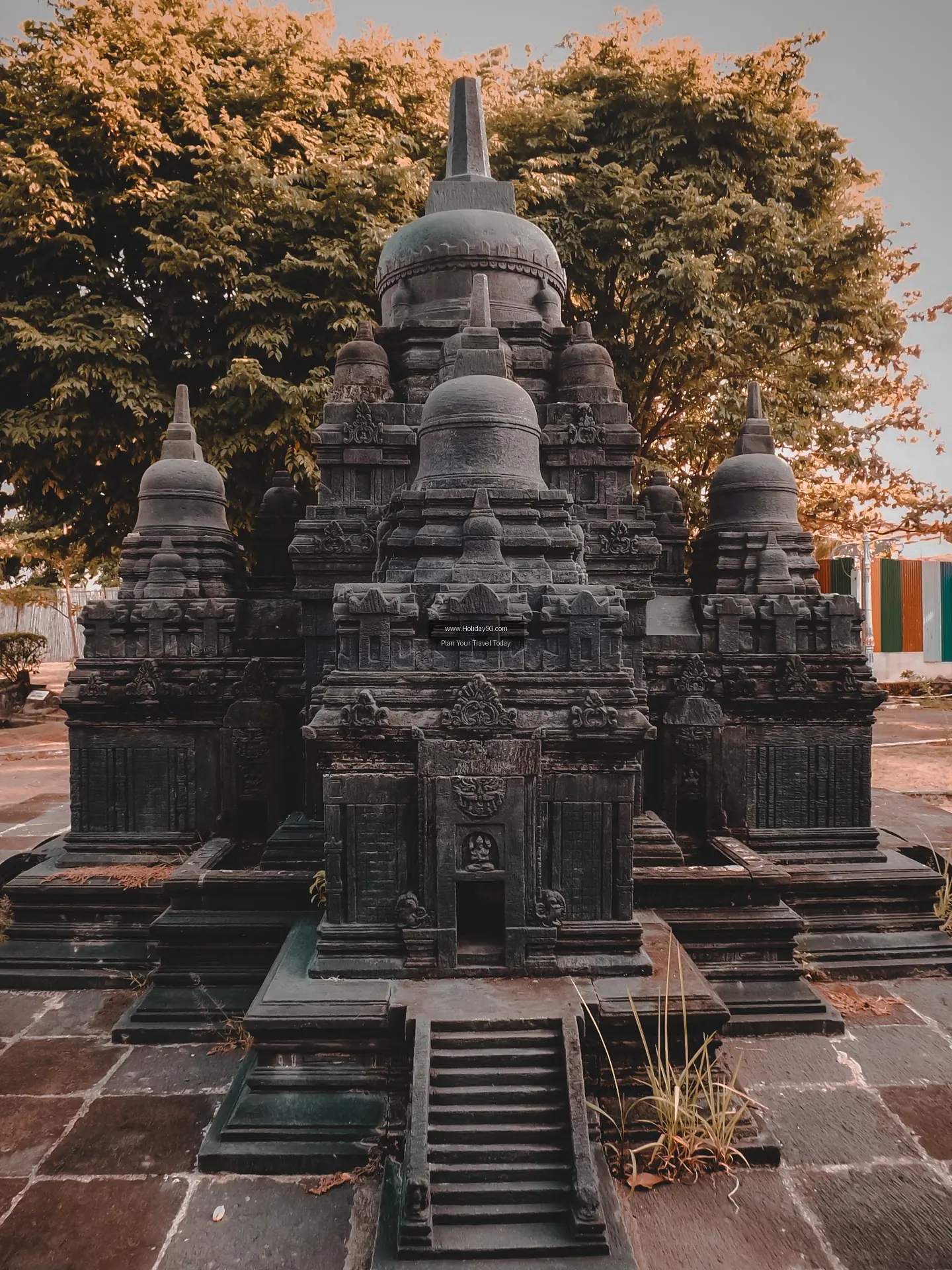
For families: If you’re traveling with kids, Taman Mini Indonesia Indah is a fantastic cultural park showcasing Indonesia’s diverse traditions, architecture, and landscapes. It’s a great way to experience the country’s heritage in one place—check out more details here.
8. Experience Unique Traditions in Tana Toraja (Sulawesi)
For a glimpse into Indonesia’s most fascinating cultural traditions, head to Tana Toraja in Sulawesi. This highland region is known for its elaborate funeral rituals, unique architecture, and stunning landscapes.
The Fascinating Funeral Rituals
In Torajan culture, death is not the end but a journey to the afterlife. Funerals are multi-day events involving buffalo sacrifices, traditional dances, and cliff burials, where the deceased are placed in caves or hanging coffins. While these rituals can be intense, they offer a profound insight into Torajan beliefs.
Etiquette note: Always ask permission before taking photos, and dress respectfully (cover your shoulders and knees).
Tongkonan Houses
The tongkonan houses are Toraja’s most iconic architectural feature—boat-shaped homes with soaring roofs and intricate carvings. Each house is a symbol of family and status, and some are open to visitors. Don’t miss the Kete Kesu village, a UNESCO-listed site with well-preserved tongkonan and burial sites.
Scenic Highlands and Coffee Plantations
Tana Toraja’s landscapes are just as captivating as its culture. Explore terraced rice fields, hike to hidden waterfalls, or visit a coffee plantation to sample locally grown Toraja coffee—one of Indonesia’s finest.
How to get there: Fly into Makassar, then take a 6–8 hour drive or a domestic flight to Rantepao, the main town in Tana Toraja.
9. Unwind at Lake Toba, Sumatra
Formed by a massive volcanic eruption 75,000 years ago, Lake Toba is the world’s largest volcanic lake. This serene highland escape is the perfect place to relax, soak in the views, and learn about the Batak culture.
Samosir Island
The heart of Lake Toba is Samosir Island, a cultural hub where you can explore traditional Batak villages, visit stone tombs, and watch dance performances. Don’t miss the Sigale-gale puppet show, a unique Toraja tradition where wooden puppets are used to communicate with the spirits.
Hot Springs and Hiking
For a relaxing soak, head to the Sipoholon Hot Springs, where natural mineral waters bubble up from the earth. If you’re feeling active, hike to Sipiso-piso Waterfall, a stunning 120-meter cascade that plunges into the lake.
How to Get There
Fly into Medan, then take a 4–5 hour drive or a ferry to Samosir Island. The journey is long, but the peaceful surroundings make it worthwhile.
10. Adventure in Nusa Penida (Bali’s Hidden Gem)
Just a short boat ride from Bali, Nusa Penida feels like a world away. This rugged island is home to some of Indonesia’s most breathtaking landscapes, from towering cliffs to hidden beaches.
Kelingking Beach: The “T-Rex Cliff”
No trip to Nusa Penida is complete without a visit to Kelingking Beach. The iconic T-Rex cliff is one of the most photographed spots in Indonesia, and for good reason—it’s a jaw-dropping sight. While the hike down to the beach is steep and challenging, the view from the top is just as rewarding.
Pro tip: Visit early in the morning to avoid the crowds and heat.
Angel’s Billabong and Broken Beach
Just a short drive from Kelingking, Angel’s Billabong is a natural infinity pool carved into the cliffs, while Broken Beach is a stunning rock archway with turquoise waters crashing below. Both spots are perfect for photos and a refreshing swim.
Crystal Bay
For snorkeling and diving, Crystal Bay is a top choice. The clear waters are home to manta rays, colorful fish, and vibrant coral reefs. If you’re lucky, you might even spot a mola mola (ocean sunfish)!
How to visit: Fast boats run daily from Sanur or Padang Bai to Nusa Penida (~30–45 minutes). Consider a private driver for the day (~$35–$50) to explore the island’s highlights.
11. Indulge in a Balinese Cooking Class
One of the best ways to connect with Bali’s culture is through its food. A Balinese cooking class is a fun, interactive way to learn about local ingredients, techniques, and traditions—plus, you get to eat your creations!
What to Expect
Most classes start with a market tour, where you’ll learn about exotic spices, tropical fruits, and fresh seafood. Back in the kitchen, you’ll roll up your sleeves and cook dishes like:
- Babi guling (suckling pig, Bali’s most famous dish)
- Lawar (a mix of vegetables, coconut, and minced meat)
- Pisang goreng (fried banana with palm sugar syrup)
Top Cooking Schools
- Paon Bali Cooking Class (Ubud): A hands-on experience with a local family.
- Casa Luna (Ubud): A well-known school with a focus on traditional recipes.
- Bumbu Bali (Seminyak): A beachfront setting with a modern twist on Balinese cuisine.
Bonus: Many classes include a Balinese dance performance or a visit to a local temple, adding even more cultural depth to the experience.
Practical Travel Tips for Indonesia
Best Time to Visit
- Dry season (April–October): Ideal for most regions, including Bali, Java, Lombok, and Komodo. Expect sunny skies and warm temperatures.
- Wet season (November–March): Cheaper rates and fewer crowds, but heavy rains (especially December–January) can disrupt travel plans. Some areas, like Raja Ampat, are best avoided during this time.
- Shoulder seasons (April, October): Balanced weather, fewer tourists, and lower prices—perfect for budget-conscious travelers.
Budgeting for Your Trip
Indonesia is incredibly affordable, but costs vary depending on your travel style:
- Budget traveler: $20–$40/day (hostels, street food, local transport).
- Mid-range traveler: $50–$150/day (3-star hotels, restaurants, tours, domestic flights).
- Luxury traveler: $200+/day (5-star resorts, private tours, fine dining).
Sample prices:
- Meal at a warung (local eatery): $2–$5.
Visa Requirements
- Visa-free entry: 30 days for citizens of 90+ countries (including US, UK, Australia, Singapore).
- Visa on arrival (VOA): $35, extendable for 30 more days (for 60+ nationalities).
- e-VOA: Apply online before arrival for faster processing ($35). Check the latest updates on the Indonesian Immigration Website.
Bali’s tourist tax: Since 2024, foreign visitors must pay a $10/person tax, payable online or at arrival.
Getting Around Indonesia
- Domestic flights: Essential for long distances (e.g., Jakarta to Raja Ampat). Airlines like Garuda Indonesia, Lion Air, and Batik Air offer frequent routes.
- Ferries/boats: Common for island hopping (e.g., Bali to Lombok, Lombok to Gili Islands). Book in advance for popular routes.
- Local transport:
- Grab/Gojek: Ride-hailing apps (cheap and reliable in cities).
- Becak (rickshaw): Negotiate fares upfront.
- Private drivers: ~$35–$50/day for long-distance trips (e.g., Bali tours).
- Traffic: Heavy in Jakarta, Surabaya, and Bali—allow extra time for travel.
Stay connected: Pick up a local SIM card at the airport or an official store. Telkomsel offers the best coverage—consider an eSIM for hassle-free connectivity.
Cultural Etiquette and Safety
- Dress modestly: Cover shoulders and knees at temples (sarongs are often provided).
- Respect local customs: Avoid public displays of affection, use your right hand for giving/receiving items, and remove shoes before entering homes or sacred spaces.
- Bargaining: Expected in markets (start at 30–50% of the asking price).
- Tipping: Not mandatory but appreciated (10% in restaurants, small bills for drivers/guides).
- Health and safety:
- Vaccinations: Recommended: Hepatitis A/B, Typhoid, Tetanus. Malaria prophylaxis for rural areas (e.g., Raja Ampat, Sumatra).
- Food/water safety: Drink bottled water, avoid ice in drinks from street vendors, and eat at busy warungs.
- Safety: Generally safe, but watch for scams (e.g., overcharging taxis, fake tour operators) and petty theft in tourist areas (e.g., Kuta, Bali).
Language Basics
While English is widely spoken in tourist areas, learning a few Bahasa Indonesia phrases will enhance your experience:
- Hello: Halo
- Thank you: Terima kasih
- How much?: Berapa harganya?
- Where is…?: Di mana…?
- I don’t understand: Saya tidak mengerti
Unique Experiences to Elevate Your Trip
Indonesia is full of once-in-a-lifetime experiences. Here are a few more to consider:
- Volcano trekking: Mount Rinjani (Lombok) or Ijen Crater (East Java, blue fire at night).
- Wildlife encounters: Orangutans in Tanjung Puting (Borneo) or proboscis monkeys in Kalimantan.
- Traditional ceremonies: Balinese Melukat (water purification ritual) or Torajan funeral rites.
- Surfing: Uluwatu (Bali) or G-Land (Java) for world-class waves.
Sustainable Travel in Indonesia
Indonesia’s natural beauty is fragile, and responsible travel helps preserve it for future generations. Here’s how you can make a positive impact:
- Support local businesses: Stay in homestays, eat at warungs, and buy handicrafts from artisans.
- Reduce plastic waste: Bring a reusable water bottle (many hotels and cafés offer refill stations) and say no to single-use plastics.
- Respect wildlife: Avoid attractions involving animal exploitation (e.g., riding elephants, taking photos with caged animals).
- Choose eco-tours: Opt for operators with sustainable practices, like coral reef-safe sunscreen for diving or community-based tourism projects.
FAQs About Traveling in Indonesia
Is Indonesia safe for solo female travelers?
Generally, yes—Indonesia is a popular destination for solo female travelers. However, it’s important to take precautions:
- Dress modestly, especially in rural areas and religious sites.
- Avoid walking alone at night in quiet or poorly lit areas.
- Use Grab/Gojek for safe, reliable transport.
- Trust your instincts and avoid situations that feel uncomfortable.
Can I use USD or EUR in Indonesia?
While some tourist areas accept USD, Indonesian Rupiah (IDR) is preferred for most transactions. Exchange rates for foreign currency are often poor, so it’s best to withdraw IDR from ATMs or exchange money at reputable banks.
What’s the best way to get from Bali to the Gili Islands?
The most common route is:
- Fly from Bali to Lombok (~30 minutes).
- Take a fast boat from Bangsal Harbor to the Gili Islands (~2 hours).
Alternatively, you can take a fast boat directly from Bali (Padang Bai or Serangan), but the journey is longer (~3–4 hours) and can be rough.
Are credit cards widely accepted?
Credit cards are accepted in cities, hotels, and upscale restaurants, but cash is king in markets, warungs, and rural areas. Always carry small bills for taxis, tips, and local purchases.
What’s the deal with Bali’s “tourist tax”?
Since February 2024, foreign tourists visiting Bali must pay a $10/person tax. The fee can be paid online before arrival or at the airport upon landing. Funds go toward cultural preservation and environmental projects.
Recommended HolidaySG Tours
Planning your Indonesia adventure? Here are some great options to enhance your trip:
- Taman Mini Indonesia Indah
- Esim Indonesia Telkomsel Unlimited Travel Sim Indonesia Global
- Timezone Plaza (for families visiting Yogyakarta)
Indonesia is a destination that captivates the heart and soul. Whether you’re standing in awe of Borobudur’s ancient stupas, diving with manta rays in Raja Ampat, or trekking through Tana Toraja’s misty highlands, every moment is an adventure. With a little planning, your trip to Indonesia can be as smooth as it is unforgettable. Ready to explore Indonesia’s cultural treasures? Start your journey at Taman Mini Indonesia Indah for a taste of the country’s rich heritage!
Book these with HolidaySG:
Book with HolidaySG online for Taman Mini Indonesia Indah, Esim Indonesia Telkomsel Unlimited Travel Sim Indonesia Global, Timezone Summarecon Mall Bekasi.
More Photos from HolidaySG
Book with HolidaySG online for Playtopia Adventure Margo City Depok, Nusa Penida Sharing Snorkeling Adventure In Nusa Penida To 4 Spots, Kereta Gantung At Taman Mini Indonesia Indah.
Book these with HolidaySG:
- Playtopia Adventure Margo City Depok
- Nusa Penida Sharing Snorkeling Adventure In Nusa Penida To 4 Spots
- Kereta Gantung At Taman Mini Indonesia Indah
- Indonesia Esim Free Roaming Mobile Data
- Indonesia Unlimited 4g5g Data Esim
- Funworld Grand Indonesia Shopping Town Arcade
- E Sim Indonesia Data Plan Tourist Travel Esim Internet Total Data E Sim
- E Sim Indonesia Data Plan Tourist Travel Esim Internet Daily Data E Sim
Frequently Asked Questions
Where can I book this / what’s the link?
Do foreigners (non-citizens) need a different ticket, price, or visa for Indonesia?
What is the best time (season, or time of day for the site/activity) to go?
How long should I spend in Indonesia for an adventure and culture trip?
What is the typical daily budget for a trip in Indonesia?
How do I get between islands like Bali, Lombok, or Nusa Penida?
Is Indonesia safe for solo travelers and families?
What should I pack for an adventure trip in Indonesia?
Are the adventure activities suitable for beginners?
How can I stay connected with mobile data in Indonesia?
What is the local etiquette I should be aware of?
Is drinking tap water safe in Indonesia?
What are the must-try local foods for an adventurous eater?
How do I avoid crowds at popular sites like Borobudur Temple?
Is it safe to rent and drive a scooter in Indonesia?
What are the electrical outlet types in Indonesia, and do I need a converter?
Can I use credit cards, or is cash necessary?
What’s the best way to handle money and avoid scams?
Are there any health precautions I should take before traveling?
What are some unique cultural experiences beyond temples and beaches?
What things cost in Indonesia
Live HolidaySG prices for the experiences in this guide, so you can sanity-check a budget before you commit.
| Experience | Where | From price |
|---|---|---|
| 10 Min - 100 Min Bali Helicopter Tours | Departing from Canggu | Bali | From S$150.47 |
| 10 Min - 100 Min Bali Helicopter Tours | Departing from Nusa D... | Bali | From S$150.47 |
| 4WD Jeep Caldera Sunrise Experience by Bali Volcano Jeep | Bali | From S$52.69 |
| 4WD Jeep Mount Batur Sunrise Experience by Bali Volcano Jeep | Bali | From S$60.13 |
| Black Lava Tour | Bali | From S$154.57 |
| Cimory Dairyland Farm Theme Park Gowa | Makassar | From S$4.00 |
| Seafood Dinner in Jimbaran Bali by New Dewata | Bali | From S$6.59 |
| Dairyland Farm Theme Park Prigen | Surabaya | From S$4.00 |