

The 15 best things to do in laos (2026) – must-see attractions is exactly what this guide covers.
Laos is a hidden gem in Southeast Asia, offering everything from UNESCO-listed temples and cascading waterfalls to adrenaline-pumping adventures and serene Mekong River escapes. This guide covers the 15 best things to do in Laos in 2026, plus practical tips on visas, budgets, and responsible travel to help you plan an unforgettable trip.
Laos is where time slows down, and adventure takes over. Nestled between Thailand, Vietnam, and Cambodia, this landlocked country is a treasure trove of cultural heritage, dramatic landscapes, and off-the-beaten-path discoveries. Whether you’re sipping coffee on the Bolaven Plateau, marveling at ancient stone jars in Phonsavan, or tubing down the Nam Song River in Vang Vieng, Laos promises a journey that’s as enriching as it is exhilarating. With fewer crowds than its neighbors and a laid-back vibe, it’s the perfect destination for travelers seeking authenticity in 2026.

The 15 best things to do in Laos in 2026 range from golden spires of Vientiane to misty mountains of Luang Prabang. History buffs will love exploring Khmer ruins and colonial architecture, while nature lovers can lose themselves in waterfalls, caves, and the serene 4,000 Islands. Adventure seekers won’t be disappointed either—think kayaking, rock climbing, and trekking through some of Southeast Asia’s most stunning landscapes. And let’s not forget the food: from fiery larb salads to fragrant khao soi, Lao cuisine is a flavor-packed journey in itself.
Ready to dive in? Here are the 15 best things to do in Laos in 2026, along with insider tips to make your trip seamless and unforgettable.
1. Explore the UNESCO Gem: Luang Prabang
Luang Prabang is the heart and soul of Laos—a UNESCO-listed town where golden temples, French colonial architecture, and the mighty Mekong River converge. It’s a place where spirituality and natural beauty intertwine, offering a slower pace of life that’s hard to resist. Start your day with the sacred alms-giving ceremony (Tak Bat), where hundreds of saffron-robed monks walk barefoot through the streets at dawn, collecting offerings from locals and visitors alike. It’s a humbling experience, but remember to observe respectfully: dress modestly, keep your distance, and avoid flash photography.
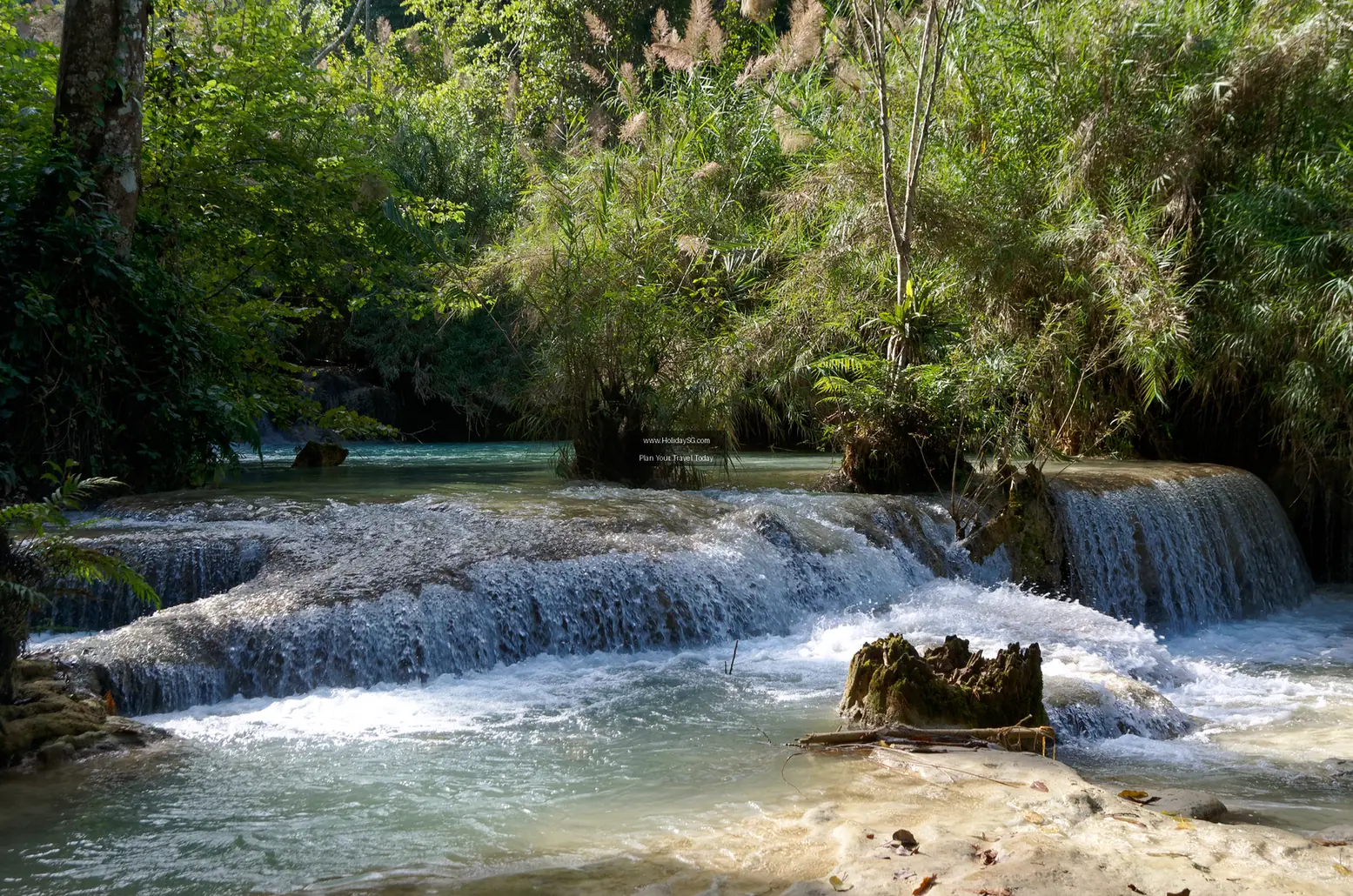
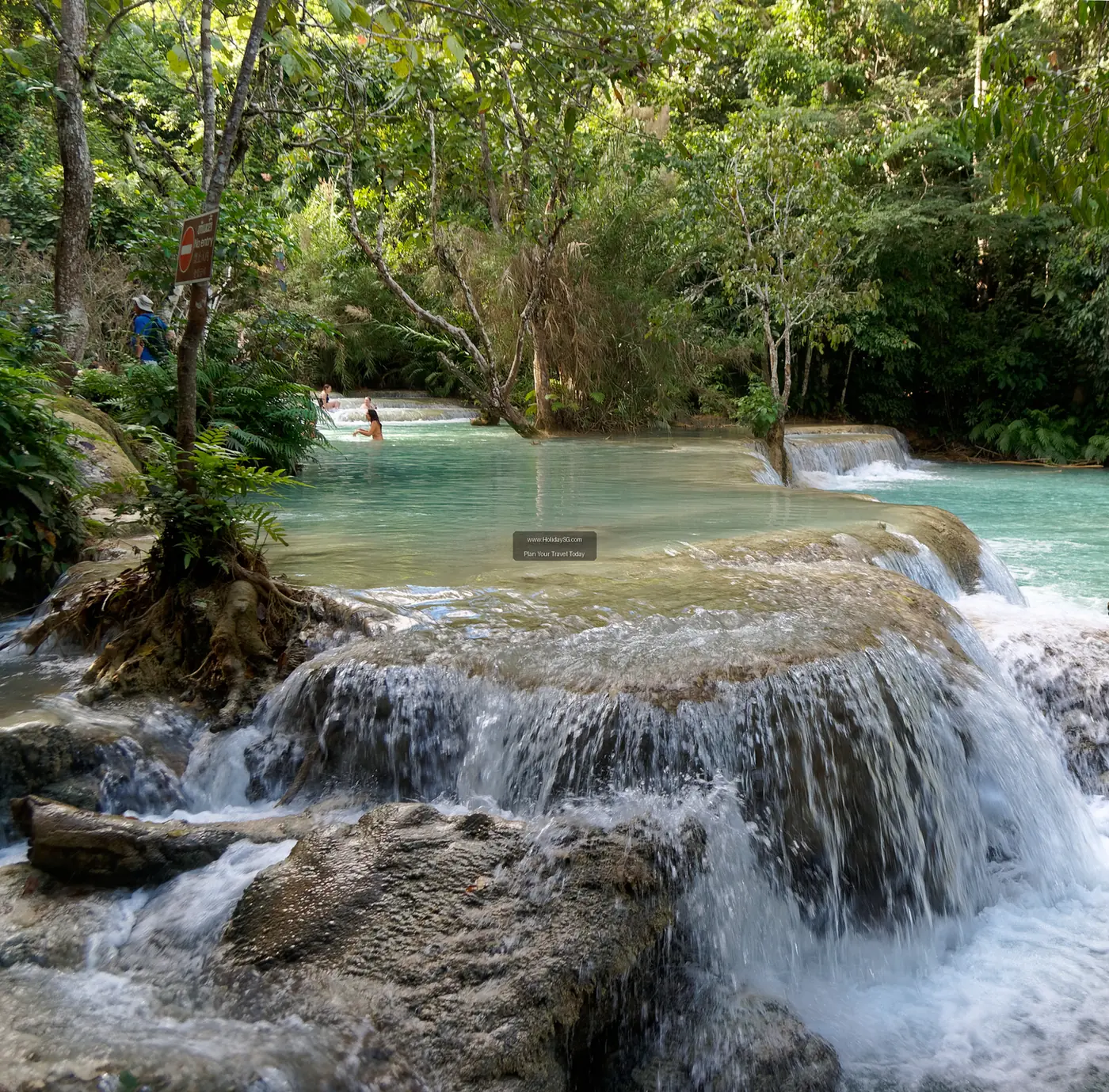
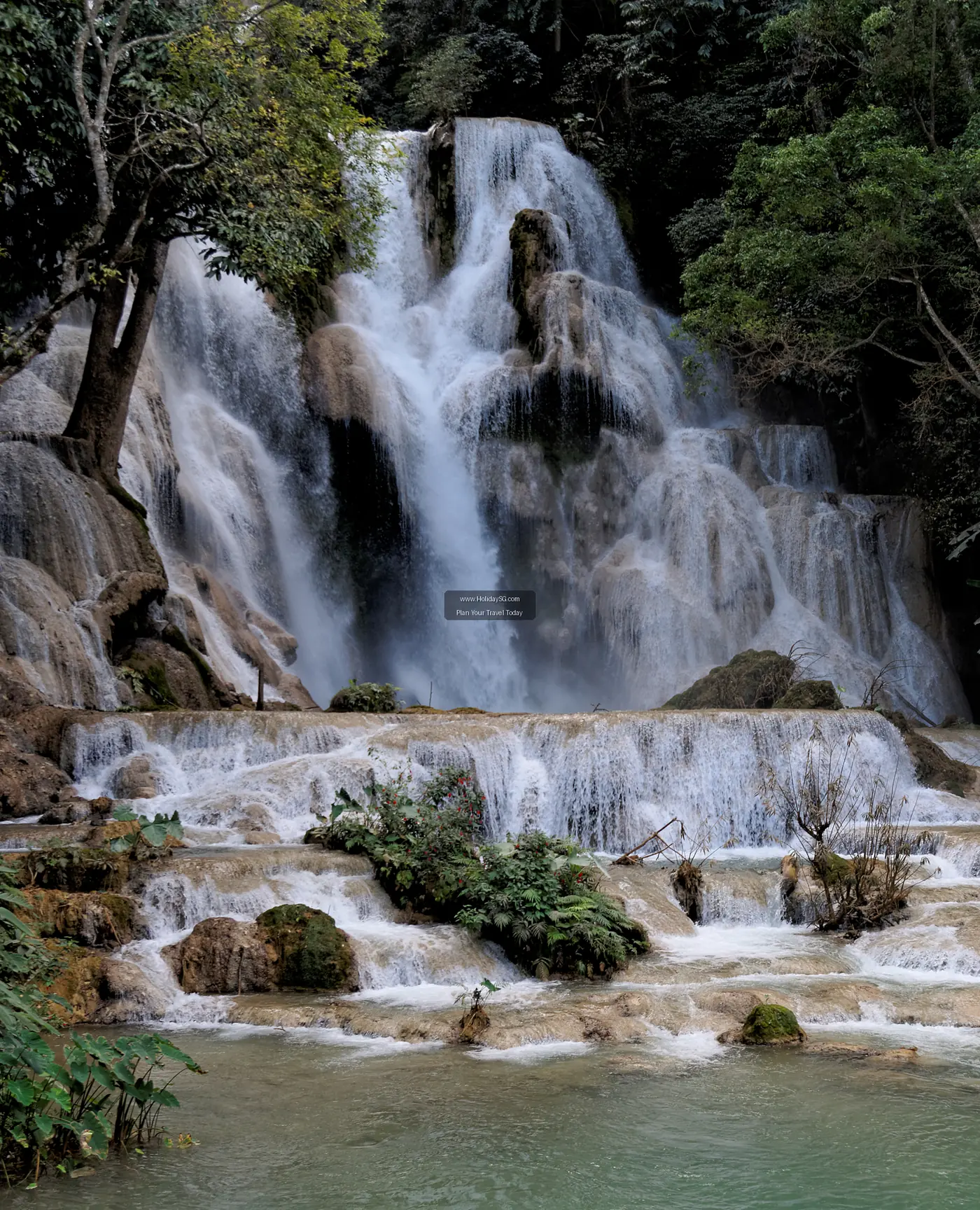
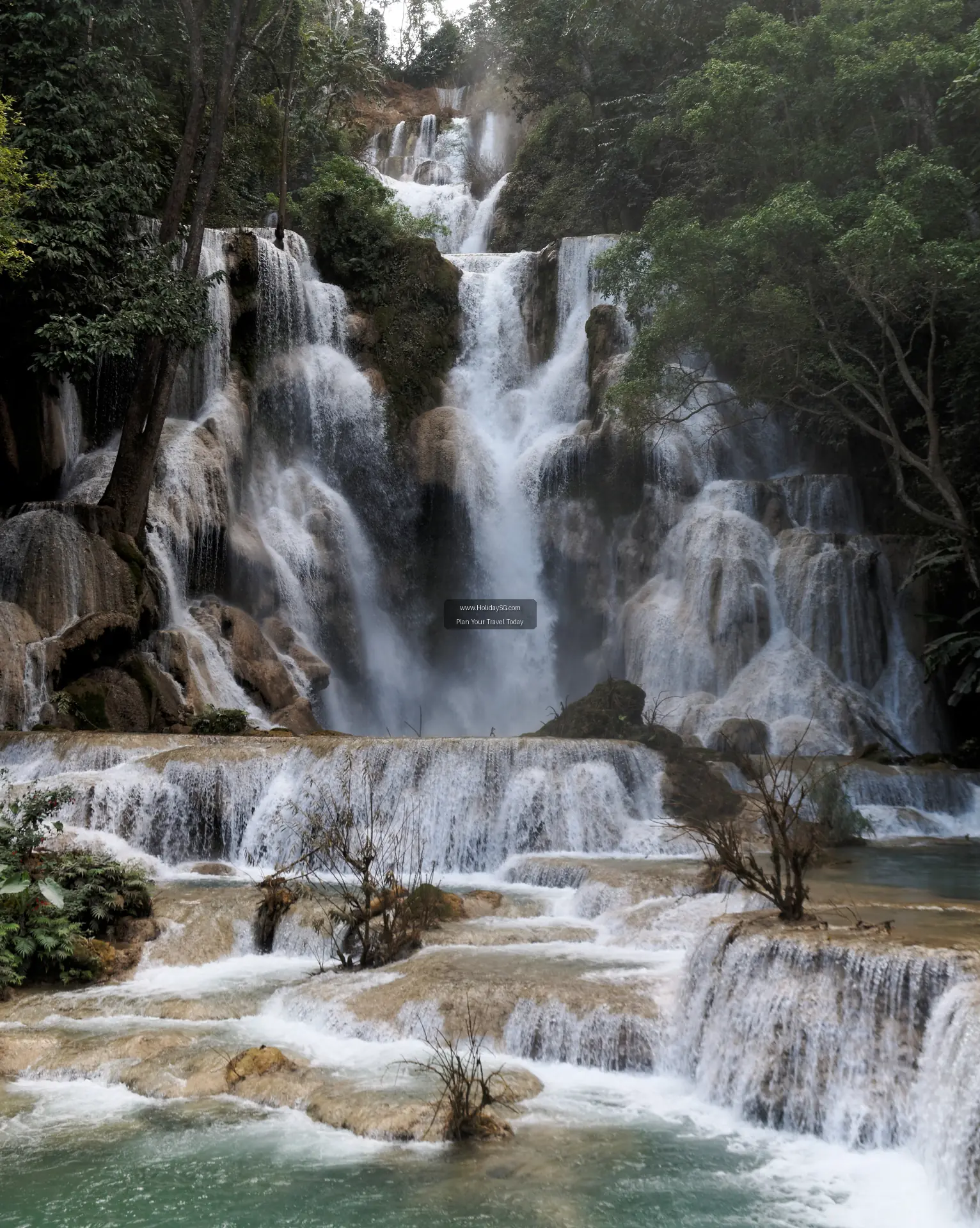
No trip to Luang Prabang is complete without a visit to Kuang Si Falls, a three-tiered waterfall with turquoise pools perfect for swimming. The falls are about 30 minutes from town, and you can combine your visit with a stop at the Bamboo Experience Class at Kuang Si Falls, where you’ll learn traditional bamboo weaving and cooking techniques from local artisans. For panoramic views of the town and river, climb Mount Phousi at sunset—it’s a short but steep hike, but the reward is worth every step.
Back in town, explore the Royal Palace Museum and its stunning Haw Kham (Golden Hall), which houses a collection of royal artifacts and Buddhist treasures. In the evening, wander through the Night Market, where vendors sell everything from handwoven textiles to silver jewelry and street food. Try khao jee (Lao baguette sandwiches) or sai oua (spicy Lao sausage)—your taste buds will thank you.
2. Uncover Vientiane’s Cultural & Historical Treasures
Ready to go? Book Laos Unlimited Data 4g5g Esim with HolidaySG.
Ready to go? Book Laos Unlimited Data 4g5g Esim with HolidaySG.
Laos’ capital, Vientiane, is often overlooked in favor of more touristy destinations, but this riverside city has a charm all its own. Start your exploration at Pha That Luang, the country’s most sacred Buddhist monument. This golden stupa is a symbol of Lao nationalism and a stunning example of Buddhist architecture. Nearby, the Patuxai Victory Gate—often called Laos’ Arc de Triomphe—offers a quirky blend of Lao and French design, with panoramic views from its top.
For something completely different, head to Buddha Park (Xieng Khuan), a surreal sculpture garden filled with over 200 Hindu and Buddhist statues. The highlight? A giant reclining Buddha and a towering pumpkin-shaped structure you can climb for a bird’s-eye view of the park. Back in the city, take a leisurely stroll along the Mekong River at Chao Anouvong Park, where locals gather in the evenings to exercise, socialize, and enjoy the sunset.
No visit to Vientiane is complete without a trip to Talat Sao (Morning Market), a bustling market where you can shop for everything from silk scarves to handmade crafts. It’s also a great place to sample Lao coffee—Laos is one of the world’s top producers of robusta beans, and the Bolaven Plateau’s coffee is particularly renowned. If you’re looking to dive deeper into Lao culture, consider booking an Evening Baci Ceremony with a Home-Cooked Dinner, where you’ll experience a traditional Lao blessing ritual and feast on authentic dishes.
3. Adventure in Vang Vieng’s Limestone Karst Landscapes
Vang Vieng is Laos’ adventure playground, where dramatic limestone karsts rise from the emerald-green Nam Song River. Once infamous for its wild party scene, the town has reinvented itself as a hub for outdoor activities, attracting travelers who want to combine adrenaline with breathtaking scenery. One of the most popular activities is tubing or kayaking on the Nam Song River, where you’ll float past towering cliffs, caves, and rural villages. For a more active experience, try rock climbing—Vang Vieng is one of Southeast Asia’s top climbing destinations, with routes for all skill levels.
If you prefer to keep your feet on the ground, hike to the Pha Ngern Viewpoint for one of the most Instagram-worthy sunrises in Laos. The trail is steep and challenging, but the 360-degree views of the karst landscape are unforgettable. For a unique underground adventure, explore the Tham Nam and Tham Chang caves. Tham Nam is a water cave where you’ll swim or kayak through pitch-black tunnels, while Tham Chang is a dry cave with a natural spring and a small temple inside.
After all that adventure, cool off at the Blue Lagoon, a series of natural swimming pools surrounded by lush jungle. The lagoon’s vibrant blue waters are perfect for a refreshing dip, and there’s even a rope swing for those who want to make a splash. If you’re visiting in the evening, head to one of Vang Vieng’s riverside bars for a cold Beerlao and a plate of ping kai (grilled chicken)—the perfect way to end an action-packed day.
4. Step Back in Time at the Plain of Jars (Phonsavan)
Ready to go? Book Laos Unlimited Data 4g5g Esim with HolidaySG.
Ready to go? Book Laos Unlimited Data 4g5g Esim with HolidaySG.
The Plain of Jars is one of Laos’ most mysterious archaeological sites—a landscape dotted with thousands of ancient stone jars, some weighing up to several tons. The jars are believed to be over 2,000 years old, but their exact purpose remains a mystery. Archaeologists speculate they may have been used for burial rituals, food storage, or even as ancient distilleries. The most accessible sites are Site 1, Site 2, and Site 3, each offering a unique glimpse into this enigmatic history.
While in Phonsavan, visit the MAG UXO Visitor Center to learn about the devastating impact of unexploded ordnance (UXO) from the Secret War. The center provides a sobering but important education on the ongoing efforts to clear Laos of these deadly remnants. For a deeper cultural experience, explore the nearby Hmong and Khmu villages, where you can learn about traditional weaving, farming, and daily life in rural Laos.
The Plain of Jars is a reminder of Laos’ resilience and rich history, and it’s a must-visit for anyone interested in archaeology or off-the-beaten-path destinations. Just be sure to hire a local guide—they can provide invaluable insights and help you navigate the terrain safely.
5. Relax in the Serenity of the 4,000 Islands (Si Phan Don)
If you’re looking to unwind, the 4,000 Islands (Si Phan Don) is the perfect place to slow down and soak in the beauty of the Mekong River. This archipelago of islands, ranging from tiny sandbars to larger inhabited islands, is a haven for travelers seeking peace and tranquility. The most popular islands are Don Det and Don Khon, where you can rent a bicycle and explore at your own pace. Don Det is the backpacker hub, with laid-back cafes and riverside bungalows, while Don Khon is quieter and home to the stunning Li Phi and Somphamit waterfalls.
One of the highlights of visiting the 4,000 Islands is the chance to spot the rare Irrawaddy dolphins. These freshwater dolphins can be seen near Don Khon, especially in the early morning or late afternoon. Boat tours are available, and while sightings aren’t guaranteed, the journey itself is a peaceful way to experience the Mekong’s beauty. For a unique perspective, stay in a riverside bungalow and watch the sunset over the water—it’s pure magic.
If you’re craving a bit of adventure, rent a kayak and paddle through the islands’ narrow channels, or take a boat trip to the nearby Khone Phapheng Falls, the largest waterfall in Southeast Asia. The 4,000 Islands are a place to disconnect from the world and reconnect with nature, making them the perfect antidote to the hustle and bustle of modern life.
6. Discover the Bolaven Plateau’s Coffee & Waterfalls
Ready to go? Book Laos Unlimited Data 4g5g Esim with HolidaySG.
Ready to go? Book Laos Unlimited Data 4g5g Esim with HolidaySG.
The Bolaven Plateau is a lush, elevated region in southern Laos, famous for its coffee plantations, waterfalls, and ethnic minority villages. Coffee lovers will be in heaven here—Laos is one of the world’s top producers of robusta beans, and the Bolaven Plateau’s cool climate and rich soil create the perfect conditions for growing high-quality coffee. Take a tour of a local plantation, where you can learn about the coffee-making process from bean to cup and sample some of the best brews in the country.
The plateau is also home to some of Laos’ most spectacular waterfalls. Tad Fane and Tad Yuang are twin waterfalls that cascade into a deep gorge, creating a breathtaking sight. For a more secluded experience, visit Tad Lo Waterfall, a series of cascades surrounded by jungle. The area is also a great place to explore ethnic minority villages, such as the Laven, Alak, and Katu communities, where you can learn about traditional weaving, farming, and daily life.
The Bolaven Plateau is a paradise for nature lovers and foodies alike. Whether you’re sipping freshly brewed coffee, trekking through waterfalls, or immersing yourself in local culture, this region offers a side of Laos that’s often overlooked but utterly unforgettable.
7. Escape to the Scenic Riverside Town of Nong Khiaw
Tucked away in northern Laos, Nong Khiaw is a picturesque riverside town that feels like a world away from the tourist crowds. Surrounded by dramatic limestone cliffs and the Nam Ou River, it’s a haven for hikers, photographers, and anyone looking to escape the hustle and bustle. One of the best ways to experience Nong Khiaw is by hiking to the Pha Daeng Viewpoint, where you’ll be rewarded with panoramic views of the river and surrounding mountains. The hike is steep and challenging, but the scenery is worth every step.
For a unique cultural experience, take a boat trip to the nearby village of Muang Ngoi Neua, a peaceful riverside community with no roads or cars. Here, you can explore caves, waterfalls, and local farms, or simply relax in a hammock and soak in the tranquility. Another must-visit is Tham Pha Tok Cave, a sacred Buddhist site with a temple inside. The cave is filled with stalactites and stalagmites, and the journey to reach it involves a short boat ride and a climb up a steep staircase.
Nong Khiaw is the perfect base for exploring northern Laos’ natural beauty and cultural heritage. Whether you’re hiking, boating, or simply enjoying the view, this charming town is a hidden gem that deserves a spot on your itinerary.
8. Visit the Ancient Khmer Ruins of Wat Phu (Champasak)
Ready to go? Book Laos Unlimited Data 4g5g Esim with HolidaySG.
Ready to go? Book Laos Unlimited Data 4g5g Esim with HolidaySG.
For a taste of Laos’ ancient history, head to Wat Phu, a UNESCO-listed Khmer temple complex near the town of Pakse. Built in the 5th to 15th centuries, Wat Phu is one of the oldest archaeological sites in Laos and a stunning example of Khmer architecture. The temple is dedicated to the Hindu god Shiva and is set against the backdrop of Phu Kao Mountain, which is said to resemble a linga (a phallic symbol representing Shiva).
The complex is divided into three levels, each offering a unique perspective on the site’s history and significance. The lower level features a series of barays (reservoirs) and a processional walkway lined with frangipani trees. The middle level is home to the temple’s main sanctuary, while the upper level offers panoramic views of the surrounding countryside. Don’t miss the sacred spring, which is believed to have healing properties.
Wat Phu is a must-visit for history buffs and anyone interested in ancient civilizations. The site is less crowded than Cambodia’s Angkor Wat, making it a peaceful and immersive experience. Combine your visit with a trip to the nearby Don Daeng Island, where you can explore rural villages and relax by the Mekong River.
9. Hidden Gems & Off-the-Beaten-Path Adventures
Laos is full of hidden gems that most travelers never discover. If you’re looking to venture off the beaten path, consider these unique experiences:
- Muang Ngoi Neua: This riverside village is accessible only by boat and offers a glimpse into traditional Lao life. Explore caves, waterfalls, and local farms, or simply relax in a hammock and enjoy the tranquility.
- Vieng Xai Caves: Located in Houaphanh Province, these caves served as hideouts for the Pathet Lao during the Secret War. Today, they’re a fascinating historical site and a reminder of Laos’ turbulent past.
- Don Khong: The largest island in the 4,000 Islands, Don Khong is a peaceful alternative to Don Det and Don Khon. Rent a bicycle and explore its rural villages, temples, and scenic landscapes.
- Phou Hin Poun NPA: This national protected area near Vang Vieng is home to stunning limestone karsts, caves, and hiking trails. Don’t miss Tham Nam and Tham Chang, two of the region’s most impressive caves.
These hidden gems offer a deeper connection to Laos’ culture and natural beauty, and they’re the perfect way to escape the tourist crowds and experience the country like a local.
Practical Travel Tips for Laos in 2026
Ready to go? Book Laos Unlimited Data 4g5g Esim with HolidaySG.
Ready to go? Book Laos Unlimited Data 4g5g Esim with HolidaySG.
Planning a trip to Laos? Here’s what you need to know to make the most of your visit:
Best Time to Visit
Laos has three distinct seasons, each offering a unique travel experience:
- Cool & Dry Season (November–February): The best time to visit, with pleasant temperatures (15–28°C) and minimal rain. This is peak tourist season, so book accommodations in advance.
- Hot Season (March–May): Temperatures can exceed 35°C, making outdoor activities challenging. However, this is a great time to visit if you want to avoid crowds.
- Rainy Season (June–October): Lush landscapes and fewer tourists, but some rural roads may be inaccessible. Pack a rain jacket and be prepared for sudden downpours.
Visa Requirements
Most travelers can obtain a visa on arrival (30-day stay, ~$30–$40) or apply for an e-Visa online (~$50, processing time: 3 days). Extensions are possible at immigration offices in Vientiane or Luang Prabang (~$3/day + $2 fee). Be sure to bring a passport photo and enough cash for the visa fee.
Transportation
Getting around Laos can be an adventure in itself. Here are your options:
- Buses: The cheapest option, with routes connecting major cities (e.g., Vientiane–Luang Prabang: $15–$25, 10–12 hours).
- Minivans: Faster but less comfortable than buses (e.g., Luang Prabang–Vang Vieng: $10–$15, 4–5 hours).
- Domestic Flights: Laos Airlines and Lao Skyway offer routes between major cities (e.g., Vientiane–Luang Prabang: $80–$120 one-way). Book in advance for a great selection of.
- Boat Travel: Slow boats (Mekong River, Luang Prabang–Huay Xai: 2 days, ~$25–$40) or speedboats (faster but less safe).
- Local Transport: Tuk-tuks, songthaews (shared trucks), and motorbike rentals ($8–$15/day) are great for short distances.
For seamless connectivity during your trip, consider getting a Laos Unlimited Data 4G/5G eSIM or an Airalo Laos eSIM Package. These options ensure you stay connected without the hassle of buying a local SIM card.
Budget Breakdown
Laos is one of Southeast Asia’s most affordable destinations. Here’s a rough estimate of daily costs in 2026:
- Budget Traveler: $25–$40/day (hostels, street food, local transport).
- Mid-Range Traveler: $50–$100/day (private rooms, restaurants, occasional tours).
- Luxury Traveler: $150+/day (boutique hotels, guided tours, domestic flights).
Key expenses include:
Cultural Etiquette
Laos is a deeply spiritual country, and respecting local customs is essential. Here are a few tips:
- Dress Modestly: Cover shoulders and knees when visiting temples (e.g., Wat Phu, Pha That Luang).
- Alms-Giving Ceremony: Observe respectfully in Luang Prabang (no flash photography, dress appropriately).
- Greetings: Use the traditional nop (palms together, slight bow) instead of handshakes.
- Shoes Off: Remove shoes before entering homes, temples, and some shops.
- Public Behavior: Avoid public displays of affection; don’t touch people’s heads (considered sacred).
Health & Safety
Laos is generally safe for travelers, but it’s important to take precautions:
- Vaccinations: Recommended: Hepatitis A/B, Typhoid, Tetanus, Japanese Encephalitis (rural areas).
- Malaria & Dengue: Risk in rural/forested areas (use mosquito repellent, wear long sleeves).
- Food & Water: Drink bottled water; avoid ice in rural areas and raw/undercooked food.
- Travel Insurance: Highly recommended (covers medical emergencies, theft, and trip cancellations).
- Road Safety: Be cautious with motorbike rentals (poor road conditions, limited medical facilities).
Frequently Asked Questions (FAQs)
Is Laos safe for solo travelers?
Yes, Laos is generally safe for solo travelers, but it’s important to exercise caution. Petty theft and scams can occur, especially in touristy areas, so keep your belongings secure and avoid walking alone at night. Solo female travelers should take extra precautions, such as dressing modestly and avoiding isolated areas after dark.
Can I use USD in Laos, or do I need Lao Kip?
While USD is widely accepted in Laos, it’s best to use Lao Kip (LAK) for small purchases. The exchange rate in 2026 is expected to be around 1 USD = 20,000 LAK. ATMs are available in major cities, but they may not be reliable in rural areas, so carry enough cash for your needs.
How many days do I need to explore Laos?
A minimum of 7–10 days is ideal for covering Laos’ highlights, such as Luang Prabang, Vientiane, Vang Vieng, and the 4,000 Islands. For a deeper exploration, plan for 2+ weeks to include off-the-beaten-path destinations like the Bolaven Plateau, Nong Khiaw, and the Plain of Jars.
Is Laos expensive compared to Thailand or Vietnam?
No, Laos is one of Southeast Asia’s most affordable destinations. Accommodation, food, and transportation are significantly cheaper than in Thailand or Vietnam, making it a great option for budget travelers.
What’s the nightlife like in Laos?
Laos’ nightlife is low-key compared to other Southeast Asian countries. Vang Vieng has a few bars and clubs, but Luang Prabang and Vientiane are quieter, with riverside lounges and live music venues. If you’re looking for a wild party scene, Laos may not be the best choice—but if you prefer a more relaxed atmosphere, you’ll love it here.
Do I need a guide for major attractions?
Guides are optional for most city attractions, but they’re highly recommended for remote sites like the Plain of Jars, Bolaven Plateau, and Wat Phu. A good guide can provide valuable insights into the history and culture of these places, enhancing your experience.
Sustainable & Responsible Travel in Laos
Ready to go? Book Laos Unlimited Data 4g5g Esim with HolidaySG.
Ready to go? Book Laos Unlimited Data 4g5g Esim with HolidaySG.
Laos is a country of incredible beauty and cultural richness, but it’s also one of the least developed nations in Southeast Asia. As travelers, we have a responsibility to minimize our impact and support local communities. Here’s how you can travel sustainably in Laos:
- Support Local Businesses: Stay in family-run guesthouses, eat at local eateries, and buy handicrafts directly from artisans. This ensures your money goes directly to the people who need it most.
- Wildlife Tourism: Avoid unethical activities like elephant rides. Instead, visit ethical sanctuaries like MandaLao Elephant Conservation, where elephants are treated with care and respect.
- Plastic Waste: Laos has a serious plastic problem, so do your part by carrying a reusable water bottle and avoiding single-use plastics. Refill stations are available in cities, and many guesthouses offer filtered water.
- Respect Communities: Always ask permission before photographing locals, especially ethnic minorities. Dress modestly and be mindful of cultural norms.
- Eco-Tours: Choose tour operators with sustainable practices, such as trekking with local guides, staying in homestays, and supporting community-based tourism.
By traveling responsibly, you’ll help preserve Laos’ natural and cultural heritage for future generations while having a more meaningful and authentic experience.
Recommended HolidaySG Tours
- Evening Baci Ceremony Home Cooked Dinner
- Bamboo Weaving Cooking Class Half Day
- Bamboo Experience Class Kuang Si Falls Full Day
- Laos Unlimited Data 4G/5G eSIM
- Airalo Laos eSIM Package
Conclusion
Ready to go? Book Laos Unlimited Data 4g5g Esim with HolidaySG.
Ready to go? Book Laos Unlimited Data 4g5g Esim with HolidaySG.
Laos is a destination that captivates the heart and soul. From the misty mountains of Luang Prabang to the serene 4,000 Islands, this country offers a blend of adventure, culture, and natural beauty that’s hard to find anywhere else. Whether you’re exploring ancient temples, trekking through waterfalls, or simply enjoying the laid-back pace of life, Laos promises an unforgettable journey in 2026.
Ready to explore Laos with seamless connectivity? Check out our Laos Unlimited Data 4G/5G eSIM to stay connected throughout your adventure!
Book with HolidaySG online for Laos Unlimited Data 4g5g Esim, Airalo Laos E Sim Package, Evening Baci Ceremony Home Cooked Dinner.
Book with HolidaySG online for Laos Unlimited Data 4g5g Esim, Airalo Laos E Sim Package, Trekking Longlao To Kuang Si Falls Full Day Private Tour.
Book these with HolidaySG:
- Trekking Longlao To Kuang Si Falls Full Day Private Tour
- Mekong Fishing Experience Kuang Si Falls
- Luang Prabang Private Cultural Discovery With Alms Giving Museum And Kuang
- Luang Prabang Evening Street Eats And Night Market Private Tour
- Luang Prabang Morning Foodie Walking Monk
- Luang Prabang Local Villages Full Day Private Tour
Frequently Asked Questions
Where can I book the tours or get an eSIM for Laos?
• Laos Unlimited Data 4G/5G eSIM
• Airalo Laos eSIM Package
• Trekking from Longlao to Kuang Si Falls Full Day Tour
• Mekong Fishing Experience at Kuang Si Falls
• Luang Prabang Private Cultural Discovery Tour
• Luang Prabang Evening Street Eats & Night Market Tour
• Luang Prabang Morning Foodie Walking & Monk Blessing
• Luang Prabang Local Villages Full Day Tour