Discover the 15 best things to do in Switzerland for 2026, from iconic Alpine peaks like Jungfraujoch to charming lakesi...
HolidaySG Travel Team
July 26, 2026
13 min read40 views
Discover the 15 best things to do in Switzerland for 2026, from iconic Alpine peaks like Jungfraujoch to charming lakeside towns and practical travel tips.
In this guide.
The 15 best things to do in switzerland (2026) is exactly what this guide covers.
Switzerland is a country that seems to have leaped straight from a storybook, where jagged Alpine peaks pierce sapphire skies, mirror-still lakes reflect charming villages, and trains glide through valleys with legendary punctuality. As 2026 approaches, it promises to be an exceptional year to visit, with all its iconic attractions in full swing and new opportunities to explore its efficient, clean, and breathtakingly beautiful landscapes. Whether you’re an adventure seeker, a culture enthusiast, or simply looking for serene natural beauty, Switzerland delivers with unforgettable precision. This guide covers the 15 essential experiences that will define a perfect Swiss adventure for 2026, blending must-see sights with practical insights to help you plan.
Switzerland offers a perfect mix of iconic alpine peaks like the Matterhorn and Jungfraujoch, stunning lakeside towns such as Montreux and Lucerne, and world-class hiking. The Swiss Travel Pass is your golden ticket for affordable, seamless transport and museum access. Budget for high prices and consider visiting in summer for hiking or winter for skiing.
The journey to Jungfraujoch, at 3,454 meters, is a classic Swiss rail adventure. The cogwheel train winds dramatically through the Eiger, Mönch, and Jungfrau mountains to Europe’s highest railway station. At the summit, you’ll encounter an Ice Palace, a Sphinx observation terrace with staggering views of the Aletsch Glacier, and the feeling of being truly on top of the world. A crucial tip: a Berner Oberland Regional Pass can offer substantial savings on this route and other adventures in the region.
The iconic pyramid of the Matterhorn is the ultimate symbol of the Alps. The car-free town of Zermatt sits at its foot, and the best way to appreciate its majesty is via the Gornergrat railway. This cogwheel train climbs to a panoramic viewpoint with the Matterhorn framed perfectly against a backdrop of 29 other four-thousand-metre peaks. Plan for an early morning start—clear skies at dawn often provide the best views and photography light.
3. Live a 007 Fantasy at the Schilthorn
Featured in the James Bond film “On Her Majesty’s Secret Service,” the Schilthorn’s Piz Gloria summit is accessible via a series of cable cars from Lauterbrunnen or Mürren. The revolving restaurant at the top offers a 360-degree panorama of over 200 Alpine peaks, including the Eiger, Mönch, and Jungfrau. It’s a thrilling ride with a cinematic twist, providing some of the most accessible yet dramatic mountain views in the Bernese Oberland.
Lake Geneva, or Lac Léman, is a vast, crescent-shaped gem bordered by France and Switzerland. In the elegant town of Montreux, the lakeside promenade leads to the fairy-tale Château de Chillon, a medieval castle perched on a rocky island. From April to October, lake cruises are a relaxing way to absorb the scenery. If you visit in late June or early July, you might catch the world-famous Montreux Jazz Festival, which electrifies the town’s lakeside venues.
5. Journey Across Lake Lucerne to Mt. Pilatus
Lucerne’s beautiful lake is surrounded by mountains, and exploring it by boat is a serene highlight, often included with the Swiss Travel Pass. For an unforgettable side trip, take the “Golden Round Trip” to Mt. Pilatus. This involves a boat across the lake, a cogwheel train (the world’s steepest), and a cable car or bus back, creating a thrilling loop of alpine wonders.
The Jungfrau Region is a hiker’s paradise, and the trail from the First gondola station to the crystal-clear Bachalpsee lake is a perfect example. This manageable 1.5-hour one-way walk offers continuous, jaw-dropping views of the surrounding glaciers and peaks. At the First station, don’t miss the cliff walk—a suspended walkway extending over the void—for an extra dose of adrenaline. Remember, lift tickets often include these experiences.
7. Be Spellbound by Lauterbrunnen Valley
Often called the “Valley of 72 Waterfalls,” Lauterbrunnen is a glacially carved U-shaped valley that inspired Tolkien’s Rivendell. Cascades like Staubbach Fall tumble freely from sheer cliffs, and the entire valley floor is dotted with charming hamlets and Alpine meadows. It serves as the gateway to higher adventures like the Schilthorn and is a stunning base for soaking in the quintessential Swiss mountain atmosphere.
Lucerne (Luzern) is a top contender for Switzerland’s most picturesque city. Its star attraction is the medieval Chapel Bridge (Kapellbrücke), a covered wooden footbridge adorned with 17th-century paintings. The entire old town, with its painted facades and cobblestone streets, sits beautifully between the lake and the dramatic Mt. Pilatus, offering a perfect blend of culture and nature.
9. Uncover the Medieval Magic of Bern
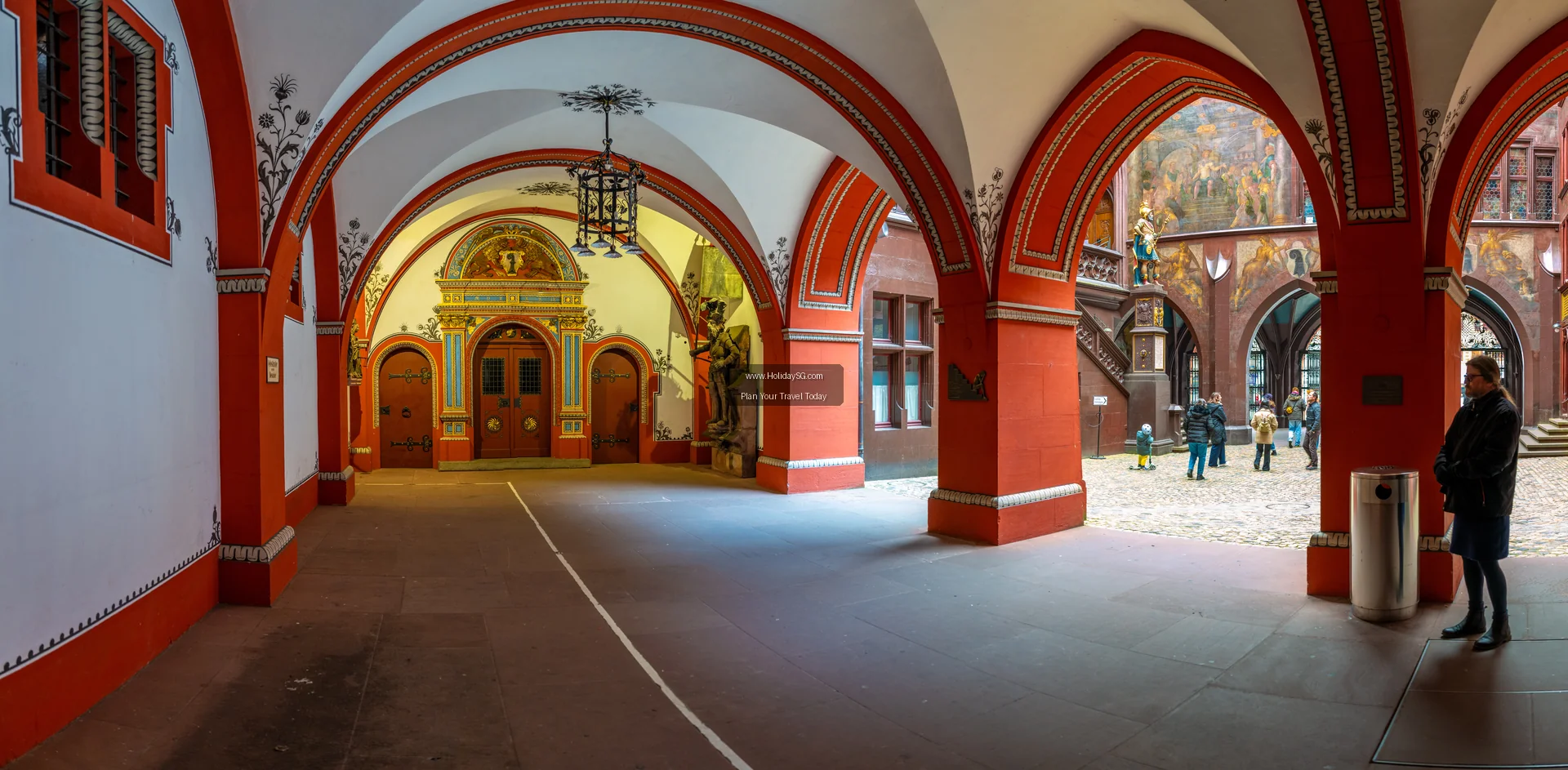
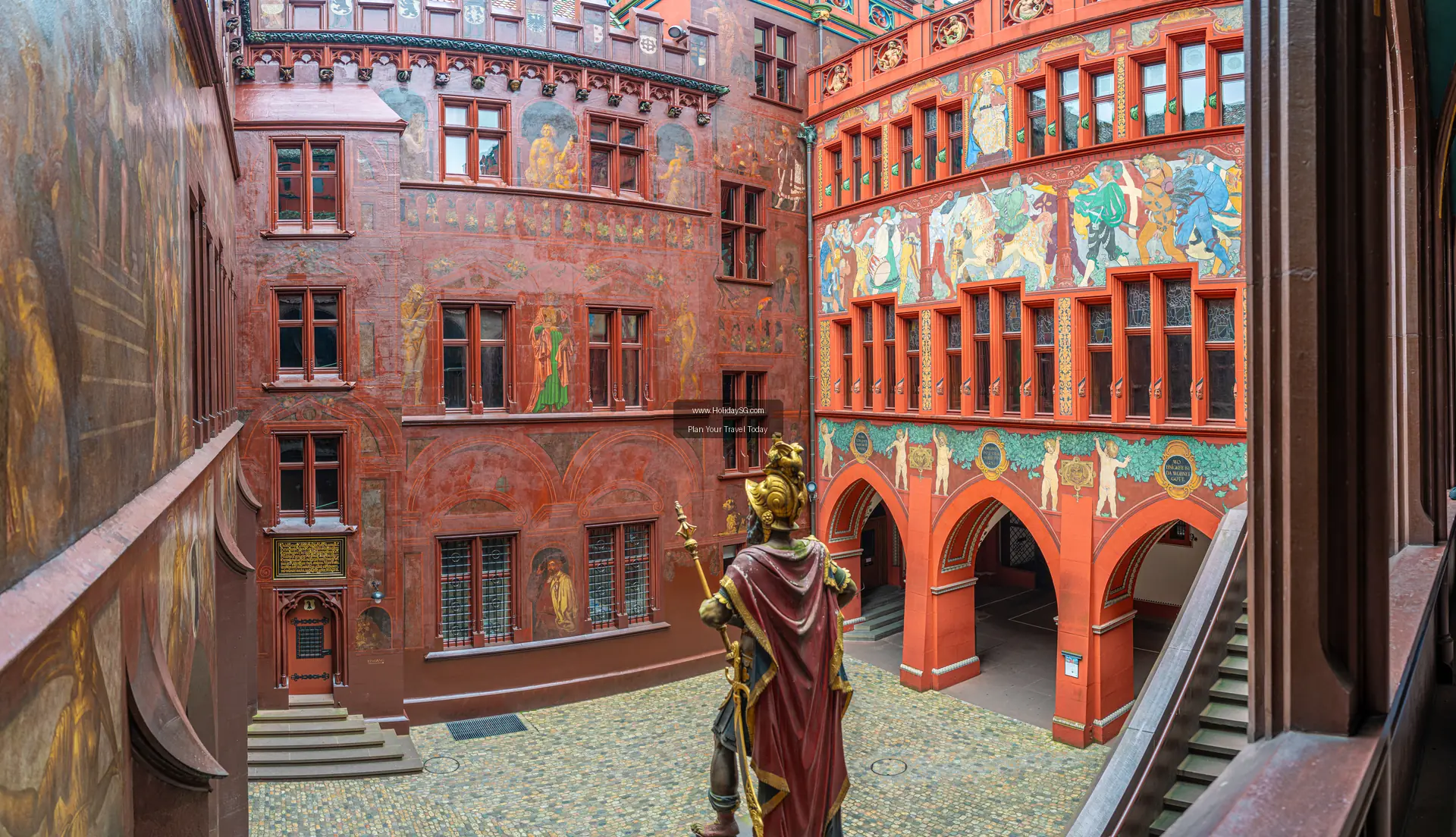
Switzerland’s capital is a UNESCO World Heritage site for good reason. Its 6-kilometer-long medieval old town, built on a peninsula of the River Aare, is a masterpiece of sandstone buildings and hidden courtyards. Don’t miss the iconic Zytglogge clock tower with its animated mechanical figures and the grand Federal Palace. Bern offers a slower, more authentic Swiss urban experience compared to bustling Zürich or Geneva.
10. Feel the Sophistication of Zürich
As Switzerland’s largest city, Zürich is a global hub for banking and culture, but it’s also stunningly set on Lake Zürich and the River Limmat. Stroll through the winding lanes of the Niederdorf old town, visit the Swiss National Museum, and enjoy world-class art at the Kunsthaus Zürich. The lakefront is perfect for a relaxing stroll or a quick swim in summer, showcasing the city’s impressive quality of life.
Swiss cuisine is about hearty, communal comfort food. You must try a bubbling pot of fondue (melted cheese for dipping bread) and a slice of raclette, where melted cheese is scraped over potatoes and pickles. For a classic main course, order Zürich-style veal (Zürichgeschnetzeltes). For budget-friendly meals, head to the deli counters at supermarket chains like Coop and Migros, where you can grab fresh sandwiches and local snacks at a fraction of restaurant prices.
12. Retreat to a Traditional Mountain Village
Escape the larger resort towns and spend time in an authentic Swiss village. Grindelwald offers grand views with more amenities, car-free Wengen provides serene elegance, and the tiny hamlet of Gimmelwald, perched high above Lauterbrunnen, feels like a step back in time with its traditional chalets and pastoral farming life. These places offer the quintessential Swiss alpine community feel.
The best season for your trip depends entirely on your interests. For hiking, wildflowers, and pleasant temperatures, visit from June to September. For world-class skiing and snowy landscapes, choose December to March. The shoulder seasons of spring (April-May) and autumn (October-November) have fewer crowds, but be aware that some high-altitude attractions and trails may be closed.
14. Navigate with the Swiss Travel Pass
This pass is arguably the best investment for most visitors. An 8-consecutive-day pass costs approximately CHF 469 in second class and grants unlimited travel on trains, buses, and boats across the country, plus free local city transport and complimentary entry to over 500 museums. It simplifies logistics immensely and saves money if you plan to take multiple scenic trains and lake cruises.
15. Budget Wisely and Handle the Details
Switzerland is expensive. A typical daily budget ranges from CHF 150-200 for budget travelers to CHF 250-400 for a mid-range experience, covering accommodation, food, and transport. Download the SBB (Swiss Federal Railways) app for real-time schedules and ticket purchases. For a seamless arrival or departure, consider arranging a Switzerland private transfer to your hotel. And to stay connected effortlessly, look into a Switzerland eSIM for free-roaming mobile data.
From the icy heights of Jungfraujoch to the tranquil shores of Lake Geneva, and from the bustling, beautiful streets of Lucerne to the quiet trails above Lauterbrunnen, Switzerland offers a diverse tapestry of experiences. It’s a country where precision meets wild nature, and luxury coexists with humble Alpine charm. As you plan for 2026, use this list as your starting point—mix iconic adventures with quiet discoveries, and let the efficiency of the Swiss system handle the logistics. Whether you follow our detailed guide to the Swiss Travel Pass or simply follow your heart, the memories you create amid the Alps will be as enduring as the mountains themselves.
Book with HolidaySG online for Switzerland Private Transfer By Car, Switzerland Half Fare Card For Trains Buses And Boats, Switzerland Berner Oberland Regional Pass In 2nd Class.
Do foreigners (non-citizens) need a different ticket, price, or visa for Switzerland?
Generally, foreigners need the same tickets and prices as locals for attractions and public transport in Switzerland. Visa requirements vary by nationality; many countries allow visa-free stays for up to 90 days for tourism, but always check the official Swiss government website or your local embassy for the most current rules before traveling.
What is the best time (season, or time of day for the site/activity) to go?
The best season depends on activities: summer (June to August) for hiking and lake visits, winter (December to February) for skiing and snow sports. For specific sites, early mornings or late afternoons often have fewer crowds and better lighting for photography.
How many days do I need to explore Switzerland?
A minimum of 7-10 days is recommended to cover major highlights like Zurich, Lucerne, Interlaken, and the Jungfrau region without rushing. For a deeper experience, two weeks allows for more off-the-beaten-path destinations.
What is the average daily cost for a tourist in Switzerland?
Switzerland is expensive; budget travelers may spend CHF 150-200 per day, mid-range around CHF 200-350, and luxury trips can exceed CHF 500. Costs vary based on accommodation, food, and activities.
How do I get to Switzerland from Singapore or other countries?
Direct flights from Singapore to Zurich or Geneva are available, with a flight time of about 12-13 hours. From other countries, major hubs like Zurich and Geneva have numerous international connections. Book flights in advance for better deals.
Is Switzerland family-friendly?
Yes, Switzerland is highly family-friendly with attractions like chocolate factories, playgrounds in parks, easy hiking trails, and child-friendly public transport. Many hotels and restaurants cater to families with young children.
What should I pack or bring?
Pack layers for variable weather, comfortable walking shoes, a rain jacket, and European plug adapters. In winter, bring warm clothing, gloves, and thermal wear. For summer, include sunscreen and hats.
Is Switzerland accessible for people with disabilities?
Major cities and public transport in Switzerland have good accessibility, but some mountainous areas may be challenging. Check specific attraction websites for details on ramps, lifts, and services for visitors with disabilities.
Is Switzerland safe for tourists?
Switzerland is one of the safest countries globally, with low crime rates and reliable public services. Solo travelers should exercise normal precautions, such as safeguarding valuables and staying aware in crowded areas.
What is the typical weather in Switzerland throughout the year?
Winters are cold with snow, especially in mountains; summers are mild and pleasant with temperatures around 20-25°C. Spring (April-May) and autumn (September-October) can be rainy and cooler.
What are some local customs or etiquette tips I should know?
Punctuality is highly valued; arrive on time for appointments. Tipping is not mandatory but rounding up the bill is appreciated. In formal settings, greet with a handshake and use titles. Remove shoes when entering homes if invited.
Can I find international food options in Switzerland?
Yes, cities like Zurich and Geneva offer diverse international cuisines, from Italian to Asian. Traditional Swiss food includes fondue, raclette, and rösti, often available in local restaurants.
How can I save money on trains and public transport?
Use passes like the Half Fare Card for 50% off most public transport, or regional passes such as the Berner Oberland Regional Pass for unlimited travel in specific areas. See Switzerland Half Fare Card for details.
What are the top attractions I shouldn’t miss?
Must-sees include the Matterhorn in Zermatt, Jungfraujoch “Top of Europe,” Lake Geneva with the Jet d’Eau, and the UNESCO-listed Old Town of Bern. Many are accessible via efficient public transport.
Do I need travel insurance for Switzerland?
While not mandatory, travel insurance is highly recommended to cover medical emergencies, trip cancellations, lost luggage, or theft, as healthcare in Switzerland can be costly for foreigners.
Are credit cards widely accepted in Switzerland?
Credit and debit cards are widely accepted in cities and tourist areas, but carry some cash (Swiss Francs) for smaller vendors, rural areas, or unexpected situations.
What languages are spoken in Switzerland?
The official languages are German, French, Italian, and Romansh. English is widely spoken in tourist regions, hotels, and restaurants.
Are there any major events or festivals in Switzerland in 2026?
Annual events include the Montreux Jazz Festival in July, Swiss National Day on August 1, and various Christmas markets in December. Check local tourism websites for specific 2026 dates and new events.
What’s the best way to get around Switzerland once I’m there?
Public transport is efficient and covers most areas; consider a Swiss Travel Pass for flexibility. For direct routes, Switzerland Private Transfer By Car offers convenient door-to-door service.
What things cost in Switzerland
Live HolidaySG prices for the experiences in this guide, so you can sanity-check a budget before you commit.
Important: Some of the links recommended here are paid placements or have sponsored our stay in one way. We have paid for these accommodations ourselves. If you book through any of our links, we make a small commission at no extra cost to you. This helps keep our site running – so thank you in advance for your support!
Written by
HolidaySG Travel Team
Singapore-based travel specialists covering attractions, tours and travel experiences across Asia-Pacific and beyond. Licensed travel agency (TA04014).
Last updated: October 12, 2026
#Switzerland#things to do#Attraction Guides#HolidaySG
This conversation was resolved. Reply below to continue, or
We use cookies
We use cookies to enhance your browsing experience, serve personalised content, and analyse our traffic. By clicking "Accept All", you consent to our use of cookies.
Read our Cookie Policy