

The super indonesia travel guide: top attractions, transport, eat, tips … is exactly what this guide covers.
Indonesia is a land of staggering diversity—where emerald rice terraces meet volcanic peaks, ancient temples rise from misty jungles, and turquoise waters teem with marine life. With over 17,000 islands, this archipelago offers something for every traveler: from the spiritual energy of Bali’s Ubud to the adrenaline rush of surfing in Lombok, the otherworldly landscapes of Java’s volcanoes, and the untouched paradise of Raja Ampat. Whether you’re a backpacker on a budget, a luxury seeker, or a digital nomad chasing slow travel, Indonesia’s mix of culture, adventure, and natural beauty makes it a destination you’ll never forget.
Indonesia is a dream for travelers seeking culture, adventure, and relaxation. This guide covers top attractions (Bali, Java, Komodo, Raja Ampat), transport tips (flights, scooters, private drivers), costs, visa rules, and pro tips to navigate everything from temple etiquette to avoiding Bali belly. Plan smart, travel responsibly, and dive into one of Southeast Asia’s most rewarding destinations.
—
## Top Attractions & Must-Visit Destinations in Indonesia
### Bali: More Than Just Beaches
Bali is Indonesia’s most famous island, but its magic goes far beyond its coastline. In **Ubud**, the cultural heart of the island, you’ll find lush jungles, sacred monkey forests, and yoga retreats tucked into rice paddies. Don’t miss the **Tegallalang Rice Terraces**, where the iconic emerald-green steps create a photographer’s paradise—though arrive early to beat the crowds. For a deeper dive into Balinese traditions, join a **cooking class** (try *babi guling*, or suckling pig) or visit a local *banjar* (village council) to witness a traditional ceremony.
Down south, **Uluwatu** delivers dramatic cliffside temples, world-class surf breaks, and sunset views from **Single Fin**, a bar perched on the edge of a limestone cliff. Nearby, **Seminyak** and **Canggu** offer a mix of boutique shopping, beach clubs, and vibrant nightlife—perfect for those who want to balance adventure with relaxation. For a quieter escape, head to **Sidemen Valley**, where you can stay in a bamboo villa overlooking the rice fields, or chase waterfalls like **Sekumpul** and **Tegenungan**, hidden in Bali’s lush interior.
### Java: Temples, Volcanoes, and Royal Heritage
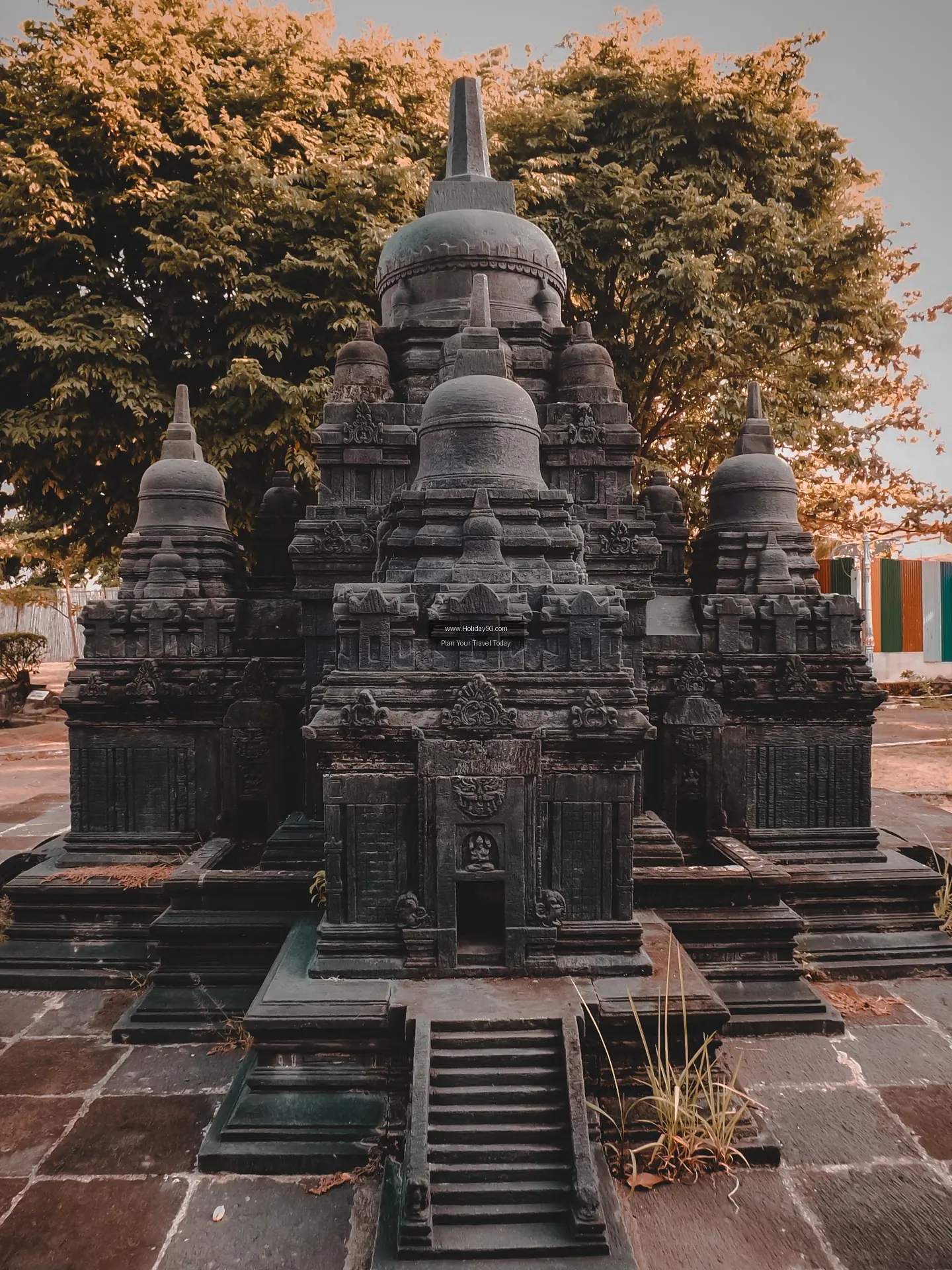
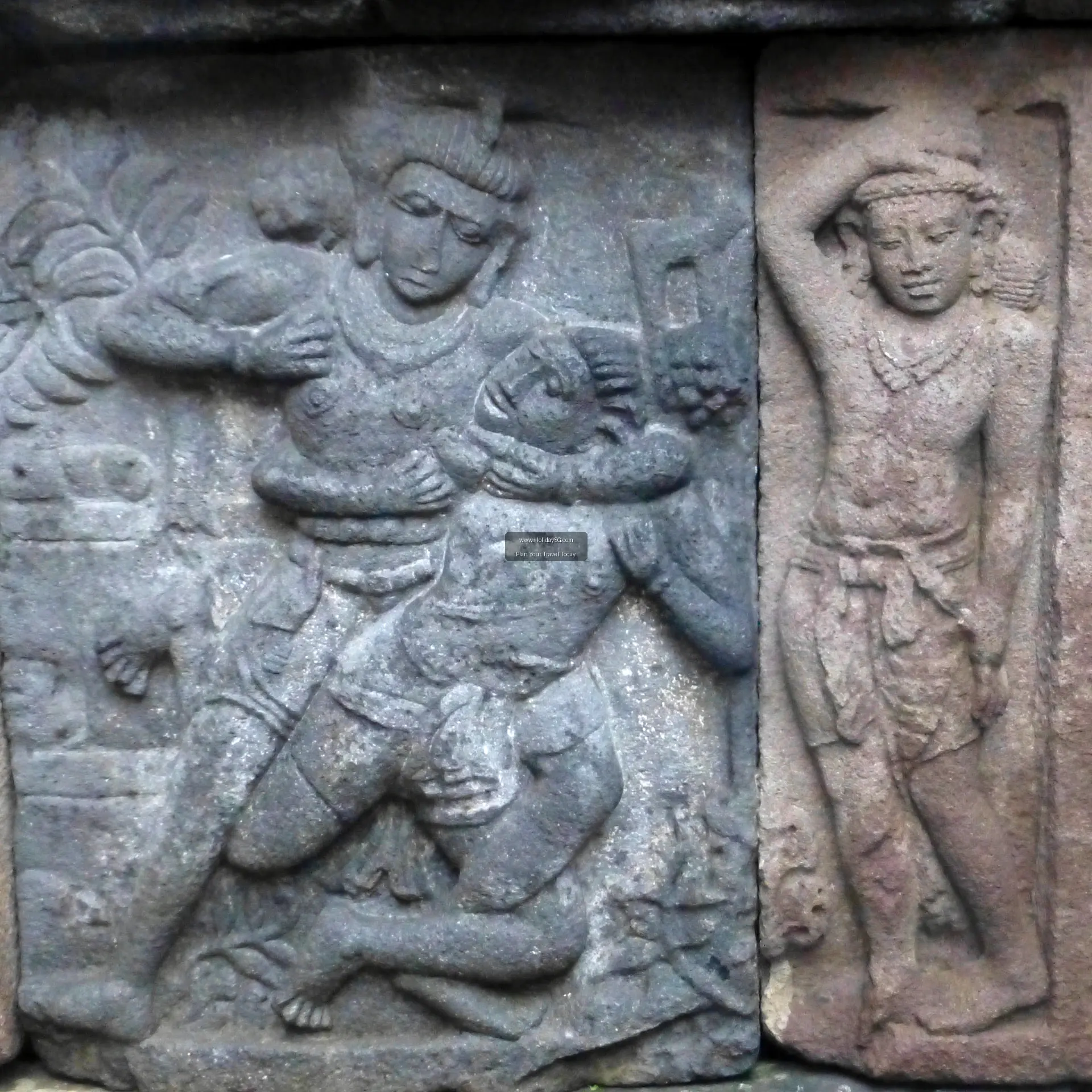
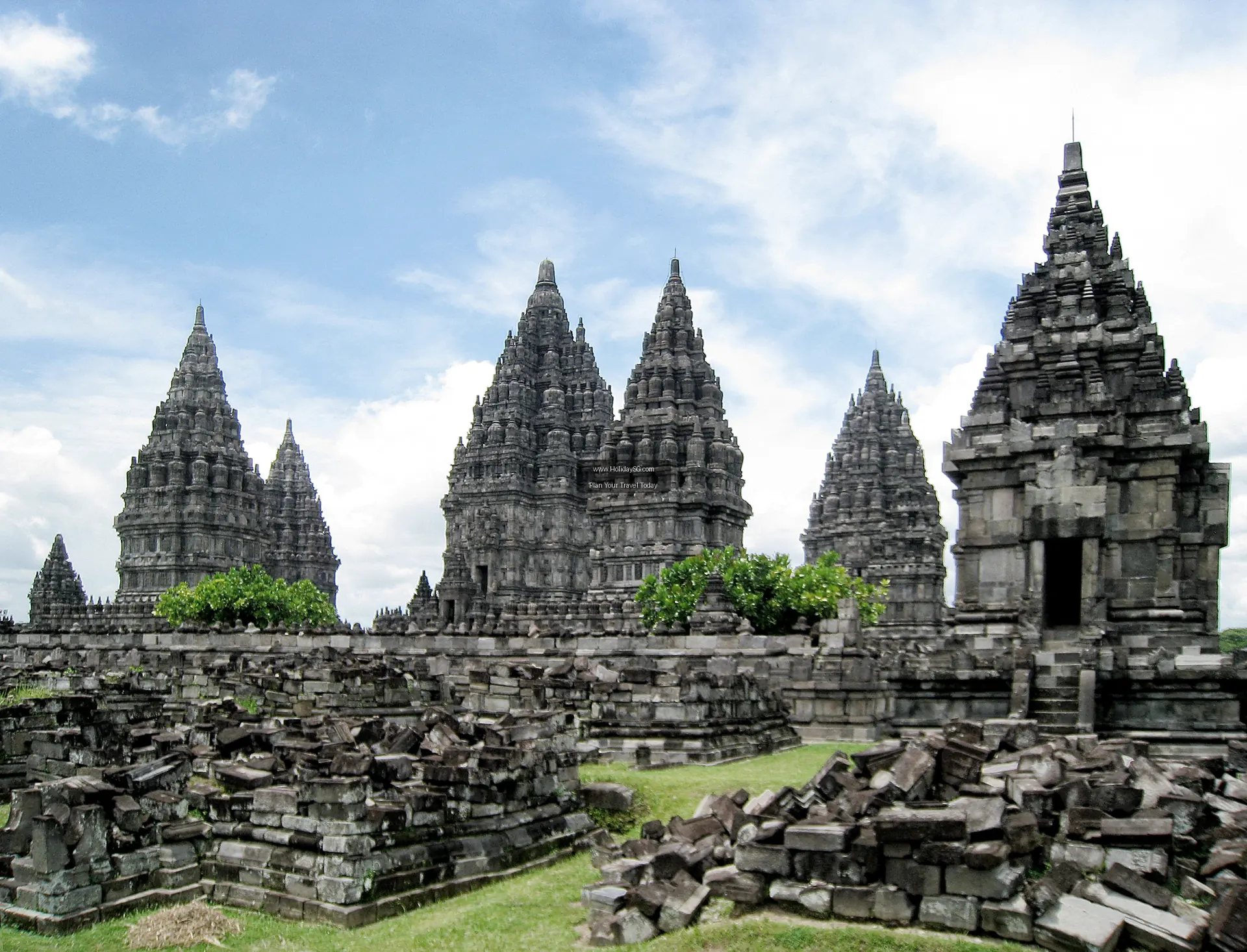
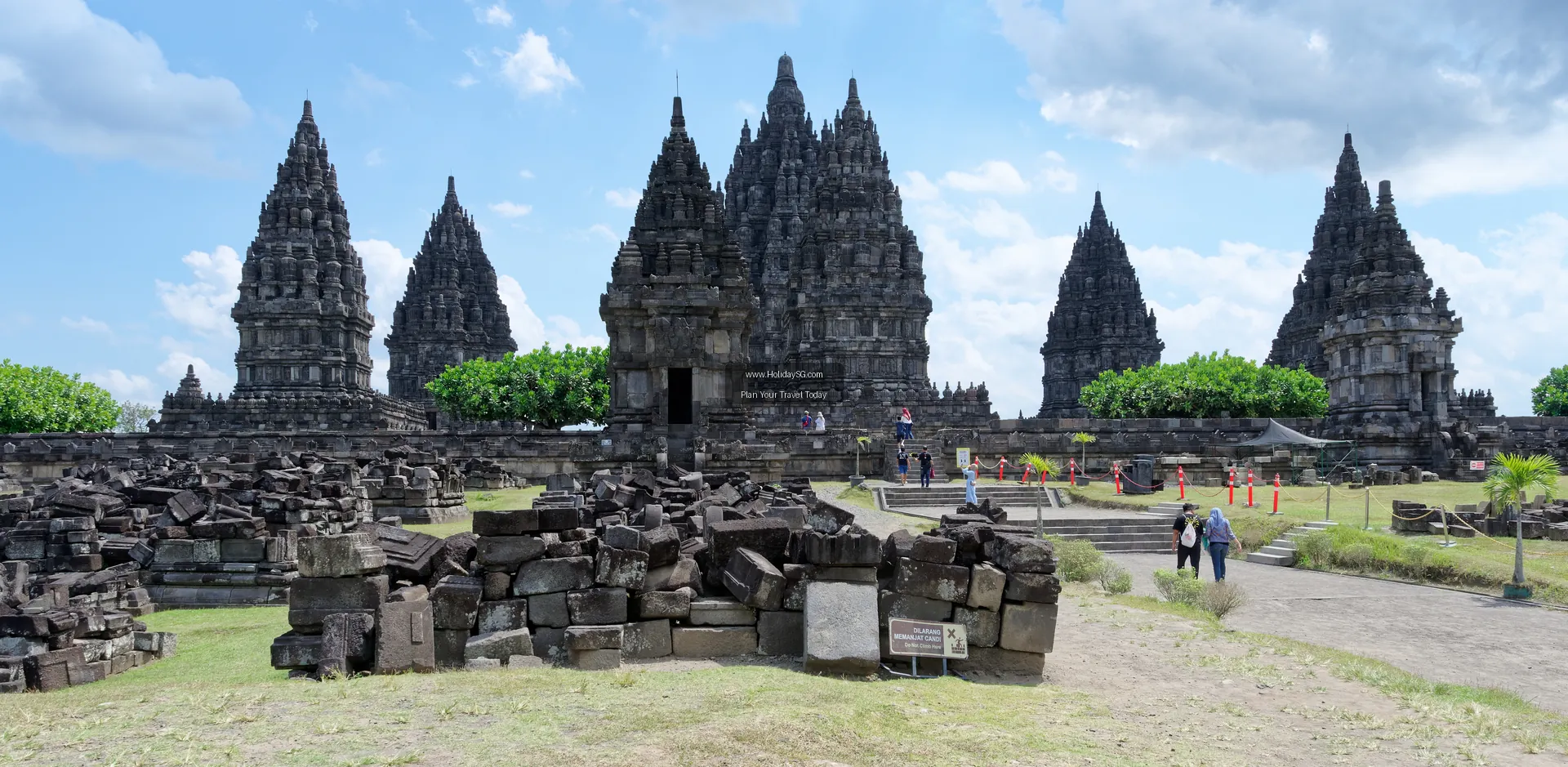
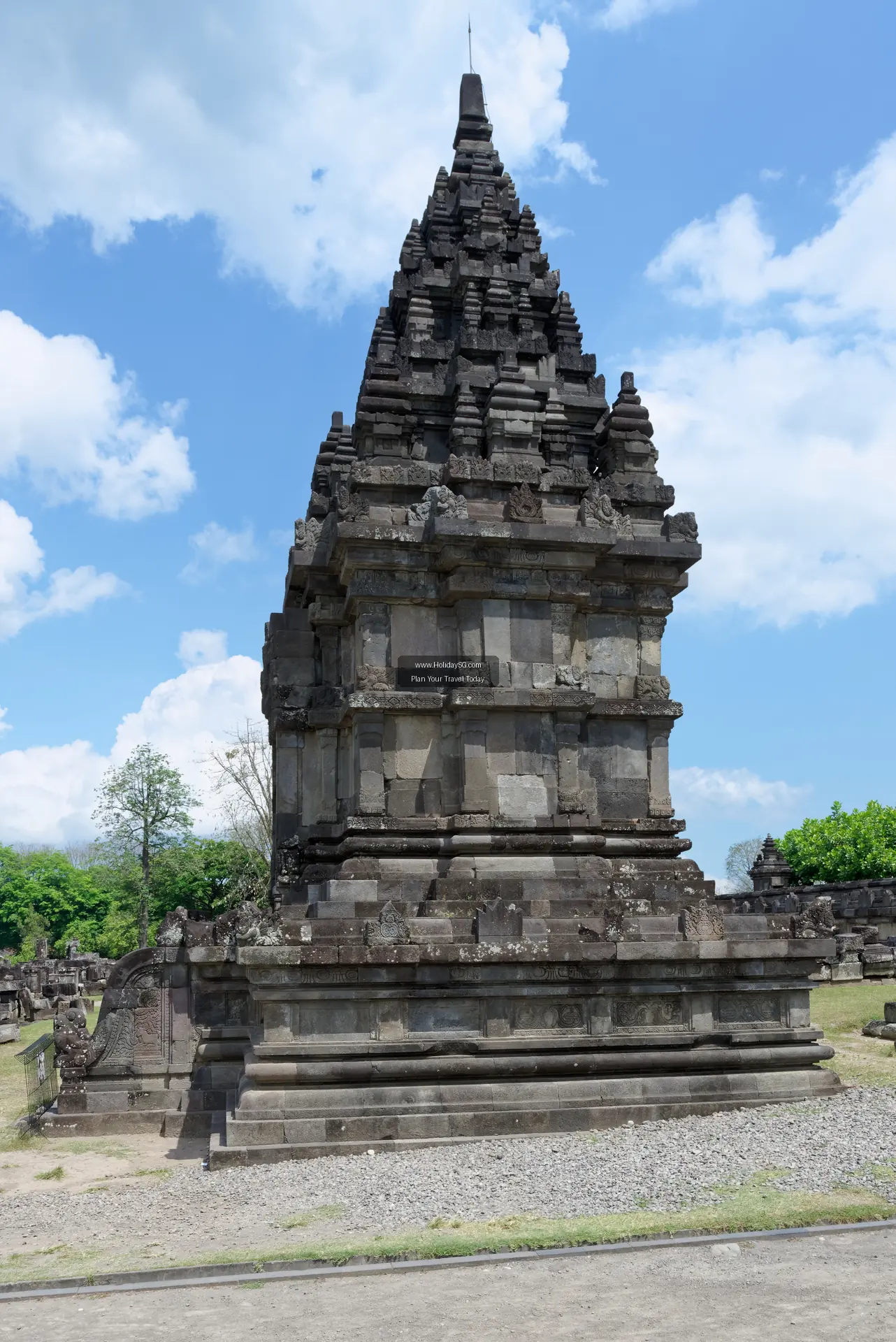
Java is Indonesia’s cultural and historical powerhouse, home to some of the country’s most breathtaking landmarks. **Borobudur**, the world’s largest Buddhist temple, is a must-visit—especially at sunrise, when the mist rises over its intricate stone carvings. Nearby, **Prambanan** dazzles with its towering Hindu temples, dedicated to the gods Shiva, Vishnu, and Brahma. Both sites are UNESCO-listed and best explored with a guide to uncover their stories.
For adventure seekers, **Mount Bromo** offers one of Indonesia’s most surreal landscapes: a vast volcanic caldera where you can hike to the crater’s edge or ride a jeep across the “Sea of Sand.” Further east, **Yogyakarta** (or “Jogja”) is the cultural capital of Java, where you can try your hand at **batik-making**, explore the Sultan’s Palace, or take a day trip to the **Prambanan** temple complex. Don’t leave without sampling *gudeg*, Jogja’s signature jackfruit stew, or visiting a **tea plantation** in Malang for a taste of Java’s colonial-era charm.
### Sumatra: Jungle Adventures and Volcanic Lakes
Sumatra is where Indonesia’s wild side comes alive. **Lake Toba**, the world’s largest volcanic lake, is a serene escape surrounded by lush hills and traditional Batak villages. Stay in a lakeside guesthouse, rent a scooter to explore the surrounding villages, or take a boat to **Samosir Island**, where you can learn about Batak culture and enjoy fresh grilled fish by the water.
For wildlife lovers, **Bukit Lawang** is the gateway to **Gunung Leuser National Park**, one of the last places on Earth where you can trek through the jungle to see wild **orangutans**. Multi-day treks led by local guides will take you deep into the rainforest, where you might also spot gibbons, macaques, and even Sumatran tigers (if you’re very lucky). Back in civilization, **Padang** is a foodie’s paradise—try *nasi padang*, a feast of spicy curries and crispy fried dishes served on banana leaves.
### Komodo Island: Dragons, Pink Beaches, and World-Class Diving
Komodo National Park is one of the few places on Earth where you can see **Komodo dragons** in the wild—these prehistoric-looking creatures can grow up to 3 meters long and are as fascinating as they are intimidating. The park’s **Pink Beach**, one of only seven in the world, gets its rosy hue from red coral fragments mixed with the sand. Snorkeling and diving here are unparalleled, with vibrant coral reefs, manta rays, and even dolphins gliding through the crystal-clear waters.
The gateway to Komodo is **Labuan Bajo**, a small fishing town that’s transformed into a hub for adventurers. Stay in a boutique hotel or a stilted bungalow over the water, and book a **liveaboard trip** to explore the park’s hidden gems, like **Padar Island** (famous for its panoramic viewpoint) or **Kanawa Island**, where you can snorkel with sea turtles.
### Lombok & the Gili Islands: Bali’s Laid-Back Cousin
Lombok is often called “Bali 20 years ago”—less crowded, more authentic, and with some of Indonesia’s best beaches. **Mount Rinjani**, an active volcano, offers one of the country’s most challenging (and rewarding) treks, with a stunning crater lake at the summit. For surfers, **Desert Point** and **Selong Belanak Beach** deliver world-class waves without the crowds of Bali’s Canggu or Uluwatu.
Just off Lombok’s coast, the **Gili Islands** are a trio of car-free paradises. **Gili Trawangan** is the party island, with beachfront bars and reggae vibes, while **Gili Meno** is the quietest, with pristine beaches and excellent snorkeling (you might even swim with sea turtles). **Gili Air** strikes a balance between the two, with a relaxed atmosphere and great diving spots. Don’t miss a **sunset horseback ride** along the beach or a **bicycle tour** around the islands—it’s the only way to get around!
### Raja Ampat: The Last Paradise on Earth
If you’re dreaming of untouched nature, **Raja Ampat** in West Papua is as close to paradise as it gets. This remote archipelago is a **biodiversity hotspot**, home to over 75% of the world’s coral species and an incredible array of marine life, from manta rays to pygmy seahorses. Stay in an **overwater bungalow** at a luxury eco-resort, or opt for a liveaboard to explore the region’s hidden lagoons and secluded beaches.
Beyond diving, Raja Ampat offers **kayaking through mangrove forests**, **birdwatching** (keep an eye out for the elusive Birds of Paradise), and **cultural encounters** with local Papuan communities. The remoteness of the region means it’s not cheap to visit, but the experience is worth every penny for those seeking unspoiled beauty.
### Jakarta & Bandung: Urban Escapes and Mountain Retreats
While Indonesia’s natural wonders often steal the spotlight, its cities have their own charm. **Jakarta**, the bustling capital, is a mix of modern skyscrapers and historic neighborhoods. Explore **Kota Tua**, the old town, where Dutch colonial buildings house museums and cafés, or visit the **National Monument (Monas)** for a panoramic view of the city. For a family-friendly outing, **Ancol Dreamland** offers an amusement park, water park, and even a sea aquarium.
Just a few hours south, **Bandung** is a cool mountain retreat known for its **art deco architecture**, **factory outlet shopping**, and volcanic landscapes. Hike to the edge of **Tangkuban Perahu**, an active volcano with steaming craters, or visit **Kawah Putih**, a stunning turquoise crater lake surrounded by pine forests. Bandung is also a foodie destination—don’t miss *batagor* (fried fish dumplings) or *soto Bandung* (beef soup with lime).
—
## Best Time to Visit Indonesia
Indonesia’s tropical climate means warm weather year-round, but the best time to visit depends on where you’re going and what you want to do.
### Dry Season (April–October): Best for Most Regions
The **dry season** is ideal for exploring Bali, Java, Lombok, and Komodo. Days are sunny and warm, with minimal rain, making it perfect for trekking (e.g., Mount Bromo or Rinjani), beach hopping, and temple visits. However, this is also **peak tourist season**, especially in July and August, when prices spike and popular spots like Ubud and Seminyak get crowded.
### Wet Season (November–March): Fewer Crowds, Lush Landscapes
The **wet season** brings daily downpours, but they’re usually short and intense, leaving plenty of time for exploration. This is a great time to visit if you want to avoid crowds and don’t mind a little rain. Landscapes are at their most vibrant, with waterfalls in full flow and rice terraces glowing green. However, some trekking routes (e.g., Mount Rinjani) may be closed due to landslides, and ferry services can be disrupted by rough seas.
### Shoulder Seasons (April–May, September–October): The Sweet Spot
If you want the best of both worlds, plan your trip for the **shoulder seasons**. The weather is still pleasant, crowds are thinner, and prices are lower than during peak season. This is an excellent time for **island hopping**, **cultural festivals**, and **wildlife spotting** (e.g., orangutans in Sumatra).
—
## Getting Around Indonesia: Transport Guide
Indonesia’s vast size means you’ll likely use a mix of transport options to get around. Here’s what you need to know:
### Domestic Flights: The Fastest Way to Island-Hop
For long distances (e.g., Jakarta to Bali, Bali to Raja Ampat), **domestic flights** are the most efficient option. Budget airlines like **Lion Air**, **AirAsia**, and **Garuda Indonesia** offer frequent routes between major cities and tourist hubs. Book in advance for a great selection of, and be prepared for delays—Indonesia’s weather can disrupt schedules.
### Trains: Java’s Reliable Network
Java has the country’s most developed **rail network**, with comfortable trains connecting Jakarta, Bandung, Yogyakarta, and Surabaya. **Executive class** offers air-conditioned cabins with reclining seats, while **economy class** is cheaper but more basic. Book tickets in advance, especially for popular routes like Jakarta–Yogyakarta, which can sell out during holidays.
### Buses & Ferries: Budget-Friendly but Slower
For shorter distances or budget travel, **buses** and **ferries** are an option. Long-distance buses (e.g., Bali to Lombok) are cheap but slow—opt for “executive” or “VIP” buses for better seats and air conditioning. Ferries are essential for **island hopping** (e.g., Bali–Lombok–Gili Islands), but choose reputable operators like **ASDP** or **Pelni** to avoid overcrowded or unsafe vessels.
### Local Transport: Grab, Gojek, and More
In cities and tourist areas, **ride-hailing apps** like **Grab** and **Gojek** are the easiest way to get around. They’re cheap, reliable, and offer cars, motorbikes, and even food delivery. For short distances, **becak** (cycle rickshaws) and **ojek** (motorcycle taxis) are fun, but agree on a price before hopping in. In rural areas, **bemos** (shared minivans) are a common (if cramped) way to travel between villages.
### Renting a Scooter: Freedom on Two Wheels
Scooters are a popular way to explore Bali, Lombok, and the Gili Islands, with rentals costing around **$5–$7 per day**. However, **traffic can be chaotic**, and police often stop foreigners for **license checks** (an international license is technically required). Always wear a helmet, avoid riding at night, and stick to well-traveled routes.
### Private Drivers: Affordable and Convenient
For day trips or longer journeys, hiring a **private driver** is a great option. In Bali, a full-day driver costs around **$30–$50** and can take you to multiple attractions (e.g., Ubud, Uluwatu, and the Tegallalang Rice Terraces). Drivers often double as guides, offering insights into local culture and hidden gems. For larger groups, consider booking a **luxury van**—HolidaySG offers options like the [Ticket Transport Hiace Premio Luxury 09 Seater for Jakarta day trips](https://holidaysg.com/indonesia/jakarta/ticket-transport-hiace-premio-luxury-09-seater-jakarta-ciletuh-oneday-16-hours-use), perfect for exploring destinations like Ciletuh Geopark.
—
## Indonesia Travel Costs: Budget Breakdown
Indonesia is a budget-friendly destination, but costs vary depending on your travel style. Here’s what to expect:
### Budget Traveler ($20–$40/day)
– **Accommodation:** Hostels or budget guesthouses ($5–$15/night).
– **Food:** Street food and *warungs* ($1–$3/meal).
– **Transport:** Public buses, ferries, and scooters ($5–$10/day).
– **Activities:** Free or cheap attractions (e.g., beaches, temples, hiking).
### Mid-Range Traveler ($50–$100/day)
– **Accommodation:** 3-star hotels or boutique guesthouses ($30–$70/night).
– **Food:** Mix of street food and mid-range restaurants ($5–$15/meal).
– **Transport:** Private drivers, domestic flights, and ride-hailing apps ($20–$40/day).
– **Activities:** Paid tours (e.g., Komodo National Park, Mount Bromo sunrise).
### Luxury Traveler ($150–$300+/day)
– **Accommodation:** 5-star resorts or private villas ($150–$500+/night).
– **Food:** Fine dining and beachfront restaurants ($20–$50/meal).
– **Transport:** Private drivers, domestic flights, and luxury ferries ($100+/day).
– **Activities:** Private guides, diving trips, and exclusive experiences (e.g., Raja Ampat liveaboards).
### Sample Prices
– **Meal at a warung:** $1–$3.
– **Meal at a mid-range restaurant:** $5–$15.
– **Domestic flight (one-way):** $30–$100.
– **Scooter rental:** $5–$7/day.
– **Private driver:** $30–$50/day.
– **Entrance fees (e.g., Borobudur, Komodo Island):** $10–$25.
—
## Visa Requirements for Indonesia
Indonesia’s visa policies are relatively straightforward, but it’s important to check the latest rules before you travel.
### Visa-Free Entry (30 Days, Non-Extendable)
Citizens of **90+ countries** (including the US, UK, Australia, Singapore, and Malaysia) can enter Indonesia **visa-free** for up to 30 days. This is ideal for short trips, but note that the visa **cannot be extended**.
### Visa on Arrival (VOA) – $35 (Extendable Once)
If you plan to stay longer than 30 days, you can get a **Visa on Arrival (VOA)** for $35 at major airports and seaports. This visa is valid for **30 days** and can be extended **once** for another 30 days (for an additional fee). To save time, apply for an **e-VOA** online before your trip.
### Social/Cultural Visa (B-211) – 60 Days (Extendable)
For longer stays (e.g., digital nomads or expats), the **Social/Cultural Visa (B-211)** allows you to stay for **60 days** and can be extended up to **four times** (180 days total). This visa requires a **sponsor letter** from an Indonesian citizen or organization.
### Overstay Fines: Avoid at All Costs!
Overstaying your visa incurs a fine of **IDR 1,000,000 (~$65) per day**, and you may be **banned from re-entering Indonesia**. Always check your visa’s expiration date and extend it if needed.
—
## Health & Safety Tips for Indonesia
Indonesia is generally safe for travelers, but it’s important to take precautions to stay healthy and avoid common pitfalls.
### Vaccinations & Health Precautions
Before traveling, check with your doctor about recommended vaccines, including:
– **Hepatitis A/B**
– **Typhoid**
– **Tetanus**
– **Rabies** (if visiting rural areas or trekking)
– **Japanese Encephalitis** (for rural Java/Bali)
Mosquito-borne diseases like **dengue fever** and **malaria** are a risk in some areas. Use **DEET-based repellent**, wear long sleeves and pants, and sleep under a mosquito net if necessary.
### Food & Water Safety
– **Drink bottled or filtered water**—avoid tap water and ice in drinks from street vendors.
– **Eat at busy warungs** (high turnover = fresher food).
– **Avoid raw or undercooked food** (e.g., salads, seafood) in street stalls.
– **Pack probiotics and oral rehydration salts** in case of “Bali belly” (traveler’s diarrhea).
### Traffic & Road Safety
Indonesia’s roads can be chaotic, especially in cities like Jakarta and Bali. Here’s how to stay safe:
– **Be cautious when crossing streets**—traffic doesn’t always stop for pedestrians.
– **Wear a helmet** if renting a scooter, and avoid riding at night.
– **Use ride-hailing apps** (Grab/Gojek) for safer transport.
– **Avoid night buses** in remote areas, as roads can be poorly lit and unsafe.
### Scams & Petty Theft
While violent crime is rare, scams and petty theft can happen. Watch out for:
– **Overcharging** (taxis, tours, markets)—always agree on a price beforehand.
– **Pickpocketing** in crowded areas (e.g., Jakarta, Bali nightlife).
– **Fake tour operators**—book through reputable agencies or your hotel.
– **ATM skimming**—use ATMs inside banks or malls.
### Emergency Numbers
– **Police:** 110
– **Ambulance:** 118
– **Fire:** 113
—
## Cultural Etiquette & Local Customs
Indonesia is a predominantly Muslim country, but it’s also home to Hindu, Buddhist, and Christian communities. Respecting local customs will enhance your experience and help you connect with locals.
### Dress Modestly
– **Cover shoulders and knees** when visiting temples (sarongs are often provided).
– **Avoid revealing clothing** in rural areas or conservative regions (e.g., Aceh, West Sumatra).
– **Beachwear is for the beach**—cover up when leaving the sand.
### Greetings & Gestures
– **Handshakes** are common, but use your **right hand** (the left is considered unclean).
– **Avoid pointing with your finger**—use your thumb instead.
– **Don’t touch anyone’s head** (considered sacred in many cultures).
### Respect for Religion
– **Remove your shoes** before entering homes and some shops.
– **Avoid loud noises** near places of worship (e.g., mosques, temples).
– **Don’t step on offerings** (*canang sari*) in Bali—they’re sacred.
### Bargaining
Bargaining is expected in markets (e.g., Ubud, Yogyakarta), but do it **politely**. Start at **30–50% of the asking price** and negotiate until you reach a fair deal. If the vendor won’t budge, it’s okay to walk away—sometimes they’ll call you back with a better offer.
### Public Behavior
– **Avoid public displays of affection** (holding hands is fine, but kissing is frowned upon).
– **Don’t drink alcohol in public** in conservative areas (e.g., Aceh).
– **Be patient**—Indonesians value politeness and may avoid direct confrontation.
—
## Internet & Connectivity in Indonesia
Staying connected in Indonesia is easy, but coverage varies by region.
### Buying a SIM Card
The best mobile provider is **Telkomsel**, which offers the widest coverage, including remote areas like Raja Ampat. Buy a SIM card at the airport or an official store (avoid street vendors, as they may sell expired or fake cards). A **10–20GB data package** costs around **$3–$7**. For hassle-free connectivity, consider an **eSIM** like the [Telkomsel Unlimited Travel SIM](https://holidaysg.com/indonesia/jakarta/esim-indonesia-telkomsel-unlimited-travel-sim-indonesia-global-komunika), which works across Indonesia and beyond.
### Wi-Fi & Co-Working Spaces
Wi-Fi is available in most hotels and cafés, but speeds can be slow, especially in rural areas. For digital nomads, co-working spaces like **Dojo Bali** (Ubud) and **GoWork** (Jakarta) offer reliable internet, air conditioning, and networking opportunities.
### VPNs
Some websites (e.g., WhatsApp calls, certain news sites) may be restricted in Indonesia. A **VPN** (like NordVPN or ExpressVPN) will help you bypass these restrictions.
—
## Language Basics: Useful Bahasa Indonesia Phrases
While many Indonesians speak some English, learning a few local phrases will go a long way in making connections and showing respect.
– **Hello:** *Halo* / *Selamat pagi* (morning) / *sore* (afternoon) / *malam* (evening).
– **Thank you:** *Terima kasih* (formal) / *Makasih* (casual).
– **How much?:** *Berapa harganya?*
– **Too expensive:** *Terlalu mahal*.
– **Where is…?:** *Di mana…?*
– **I don’t understand:** *Saya tidak mengerti*.
– **Cheers!:** *Bersulang!* (when drinking).
—
## Unique Experiences & Hidden Gems
Indonesia is full of off-the-beaten-path adventures. Here are a few to add to your itinerary:
### Bali’s Hidden Waterfalls
Skip the crowded **Tegenungan** and head to **Sekumpul**, Bali’s most beautiful waterfall, or **Nungnung**, where you’ll descend 500+ steps to a powerful cascade surrounded by jungle. For a magical experience, visit **Banyumala Twin Waterfalls**, where two streams flow side by side into a serene pool.
### Java’s Tea Plantations
In **Malang**, take a tour of the **Kebun Teh Wonosari** tea plantation, where you can learn about the tea-making process and sample fresh brews with a view of the misty hills. Pair it with a visit to **Jodipan**, a colorful village known as “Rainbow Village,” where every house is painted in vibrant hues.
### Sumatra’s Jungle Treks
Beyond Bukit Lawang, **Gunung Leuser National Park** offers multi-day treks through dense rainforest, where you might spot orangutans, gibbons, and even Sumatran elephants. For a shorter adventure, hike to **Sipiso-Piso Waterfall**, a stunning 120-meter cascade near Lake Toba.
### Komodo’s Secret Snorkeling Spots
While **Pink Beach** is a must, don’t miss **Manta Point**, where you can snorkel with graceful manta rays, or **Kanawa Island**, home to vibrant coral reefs and sea turtles. For a unique experience, stay overnight in a **homestay in Labuan Bajo** and wake up to the sound of waves.
### Raja Ampat’s Overwater Bungalows
For a splurge, book a stay at **Misool Eco Resort** or **Raja Ampat Biodiversity Resort**, where you’ll sleep in a **stilted bungalow** over crystal-clear waters. Spend your days kayaking through hidden lagoons, diving with sharks, and spotting Birds of Paradise in the wild.
### Lombok’s Traditional Sasak Villages
Visit **Sade Village** or **Ende Village** to learn about the **Sasak people**, Lombok’s indigenous community. Watch traditional weaving demonstrations, try *ayam taliwang* (spicy grilled chicken), and explore thatched-roof houses built without nails.
—
## Common Traveler Questions & Concerns
### Is Indonesia Safe for Solo Female Travelers?
Indonesia is generally safe for solo female travelers, but it’s important to take precautions:
– **Dress modestly** to avoid unwanted attention.
– **Avoid walking alone at night** in quiet areas (stick to well-lit streets or use Grab/Gojek).
– **Trust your instincts**—if a situation feels off, remove yourself from it.
– **Join group tours** for activities like trekking or diving to meet other travelers.
### Can I Use USD or Other Currencies?
While **IDR (Indonesian Rupiah)** is the official currency, some tourist areas (e.g., Bali, Gili Islands) accept USD, EUR, or AUD. However, exchange rates are often poor, so it’s better to **pay in IDR**. Carry small bills (IDR 20,000–50,000) for markets, transport, and tips.
### How Do I Handle Money?
– **ATMs** are widely available in cities and tourist areas (BNI, Mandiri, and BCA are reliable).
– **Notify your bank** before traveling to avoid card blocks.
– **Carry cash** for rural areas, small islands, and markets.
– **Use a money belt** or hidden pouch to keep your cash and cards safe.
### Is Tap Water Safe to Drink?
No—**stick to bottled or filtered water** to avoid stomach issues. Many hotels and restaurants use filtered water, but it’s best to ask. Avoid ice in drinks from street vendors, as it may be made from tap water.
### What’s the Tipping Culture?
Tipping isn’t mandatory in Indonesia, but it’s appreciated for good service:
– **Restaurants:** 10% if a service charge isn’t included.
– **Drivers/guides:** IDR 20,000–50,000 per day (or more for exceptional service).
– **Hotel staff:** IDR 10,000–20,000 for porters or housekeeping.
### How Do I Avoid Tourist Traps?
– **Research prices** beforehand (e.g., taxi fares, tour costs).
– **Book through reputable agencies** (e.g.
– **Ask locals for recommendations**—they’ll steer you toward authentic experiences.
– **Avoid “too good to be true” deals** (e.g., cheap diving trips, fake tour guides).
### What’s the Deal with Bali Belly?
“Bali belly” (traveler’s diarrhea) is common due to food and water contamination. To prevent it:
– **Drink bottled water** and avoid ice in drinks.
– **Eat at busy warungs** (high turnover = fresher food).
– **Pack probiotics, oral rehydration salts, and anti-diarrheal meds** (e.g., Imodium).
– **Wash your hands frequently** or use hand sanitizer.
—
## Sustainable & Responsible Travel in Indonesia
Indonesia’s natural beauty is under threat from plastic pollution, over-tourism, and environmental degradation. Here’s how to travel responsibly:
### Reduce Plastic Waste
– **Bring a reusable water bottle**—many hotels, cafés, and refill stations (e.g., in Bali) offer free filtered water.
– **Say no to plastic straws, bags, and cutlery**—carry a reusable straw and tote bag.
– **Support businesses that ban single-use plastics** (e.g., Zero Waste Bali, eco-friendly cafés).
### Ethical Wildlife Tourism
– **Avoid attractions that exploit animals** (e.g., elephant rides, tiger selfies, dolphin shows).
– **Support sanctuaries and conservation projects** (e.g., Bali Bird Park, Sumatra’s orangutan centers).
– **Choose eco-friendly dive operators** that follow responsible diving practices (e.g., no touching coral).
### Support Local Communities
– **Eat at warungs** (local eateries) instead of international chains.
– **Buy handicrafts directly from artisans** (e.g., Ubud’s markets, Yogyakarta’s batik workshops).
– **Stay in locally owned guesthouses** rather than international hotel chains.
### Protect Coral Reefs
– **Use reef-safe sunscreen** (avoid oxybenzone and octinoxate).
– **Don’t touch or stand on coral** while snorkeling or diving.
– **Choose eco-friendly dive operators** that follow sustainable practices.
### Offset Your Carbon Footprint
– **Book flights with airlines that offer carbon offset programs** (e.g., Garuda Indonesia).
– **Support reforestation projects** (e.g., East Bali’s **Bali ReGreen** initiative).
– **Use public transport, walk, or bike** when possible to reduce emissions.
—
## Recommended HolidaySG Tours
Planning your Indonesia adventure? Here are some top-rated tours and experiences from HolidaySG:
- Ticket Transport Hiace Premio Luxury 09 Seater Jakarta Ciletuh Oneday 16 Hours Use
- Taman Mini Indonesia Indah
- Esim Indonesia Telkomsel Unlimited Travel Sim Indonesia Global
—
## Final Tips & Packing List for Indonesia
### Essential Packing List
– **Lightweight, quick-dry clothing** (Indonesia is hot and humid year-round).
– **Comfortable sandals and hiking shoes** (for treks and temple visits).
– **Reusable water bottle and water purifier** (to reduce plastic waste).
– **Mosquito repellent (DEET-based)** and **antimalarial meds** (if visiting rural areas).
– **Power adapter** (Type C/F, 230V) and **portable charger**.
– **Travel insurance** (highly recommended for medical emergencies and trip cancellations).
– **Sunscreen (reef-safe)** and **hat** (the sun is intense!).
– **Basic first-aid kit** (band-aids, antiseptic, painkillers, anti-diarrheal meds).
### Pro Tips for a Smooth Trip
– **Download offline maps** (Google Maps, Maps.me) for areas with poor connectivity.
– **Carry small bills** (IDR 20,000–50,000) for markets, transport, and tips.
– **Learn basic Indonesian phrases**—locals will appreciate the effort.
– **Be flexible with plans**—traffic, weather, and ferry delays are common.
– **Respect local customs**—dress modestly, remove shoes when required, and ask before taking photos of people.
– **Book domestic flights and popular tours in advance** (especially during peak season).
—
## Conclusion
Indonesia is a destination that captivates every type of traveler—whether you’re seeking adventure, culture, relaxation, or a mix of all three. From the spiritual energy of Bali’s temples to the untouched beauty of Raja Ampat, the volcanic landscapes of Java, and the jungle adventures of Sumatra, this archipelago offers endless possibilities. By planning smart, traveling responsibly, and embracing the local way of life, you’ll leave with memories that last a lifetime.
So pack your bags, grab your sense of adventure, and get ready to explore one of Southeast Asia’s most rewarding destinations. **Selamat jalan!** (Safe travels!)
Book these with HolidaySG:
Book with HolidaySG online for Ticket Transport Hiace Premio Luxury 09 Seater Jakarta Ciletuh Oneday 16 Hours Use, Ticket Transport Hiace Premio 14 Seater Jakarta Ciletuh Oneday 16 Hours Use, Ticket Transport Hiace Commuter 14 Seater Jakarta Ciletuh Oneday 16 Hours Use.
More Photos from HolidaySG
Book with HolidaySG online for Kereta Gantung At Taman Mini Indonesia Indah, Indonesia Esim Free Roaming Mobile Data, Indonesia Unlimited 4g5g Data Esim.
Book these with HolidaySG:
- Kereta Gantung At Taman Mini Indonesia Indah
- Indonesia Esim Free Roaming Mobile Data
- Indonesia Unlimited 4g5g Data Esim
- Funworld Grand Indonesia Shopping Town Arcade
- E Sim Indonesia Data Plan Tourist Travel Esim Internet Total Data E Sim
- E Sim Indonesia Data Plan Tourist Travel Esim Internet Daily Data E Sim
- Commbitz Indonesia E Sim Package
- Commbitz Indonesia E Sim Daily
Frequently Asked Questions
Where can I book the attractions and services mentioned?
Do foreigners (non-citizens) need a different ticket, price, or visa for Indonesia?
What is the best time (season, or time of day for the site/activity) to go?
How long should I spend in Indonesia for a proper trip?
What is the typical daily budget for a traveler in Indonesia?
How do I get around Indonesia efficiently?
Is Indonesia family-friendly?
What should I pack for my trip to Indonesia?
Is Indonesia accessible for travelers with mobility challenges?
How safe is Indonesia for tourists?
What is the weather like and when is the rainy season?
What local etiquette should I know about?
Where can I find good local food near major attractions?
What are some must-see attractions beyond the beaches?
Do I need travel insurance?
What are the best souvenirs to buy?
Is the tap water safe to drink?
What should I know about money and tipping?
Can I use my mobile phone and get data easily?
What are the rules for visiting temples?
Are there any health precautions I should take?
What things cost in Indonesia
Live HolidaySG prices for the experiences in this guide, so you can sanity-check a budget before you commit.
| Experience | Where | From price |
|---|---|---|
| 10 Min - 100 Min Bali Helicopter Tours | Departing from Canggu | Bali | From S$150.47 |
| 10 Min - 100 Min Bali Helicopter Tours | Departing from Nusa D... | Bali | From S$150.47 |
| 4WD Jeep Caldera Sunrise Experience by Bali Volcano Jeep | Bali | From S$52.69 |
| 4WD Jeep Mount Batur Sunrise Experience by Bali Volcano Jeep | Bali | From S$60.13 |
| Black Lava Tour | Bali | From S$154.57 |
| Cimory Dairyland Farm Theme Park Gowa | Makassar | From S$4.00 |
| Seafood Dinner in Jimbaran Bali by New Dewata | Bali | From S$6.59 |
| Dairyland Farm Theme Park Prigen | Surabaya | From S$4.00 |