

Things to do in bali is exactly what this guide covers.
Bali, an Indonesian island renowned for its pristine beaches, lush rice terraces, and vibrant culture, offers a plethora of activities that cater to various tastes. From exploring ancient temples to indulging in luxurious spa treatments, Bali has something for every traveler. The best time to visit Bali is between April and October when the weather is dry, warm, and sunny, making it ideal for outdoor adventures and beach relaxation.
1. Explore Ubud Monkey Forest
Set in the heart of Ubud, the Monkey Forest is a popular attraction. This lush rainforest is home to hundreds of long-tailed macaques that roam freely among the trees. Visitors can follow marked trails through the forest and observe these mischievous monkeys as they swing from branch to branch. It’s important to keep food away from them, as feeding the monkeys can disrupt their natural behavior. The area also features a small museum showcasing Balinese history and culture.
2. Visit Tanah Lot Temple
Tanah Lot is one of Bali’s most iconic temples, perched on a rocky outcrop in the ocean. The best time to visit is during low tide when you can walk across the rocks to reach the temple platform. This offers breathtaking views of the surrounding sea and provides an opportunity for photography. Tanah Lot holds significant cultural importance, with stories of ancient Hindu gods and goddesses associated with its origins.
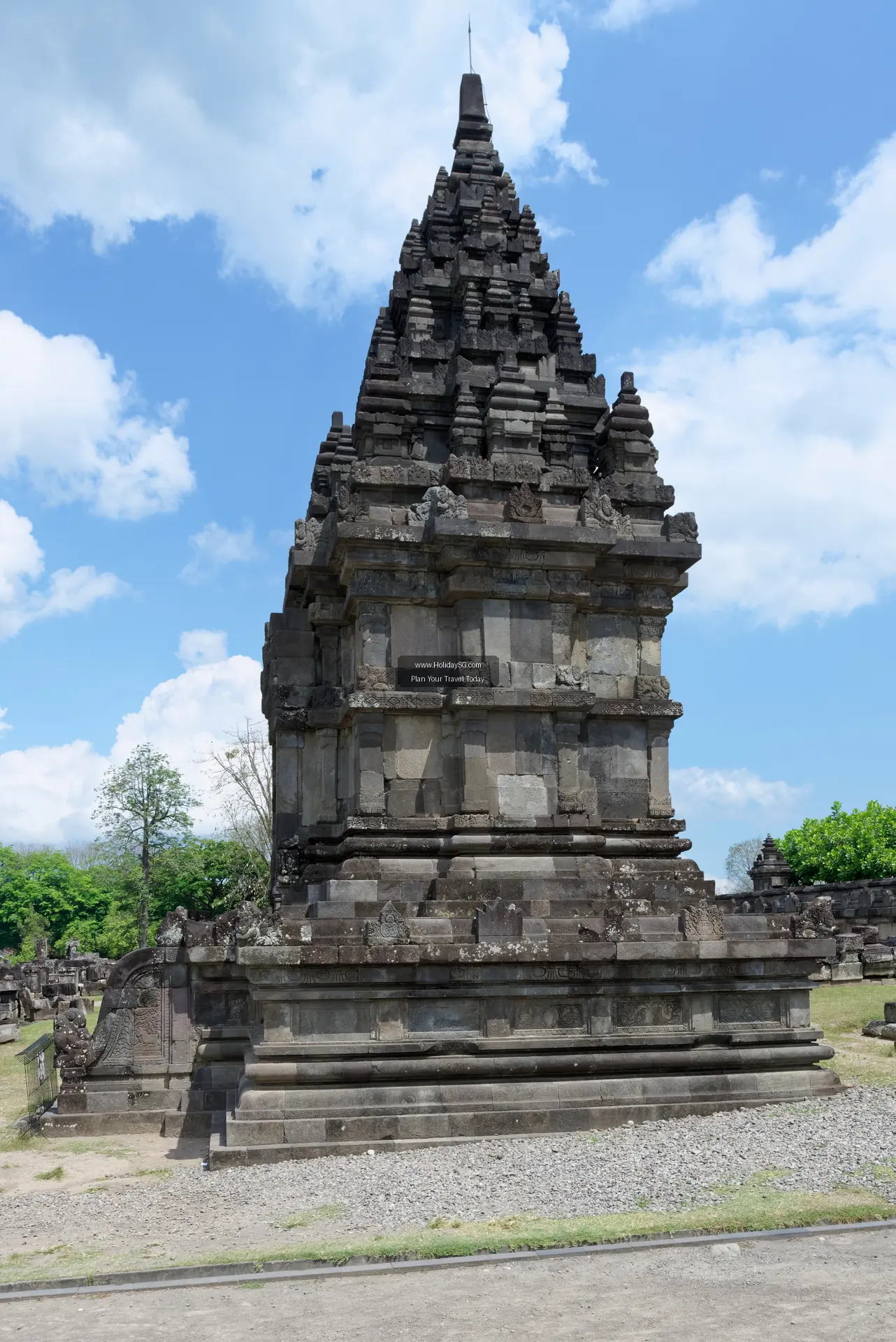
3. Enjoy Jimbaran Beach
Jimbaran Beach is a popular spot for sunbathing, swimming, and snorkeling. The beach offers crystal-clear waters and stunning views of the ocean. You can also visit the local markets to try fresh seafood and traditional Balinese snacks.
4. Take a Cooking Class
Learn how to make authentic Balinese dishes by taking a cooking class in Ubud or Bali Villas. You’ll get hands-on experience with local ingredients and techniques, and enjoy a delicious meal at the end of the class.
5. Visit the Sacred Monkey Forest Sanctuary
The Sacred Monkey Forest Sanctuary is a great place to observe langurs, a type of monkey native to Bali. The sanctuary offers guided tours and educational programs about the importance of conservation efforts for these endangered primates.
6. Explore Nusa Dua
Nusa Dua is a popular tourist destination with beautiful beaches, luxury resorts, and shopping centers. You can also visit the Waterbom Bali water park or take a boat tour to explore the surrounding islands.
7. Visit the Tegalalang Rice Terrace
The Tegalalang Rice Terrace is a stunning example of traditional Balinese agriculture. The terraced fields are surrounded by lush green hills and offer breathtaking views of the countryside. You can also visit nearby villages to learn about local culture and traditions.
8. Take a Yoga Class
Bali is known for its beautiful beaches and spiritual atmosphere, making it a great destination for yoga enthusiasts. You can take a yoga class in Ubud or Bali Villas and enjoy the peaceful surroundings while practicing your poses.
9. Visit the Uluwatu Temple
The Uluwatu Temple is perched on a cliff overlooking the Indian Ocean, offering stunning views of the sunset. The temple complex includes several smaller temples and shrines, as well as breathtaking ocean vistas.
10. Go White Water Rafting
Bali offers several opportunities for white water rafting, including the Ayung River and Telaga Waja. These rivers offer thrilling rapids and stunning natural scenery, making them a great adventure activity for adrenaline seekers.
Ready to explore? Check out our South Bali Custom Tourcar Nusa Dua Uluwatu →
Book these with HolidaySG:
- Seafood Dinner In Jimbaran Bali By New Dewata
- Sanur Harbour Bali Transfer Service By Bbe Trip
- White Water Rafting Telaga Waja Bali
- White Water Rafting Ayung River Bali
Book with HolidaySG online for South Bali Custom Tourcar Nusa Dua Uluwatu, Seafood Dinner In Jimbaran Bali By New Dewata, Sanur Harbour Bali Transfer Service By Bbe Trip.
Frequently Asked Questions
Where can I book this / what’s the link?
You can book various activities in Bali through HolidaySG. For example, to experience a South Bali Custom Tourcar from Nusa Dua to Uluwatu, click here. For a seafood dinner in Jimbaran Bali by New Dewata, you can book it here.
Do foreigners (non-citizens) need a different ticket, price, or visa for Indonesia?
Foreigners visiting Indonesia typically require a tourist visa. The type and cost of the visa can vary depending on your nationality and the duration of your stay. It’s best to check the latest requirements with the Indonesian embassy or official government website as visa policies can change.
What is the best time (season, or time of day for the site/activity) to go?
The best time to visit Bali depends on what you want to do. For surfing and beach activities, peak season is from June to September when the waves are at their best. For diving, the dry season from May to October offers clearer waters. If you prefer cooler temperatures, consider visiting during the rainy season from November to April.
How long should I plan to spend in Bali?
A minimum of 7-10 days is recommended to properly explore Bali’s highlights, including iconic beaches, temples, and cultural experiences. For a more comprehensive experience, especially if you want to visit less frequented areas or engage in specific activities like white-water rafting, plan for at least 2 weeks.
How much will it cost to travel to Bali?
The cost of traveling to Bali can vary widely depending on your accommodation choices, activities, and duration. A budget-friendly trip might start around SGD$500 per person per day, including flights. For a more luxurious experience, costs could be significantly higher. It’s advisable to plan your itinerary carefully and book in advance to secure the best deals.
How do I get to Bali?
Bali is accessible by air with direct flights from major cities worldwide to Ngurah Rai International Airport (Denpasar). There are also domestic flights connecting Bali to other Indonesian islands. For those traveling overland, there are ferries available from Java.
Is Bali family-friendly?
Bali is generally considered family-friendly, with many resorts and attractions catering to families. However, some areas like Uluwatu and parts of the south shore can be more crowded and less suitable for younger children. It’s important to research your destinations in advance to ensure they meet your family’s needs.
What should I pack/bring?
When traveling to Bali, consider packing light clothing, sunscreen, a hat, sunglasses, flip-flops, swimwear, and insect repellent. Depending on the time of year, you might also need a sweater or raincoat. Don’t forget your camera to capture the beautiful scenery and experiences.
“`
What things cost in Indonesia
Live HolidaySG prices for the experiences in this guide, so you can sanity-check a budget before you commit.
| Experience | Where | From price |
|---|---|---|
| 10 Min - 100 Min Bali Helicopter Tours | Departing from Canggu | Bali | From S$150.47 |
| 10 Min - 100 Min Bali Helicopter Tours | Departing from Nusa D... | Bali | From S$150.47 |
| 4WD Jeep Caldera Sunrise Experience by Bali Volcano Jeep | Bali | From S$52.69 |
| 4WD Jeep Mount Batur Sunrise Experience by Bali Volcano Jeep | Bali | From S$60.13 |
| Black Lava Tour | Bali | From S$154.57 |
| Seafood Dinner in Jimbaran Bali by New Dewata | Bali | From S$6.59 |
| Tabanan Area (2 Hours Tour) | Bali | From S$80.72 |
| Adrenaline-Pumping ATV Adventure in Bali at Dadi Bali Adventur... | Bali | From S$38.88 |
Understanding Bali's Dry and Wet Seasons: When to Visit for Your Best Experience
Most visitors assume that "dry season" means perfect weather every single day in Bali—and then they arrive in July with forty other tour groups at every temple and spot. The reality is more nuanced. Bali has two distinct seasons that affect everything from temple crowding to rice terrace colour to whether you can actually see Mount Batur on your sunrise hike.
The dry season runs roughly from April through October, with peak conditions in July and August. During these months, rainfall is minimal, visibility is clearer, and trails are more manageable. However, this is also when prices spike noticeably—accommodation costs can double, and popular sites like Tanah Lot Temple become genuinely crowded from mid-morning through late afternoon. If you're planning activities in Bali during dry season, expect to wake earlier than you'd like to avoid crowds, or accept waiting in lines alongside hundreds of other tourists.
The wet season, from November through March, brings daily afternoon downpours but also lush green landscapes, fewer visitors, and noticeably cheaper room rates. The rainfall typically arrives in short, intense bursts rather than all-day drizzles, so mornings are often clear. Many experienced travellers prefer visiting Bali during the shoulder months of April-May or September-October, when you get decent weather without peak-season chaos or pricing.
For specific activities: sunrise hikes to Mount Batur work best from June through September when visibility is highest. Rice terraces look their absolute greenest between December and February. Beach days are more reliably sunny from May through September, though the ocean can be rough in certain months. If you're taking a cooking class, any season works equally well since these happen indoors, but the vegetable markets look more abundant during wet season.
A practical tip: check rainfall patterns for your specific travel week rather than relying on broad season labels. Some years the transition happens earlier or later, and knowing whether Thursday has an 80% or 30% chance of afternoon rain changes your planning significantly.
Pricing Reality: What You'll Actually Spend on Things in Bali
The biggest financial surprise for many visitors is that Bali has two completely different pricing systems operating simultaneously. You can eat a plate of nasi goreng with chicken at a warung (local restaurant) in Ubud for one price, and essentially the same dish at the restaurant next door catering to tourists costs four times as much. Understanding where locals eat versus where visitors congregate directly impacts your daily spending.
Accommodation is the largest expense for most travellers. In Ubud's central areas, a modest guesthouse room runs a certain amount per night during shoulder season, potentially double that during July-August. Seminyak and Nusa Dua command higher nightly rates across all categories. Mid-range hotels with pools and breakfast included exist at various price points depending on season and location. Budget travellers sharing dorm rooms pay significantly less, while luxury resorts operate in a completely different category. The variation is so wide that your accommodation choice essentially determines your overall trip budget.
Food costs depend entirely on where you eat. Street food and warungs where locals queue up charge minimal amounts per meal. Tourist-oriented restaurants in Ubud, Seminyak, and Canggu charge Western prices or close to it, especially for drinks and desserts. A coffee at a tourist cafe costs roughly what you'd pay in a Western city; the same coffee at a local spot costs a fraction of that. Most visitors find that a comfortable daily food budget includes a mix of cheap local meals and occasional restaurant dinners without breaking the bank.
Activities and entrance fees vary. Temple entrance fees are modest. Guided tours and classes (cooking, yoga, hiking) typically charge per person and vary based on group size and operator. Transportation around the island via hired driver costs less than you'd expect if you're splitting costs with others. Renting a scooter costs minimal daily amounts, though you'll need proper insurance and licensing. Organized rafting trips and water activities have set pricing that's fairly consistent across reputable operators.
A practical insight: many visitors overspend in their first days because they haven't yet figured out the local pricing landscape. By day four or five, you'll know which warungs to use, whether to haggle at markets, and how to navigate the dual-pricing system. Building in flexibility rather than a rigid daily budget works better for most people.
Building Your Bali Itinerary: How Many Days You Actually Need
Three days in Bali means you're choosing between depth and breadth, and most people make the mistake of trying both. A three-day trip works if you pick one area—say, staying in Ubud and doing Monkey Forest, a cooking class, and the rice terraces without moving your base. If you insist on seeing Tanah Lot Temple, Nusa Dua, and the north coast in three days, you'll spend more time driving than experiencing anything.
Five to seven days allows you to experience Bali more genuinely. A common itinerary: two nights in Ubud (covering the cultural sites, cooking classes, and nature hikes), two nights in Seminyak or Canggu for beaches and dining, and potentially a side trip or a couple of relaxation days. This pace lets you recover from jet lag, actually sit down at meals, and have minor activities slip without derailing your plans. Most travellers hit the main sites without feeling rushed.
Ten days to two weeks gives you the luxury of exploring beyond the main tourist triangle. You can spend a few days in quieter areas like Canggu's non-touristy neighbourhoods, head to the quieter west coast around Munduk and Gilimanuk, or even day-trip to one of the nearby islands. You can take a longer yoga retreat, learn more in a cooking class, or simply spend entire days doing very little. This length also buffers you for bad weather, travel delays, or simply getting tired.
One month or longer changes your relationship with Bali entirely. You'll have time to rent a place in a neighbourhood like Ubud's Tegallalang area and establish a rhythm. You can take a four-week yoga course, volunteer with local organizations, or just slow down enough to notice things the standard tourist never sees. Monthly stays often work out cheaper per night than shorter visits because accommodation rates drop, and you stop engaging in constant activity.
The hidden factor in Bali itinerary planning is transition time. Getting from Ubud to the beach takes two to three hours depending on traffic. Heading to the north coast adds even more drive time. Every location change eats a morning or afternoon, so fewer moves mean more actual experience time. Most experienced visitors recommend consolidating to 2-3 bases maximum rather than moving every night.
Getting to Bali: Flights, Visas, and What to Expect at Arrival
Bali's main entry point is Ngurah Rai International Airport (the airport locals call Denpasar). Most international flights land here, and the airport has improved substantially in recent years with better facilities and clearer signage than it had a decade ago. The flight time from Australia is typically 2-3 hours; from Europe it's usually 18+ hours with at least one stop; from the United States it's 15+ hours depending on routing.
Visa requirements vary by nationality, so you'll need to verify your specific situation with the Indonesian government's official immigration website rather than relying on outdated information. Many nationalities can arrange a visa on arrival at the airport itself, though processing can involve waiting in queues during peak times. Some nationalities can stay visa-free for a certain number of days and must check the current regulations. Having your passport valid for at least six months beyond your departure date is non-negotiable.
The airport sits about thirty minutes south of the main tourist areas in Seminyak and Kuta, and roughly ninety minutes from Ubud depending on traffic. Organized transportation from the airport (arranged through your hotel or via ride-sharing apps) costs a predictable amount. Taxis from the official rank work but involve more negotiation. Many visitors arrange airport transfers in advance to avoid confusion after a long flight, which is a pragmatic choice if arriving late at night.
Currency exchange: the Indonesian rupiah is the local currency. The airport has money exchange counters, but rates aren't optimal. Most travellers get better rates at ATMs in town using their home bank cards, which typically charge per-transaction fees but offer fair exchange rates. Carrying a mix of cash and the ability to access ATMs works better than relying on cards everywhere, as many local warungs and smaller establishments operate cash-only.
One practical detail: if you're arriving during high season or at night, your airport transfer might take longer than during quiet periods. Factor in an extra hour compared to your expectations, especially if you're booked into a specific accommodation that requires specific timing.
Do I need travel documents beyond my passport for Bali?
Your passport is the main requirement. Additional documents—travel insurance, vaccination certificates, proof of funds, or return flight bookings—might be requested depending on your nationality and current entry regulations, so checking with Indonesia's official immigration resources before travel prevents surprises.
How do I exchange money or use ATMs in Bali?
ATMs are widespread in Ubud, Seminyak, and other tourist areas, and typically offer fair exchange rates compared to airport counters or money changers. Carrying some local currency (rupiah) is essential since many small shops and warungs don't accept cards. A combination of ATM withdrawals and keeping some emergency cash works well for most travellers.
Neighbourhood Guide: Where to Stay in Bali for Different Travel Types
Ubud draws visitors seeking culture, nature, and a less beach-focused experience. This central highland town hosts the Monkey Forest, rice terraces, and serves as Bali's cultural hub with temples, yoga studios, cooking schools, and a thriving art scene. The main streets feel touristy but walking five minutes in any direction takes you to quieter neighbourhoods where locals live alongside visitors. Accommodation ranges from budget hostels to luxury villas hidden in rice fields. The trade-off: no beach, no ocean swimming, though waterfalls exist for swimming.
Seminyak is Bali's beach resort zone, popular with visitors who want sun, swimming, restaurants, and nightlife in one location. The beach itself is busy and sometimes rough for swimming, but numerous warungs and restaurants line the sand. This area attracts affluent travellers and has the island's most upscale accommodation, restaurants, and shopping. It's also the noisiest and most built-up, with constant scooter traffic and construction. A night or two here for the dining scene works; staying longer often feels repetitive.
Canggu sits between Ubud's culture and Seminyak's beach party energy. This neighbourhood has become increasingly popular with digital nomads, young professionals, and visitors wanting beach access without Seminyak's intensity. Beaches here are better for surfing than swimming due to strong currents. The vibe is more creative and eclectic than Seminyak, with independent restaurants and cafes alongside yoga studios and co-working spaces. Accommodation is more affordable than central Seminyak but pricier than Ubud.
Nusa Dua is an entirely planned resort area catering to package tourists and luxury travellers. Hotels here are high-end and self-contained; the area feels sterile and disconnected from genuine Balinese life, though the beach is maintained and infrastructure is dependable. Most independent travellers skip this entirely in favour of other areas. The few who stay here do so for resort amenities and convenience, not for experiencing Bali authentically.
Quieter alternatives include Sanur (an older, more mellow beach town), Munduk (a peaceful mountain village), or the west coast near Gilimanuk. These require more intentional travel to reach and offer far fewer restaurants and activities, but provide genuine quiet for those who want escape over exploration.
Transportation in Bali: Scooters, Drivers, and Getting Around Efficiently
Renting a scooter is remarkably cheap but comes with real risk. Traffic in Ubud and Seminyak is chaotic by Western standards, with minimal rule-following and hazards everywhere. Drivers pass on curves, scooters park sideways on already-narrow streets, and pedestrians step into traffic without looking. If you've never ridden a scooter in a developing country, Bali is not the place to start learning. If you're an experienced rider, you'll still need to adjust to local driving culture and get proper insurance coverage (your rental agreement might not provide adequate coverage in case of accident).
Hiring a private driver for a day or multiple days is surprisingly affordable, especially if you're traveling with one or two other people. Many hotels can arrange this, or you can contact drivers directly through ride-sharing apps or local contacts. A driver gives you flexibility to stop whenever you want, navigate without stress, and have someone knowledgeable about local routes. The downside is you're committed to the driver's pace and conversation, though most drivers are friendly and helpful. This works exceptionally well for day trips to Tanah Lot Temple, Mount Batur sunrise hikes, or exploring the rice terraces.
Ride-sharing apps operate in Ubud and Seminyak, offering a middle ground between complete independence and a hired driver. Prices are set in advance, drivers follow GPS, and you avoid renting your own vehicle. Traffic congestion means journey times can be unpredictable, especially during rush hours or in central Ubud, but for point-to-point travel this works well.
Walking is practical for exploring within neighbourhoods but exhausting for moving between areas. Ubud's main tourist streets are walkable; reaching the Tegallalang Rice Terrace from central Ubud is not a reasonable walk. Seminyak's beach front and restaurant area is walkable, though streets get congested.
A practical approach: use ride-sharing or hired drivers for inter-area movement and when you're unfamiliar with routes. Use scooters or ride-sharing for local exploration once you've oriented yourself. Keep cash for small motorbike taxis if you get stuck without transportation options. This combination gives you flexibility without requiring constant decision-making.
Is a month-long stay in Bali feasible and affordable?
Yes, increasingly so. Monthly accommodation rates are substantially lower than nightly rates, and staying put reduces transportation costs. Many digital nomads and extended travellers base themselves in Ubud or Canggu for 3-6 months. Monthly rental apartments are available at various price points, and the lifestyle becomes less transient and more integrated into local rhythms.
Family Travel to Bali: What Works and What Doesn't With Children
Bali attracts many families, but it requires honest assessment of your family's needs and tolerances. The good news: accommodation with pools is everywhere and relatively affordable, the beaches are warm year-round, and the slower pace suits children. Many restaurants cater to tourists and provide food children recognize. The challenging parts: traffic is stressful when you're navigating it with kids, the heat and humidity are intense, and common tropical illnesses affect children more severely than adults.
Ubud works well with families if your kids tolerate not being in the water—the Monkey Forest appeals to children, cooking classes can be family-friendly, and the overall pace is manageable. Rice terrace hikes are possible with children but require realistic fitness expectations. Seminyak offers beach swimming (though currents can be strong) and more Western-style restaurants, but the noise and traffic make it less relaxing than you might expect.
Medical considerations matter more with children. Bali has decent private hospitals in main areas, but you'll want travel insurance that covers medical evacuation. Water safety is important—tap water isn't reliably safe to drink; many families stick to bottled water exclusively. Food hygiene varies wildly. Children who eat only familiar foods struggle more than adventurous eaters. Mosquito-borne illnesses are present, so mosquito protection is non-negotiable.
Age matters substantially. Toddlers under three struggle with the heat and long travel times; six-year-olds and up generally do fine if you're realistic about pacing. Teenagers often find Bali less engaging unless they're into surfing, yoga, or cooking. Jet lag affects children, sometimes severely, so plan for a couple of downdays rather than jumping into activities immediately.
A practical tip: if your family includes young children, base yourself in one area for your entire trip rather than moving around. The Ubud area with a private villa and pool lets you decompress between activities. Seminyak with a beach-access resort works if beach time is your priority. Moving every two days with small kids adds stress that outweighs any variety benefits.
What age are children when Bali works best as a destination?
Ages six through fifteen generally work well, when children can handle heat, some travel time, and appreciate activities like temple visits or beach swimming without the jetlag sensitivity of younger children or the engagement challenges of teens.
Are vaccinations required for children traveling to Bali?
Check current requirements with your country's travel health authority before departure. Certain vaccinations are typically recommended based on your home region and travel patterns, though requirements vary. Medical professionals experienced with tropical travel give the most accurate guidance for your family situation.
Dining in Bali: Where Locals Eat Versus What Tourists Find
The culinary gap in Bali is stark. Warungs where locals queue for breakfast serve nasi kuning (turmeric rice), fried chicken, and sambal for a fraction of what you'd pay anywhere tourist-facing. These tiny operations, often just a woman cooking in her front yard or a small shop with plastic tables, represent authentic daily Balinese eating. The challenge is finding them and feeling confident eating in them if you're new to the country. Most are cash-only, have no English menus, and assume you know what you want.
Tourist restaurants in Ubud, Seminyak, and Canggu serve everything from traditional Balinese food to pasta, tacos, and acai bowls. Prices are often comparable to Western cities. The quality varies tremendously; some independent restaurants are exceptional, while others feel like they're trying too hard. Eating exclusively at tourist restaurants means spending significantly more without necessarily eating better than at good warungs. Finding a balance works for most visitors: eat at warungs during the day, occasional restaurant meals for dinner.
Balinese cuisine centres on rice, chicken, pork, seafood, and vegetables cooked with spices like turmeric, garlic, ginger, and chili. Satay (grilled meat skewers with peanut sauce), soto ayam (chicken soup), gado-gado (vegetable salad with peanut dressing), and lawar (traditional spiced mix) are staple dishes. Most dishes come with sambals (chili pastes) on the side, allowing you to control heat levels. Vegetarian options are abundant and taken seriously, not treated as an afterthought.
Food safety is the main caution. Warungs with high turnover and constantly cooking food are generally safer than places where food sits out. Eating where locals eat suggests the food is being prepared for locals who know where to eat. Street food and warung meals rarely cause problems for travellers; the issues tend to arise at tourist restaurants where food preparation is less rigorous. Drinking only bottled or boiled water prevents most stomach issues—avoid tap water, ice made from tap water, and produce washed in tap water if you have a sensitive stomach.
One observation: if you spend your entire trip eating at tourist restaurants, you'll have spent substantially more money without gaining any advantage over eating at good warungs. The learning curve to finding decent warungs is surprisingly short. By day three, most visitors have discovered two or three places they're confident eating at regularly.
Health and Safety Considerations in Bali
Bali has genuine health hazards that don't exist in most Western countries, though they're manageable with sensible precautions. Mosquitoes transmit dengue fever and, rarely, malaria. This isn't theoretical—dozens of travellers contract dengue each year. Prevention means using insect repellent containing DEET, wearing long sleeves during dawn and dusk (when mosquitoes are most active), and staying in air-conditioned rooms with screened windows when possible. If you develop high fever, severe headache, and body aches after being in Bali, seek medical attention immediately.
Gastrointestinal issues affect some visitors and not others, depending on how your digestive system handles unfamiliar bacteria. The safest approach is drinking only bottled water and avoiding uncooked vegetables in places where water quality is uncertain. Many travellers are more cautious than necessary and end up missing out on good food; others aren't cautious enough and get sick. Finding your own comfort level matters—if you get stomach issues easily at home, stick to bottled water; if you rarely get sick, you might be fine with tap water in established restaurants.
Sun exposure is underestimated. The equatorial sun is intense, and you'll burn faster than you expect even with sunscreen. Reef-safe sunscreen is important if you're swimming in ocean areas. Dehydration happens quickly; carrying water and drinking more than you think you need prevents headaches and fatigue.
Medical care exists but with caveats. Private hospitals in Ubud and Seminyak provide adequate care for routine issues and serious illnesses, with facilities that meet reasonable standards. Treatment costs money, and evacuation to a major international hospital is expensive. Travel insurance covering medical emergencies and evacuation is essential rather than optional, especially if you're planning adventurous activities like hiking or water sports.
Safety from crime is generally good in tourist areas; violent crime against tourists is rare. Petty theft happens, particularly in crowded areas or from unattended bags. Use normal urban precautions: don't leave valuables unattended on beaches, keep bags close in markets and crowded restaurants, and don't leave items visible in rented scooters or cars. Ubud and Seminyak feel safe for solo travellers of all genders, though late-night walking alone after drinking carries more risk than during the day.
Bali Things to Do Beyond the Top 10: Hidden Activities and Experiences
Beyond the established tourist circuit, Bali offers experiences that give you perspective beyond temple visits and rice terrace photos. The north coast around Munduk features waterfalls, cooler mountain air, and virtually no tourist infrastructure. Trekking to Labuhan Kebo waterfall or spending a night in Munduk village shifts your experience entirely into local territory. Similarly, the west coast near Gilimanuk offers rugged coastline, diving opportunities, and communities that see few visitors.
Diving and snorkeling opportunities exist around Bali's islands, particularly around Amed on the northeast coast and Nusa Penida off the southeast. Nusa Penida's beaches are dramatic and less visited than main island beaches, though reaching them requires a boat trip and tolerance for rough ocean conditions. Diving around shipwrecks and coral gardens attracts experienced divers specifically.
Surfer culture dominates certain beaches, particularly Uluwatu's breaks and Canggu's Batu Bolong beach. Non-surfers can watch the action, learn to surf in the calmer waters of other beaches, or simply observe the lifestyle. Kuta Beach remains popular but also crowded and polluted compared to alternatives.
Agricultural experiences beyond standard rice terrace tours include visiting coffee plantations around Ubud to see how kopi luwak (and more commonly, regular coffee) is grown and processed. While the commercial kopi luwak industry has ethical concerns, visiting working coffee farms gives context around Balinese agriculture. Similarly, spice gardens show how turmeric, cloves, and vanilla are cultivated before reaching your dinner plate.
Local festivals and ceremonies occur year-round but aren't easily accessible to casual visitors. Asking your hotel staff about upcoming local celebrations or attending smaller neighborhood temples during festival days provides insight into religious life that tourist temples don't offer. These informal experiences require less planning than organized tours.
Booking Activities and Checking Prices: How to Navigate Current Costs
Prices for activities like cooking classes, yoga sessions, and guided tours change frequently based on demand, season, and operator. Rather than providing specific figures that may be outdated, the practical approach is knowing where to check current pricing before you book.
Hotel concierges typically handle activity bookings and know local operators. This convenience costs a premium, sometimes 20-40% more than booking directly. If you have time, contacting tour operators and cooking schools directly by email or phone gets you accurate current pricing. Local tourism websites maintained by region-specific tourist boards publish current activity pricing and operator information.
Online review platforms show pricing across multiple operators for the same activity, which helps you understand the range. Review sites sometimes display outdated pricing, so current information typically comes from operator websites directly or by asking your accommodation.
Group-booking platforms aggregate deals on activities, occasionally offering discounted rates if you're booking group experiences. These can reduce per-person cost if you're traveling solo and want to share a tour with other travellers. Individual booking typically costs more for solo travellers but offers more flexibility.
A practical approach: contact 2-3 operators directly once you're in Bali or a few days before arrival. Ask specifically about their current per-person cost for small group tours, available dates, and what's included. Compare what you get (quality of instruction, group size, meal provision) rather than purely price. Many experienced travellers spend 30 minutes on this research and save substantial money while getting better experiences than booking through intermediaries.
Where do I find accurate current prices for activities in Bali?
Contact operators directly via email or phone for current per-person pricing, check activity-specific tourism websites for your region (Ubud's tourism office, Seminyak's tourism board), or look at hotel concierge recommendations combined with online reviews that show recent user pricing.
How much should I budget for activities and tours in Bali?
Budget ranges vary widely: half-day guided tours typically fall in a moderate range, full-day experiences cost more, and specialized activities like diving or multi-day treks are in higher categories. Checking operator websites directly gives you the most recent and accurate pricing for what you're specifically interested in.
What to Actually Bring: Practical Packing for Bali's Climate and Activities
Bali's climate is hot and humid year-round with intense sun. Cotton or moisture-wicking clothing works better than synthetic fabrics. Bring more underwear and socks than you think necessary—doing laundry is cheap and easy, but running out of clean clothes forces you to do laundry more frequently than planned. A lightweight rain jacket handles sudden downpours; a full rain suit is overkill except during peak wet season.
Footwear: wear shoes that you don't mind getting destroyed, since Bali's terrain (sharp volcanic rock, muddy trails, temple grounds requiring shoe removal) is hard on footwear. Sandals or cheap water shoes work, but something sturdy for hiking is useful. Temple visits sometimes require sarongs or covered shoulders, though most temples aren't strict with tourists.
Sun protection is critical. Reef-safe sunscreen (because regular sunscreen damages coral) in high SPF, a hat, and sunglasses prevent sun damage that ruins the second half of your trip. Aloe vera gel for inevitable burns is practical to bring or purchase locally. Lip balm with sunscreen prevents blistered lips.
Medical supplies: bring your regular medications in original containers. Over-the-counter stomach remedies, pain relievers, and antihistamines are available but having familiar brands from home works if you prefer. Insect repellent with DEET (mosquitoes don't respect unbranded products), blister treatment, and basic first-aid supplies save trips to pharmacies. Pharmacy access is good in Ubud and Seminyak, but having basics means you're not dependent on finding a pharmacy when something hurts.
Electronics: a universal charger or power adapter is essential (Bali uses Type C and I plugs). Bring phone charging cables in duplicate since one will inevitably get damaged. A portable power bank keeps your phone charged during long days out. Cameras and valuables in bags that close securely prevent casual theft.
A practice that works: pack about 60% of what you think you need, then add items you know you'll actually use. Most travellers overpack and spend half their trip wishing they'd brought less. Laundry availability means you genuinely can travel with a small bag if you accept doing laundry mid-trip.
Quick Answers to Common Bali Questions
What is the best time to visit Bali for weather and fewer crowds?
Shoulder months of April-May and September-October offer decent weather with fewer tourists than July-August peak season. The dry season (April-October generally) has less rain and better visibility, though mid-season brings peak pricing and crowds. The wet season (November-March) offers lush landscapes, cheaper prices, and fewer visitors, but afternoon rain is common.
How many days do most people spend in Bali?
Five to seven days allows experiencing main areas without constant movement. Three days works only if you stay in one region. Ten days or more gives leisure for side trips, relaxation, and deeper exploration beyond the tourist triangle.
Do I need specific vaccinations for traveling to Bali?
Consult your country's travel health authority for current recommendations. Certain vaccinations are typically suggested based on your origin and activities, though requirements change. A travel medicine professional gives the most accurate guidance for your specific health situation.
Is it possible to have a good trip to Bali on a tight budget?
Yes, if you're willing to eat at local warungs, stay in budget accommodation, and minimize paid activities. Many budget travellers spend less per day than at home. Splurging occasionally for a nicer meal or activity is affordable without derailing overall budgets, making Bali accessible for various spending levels.
Things to book on this trip
Plan the rest of your trip
- Indonesia visa requirements - Check who needs a visa, the documents and the processing time.
- Hotels in Bali, Indonesia - Compare hotels and check room rates for your dates.
