

Bali has a way of staying with you long after you’ve left. One day you’re watching the sun drop behind a clifftop temple, the next you’re weaving through emerald rice terraces or snorkelling in water so clear it looks Photoshopped. If you’re searching for things to do in Bali for first-time visitors, know this: the island can feel overwhelming — there’s a lot to see, and distances are longer than they look on a map. That’s exactly why we put together this guide: to help you hit the highlights without the guesswork, with honest tips on costs, timing and etiquette.
Updated August 2026
- Start with Bali’s Iconic Clifftop Temples
- Ubud: Rice Terraces and a Monkey Forest
- Hit the Best Beaches for Every Vibe
- Chase Adventure: Mount Batur and Jungle Waterfalls
- Island-Hop to Nusa Penida or the Gilis
- Plan Your Trip: Best Time, Getting Around and Budgets
- Food & Drink: What to Eat in Bali
- Culture, Etiquette and Entry Essentials
- Recommended HolidaySG Tours
TL;DR: Plan at least 7–10 days to cover Ubud, the southern beaches and one island trip. The dry season (April–October) is the best time to visit, and a private driver is the easiest way to get around. Budget about SGD 35–150 per day depending on your travel style.
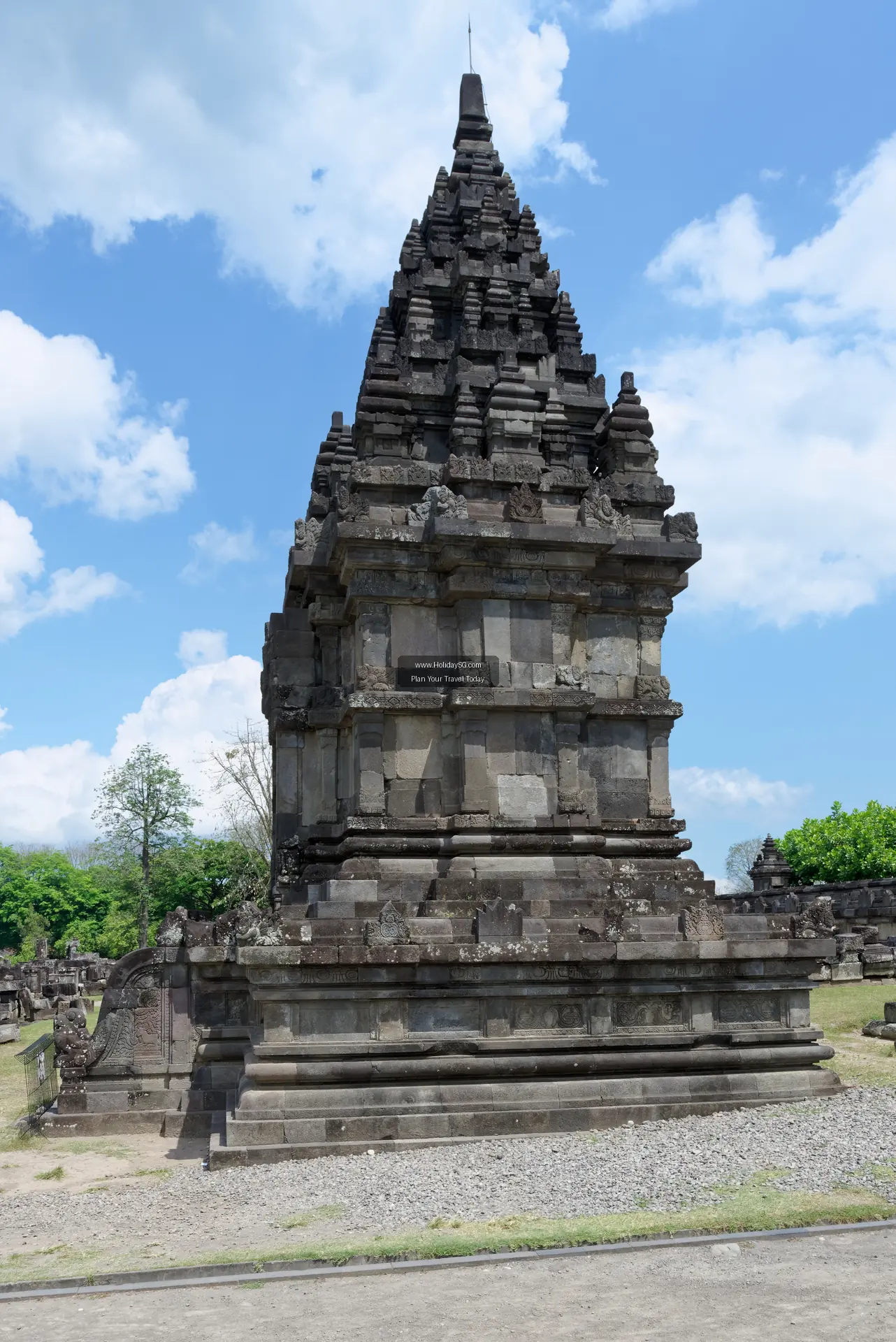
Start with Bali’s Iconic Clifftop Temples
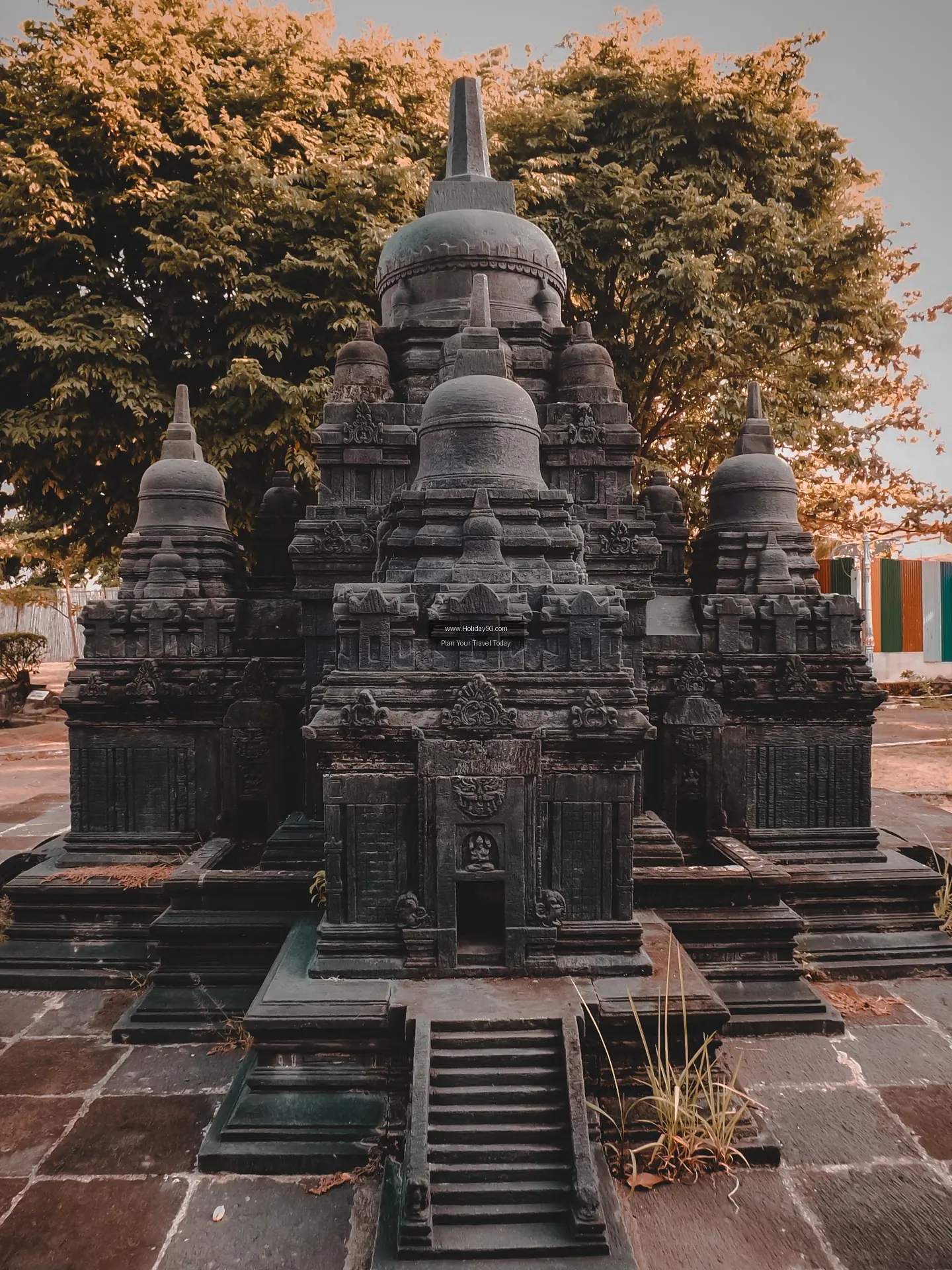
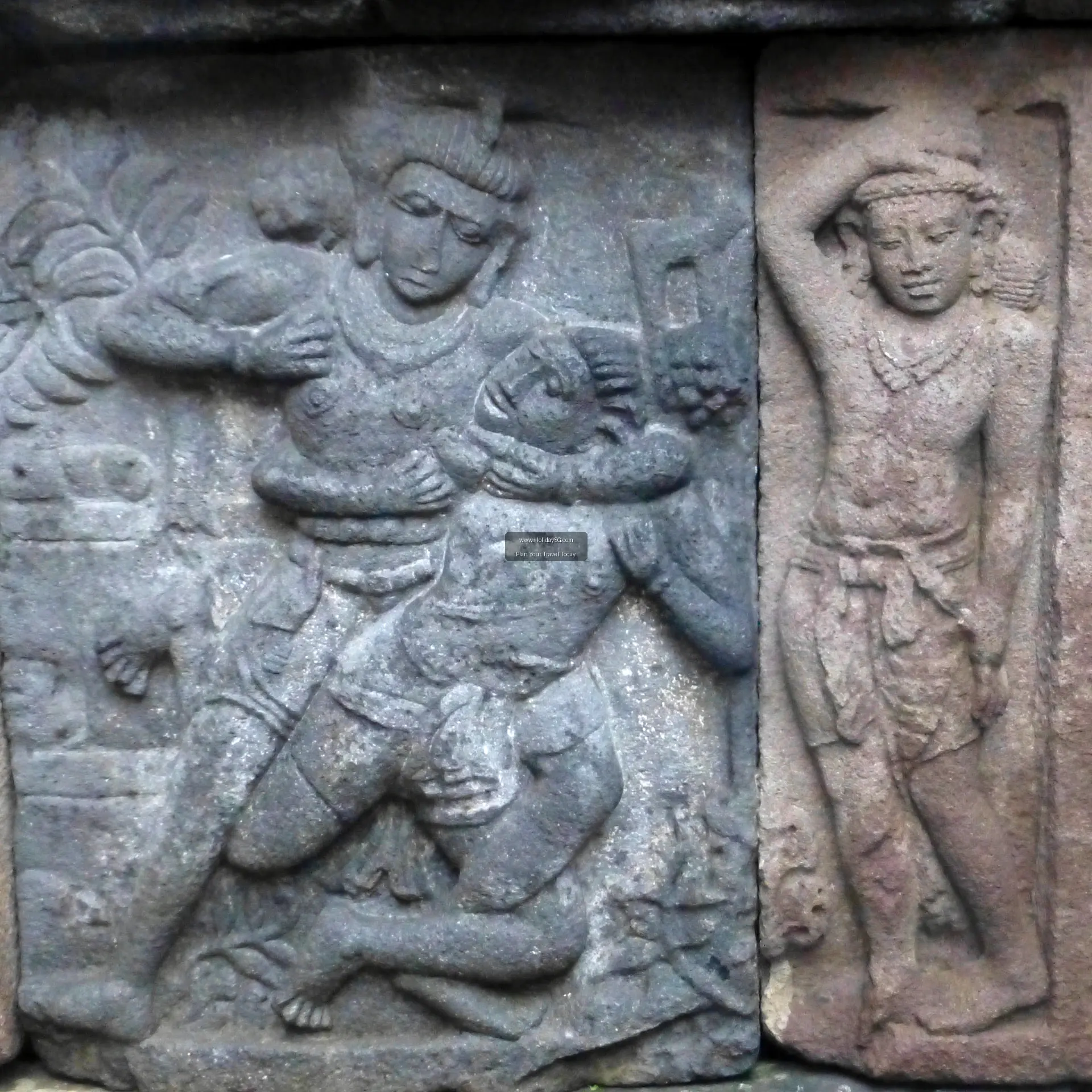
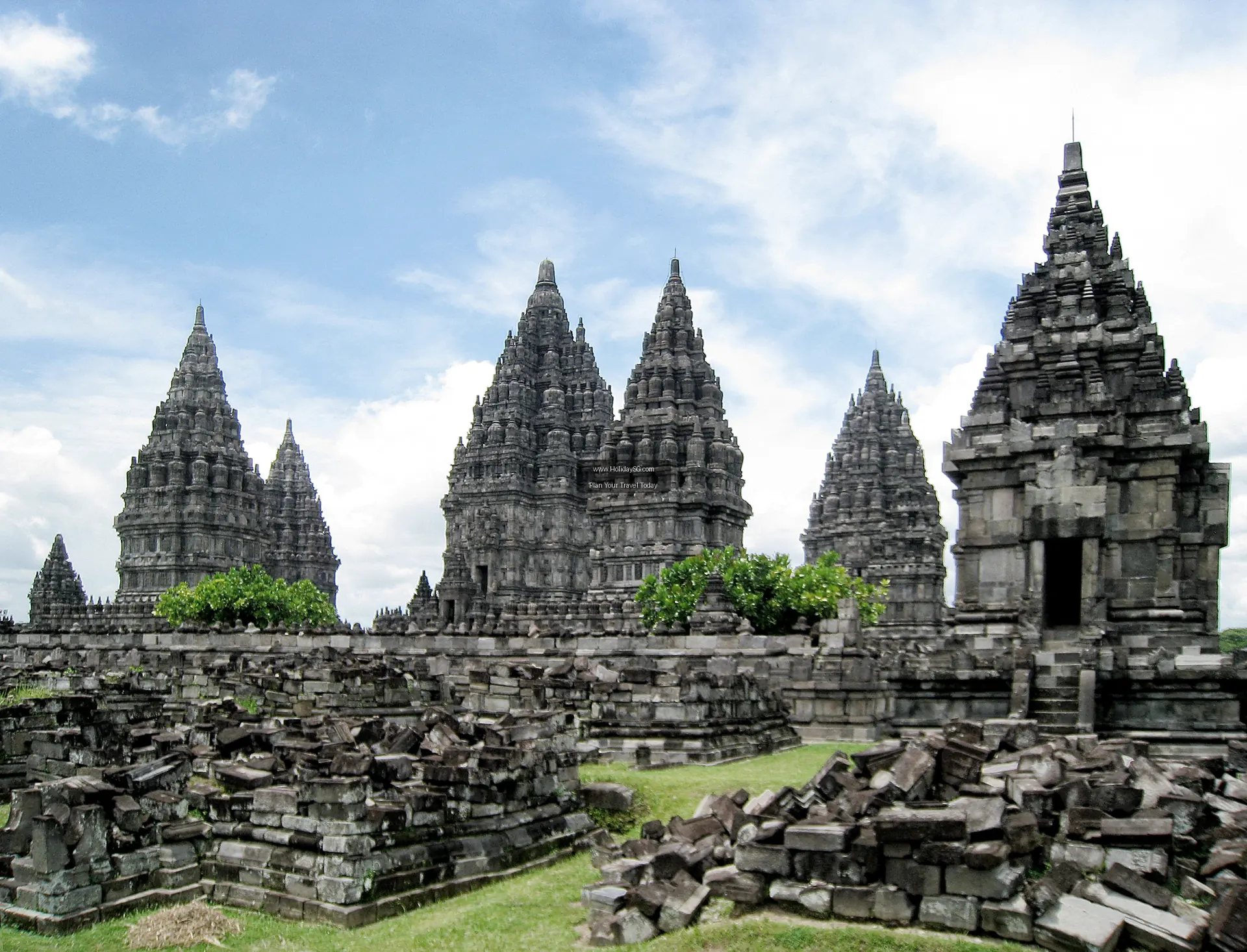
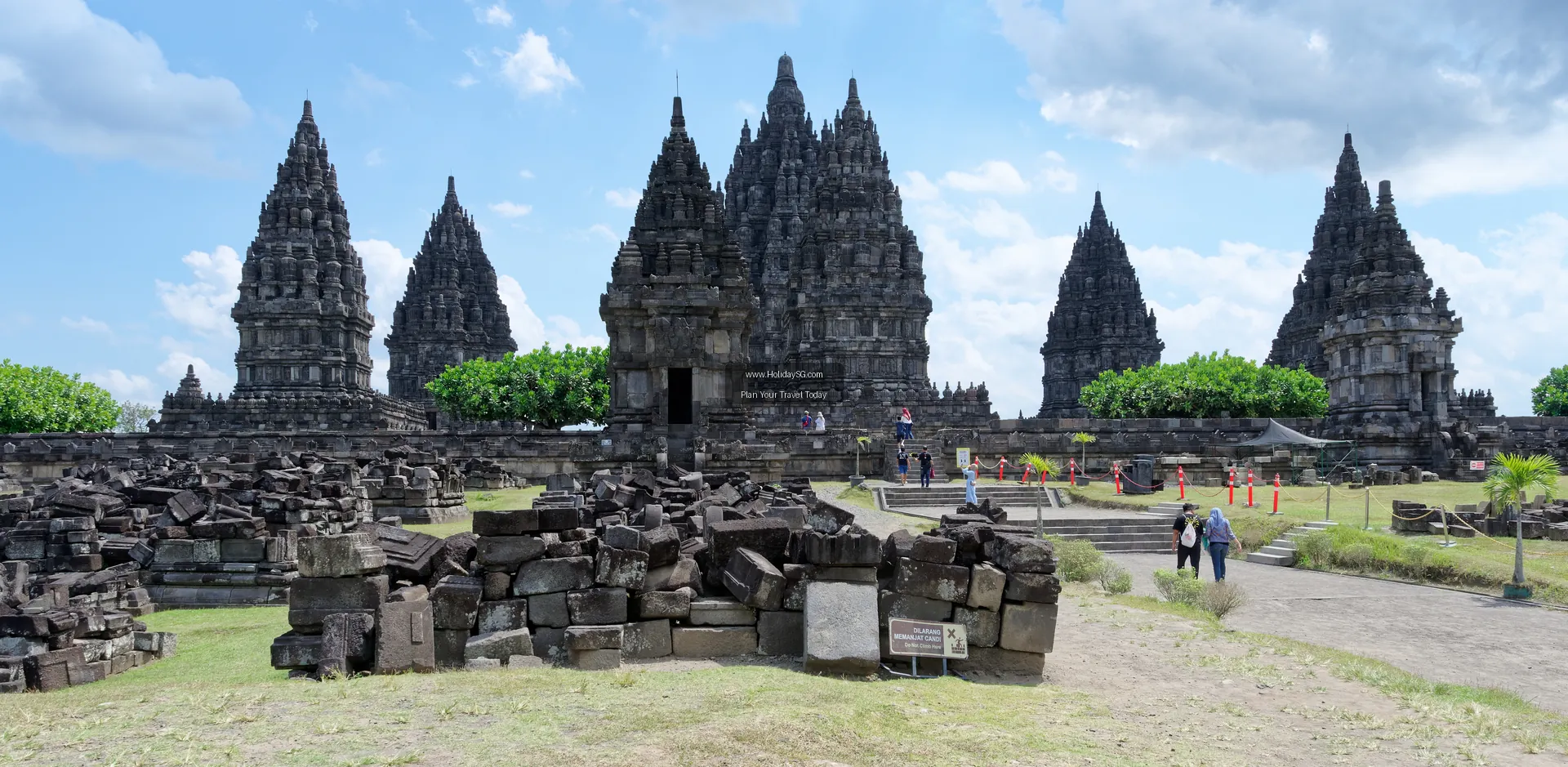
Bali’s temples are more than photo stops — they’re living spiritual sites, and two of them sit on dramatic cliffs that make them genuinely unforgettable. Both are best visited late in the day, when the light turns golden and the crowds thin out a little.
Uluwatu Temple
Perched on the Bukit Peninsula’s sheer southern cliffs, Uluwatu Temple offers panoramic views over the Indian Ocean. It’s one of Bali’s nine directional temples, and it’s famous for good reason. Arrive about an hour before sunset to explore the grounds, then take your seat for the Kecak fire dance — a hypnotic performance set against the sky, with the sun sinking into the sea behind the dancers. Keep an eye on your sunglasses and hat; the resident macaques are skilled thieves. Dress modestly — sarongs are available for rent at the entrance.
Tanah Lot
Tanah Lot is the postcard shot: an ancient Hindu shrine perched on a rocky islet just offshore, surrounded by crashing surf. You can cross at low tide to get closer, but the classic view is from the clifftop. Golden hour is the magic window. Expect larger crowds in July and August, and check the tide times if you want to walk out to the rock. It’s a 20–25 minute drive from central Canggu or Seminyak, so pair it with a late-afternoon visit and stay for sunset.
Ubud: Rice Terraces and a Monkey Forest
Ready to go? Book 10 Min 100 Min Bali Helicopter Tours Departing from Canggu with HolidaySG.
Ubud is Bali’s cultural heart, and for many first-timers it’s the part of the trip they remember most vividly. The town itself is busy, but the surrounding jungle and farmland are serene.
Tegallalang Rice Terraces
The layered rice paddies at Tegallalang are arguably Bali’s most photographed landscape. The green is impossibly vivid, especially after rain. Go early — before 9am — to beat the tour buses and catch the morning light. You’ll walk down into the valley along narrow paths, past swing spots and little warungs. A small donation is requested at the entrance. It’s about 20 minutes north of Ubud town by scooter or car.
Ubud Monkey Forest
The Sacred Monkey Forest Sanctuary is exactly what it sounds like: a jungle pocket in the middle of town, home to hundreds of long-tailed macaques. Entry is around SGD 6, and the forest itself is a lovely shaded walk with ancient mossy temples. But mind your belongings — loose sunglasses, earrings and plastic bags are irresistible to the monkeys. Don’t feed them, and avoid direct eye contact. A guide isn’t necessary, but you do need to follow the posted etiquette.
Hit the Best Beaches for Every Vibe
Bali’s coastline has different personalities depending on where you point the scooter. Here’s a quick comparison of the beaches first-timers most often ask about.
| Beach | Vibe | Best For |
|---|---|---|
| Seminyak | Chic, sunset bars, surf | Sundowners and catching waves |
| Nusa Dua | Calm, upscale, family-friendly | Swimming and luxury resorts |
| Padang Padang | Scenic cove, surf, movie fame | Photos and a dip between sets |
| Kuta | Lively, party-oriented | Surfing; give swimming a second thought |
Seminyak Beach is the place for a late-afternoon beer in a beanbag, watching surfers paddle out against the sunset. The waves are gentler than Kuta’s but still good for beginners.
Nusa Dua is the opposite of the gritty surf scene. The water here is calm and clear, protected by a reef, making it a solid choice for families and travellers who just want to float. Most of the beach is fronted by five-star resorts, but public access points exist.
Padang Padang is a small cove tucked between cliffs, reached by a steep stone staircase. You may recognise it from Eat, Pray, Love. It’s gorgeous, but it gets crowded quickly, and the surf break is better for experienced riders.
Kuta is loud, chaotic and unapologetically touristy. It’s the classic beginner surf beach, but the rip currents are strong — swim between the flags if you go in at all. Most people come for the nightlife and the sunset, not the swimming.
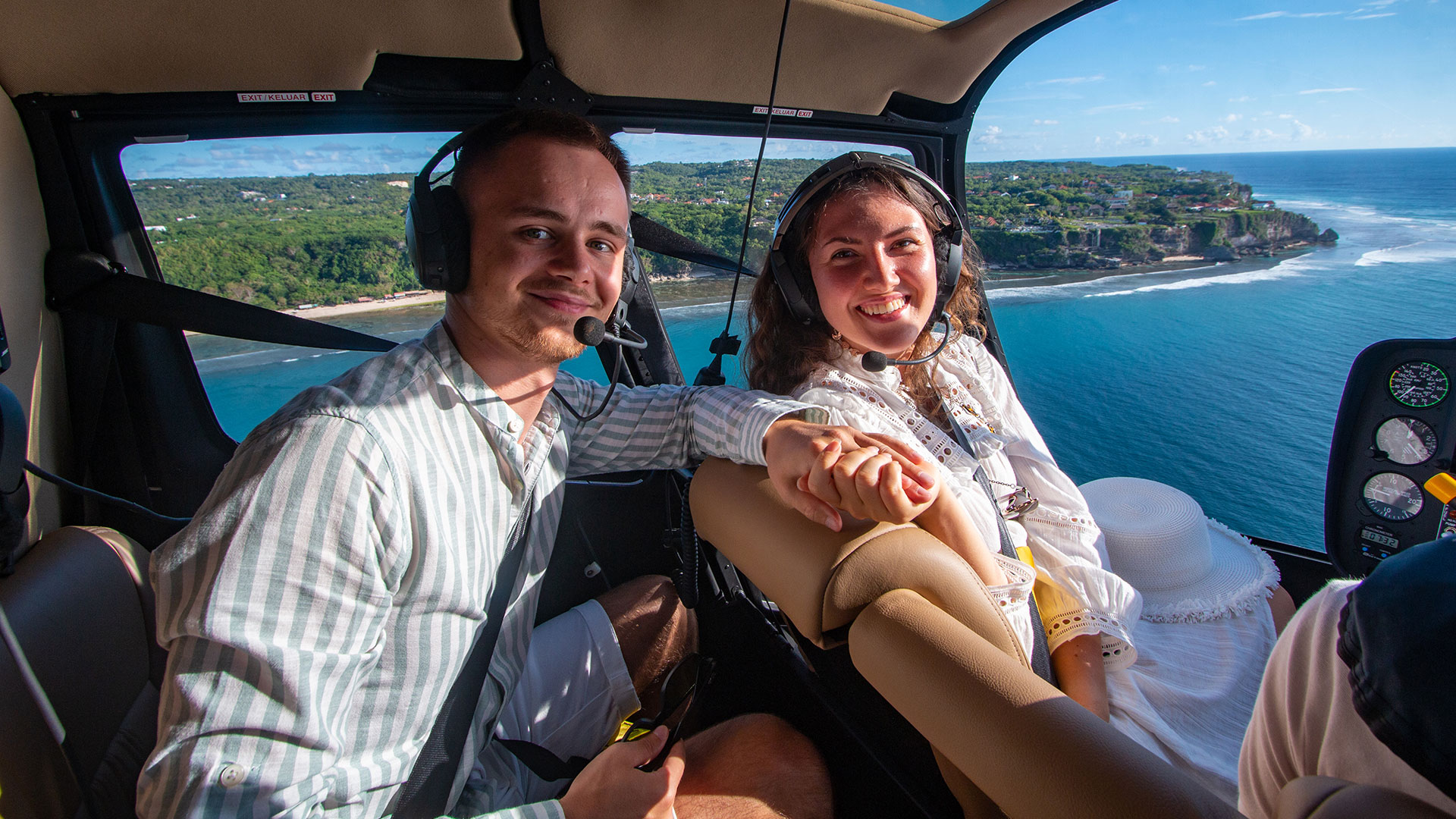
If you want to see the Bukit Peninsula’s dramatic coastline from above, a helicopter tour from Canggu is a once-in-a-lifetime splurge. It’s also a great way to get your bearings before you start island-hopping.
Chase Adventure: Mount Batur and Jungle Waterfalls
Mount Batur Sunrise Trek
Waking up at 3am is never fun, but the view from the top of Mount Batur makes it worthwhile. This active volcano rises about 1,700 metres, and the standard trek takes roughly two hours with a guide. Tours typically run SGD 40–70 including transfers, a guide, and breakfast cooked by volcanic steam at the summit. Bring a light jacket — it’s genuinely cold before dawn. If the hike sounds like too much, a 4WD Jeep Mount Batur sunrise experience gets you to the caldera without the pre-dawn climb, and there’s also a caldera-only jeep route if you prefer a different vantage point.
Tegenungan, Sekumpul & Tibumana Waterfalls
Bali’s waterfalls are spectacular, but not all require the same effort. Here’s what to expect:
- Tegenungan — the closest to Ubud, about a 30-minute drive. It’s powerful and easy to reach, but busy. Entry around SGD 2–3.
- Sekumpul — one of Bali’s tallest and most scenic waterfalls, with twin cascades in a jungle valley. The trek down involves hundreds of steps and a river crossing. Bring shoes you don’t mind getting wet.
- Tibumana — quieter and framed by cliffs and palms. The path is short but steep; a scooter or private driver is recommended to reach the entrance.
Most waterfall entrances charge SGD 2–5 and include a sarong if you want to go for a swim. Skip the visit if it has been raining heavily — the paths get slippery and the water turns brown.
Island-Hop to Nusa Penida or the Gilis
Nusa Penida
Nusa Penida is the top day-trip island from Bali. Fast boats from Sanur take about 40 minutes and cost roughly SGD 45–60 round trip. The headliners are Kelingking Beach (the famous T-Rex cliff), Angel’s Billabong and Broken Beach. The views are jaw-dropping, but the roads are rough and potholed — you’ll spend more time in a car than you’d like. Book a full-day tour or hire a private driver on the island. If you want to make it easier on yourself, a helicopter transfer from Nusa Dua is available, but for most travellers a day trip is enough.
Gili Islands
If you have an extra 2–3 days, the Gili Islands are worth the longer journey. There are three: Gili Trawangan (the lively one), Gili Meno (quiet and sleepy) and Gili Air (the middle ground). No motor vehicles are allowed — you get around by bicycle or horse cart. The snorkelling is excellent, the sunsets are low-key, and the vibe is a complete reset after the busy mainland. Boats leave from Padang Bai or Amed, and the crossing can be choppy in wet season, so pack motion sickness tablets.
Plan Your Trip: Best Time, Getting Around and Budgets
Best Time to Visit
The dry season from April to October is the sweet spot — blue skies, lower humidity and calm seas. July and August are the busiest and most expensive months, so book accommodation early. November to March is the wet season, but “wet” usually means a short, heavy downpour in the afternoon, not non-stop rain. The bigger risk is that waterfall treks and Mount Batur hikes can be slippery or cancelled after storms.
Getting Around
- Scooter rental — SGD 6–10 per day. It’s the most flexible and budget-friendly option, but you need an international driving permit and decent confidence in chaotic traffic. Wear a helmet.
- Private driver — SGD 50–80 for 10 hours. This is the safest and easiest choice for first-timers, especially for longer routes like Ubud to Uluwatu.
- Gojek/Grab — widely available in the south (Seminyak, Canggu, Kuta), but less reliable in Ubud. Short hops are cheap, but surge pricing appears in the rain.
Daily Budgets
| Traveller type | Accommodation | Daily cost per person |
|---|---|---|
| Budget | Hostel / guesthouse | SGD 35–50 |
| Mid-range | Private hotel / villa | SGD 80–150 |
| Luxury | High-end resort / villa | SGD 250+ per night |
Food & Drink: What to Eat in Bali
Balinese food is bold, spice-forward and nothing like the “Balinese” dishes you get back home. Start with these classics:
- Babi Guling — spit-roasted suckling pig, served with rice, lawar and sambal. Look for a warung with a queue.
- Bebek Betutu — slow-cooked duck wrapped in banana leaves and steamed with herbs. Rich and intensely flavourful.
- Nasi Campur — mixed rice with a bit of everything: vegetables, meat, egg, peanuts and sambal. A great introduction.
- Mie Goreng — fried noodles, simple but satisfying, often with satay skewers.
A local warung meal costs SGD 3–6; a sit-down restaurant with air conditioning runs SGD 12–25. Stick to bottled or filtered water — tap water isn’t drinkable on the island, and even ice in dodgy places can cause trouble.
Culture, Etiquette and Entry Essentials
Temple Etiquette & Local Customs
When visiting temples, cover your shoulders and knees — a sarong and sash are the norm, and most big temples rent or lend them. Use your right hand for giving and receiving money or offerings. Avoid touching anyone’s head, and don’t point your feet at sacred objects or people. A cold beer is fine, but public intoxication is frowned upon, especially outside tourist bars.
Visa & Passport Requirements
Most nationalities — including UK, US, EU, Singapore and Australia — get a 30-day tourist visa on arrival for about SGD 30. Your passport must be valid for at least six months, and you’ll need to show proof of onward travel and a return ticket when you arrive.
Currency & Payments
IDR (Indonesian Rupiah) is the Indonesian Rupiah (IDR). As a rough guide, SGD 1 = around IDR 12,000, though the rate moves. ATMs are everywhere, but carry cash for warungs, markets and small temple entry fees. Credit cards work at hotels and mid-range restaurants in tourist hubs, but don’t rely on them off the beaten path.
FAQs for First-Time Visitors
Is Bali safe?
Crime against tourists is low, but petty theft happens — keep your bag zipped and don’t leave valuables on the beach. The bigger risk is scooters; focus on riding defensively and avoid driving after dark on unfamiliar roads.
Do I need vaccines?
There are no mandatory jabs for most travellers, but hepatitis A and typhoid are commonly recommended. Ask your doctor at least a month before you go.
How many days do I need?
7–10 days is the sweet spot for a first visit. It gives you time for Ubud, the southern beaches, and one side trip to Nusa Penida or the Gili Islands without rushing.
Recommended HolidaySG Tours
- 10 Min 100 Min Bali Helicopter Tours Departing from Canggu
- 10 Min 100 Min Bali Helicopter Tours Departing from Nusa Dua
- 4WD Jeep Mount Batur Sunrise Experience by Bali Volcano Jeep
- 4WD Jeep Caldera Sunrise Experience by Bali Volcano Jeep
- ATV Adventure in Bali by Go Atv
Final Thoughts
Bali rewards travellers who plan a little and stay flexible. Yes, it can be chaotic and touristy in places, but the clifftop sunsets, jungle waterfalls and floating island mornings are still magic. Book your accommodation and any sunrise tours in advance if you’re travelling in peak season, then leave space to improvise — the best warung meal or hidden beach often shows up when you’re not looking for it. Start with the highlights in this guide, and you’ll leave with a long list of reasons to come back.
Ready to see Bali from a new angle? Check out our 10 Min 100 Min Bali Helicopter Tours Departing from Canggu and watch the island unfold from the sky.
Book with HolidaySG online for 10 Min 100 Min Bali Helicopter Tours Departing from Canggu, 10 Min 100 Min Bali Helicopter Tours Departing from Nusa Dua, 4wd Jeep Caldera Sunrise Experience by Bali Volcano Jeep.
Frequently Asked Questions
Where can I book these Bali activities and tours?
Do foreigners need a different ticket, price, or visa for Indonesia?
As a foreign visitor to Indonesia, you will generally need a valid passport and a visa — most tourists from Singapore and other eligible countries currently use a Visa on Arrival (VoA) or an e-VOA, which allows a 30-day stay. However, immigration rules and fees change frequently. Regarding tickets and
What is the best time to go, seasonally and for each activity?
The best overall season to visit Bali is the dry season, from roughly April to October, when you’ll enjoy sunny days and lower humidity — ideal for exploring. For the specific activities in this guide, the early morning is almost always the best time of day. The Mount Batur Sunrise Jeep Experience and the Caldera Sunrise Experience are designed around dawn for clear views and cooler temperatures. Likewise, helicopter tours from Canggu or Nusa Dua are best taken in the first hours after sunrise, when the skies are clearest and the ocean sparkles. The ATV adventure runs throughout the day, but a morning slot means less heat and fewer crowds on the tracks.
How many days should I spend in Bali as a first-time visitor?
We recommend a minimum of five to seven days for a first trip to Bali. This gives you enough time to settle in, explore a couple of different areas (such as Seminyak or Canggu for beaches, and Ubud for culture and jungle scenery), and take part in one or two of the signature experiences above without rushing. If you want to add a day trip to Nusa Penida or Uluwatu’s cliff temples, stretch it to nine or ten days. With just a long weekend, you can still fit in one helicopter ride or a Mount Batur sunrise tour, but keep your itinerary light.
What should I pack or wear for these Bali adventures?
For the ATV adventure, wear clothes you don’t mind getting muddy, closed-toe shoes with good grip, and bring a change of clothes and a light towel. For the jeep sunrise tours, pack a light jacket or long-sleeve layer — it can be surprisingly chilly at dawn on the volcano, and you’ll want a small torch or phone light for the final approach. For helicopter rides, a cap and sunglasses are useful, but avoid loose hats or scarves that could fly away. In all cases, bring sunscreen, insect repellent, cash in Indonesian rupiah for small purchases and entrance fees, and respect local etiquette by covering your shoulders and knees if you visit temples along the way.
Related reading: