

Things to do in busan is exactly what this guide covers.
Busan offers a mix of natural beauty, urban excitement, and long cultural history. From its stunning beaches to its vibrant neighborhoods and historical sites, there’s plenty of choice in this diverse city.
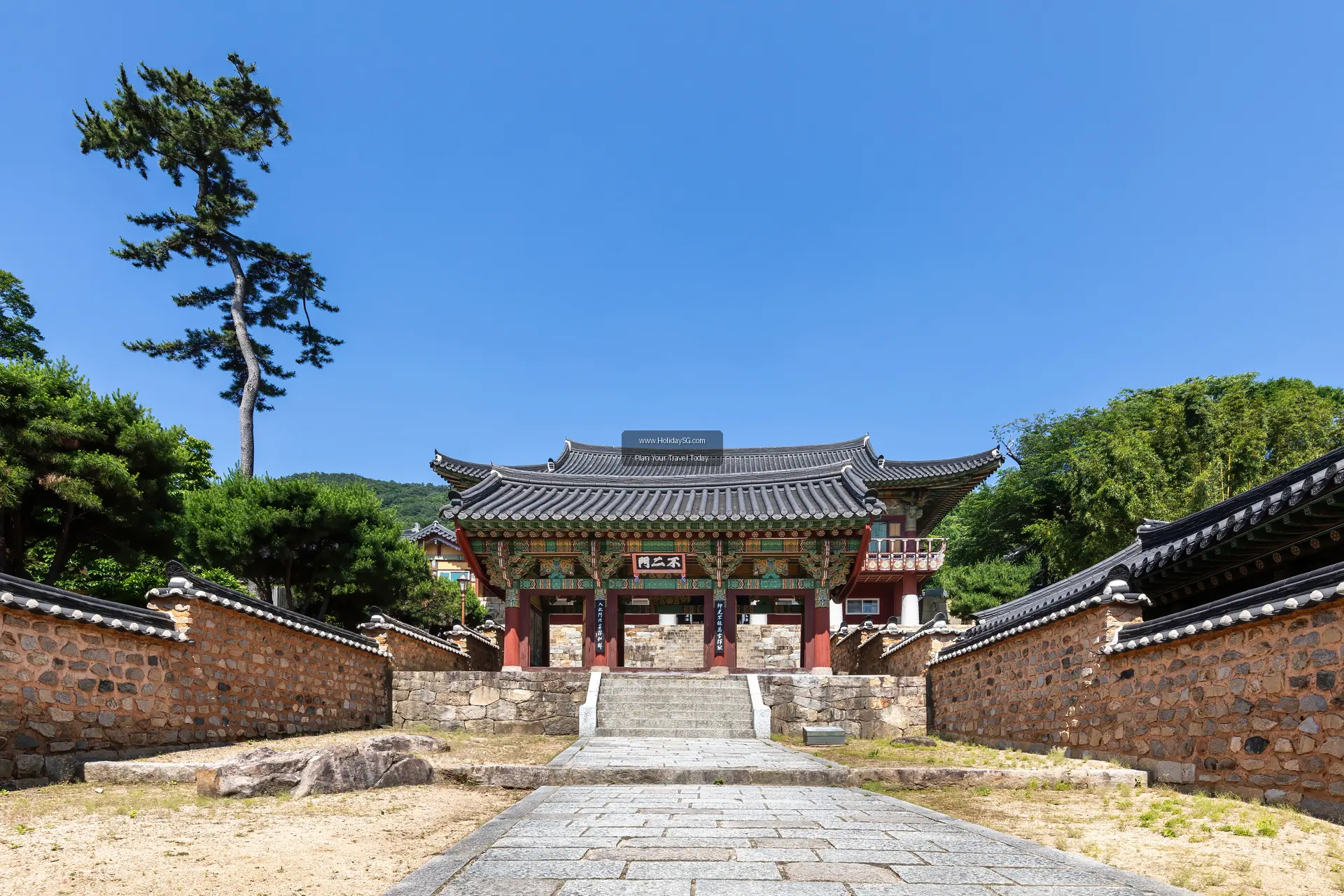
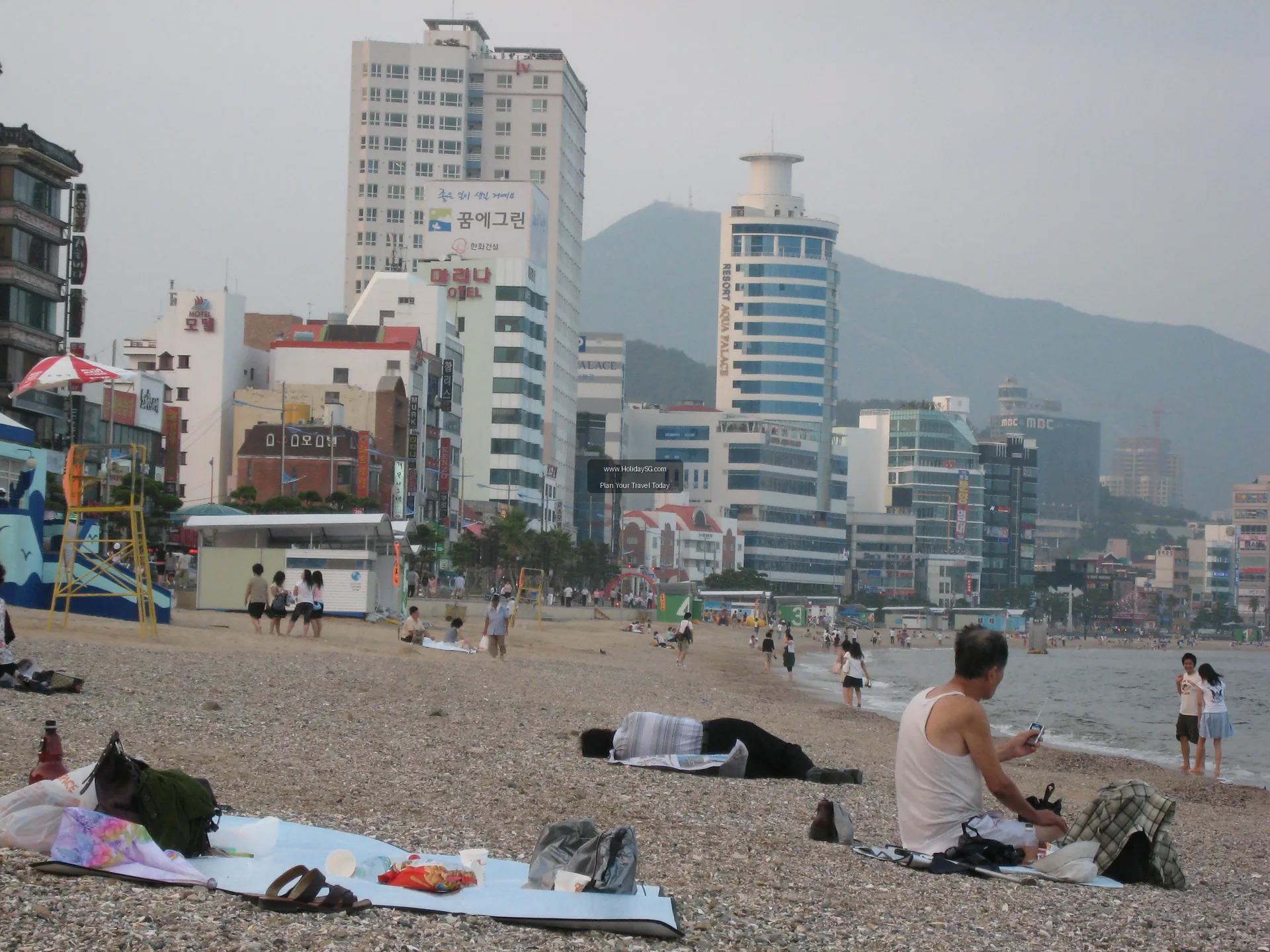
Whether you’re looking for adventure, relaxation, or simply to explore, Busan has it all. From the ancient temples of Jogyesa to the modern landmarks of Haeundae Beach, each site offers a unique glimpse into the city’s past and present.
Ready to explore? Check out our Max Out Busan 9 Highlight Top Attractions One Day Tour With Blueline Park Sky Capsule And Yatch Tour →
Book these with HolidaySG:
- Lotte World Adventure Busan
- Busan Centum Spa Land Discount
- Visit Busan Pass
- Travel Photography In Busan South Koreadriver And Director Travel Photography Aerial Photography Wedding
Book with HolidaySG online for Max Out Busan 9 Highlight Top Attractions One Day Tour With Blueline Park Sky Capsule And Yatch Tour, Lotte World Adventure Busan, Busan Centum Spa Land Discount.
Frequently Asked Questions
Where can I book this / what’s the link?
You can start planning your Busan itinerary on HolidaySG’s website, where you’ll find options for flights, accommodation, and local tours. Simply visit the site and use the search tools to customise your trip.
Do foreigners (non-citizens) need a different ticket, price, or visa for South Korea?
Visa requirements for South Korea depend on your nationality. Many countries enjoy visa‑free entry for short stays (typically up to 90 days), while others must obtain a visa in advance. Ticket prices are the same for all travelers, but some tours or attractions may offer discounts for residents. Because regulations can change, it’s best to check the latest information on the official Korea Immigration website or contact your nearest Korean embassy before you travel.
What is the best time (season, or time of day for the site/activity) to go?
The ideal seasons for visiting Busan are late spring (April‑May) and early autumn (September‑October) when the weather is mild and the city’s beaches, such as Haeundae and Gwangalli, are most enjoyable. For sunrise lovers, head to Songdo Beach before 6 am; for evening vibes, Gwangalli’s beachfront cafés light up after sunset, offering great views of the Gwangan Bridge.
How many days should I allocate to explore Busan’s main attractions?
Most travellers find that 2‑3 full days are enough to cover the highlights: a beach day, a cultural walk through Gamcheon Culture Village, a visit to Jagalchi Fish Market, and a few hours at the historic Beomeosa Temple or the modern Busan Tower. If you want a more relaxed pace or plan day trips to nearby spots like Gyeongju, consider adding an extra day.
What is the typical budget for a mid‑range traveler visiting Busan?
For a comfortable stay, budget around USD 50‑70 per day for accommodation (mid‑range hotels or guesthouses), USD 15‑25 for meals (mix of street food and sit‑down restaurants), and USD 10‑20 for local transport (subway, buses, or taxis). Entrance fees to attractions are generally modest, ranging from USD 2‑10. Overall, a 3‑day trip can be enjoyed for roughly USD 250‑350 per person, not including international flights.
What things cost in South Korea
Live HolidaySG prices for the experiences in this guide, so you can sanity-check a budget before you commit.
| Experience | Where | From price |
|---|---|---|
| Alpaca World | Hongcheon | From S$18.56 |
| Alpaca World+Nami Island+Garden of Morning Calm one-day tour D... | Chuncheon | From S$117.00 |
| Aqua Planet, Gwanggyo | Suwon | From S$22.05 |
| Aquafield Goyang | Goyang | From S$28.50 |
| Korean local guide translator Dermatologist Hairstyle Color Te... | Seoul | From S$103.66 |
| Nami Island | South Korea | From S$11.85 |
| Moonlight Seoul Night Tour|Gwangjang Market, Royal Palace, Che... | Seoul | From S$49.86 |
| [Non-Korean] [Prepaid Card] WOWPASS Card | Seoul | From S$7.00 |
Getting Around Busan: Transport Options for Exploring Beaches, History, and Culture
Most visitors arrive in Busan assuming they'll need taxis everywhere, then discover the subway is faster, cheaper, and far less stressful than navigating traffic on Marine City's narrow coastal roads. The public transport system here is genuinely efficient, which matters when you're trying to see everything from Gamcheon Culture Village in the hills to Haeundae Beach on the coast in a single day.
The Busan Metro operates three lines that connect most major attractions. Line 1 runs north to south and connects Nampodong (the old harbour district) with Haeundae. Line 2 loops around the city and reaches Seomyeon, the main shopping and entertainment neighbourhood. Line 3 is smaller but useful if you're heading toward Suyeong or exploring residential areas. A single journey costs around 1,250 Korean won for trips within the city, though you should verify current fares before traveling. Buy a rechargeable transit card at any convenience store—they work on subways, buses, and even some taxis, and you'll avoid queuing for single tickets multiple times daily.
Buses reach places the subway doesn't. If you're visiting Taejongdae Cliff Park or Oryukdo Islets on the southern tip of the peninsula, bus routes 8, 8-1, and others serve those areas, though you'll need to check the specific route number against your destination map. Bus shelters display route maps and estimated arrival times on digital screens. The experience is straightforward if you have a transit card; without one, you'll need exact change, which few tourists carry.
Taxis are reliable but pricier than transit. They're genuinely useful when you're arriving late, carrying heavy luggage, or splitting costs between three or four people. Drivers rarely speak English, so having your destination written in Korean characters or using a offline map app helps significantly. Ride-sharing apps operate in Busan, though the interfaces are Korean-language.
Renting bicycles offers a different pace, especially around Gwangalli Beach or along the Nakdong River estuary. Several rental shops operate near major beaches, charging around 10,000 to 20,000 won for a few hours. The seafront promenades have dedicated cycle paths, though mix-ups between pedestrians and cyclists happen frequently—stay alert.
Walking is viable in neighbourhoods like Nampodong (the colonial-era harbour district) or around the Jagalchi Fish Market, though Busan's steep hills mean some areas feel exhausting on foot during summer heat. Practical tip: download an offline map application before arriving, because navigating the 1,040-square-kilometre city without one wastes hours.
Where to Stay in Busan: Neighbourhoods That Match Your Travel Style
Choosing where to sleep in Busan is actually choosing which Busan you want to experience—the beachfront resort version, the historic port-city version, or something closer to how locals actually live. Most first-time visitors pick accommodation by proximity to one major attraction, then spend two days stuck in traffic or transit to reach everywhere else.
Haeundae remains the most popular neighbourhood, particularly around Haeundae Beach itself. The beach stretches nearly two kilometres, and in summer you'll share it with families, sunbathers, and evening swimmers. The seafront is lined with restaurants, convenience stores, and accommodation ranging from beachfront luxury hotels to budget guest houses tucked one street back. Nightlife here revolves around beach bars and clubs, and younger travellers often stay here specifically for that scene. The trade-off is that Haeundae feels distinctly touristy, and prices run 20 to 30 percent higher than quieter neighbourhoods. The subway connection (Line 2, Station 207) makes day trips elsewhere easy, but the neighbourhood itself can feel samey after two nights.
Seomyeon is Busan's primary shopping and dining district, roughly equivalent to Seoul's Gangnam in energy level. It's the place for international restaurants, department stores, and late-night street food. Accommodation here ranges widely in price and quality. You're close to cultural attractions like the Busan Museum and relatively central to everything else via the subway network. Seomyeon feels busier but less exclusively tourist-focused than Haeundae, and it's genuinely useful if you want restaurant variety without constantly seeking recommendations.
Nampodong represents old Busan—the colonial harbour district where the Japanese occupiers built warehouses and concession areas that survive as museums, galleries, and quirky shops today. Staying here means you're walking distance from the Busan Modern History Museum, the old concession buildings, and the Jagalchi Fish Market at dawn. The neighbourhood has character and way fewer tourists than Haeundae, though it's noisier and grittier. Accommodation tends toward smaller, independently-run places rather than chains. If you're interested in the history of Busan and Korea's transition through the 20th century, this neighbourhood makes sense; if you primarily want beaches, you'll be frustrated by the twenty-minute commute.
Gwangalli Beach offers a middle ground—it's a actual beach neighbourhood (smaller and less developed than Haeundae) with a local vibe, reasonable accommodation prices, and seafood restaurants where you can eat dinner watching the Gwangan Bridge light up after dark. The beach is shadier and less crowded than Haeundae, making it pleasant for longer visits. You're slightly further from central attractions, but the trade-off in atmosphere and cost is worthwhile if you're spending three or more nights.
Practical tip: book accommodation in the neighbourhood matching your primary interest (beaches for Haeundae, museums for Nampodong, dining for Seomyeon, or atmosphere for Gwangalli), then use the subway to explore other areas as day trips rather than changing hotels repeatedly.
When to Visit Busan: Seasonal Considerations and Weather Patterns
Busan's weather divides travellers harshly into two camps: those who hate humidity and those who love empty beaches. Summer runs from June through August, bringing temperatures around 28 to 32 degrees Celsius, frequent rain, and summer vacation crowds that pack every beach and restaurant. The humidity is genuinely oppressive—not just warm but so thick the air feels solid. If you visit then, plan beach time early (before 10 AM) or late (after 5 PM), and expect restaurants near Haeundae Beach to have queues every evening. Schools close for summer vacation across South Korea, so families travel nationwide; tourist infrastructure becomes overwhelmed.
Autumn (September through November) is genuinely the best window—temperatures drop to 15 to 25 degrees Celsius, humidity vanishes, and rainfall decreases. September is still warm but manageable, October arrives with crisp mornings and golden light perfect for photography, and November brings colour to Busan's parks and coastal cliffs. Tourist numbers are reasonable without being overwhelming. This season is when locals themselves visit beaches for leisure rather than exercise.
Winter (December through February) means temperatures between 2 and 8 degrees Celsius, occasional snow (though Busan sees less snow than inland regions), and clear, cold days. The sea gets rougher, so beach activity shifts to walks and photography. Accommodation and food prices drop noticeably because demand falls. Festivals happen year-round, but winter sees fewer street-level events—most cultural activities move indoors. If you don't mind cold and want fewer tourists, winter works, though you'll spend less time outdoors.
Spring (March through May) brings 10 to 20 degrees Celsius, cherry blossoms around late March to early April, and moderate crowds. Cherry blossom season specifically brings weekend tourism surges, particularly around Jinryeong Park and along the riverside paths near the Nakdong River estuary. If you're timing a visit around blossoms, expect higher prices and busier restaurants that specific week.
One practical consideration: typhoon season runs August through September, bringing sudden heavy rains and strong winds. Beach swimming becomes unsafe, outdoor events close, and transit occasionally gets disrupted. Check weather forecasts the week of travel and plan flexible indoor activities (museums, covered markets) as backup.
Practical tip: visit in October or early November if you have flexibility—you'll experience the best combination of weather, fewer crowds, and all attractions operating normally.
What is the best time of day to visit Busan's beaches?
Early mornings (6 to 8 AM) offer empty beaches, calm water, and dramatic light as the sun rises over the Korean Strait. By 10 AM, families arrive with umbrellas and coolers. Late afternoons (4 to 6 PM) see second waves of visitors but also stunning golden light for photography and swimming in warmer water that's accumulated heat throughout the day.
Are spring and autumn the only pleasant seasons for visiting Busan?
No—winter offers beautiful coastal walks and significantly fewer tourists, though outdoor activities are limited. Summer works if you're comfortable with heat and crowds and you plan water-based activities. Spring brings cherry blossoms but also moderate crowds.
Food and Dining in Busan: Local Dishes Beyond the Tourist Circuit
Most visitors eat bibimbap, bulgogi, and whatever seafood restaurant their guesthouse recommends, completely missing the reason Busan residents actually line up for hours at specific restaurants. Busan is a port city—what you should be eating is fish, prawns, and octopus prepared the way fishermen's families have done it for generations, not restaurant versions designed for international palates.
The Jagalchi Fish Market is the obvious destination, and it is genuinely worth visiting even if you don't eat there. The market sprawls across multiple buildings near the waterfront in Nampodong. Ground-floor vendors sell live fish, octopus, sea urchin, and other creatures still moving. Upper floors contain the market's restaurant area—dozens of tiny counter seats where you select your raw fish and it's prepared in front of you. The experience is chaotic, loud, and very authentic. Prices vary wildly depending on what you order—a basic fish dish runs around 12,000 to 20,000 won, while premium items (like live octopus) cost more. The seafood itself is fresher here than virtually anywhere else in South Korea because of the market's location and volume. The language barrier is real—pointing and smiling works, but communication with restaurant staff is sometimes difficult.
Milmyeon (wheat noodles in a chilled broth with vegetables and often boiled egg) is Busan's signature dish, different enough from similar Korean noodle dishes that it's worth seeking out specifically. The broth is lighter and more delicate than other regional noodle broths. Restaurants throughout the city serve it, but the cluster near Bujeon Market specializes in the dish—locals eat there regularly, which is generally a good sign. Expect 8,000 to 12,000 won per bowl. Summer heat makes chilled milmyeon particularly appealing.
Dongas (Korean-style fried breaded cutlets) are nowhere near as famous as they should be. These are pork or chicken cutlets breaded and fried until golden, served with rice, soup, and pickles. It sounds simple because it is—but the difference between a mediocre donga and a good one is preparation (proper pounding of the meat, correct oil temperature, precise breading technique). Restaurants in Seomyeon and around Busan Station area serve them, and they're affordable (around 10,000 to 15,000 won). Dongas pair well with cold beer and are perfect lunch food.
Kalguksu (knife-cut noodles in a rich seafood or anchovy broth) appears throughout South Korea, but Busan versions tend toward seafood broths instead of other regional variations using beef or chicken. The noodles are thick and chewy, and genuinely good versions take significant time to prepare—avoid anywhere promising quick service. Look for restaurants that seem to have multi-generational ownership or staffing, which usually indicates long-established recipes.
Street food in Busan includes tteokbokki (spicy rice cakes), hotteok (sweet pancakes filled with brown sugar), and grilled squid skewers. Night markets near Nampodong and Seomyeon have several food stalls, though crowds can be intense. Prices run 3,000 to 8,000 won per item—extremely cheap and perfect for late-night eating or casual snacking between attractions.
Practical tip: eat dinner between 5 and 7 PM to avoid the peak tourist rush (8 to 10 PM) at popular restaurants, or eat later than 10 PM when crowds thin significantly.
How do you order food in Busan if you don't speak Korean?
Most restaurants have picture menus or pictorial placemats showing dishes—pointing works. Translation apps can photograph menus and provide rough English versions. Many casual restaurants in Seomyeon and Haeundae have English menus. At markets and small vendor stalls, smiling and gesturing is often sufficient; locals are generally patient with pointing and nodding.
Tickets, Admission Prices, and How to Check Current Costs for Busan Attractions
Admission prices for museums, temples, and cultural sites in Busan change periodically, and exact figures can shift between the printed guidebook version and what you actually encounter at the entrance. Rather than quoting potentially outdated numbers, here's how to verify current prices for specific attractions before visiting.
For major attractions like the Busan Aquarium (located at the Centum City complex in Haeundae), check the official attraction website directly—you can usually find admission prices and information about online pre-booking in English. Many institutions offer modest discounts for online purchase compared to entrance-gate ticket windows. The difference is usually 5 to 15 percent, which adds up if you're visiting multiple paid attractions.
Temple visits in Busan—including Beomeosa (a significant temple in the north) and Haedong Yonggungsa (a clifftop temple dramatically situated on the coast)—generally charge admission around 5,000 to 10,000 won, though you should verify specific prices with the temples directly by phone or their website. Some temples don't charge admission but accept donations. Photography permissions vary by location, so ask before photographing interior spaces or sculptures.
Museums in Busan (including the Busan Museum, Busan Modern History Museum, and several smaller neighbourhood museums) typically charge admission between 3,000 and 7,000 won, with discounts for students and seniors. Many offer free or discounted admission on specific days—usually one day per month. Check with your accommodation or the local tourism information centre to confirm which day that is during your visit.
The Busan International Film Festival (usually held in October) has separate pricing for individual films, festival passes, and special screenings. Prices and scheduling are released several months before the festival—check the official festival website for current details if you're timing your visit around this event.
Many neighbourhood attractions—like Gamcheon Culture Village or the Oryukdo Islets—have no admission fees but may charge for specific activities like cable car rides or guided tours. Cable car rides typically cost between 6,000 and 10,000 won each direction, though you should verify prices directly.
For the most current and accurate information on admission prices, visiting hours, and special exhibitions happening during your dates, visit the official Busan tourism website or contact the Busan Tourism Information Centre directly—their staff are accustomed to handling questions from international visitors and can provide detailed, current information. Most major attractions also have social media accounts (Instagram, Facebook, or official websites) where they post updates about special events, temporary closures, or price changes.
Practical tip: photograph admission prices at your first attraction visited, then use that as a reference for budgeting remaining attractions—prices tend to be relatively consistent across comparable sites.
Are there discount passes for multiple attractions in Busan?
Some attractions offer combined tickets or passes, but availability varies. Check the official Busan tourism website or ask at your accommodation—they often have information about current multi-attraction deals that tourists aren't typically aware of.
Day Trips from Busan: Nearby Destinations Worth the Travel Time
Spending your entire time in Busan itself makes sense if you have only two or three days, but four or more days warrants at least one day trip to surrounding areas. Several destinations within one to two hours of Busan city centre offer genuinely different experiences—mountains, riverside views, or cultural sites that complement the urban beaches and history you've already seen.
Jinhae, located about one hour northwest via commuter train or bus, is famous for cherry blossoms (April specifically brings massive crowds), but it's worth visiting even outside blossom season. The town sits on a river inlet, and the waterfront is lined with parks, cycling paths, and restaurants with excellent seafood. Ferries depart from Jinhae to nearby islands—small trips across relatively calm water that break up the day. Transportation from Busan is straightforward—commuter trains run regularly from Busan Station, taking roughly 45 minutes. Return the same day or stay overnight if you're less rushed.
Geoje Island, south of Busan across a bridge system, offers a slower pace and coastal scenery without the urban energy of Busan proper. The island has shipbuilding history (still active), fishing villages where seafood is genuinely affordable, and hiking trails along rocky coastlines. Several beaches dot the island, much less developed than Haeundae. Reaching Geoje requires taking the subway to southern Busan, then a commuter bus across the bridge system—roughly 90 minutes total from central Busan. This makes it a full-day commitment rather than a quick excursion. Stay overnight if possible to really explore; returning to Busan the same day leaves little time for actual activities.
Tongyeong, further south than Geoje (roughly two hours by bus), is a historic port town with naval history, seafood markets rivaling Jagalchi for authenticity, and island-hopping ferry options to nearby Korean islands. The town itself is compact enough for walking exploration. If you're interested in Korean maritime history or want a completely different kind of coastal town than Busan represents, Tongyeong merits a full day. However, transportation takes significant time, so this suits travellers with five or more days rather than those maximizing city time.
Hiking opportunities near Busan include Geumjeong Mountain (within the city limits, reachable by subway and local bus), which has multiple trails of varying difficulty, temple ruins, and views across the city and bay from the summit. A day trip means leaving early (before 8 AM) and dedicating four to six hours to the hike and descent. Geumjeong works as a half-day activity if you're already near that side of the city.
The Nakdong River estuary (north of Busan city centre) is relevant for birdwatching during migration seasons (spring and autumn), particularly if you visit with binoculars and interest in identifying species. The area is less developed for tourism than beach destinations, making it quieter and more suitable for peaceful walks. It's reachable by subway and local bus in 30 to 45 minutes from central Busan.
Practical tip: plan day trips for days when weather is clear—visiting Jinhae, Geoje, or Tongyeong in rain or fog reduces enjoyment significantly, and transportation delays become annoying when you're racing back before dark.
How do you get to Jinhae from Busan without a rental car?
Commuter trains depart from Busan Station bound for Jinhae roughly every 20 to 30 minutes, taking 40 to 50 minutes depending on the service. Buy tickets at the station ticket office—very affordable. Buses also connect the cities, though trains are usually faster and more reliable.
Cultural Experiences and Practical Etiquette in Busan
Busan is less formally traditional than inland Korean cities—as a port city with a different history, locals are considerably more accustomed to casual foreigners than you'll encounter in Seoul or Gyeongju. That said, certain practices still matter, especially when visiting temples, visiting someone's home, or entering specific cultural spaces.
Temple visits require removing shoes before entering main halls—you'll see shoe racks near entrances. Dress modestly; shorts or tank tops are generally acceptable in casual situations but looked upon as inappropriate in temples. Photography inside temple buildings is often restricted; ask permission before photographing monks or religious ceremonies. Many temples offer tea or simple vegetarian meals if you express interest, though donations are expected (usually 5,000 to 10,000 won).
Restaurant etiquette is relaxed by Korean standards. Shoes stay on in restaurants (obviously). Eating noodles loudly is actually encouraged—slurping shows appreciation for your meal. Using both hands when accepting things from someone (particularly food from servers, or payment when eating with someone older) is traditional and appreciated, though younger Busan residents are less strict about this than older generations. Splitting bills at restaurants is normal among friends; just ask the server for separate checks or handle it with your companions before ordering.
At markets (particularly Jagalchi or Bujeon), bargaining isn't really done for food items—prices are set. However, at souvenir markets, haggling is occasional and subtle; don't expect dramatic price drops, but larger purchases sometimes negotiable. Speaking softly and asking politely works better than aggressive haggling tactics.
Dress is casual in most Busan contexts. Beaches naturally mean swimwear (though toplessness is extremely unusual and inadvisable). Elsewhere, standard casual clothing is fine; Seomyeon is dressier for evening entertainment, but daytime tourism doesn't require specific attire. Comfort shoes matter because Busan has hills and you'll walk considerable distances.
Tipping is not standard in South Korea and not expected at restaurants, hotels, or taxis. Some upscale establishments or tour operators may include service charges, but these are already included in the bill rather than tips added afterward. Trying to leave cash tips sometimes confuses staff—they may try to return the money thinking you've made a mistake.
Practical tip: learn a few basic Korean phrases—"annyeonghaseyo" (hello), "gamsa hamnida" (thank you), and "joesungi eopseubnida" (I don't eat meat, if relevant)—because effort goes a long way with service people, even if your pronunciation is rough.
Internet, Phone Service, and Staying Connected in Busan
Busan has excellent mobile coverage and Wi-Fi availability in urban areas, but "excellent" comes with assumptions about how you want to stay connected—prepaid data plans, temporary phone numbers, or rental devices each have different advantages depending on your needs and how long you're staying.
Purchasing a temporary Korean SIM card is genuinely straightforward. Mobile shops operate at Busan Airport's arrivals level, in train stations, and throughout shopping areas like Seomyeon. You'll need your passport. Providers (SKT, KT, LG U+) offer comparable pricing and coverage—around 20,000 to 50,000 won gets you several gigabytes of data plus call and text minutes for seven to ten days, depending on what package you choose. Setup takes about ten minutes, then you have a Korean phone number and mobile data. This is genuinely useful if you're staying more than a few days or need to make local restaurant reservations or ask for directions without relying on roaming.
Portable Wi-Fi devices (rental hotspots) are another option—you rent a device at the airport or in the city, carry it, and have Wi-Fi coverage anywhere within range. These work particularly well for small groups splitting costs. The devices require daily charging and you pay daily rental fees, which sometimes costs more than a SIM card for week-long trips.
International roaming from your home country is convenient but substantially more expensive than local alternatives—unless your provider offers genuinely competitive rates, avoid this option for anything beyond emergency communication.
Wi-Fi coverage is legitimate throughout urban Busan. Accommodation (hostels, hotels, guest houses) includes Wi-Fi. Convenience stores (GS25, CU, Emart24—they're everywhere) offer Wi-Fi access and are genuinely convenient for coffee breaks and catching up on messages. Many restaurants and cafes include Wi-Fi, though you should order something rather than just using the connection for hours. Large shopping centres, subway stations, and even some parks have public Wi-Fi networks, though connection reliability varies.
Maps.me (offline mapping app downloaded before arrival) is essential because it functions without data connection and shows most streets, restaurants, and transit stops. Google Maps works throughout South Korea despite limitations in mainland China—having offline maps from Maps.me plus functional data (whether through SIM or roaming) gives you complete redundancy if one system fails.
Translation apps work reasonably well for restaurant menus, street signs, and casual communication—Papago (South Korean app) sometimes performs better than international alternatives for Korean to English translation.
Practical tip: buy a SIM card rather than renting a hotspot device if you're staying more than four days—the per-day cost becomes pointless after that, and a SIM card is genuinely convenient for making local calls or splitting transportation costs with people you meet.
Can you use Google services in Busan?
Google Maps, Gmail, and most Google services work throughout South Korea without requiring a VPN. Google Play Store access is limited—apps can sometimes be downloaded but not always. Download essential apps before arriving in South Korea if you rely on them.
Planning Your Itinerary: Three Days, Four Days, One Week in Busan
How many days you allocate shapes which version of Busan you actually experience. Two days barely covers one neighbourhood properly. Seven days risks becoming repetitive unless you're extremely selective or taking multiple day trips.
A three-day itinerary works if you prioritize: Day One focuses on your base neighbourhood (beach time, nearby restaurants, adjustment to the place). Day Two is cultural—temples, museums, or historic districts like Nampodong or Gamcheon Culture Village. Day Three takes a day trip (Jinhae or Geoje) or explores a different beach neighbourhood. This gives you coherent memories of Busan without exhausting yourself with constant motion. You'll leave with a sense of the place without depth.
Four days allows: Day One settling and exploring your base neighbourhood (Haeundae Beach or Gwangalli in the evening). Day Two dedicated to cultural attractions (temples like Haedong Yonggungsa, museums, historical districts). Day Three is a day trip (Jinhae works perfectly). Day Four includes areas you missed plus a second beach visit, evening street food exploration, and departure preparations. Four days genuinely feels comfortable for first-time visitors—you're not rushed but exploring meaningfully.
Five to six days: Day One through Four as above, then Days Five and Six branch based on interests. Repeat a beach you loved, take a second day trip, dedicate full days to specific neighbourhoods (Seomyeon for shopping and dining, Nampodong for history, Busan Station area for transit access), or revisit favourite restaurants. You can develop moderate depth in several areas rather than surface-level knowledge of everything. The pace feels genuinely relaxed.
Seven or more days: you have the luxury of slow days, repeat visits, and spontaneity. Maybe you spend an entire day at one beach doing essentially nothing but reading and swimming. Or you explore Gamcheon Culture Village slowly rather than rushing through it in two hours. Or you take two day trips. Or you develop real relationships with restaurant owners because you eat there multiple times. This duration suits travellers genuinely interested in Busan rather than checking it off a Korean tour itinerary.
Practical tip: book one day trip in advance if you're visiting during peak season (summer, cherry blossom season, or October), but leave other days flexible—your mood and energy level often change after arrival, and rigid schedules prevent spontaneous discoveries.
Should you spend more time in Busan or explore other Korean cities?
Three to four days in Busan is sufficient for the main attractions. Longer stays mean repeating activities or exploring less famous neighbourhoods. If you have a week in South Korea total, three days in Busan plus time in Seoul or other regions gives more variety than staying the full week in Busan.
Banking, Currency Exchange, and Payment Methods in Busan
South Korea is heavily cash-dependent despite being developed—many small restaurants, street food vendors, and neighbourhood shops don't accept cards, which surprises visitors assuming all modern economies are cashless.
Exchanging currency before arrival (at your home country's bank) or upon arrival at Busan Airport is options, though airport exchange rates are typically worse than city-centre locations. Exchanging at banks in Seomyeon or other central areas usually offers better rates than airport branches. Bring your passport—banks require identification for currency exchange.
ATMs accepting foreign cards operate throughout Busan—convenience stores (GS25, CU, Emart24) have ATMs; banks have ATMs accepting international cards in visible locations; shopping centres have ATM clusters. Visa and Mastercard typically work; American Express sometimes doesn't. Chinese Union Pay cards work in many locations. Using ATMs generally costs transaction fees from your home bank (usually between two to five dollars per withdrawal), but the exchange rate is typically better than manual exchange. Withdraw larger amounts per transaction to minimize fee impact—several withdrawals of 100,000 won costs more in fees than one withdrawal of 300,000 won.
Credit and debit cards work at major hotels, restaurants, shopping centres, and chain businesses. Small family-run restaurants, local noodle shops, and street food vendors often don't accept cards—cash is essential for these places. Having a mix of cash and card access is the safest approach. Keep cash in denominations of 10,000 won or smaller because vendors sometimes claim not to have change for larger notes (whether true or not).
The Korean won exchange rate fluctuates daily—check the current rate the day of exchange rather than assuming rates from weeks prior. 1 USD typically exchanges for roughly 1,100 to 1,300 won depending on market conditions; verify specific rates before currency exchange.
Mobile payment systems (Samsung Pay, Apple Pay, Naver Pay, Kakao Pay) work at many Busan retailers but require a Korean card or specific setup—tourists usually can't use these without significant preparation.
Practical tip: exchange currency at a bank in central Busan (Seomyeon area has several) rather than at the airport, then use ATMs for additional funds—this approach typically yields the best exchange rates and most convenience.
Do all convenience stores in Busan accept card payments?
Most do, but some smaller independent shops don't. Cards work reliably at major chains like GS25, CU, and Emart24. When in doubt, ask or check for a card reader at the counter.
Safety, Emergencies, and Health Considerations in Busan
Busan is statistically safe for tourists—violent crime against visitors is rare, petty theft is uncommon, and the police presence is visible throughout the city. That said, normal travel precautions still apply: avoid flashing large amounts of cash, stay aware in extremely crowded areas (markets, subway during rush hours) where pickpockets theoretically operate, and don't accept drinks from strangers at nightlife venues.
Healthcare access is good and inexpensive compared to many developed countries. Pharmacies (marked with green crosses) operate in every neighbourhood—staff speak limited English but can often address minor ailments or recommend doctors. If you need a doctor, hotels often recommend English-speaking clinics. Emergency rooms at major hospitals handle serious issues. Insurance (either travel insurance or home country coverage) is advisable because healthcare costs vary based on treatment type, though even expensive treatments cost less than equivalent care in North America or Europe.
Tap water is safe to drink throughout Busan—municipalities maintain water quality standards. Some people drink bottled water anyway out of habit; it's available inexpensively at convenience stores.
Alcohol is genuinely inexpensive and strong—Korean soju (a clear liquor roughly 20 percent alcohol) is much stronger than it tastes. Pace yourself, stay with people you trust, and don't assume beer strength based on bottle appearance.
Beaches are generally safe for swimming when designated swimming areas are marked and lifeguards are present (summer season especially). Rip currents and undertow exist—respect warning signs and lifeguard instructions. Local swimmers often know where conditions are actually safe, even when beaches technically open.
Emergency numbers: 112 for police, 119 for ambulance/fire. Speaking English in emergency is hit-or-miss—having someone local (hotel staff, Korean friend) make calls on your behalf sometimes works better. Police generally defer to having English-speaking staff handle tourists in emergencies.
Sun exposure during summer is intense—use sunscreen seriously, reapply frequently, and seek shade during midday (11 AM to 3 PM) when UV index peaks. Heat exhaustion is real; drink water constantly and take breaks in air-conditioned spaces.
Practical tip: register your trip with your home country's embassy if you're staying several weeks—it enables contact in emergencies and provides resources if political disruptions or natural disasters occur during your stay.
What vaccinations do you need before traveling to Busan?
Check current recommendations with your home country's health authority or a travel clinic before departure, as vaccination requirements change based on current disease patterns and your personal medical history. Generally, standard vaccinations (measles, tetanus, polio) are expected for all travellers; hepatitis A is sometimes recommended depending on your origins.
Shopping and Souvenirs: What to Bring Home from Busan
Buying things in Busan is easier than restraining yourself from buying everything—souvenir shops saturate tourist areas, and prices are genuinely cheap by international standards. The challenge is distinguishing useful souvenirs from disposable tourist junk.
Korean cosmetics are legitimately popular—brands like Missha, Etude House, and Innisfree operate throughout Busan with prices lower than international shipping or duty-free retail. However, products are heavy and take luggage space; consider only if you genuinely use those specific brands.
Korean dishware—ceramic bowls, spoons, or decorative plates—is available throughout Busan, particularly around temple areas and artisan markets. Quality varies wildly; prices at tourist-focused shops are roughly triple prices at regular markets where locals shop. If you're interested in dishware, Bujeon Market or less touristy neighbourhoods offer better value.
Hanbok (traditional Korean
Day Trips from Busan: Expanding Your Exploration
Most visitors stick to Busan's city center, but the surrounding region holds some genuinely worthwhile escapes. The train networks here are reliable and affordable, meaning you can leave early morning and return by evening without rushing. Gamcheon Culture Village, perched on a hillside in nearby Saha District, takes about 20 minutes by metro—don't expect solitude on weekends, but the pastel-colored houses and street art create the kind of Instagram moment that actually justifies the crowds. The walk is steep and winding, so wear comfortable shoes and bring water.
Gijang-eup, about 40 kilometers northeast, offers a completely different pace. This fishing village is famous for fresh seafood, particularly sea urchin (uni) and abalone, which you can eat at harbourside restaurants where boats unload their catch each afternoon. The cliffs along the coast provide dramatic seaside walking trails, and there's a working lighthouse you can visit. Many travelers rent a car or hire a driver for this route, though the local bus also connects to Busan Station.
Practical tip: Purchase a Busan City Pass if you're planning multiple day trips and attractions—it covers metro and some museum entries, which adds up quickly.
Understanding Current Ticket Prices and How to Check Them
Admission costs in Busan change seasonally and sometimes without warning, so quoting specific numbers here would mislead you. Instead, check directly with venue websites or contact the Busan Tourism Organization before your trip—they maintain updated pricing and often have information about seasonal discounts for students or seniors. Most major attractions (Beomeosa Temple, the Busan Museum, Jagalchi Market entrance fees where applicable) post prices in Korean won on their official pages.
Beach access in Busan is free year-round, which is one of the region's genuine advantages. Haeundae and Gwangalli don't charge entry, though parking, food, and equipment rental (umbrellas, loungers, water sports gear) do carry costs. During summer months (June through August), lifeguard stations operate and facilities are fully staffed, but prices for rentals and beachside restaurants rise noticeably.
The metro system uses a rechargeable card you load at convenience stores or ticket machines—fares are distance-based and generally very affordable. Many travelers load 50,000 to 100,000 won and deplete it over a week of city exploration.
Why are some Busan beaches crowded in summer but eerily quiet in winter?
Summer (especially July-August) brings domestic holiday crowds to Haeundae and Gwangalli because Korean school holidays align with the hottest season. Winter temperatures drop to 0-5°C, and while the sea is beautifully calm, swimming becomes uncomfortable and most beach facilities close. Autumn (September-October) offers a sweet spot—warmer than winter but far fewer tourists, and the light is excellent for photography.
Can you swim in Busan year-round, or are there restricted months?
Official lifeguard stations operate during summer months (typically May-September), and swimming is technically possible outside this window, but water temperatures drop significantly from November onward. Most locals and visitors stick to designated summer swimming periods when safety infrastructure is active and water feels reasonably warm.
Cultural Events and Festivals: Timing Your Busan Visit
The Busan International Film Festival (typically October) dominates the city's calendar and transforms the atmosphere entirely. Hotels book up months ahead, and whole neighborhoods around the Busan Cinema Center buzz with industry people, tourists, and local volunteers. If you're not attending screenings, the festival streets still feel electric, though restaurant tables become harder to secure and prices spike.
Lunar New Year (dates vary, typically January-February) and Chuseok (autumn harvest festival, usually September-October) are significant cultural moments when many Busan residents travel home to see family, paradoxically making the city quieter for visitors. Transportation becomes chaotic on specific peak travel days, so check the lunar calendar before booking.
Spring (April-May) hosts the Nampo-dong Cherry Blossom Festival and various street markets throughout residential neighborhoods. Summer sees beach events and food festivals near Jagalchi. Practical tip: Follow the Busan Tourism Organization's social media channels for real-time event updates—many smaller cultural activities happen month-to-month and rarely make international tourism sites.
What's the most underrated season for visiting Busan?
November and early December offer mild weather, fewer crowds than summer, and clear skies perfect for coastal hikes and photography. The city transitions into holiday mode with light decorations appearing in Myeongdong and around major shopping districts, giving you a quieter version of Busan without sacrificing comfort or activities.
Busan's Seafood Culture: Markets, Dishes, and Where to Eat
Jagalchi Market remains Busan's seafood epicenter, but many travelers approach it wrong. The ground floor sells raw fish and live creatures in ice-filled tanks; the real experience happens on the upper floors where restaurants cook your selection and charge a small fee for preparation. Arrive early (before 10am) for the best selection and lower prices as vendors prepare for lunch rush. Octopus (nakji) is fresh and tender here, and raw abalone is noticeably sweeter than versions shipped inland.
Millak-ro (Mill Road) in Millak-dong specializes in raw fish restaurants strung along a single street. This neighborhood feels less touristy than Jagalchi, and portions are generous. A typical meal—several varieties of sashimi, soup, banchan (side dishes)—costs a fraction of what equivalent food runs in Seoul. The catch changes daily depending on what boats bring in, so there's no fixed menu.
Busan's claim to spicy food fame rests partly on nakji-bokkeum (stir-fried octopus with gochugaru and vegetables), a dish that ranges from mild to genuinely fiery depending on the restaurant. Gwangbok-ro (Gwangbok Street) near Jung District has several established spots that have served this dish for decades. Practical tip: If spice isn't your preference, order it "deul-deul-hae" (mild) and restaurants will adjust without judgment.
What's the etiquette for eating at a market stall restaurant in Busan?
Choose your seafood directly from the tanks or display cases, tell the vendor your selection, then head to a counter or shared table in the same stall. Payment happens after eating, and you'll receive a bill written on a slip of paper. Tipping isn't expected. Most stallholders speak minimal English, so pointing and nodding works fine, or use a translation app to show pictures of what you want.
Are there vegetarian or non-seafood options in Busan's most famous restaurants?
Seafood dominates Busan's reputation, but the city has excellent Korean temple food (vegetarian Buddhist cuisine) at restaurants near Beomeosa Temple and throughout Geumjeong District. Mainstream restaurants typically offer vegetable stir-fries (namul), fermented bean paste soups, and rice dishes. Buddhist temples themselves sometimes serve meals open to the public during specific hours—contact venues directly to confirm availability.
Exploring Busan's Beach Towns: Haeundae, Gwangalli, and Beyond
Haeundae Beach attracts millions annually because infrastructure is solid—clean facilities, multiple food vendors, rental equipment everywhere—but this also means it loses authenticity. Arrive before 9am to secure decent space, or visit on weekdays when domestic tourists are fewer. The beach itself stretches wide and sandy, backed by a promenade with cafes and shops. Busan Aquarium sits adjacent, making it convenient if you're traveling with children, though entrance fees are moderate and the exhibits feel somewhat dated compared to newer facilities elsewhere in Asia.
Gwangalli, just south, draws a younger crowd and surfers during swells. The sand is slightly coarser, the water marginally rougher, and the vibe leans casual. The Gwangalli Beach Festival (typically summer months) adds events and live music. Sosewon restaurant strip overlooks both the beach and Nampo-dong port—sunset dining here with grilled fish is atmospheric without being pretentious.
Songdo Beach, west of central Busan, offers a quieter coastal experience. The beach is small and backed by dramatic cliffs, with a coastal sky walk carved into the rock face. It requires more effort to reach (about 20 minutes by metro plus a walk), which filters out casual day-trippers. Water is clearer here than at Haeundae, and you'll see fewer crowds even during peak season. Practical tip: Pack a picnic rather than relying on the limited food options near Songdo—convenience stores are several streets back from the beach.
Which Busan beach is best for families with young children?
Haeundae offers the gentlest entry for young swimmers, with shallow waters extending quite far from shore, and comprehensive facilities including playgrounds and bathrooms throughout the promenade. Water safety infrastructure (lifeguards, marked swimming zones) operates reliably during summer months. The beach can feel crowded, but the trade-off is accessibility and comfort.
Historical Sites and Museums: Understanding Busan's Past
Busan Port stands as one of Asia's largest working harbors, and its modern importance masks an older colonial history that shaped the city entirely. The Japanese colonization period (1910-1945) left architectural footprints throughout the city—former administrative buildings, banks, and residential structures still dot districts like Bujeon and Jungang-dong. The Busan Museum (Geumjeong District) contextualizes this period without sanitizing it, and maintains rotating exhibitions on trading, fishing industries, and twentieth-century urban development.
The Korean War (1950-1953) devastated much of the Korean peninsula, but Busan served as the UN command center and supply hub, remaining relatively protected. The Busan Museum of Art displays contemporary and classical Korean works, but the emotional weight comes from war-era photographs and personal objects in the Korean War exhibition spaces. The memorial on nearby islands honors those who died defending the perimeter during the conflict.
How much time should you spend at Busan's major museums?
Most visitors allocate 2-3 hours per museum, though serious history buffs appreciate double that. The Busan Museum's Korean War section is dense with information and deserves deliberate viewing. The Museum of Art has smaller, more digestible exhibitions. Consider visiting one major museum per day rather than rushing through multiple venues—crowds disperse as morning progresses, and rushed visits diminish the experience.
Neighborhoods Worth Exploring Beyond Tourist Hotspots
Jungang-dong preserves the city's colonial era with weathered buildings, steep alleyways, and antique shops clustered on specific streets. This neighborhood feels like stepping into historical Busan without the sanitization of a heritage park. Walk up from the port area and you'll pass elderly vendors, traditional restaurants, and small museums housed in former merchants' homes. It's genuinely atmospheric during morning hours before afternoon tour groups arrive. The street food here (hotteok—sweet filled pancakes, and fish cakes from street vendors) tastes no different than elsewhere, but the setting elevates the experience.
Bujeon-dong, slightly inland, hosts the Bujeon market—a sprawling covered shopping complex that sells everything from fabrics to produce to vintage goods. It's thoroughly local, which means signage is minimal and navigating takes patience, but this also means prices are dramatically lower than tourist-facing shops. Sunday mornings draw neighborhood residents rather than visitors, making it an authentic slice of Busan daily life.
Choryang-dong sits above central Busan and offers excellent views from its hillside position. Small restaurants and coffee shops serve residents rather than tourists, and walking through narrow streets reveals how the city actually functions away from beaches and major attractions. The neighborhood is ethnically diverse due to historical immigration patterns—you'll find Vietnamese restaurants, Filipino karaoke bars, and international grocery stores alongside traditional Korean establishments. Practical tip: Arrive by mid-afternoon and plan to spend two hours wandering without a strict itinerary; these neighborhoods reveal themselves through spontaneous exploration.
Getting Around Busan: Transportation Options and Routes
Busan's metro system (5 lines) covers most major attractions efficiently, and the system is intuitive once you understand the numbering scheme. Line 1 connects Busan Station with Haeundae Beach and extends south toward Gijang. Line 2 forms a loop through central districts. Signage is bilingual, and metro maps are widely available. Buy a rechargeable card at any convenience store (GS25, CU, Emart24) and load cash onto it—fares scale by distance but remain economical for daily sightseeing.
Buses supplement the metro and often provide more scenic routes. Long-distance buses depart from Busan Station and connect to destinations throughout the country. Local buses require navigating Korean signage and displays, though major tourist routes have English information. Many travelers download a transit app (like Naver Map or Kakao Map) that provides real-time navigation combining metro, bus, and walking routes.
Taxis are abundant, metered, and surprisingly economical compared to Western cities, though drivers rarely speak English and cash payment is often expected. Ride-sharing apps operate in Busan but primarily accept Korean phone numbers for registration. Walking remains practical in central districts—Nampo-dong, around Beomeosa Temple, and coastal promenades are pedestrian-friendly. Practical tip: Screenshot key destinations in Korean characters using a translation app before leaving your accommodation; showing the phone screen to taxi drivers eliminates guesswork.
Is renting a car practical for exploring Busan and surrounding areas?
Rental cars offer flexibility for day trips to less accessible coastal villages and hiking trailheads. However, central Busan traffic is congested, parking is expensive and limited at attractions, and navigating unfamiliar roads with Korean-language signage creates stress. Public transport or organized tour buses work better for most visitors unless you're comfortable with challenging driving conditions and rental costs.
Where to Stay in Busan: Finding the Right Neighborhood
Accommodation in Busan varies wildly by neighborhood, and your choice dramatically affects the experience. Haeundae offers convenient beach access but charges premium prices, especially during summer. Nampo-dong (central port district) positions you near Jagalchi Market, museums, and nightlife, with mid-range options throughout. Gukje Market area provides budget-friendly guesthouses and a grittier urban atmosphere that appeals to some travelers and alienates others.
Seomyeon, slightly inland, draws locals and offers excellent restaurants, karaoke bars, and shopping without tourist-district markup. It's less convenient to beaches but more authentic. Busan Station area provides backpacker guesthouses and basic accommodations, though the neighborhood itself lacks character. Convenient metro connections mean location matters less than it might elsewhere—staying 20 minutes from a beach via metro feels entirely accessible compared to longer journeys in other cities.
Accommodation standards in Busan span from aging guesthouses (often called "jjimjilbangs" if they include public baths and sleeping areas) to luxury waterfront hotels. Mid-range options in converted older buildings have character and reasonable rates. Book directly through accommodation websites or established reservation platforms rather than relying on single-country-specific booking services—this expands your options significantly. Practical tip: Read reviews from travelers specifically mentioning noise levels, as some central districts stay lively until late hours; if you're a light sleeper, specify quieter neighborhoods or upper floors away from street-facing windows.
Is it better to book accommodation near a beach or in central Busan?
Central Busan (Nampo-dong, Seomyeon) provides walkable access to markets, dining, and cultural sites, with metro connections to beaches within 15-20 minutes. Beach neighborhoods offer immediate coastal access but limited cultural activities and restaurants outside seafood establishments. Most visitors prefer central locations and travel to beaches by metro as day activities, unless beach relaxation is the trip's primary focus.
Practical Information for Planning Your Busan Itinerary
A realistic Busan itinerary spans 3-5 days, allowing time for beaches, markets, at least one temple or museum, and neighborhood exploration without exhausting yourself. Most visitors spend 2 days on beach activities (Haeundae and Gwangalli combined), 1-2 days in central districts (Jagalchi, museums, harbor walks), and remaining days on day trips or deeper neighborhood exploration. Longer stays reveal subtleties—the changing light on water at different seasons, local restaurant haunts, seasonal festivals—that quick visits miss.
Weather impacts your visit substantially. Summer (June-August) brings heat and crowds but calm seas and full beach facilities. Spring and autumn offer comfortable temperatures and clearer skies, with smaller crowds. Winter (December-February) provides solitude but cold water and reduced beach activities. Verify current weather forecasts and event calendars on the official Busan tourism website before booking flights—a few weeks' advance notice allows flexible planning around your preferred conditions.
Language barriers exist but rarely prevent travel. English speakers concentrate in tourist districts and hotels; venture into residential neighborhoods and you'll encounter minimal English. Translation apps handle most situations adequately. Many restaurants use picture menus. Busan residents are generally patient with non-Korean speakers, and attempting even basic Korean phrases ("gamsahamnida" for thank you, "annyeonghaseyo" for hello) generates good-natured responses and occasional discounts. Practical tip: Prepare a written list of your accommodation address in Korean characters—you'll reference this constantly when asking directions or requesting taxi stops.
Quick answers
- How many days do you need to see Busan's main things to do? Three to five days covers beaches, major cultural sites, markets, and neighborhood exploration. Add extra days if you're interested in day trips to surrounding coastal villages or prefer a slower pace.
- What's the easiest way to get around Busan? The metro system is efficient and bilingual-signed; purchase a rechargeable card at any convenience store and load cash onto it. Most attractions sit within 20 minutes of a metro station. Taxis are affordable but drivers rarely speak English.
- When should you visit Busan to avoid crowds? November, early December, and March-April offer pleasant weather with significantly fewer tourists than summer. The Busan International Film Festival (October) attracts international crowds if you want festival atmosphere or prefer to avoid it.
- Can you visit Busan on a tight daily budget? Budget travelers find abundant cheap accommodations, inexpensive street food, and affordable metro fares. Beaches are free. Museums have entry fees (check official websites for current prices). A careful traveler can eat well for under 25,000 won daily using market restaurants and street food.
Plan the rest of your trip
- South Korea visa requirements - Check who needs a visa, the documents and the processing time.
