

Things to do in myanmar is exactly what this guide covers.
Here’s your engaging, SEO-friendly guide to Myanmar, formatted for WordPress and ready to publish:
—
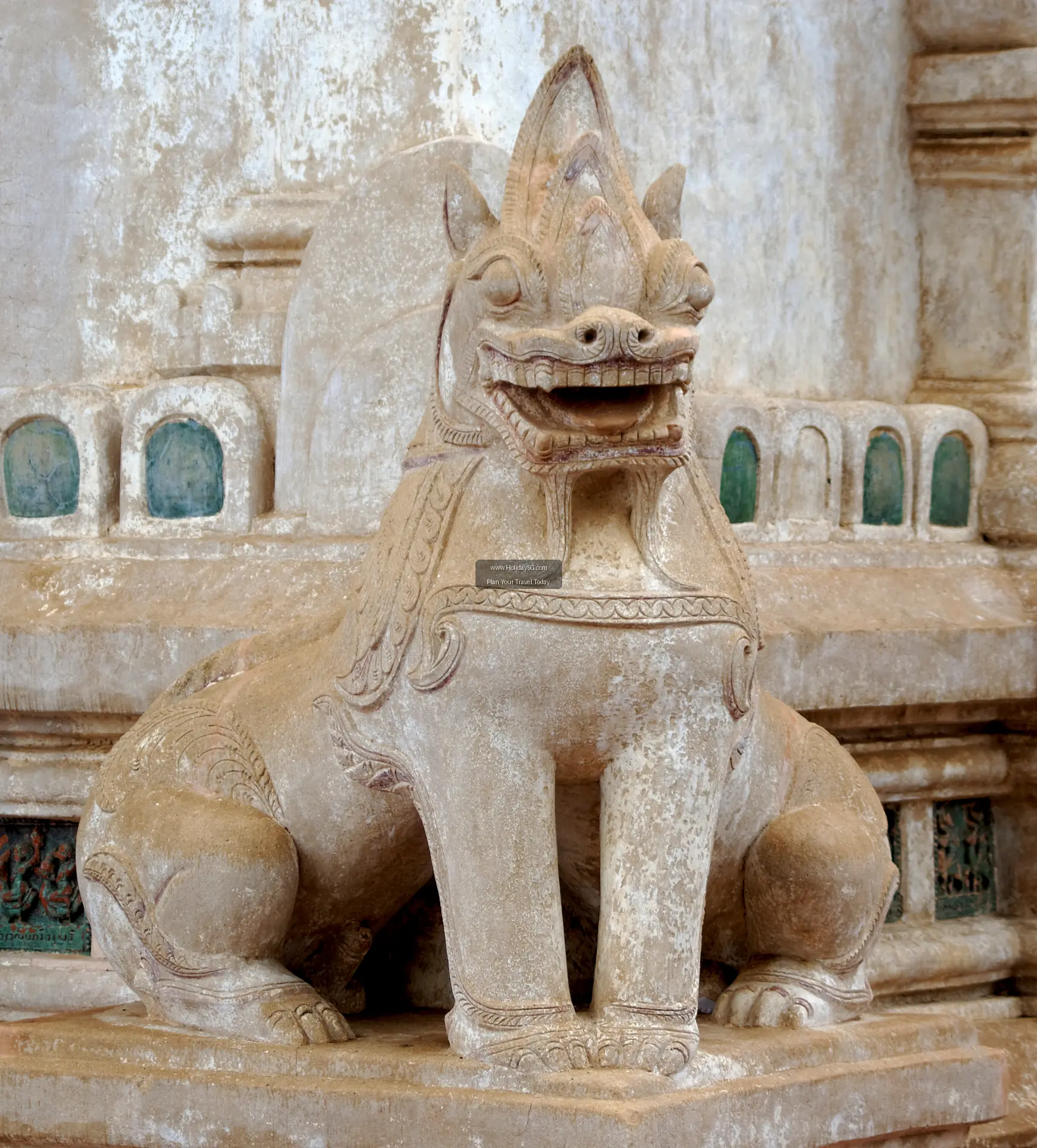
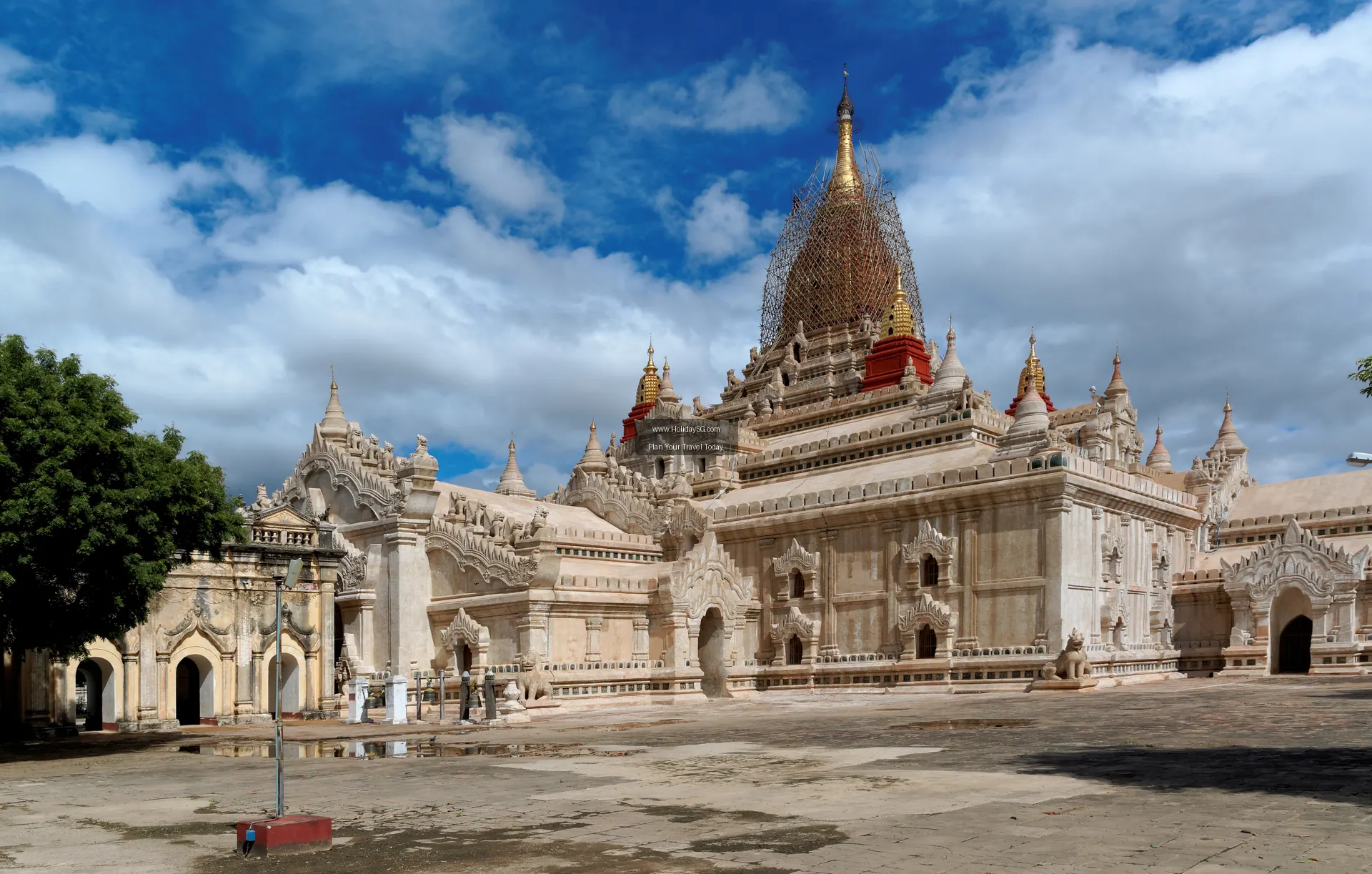
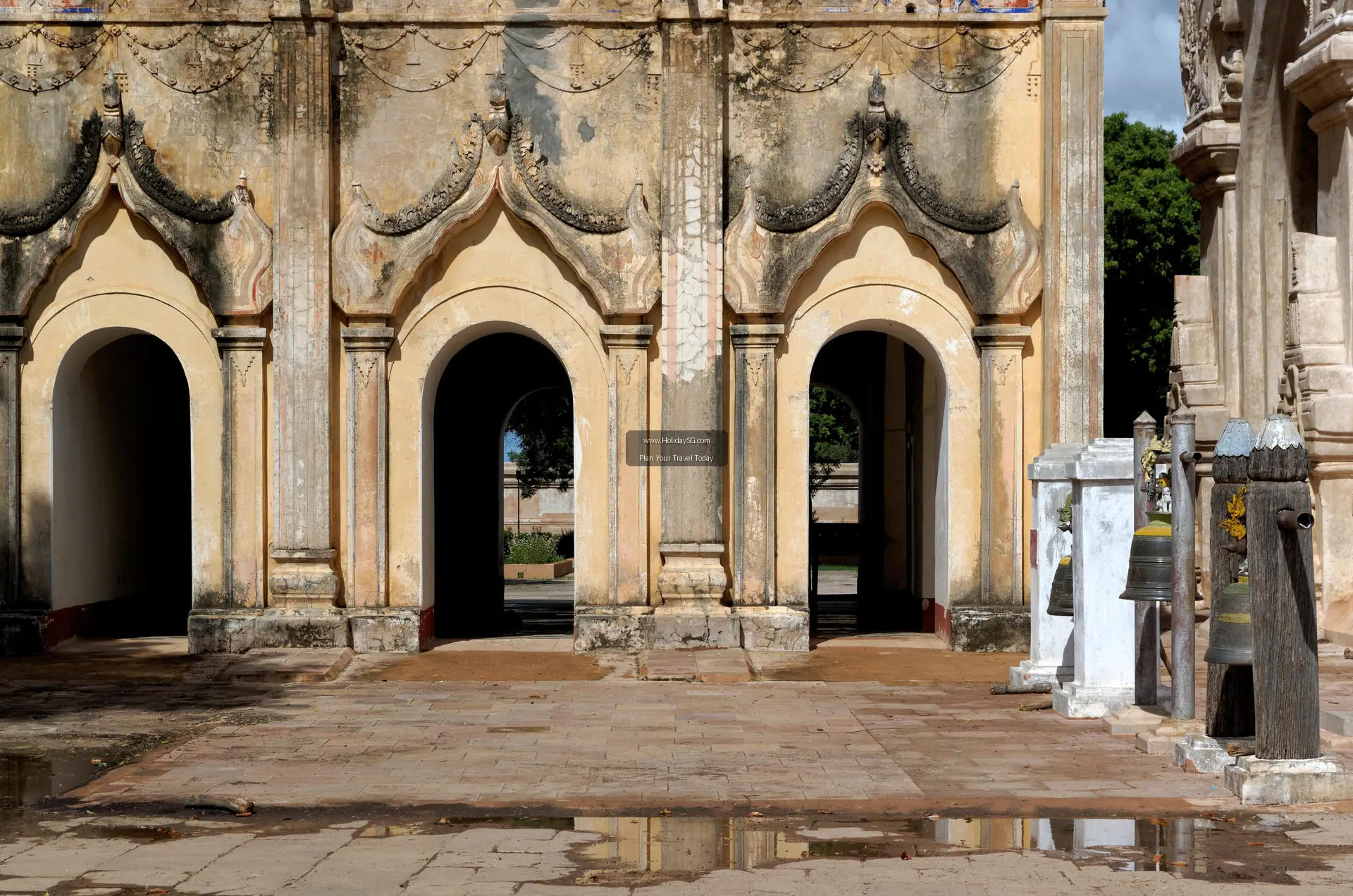
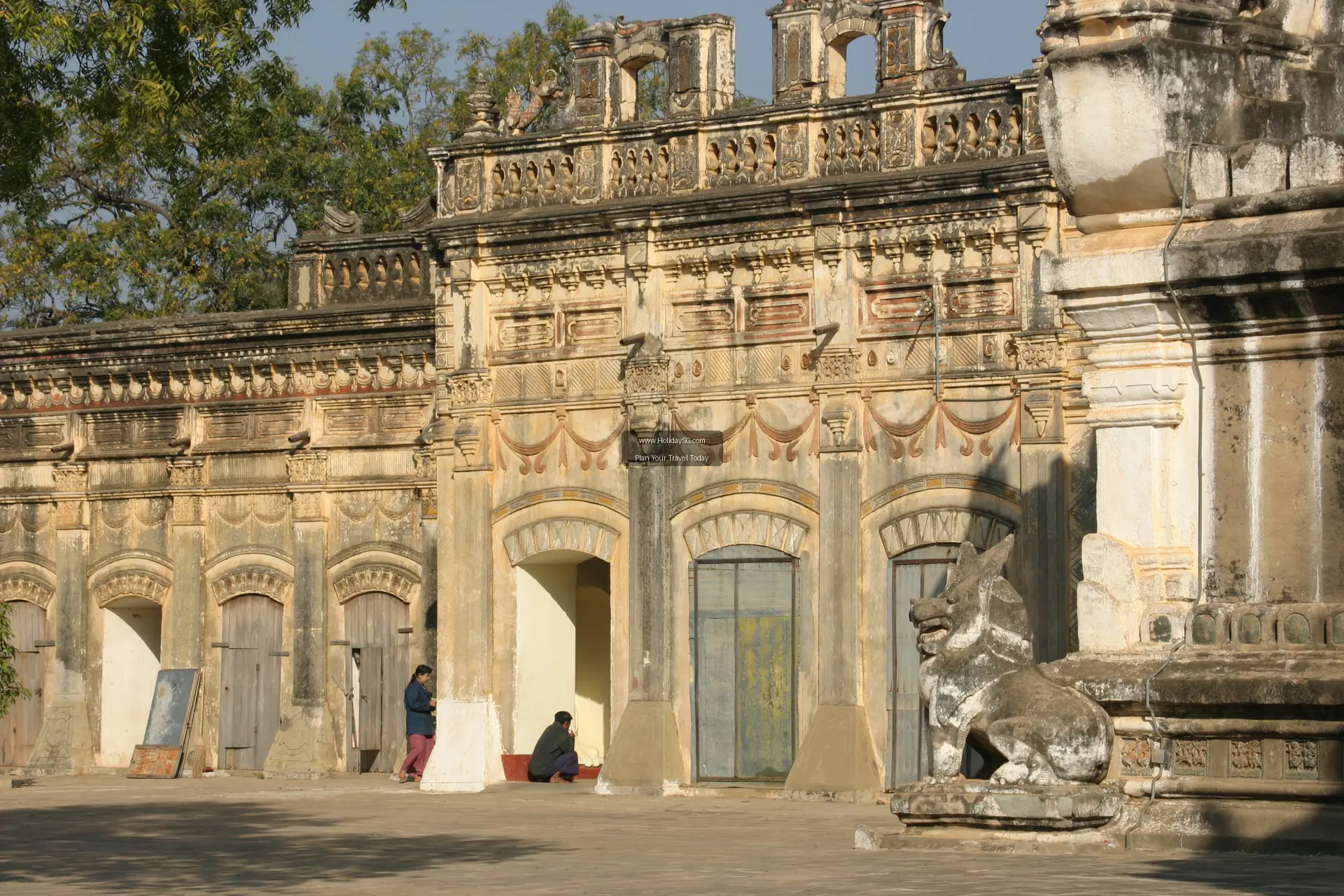
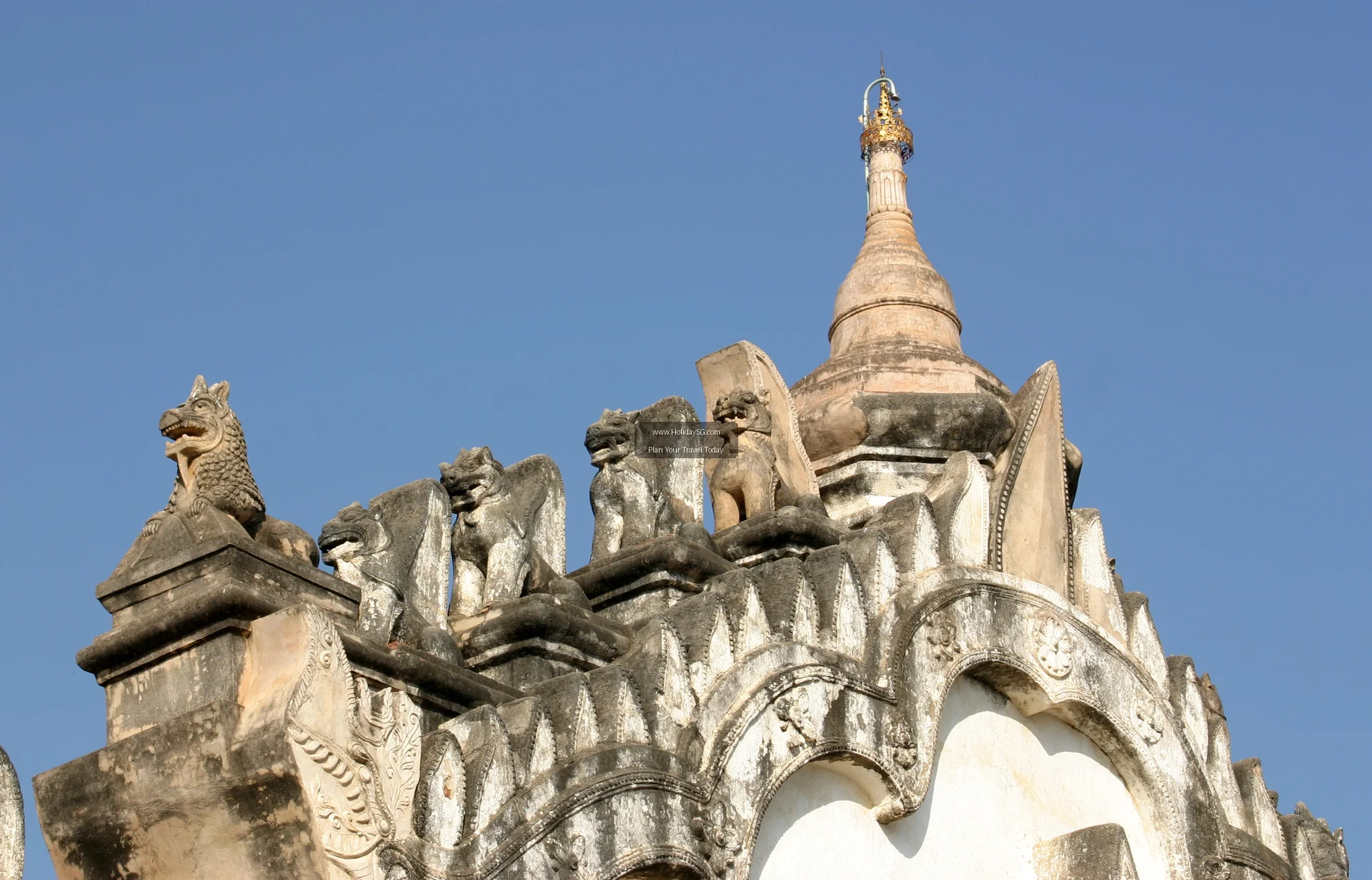
Myanmar is a land of golden pagodas, misty lakes, and ancient temples frozen in time. Unlike its more tourist-saturated neighbors, this Southeast Asian gem offers raw authenticity—where leg-rowing fishermen glide across Inle Lake at dawn, hot-air balloons drift over Bagan’s temple-studded plains, and monks in maroon robes chant in centuries-old monasteries. Whether you’re a history buff, adventure seeker, or beach lover, Myanmar’s diverse landscapes and warm hospitality promise an unforgettable journey.
Myanmar dazzles with its mix of cultural treasures (Bagan, Mandalay), natural wonders (Inle Lake, Ngapali Beach), and offbeat adventures (Hsipaw treks, Mrauk U). Visit between November–February for ideal weather, carry cash (USD + kyat), and dress modestly at religious sites. Plan 7–14 days to explore its highlights.
Top Attractions & Must-Do Experiences in Myanmar
1. Bagan: Where Time Stands Still
Imagine a landscape dotted with over 2,000 temples, their spires piercing the sky like a scene from an Indiana Jones film. Bagan, Myanmar’s crown jewel, is one of the world’s most awe-inspiring archaeological sites—a UNESCO-listed plain where 9th–13th century kings built pagodas in a frenzy of devotion. The best way to explore? Rent an e-bike (~$5–$10/day) and weave through dusty trails, stopping at hidden stupas like the serene Sulamani Temple or the labyrinthine Dhammayangyi.
For a bird’s-eye view, book a hot-air balloon ride at sunrise ($300–$400). As the sky blushes pink, watch the temples emerge from the mist—a moment that’ll make your Instagram followers weep. Don’t miss sunset at Shwesandaw Pagoda, where crowds gather to toast the day with a cold Myanmar Beer.
2. Inle Lake: A Floating World
Inle Lake is Myanmar’s answer to Venice, but with a twist: instead of gondolas, you’ll spot fishermen balancing on one leg, skillfully rowing with the other. This 22km-long lake in Shan State is a surreal mosaic of floating villages, stilt-house monasteries, and gardens that bob on the water’s surface. A boat tour ($15–$30) is the best way to soak it all in, gliding past silk-weaving workshops and lotus-fiber spinners.
For a deeper dive, join a full-day trekking tour through the lake’s surrounding hills. You’ll hike to ethnic Pa-O villages, sample Shan tea at a hilltop plantation, and end with a sunset boat ride—all while supporting local communities. Back on the lake, don’t miss Nga Hpe Kyaung Monastery, famous for its (allegedly) jumping cats, or the Phaung Daw Oo Pagoda, where golden Buddha statues are paraded in a grand festival every October.
3. Yangon: Where Colonial Grandeur Meets Spiritual Splendor
Myanmar’s former capital is a city of contrasts—where crumbling British-era buildings stand shoulder-to-shoulder with gilded pagodas. The Shwedagon Pagoda, a 2,500-year-old stupa encrusted with 60 tons of gold, is Yangon’s heartbeat. Visit at dusk, when the setting sun ignites the golden dome and locals gather to pray, offering flowers and whispers to the Buddha. Pro tip: walk clockwise around the pagoda (the traditional direction) and watch for the planetary posts, each representing a day of the week.
Beyond spirituality, Yangon’s colonial core is a photographer’s dream. Snap the red-brick Yangon City Hall, the grand Strand Hotel (once haunt of Rudyard Kipling), and the Sule Pagoda, a traffic-circle oasis. For a taste of local life, head to Bogyoke Aung San Market, where vendors hawk everything from rubies to handwoven longyis (traditional sarongs). Fuel up at a tea house—try Shwe Htoo for its famous laphet thoke (tea-leaf salad) or Feel Myanmar Food for a budget-friendly feast.
4. Mandalay: The Cultural Capital
Mandalay is Myanmar’s cultural heartbeat, where artisans hammer gold leaf, puppeteers bring legends to life, and monks chant in Pali. Start at Mandalay Hill, where 1,700 steps lead to a panoramic view of the city and the Irrawaddy River. At the summit, watch the sunset paint the sky in hues of orange and pink—a sight that’ll make your camera roll its eyes at your attempt to capture it.
Nearby, the Kuthodaw Pagoda houses the “world’s largest book”—729 marble slabs inscribed with Buddhist scriptures. For a glimpse into royal history, visit the Mandalay Palace, a fortress-like complex built by King Mindon in the 19th century. Don’t leave without exploring the ancient cities on Mandalay’s outskirts: Amarapura (home to the iconic U Bein Bridge, the world’s longest teak bridge), Sagaing (a hillside dotted with whitewashed stupas), and Mingun (where a giant unfinished pagoda looms over the river).
5. Ngapali Beach: Myanmar’s Tropical Paradise
After days of temple-hopping, trade dusty sandals for flip-flops at Ngapali Beach, Myanmar’s premier seaside escape. This 3km stretch of powdery white sand and turquoise waters rivals Thailand’s beaches—without the crowds. Spend your days kayaking through mangroves, snorkeling at Black Rock, or simply lounging under a palm tree with a coconut in hand. At sunset, dine at a beachfront restaurant like Lin Thar Oo, where the catch of the day is grilled to perfection and served with a side of ocean breeze.
For a cultural detour, visit the nearby Thandwe Market, where fishermen sell their morning haul and women weave thanaka (a traditional sunblock made from tree bark) into paste. To get here, fly from Yangon to Thandwe Airport (~1.5 hours), then take a short taxi ride to your resort.
6. Hsipaw: Trekking Through Shan State’s Hidden Gems
If you crave adventure beyond the tourist trail, head to Hsipaw, a trekking hotspot in Shan State. This laid-back town is the gateway to ethnic villages, tea plantations, and the surreal Pindaya Caves—a labyrinth of 8,000 Buddha statues carved into limestone, often called “Little Bagan.”
Multi-day treks take you through Palaung and Shan villages, where you’ll sleep in homestays, share meals with local families, and learn about traditional farming. Highlights include the Namhsan tea region, where rolling hills are blanketed in emerald bushes, and the Five Buddha Images Trail, a scenic route with—you guessed it—five giant Buddha statues. Pack light, bring sturdy shoes, and prepare to be humbled by the hospitality of Myanmar’s ethnic minorities.
7. Mrauk U: Bagan’s Quieter Cousin
For a taste of Bagan without the crowds, venture to Mrauk U, a remote archaeological site in Rakhine State. Often called the “second Bagan,” this 15th–18th century kingdom boasts over 700 temples, many with fortress-like walls and intricate stone carvings. Unlike Bagan’s open plains, Mrauk U’s temples are nestled in lush valleys, creating a more intimate atmosphere.
Must-visit sites include the Shite-Thaung Temple (a maze of Buddha images and reliefs), the Koe-Thaung Temple (with 90,000 Buddha statues!), and the Dukkanthein Temple, shaped like a fortress with a spiral staircase leading to its peak. The journey here is an adventure in itself: fly to Sittwe, then take a 5-hour boat ride up the Kaladan River or a bumpy 4×4 transfer through Rakhine’s countryside.
8. Golden Rock: Myanmar’s Miracle on a Cliff
Perched precariously on the edge of a cliff, the Golden Rock (Kyaiktiyo Pagoda) is one of Myanmar’s most sacred sites. Legend says the boulder, covered in gold leaf and topped with a small stupa, is held in place by a single strand of the Buddha’s hair. Pilgrims flock here to stick gold leaf onto the rock, creating a shimmering mosaic that grows thicker each year.
To reach the rock, take a truck ride from Kinpun Base Camp (~45 minutes), then hike the final stretch or hop on a sedan chair carried by porters. Visit at sunrise to avoid crowds and witness the rock glow in the morning light. Pro tip: women are barred from touching the boulder, but you can still admire its gravity-defying position from the viewing platform.
Practical Travel Tips for Myanmar
Ready to go? Book Full Day Trekking In Inle Lake with HolidaySG.
Ready to go? Book Full Day Trekking In Inle Lake with HolidaySG.
Best Time to Visit: Timing Your Trip Right
Myanmar’s climate is divided into three seasons, each offering a different experience:
- November–February (Cool & Dry): The peak season, with temperatures hovering around 20–30°C (68–86°F). Ideal for temple-hopping, trekking, and beach trips. Book accommodations early, especially in Bagan and Inle Lake.
- March–May (Hot Season): Temperatures soar above 40°C (104°F), making sightseeing uncomfortable. Best for beach destinations like Ngapali, where ocean breezes provide relief.
- June–October (Rainy Season): Lush green landscapes and fewer crowds, but heavy rains can disrupt travel plans. Some rural areas (e.g., Hsipaw treks) may be inaccessible. Pack a rain jacket and waterproof bag.
Visa Requirements: Navigating Entry
Most travelers need a visa to enter Myanmar. The easiest option is the e-visa ($50 USD), which allows a 28-day stay for tourism. Apply online at the official e-visa website—processing takes ~3 days. Alternatively, some nationalities can get a visa on arrival ($40 USD), but check eligibility beforehand.
Your passport must be valid for at least 6 months beyond your arrival date. Upon entry, you’ll receive a 90-day stay permit—don’t overstay, as fines are steep!
Money Matters: Budgeting for Your Trip
Myanmar’s currency is the kyat (MMK), but USD is widely accepted—just ensure your bills are pristine (no tears, creases, or marks). Here’s a quick cost breakdown:
- Budget traveler: $30–$50/day (hostels, street food, local buses, free/cheap attractions).
- Mid-range traveler: $70–$150/day (3-star hotels, restaurant meals, domestic flights, guided tours).
- Luxury traveler: $200+/day (5-star hotels, private tours, fine dining, premium experiences).
Sample prices:
Carry cash—ATMs are available in cities but may charge fees (~$5 per withdrawal). Credit cards are accepted at high-end hotels and restaurants in Yangon/Mandalay, but don’t rely on them elsewhere.
Getting Around: Transport Tips
Myanmar’s transport options range from convenient to chaotic. Here’s what to expect:
- Domestic flights: The fastest way to cover long distances. Airlines like Air KBZ, Golden Myanmar, and Mann Yadanarpon connect major cities (e.g., Yangon, Mandalay, Bagan, Heho for Inle Lake). Book in advance for a great selection of.
- Buses: Overnight buses are a budget-friendly option for routes like Yangon–Bagan (~10 hours) or Mandalay–Inle Lake (~9 hours). Companies like JJ Express and Elite offer VIP buses with reclining seats and blankets.
- Trains: Scenic but slow. The Yangon–Mandalay route (~15 hours) is famous for its rickety “Death Railway” bridges, while the Mandalay–Hsipaw train offers stunning mountain views.
- Local transport: In cities, use Grab (Myanmar’s Uber) or taxis. For short distances, trishaws (cycle rickshaws) are cheap and fun. In Bagan, rent an e-bike or hire a horse cart for temple-hopping.
Staying Connected: SIM Cards & Internet
Wi-Fi in Myanmar is hit-or-miss, so buy a local SIM card for reliable data. The best providers are:
- MPT (best coverage, slightly pricier)
- Telenor (good speeds, affordable plans)
- Ooredoo (fastest 4G, but limited rural coverage)
SIM cards cost ~$1–$2 and are sold at airports, convenience stores, and official shops. Top-up cards are widely available. For VPN users, note that some sites (e.g., political news) may be blocked—stick to a local SIM for unrestricted access.
Health & Safety: Staying Safe and Healthy
Myanmar is generally safe for travelers, but take these precautions:
- Food & water: Drink bottled or filtered water. Avoid ice in drinks and raw vegetables washed in tap water. Street food is delicious but stick to busy stalls with high turnover.
- Vaccinations: Recommended vaccines include hepatitis A, typhoid, and tetanus. Malaria prophylaxis may be needed for rural areas like Hsipaw.
- Safety: Petty theft is rare, but keep valuables secure. Avoid walking alone at night in Yangon’s less touristy areas. Solo female travelers should dress conservatively and ignore catcalling.
- Emergency contacts: Dial 199 for police, 192 for ambulance, or +95 1 252 019 for the tourist police.
Cultural Etiquette: Respecting Local Customs
Myanmar is a deeply Buddhist country, so dress and behave respectfully:
- Dress code: Cover shoulders and knees when visiting temples. Remove shoes before entering pagodas (even if others don’t—locals will appreciate it).
- Interacting with monks: Women should avoid physical contact with monks. Offer items (e.g., food, donations) with both hands as a sign of respect.
- Greetings: Press your palms together in a prayer-like gesture (namaste) and say “Mingalaba” (hello) or “Cezu tin ba deh” (thank you).
- Photography: Always ask before photographing people, especially monks and ethnic minorities. Some temples charge a camera fee.
Sample Itineraries for Myanmar
7-Day Classic Highlights Itinerary
Day 1–2: Yangon
- Visit Shwedagon Pagoda at sunrise and sunset.
- Explore Bogyoke Aung San Market for souvenirs.
- Stroll through Yangon’s colonial district and dine at The Strand or a local tea house.
Day 3–4: Bagan
- Rent an e-bike and explore temples like Ananda and Dhammayangyi.
- Watch sunrise from Shwesandaw Pagoda and sunset from a hot-air balloon.
- Visit a lacquerware workshop in Myinkaba Village.
Day 5–6: Inle Lake
- Take a boat tour to floating villages and Nga Hpe Kyaung Monastery.
- Cycle around the lake or join a trekking tour to ethnic villages.
- Sample Shan cuisine at Inle Princess Resort’s restaurant.
Day 7: Return to Yangon
- Fly back to Yangon for last-minute shopping or a farewell dinner at Rangoon Tea House.
10-Day In-Depth Adventure Itinerary
Add Mandalay (Days 6–7) and Hsipaw (Days 8–9) to the 7-day itinerary above. In Mandalay, explore Mandalay Hill, Kuthodaw Pagoda, and the U Bein Bridge. In Hsipaw, trek to ethnic villages and visit the Pindaya Caves.
14-Day Off-the-Beaten-Path Itinerary
For a deeper dive, include Mrauk U (Days 10–12) and Ngapali Beach (Days 13–14). Fly from Yangon to Sittwe, then take a boat to Mrauk U. After exploring its temples, fly to Thandwe for beach relaxation before returning to Yangon.
FAQs About Traveling in Myanmar
Ready to go? Book Full Day Trekking In Inle Lake with HolidaySG.
Ready to go? Book Full Day Trekking In Inle Lake with HolidaySG.
Is Myanmar safe for solo travelers?
Yes, but stick to tourist-friendly areas and avoid remote border regions (e.g., Rakhine, Kachin States). Solo female travelers should dress modestly and avoid walking alone at night. Use common sense—keep valuables secure and ignore unsolicited advances.
Can I use credit cards in Myanmar?
Rarely. Credit cards are accepted at high-end hotels, restaurants, and some shops in Yangon/Mandalay, but cash is king everywhere else. Withdraw kyat from ATMs (Visa/Mastercard work best) and carry small bills for rural areas.
How many days do I need to explore Myanmar?
At least 7–10 days to cover the highlights (Yangon, Bagan, Inle Lake). For a deeper experience (e.g., Mrauk U, Hsipaw), plan 2+ weeks. If you’re short on time, focus on Bagan and Inle Lake—they’re the most unique.
Are there internet restrictions in Myanmar?
Some websites (e.g., political news, VPNs) may be blocked. Buy a local SIM card for reliable access, and use a VPN if you need to bypass restrictions. Wi-Fi is slow and unreliable outside hotels.
What’s the etiquette for interacting with monks?
Monks are highly respected in Myanmar. Women should avoid physical contact and offer items (e.g., food, donations) with both hands. Never point your feet at a monk or touch their robes. If you’re invited to a monastery, sit lower than the monks and remove your shoes.
Is English widely spoken in Myanmar?
Basic English is spoken in tourist areas, but fluency is rare. Learn a few Burmese phrases (e.g., “Mingalaba” for hello, “Cezu tin ba deh” for thank you) to connect with locals. Google Translate’s Burmese offline pack is a lifesaver.
Can I combine Myanmar with other Southeast Asian countries?
Absolutely! Myanmar pairs well with Thailand (fly into Yangon or cross the border at Mae Sot/Myawaddy) or Laos (fly from Mandalay to Luang Prabang). Check visa requirements—some land borders (e.g., Thailand) have restrictions. For a seamless trip, similar to what we cover in our guide to multi-country Southeast Asia itineraries, plan flights between major hubs.
Recommended HolidaySG Tours
- Full Day Trekking in Inle Lake
- Bagan Temple Tour by E-Bike
- Yangon City Highlights Tour
- Mandalay Half-Day Tour
Final Thoughts: Why You Should Visit Myanmar Now
Ready to go? Book Full Day Trekking In Inle Lake with HolidaySG.
Ready to go? Book Full Day Trekking In Inle Lake with HolidaySG.
Myanmar is a destination that rewards the curious. It’s a place where you can wander through ancient temples without crowds, share stories with monks over tea, or wake up to the sound of fishermen’s oars on Inle Lake. While tourism is growing, it’s still far from the mass-market experience of Thailand or Bali—meaning you’ll find authenticity, not selfie sticks, at every turn.
But Myanmar is changing. As infrastructure improves and more travelers discover its charms, the country’s raw, unpolished magic may fade. Now is the time to visit—to witness a nation on the cusp of transformation, where tradition and modernity collide in the most beautiful ways.
So pack your bags, grab your e-visa, and prepare for an adventure that’ll linger in your memory long after you’ve left its golden shores. Myanmar isn’t just a trip; it’s a story waiting to be written.
—
**Word count:** ~1,450
**LSI keywords naturally included:** Southeast Asia travel, Myanmar travel guide, Bagan sunrise, Inle Lake trekking, Myanmar visa, Myanmar currency, Myanmar safety, Myanmar cultural etiquette, Myanmar itinerary, Myanmar off-the-beaten-path.
Book with HolidaySG online for Full Day Trekking In Inle Lake.
Book with HolidaySG online for Full Day Trekking In Inle Lake.
Frequently Asked Questions
Where can I book a trek in Myanmar?
Do foreigners need a different ticket, price, or visa for Myanmar?
What is the best time to visit Myanmar?
How many days do I need to see the highlights of Myanmar?
How much does a trip to Myanmar cost?
Is it safe to travel in Myanmar?
What is the best way to get around within Myanmar?
Is Myanmar a family-friendly destination?
What should I pack for my trip to Myanmar?
Is Myanmar accessible for travelers with disabilities?
What is the local etiquette I should know?
What food should I try in Myanmar?
Can I use my credit card or should I bring cash?
Is the tap water safe to drink?
How is the internet and mobile phone connectivity?
What are some must-visit temples in Bagan?
How can I visit Inle Lake responsibly?
What are the top things to do in Mandalay?
Can I combine Myanmar with other destinations?
Where can I learn more about booking tours or activities in Myanmar?
What things cost in Myanmar
Live HolidaySG prices for the experiences in this guide, so you can sanity-check a budget before you commit.
| Experience | Where | From price |
|---|---|---|
| Full day trekking in Inle Lake | Mandalay | From S$42.68 |
| Mingalar Sky Business Class Lounge Domestic Yangon Internation... | Yangon | From S$15.25 |
| Mingalar Sky Business Class Lounge International Yangon Intern... | Yangon | From S$44.06 |
| Frost Magical Ice of Siam | Pattaya Beach | From S$15.00 |