

Things you didn’t know about gardens by the bay is exactly what this guide covers.
Beyond the famous photos of futuristic trees glowing at night, Gardens by the Bay is a place of astonishing engineering, hidden practicalities, and clever secrets. It’s more than just a pretty park; it’s a world-class botanical attraction with layers designed to impress and inform. Whether you’re planning your first visit or your fifth, knowing these insider details will completely transform your experience.
Gardens by the Bay isn’t just about spectacular photo ops. The record-breaking conservatories are feats of climate-controlled engineering, the iconic Supertrees are living vertical gardens, and there are numerous free elements and clever ticket hacks that can save you money and time. Knowing the strict visitor policies and best times to visit is key to a flawless trip.
Architectural and Botanical Wonders: The Gardens’ Hidden Details
Most visitors are awestruck by the beauty, but the real magic lies in the science and strategy behind it all. Let’s delve into the components that make this Singapore attraction a global benchmark.


Record-Breaking Climate Control
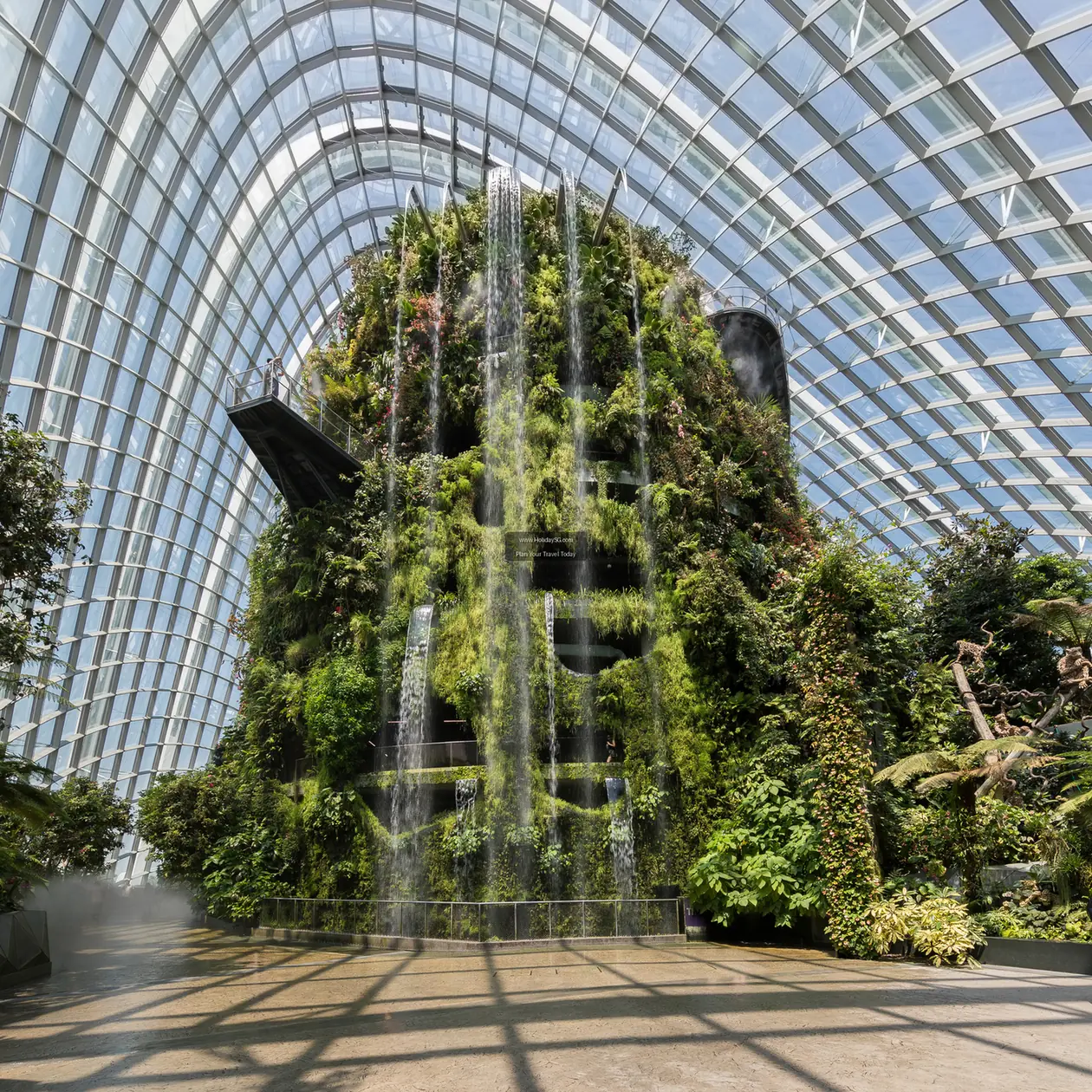
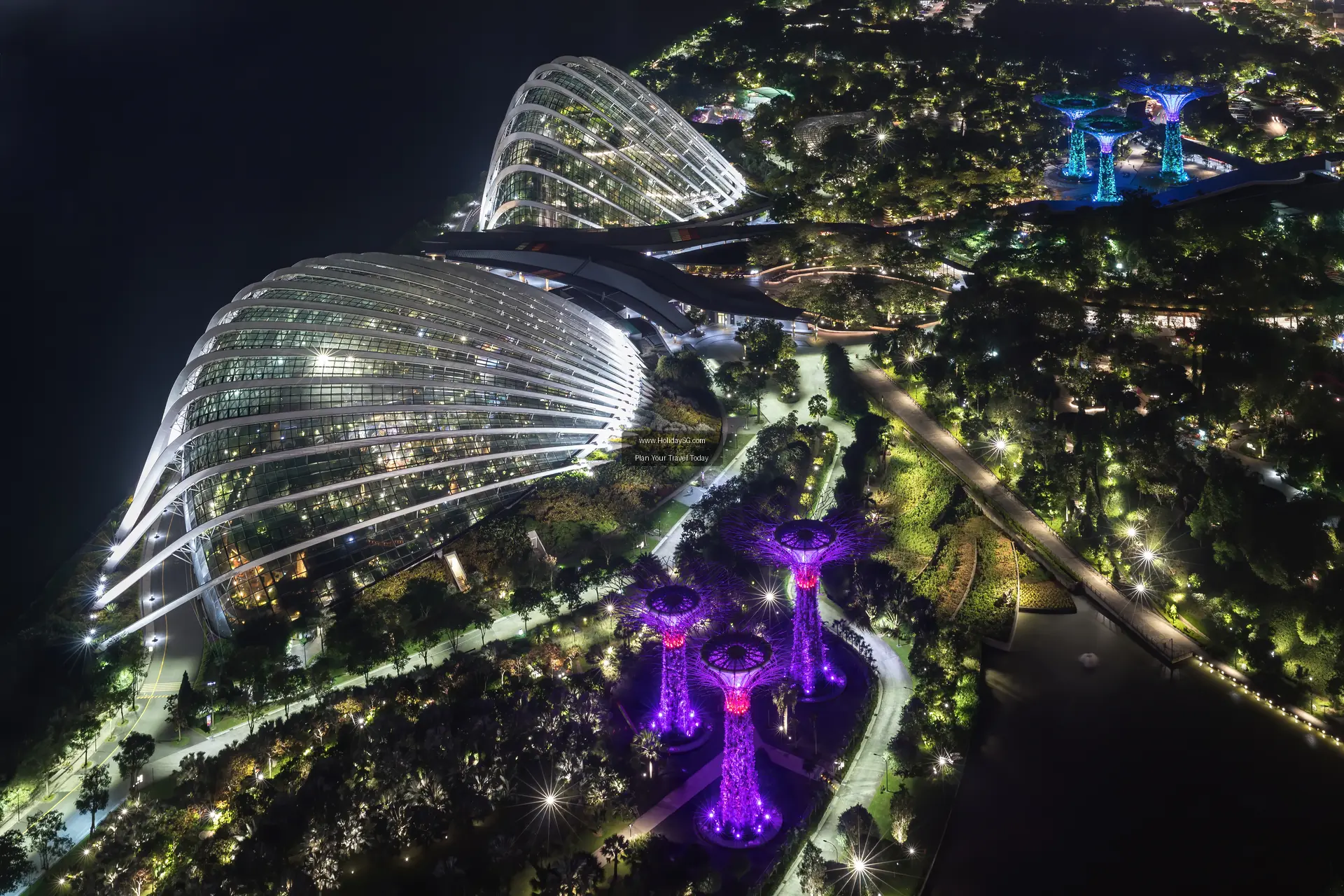
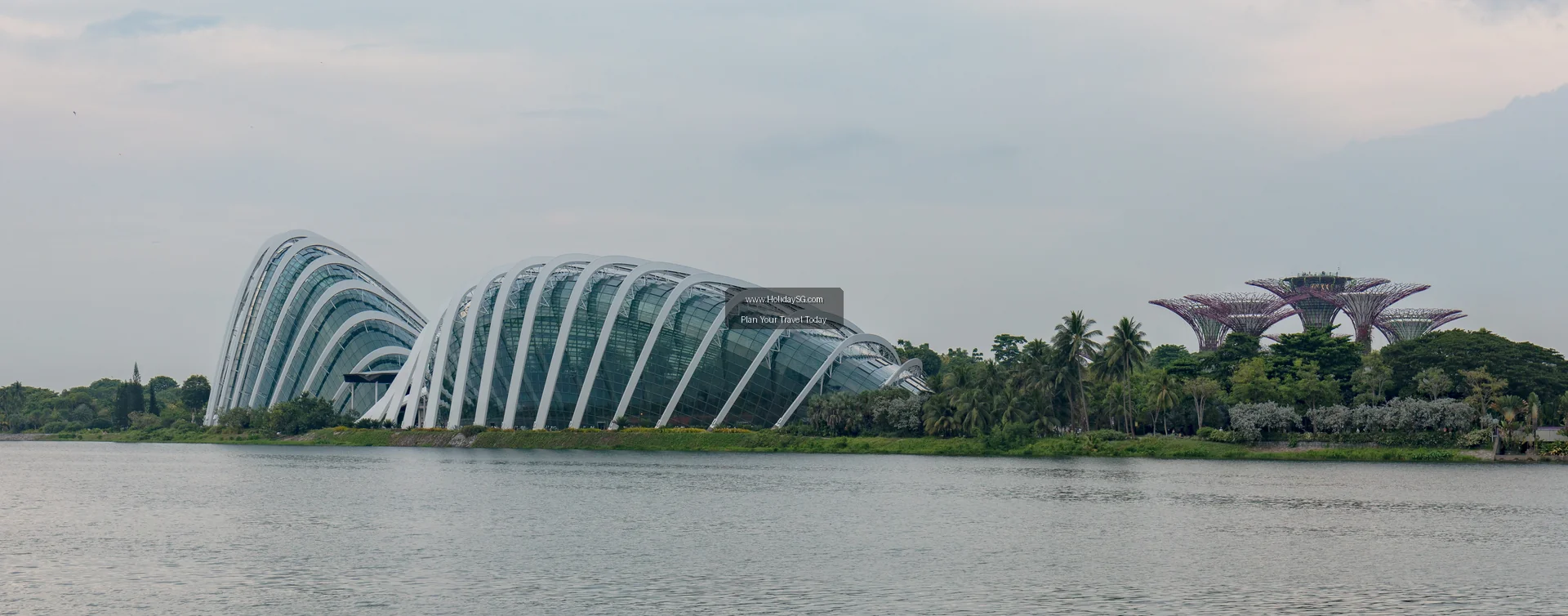
The two massive cooled conservatories, the Cloud Forest and Flower Dome, hold the Guinness World Record as the largest glass greenhouses on the planet. But their size isn’t their only marvel. They function as high-tech climate machines, maintaining specific temperatures and humidity levels to replicate distinct Mediterranean and cool-mountain environments year-round. The Flower Dome recreates the cool-dry climate of regions like the Mediterranean, while the Cloud Forest simulates the perpetual spring of tropical highlands. This isn’t just air conditioning on a grand scale; it’s a sophisticated horticultural sanctuary allowing plants from around the world to thrive far from their natural homes.
The Secret Life of the Supertrees
Those 18 towering structures dominating the skyline are often mistaken for purely decorative sculptures. In reality, they are vertical gardens, alive and breathing. Rising between 25 and 50 meters tall, these Supertrees are planted with over 160,000 plants comprising more than 200 species and varieties of orchids, ferns, and flowering vines. They perform vital functions for the Gardens: some are fitted with photovoltaic cells to harvest solar energy for the nightly light show, while others serve as air exhaust receptacles for the conservatories. They are a masterclass in sustainable design, merging aesthetics with ecology.
A Walk Among Giants: The OCBC Skyway
For a perspective you can’t get from the ground, the OCBC Skyway is essential. This stunning aerial walkway connects two of the tallest Supertrees at a height of 22 meters. As you stroll the 128-meter-long path, you’re treated to breathtaking, unobstructed views of the Marina Bay skyline, the Supertree Grove, and the expansive park. It’s a moment of serene elevation amidst the urban bustle, offering a unique vantage point to appreciate the scale and intricacy of the Gardens’ design. For a truly adventurous outing, consider combining a visit with the “Treasure Race At Gardens By The Bay” which turns exploration into a fun challenge.
Maximizing Your Visit: Insider Tips and Need-to-Knows
Ready to go? Book Treasure Race At Gardens By The Bay with HolidaySG.
A little planning can elevate your visit from good to absolutely seamless. Here’s how to navigate the Gardens like a pro.
Unlocking the Park: What’s Free vs. Paid
One of the best-kept secrets is the extent of the free offerings. Access to the magnificent outdoor areas—including the Supertree Grove, the sun-drenched Sun Pavilion, and the serene Heritage Gardens—is completely free. You only need to purchase tickets for the two cooled conservatories (Cloud Forest and Flower Dome) and for the OCBC Skyway. This means you can enjoy a huge part of the Gardens’ splendor without spending a cent, making it a fantastic option for budget-conscious travelers or those with limited time.
The Golden Hour: The Best Time to Visit
While the Gardens are open all day, the optimal time for a comfortable and magical experience is late afternoon. Arriving around 4:30 or 5:00 PM allows you to explore the outdoor areas as the intense tropical sun begins to wane. The cooler temperatures make walking far more pleasant. This timing positions you perfectly for two highlights: catching the sunset over the cityscape from the OCBC Skyway and then being front-and-center for the nightly light show. This strategy also aligns with the general advice in our guide to beating the heat in Singapore’s top attractions.
A Free Nightly Spectacle You Shouldn’t Miss
Every evening, the Supertree Grove transforms into a stage for “Garden Rhapsody,” a dazzling light and sound show. This 15-minute performance sees the towering Supertrees come alive with a symphony of music and vibrant lights, creating a truly enchanting atmosphere. The shows typically run at 7:45 PM and 8:45 PM, and attendance is completely free. It’s a crowd-pleaser and a highlight of any evening in the city.
The Smart Way to Buy Tickets
If you plan to enter the conservatories or walk the Skyway, avoid the long queues at the ticket counters. It is strongly recommended to book your tickets online in advance for a specific entry time slot. This not only saves you precious vacation time but also guarantees your entry, especially during peak seasons. Furthermore, look for combo tickets that bundle admission to both conservatories and the Skyway. Purchasing these together offers significantly better value than buying each ticket separately.
Visitor Policies and Perks You Might Have Missed
To ensure the Gardens remain a pristine paradise for everyone, there are specific rules in place. Familiarizing yourself with them prevents any hiccups.
Rules for a Pristine Paradise
Gardens by the Bay maintains a clean and safe environment with strict prohibitions. Smoking, cycling, rollerblading, and skateboarding are not permitted anywhere within the Gardens. Also, with the exception of service animals, pets are not allowed. These rules help preserve the delicate ecosystems in the conservatories and ensure a peaceful experience for all visitors. Inside the conservatories, there is a strict no outside food and drink policy; only sealed water bottles are allowed.
A Convenient Free Shuttle
If you purchase a ticket for the Flower Dome, you can often take advantage of a complimentary perk that’s easy to overlook. Many Flower Dome tickets include a free shuttle bus service from the Bayfront MRT station directly to the conservatory entrance. This short ride saves you a 10-15 minute walk, especially welcome on a hot day or after a long journey on the MRT.
The Ultimate Insider Pass
For residents or frequent visitors, an Annual Membership pass might be the ultimate hack. This pass offers unlimited entry to the conservatories and the OCBC Skyway, invitations to exclusive members-only events, and discounts at retail and dining outlets. If you find yourself visiting multiple times a year, the membership can quickly pay for itself while enhancing your overall experience.
Understanding these layers of planning, engineering, and policy allows you to appreciate Gardens by the Bay on a much deeper level. For a truly guided experience that uncovers even more stories, a private tour like the Singapore Gardens And Satay By The Bay Private Guided Tour can be invaluable.
Recommended HolidaySG Tours
Ready to go? Book Treasure Race At Gardens By The Bay with HolidaySG.
- Treasure Race At Gardens By The Bay
- Gardens By The Bay
- Singapore Gardens And Satay By The Bay Private Guided Tour
- National Orchid Gardens
Conclusion: Your Plan for a Deeper Dive
Gardens by the Bay is far more than its Instagram fame suggests. It’s a place where cutting-edge engineering serves botanical conservation, where smart planning can save you money and time, and where free spectacles await every evening. By knowing the secrets behind the Supertrees, mastering the ticket strategy, and respecting the park’s policies, you’re set for an experience that is as smooth as it is spectacular. Use these insights to plan a visit that goes beyond the surface and truly connects you with one of Singapore’s most brilliant treasures. For further reading on related attractions, check out our guide to Singapore’s other must-see green spaces.
Ready to explore these secrets for yourself? Turn your visit into an interactive adventure with our Treasure Race At Gardens By The Bay →
Book these with HolidaySG:
Book with HolidaySG online for Treasure Race At Gardens By The Bay, Gardens By The Bay, Singapore Gardens And Satay By The Bay Private Guided Tour.
Frequently Asked Questions
Where can I book tickets for Gardens by the Bay?
You can book tickets for key attractions like the Flower Dome, Cloud Forest, and the famous OCBC Skyway directly through the official channels. For a comprehensive experience that includes entrance fees and often a guided element, you can check availability and book via our partner at Gardens By The Bay. For a more interactive experience, consider the Treasure Race At Gardens By The Bay.
Do foreigners (non-citizens) need a different ticket, price, or visa for Singapore?
Gardens by the Bay ticket prices are generally the same for all visitors, regardless of citizenship. However, entry requirements for Singapore itself (like visas or electronic travel authorizations) vary by your nationality. It is essential to check the official website of the Singapore Immigration & Checkpoints Authority (ICA) or your local Singaporean embassy/consulate well in advance of your trip for the most accurate and current visa information.
What is the best time (season, or time of day for the site/activity) to go?
For the best experience, visit in the early morning or late afternoon on a weekday to avoid the largest crowds. Singapore’s climate is hot and humid year-round, so the indoor conservatories offer a cool retreat anytime. The Supertree Grove is magical during the day for views and architecture, but the evening light show (Garden Rhapsody) is a must-see after dark. The dry season from February to April is generally pleasant, though Singapore can be visited at any time of year.
How long do I need to explore Gardens by the Bay?
To see the main highlights like the Supertree Grove, Flower Dome, and Cloud Forest, plan for at least 2 to 3 hours. If you want to include the Sun Pavilion, Heritage Gardens, and simply stroll through the vast themed gardens, you could easily spend half a day or more. Pairing it with a visit to the adjacent Marina Bay Sands or grabbing a meal at Satay by the Bay makes it a full-day activity.
Is there an entrance fee for the outdoor gardens?
No, the vast majority of the outdoor gardens, including the stunning Supertree Grove, are completely free to enter. You only need to purchase tickets for the cooled conservatories (Flower Dome and Cloud Forest) and the OCBC Skyway walkway between the Supertrees.
What are the must-see spots and experiences inside?
The absolute must-sees are the Supertree Grove and the two cooled conservatories. Inside the Flower Dome, look for the changing floral displays and the ancient olive trees. In the Cloud Forest, be awed by the indoor waterfall and walk the cloud-mountain path. Don’t miss the free nightly light and sound show, Garden Rhapsody, at the Supertree Grove. For a panoramic view, take a walk on the OCBC Skyway.
How do I get to Gardens by the Bay?
It’s very accessible. The closest MRT (train) station is Bayfront (CE1/DT16), from which it’s a 5-10 minute walk. You can also take bus services 400 or 402 to the garden’s drop-off points. Alternatively, it’s a short walk from Marina Bay Sands or the Helix Bridge. Taxis and ride-hailing services can drop you off directly at the entrance.
Is it suitable for children and families?
Absolutely! Gardens by the Bay is extremely family-friendly. Kids love the interactive Cloud Forest waterfall, the expansive play areas like Far East Organization Children’s Garden (with water play), and the vast open spaces to run around. The Supertree Grove feels like something from a fairy tale. Stroller-friendly pathways are available throughout.
What should I wear and bring with me?
Wear light, breathable clothing and comfortable walking shoes. While Singapore is hot, bring a light jacket or scarf as the conservatories are air-conditioned and can feel cool. Crucially, bring an umbrella or rain poncho for sudden tropical showers, and a refillable water bottle to stay hydrated. Sunscreen, sunglasses, and a hat are also recommended for the outdoor areas.
Is the venue accessible for guests with mobility issues?
Yes, Gardens by the Bay is wheelchair and stroller accessible. There are lifts and ramps throughout, including in the conservatories. Wheelchairs are available for loan from the ticketing counters (on a first-come, first-served basis). Accessible toilets are also provided. The OCBC Skyway is accessible via lifts at either end.
Are there good food options within the gardens?
Yes, there are several dining options. The most popular casual spot is Satay by the Bay, a food court offering local favorites like satay, chicken rice, and seafood right by the waterfront. For cafe-style dining, there’s Bread & Wild and Pollen, which offers a more upscale experience. You’ll also find ice cream and drink kiosks scattered throughout.
What nearby attractions pair well with a visit?
Gardens by the Bay is in the heart of Singapore’s Marina Bay area. You can easily combine it with a visit to Marina Bay Sands (for shopping, dining, or the SkyPark), the ArtScience Museum, the Esplanade (Theatres on the Bay), and a bumboat ride on the Singapore River. A guided tour can efficiently cover several of these, like this Singapore Gardens And Satay By The Bay Private Guided Tour.
Is it safe to visit at night?
Yes, it is very safe. The gardens are well-lit, especially the Supertree Grove and main walkways, making evening visits for the Garden Rhapsody show a popular and secure activity. As with any public space, standard precautions apply.
Can I purchase tickets on the spot, or should I book online?
While you can buy tickets on the spot at the conservatory entrances, it is highly recommended to book online in advance. This allows you to skip the ticketing queues and often gives you a specific time slot for entry, which helps manage crowd flow, especially during peak seasons and holidays.
What makes the Supertrees special?
The 18 Supertrees are vertical gardens ranging from 25 to 50 meters tall. They are home to over 162,900 plants, including orchids, ferns, and flowering climbers. They also serve important environmental functions: some are equipped with photovoltaic cells to harvest solar energy for lighting, and others act as air exhaust receptacles for the conservatories.
Is there an entry ticket for the whole Gardens, or just for specific parts?
There is no single ticket that covers the entire Gardens by the Bay. The outdoor gardens are free. You purchase separate tickets for each attraction: the Flower Dome & Cloud Forest (often sold as a combination ticket), and the OCBC Skyway. Booking online often provides bundled options for the conservatories.
What is the best photo spot in the gardens?
The most iconic photo spot is the base of the Supertree Grove, looking up at the towering structures against the skyline. For a stunning view with the city backdrop, the Dragonfly Bridge offers great angles. Inside the Cloud Forest, the misty waterfall makes for dramatic photos. The Flower Dome’s seasonal floral displays also provide beautiful backdrops.
Are there guided tours available?
Yes, you can join a complimentary guided tour led by volunteer docents. These tours offer deep insights into the plants, horticultural techniques, and the sustainability features of the gardens. Check the daily schedule at the information kiosk upon arrival. For a more private and comprehensive experience, consider booking a private guided tour.
Is the National Orchid Garden part of Gardens by the Bay?
No, the National Orchid Garden is located within the nearby Singapore Botanic Gardens (a UNESCO World Heritage site), not in Gardens by the Bay. If you wish to see the world’s largest display of orchids, you will need to plan a separate visit to the Botanic Gardens.
What is the Rain-O-Vortex in the Cloud Forest?
The Rain-O-Vortex is the world’s tallest indoor waterfall at 35 meters. It is the centerpiece of the Cloud Forest, creating a cool, misty environment that simulates the climate of high-altitude tropical mountain regions (between 1,000m and 3,000m above sea level). The walkways around it provide different perspectives.
Can I use a cable car to get there from Sentosa?
You can use the cable car as part of a broader sightseeing itinerary, but it is not a direct drop-off at Gardens by the Bay. The cable car connects Sentosa to Mount Faber. From there, you would need to use other transport like the MRT or a taxi to reach the gardens. Some holiday packages, like this comprehensive package, bundle major attractions together for convenience.
What things cost in General
Live HolidaySG prices for the experiences in this guide, so you can sanity-check a budget before you commit.
| Experience | Where | From price |
|---|
Plant collections and what the gardeners grow
Behind the dramatic structures sits a serious horticultural operation. The conservatories hold plant collections from the cool highlands and the hot lowlands of the tropics, and the displays change through the year as plants flower, rest and are replaced. Walk slowly through the glasshouses and read the labels, because many species are rare in the wild and some are grown here for conservation. Gardeners are often working in the beds early in the morning, and a quiet visit at that hour lets you see the plants being cared for rather than just admired.
Please keep to the paths and avoid touching the plants, even when a leaf looks tempting to brush against. Many species are fragile, and the humidity inside the conservatories makes them more sensitive to handling. Photographs are welcome, but be careful not to block the view for other visitors who want to read the labels.
The wetland reserve and the birds that come with it
The wetland reserve on the eastern side of the gardens is a quieter world. Reed beds, shallow ponds and boardwalks attract herons, kingfishers and other waterbirds, especially in the cooler hours of the day. Bring binoculars if you have them, and walk quietly along the edges of the water to avoid scaring the birds away. The reserve is a good place to slow your pace after the busier walkways near the bay.
Sightings are never guaranteed, and the birds move with the tides and the weather. A patient visit of twenty or thirty minutes often rewards you more than a quick walk-through. Stay on the marked paths, carry litter out and keep dogs out of the reserve areas where the rules forbid them.
The waterfront promenade and the view across the bay
The waterfront promenade links the gardens to the marina and the central business district, and it offers one of the best walks in the city. The skyline, the bay and the boats move in and out of view as you walk, and benches along the edge give you space to sit and watch the water. Plan the walk for a cooler part of the day, since the promenade is open to the sun for long stretches. Water bottles are a good idea, and there are several places along the route to refill them.
Combine the promenade with a meal at one of the restaurants by the water, or continue to the marina for a stroll after dusk. Check the official source for current opening hours of each section, since some areas may close for maintenance or events.
Seasonal displays, festivals and themed flowers
The gardens host seasonal displays and themed flower shows that change several times a year. These installations draw strong crowds, especially on weekends and public holidays, so an early or late visit is more comfortable. Check the programme before you travel, as the themes, the opening days and any extra charges for special shows are set by the operator and can change at short notice. Visiting during a festival period can add a sense of celebration to the walk.
Large events can affect transport and the availability of tickets, so allow extra time for the journey and keep your booking confirmation handy.
Water, energy and how the gardens are run
The gardens were designed with water and energy in mind. Rainwater is collected and reused for irrigation, and the lakes help manage the flow of water across the site. Solar panels and efficient cooling systems support the conservatories, and the planting schemes are chosen to suit the local climate. Learning about these systems adds meaning to the visit, especially for families and students.
Staff information boards and guided talks explain the technology in plain language. Ask a team member if you want to know more about a particular system, since they can point you to the right display.
Visiting with a stroller, a wheelchair or older relatives
The gardens are designed to be walked, but the distances between attractions can be long. Pushchairs and wheelchairs are generally welcome on the main paths and in the conservatories, and lifts and ramps connect the upper walkways. Plan rest stops on benches along the way, and carry water and a small snack for children or older relatives. If mobility is a concern, check the accessibility information on the official source and ask staff about the easiest route.
A short visit to the most important areas is often better than trying to see everything in one day. Splitting the visit across two mornings can make a big difference for families with young children.
Are the gardens comfortable on a hot afternoon?
The conservatories are air-conditioned or cooled, which makes them a relief in the heat. The outdoor paths and the promenade are exposed to the sun, so plan those walks for the early morning or the early evening. Wear a hat, use sunscreen and rest in the shaded areas when the afternoon sun is strongest.
Can I bring a picnic?
Food rules vary between the different areas, and some sections restrict eating to designated places. Check the signs at the entrance and the official guidance on food and drink before you pack a picnic. Keep litter in the bins provided and take any leftovers with you when you leave.
A short plan for a relaxed visit
- Arrive in the morning for quieter conservatories and cooler paths
- Set aside time for the wetland reserve and a slow look at the labels
- Check the seasonal programme and any ticketed shows before you travel
- Carry water, a hat, sunscreen and a light layer for the air-conditioned halls
Check the official source for current figures on opening hours, ticket prices and seasonal programmes before you travel.
Photography tips that go beyond the postcard
Most visitors photograph the same skyline view from the same bridge. For something more personal, look for reflections in the water, the patterns of the conservatory roofs against the sky and the textures of leaves close up. A wide lens helps with the large structures, while a standard lens works well for plant details. Early light and the blue hour after sunset give the most flattering tones, and a small tripod keeps long exposures sharp when the crowds are gone.
Respect the space of other visitors and staff. Step aside after you take your shot, and avoid using flash inside the conservatories where the plants need stable light.
Water edges, railings and keeping children close
Water is part of the design here, from the lakes and reflecting pools to the edges of the wetland paths. Railings are fitted where the drop is steep, but banks can still be slippery after rain or spray from a fountain. Walk on the paved surface, keep a hand on the railing where one is fitted, and stay a step back from the edge when you stop to take a photograph.
Young children need closer attention near water than anywhere else in the gardens. Hold hands on steps and along boardwalks, and agree in advance that nobody climbs on the rails or leans over to reach for something floating. Splash areas are designed for playing in water, yet the floors can be wet and cold feet slip easily, so bring shoes with good grip for the little ones.
Staying together and what to do if someone goes missing
The gardens are large, and the crowds at the Supertree Grove and the conservatory entrances can split a group quickly. Before you go in, choose a meeting point that everyone can find, such as a named bench or a sign near the exit. Tell each person where it is, and make sure older children know the adult's phone number by heart or carry it on a card in a pocket.
If someone does go missing, stay where you are for a few minutes in case they return to the last place you were together. Then go straight to the nearest staff member or security post and describe the person clearly, including what they were wearing. Keep a recent photograph on your phone for this purpose. Staff can help with announcements and can check the lost property desk, which is the first place a lost bag or jacket is usually taken.
Rain adds another layer of planning. When a shower starts, families often scatter to different covered areas, so agree on the shelter you will all head for before the sky changes. A short message to the group with the name of that shelter saves a great deal of searching later.