

Time to visit maldives (seasonal guide & travel tips) is exactly what this guide covers.
Best Time to Visit Maldives: Seasonal Guide & Travel Tips
The Maldives is the ultimate tropical escape, a necklace of coral islands where turquoise lagoons meet pristine white sand. But this paradise has a rhythm dictated by the monsoon winds. Timing your trip is not just about avoiding rain; it’s about aligning your holiday with your priorities, whether that’s peak diving visibility, budget-friendly rates, or the magic of a private island without the crowds. Knowing the best time to visit the Maldives is key to your perfect trip.
TL;DR: The best time for guaranteed sunshine and calm seas is the dry season (December to April), but it comes with peak prices and crowds. The wet season (May to November) offers lower costs and spectacular marine life sightings like whale sharks, making it ideal for adventurous and budget travelers. Shoulder months like May and November provide a balanced middle ground.
Understanding the Maldives’ Seasonal Rhythm
The Maldives’ climate is defined by two primary seasons, influenced by the Indian Ocean monsoons. This isn’t just a rain vs. sun dichotomy; each period offers a distinct experience for different types of travelers.
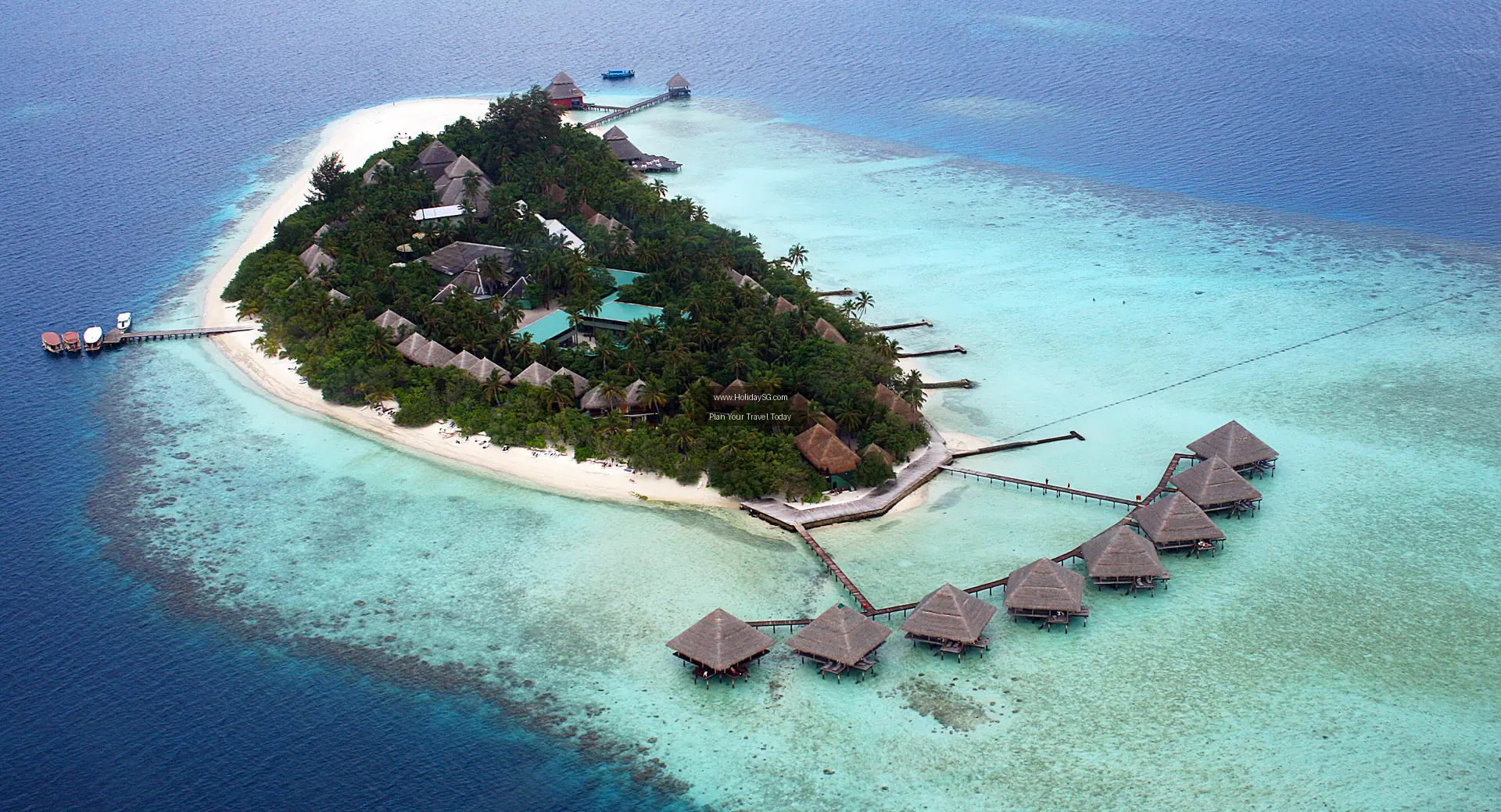
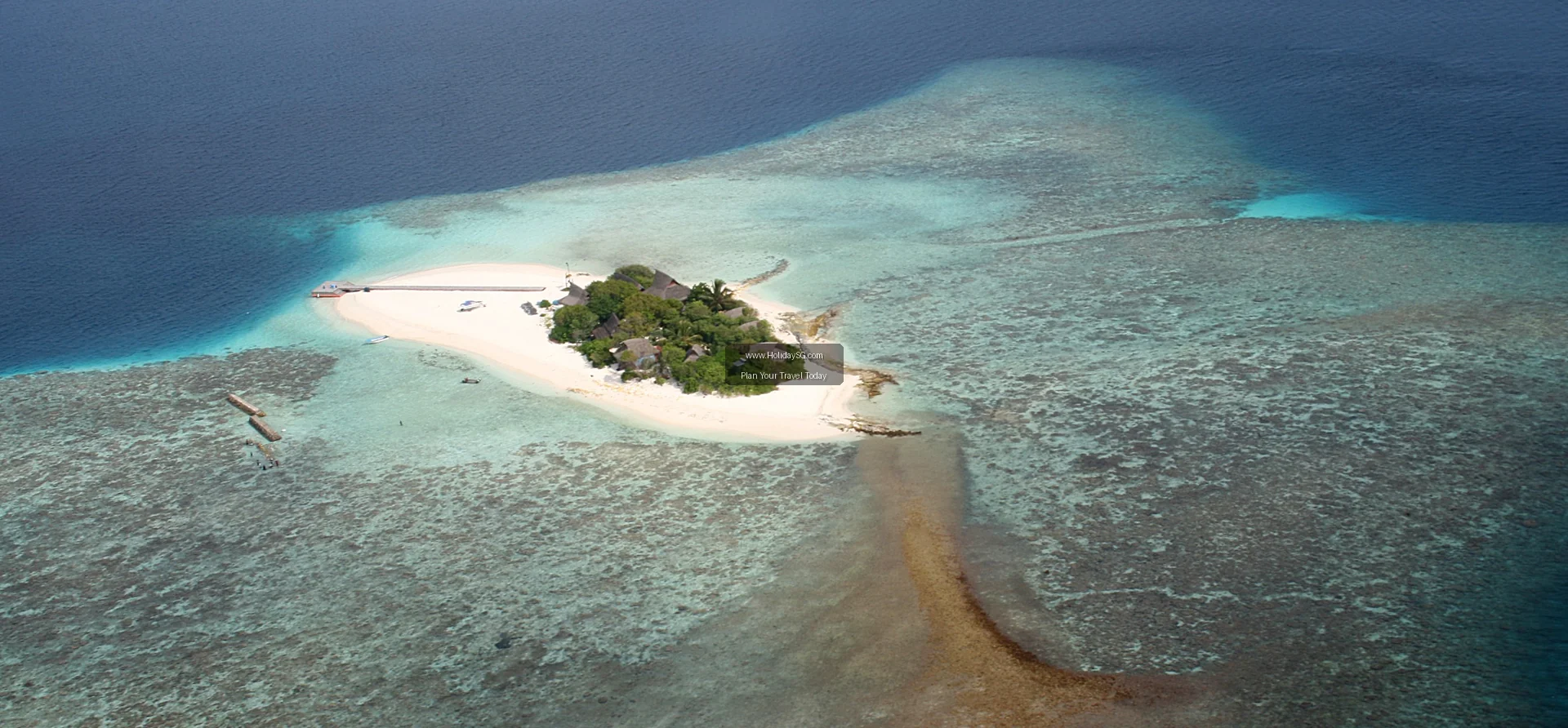
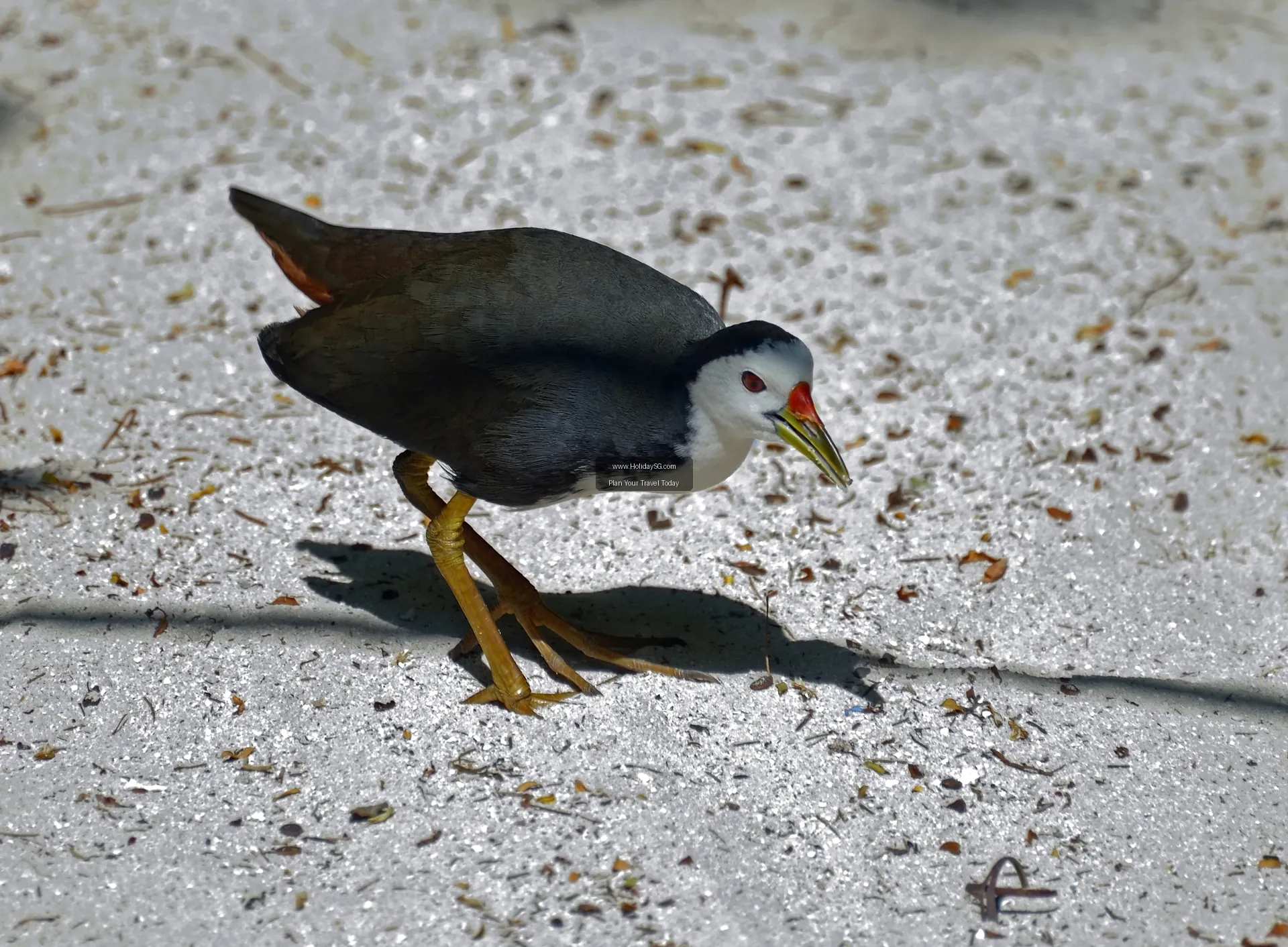
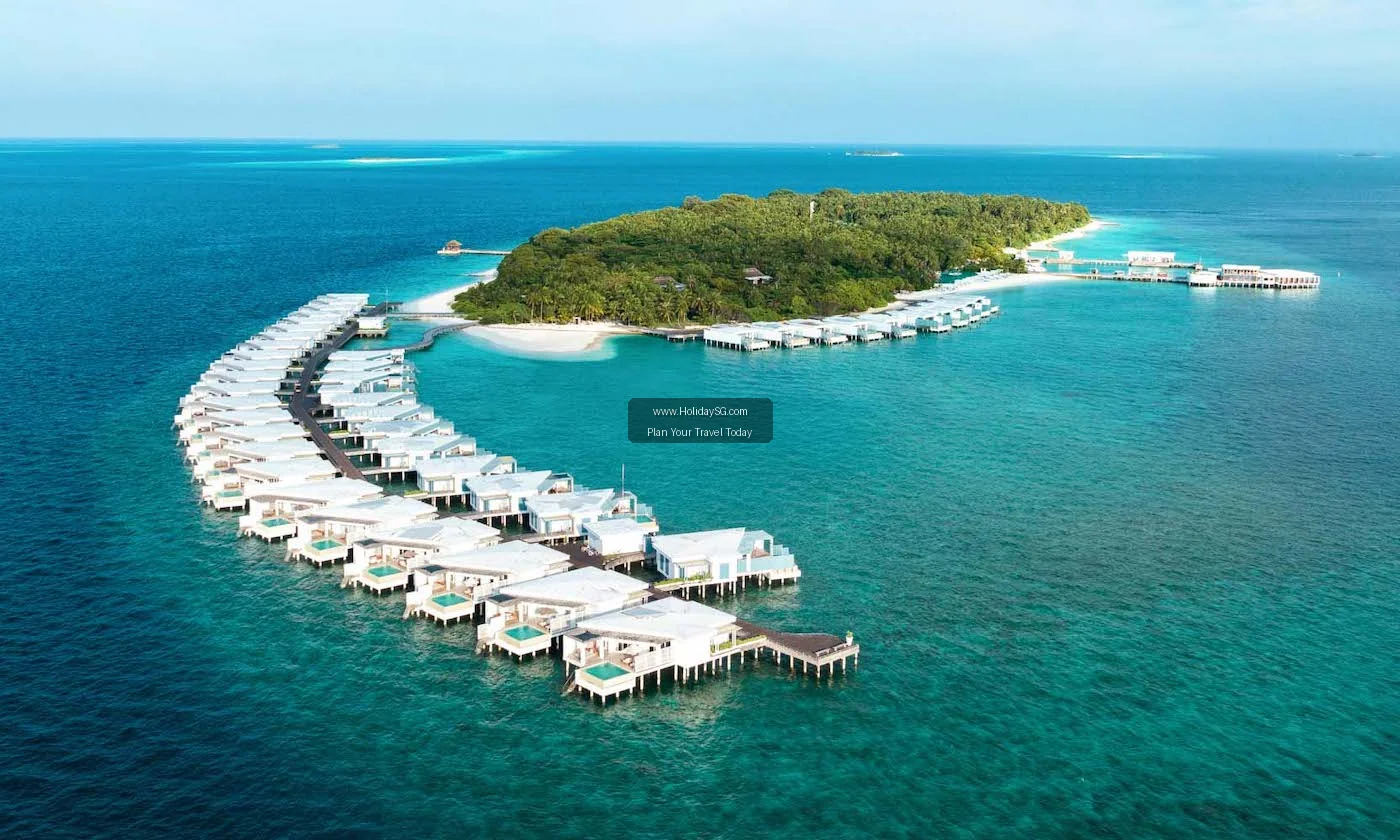
The Dry Season: Sun, Sea, and Serenity (December to April)
This is the classic, postcard-perfect Maldives you see in brochures. The northeast monsoon brings minimal rainfall, endless blue skies, and calm ocean conditions.
- Weather: Expect abundant sunshine, low humidity, and temperatures around 30°C (86°F). Seas are gentle, making inter-island travel by speedboat or seaplane smooth and enjoyable.
- What It’s Perfect For: This is the premier time for snorkeling and scuba diving. The calm waters mean exceptional underwater visibility, often exceeding 30 meters, showcasing vibrant coral reefs and marine life in their full glory. It’s also ideal for honeymooners, families seeking reliable weather, and anyone wanting to enjoy beach days without interruption.
- The Trade-Off: This perfection attracts everyone. Resorts are at full capacity, and prices for flights and accommodation are at their highest, especially during the Christmas and New Year period. Popular beaches and dive sites will be busier.
The Wet Season: Monsoon Magic & Marine Marvels (May to November)
The southwest monsoon transforms the seascape, bringing rain, wind, and a different kind of beauty. Don’t write it off—the wet season has its compelling advantages.
- Weather: This period sees more frequent rainfall, often in dramatic afternoon showers, and choppier seas. Cloud cover is common, but there are still many sunny spells. Humidity is higher.
- The Silver Lining: With fewer tourists, you’ll find a more serene, authentic atmosphere. Resort rates can drop by 30-50%, and you’re more likely to get complimentary upgrades. It’s the time for a more intimate escape.
- A Diver’s Secret Season: The increased plankton blooms from the currents attract incredible marine megafauna. This is the prime time for whale shark and manta ray migrations, especially in the South Ari Atoll and the Baa Atoll Biosphere Reserve. If marine biodiversity is your priority, this season is unbeatable.
The Shoulder Seasons: Finding the Balance (May & November)
These transitional months are often the golden window for savvy travelers. They mark the shift between the two main seasons.
- What to Expect: Weather is less predictable than in peak dry season but generally better than the height of the wet season. You’ll get a mix of sun and rain, with fewer severe storms. It’s a sweet spot where you can often enjoy lower prices while still having a great chance of experiencing good weather.
Matching Your Trip to Your Travel Style
Ready to go? Book Maldives Day Tour From with HolidaySG.
Your ideal travel window depends entirely on what you want from your Maldives holiday.
- For Divers & Snorkelers: Prioritize the dry season (December to April) for crystal-clear visibility and calm conditions. However, if your dream is to swim with whale sharks and manta rays, the wet season (May to November) is non-negotiable. A Sandbank Snorkeling And Sunset Cruise Experience is a fantastic activity to enjoy during either season.
- For Honeymooners & Luxury Seekers: The peak dry season offers the quintessential romantic getaway with perfect weather for private dinners on the beach, overwater bungalow relaxation, and sunset cruises. The premium price ensures an exclusive and flawless backdrop.
- For Budget Travelers: Embrace the wet season (May to November). The significant savings on accommodation and flights make this paradise accessible. Focus on local guesthouses on inhabited islands to maximize your budget.
- For Families: The dry season is generally better due to calmer seas for swimming and a lower chance of rain disrupting kids’ activities. Many resorts have excellent kids’ clubs, and the reliable weather ensures plans like dolphin cruises or island exploration go ahead smoothly.
Essential Planning & Logistics
Once you’ve chosen your season, these practical details will smooth your journey.
Getting There: Flights and Transfers
Direct flights from Singapore to Malé (MLE) take approximately 5 hours, with carriers like Singapore Airlines and Scoot offering regular service. This makes the Maldives an incredibly convenient escape from Southeast Asia.
The journey from Velana International Airport to your final resort is a memorable part of the experience but varies greatly in cost:
- Seaplane: Offers breathtaking aerial views of the atolls (20-40 minutes). This is the most scenic but also the most expensive transfer option.
- Speedboat: A more affordable and common transfer for nearby resorts (up to 1 hour).
- Public Ferry: The budget option for reaching local, inhabited islands. It’s slower but a fraction of the cost.
Choosing Your Accommodation
The Maldives caters to every budget, from backpackers to billionaires.
- Local Guesthouses: Found on inhabited islands, these offer an authentic cultural experience and the lowest prices, starting from ~$150-300 per day. To truly experience local life, consider activities like The Original Villimale Eco Walking Tour.
- Mid-Range Resorts: A classic Maldives experience on your own island, with private beaches and restaurants. Budget around $500-1000 per day.
- Luxury Private Islands: The pinnacle of exclusivity with overwater villas, private butlers, and impeccable service, often costing $1000+ per day.
Visas and Entry
The process is straightforward for most visitors. You’ll receive a free 30-day tourist visa on arrival, but you must provide proof of onward travel and accommodation for your stay.
Making the Most of Your Maldives Adventure
Ready to go? Book Maldives Day Tour From with HolidaySG.
Insider Tips for Every Season
- Packing: Pack lightweight, breathable clothing, a high-SPF reef-safe sunscreen, a hat, and sunglasses. For the wet season, a light rain jacket or poncho is essential.
- Etiquette: The Maldives is a Muslim nation. When visiting local islands (as opposed to resort islands), dress modestly in public areas by covering shoulders and knees. Alcohol is only permitted on resort islands.
- Saving Money: The biggest cost savers are staying in guesthouses and eating at local cafes instead of resort restaurants. Using public ferries for inter-island travel also slashes costs significantly.
Activity Timing
Beyond diving, the wet season’s bigger waves on the outer reef atolls make it the best time for surfing. Calmer dry-season mornings are perfect for fishing trips. A Male Local Food Tour or a Male Island Hopping Tour are great cultural additions any time of year, and a Maldives Day Tour From Hulhumale can be a convenient way to explore.
Final Verdict: When Should You Go?
- Choose the Dry Season (Dec-April) if: You want guaranteed perfect weather, the best diving visibility, and a calm, family-friendly atmosphere, and you don’t mind paying a premium.
- Choose the Wet Season (May-November) if: You’re on a budget, dream of whale shark encounters, prefer fewer crowds, and don’t mind the chance of rain showers.
- Choose the Shoulder Months (May, November) if: You want a balance—decent weather at more reasonable prices.
Ultimately, there’s no single “best” time—only the best time for you. The Maldives’ tropical climate ensures that even in the wet season, you’ll have sunny spells to enjoy its stunning beauty, making it a worthy destination year-round.
Recommended HolidaySG Tours
Ready to go? Book Maldives Day Tour From with HolidaySG.
- Sandbank Snorkeling And Sunset Cruise Experience
- The Original Villimale Eco Walking Tour
- Male Local Food Tour
- Male Island Hopping Tour
- Maldives Day Tour From Hulhumale
Ready to turn your Maldivian dream into reality? Let us help you plan the perfect island getaway. Explore our curated experiences with a Maldives Day Tour From Hulhumale.
Book with HolidaySG online for Maldives Day Tour From, The Original Villimale Eco Walking Tour, Sandbank Snorkeling And Sunset Cruise Experience.
Frequently Asked Questions
Where can I book a Maldives day tour or specific activity?
You can book popular experiences directly through HolidaySG. For example, you can check availability and prices for the Maldives Day Tour From Hulhumale, the Original Villimale Eco Walking Tour, or a Sandbank Snorkeling and Sunset Cruise Experience. They also offer cultural experiences like the Male Local Food Tour and the Male Island Hopping Tour.
Do foreigners (non-citizens) need a different ticket, price, or visa for the Maldives?
Most foreign tourists are granted a free 30-day tourist visa on arrival in the Maldives, provided they have a valid passport (with at least 6 months’ validity), a return ticket, and proof of accommodation or sufficient funds. There is no separate tourist “ticket” required for entry beyond the visa, which is free. However, immigration policies can change. We strongly recommend that all travelers check the official website of the Maldives Immigration or the nearest Maldivian embassy for the most current and specific entry requirements before booking travel.
What is the best time to visit the Maldives?
The dry season, from November to April, is the most popular time to visit, with sunny skies, calm seas, and excellent underwater visibility for snorkeling and diving. The wet season (May to October) brings more rain and wind, but it’s often cheaper and can still have long sunny spells. For the best beach and diving conditions, plan for December to March. To avoid crowds and save money, consider the shoulder months of November or April.
How many days do I need in the Maldives?
A minimum of 5 to 7 days is recommended to fully appreciate the Maldives. This allows enough time for travel from Malé to your resort, acclimate, enjoy water activities, and relax without feeling rushed. For a more comprehensive trip including multiple islands or excursions, consider 10 days or longer.
Is the Maldives expensive?
The Maldives can range from very expensive to moderately priced depending on your choices. Luxury private island resorts command premium prices. However, you can find more affordable accommodation on local islands like Maafushi, Thulusdhoo, or Hulhumale, where guesthouses and hotels offer a budget-friendly stay. Activities, dining on local islands, and public ferries also help manage costs.
How do I get to the Maldives from Singapore?
Direct flights from Singapore (SIN) to Malé’s Velana International Airport (MLE) are available and take about 4.5 hours. Airlines like Singapore Airlines and Scoot offer direct services. From the airport, you’ll transfer to your resort or local island via speedboat, seaplane, or domestic flight, depending on its location.
Is the Maldives family-friendly?
Yes, the Maldives is very family-friendly. Many resorts offer kids’ clubs, family villas with pools, shallow lagoons perfect for young children, and activities like dolphin watching and snorkeling. Some local islands also cater well to families with a more casual, community atmosphere.
What should I pack for a trip to the Maldives?
Pack lightweight, breathable clothing, swimwear, a wide-brimmed hat, sunglasses, and high-SPF reef-safe sunscreen. Bring a reusable water bottle, waterproof phone case, and snorkeling gear if you prefer your own. A light rain jacket is useful during the wet season. Modest clothing (covering shoulders and knees) is respectful when visiting local island communities or mosques.
Is the Maldives safe for tourists?
Yes, the Maldives is generally very safe for tourists with a low crime rate. Standard travel precautions apply. It’s important to respect local laws and customs, especially on local islands where alcohol is prohibited and modest dress is expected. Atolls and seas can have strong currents, so heed warning signs and advice for water activities.
What is the weather like in the Maldives?
The Maldives has a tropical monsoon climate. The dry season (northeast monsoon) from December to April is hot and sunny with little rain. The wet season (southwest monsoon) from May to October brings more rain, wind, and cloudier skies, but temperatures remain warm year-round, averaging 27-30°C (80-86°F).
Can I drink alcohol in the Maldives?
Alcohol is only legally served and consumed at licensed tourist resorts and on private islands that hold a license. It is strictly prohibited on local inhabited islands and in public areas of Malé. Travelers should be aware of and respect these laws.
What is there to do besides swimming and sunbathing?
The Maldives offers a wealth of activities including snorkeling and scuba diving with manta rays and whale sharks, dolphin cruises, sunset fishing trips, spa treatments, island hopping tours, and cultural experiences like visiting a local fishing village. You can also enjoy kayaking, paddleboarding, and jet-skiing.
What is the local etiquette I should know?
Respect is key. Dress modestly on local islands (cover shoulders and knees). Always ask permission before photographing people. Public displays of affection should be discreet. During Ramadan, be mindful and respectful of those fasting. Tipping is appreciated but not mandatory.
Are the Maldives suitable for solo travelers?
Solo travelers, particularly those drawn to diving, wellness, and relaxation, can find the Maldives to be an excellent destination. Staying on a resort provides a safe, easy base, while local islands offer more social opportunities to meet other travelers. Joining group tours, like the Male Island Hopping Tour, is a fantastic way to explore.
What is the currency and how do I pay?
The currency is the Maldivian Rufiyaa (MVR). However, US dollars are widely accepted and often quoted in resorts. Credit cards (Visa, Mastercard) are accepted at most resorts and larger establishments on local islands. It’s wise to carry some cash for smaller purchases, ferries, and on local islands.
Can I go island hopping in the Maldives?
Yes, island hopping is a popular activity. You can book organized tours from Malé that combine visits to several local islands, sandbanks, and snorkeling spots. The Male Island Hopping Tour is one such option. Alternatively, you can use the public ferry system to travel between nearby islands on your own schedule.
What is the food like in the Maldives?
The cuisine features fresh seafood, coconut, and starches like rice and breadfruit. Traditional Maldivian dishes include ‘mas huni’ (shredded tuna with coconut), ‘garudhiya’ (fish broth), and ‘roshi’ (flatbread). Resorts offer extensive international buffets, while local islands have cafes serving both local and international fare. Don’t miss a Male Local Food Tour to sample authentic flavors.
Are there any accessible facilities for travelers with disabilities?
Accessibility varies greatly. While some newer resorts have made efforts to provide wheelchair-friendly villas and facilities, many older resorts and public areas on local islands have limited infrastructure. It is crucial to contact your resort directly before booking to discuss specific accessibility needs and arrangements for transfers.
Can I use my mobile phone and get internet access?
Yes, mobile phone coverage is good around Malé and in tourist resorts. Most resorts offer Wi-Fi, sometimes for a fee. You can purchase a local SIM card upon arrival at the airport or the main ferry terminal in Malé for data and local calls. International roaming is also an option.
What are some must-see attractions near Malé?
Key attractions in Malé include the historic Friday Mosque (Hukuru Miskiiy), the National Museum, the Fish Market, and the lively waterfront. A short boat ride away are the artificial island of Hulhumale and the local island of Villingili. For a unique experience, consider a walking tour like the Original Villimale Eco Walking Tour.
When is the best time of day for snorkeling or diving?
Morning is often best for snorkeling and diving when the water is calmest, visibility is highest, and marine life is most active. Visibility can decrease in the afternoon due to wind and currents. Sunrise and sunset dives or snorkels offer magical lighting and the chance to see different creatures.
What things cost in Maldives
Live HolidaySG prices for the experiences in this guide, so you can sanity-check a budget before you commit.
| Experience | Where | From price |
|---|---|---|
| Huvandhumaa Lounge Velana International Airport | Male | From S$53.34 |
| Kashimaa Lounge Dharavandhoo Island Airport | Dharavandhoo | From S$26.19 |
| Moonimaa Lounge Velana International Airport | Male | From S$53.34 |
| Maldives Day Tour from Hulhumale | Maldives | From S$312.13 |
| Male Island Hopping Tour | Maldives | From S$210.74 |
| Sandbank, Snorkeling, and Sunset Cruise Experience in Hulhumal... | Maldives | From S$183.61 |
| The Original Villimale Eco Walking Tour | Maldives | From S$83.00 |
| Malé Local Food Tour | Maldives | From S$89.00 |
Reef Conditions and Snorkelling Month by Month
Snorkelling is the activity most visitors plan around, and water clarity changes through the year. In the calmer months, visibility can stretch well beyond twenty metres over the house reefs, and the shallow coral gardens are bright with fish. When the wind picks up, the surface turns choppy and the water near the shore can look cloudier, so it helps to ask your resort about the current conditions each morning.
Plan the most demanding snorkelling trips for the calmer part of the year, and keep the windier weeks for spa days, island walks or a long lunch on the beach. Early morning is almost always the best time in the water, because the sea is usually calmer and the light is soft. Many resorts run a house reef session before breakfast, and these are an excellent way to start the day.
Remember that water temperature stays warm throughout the year, so a light rash vest is often enough for comfort and sun protection. Bring a waterproof case for your phone and a reef-safe sunscreen, and rinse your gear after each session to keep it in good condition.
Honeymoon and Anniversary Timing
Many couples plan a honeymoon in the Maldives around the drier months, when sunsets are reliably clear and the lagoons look their most dazzling. The most romantic time for a private beach dinner is often the calmer weeks of the dry season, though resorts can be busy over the Christmas and New Year period, so book early if your dates are fixed.
If you are celebrating an anniversary or a quieter milestone, the shoulder months can be a lovely choice. Prices and availability are often easier to manage then, and the lush greenery and fewer boats on the water give a more intimate feel. Confirm any room upgrades or special touches directly with the resort, rather than assuming they are included.
Tell the resort about your celebration when you book. Many properties can arrange a sunset table, flower arrangements or a private cruise, and they plan these best with a little notice.
Ramadan and the Local Calendar
The Maldives is a Muslim-majority nation, and the timing of Ramadan moves earlier by roughly eleven days each year. During the fasting month, life on inhabited islands follows a different rhythm, with restaurants and shops adjusting their hours. Resort islands continue to serve guests as normal, but it is considerate to avoid eating or drinking in public places on local islands during daylight hours.
Check the exact dates of Ramadan and any national holidays for the year you plan to travel. Hotels and transfer operators may change their schedules around these dates, so ask for confirmation before you travel. Official government information is the best place to check the current calendar.
Many visitors find the evenings during Ramadan especially atmospheric, with lively iftar gatherings and a warm sense of community on the islands. Dress modestly when you visit local areas, and be ready for slower service in some places during the day.
Diving Visibility and Marine Life by Season
Divers often follow seasonal patterns closely. Manta rays, whale sharks and large schools of tuna appear at different times depending on the current and the plankton. Dive operators keep records of sightings, and they are the best source of up-to-date information on what you might see on your trip.
Strong currents are more common at certain times of year, particularly on the channels between atolls. Experienced divers enjoy these drift dives, but beginners should choose a calmer site and a guide who suits their level. Always follow the briefing and the dive plan, and never dive beyond your training.
If you have a certification card, bring it in your folder and a digital copy on your phone. Operators check it before every dive, and having it ready keeps the morning moving.
Packing by Season
In the dry months, pack lightweight cotton and linen, a wide-brimmed hat, polarised sunglasses and a reusable water bottle. Sunscreen is essential, and a light cover-up for the boat is useful. In the wetter months, add a compact rain jacket, quick-dry swimwear and a dry bag for your phone and documents. Umbrellas are rarely used by experienced visitors, because rain showers in the Maldives tend to be short and warm.
Whatever the season, bring a modest outfit for visits to local islands, such as a long skirt or loose trousers and a top with sleeves. Pack a small first aid kit, insect repellent for the evenings and any medication you need in its original packaging.
- Swimwear and two towels for boat and beach days
- Reef-safe sunscreen and a rash vest for snorkelling
- A lightweight rain jacket for the wetter weeks
- A dry bag and a waterproof phone case
- Modest clothing for local islands and the capital
Island Hopping and Sunset Cruises
Sunset cruises and sandbank picnics are among the most loved experiences in the Maldives, and they change character with the seasons. In the dry months, the sky is often clear and the colours are sharp and golden. In the wetter months, cloud can paint the sky in dramatic shades of pink and purple, which many photographers prefer.
Island hopping by speedboat or dhoni is easier when the sea is calm, so plan these outings for the morning when the weather is most settled. Ask the operator how the boat will handle the swell, and wear a lifejacket whenever the crew asks you to.
Book sunset cruises a few days ahead in the peak weeks, and keep a backup evening in mind in case the weather turns. Operators are usually happy to reschedule if the forecast looks uncertain, provided you give them enough notice.
Budget Timing and Value for Money
Travel costs in the Maldives rise and fall with the seasons, and the peak weeks around the year end tend to be the most expensive. Shoulder months can offer better value, though weather is less predictable. Compare the total cost of your trip, including transfers, meals, excursions and insurance, rather than focusing only on the room rate.
Check whether your resort includes meals, drinks or transfers, because these can make a large difference to the final bill. Ask for a written breakdown before you pay, and keep the confirmation in your folder.
Official pricing and tax information should be checked with each provider and the government tourism sources, since rates can change from year to year.
Common Questions About Timing Your Maldives Trip
Is the rainy season a waste of a holiday?
Not at all. Rain often arrives in short bursts with plenty of sunshine between showers, and the reefs and greenery can look particularly vivid.
Are the shoulder months a good compromise?
Often yes. They balance reasonable weather with calmer resorts, though you should expect some changeable days and keep flexible plans for transfers.
Can I plan my trip for a specific activity?
Yes. Choose the season that suits your key activity, such as diving or sunset cruises, and check with your operator for current conditions before you travel.
Can HolidaySG help with bookings?
Our team can help you plan and book eligible experiences on our website. We confirm each booking before any ticket is issued, and support is available 9 AM to 11 PM SGT daily.
Closing Thoughts on Choosing Your Season
There is no single perfect month for the Maldives. The dry season suits those who want reliable sun and calm seas, the wetter months reward travellers who love greenery and dramatic skies, and the shoulder periods offer a balance of both. Choose the season that matches your priorities, pack for the conditions you expect, and the islands will reward you with the same unhurried beauty whenever you visit.
Maldives Seasonal Visit FAQ: Your Timing Questions Answered
Will I regret visiting the Maldives during the monsoon season?
The monsoon from May to October brings afternoon rain showers rather than all-day downpours, and many visitors find the trade-off worthwhile. Reef conditions actually improve during this period—plankton blooms attract larger marine life, making diving and snorkeling around the house reefs near resorts like those in the North Male Atoll particularly rewarding. Accommodation prices drop significantly, sometimes by 30 to 40 percent, and you'll encounter far fewer tourists on the islands and at dive sites.
What is the absolute peak season, and how early should I book?
December through early January and February are when most international travelers arrive, with prices at their highest and resorts operating at full capacity. You'll want to secure accommodation and transfers 2 to 3 months in advance if you're set on these months, though booking earlier in the year gives you more choice. The trade-off is consistent sunny weather, calm seas ideal for water activities, and frequent departures from Velana International Airport in Male for onward connections.
Is November worth considering, or should I wait for December?
November is genuinely one of the Maldives' hidden gems—the northeast monsoon is transitioning away, leaving clearer skies and the tail end of good visibility for divers at sites like Banana Reef and Maaya Thila. You'll pay significantly less than December rates while still enjoying mostly dry conditions and warmer water temperatures around 29°C (84°F). The islands feel less crowded, meaning better service at restaurants in local islands like Thulusdhoo and Maradhoo, where you can experience authentic Maldivian culture.
How does the shoulder season in May differ from the shoulder season in November?
May marks the transition into the wet season, so you'll see increasing humidity and occasional rain, but the southwest monsoon hasn't fully developed yet—some days are pristine. November exits the monsoon with improving weather day by day, making it more predictable for planning activities. Both offer similar value on pricing and fewer crowds, but November generally gives you better odds of consistent sunny weather and calmer seas, while May is warmer and better for those who don't mind afternoon showers in exchange for dramatic cloud formations and marine diversity.
Does the time of month matter as much as the season?
Moon phases influence both tidal patterns and marine behavior—full moons bring stronger currents and can affect visibility at dive sites, while new moons often deliver calmer conditions and clearer water. If you're committed to specific activities like manta ray spotting at Hanifaru Bay or night diving, check lunar calendars when narrowing your dates. Even within peak season, choosing mid-week over weekends can mean quieter house reefs and more personalized service at smaller resorts across the atolls.
Quick Answers About Timing Your Maldives Trip
When do I get the best combination of good weather and lower prices?
April and November deliver excellent value—April closes out the dry season with perfect sunshine and warm seas around 29°C, while November enters the dry season with similar conditions. Both months fall outside the peak holiday periods, so expect 20 to 35 percent savings on resort rates compared to December and January.
What month has the clearest water for underwater photography?
February and March offer the highest visibility, often exceeding 50 meters at popular sites like Vaavu Atoll and the Northernmost atolls. Cold-water upwelling from November through March strengthens currents that clear particulates from the water, making these months ideal for underwater camera work and professional diving expeditions.
Can I see tropical fish and reef sharks year-round?
Yes, house reefs teem with parrotfish, angelfish, and small reef sharks throughout the year—the Maldives' atolls ensure consistent reef life. Larger species like whale sharks peak seasonally (October to November), while manta rays appear reliably from June through November when plankton levels rise, particularly around Baa Atoll and the southern atolls.
Does humidity make a difference in comfort, and when is it lowest?
Humidity stays high year-round (around 75 to 85 percent), but January through March feel relatively drier and cooler compared to May through September when air temperatures and moisture levels both peak above 30°C and 85 percent. The ocean breeze on resort islands usually offsets humidity, so this factor rarely determines comfort for most visitors.
Plan the rest of your trip
- HolidaySG eSIM plans for Maldives - Buy a data plan before you fly and install it on your phone.
- Maldives visa requirements - Check who needs a visa, the documents and the processing time.
