

Tours and travel in indonesia: 2026 ultimate guide is exactly what this guide covers.
Indonesia is a world unto itself. An archipelago of over 17,000 islands, it offers a staggering variety of experiences: from the ancient temples of Java and the sacred rice terraces of Bali to the wild, dragon-inhabited landscapes of Komodo and the pristine, biodiverse reefs of Raja Ampat. This 2026 Ultimate Guide to tours and travel in Indonesia is designed to navigate you through this complex and beautiful nation, blending timeless cultural encounters with the latest travel updates for a seamless and unforgettable adventure.
Indonesia remains one of Southeast Asia’s most rewarding destinations. For 2026, plan around the dry season (April-October) for most regions, budget for new sustainability fees in Bali, and utilize easy visa-on-arrival options. From volcano treks to world-class diving, this guide covers the essential logistics and unique experiences to help you explore the Indonesian archipelago respectfully and wisely.
Planning Your Indonesian Adventure in 2026

Getting the basics right before you go ensures a smooth journey. Here’s the essential pre-trip information for 2026.
Visa Policy & Entry Requirements
Indonesia has streamlined its entry process. As of 2024, most nationalities can obtain a Visa on Arrival (VOA) at major airports and seaports for IDR 500,000 (approx. USD $31). This grants a 30-day stay and can be extended once for another 30 days. For longer stays, applying for a B211A visa before arrival is recommended. Always double-check the latest immigration rules with the official Indonesian immigration website before your trip.
Health, Safety, and Timing
Generally, Indonesia is safe for tourists, but standard precautions against petty theft apply, especially in crowded markets. Consult a travel clinic for recommended vaccinations, typically including Hepatitis A/B and Typhoid. Travel insurance is non-negotiable.
The best time to visit most of Indonesia—including Java, Bali, Komodo, and Sulawesi—is during the dry season from April to October. The wet season (November to March) brings lower prices and fewer crowds, and it’s actually the peak diving season for Raja Ampat, when nutrient-rich waters boost marine life. For trekking like Mount Rinjani, the wet season often means trails are closed due to instability.
Budgeting for 2026
Indonesia caters to all budgets. A daily estimate might look like this:
- Backpacker: IDR 500,000 – 750,000 (USD $31-47) for basic hostels, local food, and public transport.
- Mid-range: IDR 1 – 2.5 million (USD $62-156) for private rooms, better restaurants, and some tours.
- Luxury: IDR 3 million+ (USD $187+) for high-end resorts, fine dining, and exclusive experiences.
Note the Bali Sustainable Tourism Tax, an additional USD $10 entry fee for foreign visitors arriving from 2025 onwards. Many national parks, like Komodo (ticket approx. IDR 500,000), also have separate entry fees. While cards are accepted in cities and tourist hubs, cash is king in rural areas and small shops. ATMs are widespread, but it’s wise to carry some Indonesian Rupiah (IDR) for immediate expenses.
Top Destinations & Iconic Experiences
Ready to go? Book Esim Indonesia Telkomsel Unlimited Travel Sim Indonesia Global with HolidaySG.
Indonesia’s diversity means you can choose your own adventure: spiritual, cultural, or adrenaline-fueled.
Cultural & Historical Journeys
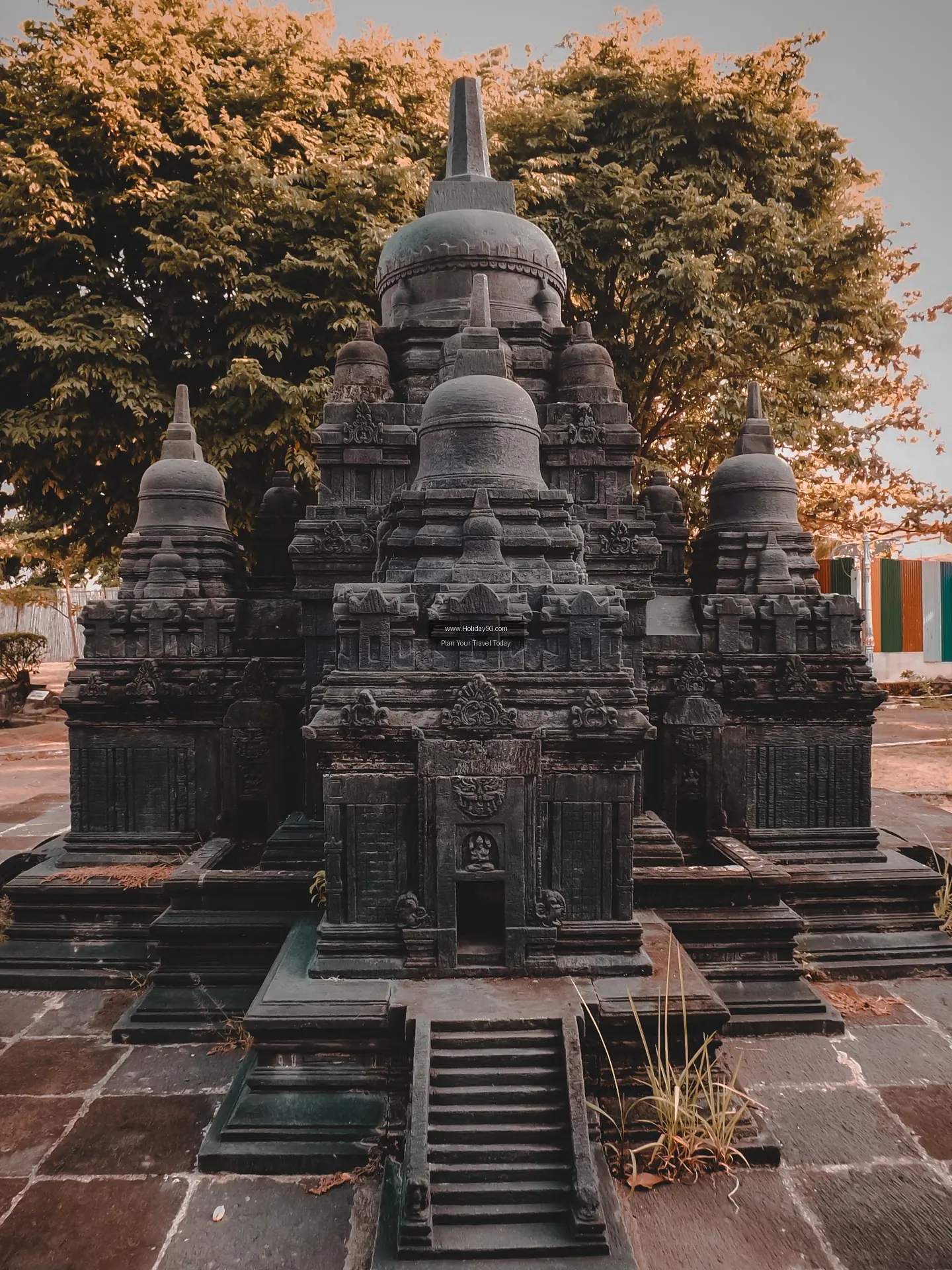
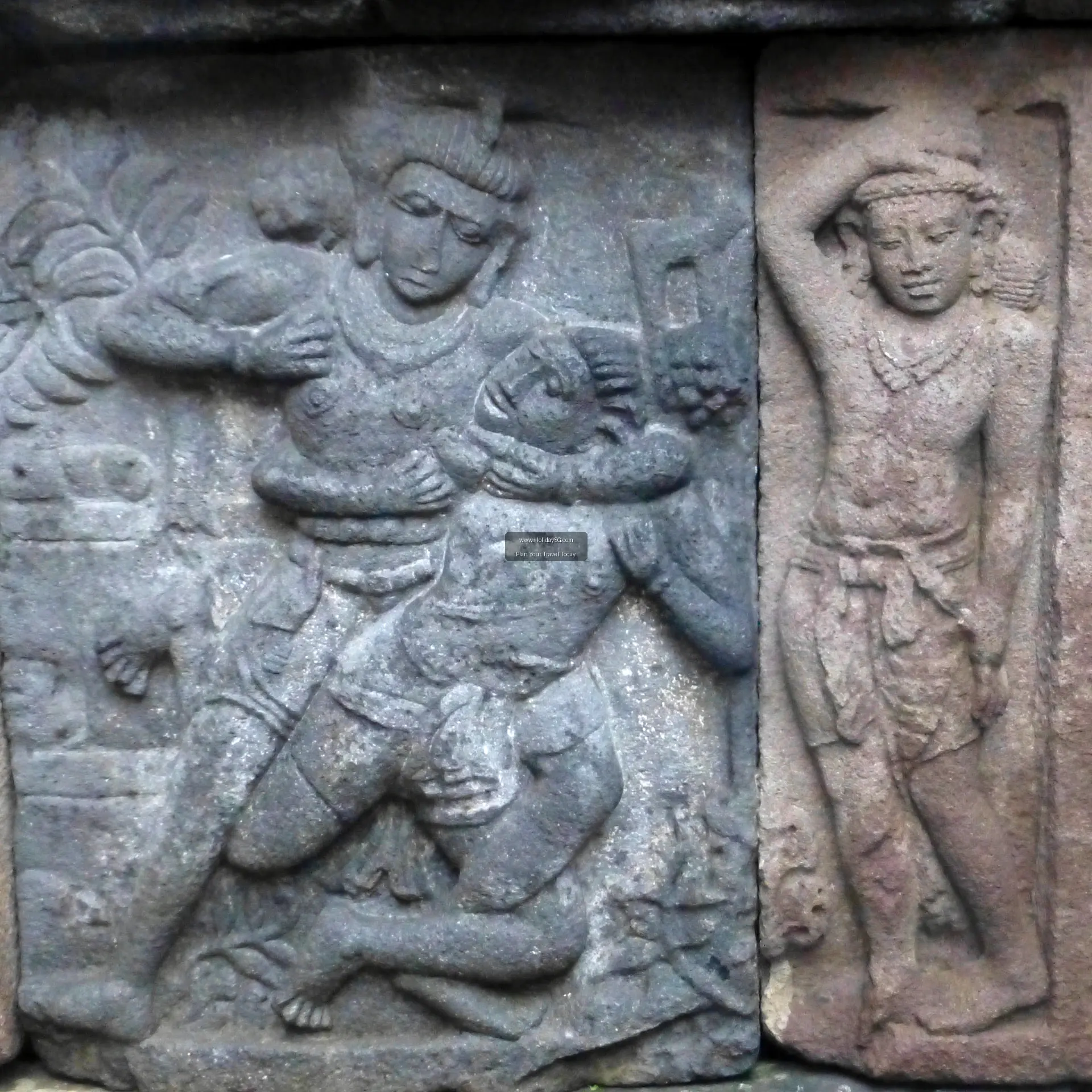
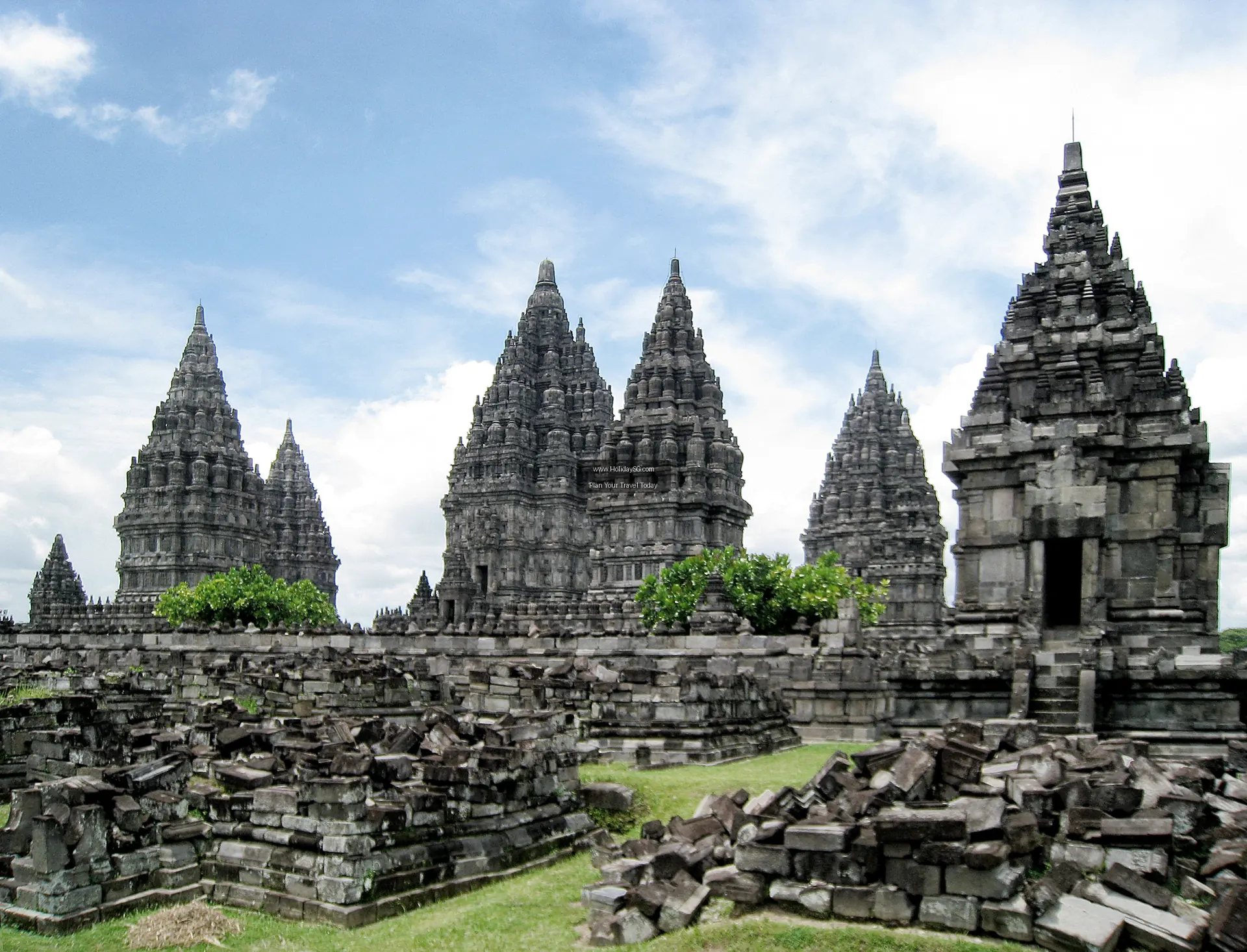
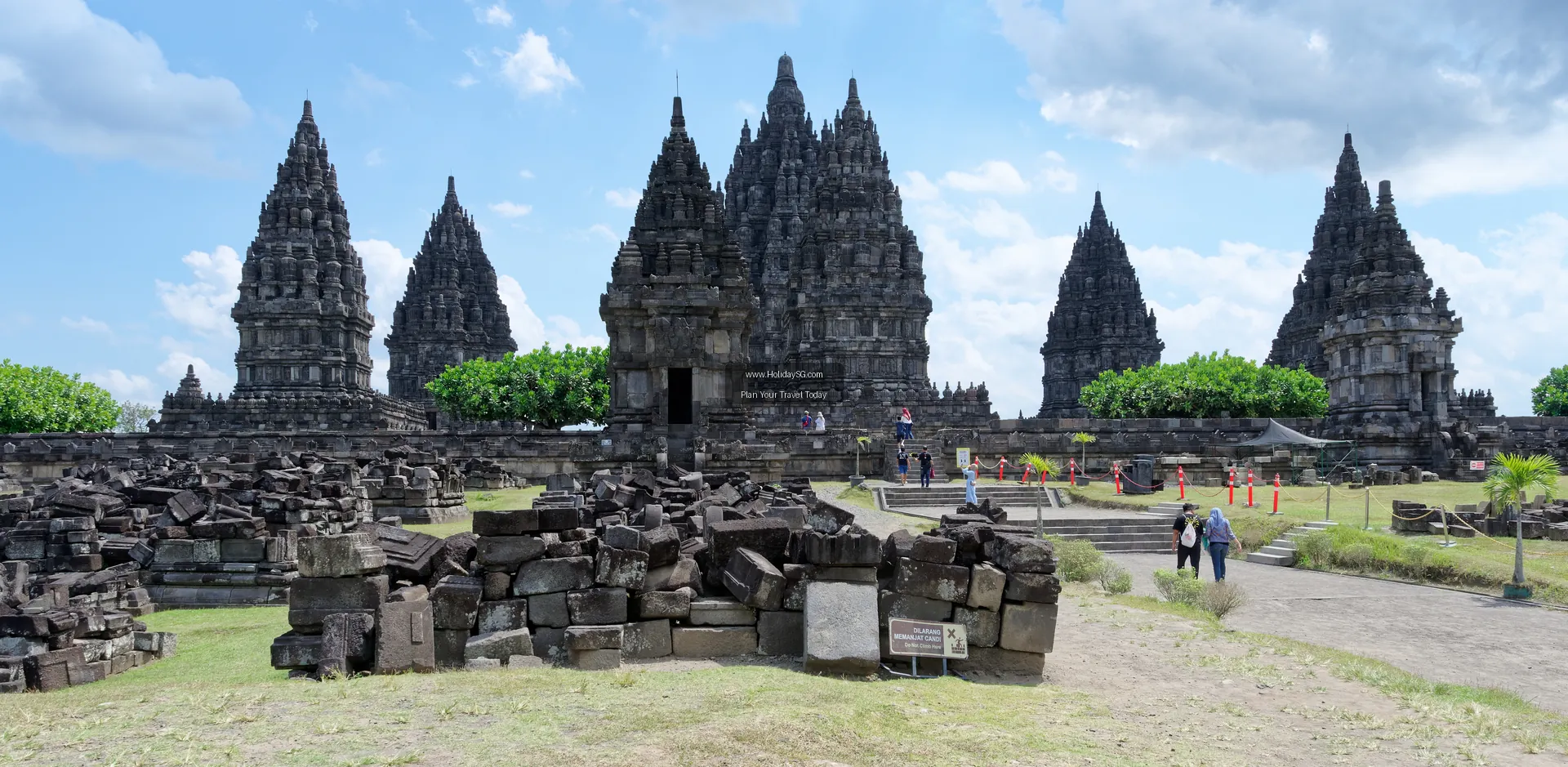
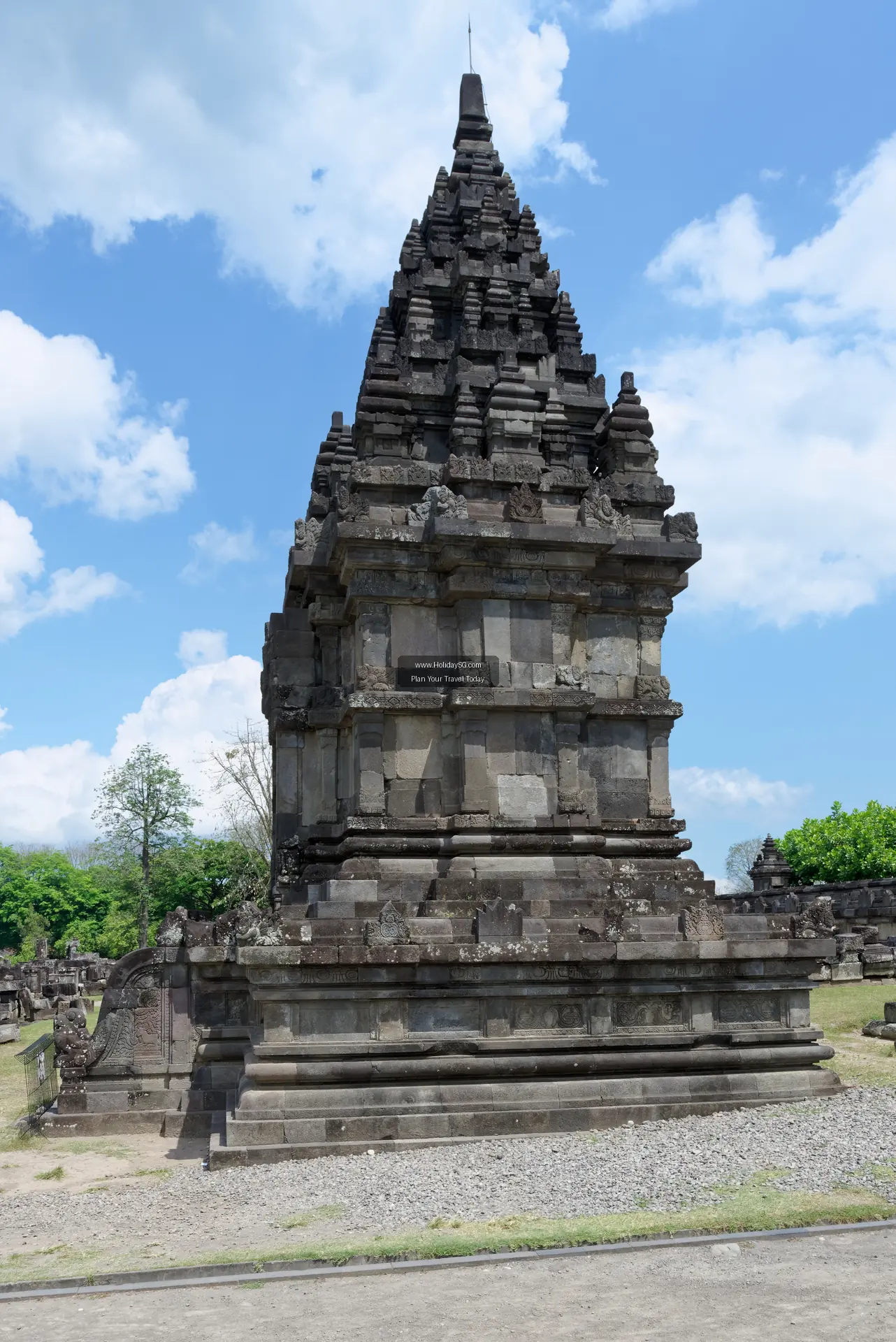
Begin on Java, the cultural heartland. The island’s UNESCO World Heritage Sites are unmissable: the ancient Buddhist temple complex of Borobudur at sunrise and the majestic Hindu temple of Prambanan nearby. For a scenic journey, hop on a train with KAI (Kereta Api Indonesia). The route from Jakarta to Yogyakarta offers comfortable, cost-effective travel through changing landscapes. In Yogyakarta, a vibrant hub of arts and culture, you can explore the Sultan’s Palace and discover hidden batik workshops. This cultural immersion can be extended with a visit to the stunning Taman Mini Indonesia Indah in Jakarta, a park that showcases the archipelago’s diverse cultures in one location.
Natural Wonders & Adventure
For thrill-seekers, Indonesia’s volcanoes are a primary draw. Witness an otherworldly sunrise over the smoking crater of Mount Bromo in East Java, or descend into the Ijen Crater at night to see its famous blue fire and meet the local sulfur miners. Lombok’s Mount Rinjani offers challenging multi-day treks with stunning crater lake views (permits are required and often closed Dec-Feb). You can book guided volcano experiences, such as Trekking Merapi near Yogyakarta, for a safer, expert-led adventure.
Below the waves lies another universe. Komodo National Park, home to the famous Komodo dragon, reopened in 2024 with regulated tourist capacities and new conservation-focused rules. It’s also a superb diving and snorkeling spot. For world-class diving, head to Raja Ampat in West Papua or the pristine reefs of Wakatobi National Park. In between, explore the unique wildlife of Ujung Kulon National Park, the last refuge of the critically endangered Javan rhino.
Unique Tour Experiences
Go beyond the standard itinerary with immersive tours. Liveaboard sailing trips are the best way to experience the remote beauty of Raja Ampat or the Komodo archipelago, combining island hopping, diving, and sunset cruising. For a deeper cultural connection, opt for a homestay on the tranquil Gili Air or with a family in rural Java. You can also indulge in specialized tours like guided walks through the lush tea plantations around Puncak or Bandung, offering insight into Indonesia’s agricultural heritage alongside stunning views.
Practical Tips for a Smooth Journey
Mastering logistics will let you focus on the experience.
Getting Around the Archipelago
Island-hopping is part of the adventure. Domestic flights are frequent and affordable, with airlines like Lion Air, Garuda, and AirAsia connecting major hubs. However, delays are common, so build buffer time into your itinerary. For overland travel, especially in Java, the KAI train network is a fantastic option—scenic, reliable, and comfortable for intercity routes.
Cultural Etiquette & Responsible Travel
Respecting local customs enhances your experience and ensures you’re a welcomed guest. When visiting temples, always cover your shoulders and knees. Use your right hand for giving or receiving items, as the left is considered unclean. Always ask for permission before photographing individuals, particularly in traditional communities. Supporting the new sustainability measures, like the Bali tax and park fees, directly contributes to preserving these incredible environments for future generations. For a broader look at regional customs, our guide to respectful travel in Southeast Asia offers similar principles.
Recommended HolidaySG Tours
Ready to go? Book Esim Indonesia Telkomsel Unlimited Travel Sim Indonesia Global with HolidaySG.
- Taman Mini Indonesia Indah
- Tropikana Waterpark
- Tropical Trekking
- Trekking Merapi
- Esim Indonesia Telkomsel Unlimited Travel Sim Indonesia Global
Embracing Indonesia in 2026
Indonesia in 2026 is a destination that rewards the prepared and the curious. With new sustainability initiatives, streamlined visas, and a timeless array of natural and cultural wonders, it promises an adventure like no other. Plan thoughtfully, travel respectfully, and let the warmth of its people and the grandeur of its landscapes create memories that last a lifetime. Your Indonesian odyssey awaits.
Ready to stay connected on your Indonesian adventure? Ensure seamless communication throughout your travels with our Esim Indonesia Telkomsel Unlimited Travel Sim Indonesia Global.
Book with HolidaySG online for Esim Indonesia Telkomsel Unlimited Travel Sim Indonesia Global, Taman Mini Indonesia Indah, Tropikana.
Frequently Asked Questions
Where can I book tours or get essential travel items for Indonesia?
You can book a wide range of tours and purchase essential items directly through HolidaySG’s Indonesia offerings. For activities, check out Trekking Merapi for an adventure on Java or the Tropical Trekking experience in Bali. For family fun, explore Taman Mini Indonesia Indah or Tropikana Waterpark. Don’t forget to stay connected with the Esim Indonesia Telkomsel Unlimited Travel Sim.
Do foreigners (non-citizens) need a different ticket, price, or visa for Indonesia?
Generally, foreign visitors do not need separate tickets for most attractions listed, but prices for tourists are often different (usually higher) than for local residents. Regarding visas, Indonesia offers a Visa on Arrival (VOA) for citizens of many countries and an e-Visa option for eligible nationalities. However, visa policies can change. We strongly recommend checking the latest official information from the Indonesian Directorate General of Immigration or your country’s embassy website before your trip.
What is the best time (season, or time of day for the site/activity) to go?
The best time to visit Indonesia is during the dry season, which runs roughly from April to October. This period offers the most sunshine and is ideal for trekking and outdoor activities. For specific activities like the Trekking Merapi or Tropical Trekking, early morning starts are highly recommended to avoid the midday heat and enjoy cooler temperatures and better light. Waterparks like Tropikana are fun year-round, but visiting on a weekday can mean fewer crowds.
How long should I spend in Indonesia?
A classic two-week itinerary allows enough time to explore two major islands, such as Java and Bali, without rushing. For a deeper dive, such as visiting Yogyakarta, Bali, and perhaps Lombok or Sumatra, three weeks is ideal. For a short getaway focusing solely on Bali or a city like Jakarta, 5-7 days can be sufficient.
What is the typical daily cost for a tourist in Indonesia?
Indonesia can suit a range of budgets. A budget traveler might spend $30-$50 USD per day, staying in hostels, eating at local warungs, and using public transport. A mid-range traveler can expect to spend $80-$150 USD per day, enjoying comfortable hotels, mix of local and Western restaurants, and some guided tours. Luxury travelers should budget $200 USD and above per day for high-end resorts, fine dining, and private tours.
How do I get around within Indonesia?
For island-hopping, budget airlines like Lion Air, AirAsia, and Garuda Indonesia connect major cities efficiently. Within islands, you can use ride-hailing apps like Gojek or Grab for cars and motorbikes, hire a private car with driver for day trips, or use local minivans (bemo/mikrolet) for an authentic (and cheap) experience. For shorter distances, taxis and motorbike taxis (ojek) are plentiful.
Are the listed activities family-friendly?
Yes, many activities are suitable for families. Taman Mini Indonesia Indah is a fantastic cultural park with attractions for all ages. Tropikana Waterpark is explicitly designed for family fun. The Tropical Trekking in Bali can be adapted to different fitness levels, but you should check the difficulty level of specific treks like Merapi with the operator regarding young children.
What should I pack or bring for my trip to Indonesia?
Pack lightweight, breathable clothing that covers shoulders and knees for temple visits. Essential items include strong sunscreen, insect repellent, a rain jacket or poncho (especially in wet season), comfortable walking shoes or sandals, and a reusable water bottle. For trekking, bring sturdy hiking boots, a hat, and layers for cooler highland temperatures.
Is Indonesia accessible for travelers with disabilities?
Accessibility varies greatly. Major international hotels in cities and tourist hubs like Bali often have accessible rooms and facilities. However, many historical sites, temples, and natural attractions may have challenging terrain with stairs and uneven paths. It is best to research specific attractions in advance and contact tour operators to discuss your needs.
How safe is Indonesia for tourists?
Indonesia is generally safe for tourists, but like any destination, petty crime like pickpocketing can occur. Be vigilant in crowded areas. Use reputable transport services. Be cautious of scams targeting tourists. Always monitor local news and follow advice from official government travel advisories regarding areas to avoid.
What is the weather like and when is the rainy season?
Indonesia has a tropical climate with a distinct wet and dry season. The wet season typically runs from November to March, bringing heavy but usually short afternoon downpours. The dry season, from April to October, is characterized by sunshine and lower humidity, making it the peak tourist season.
Are there any important cultural etiquette rules I should know?
Yes. Always use your right hand for giving, receiving, and eating. When visiting temples, dress modestly (sarongs are often provided or available to rent) and never stand higher than a shrine or a person praying. It’s polite to ask permission before photographing people. A smile and a simple “terima kasih” (thank you) go a long way.
What are some must-try local foods or drinks?
Be sure to try Nasi Goreng (fried rice), Mie Goreng (fried noodles), Satay (grilled meat skewers), Rendang (spicy beef stew), and Gado-Gado (vegetables in peanut sauce). For drinks, sample Es Teh Manis (sweet iced tea), Es Jeruk (fresh orange juice), and local coffee, including the famous Kopi Luwak if you’re curious.
What other attractions are near the listed activities?
In Yogyakarta, near the Trekking Merapi experience, you can visit the magnificent Borobudur and Prambanan temples. In Bali, near the Tropical Trekking area, there are countless rice terraces, waterfalls, and temples to explore. In Jakarta, Taman Mini is a landmark itself, while Tropikana is part of a larger recreational complex.
Do I need any vaccinations before traveling to Indonesia?
While no vaccinations are legally required for entry from most countries, it is highly recommended that your routine vaccines are up to date. Consult your doctor or a travel clinic 6-8 weeks before your trip to discuss recommendations for vaccines such as Hepatitis A & B, Typhoid, and Tetanus, based on your itinerary and health history.
Can I use credit cards, or is cash necessary?
It’s best to carry Indonesian Rupiah (IDR) in cash for small purchases at local markets, warungs, and for tips. Credit cards are widely accepted at hotels, large restaurants, malls, and established tour operators in tourist areas. ATMs are readily available in cities and towns for cash withdrawals.
Is it easy to find vegetarian or vegan food in Indonesia?
It can be a challenge as many traditional dishes contain shrimp paste (terasi) or meat stock. However, it’s not impossible. Look for “warung vegetarian” or “restoran vegetarian”. Dishes like Gado-Gado, Tempeh/Tahu Goreng (fried tempeh/tofu), and many rice and noodle dishes can be made vegetarian if you request “tanpa daging” (without meat) and confirm no shrimp paste. Bali has a particularly vibrant vegetarian and vegan food scene.
What is the internet and Wi-Fi connectivity like?
Wi-Fi is generally available and reliable in hotels, cafes, and coworking spaces in tourist areas. For on-the-go connectivity, a local SIM card or an eSIM like the Esim Indonesia Telkomsel Unlimited Travel Sim is a convenient solution. Coverage can be spotty in remote rural areas or while on the open ocean between islands.
How do I handle bargaining and tipping in Indonesia?
Bargaining is expected and normal in traditional markets (pasar) and with street vendors, but not in shops with fixed prices or restaurants. Start by offering about half the asking price and negotiate politely with a smile. Tipping is not strictly mandatory but is appreciated for good service, especially in restaurants and for tour guides and drivers. Round up the bill or leave 5-10% is common practice.
Are there any particular safety concerns for certain activities?
For adventure activities like volcano trekking, ensure you go with a reputable, licensed operator who provides safety equipment and experienced guides. Always inform yourself about current volcanic activity levels. For swimming, be cautious of strong currents, especially during the wet season. Never leave valuables unattended on the beach.
What’s the best way to experience Indonesian culture authentically?
Stay in locally owned accommodation (homestays or bungalows), visit a local market in the morning, take a cooking class, attend a traditional dance performance, and wander away from the main tourist strips to see daily life. Interacting respectfully with locals is key.
What things cost in Indonesia
Live HolidaySG prices for the experiences in this guide, so you can sanity-check a budget before you commit.
| Experience | Where | From price |
|---|---|---|
| 10 Min - 100 Min Bali Helicopter Tours | Departing from Canggu | Bali | From S$150.47 |
| 10 Min - 100 Min Bali Helicopter Tours | Departing from Nusa D... | Bali | From S$150.47 |
| 4WD Jeep Caldera Sunrise Experience by Bali Volcano Jeep | Bali | From S$52.69 |
| 4WD Jeep Mount Batur Sunrise Experience by Bali Volcano Jeep | Bali | From S$60.13 |
| Black Lava Tour | Bali | From S$154.57 |
| Cimory Dairyland Farm Theme Park Gowa | Makassar | From S$4.00 |
| Seafood Dinner in Jimbaran Bali by New Dewata | Bali | From S$6.59 |
| Dairyland Farm Theme Park Prigen | Surabaya | From S$4.00 |