

Indonesia is a dream destination for travelers seeking a mix of adventure, culture, and natural beauty. From the iconic rice terraces of Bali to the wild Komodo dragons of Komodo National Park, this vast archipelago offers something for every type of explorer. Whether you’re planning your trip with a travel book Indonesia guide, a budget backpacker, a luxury seeker, or a digital nomad looking for your next base, Indonesia’s diverse landscapes—volcanoes, jungles, beaches, and ancient temples—promise unforgettable experiences. This guide covers everything you need to plan your trip, from top destinations and visa tips to cultural etiquette and sustainable travel practices.
TL;DR: Indonesia is a diverse and affordable destination with something for everyone, from Bali’s beaches to Java’s temples and Raja Ampat’s diving. Plan around the dry season (April–October), budget $20–$200/day depending on your style, and prioritize cultural respect and sustainable travel. Visa-free entry is available for most nationalities, but check requirements before you go.
Why Visit Indonesia?
Indonesia is more than just a tropical getaway—it’s a land of contrasts. With over 17,000 islands, it’s the world’s largest archipelago, offering everything from bustling cities to remote jungle villages. The country’s cultural diversity is equally impressive, with over 300 ethnic groups and 700 languages spoken. Whether you’re trekking through volcanic landscapes, diving in some of the world’s best coral reefs, or immersing yourself in ancient traditions, Indonesia delivers adventure at every turn.
One of the biggest draws is affordability. Compared to other tropical destinations, Indonesia offers incredible value. You can enjoy a private villa in Bali, feast on street food for under $2, or splurge on a luxury eco-resort in Raja Ampat without breaking the bank. Beyond Bali, destinations like Java, Sumatra, and Sulawesi provide unique experiences with fewer crowds, making it easy to escape the tourist trail.
Top Destinations in Indonesia
Bali – The Island of the Gods
Bali is Indonesia’s most famous destination, and for good reason. It’s a perfect blend of culture, nature, and nightlife, catering to everyone from surfers to spiritual seekers.
Ubud is the cultural heart of Bali, known for its lush jungles, rice terraces, and traditional dance performances. Visit the Sacred Monkey Forest, explore the Ubud Palace, or take a yoga class at one of the many wellness retreats. For a unique experience, check out the Indonesia eSIM for free roaming mobile data to stay connected while exploring Ubud’s hidden gems.
Uluwatu is a surfer’s paradise, with world-class waves and dramatic cliffside temples. Don’t miss the Kecak fire dance at Uluwatu Temple at sunset, or the stunning beaches like Padang Padang and Bingin. For a more relaxed vibe, head to Seminyak and Canggu, where beach clubs, boutique shops, and digital nomad cafés abound.
No trip to Bali is complete without visiting the Tegallalang Rice Terraces, a UNESCO-recognized landscape that’s as photogenic as it is peaceful. For adventure seekers, the Mount Batur sunrise trek offers breathtaking views over Lake Batur and the surrounding volcanoes.
Java – History, Temples, and Volcanoes
Java is Indonesia’s cultural and historical hub, home to some of the country’s most iconic landmarks.
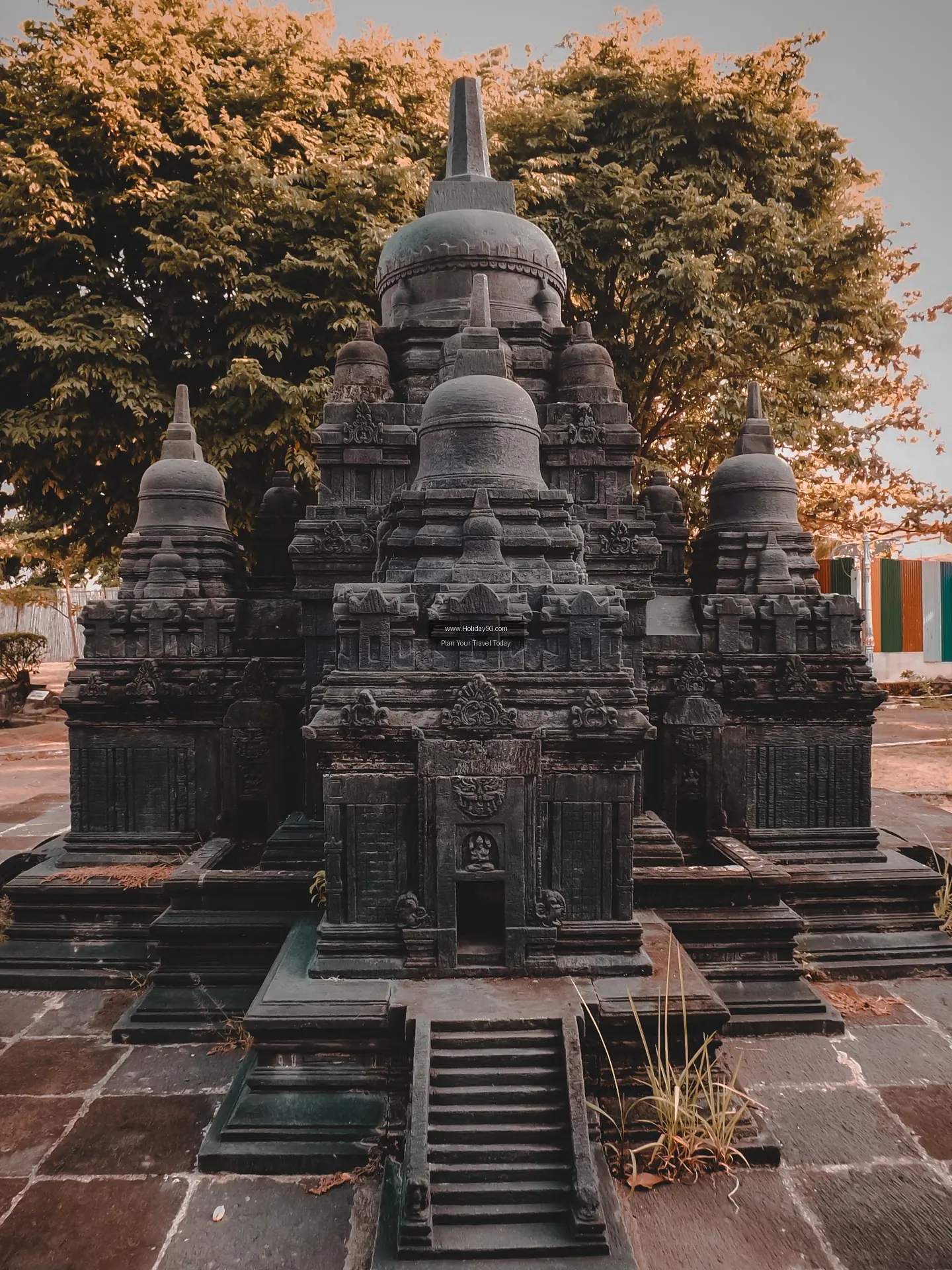
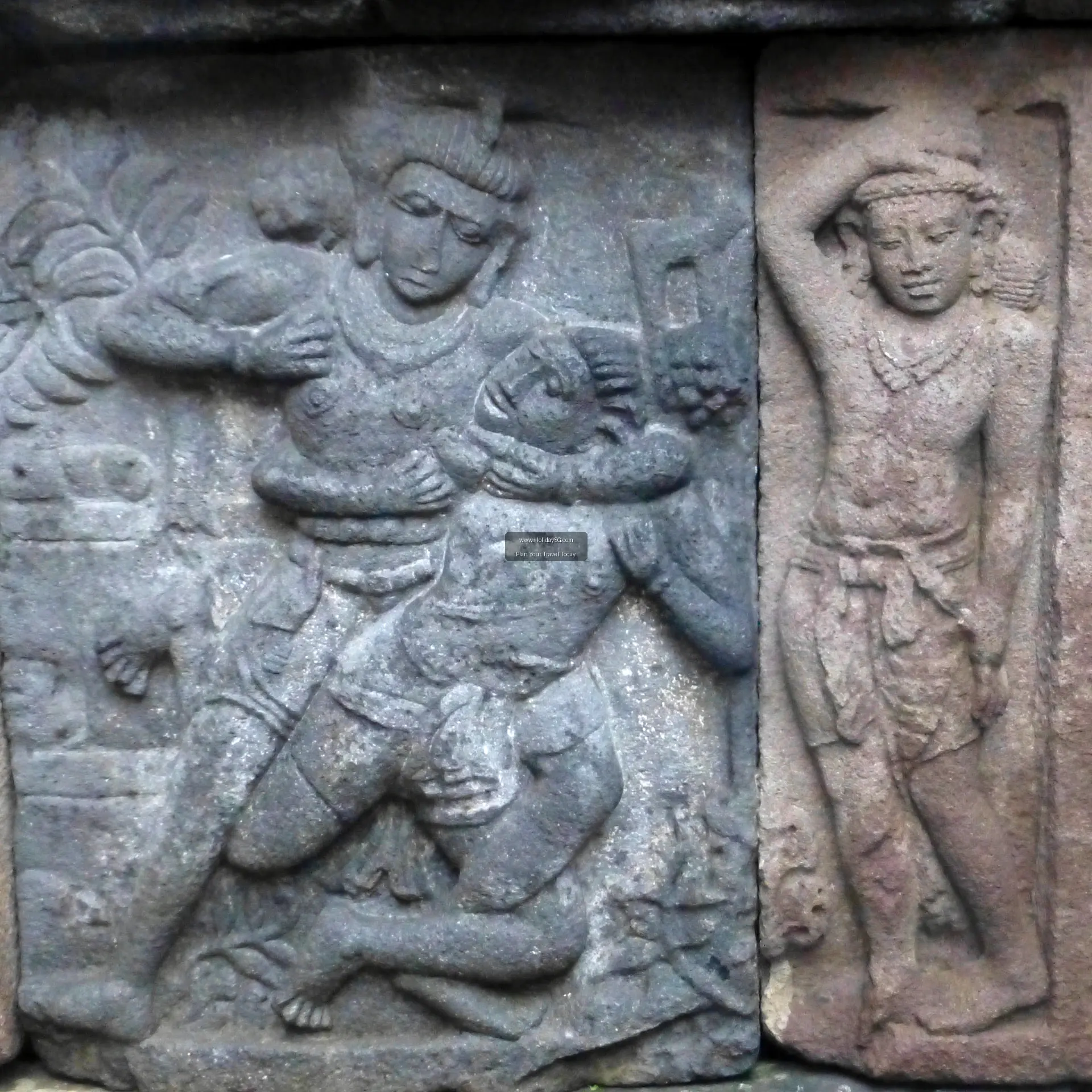
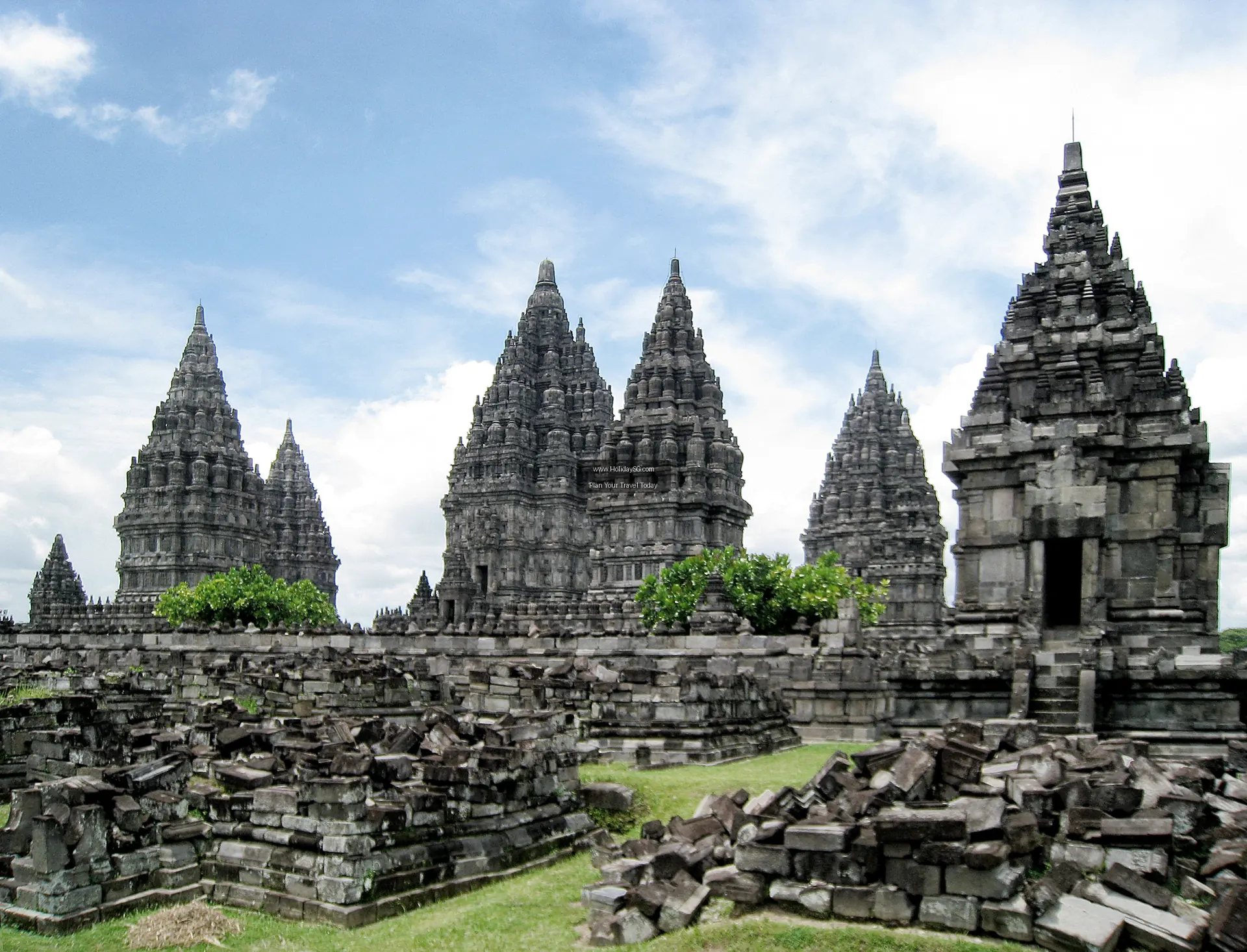
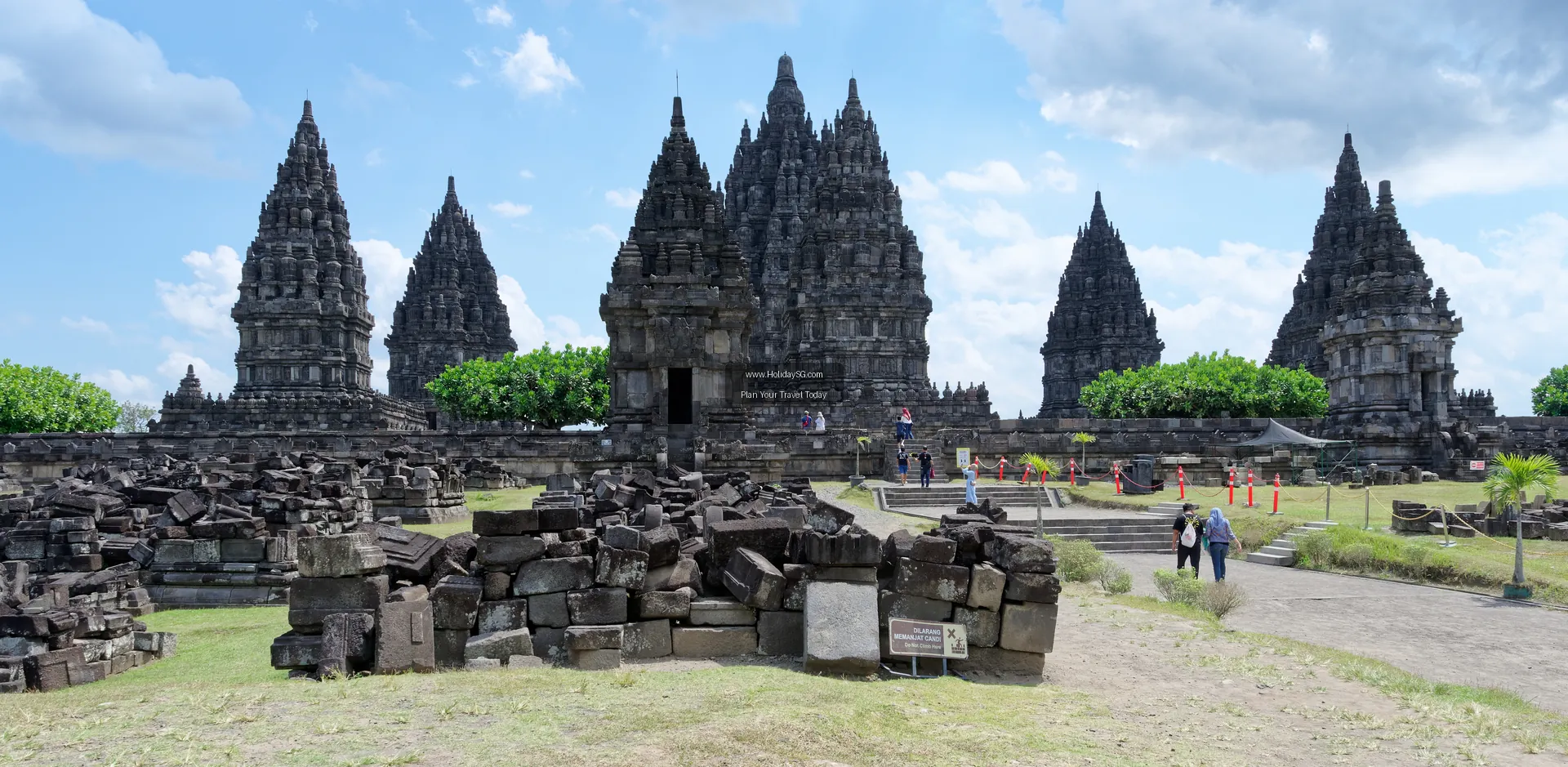
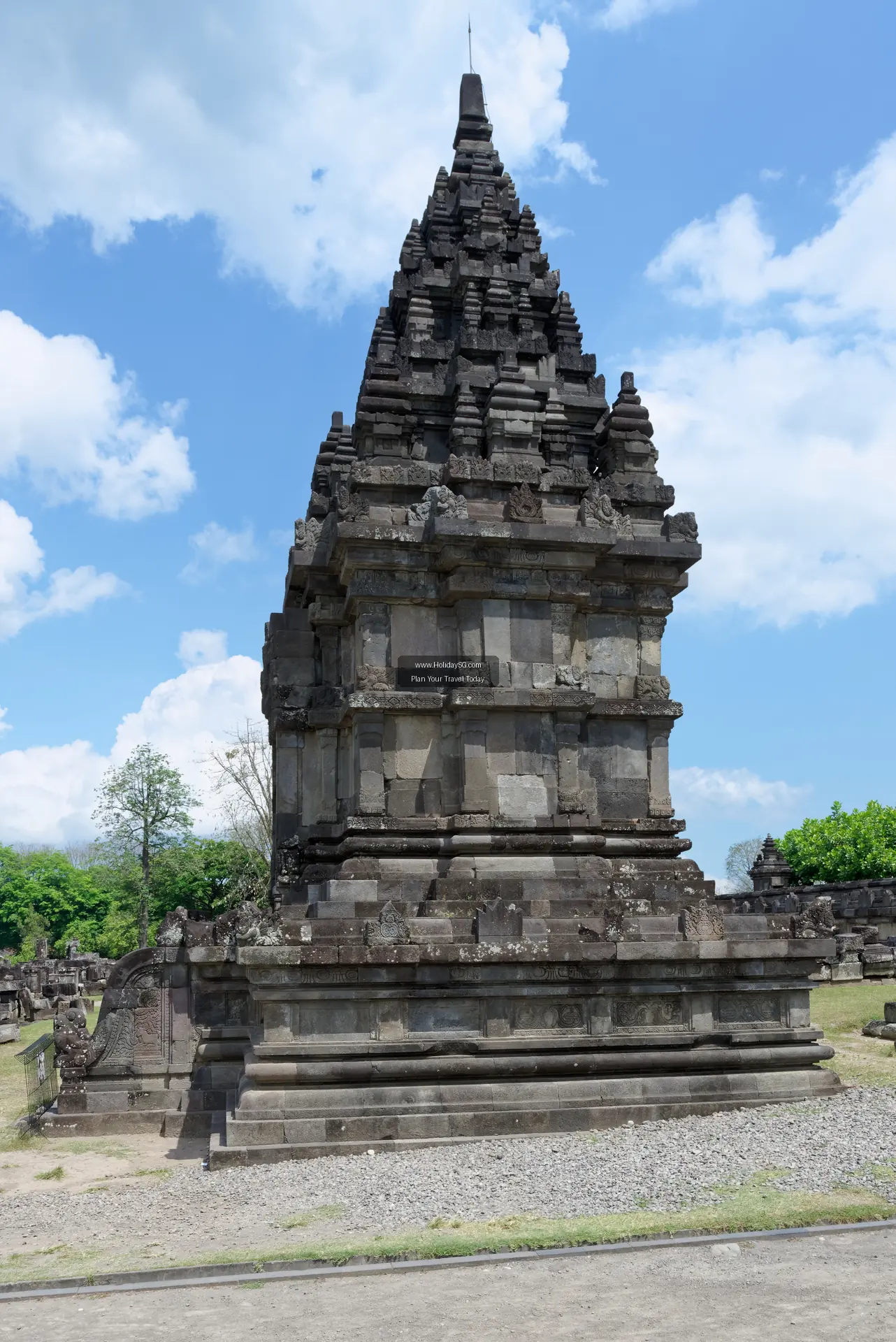
Borobudur, the world’s largest Buddhist temple, is a must-visit. Built in the 9th century, this UNESCO-listed site is especially magical at sunrise, when the mist rises over the stupas. Nearby, Prambanan is a stunning Hindu temple complex dedicated to the gods Shiva, Vishnu, and Brahma. Both temples are easily accessible from Yogyakarta, Java’s cultural capital, where you can also explore the Sultan’s Palace and shop for batik textiles.
For nature lovers, Mount Bromo is a surreal volcanic landscape that feels like another planet. The best time to visit is at sunrise, when the sea of clouds parts to reveal the smoldering crater. If you’re up for a challenge, Ijen Crater offers a unique hike to see the famous blue fire, a natural phenomenon caused by sulfuric gases burning at night.
Komodo National Park – Dragons and Diving
Komodo National Park is one of the few places in the world where you can see Komodo dragons in the wild. These giant lizards, which can grow up to 10 feet long, are a sight to behold. The park is also home to Pink Beach, one of only seven pink-sand beaches in the world, thanks to red coral fragments mixing with the white sand.
But the real magic of Komodo lies underwater. The park’s coral reefs are some of the most biodiverse on the planet, making it a paradise for divers and snorkelers. Swim with manta rays, sea turtles, and schools of tropical fish in crystal-clear waters.
Sumatra – Jungle Adventures and Indigenous Culture
Sumatra is Indonesia’s wild frontier, offering lush rainforests, rare wildlife, and unique cultural experiences.
Lake Toba, the largest volcanic lake in the world, is a serene escape surrounded by misty mountains. The lake is home to the Batak people, who have a rich cultural heritage and traditional architecture. For wildlife enthusiasts, Bukit Lawang is the gateway to orangutan trekking in Gunung Leuser National Park. Seeing these gentle giants in their natural habitat is an unforgettable experience.
The Mentawai Islands are a surfer’s paradise, with world-class waves and a laid-back vibe. The islands are also home to the Mentawai people, one of Indonesia’s last indigenous tribes, known for their intricate tattoos and traditional longhouses.
Lombok & the Gili Islands – Bali’s Quieter Neighbors
Lombok is often overshadowed by Bali, but it’s a fantastic destination in its own right. The island offers stunning beaches, waterfalls, and the challenging Mount Rinjani trek, which rewards hikers with panoramic views from the summit.
Just off Lombok’s coast, the Gili Islands are a trio of tiny paradises with no motorized vehicles—just bicycles and horse-drawn carts. Gili Trawangan is the party island, with beach bars and reggae clubs, while Gili Meno is quiet and romantic, perfect for couples. Gili Air strikes a balance between the two, with a relaxed vibe and great snorkeling.
Raja Ampat – The Last Paradise on Earth
If you’re looking for pristine nature, Raja Ampat in West Papua is as close to paradise as it gets. This remote archipelago is a biodiversity hotspot, with over 1,500 species of fish and 75% of the world’s coral species. The diving and snorkeling here are unparalleled, with vibrant reefs, manta rays, and even whale sharks.
Raja Ampat is also home to some of Indonesia’s most luxurious eco-resorts, where sustainability is a priority. Stay in overwater bungalows, explore hidden lagoons by kayak, or simply relax on white-sand beaches with turquoise waters.
Sulawesi – Unique Cultures and Scenic Highlands
Sulawesi is one of Indonesia’s most culturally rich regions, with traditions that feel worlds away from the rest of the country.
Toraja, in the highlands of South Sulawesi, is famous for its elaborate funeral rituals, which can last for days and involve buffalo sacrifices, traditional dances, and cliffside burials. The region is also known for its tongkonan houses, with their distinctive boat-shaped roofs. For a deeper dive into Sulawesi’s culture, visit Tana Beru, a village known for its traditional boat-building techniques.
For underwater adventures, Bunaken National Park offers some of the best diving in Indonesia, with steep walls, vibrant coral gardens, and an incredible diversity of marine life.
Jakarta & Bandung – Urban Adventures
Indonesia’s cities offer a different kind of travel experience, with bustling streets, historic sites, and vibrant food scenes.
Jakarta, the capital, is a melting pot of cultures and cuisines. Visit the National Monument (Monas), explore the historic Kota Tua (Old Town), or shop at Grand Indonesia Shopping Town, where you can also check out Funworld, an arcade and entertainment center. Jakarta’s street food scene is legendary—don’t miss nasi goreng (fried rice), satay, and gado-gado (vegetable salad with peanut sauce).
Just a few hours away, Bandung is known for its cool mountain air, colonial architecture, and thriving café culture. Visit the Gedung Sate, a historic government building, or shop for affordable fashion at the factory outlets along Jalan Riau.
When to Visit Indonesia
Indonesia’s climate is tropical, with two main seasons: dry and wet.
- Dry Season (April–October): The best time to visit most of Indonesia, especially Bali, Java, Lombok, and Komodo. Expect sunny days, low humidity, and ideal conditions for trekking, diving, and beach hopping.
- Wet Season (November–March): While prices are lower and crowds are thinner, heavy rains can disrupt travel plans. Sumatra and West Papua (including Raja Ampat) are exceptions—this is the best time for diving, as the water is calmer and visibility is excellent.
- Shoulder Months (April & October): These months offer a balance of good weather, fewer tourists, and lower costs. It’s a great time to visit if you want to avoid the peak season rush.
Budgeting for Your Trip
Indonesia is one of the most budget-friendly destinations in Southeast Asia, but costs vary depending on your travel style.
- Budget Traveler ($20–$40/day): Stay in hostels or guesthouses, eat at warungs (local eateries), use public transport, and focus on free or cheap attractions like beaches and temples.
- Mid-Range Traveler ($50–$150/day): Enjoy private rooms in boutique hotels, take local tours, rent a scooter, and dine at mid-range restaurants. This budget allows for occasional splurges, like a private driver or a diving excursion.
- Luxury Traveler ($200+/day): Stay in 5-star resorts or private villas, book private tours, dine at high-end restaurants, and fly between islands. Raja Ampat and Bali’s upscale resorts are perfect for this budget.
Key Expenses:
- Domestic flights: $50–$150 (e.g., Bali to Komodo or Jakarta to Raja Ampat).
- Scooter rental: $5–$10/day (popular in Bali, Lombok, and the Gili Islands).
- Private driver: $30–$50/day (great for day trips in Bali or Java).
- Diving/snorkeling tours: $50–$150 (e.g., Raja Ampat or Komodo).
- Temple/museum entry fees: $1–$25 (e.g., Borobudur ~$25, Tanah Lot ~$5).
Visa Requirements and Entry Tips
Indonesia makes it easy for travelers to visit, with visa-free entry for citizens of 169 countries, including the US, UK, EU, Australia, and Canada. Here’s what you need to know:
- Visa-Free Entry: 30 days (non-extendable). You must show an onward ticket.
- Visa on Arrival (VOA): Extendable to 60 days for $35. Available for most nationalities.
- e-VOA: Apply online before arrival for faster processing ($35).
- Social/Cultural Visa (B-211): For stays up to 180 days (requires a sponsor letter, ~$50).
- Overstay Fines: ~$70/day (avoid at all costs—Indonesian immigration is strict).
Always check the latest requirements before you travel, as rules can change.
Getting Around Indonesia
Indonesia’s vast size means you’ll likely use a mix of transportation methods to explore.
- Domestic Flights: The fastest way to cover long distances (e.g., Bali to Raja Ampat). Book via airlines like Garuda Indonesia, Lion Air, or AirAsia. Prices are cheaper if you book in advance.
- Ferries/Boats: Essential for island hopping. Use reputable companies like Gili Getaway or Eka Jaya for routes like Bali to Lombok or Lombok to the Gili Islands. Always check safety standards before boarding.
- Trains: Java has a reliable intercity train network. The KAI Access app makes booking easy for routes like Jakarta to Yogyakarta or Surabaya.
- Buses: Budget-friendly but slow. Companies like Pahala Kencana or Safari Dharma Raya operate routes between major cities (e.g., Jakarta to Bandung).
- Ride-Hailing Apps: Grab and Gojek are available in major cities and offer cheaper fares than taxis. They’re also safer and more convenient.
- Scooter Rentals: Popular in Bali, Lombok, and the Gili Islands (~$5–$10/day). Always wear a helmet—police checkpoints are common, and fines are steep.
Health and Safety Tips
Indonesia is generally safe for travelers, but it’s important to take precautions.
- Vaccinations: Recommended vaccines include Hepatitis A/B, Typhoid, Tetanus, and Rabies (for rural areas). Japanese Encephalitis is advised for long stays in rural Java or Bali.
- Mosquito Protection: Dengue and malaria are risks in rural areas. Use DEET repellent, wear long sleeves, and sleep under mosquito nets if necessary.
- Food and Water Safety: Stick to bottled or filtered water. Eat at busy stalls (high turnover = fresher food) and avoid raw salads, ice in drinks (unless from sealed bags), and street meat.
- Petty Theft: Bag snatching and pickpocketing occur in tourist areas. Use hotel safes, avoid flashing valuables, and be cautious at night.
- Natural Hazards: Indonesia is prone to volcanic activity, strong currents, and earthquakes. Check alerts for active volcanoes like Mount Agung or Bromo, swim only at patrolled beaches, and familiarize yourself with emergency procedures.
Cultural Etiquette and Local Customs
Indonesia is a predominantly Muslim country, but Bali is Hindu, and other regions have their own unique traditions. Respecting local customs will enhance your experience.
- Dress Modestly: Cover shoulders and knees when visiting temples or rural areas. Sarongs are often provided at temple entrances. In Muslim-majority areas, avoid revealing clothing.
- Greetings: A handshake is common, but some Muslim women may prefer not to shake hands with men. Use “Selamat pagi” (good morning), “Selamat siang” (good afternoon), or “Terima kasih” (thank you).
- Respect Local Customs: Remove shoes before entering homes or temples. Use your right hand for giving or receiving items (the left hand is considered unclean).
- Bargaining: Expected in markets. Start at 30–50% of the asking price and negotiate with a smile. Don’t haggle over small amounts—it’s not worth the stress.
- Tipping: Not mandatory but appreciated. Tip 10% in restaurants, and small bills for drivers or guides.
Internet and Connectivity
Staying connected in Indonesia is easy, but speeds vary by location.
- SIM Cards: Buy at airports or official stores (Telkomsel has the best coverage). Tourist SIMs (~$5–$10) offer 10–20GB of data. For a hassle-free option, consider an Indonesia unlimited 4G/5G data eSIM before you arrive.
- Wi-Fi: Available in hotels and cafés, but speeds can be slow. Co-working spaces like Dojo Bali or GoWork Jakarta offer reliable connections for digital nomads.
- VPN: Useful for accessing blocked sites (e.g., WhatsApp calls in some areas).
Language Basics for Travelers
Bahasa Indonesia is a relatively easy language to pick up, and locals appreciate even basic efforts.
- Essential Phrases:
- Hello: Halo
- Thank you: Terima kasih
- How much?: Berapa harganya?
- Where is…?: Di mana…?
- Delicious: Enak
- Too expensive: Terlalu mahal
- English Proficiency: Widely spoken in tourist areas like Bali, the Gili Islands, and Jakarta, but limited in rural regions.
Common Traveler Questions Answered
Is Indonesia safe for solo female travelers?
Generally, yes. Bali and the Gili Islands are very safe, with a large expat and tourist community. In rural areas, dress modestly, avoid walking alone at night, and trust your instincts. Petty theft is the most common issue, so keep valuables secure.
Can I use USD or other currencies?
No—Indonesian Rupiah (IDR) is the only accepted currency. Exchange money at authorized counters (avoid street vendors) or withdraw from ATMs attached to banks to avoid skimming. Carry small bills for markets and transport.
How easy is it to island-hop?
Very easy, but plan ahead. Ferries connect major islands (e.g., Bali to Lombok), while flights are faster for long distances (e.g., Bali to Raja Ampat). Book transport in advance during peak season (June–August).
What’s the deal with Bali belly?
Food poisoning is common due to unfamiliar bacteria. Stick to cooked food, avoid tap water, and carry rehydration salts. Pharmacies sell “oralit” for dehydration. If symptoms persist, seek medical attention.
Do I need a guide for treks like Rinjani, Bromo, or Ijen?
Highly recommended. Guides provide safety equipment (e.g., gas masks for Ijen), local knowledge, and support. Book through reputable agencies to avoid scams.
How do I avoid tourist scams?
Common scams include overcharging taxis (use Grab/Gojek), fake tour operators (book through trusted agencies), and “temple donations” (ignore pushy vendors). Research prices beforehand and be firm but polite.
Is it worth visiting outside Bali?
Absolutely! Java’s temples, Sumatra’s jungles, and Raja Ampat’s diving offer unique experiences with fewer crowds. Bali is touristy but still worth it for its beaches, culture, and convenience.
Sustainable Travel in Indonesia
Indonesia faces significant environmental challenges, but travelers can make a positive impact.
- Reduce Plastic Waste: Indonesia is the world’s second-largest plastic polluter. Bring a reusable water bottle (refill at filtered stations), say no to straws, and participate in beach clean-ups.
- Ethical Wildlife Tourism: Avoid attractions that exploit animals (e.g., riding elephants, taking photos with caged birds). Support ethical sanctuaries like Bali Bird Park or Sumatra’s orangutan rehabilitation centers.
- Support Local Communities: Eat at warungs, buy handicrafts from artisans, and stay in homestays or eco-lodges. This ensures your money goes directly to locals.
- Protect Coral Reefs: Use reef-safe sunscreen and avoid touching coral while diving or snorkeling. Choose eco-conscious tour operators.
Festivals and Events Worth Planning For
Indonesia’s festivals are vibrant and deeply cultural. Plan your trip around these events for a unique experience:
- Nyepi (Day of Silence, Bali): March/April. The entire island shuts down—no lights, noise, or activity (even the airport closes!). A surreal and spiritual experience.
- Galungan & Kuningan (Bali): Hindu festivals celebrating good over evil (occurs every 210 days). Streets are decorated with penjor (bamboo poles), and families gather for feasts.
- Waisak (Java): May. Buddhist festival at Borobudur, where thousands of monks gather for prayers and processions.
- Toraja Funeral Ceremonies (Sulawesi): July–August. Multi-day rituals with buffalo sacrifices, traditional dances, and elaborate ceremonies.
- Jakarta Fair: June–July. A month-long festival with food, music, and cultural performances.
Recommended HolidaySG Tours
Planning your trip to Indonesia? Here are some top-rated tours and services to enhance your experience:
- Kereta Gantung At Taman Mini Indonesia Indah
- Indonesia Unlimited 4G/5G Data Esim
- Funworld Grand Indonesia Shopping Town Arcade
- E Sim Indonesia Data Plan Tourist Travel Esim Internet Total Data E Sim
Indonesia is a destination that rewards curiosity and adventure. Whether you’re exploring ancient temples, diving in pristine waters, or trekking through volcanic landscapes, this archipelago offers experiences you won’t find anywhere else. Ready to start your journey? Check out our Kereta Gantung At Taman Mini Indonesia Indah for a unique urban experience in Jakarta!
Book with HolidaySG online for Kereta Gantung At Taman Mini Indonesia Indah, Indonesia Esim Free Roaming Mobile Data, Indonesia Unlimited 4g5g Data Esim.
More Photos from HolidaySG
“`html
Frequently Asked Questions
Where can I book tickets for attractions in Indonesia?
You can book tickets for specific attractions in Indonesia through HolidaySG. For example, you can book the Kereta Gantung at Taman Mini Indonesia Indah in Jakarta or the Funworld Grand Indonesia Shopping Town Arcade. For mobile data plans, check out options like the Indonesia eSIM Free Roaming Mobile Data or the Indonesia Unlimited 4G/5G Data eSIM.
Do foreigners (non-citizens) need a different ticket, price, or visa for Indonesia?
Foreigners typically pay the same ticket prices as locals for attractions in Indonesia, though some tourist-specific sites may have different rates. As for visas, Indonesia offers visa-free entry, visa-on-arrival (VOA), or e-visa options depending on your nationality. Rules can change, so it’s best to check the latest requirements on the official Indonesian immigration website or your local Indonesian embassy before traveling.
What is the best time to visit Indonesia?
The best time to visit Indonesia is during the dry season, which generally runs from April to October. For specific attractions, early mornings or late afternoons are ideal to avoid crowds and heat. For example, visiting Taman Mini Indonesia Indah in the morning allows you to explore comfortably before the midday sun.
How long should I spend at Taman Mini Indonesia Indah?
To fully explore Taman Mini Indonesia Indah, plan to spend at least half a day (4-5 hours). This will give you enough time to visit the cultural pavilions, ride the Kereta Gantung (cable car), and enjoy the various exhibits without rushing.
Is Indonesia family-friendly for travelers with kids?
Yes, Indonesia is very family-friendly, with many attractions designed for children. Places like Taman Mini Indonesia Indah and Funworld at Grand Indonesia Shopping Town are great for families. However, always supervise young children, especially in crowded areas or near water.
What is the typical cost of attractions in Indonesia?
Attraction costs vary widely. For example, entry to Taman Mini Indonesia Indah is around IDR 20,000-50,000 (approx. SGD 2-5) for adults, while rides like the Kereta Gantung may cost extra. Shopping arcades like Funworld are usually free to enter, but games and activities inside may require additional fees.
How do I get to Taman Mini Indonesia Indah from central Jakarta?
Taman Mini Indonesia Indah is located about 20 km east of central Jakarta. You can reach it by taxi, ride-hailing apps (like Gojek or Grab), or public transport such as the TransJakarta bus. The journey typically takes 45-60 minutes, depending on traffic.
What should I pack for a day trip to an Indonesian attraction?
Pack light but bring essentials like sunscreen, a hat, comfortable walking shoes, a reusable water bottle, and a light rain jacket (especially during the wet season). If visiting cultural sites, modest clothing is recommended. Don’t forget your camera or smartphone to capture the sights!
Are attractions in Indonesia accessible for travelers with disabilities?
Accessibility varies by attraction. Some modern venues like shopping malls (e.g., Grand Indonesia) are wheelchair-friendly, but older or outdoor sites may have limited accessibility. It’s best to check with the specific attraction beforehand or contact HolidaySG for advice.
Is it safe to travel around Indonesia as a tourist?
Indonesia is generally safe for tourists, but like any destination, it’s important to stay vigilant. Avoid isolated areas at night, keep valuables secure, and be cautious in crowded places to prevent pickpocketing. Stick to reputable transport options and follow local advice for a smooth trip.
What is the weather like in Indonesia?
Indonesia has a tropical climate with two main seasons: dry (April-October) and wet (November-March). Temperatures are warm year-round, averaging 26-32°C. Humidity is high, so dress accordingly and stay hydrated.
What local etiquette should I be aware of in Indonesia?
Indonesians are generally polite and welcoming. Dress modestly when visiting religious sites, remove shoes before entering homes or some temples, and use your right hand for giving or receiving items. A slight bow or nod is a respectful greeting. Avoid public displays of affection, especially in conservative areas.
Can I use my Singapore mobile data plan in Indonesia?
Singapore mobile data plans may work in Indonesia, but roaming charges can be expensive. For affordable and reliable connectivity, consider purchasing an Indonesia eSIM with free roaming or an unlimited 4G/5G data eSIM before your trip.
What are some nearby food options at Taman Mini Indonesia Indah?
Taman Mini Indonesia Indah has several food stalls and restaurants offering local dishes like nasi goreng (fried rice), satay, and gado-gado (vegetable salad with peanut sauce). You can also find Indonesian snacks and drinks at the food courts within the park.
Are there any nearby attractions to visit after Taman Mini Indonesia Indah?
Yes! Nearby attractions include the beautiful Setu Babakan (a cultural village), Kampung Betawi (a traditional Betawi settlement), and Ragunan Zoo. These can be combined into a day trip for a deeper cultural experience.
How much does an eSIM for Indonesia cost?
Prices for eSIMs vary depending on data allowances and validity. For example, the Indonesia eSIM Data Plan offers flexible options starting from around SGD 10-30 for a few days of data. Check the product pages for the latest pricing and packages.
What languages are spoken in Indonesia, and will I have trouble communicating?
Bahasa Indonesia is the official language, but English is widely spoken in tourist areas, hotels, and attractions. Learning a few basic phrases like terima kasih (thank you) can enhance your experience, but you’ll generally have no trouble communicating in English.
Is it easy to find ATMs or cashless payment options in Indonesia?
ATMs are widely available in cities and tourist areas, and most accept international cards. Cashless payments (e.g., credit cards, digital wallets like OVO or GoPay) are common in malls, hotels, and restaurants, but smaller vendors or rural areas may prefer cash.
What should I do if I lose my passport in Indonesia?
If you lose your passport, report it to the nearest police station and contact your country’s embassy or consulate in Indonesia immediately. Keep a photocopy or digital copy of your passport separately to expedite the replacement process.
Are there any cultural festivals or events I should plan my trip around?
Indonesia hosts many vibrant festivals, such as Galungan and Kuningan (Balinese Hindu festivals), Nyepi (Balinese Day of Silence), and Jakarta Fair. Check local event calendars before your trip to align your visit with these unique cultural experiences.
Can I bring food or drinks into attractions like Taman Mini Indonesia Indah?
Policies vary by attraction. Some places, like Taman Mini Indonesia Indah, allow outside food and drinks, while others may restrict them. It’s best to check the attraction’s rules beforehand or purchase food on-site if needed.
What are the opening hours for Taman Mini Indonesia Indah?
Taman Mini Indonesia Indah is typically open from 7:00 AM to 10:00 PM daily. However, hours may vary for specific attractions within the park, so it’s a good idea to confirm before your visit.
“`
What things cost in Indonesia
Live HolidaySG prices for the experiences in this guide, so you can sanity-check a budget before you commit.
| Experience | Where | From price |
|---|---|---|
| 10 Min - 100 Min Bali Helicopter Tours | Departing from Canggu | Bali | From S$150.47 |
| 10 Min - 100 Min Bali Helicopter Tours | Departing from Nusa D... | Bali | From S$150.47 |
| 4WD Jeep Caldera Sunrise Experience by Bali Volcano Jeep | Bali | From S$52.69 |
| 4WD Jeep Mount Batur Sunrise Experience by Bali Volcano Jeep | Bali | From S$60.13 |
| Black Lava Tour | Bali | From S$154.57 |
| Cimory Dairyland Farm Theme Park Gowa | Makassar | From S$4.00 |
| Seafood Dinner in Jimbaran Bali by New Dewata | Bali | From S$6.59 |
| Dairyland Farm Theme Park Prigen | Surabaya | From S$4.00 |