

Travel guide books india is exactly what this guide covers.
India is a land of vibrant colors, ancient traditions, and breathtaking landscapes—from the snow-capped Himalayas to the sun-kissed beaches of Goa. Whether you’re drawn to the iconic Taj Mahal, the serene backwaters of Kerala, or the bustling streets of Mumbai, this diverse country offers something for every traveler. To make the most of your trip, a reliable travel guide book for India can be your best companion, offering insights, maps, and practical tips. This guide will help you navigate India’s top destinations, practical travel tips, and must-have resources to plan an unforgettable adventure.
TL;DR: India is a must-visit for its cultural richness, diverse landscapes, and affordability. Plan your trip based on weather (October–March is ideal for most regions), budget ₹3,000–₹8,000/day for mid-range travel, and use an e-Visa for hassle-free entry. Pack light, stay connected with a local SIM or eSIM, and embrace the chaos with patience and curiosity.
Top Destinations & Regions in India
The Golden Triangle: Delhi, Agra & Jaipur
The Golden Triangle is the perfect introduction to India’s history and culture. Start in Delhi, where the Red Fort and Humayun’s Tomb showcase Mughal architecture, and Chandni Chowk offers a sensory overload of spices, textiles, and street food. A short train ride away, Agra is home to the Taj Mahal, a UNESCO World Heritage Site and one of the New Seven Wonders of the World. Don’t miss the Agra Fort and the abandoned city of Fatehpur Sikri. Round off your trip in Jaipur, the “Pink City,” where the Amber Fort, Hawa Mahal, and City Palace await. For a seamless experience, consider booking a private driver or joining a guided tour to cover all three cities efficiently.
Kerala: Backwaters, Beaches & Tea Plantations
Kerala is a tropical paradise known for its lush landscapes and laid-back vibe. The backwaters of Alleppey and Kumarakom are best explored by houseboat, where you can drift along palm-fringed canals and enjoy fresh seafood. In Munnar, rolling tea plantations and misty hills offer a refreshing escape, while Varkala and Kovalam boast stunning beaches perfect for yoga retreats and sunset views. Kerala’s cuisine, with its coconut-based curries and fresh seafood, is a highlight in itself.
Rajasthan: Palaces, Forts & Desert Adventures
Rajasthan is a fairy-tale land of forts, palaces, and deserts. Udaipur, the “City of Lakes,” is famous for its City Palace and Lake Pichola, where you can take a boat ride at sunset. Jaisalmer is a golden dream, with its fort rising from the Thar Desert—don’t miss a camel safari under the stars. In Jodhpur, the “Blue City,” the towering Mehrangarh Fort offers panoramic views of the indigo-hued streets below. Rajasthan’s vibrant culture, from folk music to block-printed textiles, makes it a photographer’s paradise.
Varanasi: The Spiritual Heart of India
Varanasi is one of the world’s oldest living cities and a deeply spiritual destination. The ghats along the Ganges River come alive at dawn and dusk with rituals, prayers, and the mesmerizing Ganga Aarti ceremony. A boat ride at sunrise is a must to witness the city’s spiritual energy. Nearby, Sarnath is a significant Buddhist pilgrimage site where Buddha gave his first sermon. The city’s narrow alleys are filled with silk weavers, spice shops, and temples, offering a glimpse into India’s ancient traditions.
Goa: Beaches, Portuguese Heritage & Nightlife
Goa is India’s beach capital, where golden sands meet turquoise waters. Palolem and Anjuna are popular for their relaxed vibe, beach shacks, and water sports. Beyond the beaches, Old Goa is a UNESCO-listed treasure trove of Portuguese churches, including the Basilica of Bom Jesus. Don’t miss a visit to a spice plantation, where you can sample fresh coconut water and tropical fruits. Goa’s nightlife, especially in Baga and Candolim, is legendary, with beach parties and live music.
The Himalayas: Trekking & Adventure
For adventure seekers, the Himalayas offer some of the world’s most stunning landscapes. Leh-Ladakh is a high-altitude desert with surreal sights like Pangong Lake and the Nubra Valley, where you can ride a Bactrian camel. Himachal Pradesh is home to Manali, a gateway to treks like the Hampta Pass, and Dharamshala, the residence of the Dalai Lama. In Uttarakhand, the Valley of Flowers is a UNESCO site bursting with wildflowers in summer, while Rishikesh is the yoga capital of the world and a hub for white-water rafting.
Mumbai: Bollywood, History & Coastal Charm
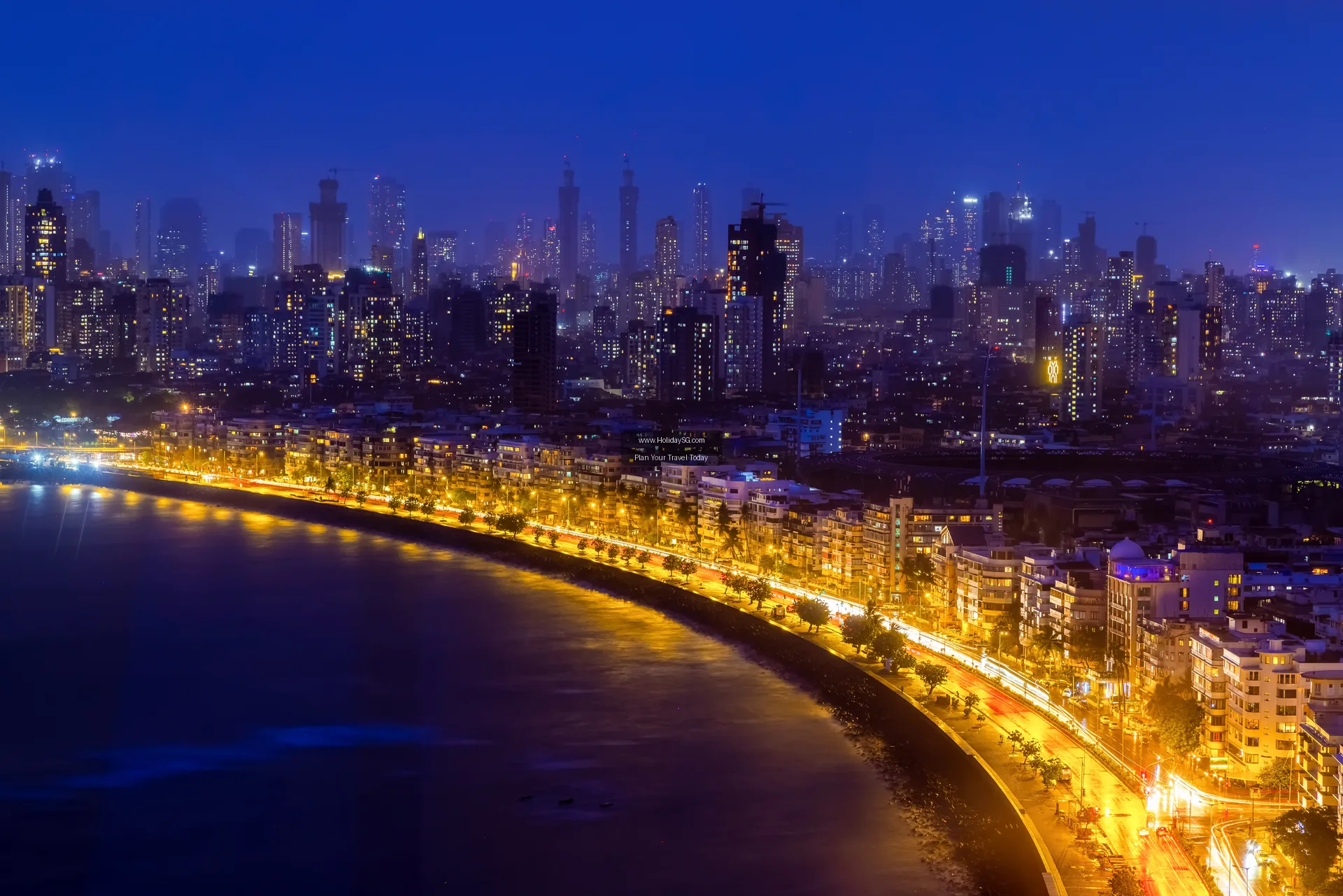
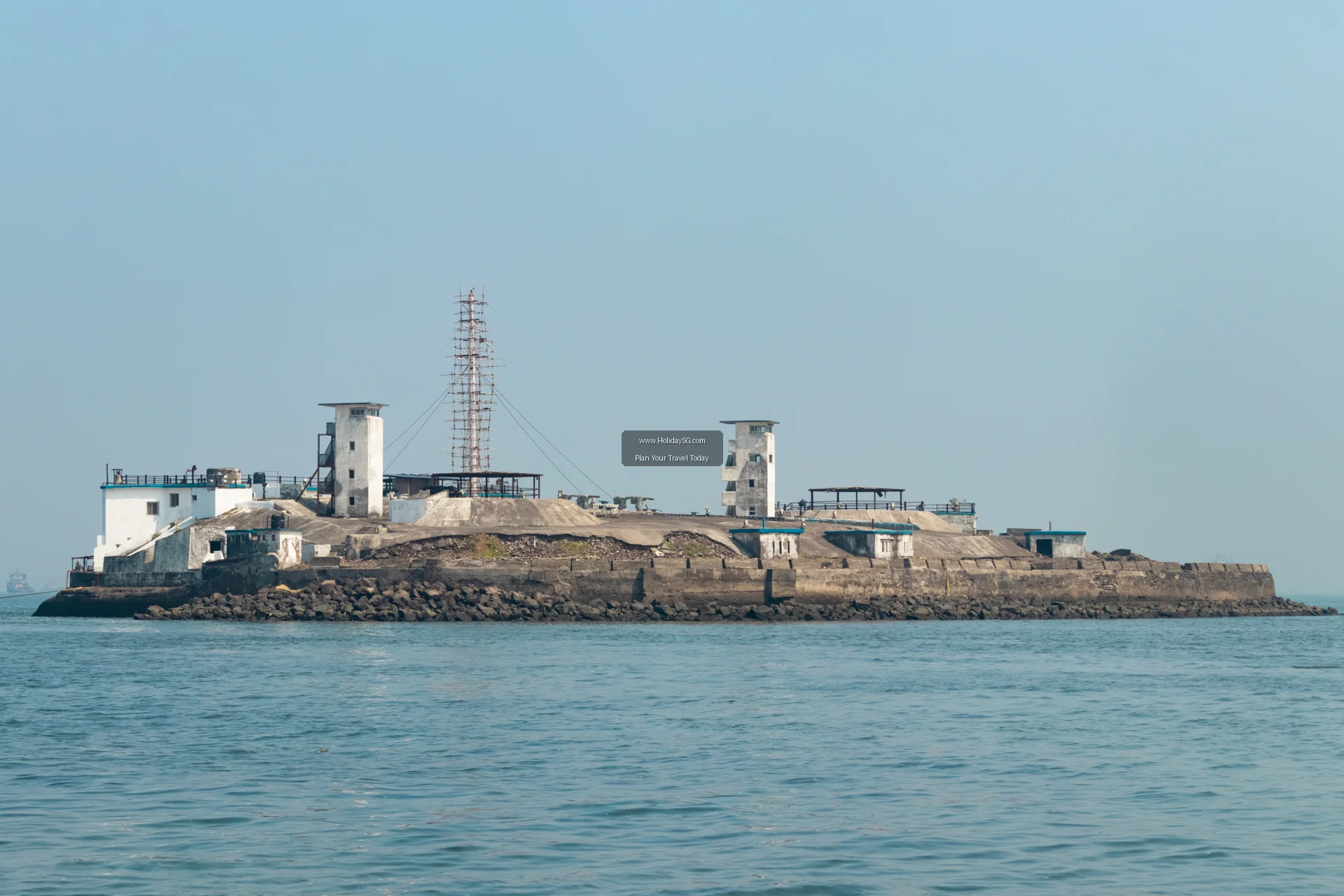
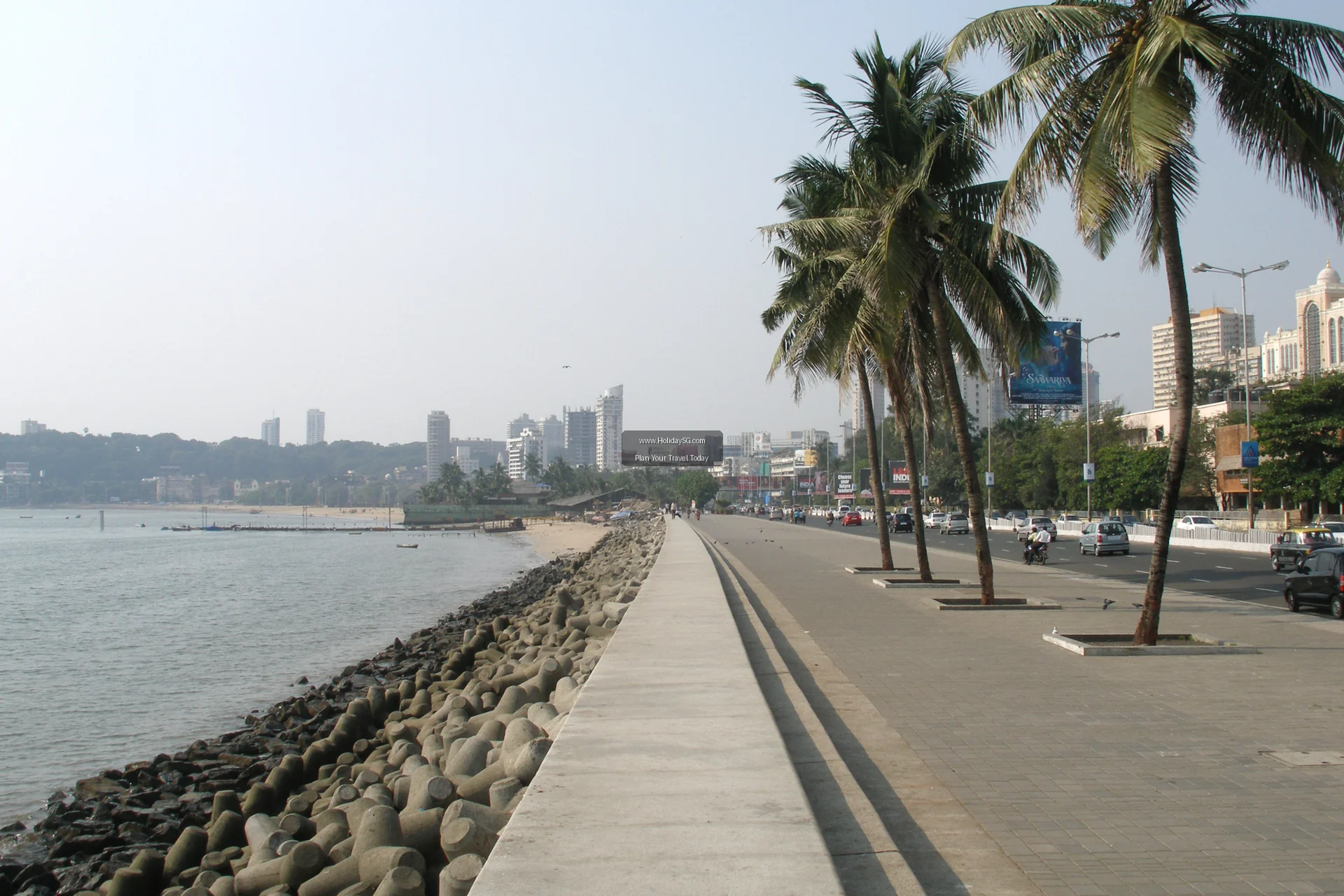
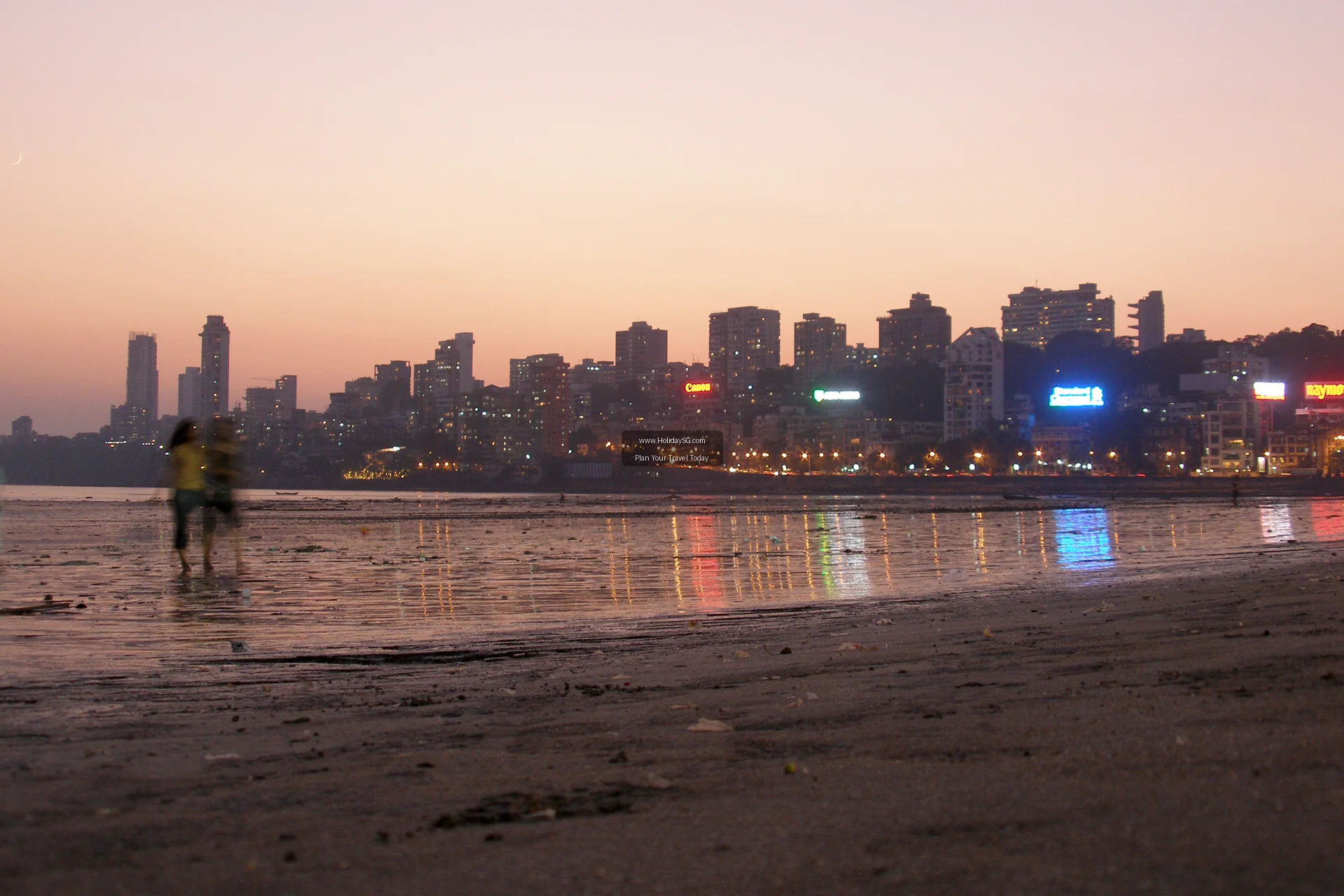
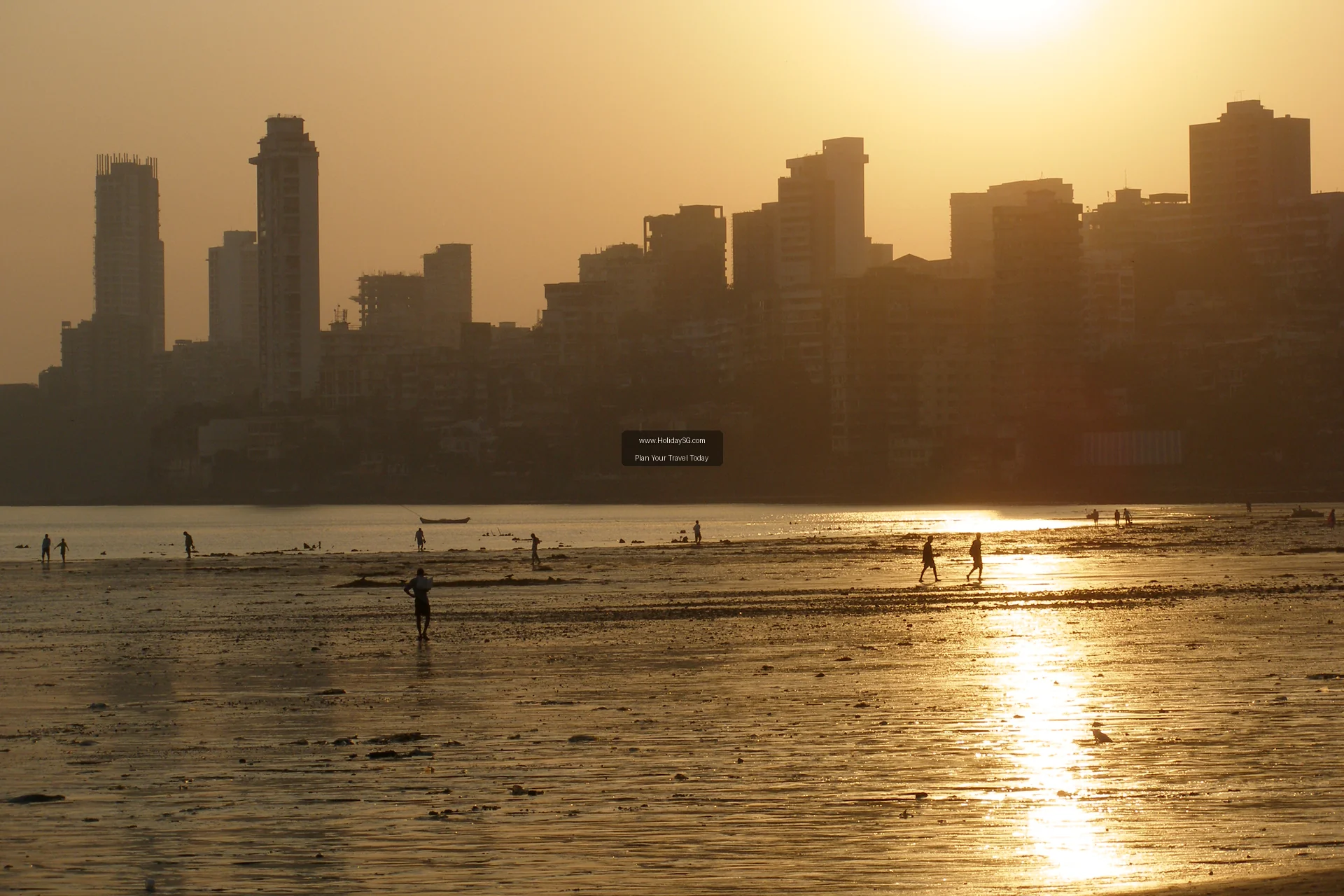
Mumbai is India’s financial and entertainment capital, where colonial architecture meets modern energy. The Gateway of India and Elephanta Caves are must-visit historical sites, while Marine Drive offers a scenic promenade perfect for sunset walks. For a taste of Bollywood, take a studio tour or catch a live show. Mumbai’s street food, from vada pav to pav bhaji, is legendary, and the city’s nightlife is vibrant, with rooftop bars and live music venues.
Wildlife & Nature Escapes
India is a haven for wildlife enthusiasts. Ranthambore National Park in Rajasthan is one of the best places to spot Bengal tigers, while Kaziranga National Park in Assam is home to the one-horned rhinoceros. The Sundarbans in West Bengal is a unique mangrove forest where you can spot Royal Bengal tigers on a boat safari. In Periyar National Park in Kerala, elephant sightings and boat rides through the forest are highlights.
Best Time to Visit India
India’s climate varies dramatically by region, so timing your trip is key.
- October to March (Peak Season): This is the best time to visit most of India, with cool, dry weather ideal for exploring the Golden Triangle, Rajasthan, and Kerala. Festivals like Diwali (October/November) and the Pushkar Camel Fair (November) add to the experience.
- April to June (Summer & Himalayan Treks): The plains can be scorching (30–45°C), but this is the perfect time for Himalayan treks in Leh-Ladakh, Himachal Pradesh, and Uttarakhand. Hill stations like Shimla and Darjeeling offer a cool escape.
- July to September (Monsoon Season): Heavy rains transform Kerala and Goa into lush green paradises, but trekking in the Himalayas is risky due to landslides. Rural roads may flood, so plan accordingly.
Budget & Costs for Traveling in India
India is one of the most affordable travel destinations, but costs vary depending on your style.
- Budget Travel: ₹1,500–₹3,000 ($18–$36 USD) per day covers hostels, street food, public transport, and budget hotels.
- Mid-Range Travel: ₹3,000–₹8,000 ($36–$96 USD) per day includes private rooms, domestic flights, guided tours, and mid-tier restaurants.
- Luxury Travel: ₹10,000+ ($120+ USD) per day gets you boutique hotels, heritage stays, private drivers, and fine dining.
Transportation Costs
- Domestic Flights: ₹3,000–₹8,000 ($36–$96 USD) one-way (e.g., Delhi to Goa). Book 2–3 months in advance for the best deals.
- Trains: ₹500–₹3,000 ($6–$36 USD) for sleeper/AC classes (e.g., Delhi to Varanasi).
- Taxis/Private Drivers: ₹2,500–₹4,000 ($30–$48 USD) per day for Golden Triangle tours or long-distance travel.
Accommodation Options
- Hostels & Guesthouses: ₹500–₹1,500 ($6–$18 USD) per night.
- Mid-Range Hotels: ₹2,000–₹5,000 ($24–$60 USD) per night, often with breakfast.
- Luxury & Heritage Stays: ₹8,000+ ($96+ USD) per night, including palace hotels in Rajasthan or boutique resorts in Goa.
Visa & Entry Requirements
India’s e-Visa system makes entry hassle-free for most travelers.
- e-Visa: Available for 30 days, 1 year, or 5 years (multiple entries). Apply online at the Indian e-Visa Portal at least 4–7 days before travel.
- Passport Validity: Must be valid for at least 6 months from your arrival date.
- Vaccinations: Recommended vaccines include Hepatitis A/B, Typhoid, and Tetanus. Yellow Fever vaccination is required if arriving from an endemic country.
Getting Around India: Transportation Tips
India’s transportation network is extensive but can be overwhelming. Here’s how to navigate it:
Trains
India’s rail network is one of the largest in the world. Book tickets via HolidaySG or apps like HolidaySG or ConfirmTkt. Popular classes include:
- Sleeper Class: Budget-friendly but basic (₹500–₹1,000).
- 3AC (Air-Conditioned 3-Tier): Comfortable for overnight journeys (₹1,500–₹2,500).
- 2AC/1AC: Luxury options with privacy (₹2,500–₹5,000).
For last-minute bookings, use the Tatkal scheme (available 1 day in advance).
Domestic Flights
Budget airlines like IndiGo, SpiceJet, and Vistara offer affordable fares. Book 2–3 months in advance for a great selection of. Major airports include Delhi, Mumbai, Bengaluru, and Chennai.
Metro Systems
Cities like Delhi, Mumbai, Bengaluru, Chennai, and Kolkata have efficient metro networks. Fares are cheap (₹10–₹50 per ride), and women-only compartments are available in Delhi.
Auto-Rickshaws & Taxis
Use ride-hailing apps like Uber or Ola for fair pricing. If hailing an auto-rickshaw, insist on the meter or negotiate the fare upfront. For intercity travel, RedBus is a reliable platform for booking private buses.
Cultural & Practical Travel Tips
Dress Code & Etiquette
- Modest Clothing: Cover shoulders and knees when visiting temples or rural areas. Lightweight fabrics like cotton or linen are ideal for the heat.
- Footwear: Remove shoes before entering temples, homes, and some shops.
Bargaining & Shopping
- Markets: Bargaining is expected in places like Delhi’s Chandni Chowk or Jaipur’s bazaars. Start at 50% of the asking price and negotiate with a smile.
- Fixed-Price Stores: Government emporiums and malls have fixed prices, making them great for authentic souvenirs.
Tipping & Local Customs
- Restaurants: Tip 10% if service isn’t included.
- Drivers & Guides: ₹50–₹100 ($0.60–$1.20 USD) per day is appreciated.
Language & Communication
- Hindi: Widely spoken, but English is common in tourist areas. Learn basic phrases like “Namaste” (hello) and “Dhanyavaad” (thank you).
- Staying Connected: A local SIM card or eSIM is essential for navigation and communication. Consider the 14-Day 15GB Unlimited India Traveller eSIM for instant activation and nationwide coverage.
Safety for Travelers
- Scams: Common in tourist hubs. Ignore touts offering “special entry” to attractions like the Taj Mahal—always buy tickets at official counters.
- Women’s Safety: Dress conservatively, avoid walking alone at night, and use women-only train compartments (e.g., Delhi Metro).
Health & Safety in India
Food & Water Safety
- Water: Drink only bottled or filtered water. Avoid ice in drinks from street vendors.
- Street Food: Stick to busy stalls with high turnover. Try pani puri, samosas, and vada pav, but avoid raw items if you have a sensitive stomach.
Monsoon & Altitude Precautions
- Monsoon: Carry mosquito repellent to prevent dengue and malaria. Avoid wading in floodwaters.
- Altitude Sickness: Acclimatize in Leh-Ladakh for 1–2 days before trekking. Drink plenty of water and avoid alcohol.
Emergency Contacts
- Police: 100
- Ambulance: 102
- Tourist Helpline: 1363 or 1800-11-1363
- Travel Insurance: Highly recommended for medical emergencies and trip cancellations.
Must-Try Experiences in India
Cultural & Spiritual Highlights
- Sunrise at the Taj Mahal: Arrive early to avoid crowds and witness the marble monument glow in the morning light.
- Varanasi Ganges Aarti: A mesmerizing evening ceremony on the ghats, where priests offer prayers to the river.
- Kerala Houseboat Stay: Spend a night on a traditional kettuvallam (houseboat) in the backwaters of Alleppey.
Adventure & Outdoor Activities
- Trekking in the Himalayas: Explore the Valley of Flowers or the Roopkund Trek for breathtaking views.
- White-Water Rafting in Rishikesh: The Ganges offers thrilling rapids for all levels.
- Paragliding in Bir Billing: Soar over the Himalayan foothills for an unforgettable experience.
Food & Festivals
- Street Food: Must-tries include chaat (savory snacks), dosa (South Indian crepe), and masala chai (spiced tea).
- Regional Thalis: Sample a Rajasthani thali (lentils, bread, and curries) or a South Indian thali (rice, sambar, and coconut chutney).
- Festivals: Plan your trip around Diwali (festival of lights), Holi (festival of colors), or the Pushkar Camel Fair (November).
Common Traveler Questions & Answers
Is India safe for solo female travelers?
Yes, but take precautions. Stick to well-populated areas, dress modestly, and avoid walking alone at night. Popular solo-friendly destinations include Goa, Kerala, and Rajasthan. Use trusted transport like Uber or Ola, and consider joining group tours for added safety.
How much cash should I carry?
Carry ₹10,000–₹20,000 ($120–$240 USD) in small bills for rural areas, markets, and small shops. ATMs are widely available in cities, but withdrawal fees range from ₹200–₹500 per transaction. Notify your bank before traveling to avoid card blocks.
Can I use credit cards in India?
Yes, but cash is king in markets, trains, and rural areas. Credit cards are accepted in hotels, upscale restaurants, and malls. Always carry some cash for small purchases and tips.
What’s the best way to book trains?
Use the HolidaySG website or apps like HolidaySG or ConfirmTkt to check seat availability and book tickets. For last-minute bookings, use the Tatkal scheme (available 1 day in advance). Consider booking a 3AC or 2AC class for comfort on overnight journeys.
Do I need a guide for major attractions?
Not mandatory, but guides add depth to your experience. Hire government-approved guides at ticket counters (₹1,000–₹2,000/day). They can help you navigate crowds, share historical insights, and avoid scams.
How do I avoid touts at tourist sites?
Ignore unsolicited help and buy tickets at official counters. Pre-book tours via reputable agencies like MakeMyTrip or Thrillophilia. If someone tells you an attraction is “closed,” verify it yourself—it’s likely a scam.
What’s the deal with “Indian time”?
Expect delays in trains, tours, and meetings. Build buffer time into your itinerary and embrace the relaxed pace. Patience is key!
Can I drink tap water?
No. Stick to bottled water (check the seal) or use a LifeStraw filter bottle to avoid waterborne illnesses. Avoid ice in drinks from street vendors.
Best Travel Guide Books for India
A good travel guide book for India can be your best friend in this diverse country. Here are the top picks:
- Lonely Planet India: The most comprehensive guide for first-timers, with detailed maps, itineraries, and practical tips.
- Rough Guides India: Offers deep cultural insights and offbeat recommendations, perfect for travelers seeking authentic experiences.
- DK Eyewitness India: A visual guide with stunning photography, historical context, and regional maps.
- Moon India: Focuses on practical tips and regional highlights, ideal for independent travelers.
- Bradt Travel Guides: Specialized guides for Kerala, Rajasthan, and other regions, great for in-depth exploration.
- India: A Sacred Geography (Diana L. Eck): Not a traditional guidebook, but a fascinating read for understanding India’s spiritual and cultural landscape.
Digital Resources for Traveling in India
Essential Travel Apps
- Google Maps: Download offline maps for navigation in areas with poor connectivity.
- Google Translate: Use the Hindi language pack for translations on the go.
- Ola/Uber: Reliable ride-hailing apps for taxis and auto-rickshaws.
- HolidaySG Rail Connect: Book train tickets and check seat availability.
- Zomato: Find the best restaurants and read reviews.
Helpful Websites
- Incredible India: The official tourism site with destination guides and travel tips.
Packing Essentials for India
Clothing & Footwear
- Lightweight, breathable fabrics: Cotton or linen for hot weather.
- Scarf/shawl: For covering shoulders in temples and protection from the sun.
- Comfortable walking shoes: Essential for exploring cities and forts.
- Sandals: Easy to remove for temple visits.
Travel Gear & Electronics
- Power bank: Keep your phone charged during long sightseeing days.
- Universal adapter: India uses Type D/M plugs (230V).
- Portable Wi-Fi hotspot: Stay connected on the go, especially in rural areas.
- Reusable water bottle with filter: Reduce plastic waste and ensure safe drinking water.
Health & Hygiene
- Hand sanitizer & wet wipes: For hygiene on the go.
- Basic first-aid kit: Include antidiarrheal medication, rehydration salts, and pain relievers.
- Mosquito repellent: DEET-based to prevent dengue and malaria.
- Sunscreen & sunglasses: Protect yourself from the strong Indian sun.
Important Documents
- Passport: With at least 6 months’ validity and photocopies.
- e-Visa printout: Keep a digital and physical copy.
- Travel insurance: Covers medical emergencies and trip cancellations.
- International driving permit: If you plan to rent a vehicle.
Recommended HolidaySG Tours
Stay connected during your trip with these reliable options:
- 14 Day 15gb Unlimited India Traveller Esim Instant Activation Nationwide
- Sim Card India Data Plan Tourist Simcard Internet Travel Package Total Data
- Sim Card India Data Plan Tourist Simcard Internet Travel Package Daily Data
- India Esim Free Roaming Mobile Data
India is a destination that will challenge, inspire, and captivate you. From the bustling streets of Delhi to the serene backwaters of Kerala, every corner of this country offers a unique experience. Equip yourself with the best travel guide books for India, plan your trip wisely, and embrace the adventure with an open mind. Ready to explore? Stay connected with our 14 Day 15gb Unlimited India Traveller Esim Instant Activation Nationwide →
Book these with HolidaySG:
Book with HolidaySG online for 14 Day 15gb Unlimited India Traveller Esim Instant Activation Nationwide, Sim Card India Data Plan Tourist Simcard Internet Travel Package Total Data, Sim Card India Data Plan Tourist Simcard Internet Travel Package Daily Data.
More Photos from HolidaySG
“`html
Frequently Asked Questions
Where can I book a SIM card or eSIM for India?
- 14-Day 15GB Unlimited India Traveller eSIM (Nationwide Coverage)
- India Tourist SIM Card with Total Data Plan
- India Tourist SIM Card with Daily Data Plan
- India eSIM with Free Roaming Mobile Data
- Airalo India eSIM Package
These options provide instant activation and nationwide coverage, ideal for travelers.
Do foreigners (non-citizens) need a different ticket, price, or visa for India?
Yes, foreigners typically require a visa to enter India. Tourist visas can be obtained online via the Indian e-Visa portal. Prices and requirements vary by nationality, so check the official website for the most up-to-date information. Some attractions may also have different entry fees for foreigners, often higher than those for Indian citizens. Always carry your passport and visa while traveling in India.
What is the best time to visit India?
The best time to visit India is generally between October and March, when the weather is cooler and more comfortable for travel. This period is ideal for exploring northern regions like Delhi, Rajasthan, and the Golden Triangle. For southern India, November to February offers pleasant temperatures. Avoid the monsoon season (June to September) in most regions, as heavy rains can disrupt travel plans. For hill stations like Shimla or Darjeeling, April to June is ideal for escaping the heat.
How long should I spend in India to explore it properly?
The ideal duration depends on your itinerary. For a highlights tour of the Golden Triangle (Delhi, Agra, Jaipur), 7–10 days is sufficient. To explore multiple regions (e.g., North India + Goa or Kerala), plan for 2–3 weeks. For a comprehensive experience covering diverse landscapes and cultures, 4–6 weeks is recommended. India is vast, so prioritize destinations based on your interests.
What is the currency in India, and how much should I budget for a trip?
The currency in India is the Indian Rupee (INR). Budgeting depends on your travel style:
- Budget travelers: INR 1,500–3,000 per day (hostels, street food, public transport)
- Mid-range travelers: INR 4,000–8,000 per day (hotels, restaurants, private transport)
- Luxury travelers: INR 10,000+ per day (5-star hotels, fine dining, guided tours)
ATMs are widely available, but carry some cash for rural areas and small vendors.
How do I get around in India?
India offers diverse transport options:
- Domestic flights: Fastest for long distances (e.g., Delhi to Kerala). Book via airlines like IndiGo or Vistara.
- Trains: Overnight sleeper trains are popular.
- Buses: State-run and private buses connect cities. AC buses are more comfortable.
- Taxis/Ride-hailing: Use Uber or Ola for convenience. Auto-rickshaws are common but negotiate fares beforehand.
- Metro: Available in cities like Delhi, Mumbai, and Bengaluru for quick urban travel.
Is India safe for solo female travelers?
India can be safe for solo female travelers with precautions. Stick to well-populated areas, avoid traveling alone at night, and dress modestly to blend in. Use trusted transport like Uber or prepaid taxis. Research safe accommodations (e.g., female-friendly hostels or hotels). While incidents are rare, stay vigilant and trust your instincts. Many women travel solo in India without issues, but awareness is key.
What should I pack for a trip to India?
Packing essentials for India include:
- Lightweight, breathable clothing (cover shoulders/knees for temples)
- Comfortable walking shoes (cobblestone streets are common)
- Sunscreen, sunglasses, and a hat (sun protection is crucial)
- Insect repellent (especially for rural areas)
- Hand sanitizer and wet wipes (useful for hygiene)
- Universal adapter (India uses Type D/M plugs, 230V)
- Reusable water bottle with a filter (avoid tap water)
- Basic first-aid kit (including diarrhea medication)
- Scarf or shawl (for temples and chilly evenings)
- Copies of important documents (passport, visa, travel insurance)
Do I need travel insurance for India?
Yes, travel insurance is highly recommended for India. It covers medical emergencies, trip cancellations, lost luggage, and other unforeseen events. Healthcare costs can be high for foreigners, so ensure your policy includes medical evacuation. Compare plans to find one that suits your itinerary, especially if you plan adventure activities like trekking or wildlife safaris.
What are the must-visit destinations in India?
India’s top destinations include:
- Delhi: Historic sites like the Red Fort and Qutub Minar.
- Agra: Home to the iconic Taj Mahal.
- Jaipur: The “Pink City” with palaces and forts.
- Varanasi: Spiritual capital on the Ganges River.
- Kerala: Backwaters, tea plantations, and beaches.
- Goa: Beaches, nightlife, and Portuguese heritage.
- Mumbai: Bollywood, Gateway of India, and street food.
- Himalayas: Trekking in Himachal Pradesh or Uttarakhand.
- Rajasthan: Desert cities like Jaisalmer and Udaipur.
- Andaman Islands: Pristine beaches and diving spots.
What is the local etiquette I should follow in India?
Respecting local customs enhances your experience:
- Greet with “Namaste” (hands pressed together) instead of handshakes.
- Dress modestly, especially in religious sites (cover shoulders/knees).
- Remove shoes before entering temples or homes.
- Avoid public displays of affection (it’s frowned upon).
- Use your right hand for eating or passing items (the left is considered unclean).
- Ask before taking photos of people, especially in rural areas.
- Bargain politely in markets, but don’t overdo it.
- Respect religious practices (e.g., no leather in Jain temples).
Is India family-friendly for travelers with kids?
Yes, India is family-friendly but requires planning. Kids will enjoy wildlife safaris (Ranthambore, Kaziranga), beaches (Goa, Andamans), and interactive experiences like elephant rides in Jaipur. However, long travel times, spicy food, and crowded places can be challenging. Opt for family-friendly hotels with pools, pack snacks, and plan shorter sightseeing days. Avoid peak summer heat (April–June) for comfort.
What are the best foods to try in India?
India’s cuisine is diverse and flavorful. Must-try dishes include:
- North India: Butter chicken, dal makhani, biryani, and parathas.
- South India: Dosa, idli, sambar, and seafood curries.
- Street Food: Chaat, pani puri, vada pav, and samosas.
- Desserts: Gulab jamun, rasgulla, and jalebi.
- Regional Specialties: Hyderabadi biryani, Goan vindaloo, and Bengali fish curry.
Eat at reputable restaurants or busy street stalls to avoid hygiene issues.
How do I stay connected to the internet in India?
Staying connected is easy with local SIM cards or eSIMs. Purchase a tourist SIM at the airport or book in advance online (e.g., HolidaySG’s India SIM cards). Major providers like Airtel, Jio, and Vi offer good coverage. Alternatively, use an eSIM for instant activation (e.g., Airalo India eSIM). Free Wi-Fi is available in hotels and cafes, but it’s often slow or unreliable.
What are the visa requirements for India?
Most travelers need an e-Visa, available online via the Indian e-Visa portal. Options include:
- Tourist e-Visa: 30-day, 1-year, or 5-year validity (multiple entries).
- Business e-Visa: For short-term business visits.
- Medical e-Visa: For medical treatment.
Processing takes 3–5 business days. Check the official website for eligibility and updates.
Is India accessible for travelers with disabilities?
Accessibility in India varies. Major cities like Delhi and Mumbai have improved infrastructure (e.g., ramps, accessible metro stations), but rural areas and older buildings may lack facilities. Many tourist sites (e.g., Taj Mahal, Red Fort) have wheelchair access, but cobblestone streets and uneven terrain can be challenging. Plan ahead, book accessible accommodations, and hire a local guide for assistance.
What are the typical costs for attractions in India?
Entry fees vary by site:
- Taj Mahal: INR 1,300 for foreigners (INR 250 for Indians).
- Red Fort (Delhi): INR 600 for foreigners (INR 90 for Indians).
- Hawa Mahal (Jaipur): INR 200 for foreigners (INR 50 for Indians).
- Kerala backwaters cruise: INR 1,000–3,000 per person.
- Wildlife safari (Ranthambore): INR 1,500–2,500 per jeep.
Many temples are free or charge a small fee (INR 10–50).
What are the best day trips from major Indian cities?
Popular day trips include:
- From Delhi: Agra (Taj Mahal), Jaipur, or Neemrana Fort.
- From Mumbai: Elephanta Caves, Lonavala, or Matheran.
- From Bengaluru: Mysore (palaces), Nandi Hills, or Coorg.
- From Chennai: Mahabalipuram (temples) or Pondicherry.
- From Kolkata: Sundarbans (mangrove forests) or Darjeeling.
What are the common scams to avoid in India?
Be aware of these common scams:
- Taxi overcharging: Use Uber/Ola or prepaid taxis.
- Fake tour guides: Hire licensed guides at attractions.
- Gem scams: Avoid “too good to be true” deals on jewelry.
- Currency exchange tricks: Use authorized exchange counters.
- Beggar scams: Politely decline or donate to reputable charities.
- Temple donations: Verify where your money goes before donating.
Research and stay alert to avoid falling victim.
What is the weather like in India?
India’s weather varies by region:
- North India: Hot summers (April–June), monsoon (July–September), cool winters (October–March).
- South India: Tropical climate; monsoon (June–September and October–December).
- Himalayas: Cold winters (snow in December–February), pleasant summers (April–June).
- Coastal areas (Goa, Kerala): Warm year-round; monsoon (June–September).
Check forecasts before traveling, as extreme weather can disrupt plans.
Can I use credit cards in India, or should I carry cash?
Credit cards (Visa/Mastercard) are widely accepted in hotels, upscale restaurants, and malls, but cash is king in markets, street stalls, and rural areas. Carry INR 500–1,000 notes for small purchases. Notify your bank before traveling to avoid card blocks. ATMs are plentiful, but use those attached to banks to avoid skimming.
What are the best ways to experience Indian culture?
Immerse yourself in Indian culture with these experiences:
- Attend a traditional dance or music performance (e.g., Kathak, Bharatanatyam).
- Take a cooking class to learn regional dishes.
- Visit local festivals (e.g., Diwali, Holi, Durga Puja).
- Stay in a heritage homestay or palace hotel.
- Explore rural villages to see traditional crafts (e.g., block printing, pottery).
- Participate in a yoga or meditation retreat (Rishikesh is famous for this).
- Volunteer with NGOs for community-based tourism.
“`
What things cost in India
Live HolidaySG prices for the experiences in this guide, so you can sanity-check a budget before you commit.
| Experience | Where | From price |
|---|---|---|
| 080 Domestic Lounge Kempegowda International Airport | Bangalore | From S$45.25 |
| 080 International Lounge Kempegowda International Airport | Bangalore | From S$50.91 |
| 080 Lounge (Domestic T2) Kempegowda International Airport | Bangalore | From S$40.38 |
| 080 Lounge - Arrival T2 Kempegowda International Airport | Bangalore | From S$46.47 |
| Bird Lounge Biju Patnaik Airport | Bhubaneswar | From S$26.19 |
| Bird Lounge Jolly Grant Airport | Dehradun | From S$26.19 |
| Bird Lounge Kozhikode International Airport | Calicut | From S$32.11 |
| Encalm Lounge (Domestic) Manohar International Airport | Goa | From S$42.83 |