

Indonesia in 2026 remains one of Southeast Asia’s most magnetic destinations—a sprawling archipelago where emerald rice terraces meet turquoise waters, ancient temples whisper history, and adventure lurks around every volcanic corner. Whether you’re a first-time visitor drawn to Bali’s beaches or a seasoned traveler chasing Komodo dragons in the wild, this travel in Indonesia (2026 foreigner guide) cuts through the noise to deliver what you *actually* need to know: when to go, how to navigate visas, where to find hidden gems, and how to travel smarter (and safer) than the average tourist.
Indonesia’s dry season (April–October) is ideal for most trips, with visa-free entry for 90+ nationalities. Budget $30–$150/day depending on your style, and prioritize Telkomsel for reliable connectivity. Beyond Bali, Java’s temples and Sumatra’s jungles offer unforgettable experiences—just pack mosquito repellent and a sense of adventure.
Why Indonesia Should Be Your Next Trip
Few countries pack as much diversity into one destination. In a single trip, you can surf world-class breaks in Uluwatu, trek through orangutan-filled jungles in Sumatra, and dive with manta rays in Raja Ampat—all without leaving the same country. The infrastructure has improved dramatically in recent years, with expanded flight routes, better roads, and a digital nomad scene that’s made Bali and beyond more accessible than ever. Yet despite its popularity, Indonesia still feels refreshingly untamed in places, offering raw, authentic encounters for those willing to venture off the beaten path.
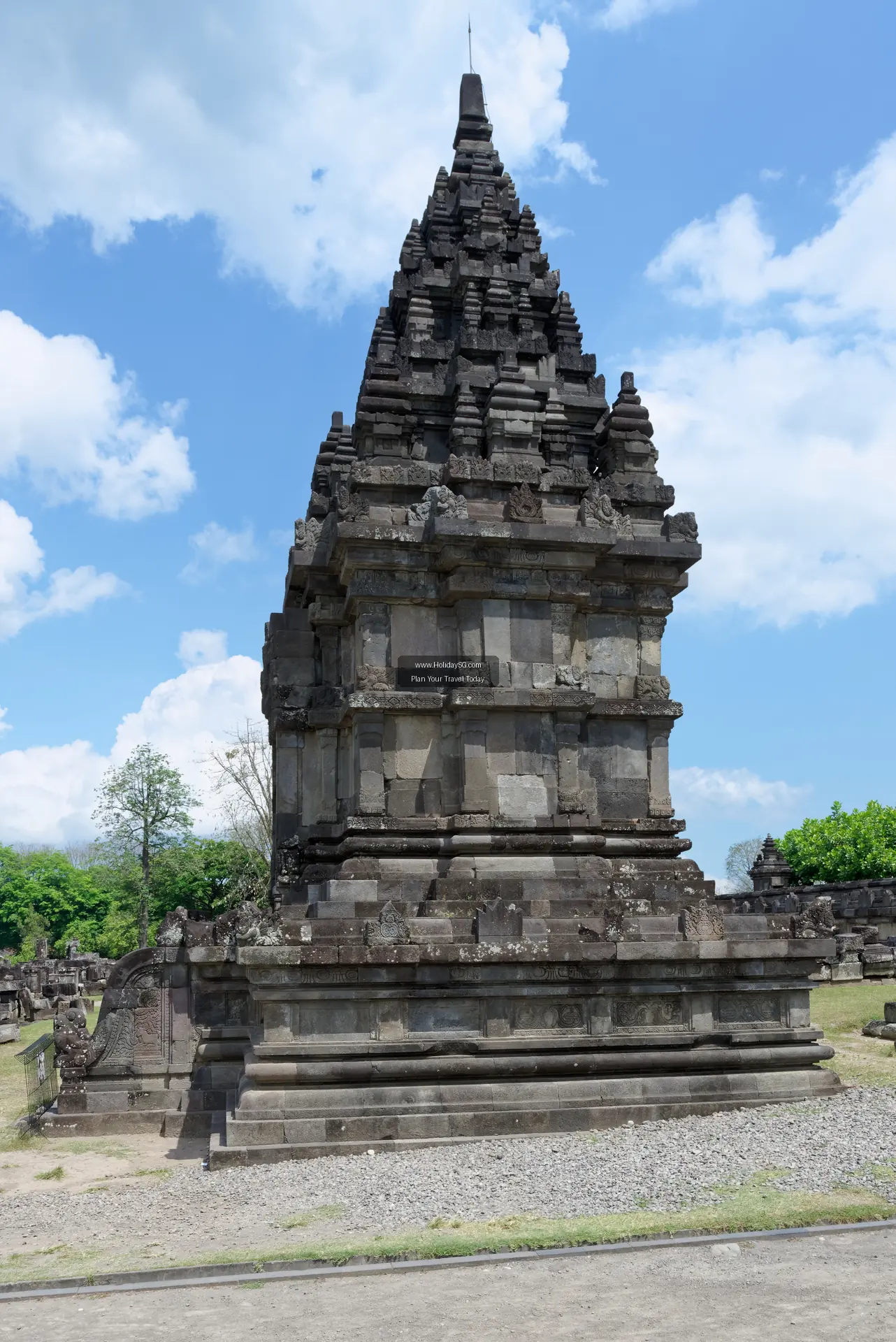
For culture lovers, Java’s ancient temples and Yogyakarta’s batik workshops provide a crash course in Indonesia’s rich heritage. Adventure seekers can hike active volcanoes like Mount Bromo or dive into the world’s most biodiverse marine ecosystems. And if relaxation is the goal, the Gili Islands and Lombok’s pristine beaches offer a quieter alternative to Bali’s crowds. No matter your travel style, Indonesia delivers—and 2026 is shaping up to be the year to explore it.
Where to Go: Indonesia’s Must-Visit Destinations
Bali: More Than Just Beaches
Bali is Indonesia’s most famous island for good reason, but it’s far from a one-trick pony. Ubud, the cultural heart of the island, is a haven for wellness retreats, rice terrace hikes (don’t miss the iconic Tegalalang), and traditional dance performances. For digital nomads and partygoers, Seminyak and Canggu offer beach clubs, coworking spaces, and a vibrant nightlife scene. Meanwhile, Uluwatu’s dramatic cliffs and surf breaks attract thrill-seekers, while its cliffside temples (like Pura Luhur) provide some of the island’s most photogenic sunsets.
Pro tip: Escape the crowds by heading to Sidemen or Amed, where black-sand beaches and laid-back vibes reign supreme.
Java: Temples, Volcanoes, and Culture
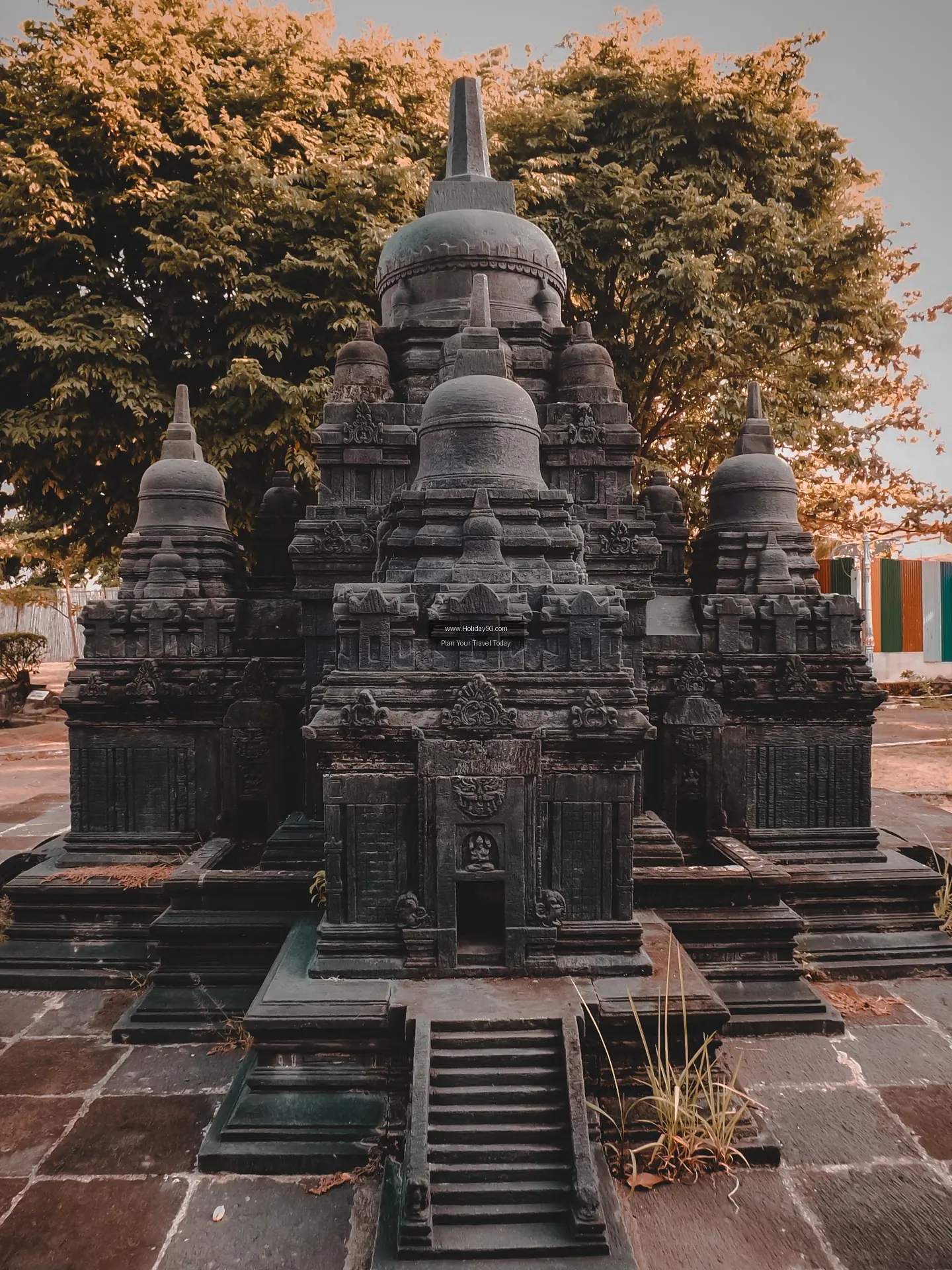
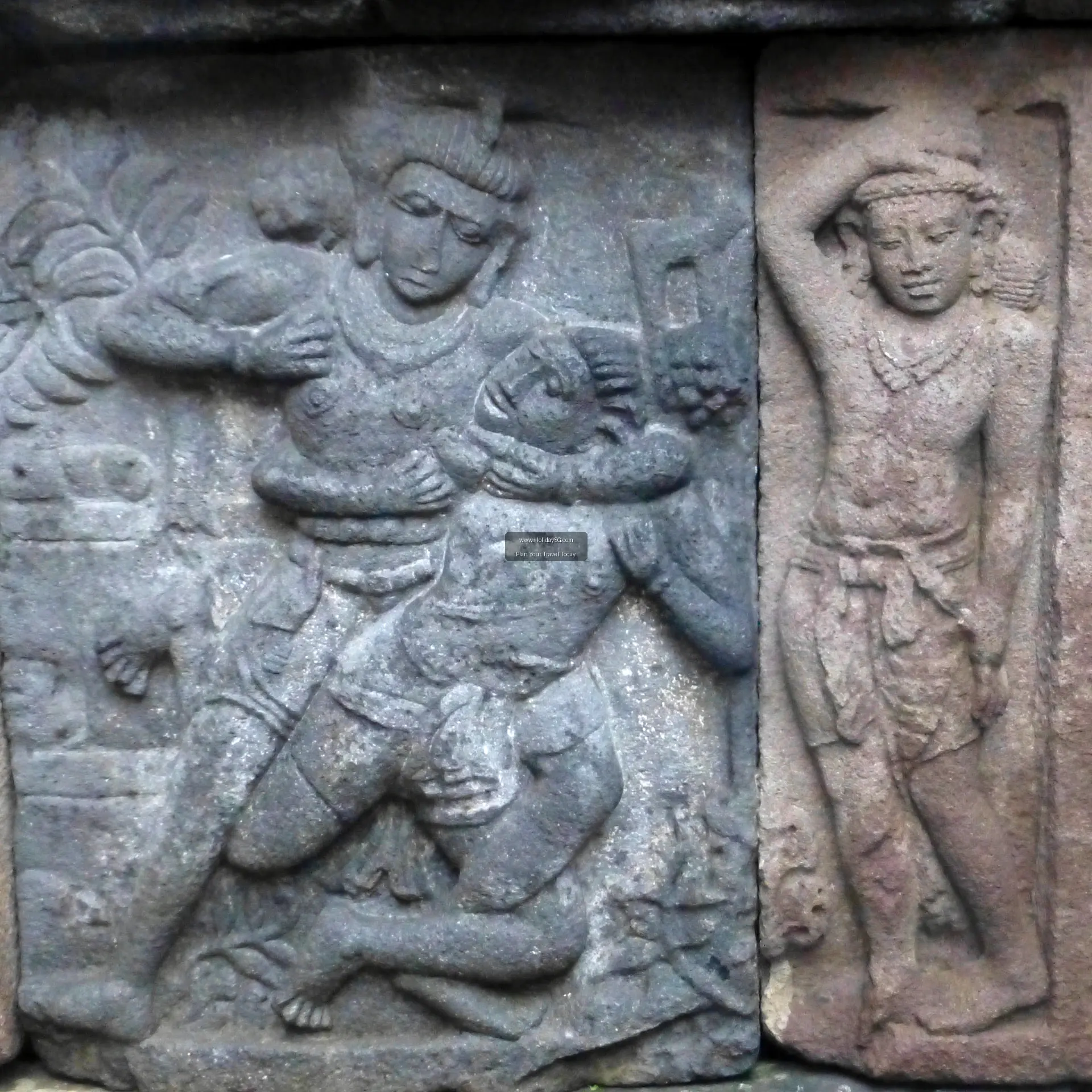
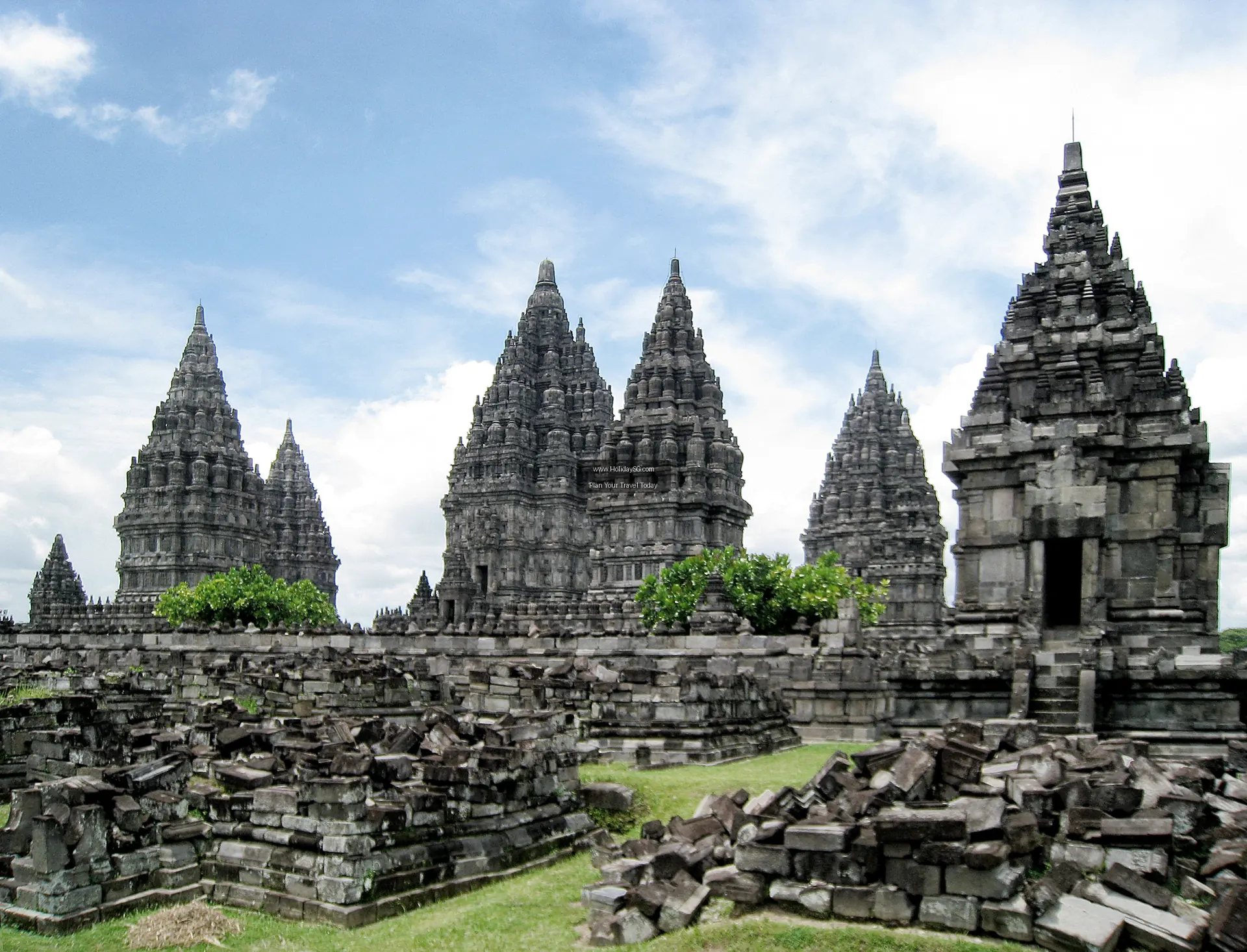
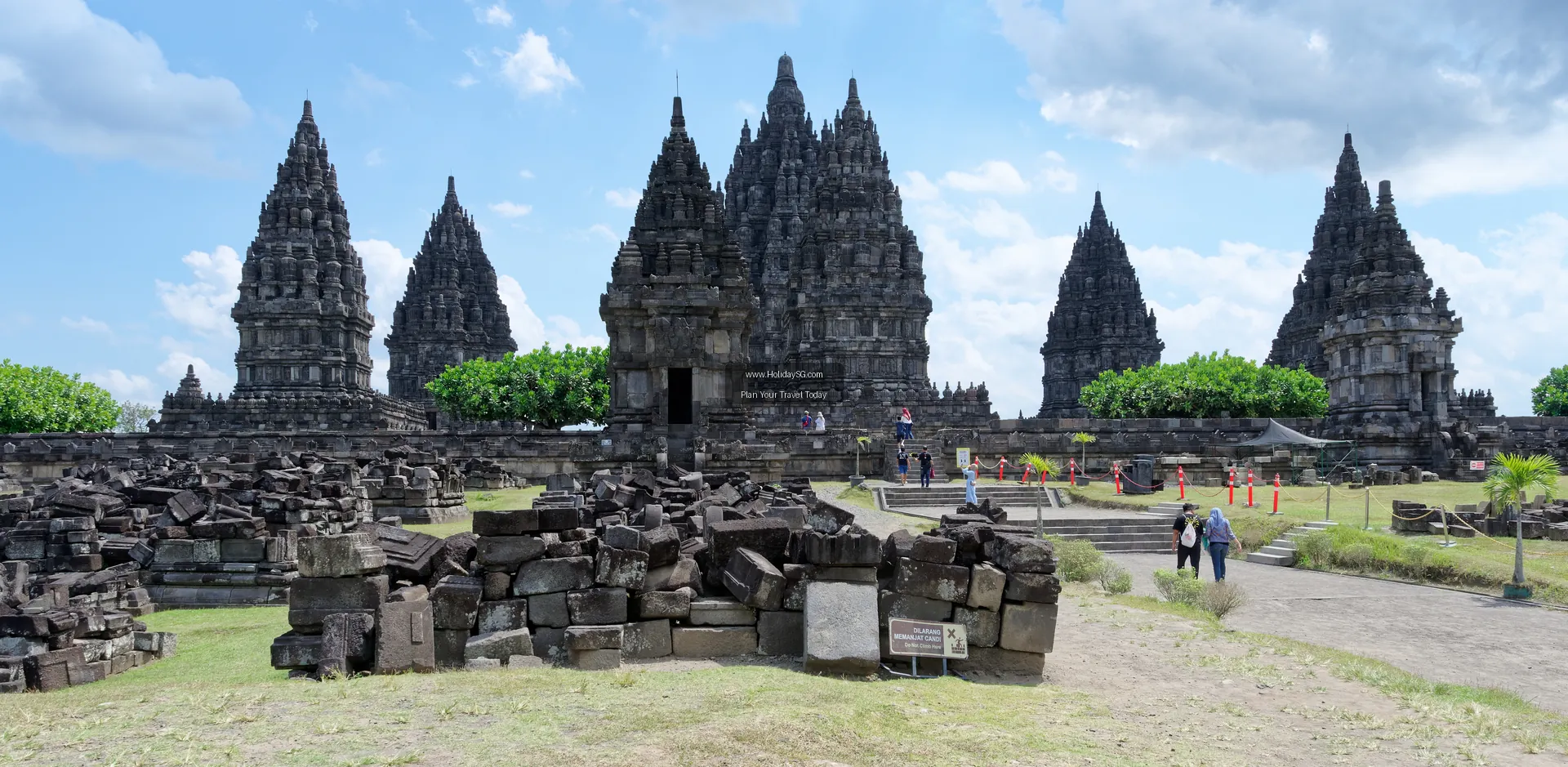
Java is Indonesia’s cultural and historical epicenter, home to two of the country’s most breathtaking UNESCO sites. Borobudur, the world’s largest Buddhist temple, is a masterpiece of stone carvings and stupas, best visited at sunrise when the mist clears to reveal its grandeur. Nearby, Prambanan’s towering Hindu temples offer a similarly awe-inspiring experience, especially during the Ramayana Ballet performances held in the open-air theater.
For adventure, Java doesn’t disappoint. Mount Bromo’s otherworldly landscapes—think smoldering craters and sea-of-sand vistas—are a must for photographers and hikers. Less crowded but equally spectacular is the Ijen Crater, where you can witness the surreal blue flames of a sulfur mine at dawn. Base yourself in Yogyakarta, a city rich in Javanese culture, where you can take batik-making classes, sample gudeg (a sweet jackfruit stew), and explore the Sultan’s Palace.
If you’re short on time, consider a Dieng Plateau tour from Yogyakarta, which packs in volcanic lakes, ancient temples, and surreal highland scenery into a single day.
Sumatra: Wild Jungles and Adventure
Sumatra is Indonesia’s wild frontier, a place where orangutans swing through rainforests and surfers chase perfect waves in the Mentawai Islands. Lake Toba, the world’s largest volcanic lake, is a stunning destination for relaxation and cultural immersion, with the Batak people offering homestays and traditional dance performances. For wildlife lovers, Bukit Lawang is the gateway to Gunung Leuser National Park, where guided treks lead to orangutan sightings and jungle waterfalls.
Surfers should head to the Mentawai Islands, where consistent swells and empty lineups attract pros and amateurs alike. On the mainland, Padang serves as the jumping-off point, with ferries and flights connecting to the islands.
Komodo National Park: Dragons and Diving
Komodo National Park is one of the few places on Earth where you can see Komodo dragons in the wild—these prehistoric-looking creatures can grow up to 10 feet long and weigh over 150 pounds. But the park’s appeal extends far beyond its namesake lizards. The waters surrounding Komodo and Rinca Islands are a diver’s paradise, with vibrant coral reefs, manta rays, and schools of tropical fish. Liveaboard trips are the best way to explore the area, combining diving, snorkeling, and dragon-spotting in one unforgettable adventure.
Raja Ampat: Paradise for Divers and Nature Lovers
If you’ve ever dreamed of swimming in crystal-clear waters teeming with marine life, Raja Ampat is the place to go. Located in West Papua, this remote archipelago is often called the “Amazon of the seas” for its unparalleled biodiversity. Divers can expect encounters with reef sharks, manta rays, and rare species like wobbegong sharks. Even if you’re not a diver, the islands’ pristine beaches, hidden lagoons, and traditional Papuan villages make it worth the journey.
Getting there requires some effort (fly to Sorong via Jakarta or Makassar, then take a boat), but the payoff is a truly off-the-grid experience.
Gili Islands: Car-Free Island Escape
Just a short boat ride from Lombok, the Gili Islands offer a slower pace of life, with no motorized vehicles allowed. Gili Trawangan is the liveliest of the three, with beachfront bars and a vibrant nightlife scene, while Gili Meno and Gili Air are quieter, with white-sand beaches and excellent snorkeling. All three islands are surrounded by coral reefs, making them ideal for diving and swimming with sea turtles.
Hidden Gems: Beyond the Usual Suspects
Indonesia has no shortage of underrated destinations. Flores, for example, is home to Kelimutu’s tri-colored lakes, which change color depending on the time of year. Sulawesi’s Tana Toraja region offers a fascinating glimpse into the unique funeral rituals and tongkonan houses of the Torajan people. And Belitung, with its granite boulders and turquoise waters, feels like a slice of the Caribbean in Indonesia.
When to Visit Indonesia in 2026
Timing your trip to Indonesia depends on where you’re going and what you want to do. The country’s vast size means weather patterns vary significantly from region to region, but here’s a general breakdown:
Dry Season (April–October): Best for Most Travelers
The dry season is the most popular time to visit Indonesia, with sunny skies and lower humidity making it ideal for beach trips, hiking, and exploring. Bali, Java, Lombok, and Komodo are at their best during these months, with calm seas and clear visibility for diving. However, this is also peak tourist season, so expect higher prices and larger crowds, especially in July and August. Book accommodations and flights well in advance if you’re traveling during this period.
Wet Season (November–March): Fewer Crowds, Lower Prices
The wet season brings heavy rains, particularly in December and January, which can disrupt travel plans and limit access to remote areas. However, it’s also a great time to visit if you’re on a budget, as prices drop and crowds thin out. Bali and Java are still accessible during this time, though outdoor activities like hiking and diving may be affected by the weather. Sumatra and Papua, which receive more rainfall year-round, are best visited in the shoulder months (April or October) to avoid the worst of the rain.
Shoulder Months (April & October): The Sweet Spot
April and October offer the best of both worlds: decent weather, fewer tourists, and lower prices. These months are ideal for budget-conscious travelers who want to avoid the crowds without sacrificing too much in terms of weather. Just be mindful of Nyepi, Bali’s Day of Silence, which falls in March 2026. On this day, the entire island shuts down—no flights, no lights, no noise—so plan accordingly.
Key Events and Festivals in 2026
- Nyepi (March 2026): Bali’s Day of Silence is a unique cultural experience, but it’s important to respect the island-wide shutdown.
- Ramadan (dates vary): Indonesia’s Muslim-majority regions, like Java and Sumatra, observe Ramadan with daytime fasting and evening feasts. Expect closures and shorter business hours during this time.
- Bali Arts Festival (June–July): A month-long celebration of Balinese culture, featuring dance performances, art exhibitions, and traditional music.
Indonesia Visa Requirements for Foreigners (2026)
Indonesia’s visa policies are relatively straightforward, but it’s important to check the latest requirements before you travel, as rules can change. Here’s what you need to know for 2026:
Visa-Free Entry
Citizens of over 90 countries, including the US, UK, EU, Australia, and Singapore, can enter Indonesia visa-free for up to 30 days. This is ideal for short trips, but note that the visa cannot be extended. If you plan to stay longer, you’ll need to apply for a Visa on Arrival (VoA) or e-Visa.
Visa on Arrival (VoA)
The VoA is available to travelers from eligible countries and can be extended once for an additional 30 days. As of 2026, the cost is expected to be around $35 USD, but this may change, so check the official immigration website before your trip. The VoA is valid for tourism purposes only and can be obtained at major airports and seaports, including Bali’s Ngurah Rai International Airport and Jakarta’s Soekarno-Hatta International Airport.
e-Visa for Longer Stays
If you plan to stay in Indonesia for more than 60 days or need a visa for business purposes, you’ll need to apply for an e-Visa before your trip. The e-Visa application process is straightforward and can be completed online via the official immigration website. Processing times vary, so apply at least a few weeks before your departure.
Overstaying and Fines
Indonesia takes overstaying very seriously, with fines of around $70 USD per day. If you overstay your visa, you may also face deportation or a ban on re-entering the country. To avoid this, make sure to extend your visa before it expires or leave the country and re-enter if you need more time.
Budgeting for Indonesia: Costs in 2026
Indonesia is a budget-friendly destination, but costs can vary widely depending on your travel style. Here’s a breakdown of what to expect in 2026:
Daily Travel Costs
- Budget travel: $30–$50 USD/day. This covers hostels, street food, and local transportation. You’ll need to be mindful of your spending, but it’s entirely possible to travel comfortably on this budget.
- Mid-range: $70–$150 USD/day. This allows for private rooms in mid-range hotels, meals at restaurants, tours, and domestic flights. It’s a comfortable budget for most travelers.
- Luxury: $200+ USD/day. At this level, you can stay in boutique hotels, private villas, and enjoy premium experiences like private tours and fine dining.
Transportation Costs
- Domestic flights: $50–$150 USD. Flights between major cities like Bali, Jakarta, and Lombok are affordable, especially if you book in advance. Airlines like Garuda Indonesia, Lion Air, and AirAsia offer competitive prices.
- Ferries: Ferries are a budget-friendly way to travel between islands, with tickets costing as little as $10–$30 USD. For example, the ferry from Bali to Lombok takes about 4–5 hours and costs around $20 USD.
- Ride-hailing apps: Gojek and Grab are the cheapest and most reliable way to get around cities. A short ride within a city typically costs $2–$5 USD.
- Motorbike rentals: Renting a motorbike is a popular way to explore Bali and Lombok, with daily rates ranging from $5–$10 USD. Just make sure you have an international driver’s license and are comfortable riding in traffic.
Food and Drink Expenses
- Warungs (local eateries): $2–$5 USD/meal. Warungs are the best place to sample authentic Indonesian cuisine, from nasi goreng (fried rice) to sate (satay).
- Mid-range restaurants: $10–$20 USD/meal. These restaurants offer a mix of Indonesian and Western dishes, with higher prices in tourist areas like Bali.
- Western food: Expect to pay more for Western dishes, especially in tourist-heavy areas. A burger or pizza can cost $10–$15 USD.
Accommodation Options
- Hostels: $5–$15 USD/night. Hostels are a great option for budget travelers and solo adventurers. Many offer private rooms as well as dorms.
- Mid-range hotels: $30–$80 USD/night. These hotels offer private rooms with amenities like air conditioning, Wi-Fi, and breakfast.
- Luxury resorts: $150+ USD/night. For a splurge, Indonesia has no shortage of high-end resorts, from private villas in Bali to overwater bungalows in Raja Ampat.
Getting Around Indonesia: Transportation Guide
Indonesia’s vast size and island geography mean that getting around requires a mix of flights, ferries, and land transportation. Here’s how to navigate the country like a pro:
Domestic Flights
Domestic flights are the fastest way to travel between islands, with airlines like Garuda Indonesia, Lion Air, and AirAsia offering frequent routes. Booking in advance can save you money, and many airlines offer online check-in to streamline the process. Keep in mind that baggage allowances vary, so check the airline’s policy before you pack.
Ferries and Boats
Ferries are a budget-friendly way to travel between islands, but they can be slow and unreliable. Major routes, like Bali to Lombok or Java to Sumatra, are well-served, but smaller islands may have limited schedules. Always check the safety record of the ferry operator and avoid traveling during rough seas.
Trains in Java
Java has Indonesia’s most reliable train network, with routes connecting Jakarta to Yogyakarta, Bandung, and Surabaya. The trains are comfortable and affordable, with options ranging from economy to executive class. Book tickets in advance via the KAI Access app to secure the best seats.
Ride-Hailing and Taxis
Gojek and Grab are the cheapest and most convenient way to get around cities. These apps offer ride-hailing, food delivery, and even massage services, making them a one-stop shop for travelers. Taxis are also available, but they’re often more expensive and less reliable than ride-hailing apps. Always insist on using the meter or agree on a price before you get in.
Motorbike Rentals
Renting a motorbike is a popular way to explore Bali and Lombok, but it’s not for the faint of heart. Traffic can be chaotic, and road conditions vary, so make sure you’re comfortable riding before you hit the road. Always wear a helmet and carry an international driver’s license, as police occasionally set up checkpoints to catch unlicensed riders.
Health and Safety Tips for Travelers
Indonesia is generally a safe destination, but it’s important to take precautions to protect your health and belongings. Here’s what you need to know:
Vaccinations and Health Precautions
Before you travel, check with your doctor to make sure you’re up to date on routine vaccinations like Hepatitis A and B, Typhoid, and Tetanus. If you plan to visit rural or jungle areas, consider getting a Rabies vaccine, as the disease is present in Indonesia. Malaria and dengue fever are also a risk in some regions, so bring mosquito repellent and wear long sleeves and pants, especially at dawn and dusk.
Food and Water Safety
Tap water in Indonesia is not safe to drink, so stick to bottled or filtered water. Avoid ice in drinks unless you’re sure it’s made from purified water. To prevent “Bali belly,” eat at busy warungs where the food is fresh and cooked to order. Avoid raw foods like salads and unpeeled fruits, as they may have been washed in tap water.
Common Scams and How to Avoid Them
Scams are common in tourist areas, so it’s important to stay vigilant. Here are a few to watch out for:
- Overcharging taxis: Always use ride-hailing apps like Gojek or Grab, or insist on using the meter.
- Fake tour operators: Book tours through reputable agencies or your hotel to avoid being scammed.
- Currency scams: Some vendors may try to shortchange you or give you outdated bills. Familiarize yourself with Indonesian Rupiah (IDR) and count your change carefully.
Emergency Contacts
- Police: 110
- Ambulance: 118
- Tourist Police (Jakarta): 021-526-4073
Cultural Etiquette and Local Customs
Indonesia is a predominantly Muslim country, but it’s also home to a diverse range of cultures and religions. Respecting local customs will enhance your experience and help you avoid offending locals. Here are a few key etiquette tips:
Dress Code and Temple Visits
Dress modestly when visiting temples or religious sites. This means covering your shoulders and knees, and sometimes wearing a sarong, which is often provided at the entrance. In Muslim-majority areas, women should avoid wearing revealing clothing, even outside of religious sites.
Greetings and Politeness
Indonesians are warm and friendly, and a little politeness goes a long way. Use the right hand for shaking hands, giving and receiving items, and eating. The left hand is considered unclean, so avoid using it for these purposes. Greetings vary by region, but “Selamat pagi” (good morning), “Selamat siang” (good afternoon), and “Selamat malam” (good evening) are universally understood.
Tipping Culture
Tipping is not mandatory in Indonesia, but it’s appreciated for good service. In restaurants, a 10% tip is standard if a service charge isn’t already included. For drivers and guides, a small tip of $1–$2 USD is sufficient.
Taboos and Respectful Behavior
- Don’t touch heads: The head is considered sacred in Indonesian culture, so avoid touching anyone’s head, even children.
- Avoid public displays of affection: Holding hands is generally acceptable, but kissing and hugging in public are frowned upon.
- Remove shoes: Always take off your shoes before entering someone’s home or a temple.
Internet and Connectivity in Indonesia
Staying connected in Indonesia is easier than ever, thanks to widespread Wi-Fi and affordable SIM cards. Here’s what you need to know:
Wi-Fi and SIM Cards
If you’re looking for a hassle-free option, consider an eSIM from Telkomsel, which offers unlimited data and global coverage without the need to swap physical SIM cards.
Offline Maps and Navigation
Download offline maps via Google Maps or Maps.me before you travel, especially if you plan to visit remote areas. Ride-hailing apps like Gojek and Grab are also essential for getting around cities, with options for cars, motorbikes, and even food delivery.
Language Basics for Travelers
While English is widely spoken in tourist areas, learning a few basic Indonesian phrases will enhance your experience and help you connect with locals. Here are some essentials:
- Greetings:
- “Selamat pagi” (Good morning)
- “Selamat siang” (Good afternoon)
- “Selamat malam” (Good evening)
- Polite requests:
- “Tolong” (Please/Help)
- “Terima kasih” (Thank you)
- Shopping/dining:
- “Berapa harganya?” (How much is this?)
- “Di mana toilet?” (Where is the toilet?)
- “Mau makan” (I want to eat)
Unique Experiences in Indonesia
Indonesia offers a wealth of unique experiences that go beyond the typical tourist trail. Here are a few to consider:
Trekking and Hiking Adventures
- Mount Rinjani (Lombok): A challenging but rewarding trek to the summit of Lombok’s highest volcano, with stunning views of the crater lake.
- Ijen Crater (Java): Hike to the rim of this active volcano to see the surreal blue flames of its sulfur mine at dawn.
- Sumatra’s jungles: Trek through Gunung Leuser National Park in search of orangutans, tigers, and other wildlife.
Wildlife Encounters
- Orangutan trekking in Bukit Lawang: A once-in-a-lifetime opportunity to see these endangered primates in their natural habitat.
- Komodo dragons in Rinca and Padar Islands: Get up close and personal with the world’s largest lizards in Komodo National Park.
Cultural Immersion
- Balinese dance performances: Witness the intricate movements and vibrant costumes of traditional Balinese dance, often performed at temples and cultural centers.
- Batik-making workshops in Yogyakarta: Learn the art of batik, a UNESCO-recognized craft, from local artisans.
- Traditional gamelan music: Listen to the hypnotic sounds of this traditional Indonesian ensemble, often performed in Yogyakarta and Bali.
Water Sports and Adventure
- Surfing in Uluwatu, Mentawai, or Canggu: Indonesia is a surfer’s paradise, with breaks for all skill levels.
- Diving in Raja Ampat, Bunaken, or the Gili Islands: Explore some of the world’s most biodiverse marine ecosystems.
- White-water rafting in Bali: Tackle the rapids of the Ayung or Telaga Waja rivers for an adrenaline rush.
Sustainable and Responsible Travel in Indonesia
Indonesia’s natural beauty is one of its greatest assets, but it’s also under threat from plastic pollution, deforestation, and overtourism. Here’s how you can travel responsibly:
Reduce Plastic Waste
Indonesia is one of the world’s largest contributors to plastic pollution, so do your part to minimize waste. Bring a reusable water bottle and refill it at water stations, which are increasingly common in Bali. Say no to single-use plastics like straws and bags, and support businesses that prioritize sustainability.
Support Local Communities
Eat at warungs, buy handmade souvenirs from local artisans, and use local guides for tours. This ensures that your money goes directly to the people who need it most. Homestays are a great way to experience Indonesian hospitality while supporting local families.
Ethical Wildlife Tourism
Avoid attractions that exploit animals, such as tiger temples or elephant rides. Instead, visit ethical sanctuaries like the Bali Bird Park or the Bali Safari and Marine Park, which prioritize animal welfare.
Protect Coral Reefs
Coral reefs are vital to Indonesia’s marine ecosystems, but they’re also fragile. Use reef-safe sunscreen to avoid damaging coral, and never touch or step on reefs while snorkeling or diving.
FAQs: Common Traveler Questions
Is Indonesia safe for solo female travelers?
Indonesia is generally safe for solo female travelers, but it’s important to take precautions. Dress modestly, avoid isolated areas at night, and be cautious when accepting drinks from strangers. Stick to well-populated areas and use ride-hailing apps like Gojek or Grab for transportation.
Can I use USD or EUR in Indonesia?
While USD and EUR are accepted in some tourist areas, it’s best to use Indonesian Rupiah (IDR) for most transactions. Exchange rates for foreign currency are often poor, so withdraw IDR from ATMs or exchange money at reputable banks or exchange offices.
How do I avoid “Bali belly”?
“Bali belly” is a common affliction for travelers, but it’s easily avoidable. Stick to bottled or filtered water, avoid ice in drinks, and eat at busy warungs where the food is fresh and cooked to order. Avoid raw foods like salads and unpeeled fruits, as they may have been washed in tap water.
Is haggling expected in Indonesia?
Haggling is expected in markets and with street vendors, but it’s not common in shops or restaurants. Start by offering 30–50% of the asking price and negotiate from there. Be polite but firm, and don’t be afraid to walk away if the vendor won’t budge.
What’s the deal with Bali’s Monkey Forest?
Bali’s Monkey Forest is a popular tourist attraction, but the monkeys can be mischievous. They’re known to steal food, phones, and even sunglasses, so keep your valuables hidden and avoid carrying food into the forest.
2026 Updates and What to Watch For
Indonesia is constantly evolving, with new infrastructure projects and policy changes that could impact your trip. Here’s what to watch for in 2026:
New Infrastructure
- Jakarta’s MRT expansion: The city’s mass rapid transit system is expanding, making it easier to get around Indonesia’s capital.
- Bali’s new toll road: A new toll road is under construction to reduce traffic between the airport and popular tourist areas like Seminyak and Canggu.
Visa Policy Changes
Indonesia has been tweaking its visa policies in recent years, so keep an eye out for updates to the VoA and e-Visa rules. The government has hinted at expanding visa-free entry to more countries, so check the official immigration website before you travel.
New Flight Routes
Direct flights from Europe and Australia to secondary cities like Lombok and Labuan Bajo are becoming more common, making it easier to explore Indonesia’s hidden gems. Keep an eye out for new routes from airlines like Garuda Indonesia and AirAsia.
Recommended HolidaySG Tours
- eSIM Indonesia Telkomsel Unlimited Travel Sim Indonesia Global
- Tour Dieng Plateau Starting Yogyakarta
- Taman Mini Indonesia Indah
Final Thoughts: Your Indonesian Adventure Awaits
Indonesia is a destination that rewards curiosity. Whether you’re wandering through the misty rice terraces of Ubud, diving into the turquoise waters of Raja Ampat, or trekking through the jungles of Sumatra, the country offers endless opportunities for discovery. The key to a successful trip is planning ahead—knowing when to go, how to navigate visas, and where to find the best experiences will ensure you make the most of your time.
As you prepare for your 2026 adventure, remember to travel responsibly, respect local customs, and embrace the unexpected. Indonesia isn’t just a place to visit; it’s a place to experience. Ready to stay connected on your journey? Check out our Esim Indonesia Telkomsel Unlimited Travel Sim Indonesia Global for seamless connectivity across the archipelago!
Book these with HolidaySG:
Book with HolidaySG online for Esim Indonesia Telkomsel Unlimited Travel Sim Indonesia Global, Taman Mini Indonesia Indah, Tour Dieng Plateau Starting.
More Photos from HolidaySG
Book with HolidaySG online for Kereta Gantung At Taman Mini Indonesia Indah, Indonesia Esim Free Roaming Mobile Data, Indonesia Unlimited 4g5g Data Esim.
Book these with HolidaySG:
- Kereta Gantung At Taman Mini Indonesia Indah
- Indonesia Esim Free Roaming Mobile Data
- Indonesia Unlimited 4g5g Data Esim
- Funworld Grand Indonesia Shopping Town Arcade
- E Sim Indonesia Data Plan Tourist Travel Esim Internet Total Data E Sim
- E Sim Indonesia Data Plan Tourist Travel Esim Internet Daily Data E Sim
- Commbitz Indonesia E Sim Package
- Commbitz Indonesia E Sim Daily
Frequently Asked Questions
Where can I book eSIM cards or activities in Indonesia?
– Indonesia Unlimited 4G/5G Data eSIM
– Indonesia eSIM Free Roaming Mobile Data
For activities like the Kereta Gantung at Taman Mini Indonesia Indah, visit Kereta Gantung At Taman Mini Indonesia Indah.
Do foreigners need a different ticket, price, or visa for Indonesia?
What is the best time to visit Indonesia?
How long should I spend in Indonesia for a typical trip?
What are the average daily costs for a traveler in Indonesia?
How do I get from the airport to my hotel in Jakarta or other cities?
Is Indonesia family-friendly for travelers with children?
What should I pack for a trip to Indonesia?
Is Indonesia accessible for travelers with disabilities?
Is it safe to travel in Indonesia as a foreigner?
What is the weather like in Indonesia throughout the year?
What are some local customs or etiquette I should be aware of?
What are the must-see attractions near Jakarta?
Where can I find good local food in Indonesia?
Do I need any vaccinations before traveling to Indonesia?
How can I stay connected with mobile data in Indonesia?
What is the best way to travel between islands in Indonesia?
Are there any scams or tourist traps to watch out for in Indonesia?
What are the best beaches or natural sites to visit in Indonesia?
How do I exchange currency or use ATMs in Indonesia?
What things cost in Indonesia
Live HolidaySG prices for the experiences in this guide, so you can sanity-check a budget before you commit.
| Experience | Where | From price |
|---|---|---|
| 10 Min - 100 Min Bali Helicopter Tours | Departing from Canggu | Bali | From S$150.47 |
| 10 Min - 100 Min Bali Helicopter Tours | Departing from Nusa D... | Bali | From S$150.47 |
| 4WD Jeep Caldera Sunrise Experience by Bali Volcano Jeep | Bali | From S$52.69 |
| 4WD Jeep Mount Batur Sunrise Experience by Bali Volcano Jeep | Bali | From S$60.13 |
| Black Lava Tour | Bali | From S$154.57 |
| Cimory Dairyland Farm Theme Park Gowa | Makassar | From S$4.00 |
| Seafood Dinner in Jimbaran Bali by New Dewata | Bali | From S$6.59 |
| Dairyland Farm Theme Park Prigen | Surabaya | From S$4.00 |