

Travel in indonesia (2026 foreigner guide) | living indonesia is exactly what this guide covers.
Introduction to Indonesia in 2026
Planning your Travel in Indonesia? Imagine a land where active volcanoes pierce clouds of mist, where ancient temples hide in jungle valleys, and where vibrant coral reefs teem with life just offshore. This archipelago of over 17,000 islands is a dream made real. In 2026, it remains one of Southeast Asia’s most captivating destinations, offering everything from profound cultural immersion to unparalleled natural adventure. This 2026 Foreigner Guide is designed to be your definitive companion for navigating the practicalities in the Land of the Gods, ensuring your journey is as smooth as it is unforgettable.
For 2026, Indonesia welcomes many nationalities with visa-free entry. Plan your visit during the dry season (April-October) for the best weather, budget around USD 30-50 daily for a comfortable trip, and look beyond Bali to discover gems like Yogyakarta and Raja Ampat. Use ride-hailing apps for transport and always carry cash for smaller purchases.
Pre-Departure Essentials
Ready to go? HolidaySG eSIM plan for Indonesia.
Understanding Your Visa Options
As of 2026, citizens of 90 countries, including Singapore, can enter Indonesia without a visa for stays of up to 30 days. This is perfect for a standard holiday. If you plan to stay longer or require more flexibility, the Visa on Arrival (VoA) is available at major entry points. It costs IDR 500,000 (~USD 33) and grants a 30-day stay that can be extended once for an additional 30 days at an immigration office. Always double-check the official Indonesian immigration website for the most current list of eligible countries before you fly.
Health and Safety Considerations
Indonesia is generally safe for tourists, but it’s wise to be vigilant against petty theft in crowded tourist areas. Regarding health, consult your doctor about recommended vaccinations such as Hepatitis A/B and Typhoid before your trip. A crucial, non-negotiable tip: do not drink tap water. Bottled water is cheap and ubiquitous (IDR 3,000-5,000 per liter), and many eco-conscious hotels provide free refill stations to reduce plastic waste.
Money, Costs, and Budgeting
Navigating the Currency and Daily Expenses
The Indonesian Rupiah (IDR) is IDR (Indonesian Rupiah). While credit and debit cards are widely accepted in hotels, upscale restaurants, and shopping malls, cash remains king for street food, small warungs (local eateries), market purchases, and rural areas. ATMs are readily available in cities and towns. Your daily budget will vary: a backpacker can thrive on USD 30-50, covering a basic guesthouse, meals at warungs (a delicious nasi goreng costs just IDR 20,000-40,000), and local transport. A mid-range traveller can enjoy boutique hotels, more activities, and nicer dining for USD 80-150 per day.
Getting There and Around
Ready to go? HolidaySG eSIM plan for Indonesia.
Major Gateways and Affordable Inter-Island Travel
Most international flights land at Bali’s Ngurah Rai Airport (DPS) or Jakarta’s Soekarno-Hatta Airport (CGK). These are your gateways to the rest of the country. Domestic air travel is remarkably affordable and the best way to hop between islands. A one-way flight from Jakarta to Bali, for example, can cost as little as USD 40 if booked in advance. Airlines like Lion Air, Sriwijaya Air, and budget carrier Citilink make island-hopping feasible.
On-Ground Transport: Be Street-Smart
In cities, ride-hailing apps like Grab and Gojek are your best friends. They offer fair, fixed prices and keep you safe from negotiation and overcharging. In tourist hubs like Bali and Jakarta, avoid hailing random taxis off the street, as some may use rigged meters or tampered meters. Stick to official airport taxis with set rates or use the apps. For a unique cultural experience and to see local life up close, the traditional minibus, the bemo, is an adventure in itself—just be prepared for crowded and slow journeys.
Best Time to Visit and Weather Patterns
Climate, Crowds, and When to Go
Indonesia’s weather is dominated by two seasons. The dry season, from April to October, is the ideal time for outdoor activities like hiking Mount Bromo, diving in Komodo, or exploring temple complexes. The rainy season, November to March, brings heavy afternoon downpours, which can make trekking muddy and some coastal areas less pleasant, though it also brings lush green landscapes and fewer tourists.
Be mindful of peak tourist seasons. July-August and the December-January holiday period see the highest crowds and prices at major attractions like Borobudur Temple and Ubud in Bali. For a more serene experience and better deals, consider visiting during the shoulder months of April-May or September-October. As we explain in our guide to Indonesia’s off-peak travel, these periods often offer the perfect balance of good weather and manageable crowds.
Top Destinations and Attractions
Ready to go? HolidaySG eSIM plan for Indonesia.
Discovering Indonesia’s Wonders Beyond Bali
While Bali’s rice terraces and beaches are iconic, Indonesia’s magic extends far beyond this single island.
Yogyakarta’s Cultural Heart
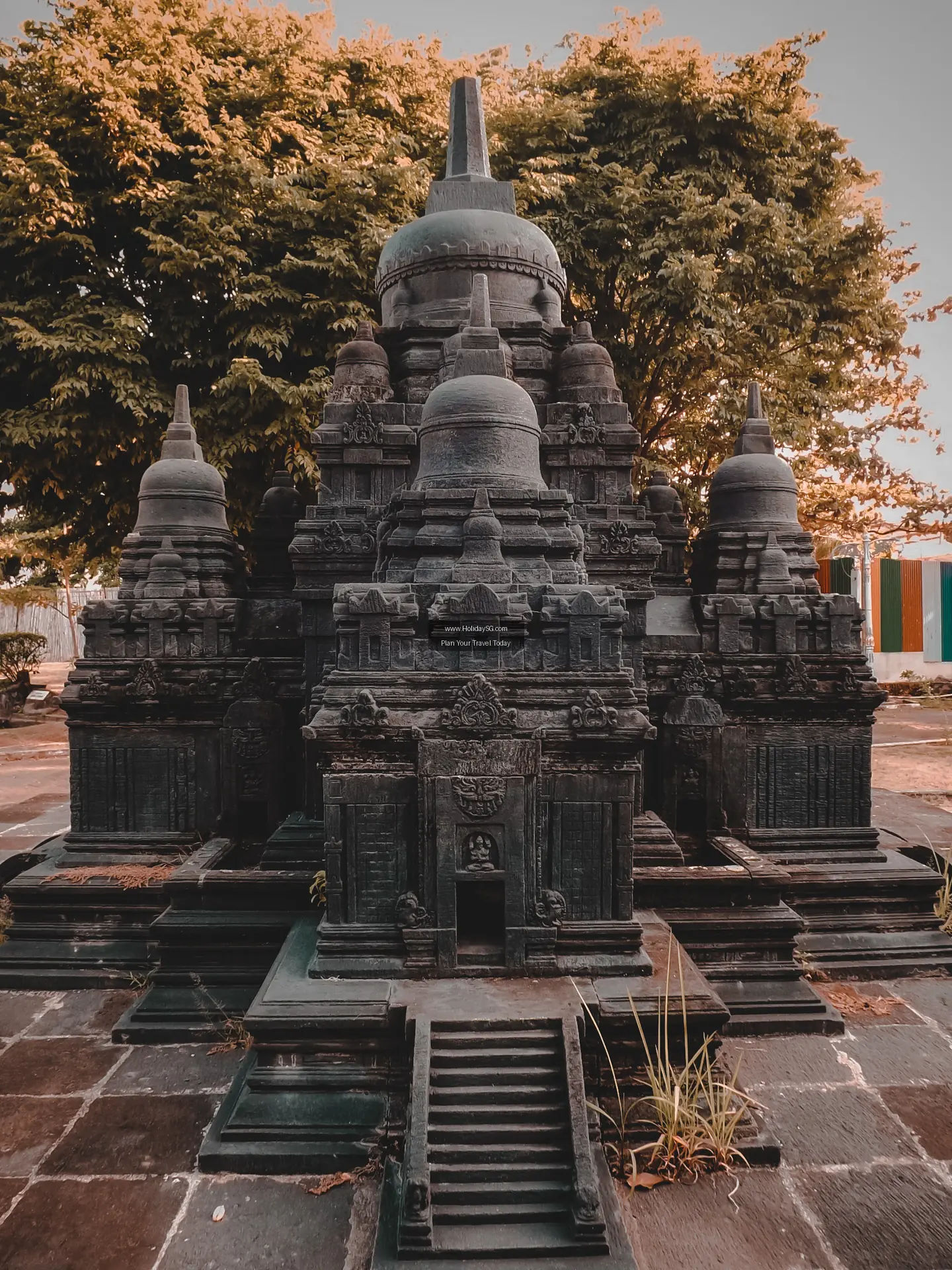
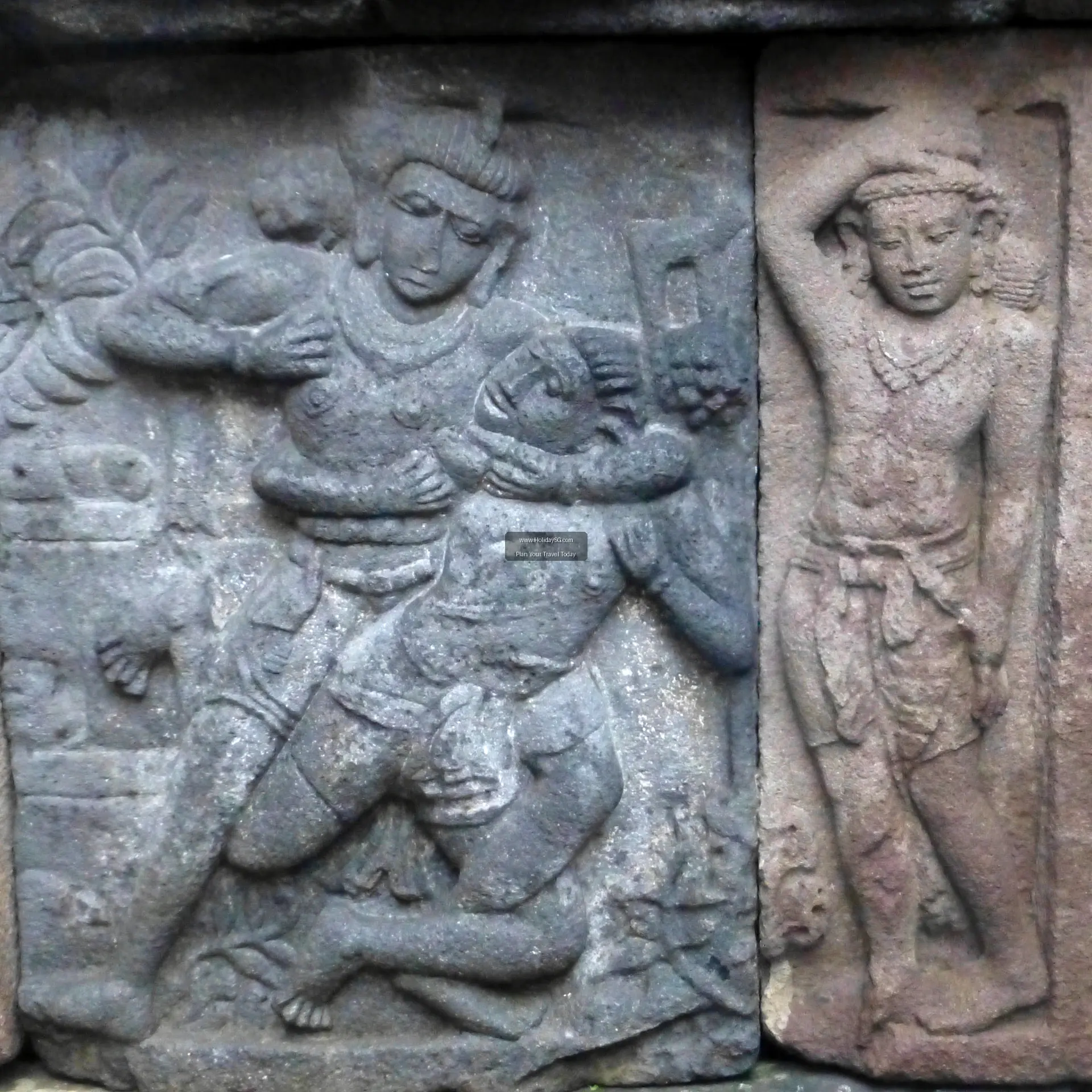
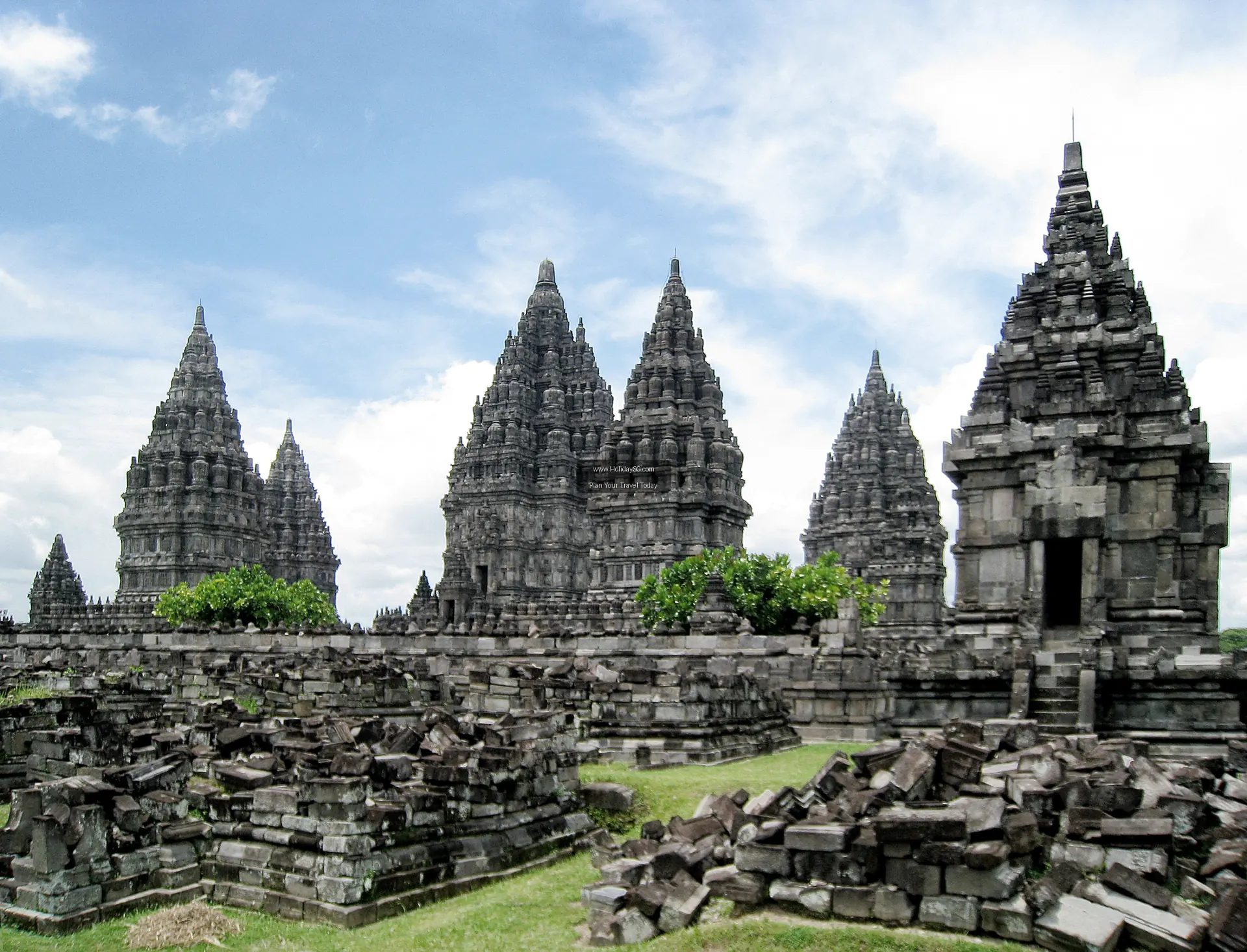
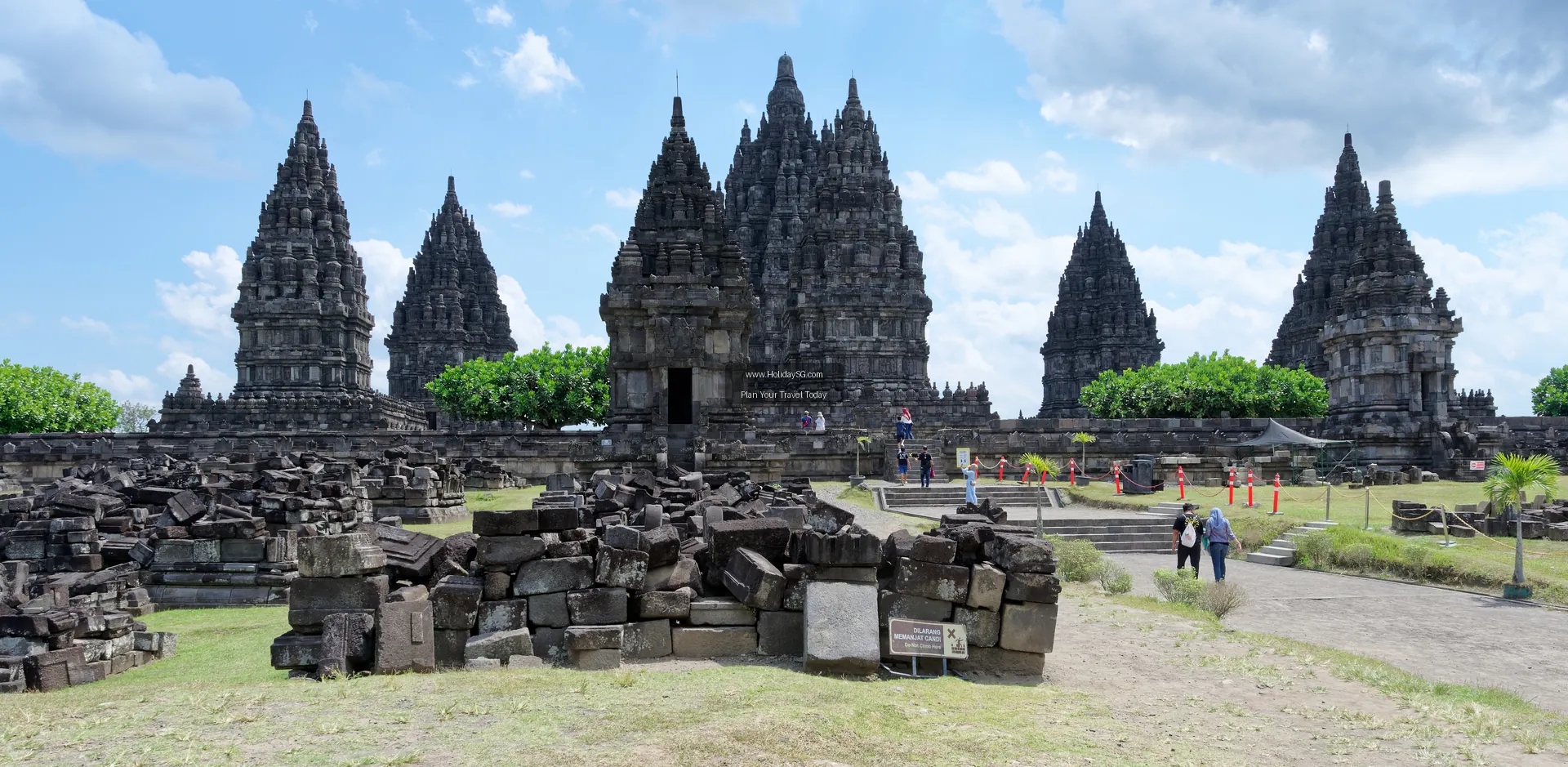
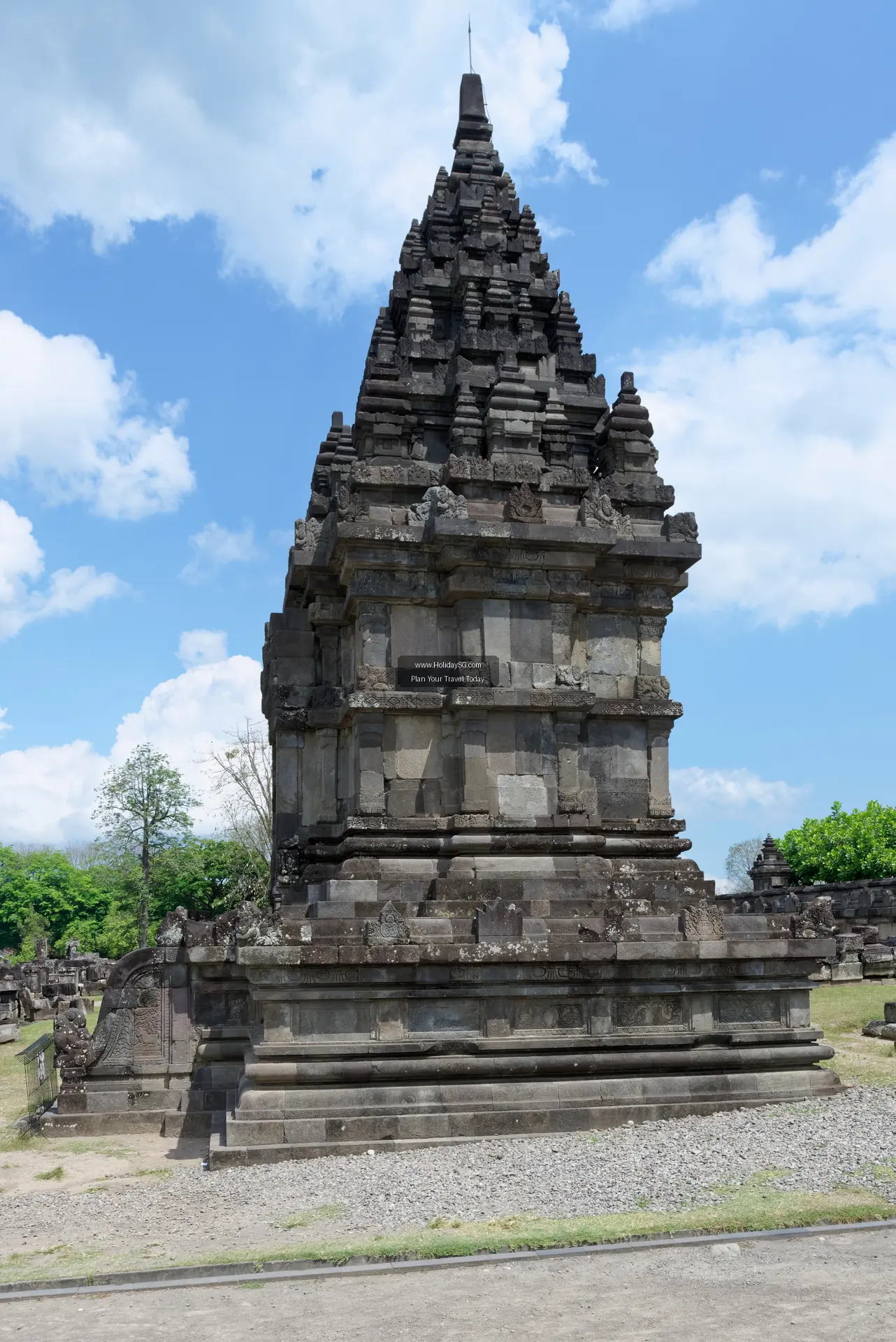
On the island of Java, Yogyakarta (Jogja) is the cultural soul of Indonesia. It’s your base for visiting the magnificent Buddhist temple of Borobudur and the Hindu complex of Prambanan, both UNESCO World Heritage Sites that are truly awe-inspiring at sunrise. The city itself is a hub for batik art, shadow puppet theatre (wayang kulit), and vibrant street culture.
Komodo National Park: Dragons and Diving
The legendary Komodo National Park is a UNESCO site offering more than just a chance to see the world’s largest lizards. The park entry fee for foreigners is IDR 350,000 (~USD 23), with an additional ranger fee of approximately USD 10-20 per trip. Beyond the dragons, the surrounding waters offer world-class diving and snorkeling with pristine reefs, mantas, and diverse marine life.
Remote Wonders: Raja Ampat and Sumatra
For the adventurous, the remote Raja Ampat islands in West Papua represent the pinnacle of marine biodiversity. An entry permit costs IDR 1,000,000 (~USD 65), but it grants you access to a spectacular underwater world. In Sumatra, the Bukit Lawang jungle is famous for its orangutan sanctuary and trekking opportunities through dense rainforest.
Practical Travel Tips for a Smooth Journey
Staying Connected and Respecting Customs
Getting a local SIM card is easy and essential. You can purchase one at airport convenience stores or phone kiosks. Telkomsel generally offers the most reliable coverage across the islands. A SIM with a good amount of data costs around IDR 50,000-100,000. If you prefer the convenience of eSIM technology before you even land, you can consider an HolidaySG eSIM plan for Indonesia for immediate connectivity.
Indonesia is a predominantly Muslim country, so it’s respectful to dress modestly when visiting religious sites and rural areas. Always ask permission before taking photos of people. A smile and a simple “terima kasih” (thank you) will go a long way.
Recommended HolidaySG Tours
Ready to go? HolidaySG eSIM plan for Indonesia.
To help you experience the best of Indonesia’s natural beauty, we recommend these curated adventures available through our partners:
- Taman Mini Indonesia Indah
- Trekking Curug Seribu Ciparay And Kiara By Campa
- Trekking Curug Seribu Ciparay By Campa
- Trekking Curug Panjang Cibulao By Campa
Conclusion: Embracing the Land of Diversity
Indonesia in 2026 is a destination that rewards the curious traveller. From the spiritual calm of Bali’s temples to the raw wilderness of Komodo and the cultural depth of Yogyakarta, each island offers a distinct piece of the Indonesian mosaic. By understanding the basics of visas, budgeting, and local etiquette, you set the stage for a trip filled with adventure and connection. Pack your sense of wonder, respect for local customs, and an empty stomach for the incredible food.
Quick Reference Checklist for 2026
- Visa: Check if you qualify for visa-free entry (30 days) or plan for the VoA (IDR 500,000).
- Vaccinations: Consult a doctor; Hepatitis A/B and Typhoid are recommended.
- Currency: Get some IDR cash for small vendors; ATMs are plentiful.
- Water: Never drink tap water; buy bottled or use hotel refills.
- Transport: Use Grab/Gojek apps; book domestic flights early for deals.
- SIM Card: Buy a Telkomsel SIM at the airport for data.
- Packing: Bring modest clothing for temples, a rain jacket (if in wet season), and reef-safe sunscreen.
Ready to explore Indonesia? Stay connected with our HolidaySG eSIM plan for Indonesia for seamless data throughout your journey.
Book with HolidaySG online for Esim Indonesia Telkomsel Unlimited Travel Sim Indonesia Global, Taman Mini Indonesia Indah, Trekking Curug Seribu Ciparay And Kiara By Campa.
Health, Medical Preparation and Staying Safe
Indonesia is a vast archipelago of more than 17,000 islands, and that geography shapes how you should think about health. Big cities like Jakarta, Surabaya and Medan have modern hospitals with English-speaking staff, but once you leave the main hubs, medical facilities can be basic. Before you fly, visit a travel clinic at least six weeks ahead of your trip. Ask about hepatitis A and typhoid vaccinations, and check whether your routine jabs such as MMR, tetanus and polio are current. Yellow fever certification is only required if you arrive from a country with a risk of transmission, so check the current entry rules for your passport nationality. Rabies vaccination is worth considering if you plan to spend time around Bali's rural villages, trekking in Flores, or working with animals, because access to post-exposure treatment outside major cities can be limited. Malaria is present in parts of eastern Indonesia, including Papua and parts of Nusa Tenggara, but it is largely absent from Bali, Java and most tourist islands. If you are heading east, speak to your clinic about prophylaxis and bring a full course of tablets.
Dengue fever is the health risk most travellers underestimate. It is transmitted by daytime-biting mosquitoes, and outbreaks are common during the rainy season from November to March. Use a repellent containing DEET or picaridin, sleep under a net or in air-conditioned rooms, and wear long sleeves at dusk. Watch for sudden high fever, severe headache, pain behind the eyes and muscle aches, and avoid taking aspirin or ibuprofen until a doctor has ruled out dengue. Tap water is not safe to drink anywhere in Indonesia, including in luxury hotels. Buy sealed bottled water, or use a filtered bottle with a built-in purifier, and be careful with ice in small roadside stalls, since it is often made from unfiltered water. Most upscale resorts and hotels treat their water, but it is still sensible to ask. A reputable travel insurance policy should cover medical evacuation, which matters a great deal if you suffer a serious injury on a remote island or while climbing a volcano.
Road safety deserves a special mention. Traffic in Bali, Yogyakarta and Jakarta moves quickly and unpredictably, and motorbikes weave through every gap. Many visitors rent scooters without a proper international driving permit, which can invalidate travel insurance if an accident occurs. If you intend to ride, obtain the correct licence, wear a helmet that fastens securely, and take extra care on wet roads, where the surface can become slick within minutes of a tropical downpour. Petty theft is more common than violent crime. Keep phones out of sight when you are standing near the roadside, use a crossbody bag, and never leave your belongings unattended on a beach. Volcanic activity is another consideration. Mount Merapi near Yogyakarta, Mount Bromo in East Java and Mount Rinjani on Lombok are all active, and authorities regularly update exclusion zones. Check the latest alerts from the national volcanology agency before you set out on any trek, and always follow the guidance of licensed local guides.
Finally, pack a small medical kit that is easy to access. Include oral rehydration salts, antihistamines, antidiarrhoeal tablets, plasters, antiseptic cream, sunscreen with at least SPF 50, and any prescription medicines in their original packaging with a copy of your prescription. Indonesian pharmacies, known as apotek, are plentiful in cities and sell most common medicines without a prescription, typically for a few thousand rupiah to around Rp 50,000 for a standard course. However, some strong medicines are restricted, so carry what you need from home. If you are booking a trip through HolidaySG, you can reach the support team between 9 AM and 11 PM SGT daily to help coordinate transfers to clinics or hospitals when plans change unexpectedly. Keep a photocopy of your passport, insurance policy number and emergency contacts stored separately from the original documents, and save them offline on your phone in case you lose connectivity on a boat or in the mountains.
Cultural Etiquette and Respecting Local Customs
Indonesia is the world's most populous Muslim-majority country, yet it recognises six official religions, and daily life reflects a rich blend of Islam, Hinduism, Buddhism, Christianity and indigenous beliefs. Bali is predominantly Hindu, which is why you will see canang sari offerings, small woven trays of flowers and rice, on pavements, shop steps and car dashboards. Step over them rather than on them, and never place your feet on a shrine or sit on a temple wall. When visiting temples such as Pura Tanah Lot or the complex at Besakih, wear a sarong and a sash, which are usually provided at the entrance for a small donation. Women who are menstruating are traditionally asked not to enter sacred areas, a rule that many temples enforce. In mosques, dress modestly, remove your shoes, and ask before photographing people at prayer. Showing respect in these small ways is noticed and appreciated by locals.
Indonesian social life places great importance on harmony, politeness and saving face. Public displays of anger or raised voices are considered rude, and it is better to remain calm and smile even when frustrated by a delay. Use your right hand when giving or receiving items, passing money, or eating, because the left hand is traditionally associated with hygiene in many communities. Pointing with your index finger is seen as impolite; gesture with an open hand or use your thumb instead. Touching someone's head is considered inappropriate even with children. When greeting people, a light handshake and a nod are usually enough, and many Indonesians will place a hand on the heart as a sign of respect. Learning a few words of Bahasa Indonesia goes a long way. Terima kasih means thank you, selamat pagi means good morning, and maaf means sorry. A simple tambah pedas, meaning more spicy, will also amuse the staff at many warungs. Pay attention to how locals address one another, since titles such as Pak for men and Bu for women are used widely and signal respect.
Modesty matters more outside the resort bubble. In Java, Sumatra and Sulawesi, many villages are conservative, so cover your shoulders and knees when walking through residential neighbourhoods. Swimwear is perfectly fine at the beach and at hotel pools, but changing into a sarong or a long shirt before wandering into town shows consideration. Public displays of affection are discouraged, and holding hands is generally acceptable, though kissing in public may draw disapproval. Drug laws are among the strictest in the world, with penalties for trafficking including the death penalty, and even small amounts of marijuana can result in lengthy imprisonment. Respect local regulations about alcohol as well, since sales are restricted in some regions and during Ramadan. Photography requires care. Always ask before photographing someone, particularly women, children and religious ceremonies. Some villagers in Toraja and Sumba are happy to be photographed for a small fee, but they expect you to ask first. A friendly gesture, a smile and a polite question will open far more doors than a camera lens ever will.
Above all, approach Indonesia with curiosity rather than judgement. Many customs will seem unfamiliar, from the ritual of bargaining at traditional markets to the lengthy family ceremonies you may witness on the roadside. Engaging with locals respectfully often leads to invitations for tea, conversations about food and village life, and insights that no guidebook can provide. When you do make a mistake, which almost every traveller does, a sincere apology and a smile usually resolve the moment. Indonesians are famously hospitable and forgiving of foreigners who make an honest effort to understand their culture.
Food, Dining Customs and Eating Well on the Road
Indonesian food is among the most varied in Southeast Asia, shaped by spice routes, regional traditions and centuries of trade. Java is known for sweeter, gentler flavours, with dishes such as gudeg, a jackfruit stew from Yogyakarta, and soto ayam, a clear chicken soup served with rice cakes. Sumatra brings fiery intensity through rendang, the slow-cooked beef dish from Minangkabau culture, and Padang restaurants, where you choose from a dozen or more dishes displayed in the window and pay only for what you eat. In Sulawesi, try coto Makassar, a rich beef offal soup, and pisang epe, grilled bananas flattened and drizzled with palm sugar. Bali offers babi guling, suckling pig seasoned with turmeric and lemongrass, although it is best eaten in Hindu-majority areas where it is widely available. Expect to pay between Rp 15,000 and Rp 30,000 for a plate of nasi goreng or mie goreng at a local warung, while a sit-down restaurant in a tourist area might charge Rp 60,000 to Rp 120,000 for a similar dish. Street food is generally excellent value, but choose stalls that are busy with locals and cook food to order.
Dining etiquette in Indonesia is relaxed but has a few quirks worth knowing. At family restaurants and warungs, meals are often eaten with a spoon in the right hand and a fork in the left, which is used to push food onto the spoon rather than to bring it to the mouth. Chopsticks appear in Chinese-Indonesian eateries. Rice is the centre of most meals, so even if you order noodles, you may be served a small portion of rice. Sambal, the chilli paste that accompanies almost everything, varies enormously from region to region. Sambal terasi contains fermented shrimp paste, while sambal matah in Bali is a raw mix of shallots, lemongrass and chilli. Start with a small spoonful before you commit to a full serving. Do not be surprised if restaurants bring a small bowl of water with a lemon slice or finger bowl after a meal; this is for rinsing your fingers. When eating with a group, it is common to share dishes family-style, and the person who invites you often pays, so offering to split the bill may be politely declined.
Eating well on the road requires some common sense. Choose freshly cooked food that is served hot, avoid raw salads and unpeeled fruit washed in tap water, and be cautious with seafood sold at beach stalls if the refrigeration looks questionable. Many travellers enjoy the local fruit, including mangosteen, salak, dragon fruit and rambutan, which are best bought from markets and peeled yourself. Coffee culture is strong, and Indonesian kopi tubruk, brewed with grounds directly in the cup, is worth trying in Java, while Toraja and Bali produce some excellent single-origin beans. Tea is usually served sweet unless you specify otherwise, so ask for teh tanpa gula if you prefer it plain. Halal food is widespread, and most restaurants are clearly marked, though Bali has many non-halal options, including pork and beer. Vegetarians should learn the phrase saya vegetarian and be ready to explain that you avoid meat and fish, since tempeh, tofu and tahu are staples that make eating meat-free easier than many visitors expect.
Food is also a gateway to local life. Night markets such as Pasar Malam Gang Baru in Yogyakarta and Jalan Alor in Kuala Lumpur-style foodie streets in Jakarta's Glodok area offer a chance to mingle with families and vendors. Bring small notes, as many stallholders cannot break large banknotes, and keep a supply of Rp 5,000 and Rp 10,000 bills for snacks. Cooking classes are popular in Ubud and Yogyakarta, usually running for three to four hours and costing between Rp 350,000 and Rp 600,000 per person, including a market visit. These classes are a fine way to understand the balance of sweet, sour, salty and spicy that defines Indonesian cuisine. Whatever you choose, eat slowly, ask questions, and let the cooks share their stories. The best meals in Indonesia are rarely found in restaurants with menus in English; they are served at plastic tables under a tarpaulin, where the owner is delighted to see you come back.
Island Hopping, Accommodation and Responsible Travel
Island hopping is one of the great pleasures of an Indonesian journey, but it demands planning. Ferries connect the major islands and smaller archipelagos, with the Pelni national shipping line operating large vessels between Java, Sulawesi, Kalimantan, Maluku and Papua. A Pelni ship from Surabaya to Makassar takes around 20 to 24 hours, and cabin fares can range from Rp 250,000 for basic economy to over Rp 1,000,000 for a private cabin, depending on class and season. Smaller fast boats serve popular routes such as Bali to the Gili Islands, Lombok to Nusa Penida, and Padang to the Mentawai Islands. Schedules change frequently, particularly during the monsoon season from December to February, when high waves can cancel crossings without notice. Always leave a buffer day between a boat connection and an international flight, and avoid booking non-refundable tickets on the same day you need to be somewhere else. Life jackets are not always provided on small boats, so ask beforehand and check that the vessel is licensed.
Accommodation options vary widely. In Bali, you can stay in a luxury villa with a private pool in Canggu, a homestay in a rice-terrace village near Sidemen, or a simple guesthouse in Ubud for under Rp 300,000 per night. The Gilis are known for bungalows with ocean views, often priced between Rp 350,000 and Rp 900,000 depending on the season and proximity to the beach. In Yogyakarta, many travellers choose boutique hotels in the Prawirotaman area, while in Labuan Bajo, eco-lodges offer a more rustic experience close to the boats heading to Komodo. Homestays are an excellent way to meet local families, and they often include breakfast and a short cooking lesson. Check that your accommodation has reliable water pressure, a working fan or air conditioning, and mosquito screens on the windows. Power cuts happen occasionally in rural areas, so a headlamp and a power bank are useful. When booking, read recent reviews carefully, paying attention to comments about noise, cleanliness and how staff respond to problems, rather than focusing only on photographs.
Responsible travel in Indonesia is about protecting both the environment and the communities that welcome you. Single-use plastic is a serious problem on many islands, where waste collection can be inconsistent. Carry a refillable bottle, decline plastic straws, and use reef-safe sunscreen, since coral reefs in Komodo, Raja Ampat and the Gili Islands are under pressure from sunscreen chemicals and boat anchors. Choose licensed snorkelling and diving operators that brief guests on reef etiquette, and never stand on coral or feed fish. When visiting Komodo National Park, respect the rules set by park rangers, which include restrictions on which islands can be visited and the requirement to stay on marked trails. Be cautious about wildlife tours that encourage close contact with orangutans, elephants or sun bears, as many of these operations exploit animals. Ethical sanctuaries will be transparent about their work and will rarely let visitors handle animals. Finally, consider where your money goes. Buying handicrafts from village cooperatives, eating at family-run warungs and hiring local guides channels income directly into communities, which is far more meaningful than a day spent entirely within a resort.
Planning an island route involves trade-offs between time, comfort and budget. A realistic itinerary might combine three days in Ubud, two nights on the Gili Islands, a short ferry to Lombok, and a flight from Lombok to Labuan Bajo, rather than attempting to cover too much ground. Indonesian domestic flights are generally affordable, with budget carriers offering one-way fares from around Rp 500,000 to Rp 1,200,000 on popular routes, but baggage allowances are strict and add-ons can be expensive. Weigh your bags carefully and check whether your ticket includes a checked item. Allow extra time on departure days, because security queues at smaller airports can be long. Traveling slowly tends to be more rewarding in Indonesia. A relaxed pace lets you enjoy a sunset on a quiet beach, learn a few phrases from a boat captain, and discover that the most memorable parts of the trip often happen between the planned highlights.
Frequently Asked Questions
Where can I book the listed activities and travel SIMs for Indonesia?
You can book the featured tours and the eSIM directly through HolidaySG’s Indonesian pages. For the eSIM, visit the page for the HolidaySG eSIM plan for Indonesia. For cultural attractions like Taman Mini Indonesia Indah in Jakarta, or for trekking adventures near Bogor such as Trekking Curug Seribu Ciparay And Kiara By Campa, Trekking Curug Seribu Ciparay By Campa, and Trekking Curug Panjang Cibulao By Campa, please use the respective links provided.
Do foreigners (non-citizens) need a different ticket, price, or visa for Indonesia?
Generally, foreign tourists pay higher entry fees for many attractions compared to local residents. For visas, Indonesia offers a Visa on Arrival (VOA) for citizens of many countries, including Singapore, for stays up to 30 days. This is typically priced in IDR and paid upon arrival. However, visa policies, including eligibility and fees, can change. It is essential to check the official website of the Directorate General of Immigration of the Republic of Indonesia or your local Indonesian embassy for the most current and specific requirements before your trip.
What is the best time (season, or time of day for the site/activity) to go?
The best overall time to visit most of Indonesia is during the dry season, from approximately April to October. For trekking activities like those near Bogor, early morning (starting around 8-9 AM) is ideal to avoid afternoon rain showers and heat. For visiting cultural sites like Taman Mini Indonesia Indah, daytime hours (e.g., 9 AM to 4 PM) allow you to see the various pavilions and shows. Always check the local weather forecast for specific dates.
How long should I plan to spend in Indonesia?
The ideal duration depends on your interests. For a focused trip to Jakarta and nearby Bogor, 5-7 days would allow you to experience the city highlights and a day of trekking. For a broader exploration of multiple islands (e.g., Java, Bali, Komodo), a minimum of 10-14 days is recommended to account for travel time between islands.
What is a typical budget per day in Indonesia?
Budgets vary widely. For a mid-range traveler, expect to spend approximately $50-$100 USD per day, covering accommodation, meals, local transport, and entrance fees. This excludes flights and major inter-island travel. Indonesia can be very affordable for backpackers and luxurious for those seeking high-end resorts.
How do I get around Indonesia?
Inter-island travel is primarily by plane (e.g., Garuda Indonesia, Lion Air, AirAsia). On main islands like Java and Bali, you can use ride-hailing apps like Gojek and Grab for cars and motorbikes, rent a private car with a driver for convenience, or use trains and intercity buses. For short distances, motorbike taxis (ojek) are common.
Is Indonesia family-friendly?
Yes, Indonesia is generally very family-friendly. The culture is welcoming to children. Attractions like Taman Mini Indonesia Indah are specifically designed to be educational and entertaining for families. Beaches, nature parks, and interactive cultural shows also cater well to younger visitors.
What should I pack for a trip to Indonesia?
Pack lightweight, breathable clothing (cotton or linen), a rain jacket or poncho (essential even in dry season), comfortable walking shoes, and a swimsuit. Sunscreen, insect repellent, a hat, and sunglasses are crucial. A universal power adapter (Type C/F plugs) is needed. For trekking, sturdy shoes and a daypack are necessary.
Is it safe to travel in Indonesia as a tourist?
Indonesia is generally safe for tourists, but standard precautions apply. Be aware of your surroundings, especially in crowded areas, to prevent petty theft. Use reputable taxi services or ride-hailing apps. Purchase comprehensive travel insurance that covers medical evacuation. Check for any current travel advisories from your government before departure.
How is the weather in Indonesia?
Indonesia has a tropical climate. The dry season (April-October) is hotter and less humid, while the wet season (November-March) brings frequent, often heavy, afternoon downpours but can be less crowded. Temperatures are consistently warm, averaging 27-30°C (80-86°F) year-round.
What is the local etiquette I should know?
Respect local customs. Dress modestly when visiting temples (cover shoulders and knees). Use your right hand to give or receive items and when eating. Always ask before taking photos of people. Learn a few basic phrases in Bahasa Indonesia like “Terima kasih” (thank you) and “Selamat pagi” (good morning).
Are there any nearby food or attractions to the listed activities?
Yes. Near Taman Mini Indonesia Indah in Jakarta, you can find numerous restaurants within the complex serving dishes from all over Indonesia. In Bogor, after trekking at Curug Seribu, you can explore the city’s famous botanical gardens (Kebun Raya Bogor) and try local specialties like “soto Bogor” (a hearty soup) or “doclang” (a noodle dish).
Do I need cash or can I use cards in Indonesia?
While credit cards are accepted at hotels, larger restaurants, and malls, cash (Indonesian Rupiah – IDR) is essential for street food, small shops, market purchases, and entrance fees to smaller attractions. ATMs are widely available. Notify your bank of travel plans to avoid card blocks.
What is the best way to get a local SIM card or eSIM for data?
Purchasing an eSIM before you travel is the most convenient option. You can book the HolidaySG eSIM plan for Indonesia online and have it activated upon landing. Alternatively, physical SIM cards are available at airports and convenience stores like Indomaret or Alfamart; Telkomsel is a reliable provider.
Is Indonesia accessible for travelers with mobility issues?
Accessibility varies greatly. Major international hotels and newer malls often have ramps and elevators. However, older infrastructure, traditional sites, and natural attractions like waterfalls and trekking paths are frequently challenging for wheelchair users. Research specific venues in advance and consider hiring a local assistant if needed.
What are some must-try Indonesian dishes?
Don’t miss nasi goreng (fried rice), mie goreng (fried noodles), satay (grilled skewers with peanut sauce), rendang (a rich, spicy meat stew), gado-gado (vegetables in peanut dressing), and bakso (meatball soup). Try them from reputable street stalls or local eateries.
How can I respect the environment while touring?
Practice responsible tourism. Avoid single-use plastics by carrying a reusable water bottle. Do not litter, especially in natural areas and on treks. Choose tours that emphasize sustainability. Respect wildlife by observing from a distance and not feeding animals.
Is it necessary to tip in Indonesia?
What should I do in case of a medical emergency?
Contact your travel insurance provider immediately for guidance and hospital recommendations. For emergencies, call 118 (ambulance) or 110 (police). Major cities like Jakarta and Bali have international-standard hospitals with English-speaking staff.
Can I use my driver’s license from Singapore to drive in Indonesia?
No, a Singaporean driving license is not valid for driving in Indonesia. To drive legally, you need an International Driving Permit (IDP) issued in Singapore, along with your original license. However, given the intense traffic conditions, hiring a local driver is often a safer and more relaxing option.
What things cost in Indonesia
Live HolidaySG prices for the experiences in this guide, so you can sanity-check a budget before you commit.
| Experience | Where | From price |
|---|---|---|
| 10 Min - 100 Min Bali Helicopter Tours | Departing from Canggu | Bali | From S$150.47 |
| 10 Min - 100 Min Bali Helicopter Tours | Departing from Nusa D... | Bali | From S$150.47 |
| 4WD Jeep Caldera Sunrise Experience by Bali Volcano Jeep | Bali | From S$52.69 |
| 4WD Jeep Mount Batur Sunrise Experience by Bali Volcano Jeep | Bali | From S$60.13 |
| Black Lava Tour | Bali | From S$154.57 |
| Cimory Dairyland Farm Theme Park Gowa | Makassar | From S$4.00 |
| Seafood Dinner in Jimbaran Bali by New Dewata | Bali | From S$6.59 |
| Dairyland Farm Theme Park Prigen | Surabaya | From S$4.00 |
Things to book on this trip
Plan the rest of your trip
- Indonesia visa requirements - Check who needs a visa, the documents and the processing time.
- Hotels in Indonesia - Compare hotels and check room rates for your dates.
