

Imagine emerald rice terraces cascading down hillsides, ancient temples shrouded in mist, and turquoise waters teeming with marine life. Indonesia is an archipelago of over 17,000 islands, each offering a unique slice of paradise, culture, and adventure. Whether you’re a seasoned backpacker, a culture enthusiast, or a family seeking a mix of relaxation and exploration, planning your trip to Indonesia promises an unforgettable journey through one of Southeast Asia’s most diverse destinations.
TL;DR: Indonesia’s dry season (May-September) is ideal for most islands, but regions like Raja Ampat are best in the wet season for diving. Budget around $100-$150 per day for a comfortable mid-range trip, utilizing local transport apps and domestic flights for island-hopping. Don’t miss iconic sites like Bali’s Ubud and Yogyakarta’s temples, and always respect local customs when visiting sacred sites.
Planning Your Perfect Trip to Indonesia
Timing Your Visit: Dry Season vs. Wet Season Adventures
The weather in Indonesia can shape your experience. The dry season, spanning from May to September, offers sunny days perfect for exploring Bali’s beaches, trekking Mount Rinjani, or wandering through Yogyakarta’s temple complexes. However, the wet season (October to April) isn’t a write-off. The eastern regions, particularly Raja Ampat in Papua, experience their calmest, clearest seas during these months, making it the prime time for world-class diving. If you’re heading to Komodo National Park for dragon spotting, the dry season will ensure more accessible trails and boat trips. Always check regional forecasts, as weather can vary significantly across the archipelago.
Visa Rules and Entry Formalities
For many passport holders, including citizens from Singapore, Australia, the UK, and the US, Indonesia offers a Visa on Arrival (VOA) for 30 days, which costs approximately 500,000 IDR (around 32 USD). This visa can be extended once for another 30 days at a local immigration office. It’s crucial to check the latest regulations for your specific nationality before traveling, as requirements can change. Ensure your passport has at least six months of validity from your date of entry and you have proof of onward travel.
Understanding Your Budget: A Mid-Range Adventure
Indonesia caters to all budgets, but a mid-range trip offers a great balance of comfort and value. Expect to spend about $100-$150 USD per day for two people. Here’s a breakdown:
- Accommodation: Clean, private guesthouses or 3-star hotels range from $30-$80 per night.
- Food: A delicious local meal at a warung (family-owned eatery) is just $2-$5, while a sit-down restaurant meal costs $10-$20.
- Transport: Domestic one-way flights between major islands cost $40-$150. Fast boats for routes like Bali to the Gili Islands are another popular option.
Carrying cash in Indonesian Rupiah (IDR) is essential for smaller vendors and rural areas, while credit cards are accepted in cities and tourist hubs.
Island-Hopping and Getting Around
Exploring the archipelago is an adventure in itself. For on-the-ground transport within cities like Bali or Yogyakarta, the Grab app is your best friend for reliable and affordable rides. Renting a scooter is a fantastic way to explore at your own pace, but an international driving license is recommended. For the iconic journey between islands, domestic airlines such as Lion Air, Garuda Indonesia, and AirAsia offer extensive networks. Alternatively, fast boats provide scenic routes to nearby islands like the Gili Islands from Bali or Lombok.
Popular Destinations and Key Attractions
Ready to go? Book Kereta Gantung At Taman Mini Indonesia Indah with HolidaySG.
Bali: The Island of the Gods
Bali is more than just a beach destination. In the cultural heart of Ubud, the Tegallalang Rice Terraces present a breathtaking, emerald-green landscape. For spiritual sunset views, head to the cliffside Uluwatu Temple, but beware of the resident monkeys! Seminyak offers a chic blend of boutique shopping, high-end dining, and fashionable beaches perfect for surfing and lounging. Beyond the south, explore the volcanic caldera of Mount Batur or the tranquil waterfalls near Munduk. For a complete overview, check out our guide to Bali’s best beaches beyond Kuta.
Yogyakarta: Java’s Cultural Epicenter
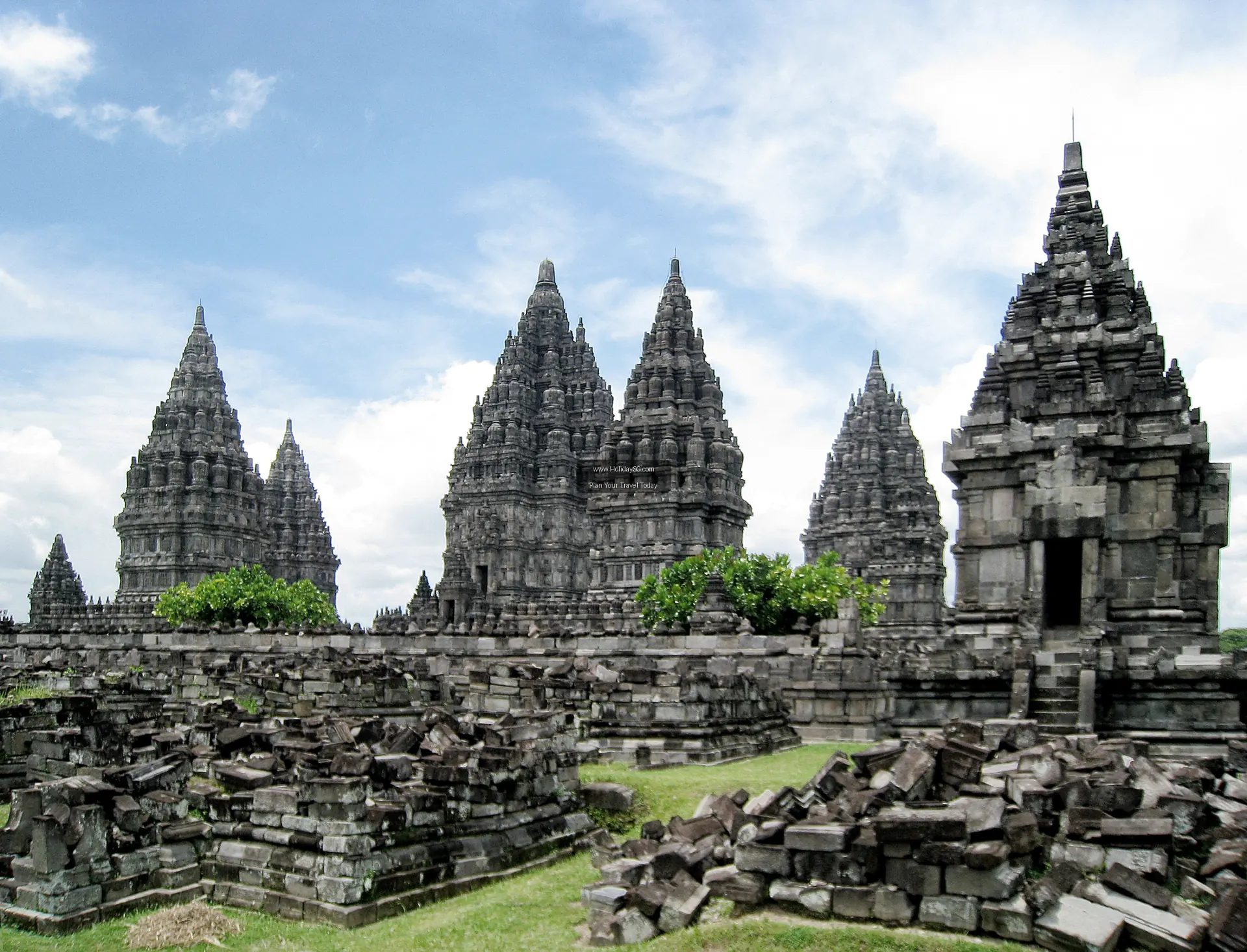
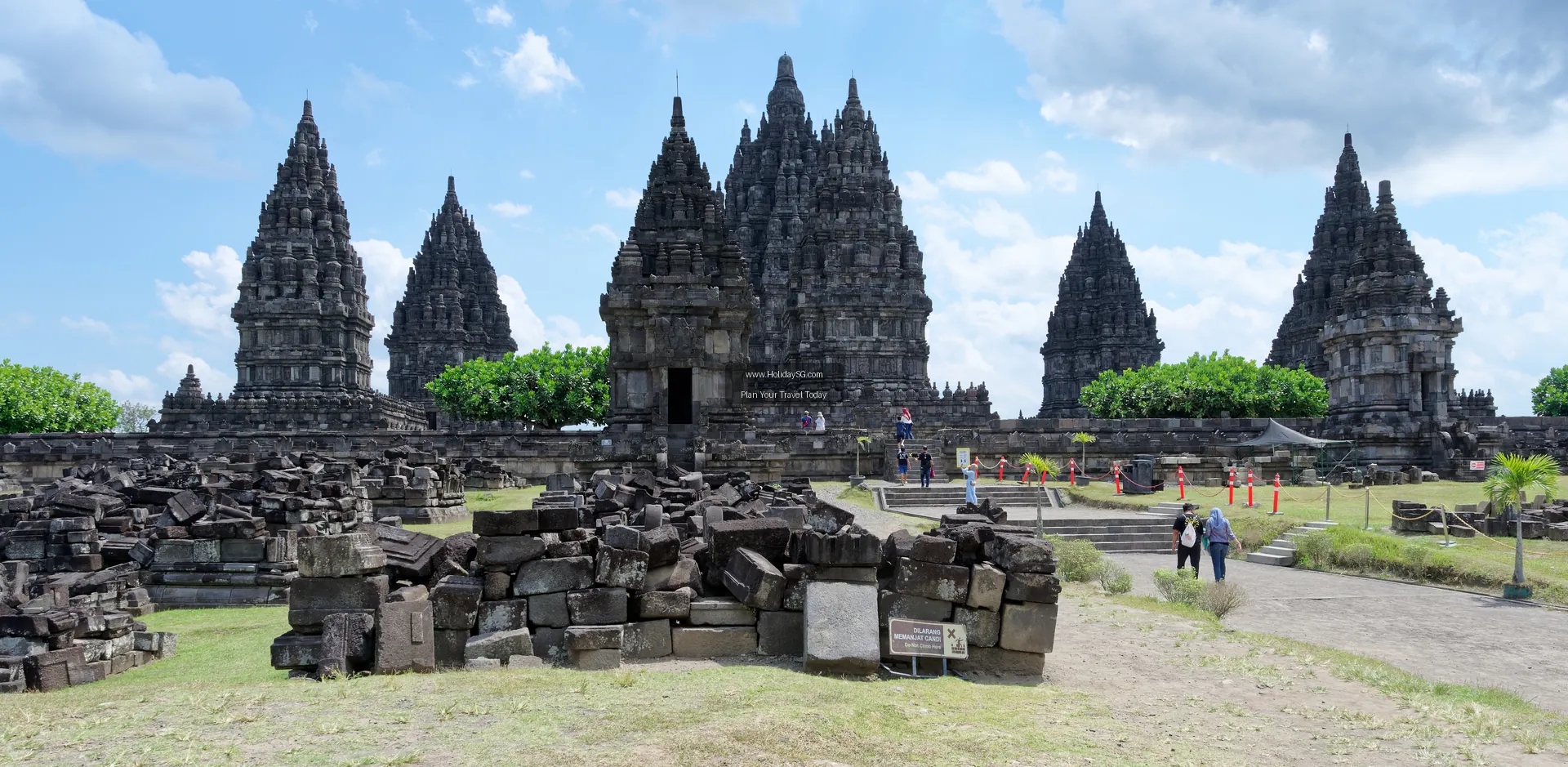
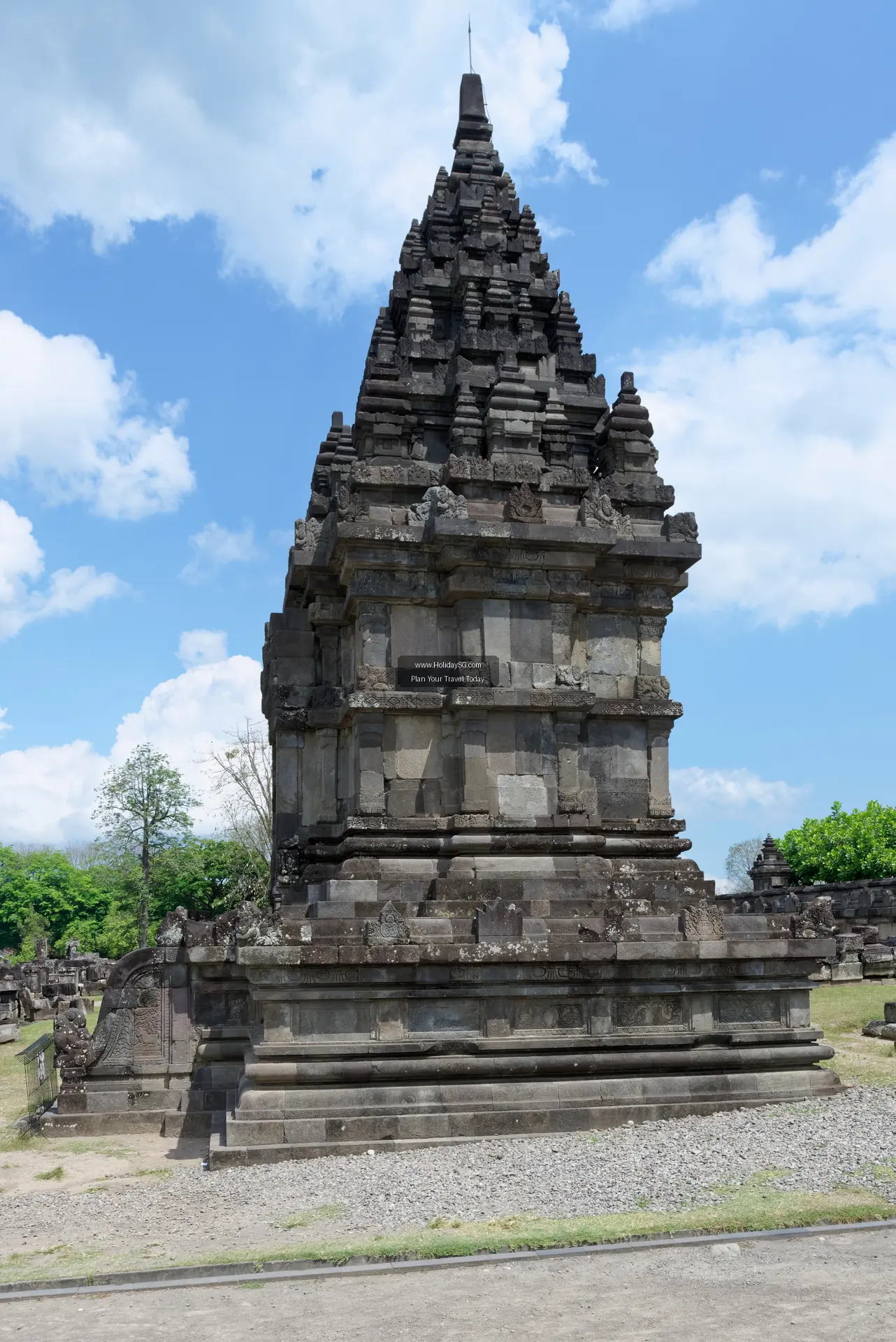
On the island of Java, Yogyakarta (or “Jogja”) is the gateway to two of the world’s most magnificent ancient sites. The vast Buddhist complex of Borobudur is magical at sunrise, while the Hindu masterpiece of Prambanan, with its towering spires, is equally awe-inspiring. The city itself is a hub of Javanese arts, with royal palaces (kraton), shadow puppet (wayang) performances, and lively markets like Malioboro Street. A day trip from Yogyakarta could also include the unique Kereta Gantung At Taman Mini Indonesia Indah experience, a cable car ride offering panoramic views of Indonesia’s cultural miniatures in Jakarta, if your itinerary takes you north.
For the Adventurous: Dragons, Volcanoes, and Diving
Indonesia is a playground for adventurers. In Komodo National Park, come face-to-face with the legendary Komodo dragons, the world’s largest lizards, and snorkel in the surreal waters of Pink Beach. For trekkers, the challenging ascent of Mount Rinjani on Lombok rewards with stunning crater lake views. Divers and snorkelers flock to Raja Ampat in West Papua, home to the planet’s most biodiverse marine sanctuary. The underwater world here is simply unparalleled.
Beyond the Usual: Lombok, Sumatra, and More
If you seek quieter shores, Lombok offers pristine beaches and the idyllic Gili Islands (Air, Meno, and Trawangan), known for their car-free tranquility and excellent diving. For a wildlife encounter, head to Bukit Lawang in Sumatra to trek through the jungle and meet orangutans in their natural habitat. Each island in Indonesia holds its own distinct traditions, landscapes, and flavors, encouraging repeat visits.
Practical Travel Tips for a Smooth Journey
Staying Connected: Local SIM Cards and eSIMs
Staying online is easy and affordable. Purchase a local SIM card from providers like Telkomsel, XL, or Indosat upon arrival at the airport. A tourist package with 10-15 GB of data typically costs between 100,000-200,000 IDR (~$6-$13 USD). For ultimate convenience, consider getting an eSIM before you travel. An option like the Indonesia Unlimited 4G/5G Data eSIM can be activated instantly, ensuring you’re connected from the moment you land without swapping physical cards.
Health, Safety, and Packing Essentials
Drink only bottled or filtered water to avoid stomach bugs. Consult your doctor about recommended vaccinations, such as Hepatitis A/B and Typhoid. While Indonesia is generally safe for travelers, petty theft like bag-snatching can occur, so keep valuables secure and be vigilant in crowded areas. Be aware of natural disaster risks; check for volcano alerts before trekking and familiarize yourself with earthquake procedures. Pack light, breathable clothing, a strong sunscreen, insect repellent, and a basic first-aid kit.
Respecting Local Customs
Indonesia is a deeply respectful culture. When visiting temples, dress modestly by covering your shoulders and knees; sarongs are often provided at the entrance. Use your right hand for giving, receiving, and eating, as the left hand is considered unclean. Always ask for permission before photographing people, especially in remote areas. Tipping isn’t obligatory but is appreciated for good service—rounding up a bill or leaving 5,000-20,000 IDR is a kind gesture.
Sample Itineraries to Inspire Your Journey
Ready to go? Book Kereta Gantung At Taman Mini Indonesia Indah with HolidaySG.
The Classic 2-Week Bali & Lombok Circuit
Begin with the cultural heart of Bali in Ubud, then move south to the beaches of Seminyak or Canggu. Take a fast boat to the Gili Islands for three days of diving, snorkeling, and hammock time. Continue to Lombok to explore its southern beaches, and if you’re fit, embark on a 2-day trek of Mount Rinjani. Fly back to Bali for your departure from Denpasar.
The Culture & Nature Combo: Java and Komodo
Fly into Yogyakarta to explore Borobudur and Prambanan for three days. Then, fly to Labuan Bajo in Flores, the gateway to Komodo National Park. Spend three days on a liveaboard boat, trekking to see dragons, and diving at world-renowned sites. Fly back to Jakarta for your connection home, perhaps with a quick visit to a cultural attraction in the capital.
The Ultimate Diving Adventure: Raja Ampat & Komodo
This itinerary is for serious divers. Fly into Sorong, Papua, and take a boat to your chosen homestay or resort in Raja Ampat for 5-7 days of exceptional diving. Fly to Labuan Bajo to complete the circuit with a diving trip in Komodo National Park, experiencing its different but equally spectacular underwater ecosystems. Combine the two for the dive trip of a lifetime.
Recommended HolidaySG Tours
Enhance your Indonesian adventure with these curated experiences from our partners:
- HolidaySG eSIM plan for Indonesia
- HolidaySG eSIM plan for Indonesia
- HolidaySG eSIM plan for Indonesia
- Kereta Gantung At Taman Mini Indonesia Indah
- Funworld Grand Indonesia Shopping Town Arcade
Final Thoughts: Why Indonesia Should Be Your Next Trip
Ready to go? Book Kereta Gantung At Taman Mini Indonesia Indah with HolidaySG.
Indonesia is not just a destination; it’s a mosaic of cultures, ecosystems, and experiences. From the spiritual serenity of its temples to the adrenaline of its volcanic treks and the profound beauty beneath its waves, it offers something for every type of traveler. Its warmth, diversity, and sheer scale ensure that no two trips are ever the same. Start planning your island-hopping adventure now, and discover why Indonesia remains one of Southeast Asia’s most captivating travel jewels.
Ready to explore more? Check out our Kereta Gantung At Taman Mini Indonesia Indah for a unique perspective on Indonesia’s cultural diversity.
Book with HolidaySG online for Kereta Gantung At Taman Mini Indonesia Indah, Indonesia Esim Free Roaming Mobile Data, Indonesia Unlimited 4g5g Data Esim.
Frequently Asked Questions
Where can I book this / what’s the link?
You can book specific activities and services for your trip to Indonesia directly through the following links:
– For the Taman Mini Indonesia Indah cable car: Kereta Gantung At Taman Mini Indonesia Indah
– For mobile data connectivity: HolidaySG eSIM plan for Indonesia and HolidaySG eSIM plan for Indonesia
– For an arcade experience in Jakarta: Funworld Grand Indonesia Shopping Town Arcade
– For tourist data plan eSIMs: HolidaySG eSIM plan for Indonesia
Do foreigners (non-citizens) need a different ticket, price, or visa for Indonesia?
Visa requirements for Indonesia vary significantly based on your nationality and the purpose and duration of your visit. Many countries are eligible for a Visa on Arrival (VOA) or a visa-free entry for tourism for a limited period (often 30 days). However, these rules change frequently. It is essential to check the official website of the Indonesian Ministry of Foreign Affairs or your nearest Indonesian embassy/consulate for the most current and accurate visa information before booking your trip. Pricing for attractions is often uniform, but it’s always wise to confirm if specific discounts apply (e.g., for children or students).
What is the best time (season, or time of day for the site/activity) to go?
Indonesia’s dry season (April to October) is generally considered the best time to visit, with less rain and more sunshine. The peak tourist season is during July and August. For specific activities like the Taman Mini Indonesia Indah cable car, going on a weekday or early in the morning on a weekend can help avoid long queues. The best time of day for most outdoor activities is early morning to avoid both the intense midday heat and potential afternoon rain showers.
How long should I spend in Indonesia?
This depends entirely on your interests. For a focused trip on one major island like Bali or Java, 7-10 days is a common timeframe. If you wish to explore multiple islands (e.g., combining Jakarta, Yogyakarta, and Bali), a trip of 2-3 weeks allows for a more relaxed pace and deeper exploration.
What is a typical daily budget for Indonesia?
Indonesia can cater to all budgets. A backpacker can manage on $30-$50 USD per day (staying in hostels, eating at local warungs). A mid-range traveler might spend $80-$150 USD per day (3-star hotels, a mix of local and restaurant meals, entry fees). Luxury travel is virtually unlimited. Costs for tours, diving, and premium accommodation will increase your budget.
Is Indonesia family-friendly?
Absolutely. Indonesia offers numerous family-friendly destinations and activities. Beaches in Bali and Lombok are great for kids, attractions like Taman Mini Indonesia Indah in Jakarta offer diverse cultural showcases, and many resorts have kid’s clubs. Be mindful of very long travel days between islands with young children.
How do I get around between islands?
Domestic flights are the fastest and most common way to travel between major islands. Companies like Garuda, Lion Air, and AirAsia operate frequent flights. For shorter distances, fast boats are popular, especially for routes like Bali to the Gili Islands or Nusa Lembongan. Within islands, ride-hailing apps like Grab or Gojek, taxis, and private drivers are readily available.
What is the currency and should I carry cash?
The currency is the Indonesian Rupiah (IDR). While credit cards are accepted in hotels, upscale restaurants, and large stores in cities, cash is essential for small shops, market stalls, local eateries (warungs), and entrance fees to smaller attractions. It’s wise to carry a mix of cash and cards. ATMs are widely available, but using a card with low foreign transaction fees is recommended.
Is Indonesia safe for tourists?
Indonesia is generally safe for tourists, but standard travel precautions apply. Be aware of your surroundings, especially in crowded areas. Petty theft can occur, so secure your belongings. Be cautious when using motorbikes (if you’re inexperienced) and always wear a helmet. For safety updates, check your government’s travel advisories.
What should I pack for a trip to Indonesia?
Pack lightweight, breathable clothing (cotton/linen). Modest clothing (covering shoulders and knees) is respectful for temple visits and rural areas. Bring strong sunscreen, a hat, sunglasses, insect repellent (DEET-based), and a reusable water bottle. A rain jacket or poncho is useful during the wet season. A universal power adapter (Type C or F plugs are common) is also essential.
What is the etiquette for visiting temples and cultural sites?
Always dress modestly: knees and shoulders should be covered. Sarongs and sashes are often required and can usually be rented or purchased at the entrance. Remove your shoes before entering the main temple area. Behave respectfully—speak quietly and ask before taking photos of worshippers or ceremonies.
What local food should I try?
Must-try dishes include Nasi Goreng (fried rice), Mie Goreng (fried noodles), Satay (grilled meat skewers), Rendang (spicy coconut beef), Gado-Gado (vegetable salad with peanut sauce), and Soto (traditional soup). Don’t miss the vast array of tropical fruits. Start with milder dishes if you’re not used to spicy food.
Is tap water safe to drink in Indonesia?
No, it is generally not recommended to drink tap water in Indonesia. Stick to bottled water, which is cheap and widely available. Also, avoid ice in drinks unless you are sure it’s made from purified water. Using bottled water for brushing teeth is also a good precaution for sensitive stomachs.
What are the best souvenirs to bring home?
Popular souvenirs include traditional textiles like Batik or Ikat, handcrafted wooden items, silver jewelry (especially from Yogyakarta), coffee beans (Sumatran or Javanese), spices (cloves, nutmeg), and local snacks like Krupuk (shrimp crackers) or Kue Lapis (layered cake).
Do I need travel insurance for Indonesia?
Travel insurance is strongly recommended for any international trip. Look for a policy that covers medical expenses, trip cancellations, lost luggage, and emergency evacuation. Ensure it covers any adventure activities you plan to do, like scuba diving or volcano trekking.
Can I use my mobile phone in Indonesia?
Yes, most international phones will work on local networks. The most cost-effective option is often to purchase a local SIM card upon arrival or to arrange an eSIM before you travel, such as the options available via HolidaySG eSIM plan for Indonesia. Free Wi-Fi is available in many cafes, hotels, and malls, but a local data plan gives you flexibility to navigate and communicate on the go.
Is Bali representative of all of Indonesia?
No, not at all. Indonesia is a vast archipelago of over 17,000 islands with incredibly diverse cultures, landscapes, and languages. While Bali is a stunning Hindu-majority island famous for its art and rice terraces, other islands like Java (home to Borobudur and Prambanan), Sumatra (for jungles and orangutans), and Komodo (for dragons and diving) offer completely different experiences.
Are there any health precautions I should take?
Consult a doctor or travel clinic before your trip regarding vaccinations (e.g., Hepatitis A, Typhoid). Bring any personal medications you need, along with a basic first-aid kit. Mosquito-borne diseases like Dengue fever are present, so using repellent is crucial. Be cautious with street food if you have a sensitive stomach.
What is the electricity voltage and plug type in Indonesia?
The standard voltage is 230V, and the frequency is 50Hz. Plug types C and F (the two-pin European style) are most common. Visitors from Singapore or the UK will need a universal power adapter.
Can I bargain when shopping in Indonesia?
Bargaining is expected and customary in traditional markets (pasar), street stalls, and with some independent drivers or guides. It is not done in supermarkets, department stores, or licensed restaurants. Start politely by offering around half of the initial asking price and negotiate from there with a smile.
What are some popular day trips from major cities?
From Jakarta, you can visit the Bogor Botanical Gardens or the Thousand Islands (Kepulauan Seribu). From Yogyakarta, the temples of Borobudur (for sunrise) and Prambanan are essential day trips. From Bali, popular day trips include visits to Ubud’s monkey forest and rice terraces, Tanah Lot temple, or Mount Batur for a sunrise trek.
What things cost in Indonesia
Live HolidaySG prices for the experiences in this guide, so you can sanity-check a budget before you commit.
| Experience | Where | From price |
|---|---|---|
| 10 Min - 100 Min Bali Helicopter Tours | Departing from Canggu | Bali | From S$150.47 |
| 10 Min - 100 Min Bali Helicopter Tours | Departing from Nusa D... | Bali | From S$150.47 |
| 4WD Jeep Caldera Sunrise Experience by Bali Volcano Jeep | Bali | From S$52.69 |
| 4WD Jeep Mount Batur Sunrise Experience by Bali Volcano Jeep | Bali | From S$60.13 |
| Black Lava Tour | Bali | From S$154.57 |
| Cimory Dairyland Farm Theme Park Gowa | Makassar | From S$4.00 |
| Seafood Dinner in Jimbaran Bali by New Dewata | Bali | From S$6.59 |
| Dairyland Farm Theme Park Prigen | Surabaya | From S$4.00 |
Eating Your Way Through the Markets
Food is one of the strongest reasons to visit Indonesia, and the country rewards travellers who wander into local markets rather than sticking to hotel restaurants. Each island has its own flavours. In Java you will meet sweet soy sauce, tempeh and gudeg, a slow-cooked jackfruit dish from Yogyakarta. Bali leans towards grilled satay, sambal and fresh seafood, while Sulawesi is known for coconut-based curries and bold, spicy broths. Ask a stallholder what they recommend that day, because the most popular dish is often the freshest one.
Morning markets are the best place to start. Vendors arrive early with fruit, herbs, rice cakes and boiled snacks, and most of the stalls are gone by lunchtime. Try a variety of tropical fruit such as salak, mangosteen and rambutan, which are sweet and easy to peel. If you are unsure about hygiene, pick busy stalls where food is cooked to order and served hot.
Many travellers worry about spice. Ask for less chilli when you order, using the phrase tidak pedas for not spicy, and you will usually be understood. Sambal is normally served on the side, which gives you control over the heat.
Homestays and Local Places to Stay
Beyond the big resorts, Indonesia offers homestays, guesthouses and eco-lodges that give you a closer look at village life. A homestay usually means a room in a family home, with breakfast cooked by the host and the chance to learn a few words of the local language. These stays are especially popular in rural Java, Flores and parts of Sumatra. They are simple, but many guests find them the highlight of their trip.
When you book a local stay, check the location on a map, confirm whether transfers are included, and ask about hot water and mosquito protection. Remote properties can have limited electricity or internet, so plan your charging and your offline maps before you arrive.
Money Tips for Island Hopping
Cash is still king on many smaller islands, so carry enough rupiah for ferry tickets, village fees and meals at local warungs. ATMs are common on larger islands but less reliable on remote ones, and some machines charge fees for foreign cards. Keep notes in good condition, because torn or damaged bills can be refused. Small denominations are useful for drivers, boat crews and market purchases.
Ferry and speedboat prices can vary widely depending on the season and the operator. Confirm the price, the departure port and whether luggage fees apply before you pay. Keep your ticket and any receipts until you have reached your final destination.
Festivals Worth Planning Around
Indonesia's calendar is full of colourful celebrations, and some of them can change the whole feel of a destination. Nyepi, the Balinese Day of Silence, is observed with the island largely closed, with no airport traffic and no going outdoors. Ogoh-ogoh parades before it are a spectacle worth seeing. Religious holidays in Java and across the archipelago can also affect transport bookings, so check the dates before you fix your schedule.
Ramadan is another period to plan around. Many restaurants close during daylight hours in Muslim-majority areas, and some businesses shorten their opening times. Dress modestly and be respectful when visiting mosques, and remember that the evening break is a lively time to try local dishes.
Hiking Volcanoes Safely
Indonesia has many active volcanoes, and sunrise treks on peaks such as Mount Batur or Mount Bromo are very popular. Check the current alert level before you go, since authorities can close routes at short notice. Start early, wear sturdy shoes and bring a warm layer, because temperatures at the summit can drop sharply before dawn. Take enough water and a headlamp, and always stay on marked paths.
Hire a licensed local guide where possible. Guides know the trails, the weather patterns and the safest times to go, and their fees support the community. If the guide advises turning back, listen to them.
Travelling Responsibly in Indonesia
Responsible travel makes a difference in places that depend on tourism for their livelihood. Use refillable water bottles, because plastic waste is a serious problem on many islands. Avoid buying products made from endangered species, such as coral jewellery or turtle shell items, and do not touch or feed wildlife. When you visit a coral reef, wear reef-safe sunscreen and follow your guide's instructions to protect the marine life.
Choose locally owned businesses where you can. Family-run warungs, village craft cooperatives and community-run tours tend to keep more of your money in the local economy. Ask before photographing people, especially during ceremonies, and accept a polite refusal gracefully.
Water Safety at Beaches and Reefs
Many of Indonesia's beaches have strong currents, sudden drop-offs and changing tides. Swim between the red and yellow flags where lifeguards are present, and never swim alone at an unfamiliar beach. Surf schools are a good way to learn, and most reputable schools will brief you on local conditions before you enter the water. Snorkellers should use a flotation vest if they are not confident swimmers, and should always carry a whistle or let someone on shore know their plans.
Check your travel insurance covers water sports, including diving, surfing and motorbike riding. Many policies have conditions that apply to these activities, and it is worth reading them before you go.
A Final Note on Planning Your Route
Indonesia is vast, and it is easy to plan too many stops into a short trip. Pick one or two regions, allow at least a full day for each transfer between islands, and leave a flexible day for weather delays. Our team can help you compare options and confirm details before you book. Our support team is available from 9 AM to 11 PM SGT daily if you have questions before you travel.
Indonesia Travel FAQ: Your Questions Answered
The wet season from November to March sees fewer tourists and lower prices across accommodation and tours, though expect afternoon downpours and some businesses closing on smaller islands like Nusa Tenggara. Shoulder months like April and September offer a middle ground—decent weather without peak-season crowds or peak-season rates. Airlines often drop fares during these periods, and guesthouses in places like Ubud or the Gili Islands reduce nightly rates by 20-40% compared to July and August.
How many days do you actually need in Indonesia to see the main sights?
Ten days gives you time to explore two islands properly—say Bali for temples and rice paddies, then Lombok or the Gili Islands for beaches and snorkelling. Two weeks lets you add a third destination like Yogyakarta for Mount Bromo or Komodo for diving and dragon spotting. With only five days, stick to one island and pick your activities carefully; rushing between Bali, Java, and Flores leaves you exhausted rather than enriched.
Should I hire a driver or use public transport between cities?
Shared minivans (bemos) and intercity buses are cheap and give you local interaction, though journeys are slow and stops frequent—a Yogyakarta to Surabaya route takes 10-12 hours. Private drivers cost roughly 400,000-600,000 IDR daily and offer flexibility, comfort, and knowledge of shortcuts and hidden stops. For island-hopping, ferries between Bali, Lombok, and Flores run daily; booking the night before through agents in your accommodation works fine for most routes.
What currency do I need and where do I exchange money?
Indonesian rupiah (IDR) is the only currency; ATMs in cities and tourist areas dispense cash with a fee of around 20,000 IDR per withdrawal. Exchange rates at money changers in central Bali or Jakarta are better than airport booths, so withdraw a small amount at the airport and find a proper money changer in town. Carry some cash for island villages and warungs; cards are rarely accepted outside hotels and restaurants in tourist zones.
Can I drink tap water in Indonesia or should I stick to bottled?
Tap water in Bali and Yogyakarta is treated but varies by neighbourhood; most travellers buy bottled water to avoid stomach issues, which costs only 5,000-15,000 IDR per litre. Ice in drinks is usually made from purified water in established restaurants and hotels, but avoid it in street stalls and small warungs if your stomach is sensitive. Bring a reusable bottle and refill at your accommodation or ask staff where to find safe water.
Quick Answers
What should I wear when visiting temples?
Cover your shoulders and knees; sarongs are provided at major temples like Tanah Lot and Besakih but bringing your own shows respect. Remove shoes at shrine entrances and never point your feet toward altars or statues.
What injections or health precautions do I need?
Check with your doctor about typhoid, hepatitis A, and dengue fever protection before departure. Malaria is rare in tourist areas but present in remote regions like parts of Papua; antimalarial tablets are advisable if visiting those zones. Bring painkillers, antihistamines, and anti-diarrhoea medication; pharmacies in Denpasar and Surabaya stock familiar brands without prescription.
What voltage and plug type does Indonesia use?
Indonesia runs on 220V, 50Hz with Type C (European two-round-pin) and Type F plugs standard. Most hotels provide adapters, but carry your own to avoid hassles in homestays or rural accommodations.
Is bargaining expected when shopping at markets?
Bargaining is routine at Ubud Market and street vendors but not in malls or fixed-price shops. Start at 50-60% of the asking price and settle around 70-80%; bargain with a smile and never aggressively. Sarongs, crafts, and souvenirs are fair game; food and items with price tags are usually non-negotiable.
Things to book on this trip
Plan the rest of your trip
- Indonesia visa requirements - Check who needs a visa, the documents and the processing time.
- Hotels in Indonesia - Compare hotels and check room rates for your dates.
