

Wondering how to visit Singapore on a budget? Despite its reputation as a pricey destination, the Lion City is surprisingly accessible for budget travelers. From world-class hawker food costing less than a coffee back home to stunning free attractions and an incredibly efficient public transport system, Singapore is far more affordable than most people think. This guide will show you exactly how to make it happen.
Singapore can be explored on a budget of SGD 100–150 per day by staying in hostels, eating at hawker centers, using public transport, and taking advantage of the city’s many free attractions. Plan your visit during shoulder seasons, book accommodation in advance, and you’ll find Singapore surprisingly affordable.
Understanding the Real Cost of a Budget Trip
What You’ll Actually Spend Each Day
Let’s get the numbers out of the way. A typical budget day in Singapore breaks down roughly like this: a hostel bed runs SGD 20–40, meals from hawker centers cost SGD 15–25, public transport comes to about SGD 10, and one paid attraction adds SGD 10–30. That puts your daily total somewhere between SGD 100 and 150—roughly USD 75–115. For a three-day trip, you’re looking at SGD 300–450 for all your on-the-ground expenses, excluding flights and accommodation booked from abroad.
That’s very manageable, especially when you realize how much value you’re getting. The food alone is reason enough to visit—hawker centers in Singapore serve dishes that have won Michelin recognition for just a few dollars per plate.
When to Visit to Keep Costs Down
Timing matters. Peak travel periods like the December holiday season and June school holidays push up both flight prices and accommodation rates. If your schedule is flexible, aim for the shoulder seasons: April through May or September through October. You’ll find more competitive pricing on hotels and flights, and the weather remains warm and mostly pleasant. It’s also worth noting that many attractions and tours offer lower prices during weekdays compared to weekends.
Affordable Places to Stay in Singapore
Ready to go? Book Singapore Flyer Ticket Captain Explorer Dukw Tour with HolidaySG.
Hostels and Budget Hotels in the Right Neighbourhoods
The cheapest dormitory beds are concentrated in Little India and Chinatown, where hostels charge as little as SGD 20 per night for a shared room. These neighbourhoods are well-connected to the MRT, vibrant around the clock, and packed with affordable food options. If you prefer a bit more privacy, budget hotel rooms start from around SGD 60–80 per night, though you’ll sacrifice some location convenience.
Booking Strategies That Save You Money
Book well in advance—at least a few weeks if you’re visiting during a popular period. Rates on hostel booking platforms tend to climb as availability shrinks. Mid-week stays are almost always cheaper than weekends. And if you’re staying more than a couple of nights, look for hostels that offer weekly discounts or bundle rates.
Eating Like a Local on a Tiny Budget
The Hawker Center Experience
If there’s one thing Singapore does brilliantly for budget travelers, it’s hawker centers. These sprawling open-air food courts are the heart of Singaporean food culture, serving up dishes that range from SGD 3 to 8 per plate. That’s not fast food—we’re talking freshly prepared, flavour-packed meals that often trace their recipes back generations. A plate of chicken rice—arguably Singapore’s national dish—costs around SGD 4–5 at most hawker centres. A bowl of rich, spicy laksa runs similarly. And if you want to splurge on something special, try a classic chilli crab with mantou—a signature Singaporean experience you shouldn’t miss.
Where to Find the Best Hawker Food
Three hawker centres stand out for budget visitors:
- Maxwell Food Centre—Located right near Chinatown, this is one of the most popular and visitor-friendly hawker centres. Don’t miss the famous Tian Tian Hainanese Chicken Rice stall.
- Lau Pa Sat—A beautiful Victorian-era iron structure in the CBD that transforms into a satay street every evening. Great for atmosphere and variety.
- Newton Food Centre—Known for seafood and featured in the movie Crazy Rich Asians. Slightly more tourist-oriented but still affordable.
Beyond hawker centres, food courts inside shopping malls offer a similar range at comparable prices. And for breakfast, a kopi (local coffee) at a traditional coffee shop costs just SGD 1.50–3.
Navigating Singapore Without Overspending
Public Transport Is Your Best Friend
Singapore’s MRT (Mass Rapid Transit) system and bus network are clean, reliable, and affordable. A single trip on the MRT costs between SGD 1 and 3 depending on distance. Buses are even cheaper for shorter journeys. The network covers virtually every major attraction and neighbourhood, so you rarely need to resort to taxis or ride-hailing services.
Which Travel Pass Makes Sense for You
For short stays of two to three days, an EZ-Link card (a reloadable stored-value card) is the most cost-effective option. Simply top it up and tap as you go. For longer stays or heavy daily travel, the Singapore Tourist Pass offers unlimited rides on MRT and buses for one, two, or three days. Calculate roughly how many trips you’ll take daily—if it’s more than four or five, the unlimited pass likely pays for itself.
Free and Low-Cost Things to Do
Iconic Landmarks That Won’t Cost You a Cent
Some of Singapore’s most recognisable attractions are completely free. Merlion Park is the classic photo spot with views of the city skyline. The outdoor gardens at Gardens by the Bay—including the Supertree Grove—are free to wander, though the conservatories require a ticket. Take a walk across the stunning Henderson Waves bridge, Singapore’s highest pedestrian bridge, or explore the tranquil grounds of Fort Canning Park. Strolling along Marina Bay in the evening is equally rewarding, especially when the nightly Spectra light and water show at Marina Bay Sands illuminates the waterfront for free.
Vibrant Cultural Neighbourhoods on Foot
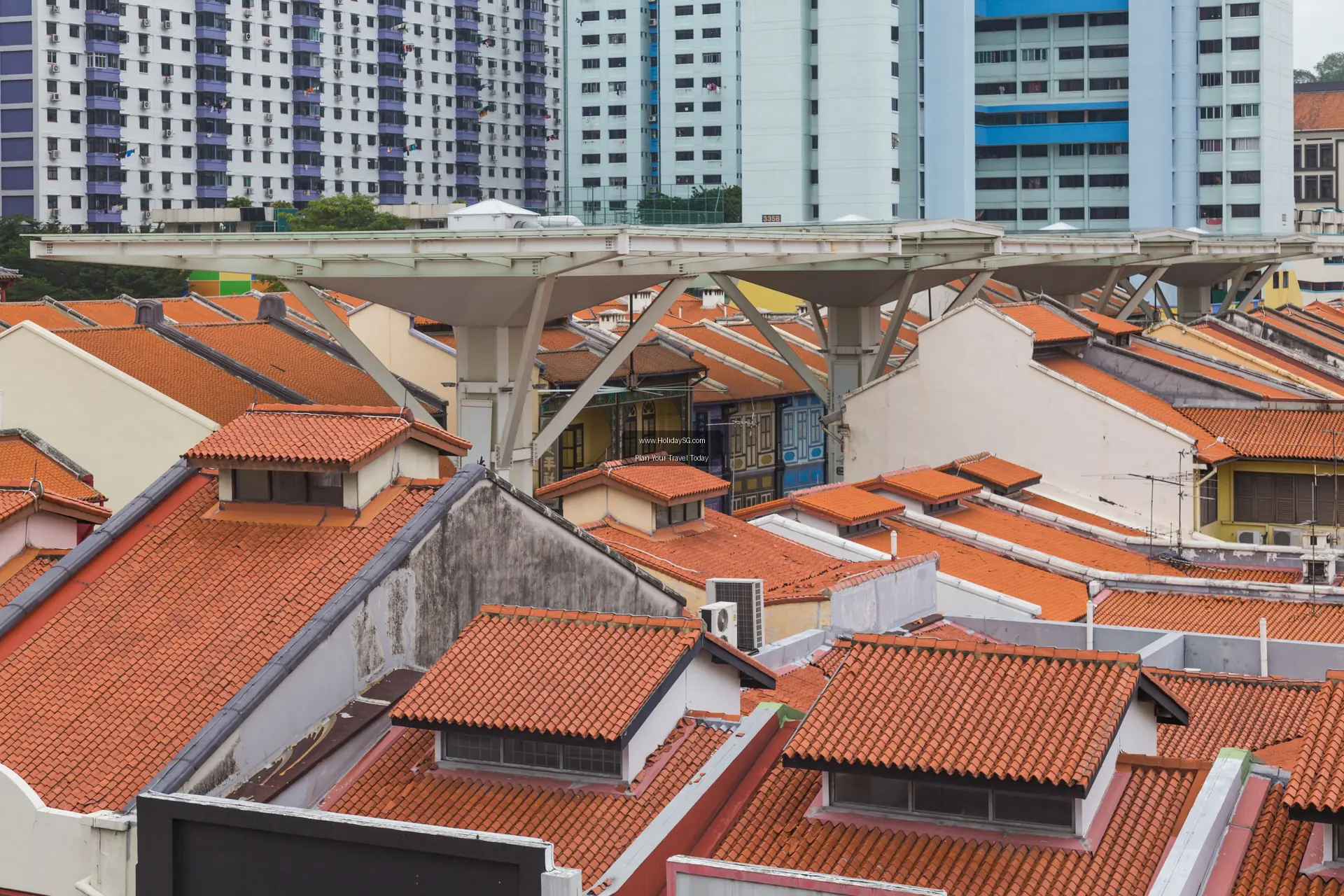
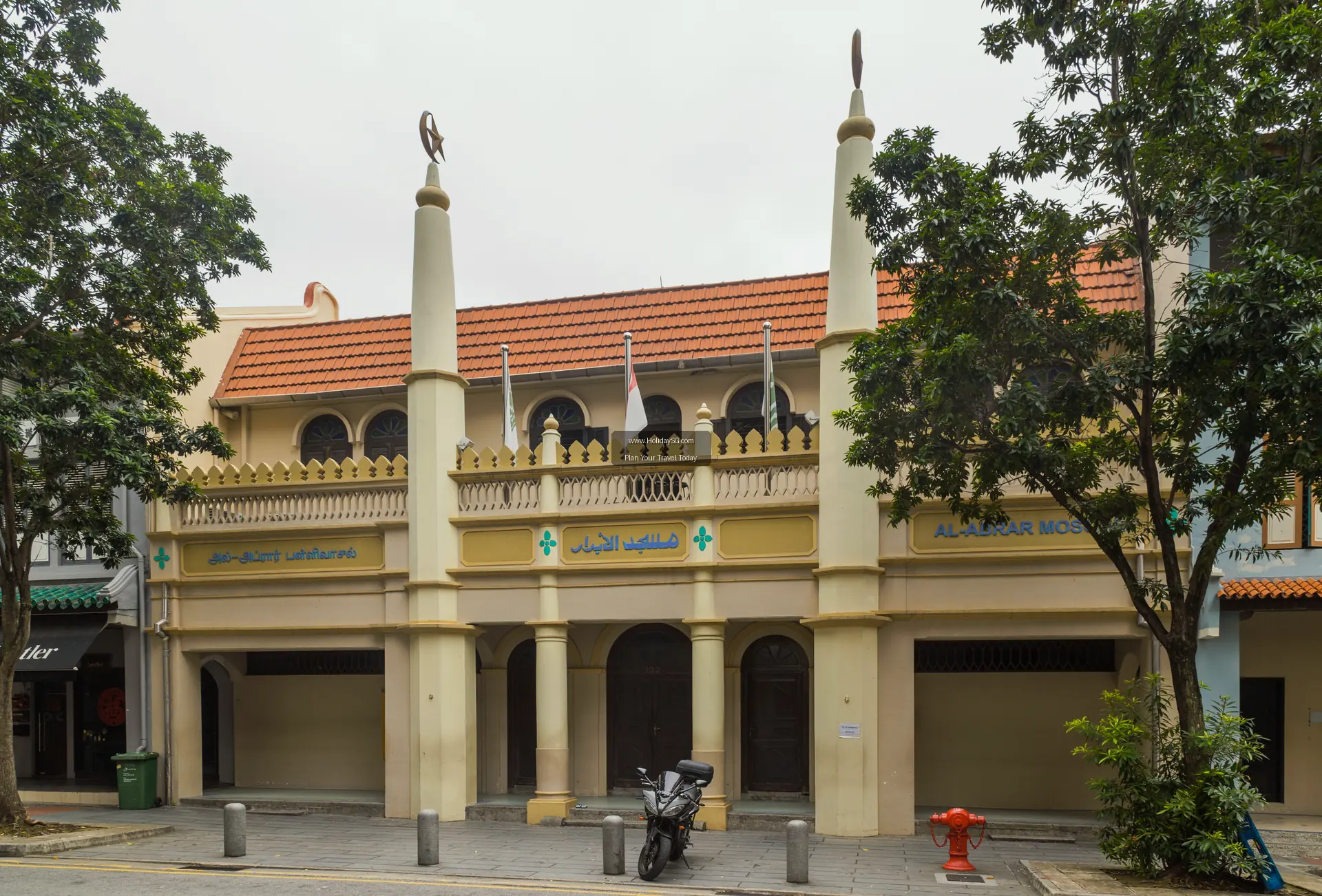
Some of the best things about Singapore—its multicultural character, colourful architecture, and street-level energy—are completely free to soak up. Wander through Little India for the fragrant flower garlands and vibrant temple entrances. Explore Kampong Glam, the Malay-Arab quarter, with its gold-domed Sultan Mosque and quirky Haji Lane boutiques. And get lost in the winding streets of Chinatown, where traditional shophouses sit alongside modern cafes. Each of these districts could easily fill half a day of exploration, and a guided walking tour through all three ethnic quarters can add rich context if you want deeper insight.
Museums, Parks, and Nightly Entertainment
The National Gallery Singapore offers free entry to certain zones showcasing Southeast Asian art. Several museums run free admission days or discounted evening hours—check their websites before you visit. Parks like the Singapore Botanic Gardens (a UNESCO World Heritage Site) are entirely free. And if you’re in the Marina Bay area after dark, the light show at the Shoppes at Marina Bay Sands is a spectacular way to end your evening without spending a dollar.
Money-Saving Hacks Every Budget Traveler Should Know
Apps, Connectivity, and Smart Planning
Download the Citymapper app before you arrive—it’s the best way to navigate Singapore’s public transport in real time, giving you step-by-step directions across MRT and buses. For mobile data, grab a prepaid tourist SIM card at Changi Airport from around SGD 15 for several days of data, or consider an HolidaySG eSIM plan for Singapore for hassle-free connectivity. Many public spaces, libraries, and malls also offer free Wi-Fi.
One of the simplest savings: carry a reusable water bottle. Singapore’s tap water is perfectly safe to drink, and refilling stations are available at most attractions, malls, and parks. That alone saves you SGD 2–4 per bottle bought from vending machines.
Discounted Tickets and Strategic Timing
Many paid attractions offer online advance-purchase discounts—the Singapore Flyer, for example, is cheaper when booked through online platforms rather than at the gate. Some attractions also run weekday or off-peak promotions. As mentioned in our guide to Singapore’s top attractions, planning your paid visits around discount days can save you 10–20% per ticket. For attractions you’re set on seeing, always check the official website for any ongoing promotions before arriving.
Etiquette Tips and Practical Advice
Do’s and Don’ts for Budget Visitors
Singapore is an incredibly safe and orderly city, but there are a few local customs worth respecting. Stand on the left side of escalators and keep the right clear for people in a rush. When visiting temples, mosques, and other religious sites, dress modestly—cover your shoulders and knees. Littering carries heavy fines (up to SGD 1,000 for a first offence), so always find a bin. And don’t even think about chewing gum—the importation and sale of chewing gum is banned in Singapore, though the rule is more about bulk importation than personal use. The locals are generally very friendly and helpful, and the city’s low crime rate means you can walk around confidently even late at night.
Common Questions from First-Time Visitors
Do I need to tip? No—tipping is not customary in Singapore. Service charge (usually 10%) is typically included in restaurant bills, and hawker centres don’t expect tips. Is Singapore safe for solo budget travelers? Absolutely. It consistently ranks among the safest cities in the world. Should I exchange currency before arriving? Singapore is largely a cashless society for larger purchases, but you’ll want some cash for hawker centres and smaller shops. ATMs are widely available, and many accept international cards.
Sample Budget Itinerary: 3 Days in Singapore
Day 1—Marina Bay and Chinatown: Start at Merlion Park for morning photos. Walk along the Marina Bay waterfront to Gardens by the Bay’s free outdoor gardens and Supertree Grove. In the afternoon, explore Chinatown’s streets, temples, and the Buddha Tooth Relic Temple. Dinner at Maxwell Food Centre (try the chicken rice). Catch the Spectra light show at Marina Bay Sands in the evening.
Day 2—Kampong Glam, Little India, and Bugis: Begin at Sultan Mosque and wander through Haji Lane and Arab Street. Head to Little India for the Sri Veeramakaliamman Temple and Tekka Centre for lunch. Spend the afternoon at the National Gallery’s free zones or walk through the Singapore Botanic Gardens. Dinner at a Little India hawker stall.
Day 3—Sentosa or Nature Trails: Option A: Take the MRT to Sentosa and spend the day at the free beaches (Palawan, Siloso, or Tanjong). Option B: Hike through MacRitchie Reservoir’s treetop walk, then visit East Coast Park for cycling and seaside views. Either way, finish with a satay feast at Lau Pa Sat.
Recommended HolidaySG Tours
- Singapore 3 Ethnic Quarters Tour—Chinatown, Kampong Glam & Little India
- Singapore Flyer Ticket + Captain Explorer DUKW Tour
- Singapore Chilli Crab & Mantou
- HolidaySG eSIM plan for Singapore
Singapore rewards the curious and the savvy. You don’t need a lavish budget to eat like royalty, see world-class sights, and navigate one of Asia’s most dynamic cities. With a little planning, the right mindset, and this guide in hand, your affordable Singapore adventure is well within reach.
Ready to explore Singapore further? Book our Singapore Flyer Ticket Captain Explorer Dukw Tour for an unforgettable panoramic view and a unique historical perspective on the city.
Book these with HolidaySG:
Book with HolidaySG online for Singapore Flyer Ticket Captain Explorer Dukw Tour, Singapore Chilli Crab Mantou, Singapore Chilli Crab Mantou.
Timing Your Visit to Stretch Every Dollar
When you travel makes almost as much difference to your budget as where you sleep or what you eat. Singapore sits just one degree north of the equator, so the weather stays hot and humid all year, with daytime temperatures usually between 28 and 33 degrees Celsius. What changes is the rainfall. The northeast monsoon runs roughly from December to March and brings long, heavy downpours, often in the afternoon or overnight. Many budget travelers avoid this period, but it can actually be a good time to visit if you are flexible. Hotel rates in the quieter months can dip noticeably, and you will find fewer crowds at popular attractions. The key is to keep a compact umbrella in your bag at all times, since a sudden storm can soak you within minutes. The inter-monsoon months of April to May and October to November tend to bring shorter bursts of rain and a steadier supply of affordable rooms, which makes them a sweet spot for cost-conscious visitors who still want pleasant conditions for walking.
Public holidays and major festivals can push prices up sharply, so it helps to check the calendar before you book. Chinese New Year, usually falling in January or February, fills hotels in Chinatown and along Orchard Road, and flights into Changi Airport become pricier in the weeks around it. Deepavali, typically in October or November, brings lovely light displays to Little India, but accommodation near the area can book out quickly. Hari Raya Puasa and Hari Raya Haji also create festive atmospheres in Geylang Serai and Kampong Glam, though some small eateries close for a few days around these dates. Singapore school holidays, which fall in late May, late November, and late December, are another busy period for families. If you can avoid these windows, you will usually save more on both flights and rooms. Conversely, the Great Singapore Sale, which typically runs from late May through July and sometimes into August, offers discounts at department stores and malls, so shopping lovers may want to aim for those months instead.
Weekdays are another underrated tool for saving money. Hotels in the central business district, such as those around Raffles Place and Marina Bay, often price their rooms higher on weekdays because of corporate travelers, then soften on Friday and Saturday nights when leisure guests fill the leisure-oriented properties in Kampong Glam, Chinatown, and Bugis. Meanwhile, the better-value option for a weekday stay might be the reverse, so compare a few date combinations before committing. Booking at least six to eight weeks ahead gives you the widest selection of guesthouses and budget hotels, while last-minute deals are rare and usually limited to rooms with no windows or shared facilities. Air travel follows similar patterns. Flights departing mid-week, especially on Tuesdays and Wednesdays, tend to be cheaper than weekend departures. If your schedule allows, arriving early in the morning can also help, since you can drop your bags at a hotel that offers early check-in or leave luggage at the station lockers for a few dollars before exploring.
Finally, think about how the seasons affect the things you want to do outdoors. Hiking the trails in Bukit Timah Nature Reserve or walking the boardwalks of MacRitchie Reservoir is far more pleasant in the early morning, before the heat builds past 32 degrees and the humidity sits heavily on the trees. Plan outdoor activities for 7 AM to 10 AM, then retreat indoors to malls, museums, or air-conditioned libraries during the hottest part of the afternoon. Many of the free and low-cost attractions are open-air, so this simple scheduling trick helps you avoid paying for taxis or cold drinks you did not really need. Pack lightweight, breathable clothing, a reusable water bottle, and sunscreen, because replacing forgotten items in Singapore is possible but can cost more than you expect at tourist-facing shops. A little forethought about timing and weather turns a standard trip into a much more comfortable and affordable one.
Budget Day Trips Beyond the City Centre
Singapore is compact, but it has a surprising amount of natural and historical variety just beyond the skyscrapers. One of the best-value excursions is a trip to Pulau Ubin, a small island off the northeast coast that still shows what the country looked like decades ago. To get there, head to Changi Village Ferry Terminal and board a bumboat, a small shared boat that carries passengers across in about ten minutes. The fare is modest, usually a few dollars per person each way, and boats leave only when they fill up, so arrive early on weekends to avoid waiting. Once on the island, you can rent a bicycle for a few dollars an hour and pedal along quiet kampong roads toward Chek Jawa Wetlands, where tidal flats reveal crabs, starfish, and other marine life at low tide. Pack more water than you think you need, since there are only a few small kiosks on the island and prices are slightly higher than on the mainland. Bring mosquito repellent too, especially if you plan to walk the mangrove trails.
Johor Bahru, just across the Causeway in Malaysia, is another popular budget day trip, and many travelers find it a cost-effective way to enjoy a different food scene. Public buses from Singapore, including routes departing near Queen Street and Bugis, cross the border in about 20 to 40 minutes depending on traffic, though the checkpoint queues can stretch long on weekends and public holidays. Bring your passport, complete the immigration formalities on both sides, and consider travelling early in the morning to avoid the worst crush. In Johor Bahru, you can eat at local mamak stalls, browse the night markets, or visit the Sultan Abu Bakar Mosque, which is free to enter outside prayer times and modest dress is required. Keep in mind that Malaysian ringgit is the local currency, and most small vendors do not accept Singapore dollars, so exchange a small amount before crossing or withdraw from a machine on the Malaysian side. Mobile phone roaming can also add up quickly, so check your plan in advance.
Closer to the city, the Kranji War Memorial in the northwest offers a quiet, educational outing that costs nothing to enter. The memorial commemorates Commonwealth servicemen who died during the Second World War, and the grounds are beautifully maintained, with a peaceful garden setting. Getting there takes a bus ride from Woodlands or a taxi from the centre, and the Kranji Countryside nearby has farms where you can buy fresh produce and sometimes pick strawberries in season for a small fee. For a different sort of scenery, Sentosa offers beaches such as Palawan Beach and Siloso Beach, both free to access. The island does charge an entry fee for vehicles and some attractions, but walking or cycling onto the island through the Sentosa Express monorail station keeps your costs low. Pack a picnic from a supermarket like NTUC FairPrice, which is far cheaper than eating at the beachfront restaurants. Plan your return before sunset to avoid long queues at the monorail.
When planning any day trip, think about the order of your stops so you can combine them efficiently. For example, you could start the morning at Changi Village for breakfast, take a bumboat to Ubin, return by mid-afternoon, and then head to the East Coast Park for an evening stroll along the seafront, where hawker stalls serve satay and cold drinks at reasonable prices. Public transport cards such as the EZ-Link or a contactless credit card make these hops easy, since fares are deducted automatically and capped each day. Keep track of the last train and bus times, which usually run until around midnight on most routes but may end earlier on weekends or public holidays. Long-distance travel to Malaysia or outlying islands requires extra planning, so always confirm opening days for attractions before you set out. A flexible itinerary with two or three well-chosen excursions gives you a richer sense of the region than a city-only trip and rarely adds much to your overall spending.
Shopping, Markets and Souvenirs Without Overspending
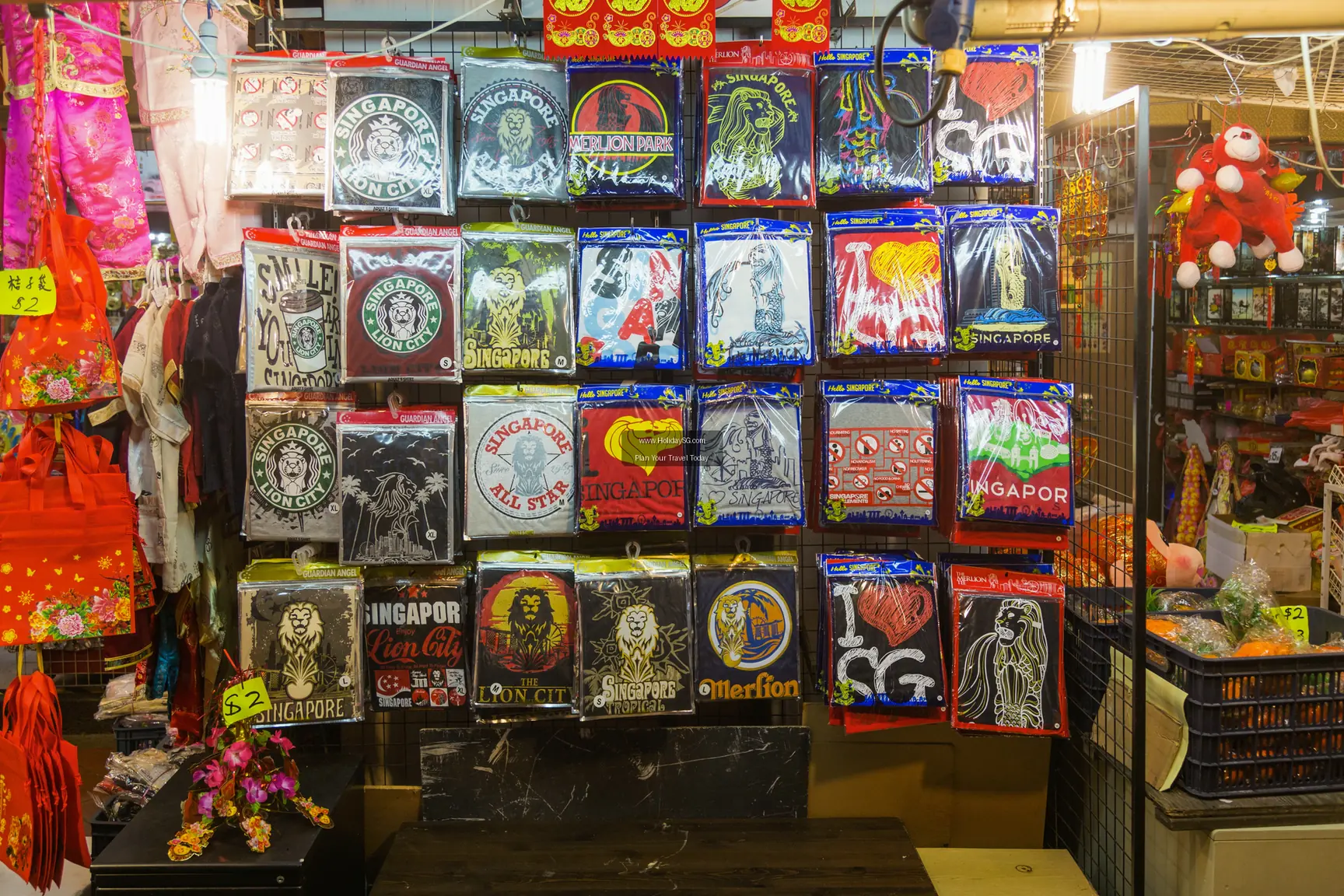
Shopping is one of Singapore's great pleasures, but it is also an easy way to blow through a carefully planned budget. The good news is that some of the city's most interesting retail experiences cost nothing more than your time. Chinatown's Chinatown Complex Market and Food Centre is a sprawling wet market where vendors sell fresh seafood, herbs, and dried goods, and the hawker stalls upstairs serve dishes that are easy on the wallet. Nearby, the streets around Pagoda Street and Smith Street are lined with shops selling tea, calligraphy supplies, traditional medicine, and handmade ceramics. Prices for souvenirs here are often negotiable, but be polite and realistic about it. Bugis Street, with its covered market, is a good place to find inexpensive clothing, accessories, and novelty items, and it stays lively late into the evening. Expect to pay a few dollars for a simple keepsake, and remember that bargaining is more common at open-air stalls than at fixed-price shops or chain stores.
For a more eclectic shopping experience, the Mustafa Centre in Little India is legendary among budget travelers. This multi-storey department store sells everything from electronics and jewellery to luggage, cosmetics, and groceries, usually at prices lower than typical mall outlets. The store is open late into the night, and it is worth wandering through the aisles even if you do not plan to buy much, just to see the range of goods on offer. Keep your receipts and check the prices of electronics carefully, since you should compare them with official retailers to confirm you are getting a genuine product and a fair deal. Geylang Serai Market is another rewarding stop, particularly during the lead-up to Hari Raya, when the surrounding streets fill with stalls selling baju kurung, batik, sweets, and seasonal snacks. Shopping here feels much more local than in the tourist zones, and vendors are usually happy to explain what they sell.
If you do spend a meaningful amount at participating stores, look for the tax refund option. Singapore charges a Goods and Services Tax of 9 percent, and visitors who buy goods from participating retailers can apply for a refund on eligible purchases, typically those above a minimum spend threshold on a single receipt. Ask the cashier whether the store takes part in the scheme before you pay, and keep your receipts and unused items sealed in their original packaging. The refund is usually processed at the airport when you leave, so allow time at the checkpoint. Be aware that the rules change occasionally, so confirm the current requirements with the store or official information counters. For food and gift souvenirs, consider popular local items that travel well, such as kaya jam, bak kwa dried meat, and Milo tins, which are inexpensive and easy to pack. Avoid buying perishable goods unless you are certain they are allowed through customs in your home country, and check restrictions on durian products before carrying any on a flight.
Finally, be mindful of impulse purchases in air-conditioned malls, which are designed to keep you browsing. Orchard Road is a wonderful place to people-watch and admire the window displays, but the luxury boutiques and flagship stores there rarely offer bargains outside the sale periods. A better approach is to set a daily souvenir budget, perhaps around 30 to 50 Singapore dollars, and decide in advance what you hope to bring home. Many visitors find that a few small, handmade items from a market, a bag of local tea, and a packet of coconut tarts from a bakery make more meaningful gifts than expensive branded goods. Carry a foldable tote bag so you do not need to buy extra plastic bags, since many shops charge for them. Shopping on a budget ultimately comes down to knowing where to look, comparing a few options before buying, and enjoying the experience of wandering through markets that reflect Singapore's many cultures.
Staying Connected, Healthy and Safe on a Tight Budget
Staying connected is essential in Singapore, where almost everything from ordering food to checking bus arrival times depends on a smartphone. Roaming charges from home can be steep, so it is worth comparing your options before you arrive. Prepaid SIM cards are sold at Changi Airport arrivals, convenience stores, and telco shops in malls, typically for around 15 to 30 Singapore dollars for a package that includes a generous data allowance and some local calls. Electronic SIM options are increasingly common and can be activated before you land, which saves time at the airport. Once you have data, download the official transport and navigation apps, and use free public Wi-Fi available at many hawker centres, libraries, and MRT stations. Keep in mind that data-heavy activities such as video streaming can quickly use up a small plan, so download maps and offline guides while you are on a stable connection. Your phone will also be your payment tool in many places, so ensure it is set up with a contactless card or a mobile wallet before you leave home.
Health costs can surprise travelers, so it is wise to plan ahead. Singapore has excellent medical facilities, but private care is expensive. A general practitioner consultation at a private clinic might cost between 30 and 80 Singapore dollars before medication, and a visit to an emergency department can cost considerably more. Comprehensive travel insurance that covers medical treatment and evacuation is a practical investment, and you should read the policy details carefully to understand any exclusions. For minor ailments, chain pharmacies are plentiful and staff are knowledgeable about common over-the-counter remedies for headaches, sunburn, and stomach upsets. The tropical climate means you should drink plenty of water, and the good news is that tap water in Singapore is safe to drink and widely available. Public places, including MRT stations and many libraries, have water fountains or refill points. Carrying a reusable bottle saves money and reduces plastic waste, and it is a habit many locals practice on the go.
Safety in Singapore is generally very high, and petty theft is relatively uncommon, but a few common-sense habits will protect your money and belongings. Keep your passport in a secure place and carry a photocopy or digital scan for identification. Use a crossbody bag in crowded areas such as MRT platforms and night markets, and avoid leaving phones on tables near the edge of hawker centre seating. Scams do occur, particularly online, so be wary of unsolicited offers for tickets, tours, or discounted currency exchange, and make purchases only through reputable channels. Taxi and ride-hailing drivers are generally reliable, but always confirm the fare or meter usage before setting off. Air quality can occasionally drop during haze episodes, usually linked to fires in the region. When the Pollutant Standards Index is high, consider indoor activities, carry a well-fitted mask, and check official updates each morning. Being prepared for these conditions will help you enjoy the trip without unnecessary worry.
Finally, build a small emergency fund into your budget. Unexpected expenses such as a lost card, a rescheduled flight, or a sudden rainstorm that forces you into a taxi can add up quickly. Setting aside an extra 100 to 150 Singapore dollars, separate from your daily spending money, gives you a cushion without disrupting your plans. Carry at least two payment methods, such as a debit card and a credit card, and keep the bank's international helpline number saved in your phone in case you need to block a card. Keep a small amount of cash in Singapore dollars for hawker stalls and older vendors who may not accept cards, and note that many small outlets prefer PayNow or mobile payments. With a little preparation around connectivity, health, and safety, you can explore Singapore confidently, knowing that the practical details are handled and your budget has room to absorb the unexpected.
Frequently Asked Questions
Where can I book budget-friendly activities and services in Singapore?
For affordable experiences, you can book directly through HolidaySG. Here are some popular options: Singapore Flyer Ticket Captain Explorer Dukw Tour, Singapore Chilli Crab Mantou, Singapore 3 Ethnic Quarters Tour, and HolidaySG eSIM plan for Singapore.
Do foreigners (non-citizens) need a different ticket, price, or visa for Singapore?
Visa requirements vary by nationality; many countries offer visa-free entry for up to 30 days, but you should always check the official Singapore government website or embassy for the most current rules. For attraction tickets and prices, foreigners typically pay the same rates as locals, though some places may have resident discounts—confirm with each venue. General travel advice is to verify all requirements before your trip.
What is the best time (season, or time of day for the site/activity) to go?
Singapore is a year-round destination, but the drier months from February to April are ideal for outdoor activities. For specific attractions like the Singapore Flyer, evenings offer stunning city views. For ethnic quarters tours, mornings can be less crowded and cooler.
How long should I spend in Singapore on a budget trip?
A budget trip to Singapore can be enjoyable in 3-5 days, allowing time to see key attractions without rushing. Focus on free or low-cost sights like gardens and neighborhoods to maximize value.
What are the typical daily costs for a budget traveler in Singapore?
Expect to spend around SGD 50-100 per day, covering dormitory or budget hotel stays (SGD 20-50), meals (SGD 10-20), and public transport (SGD 5-10). Activities can add to this, so prioritize free options.
How do I get to Singapore from other countries?
Singapore is a major air hub with Changi Airport, served by numerous budget airlines. Overland travel is possible from Malaysia by bus or train. Compare flight deals on booking sites for a great selection of.
Is Singapore family-friendly for budget travel?
Yes, Singapore is very family-friendly, with many free attractions like parks and playgrounds. Budget-friendly options include visiting hawker centers for meals and using public transport, which is efficient and child-friendly.
What should I pack for a trip to Singapore?
Pack lightweight, breathable clothing for the tropical weather, comfortable walking shoes, a reusable water bottle, sunscreen, and a light rain jacket. For budget travel, bring a power bank and adapters for electronics.
Are there accessibility options for budget travelers with disabilities?
Singapore has good accessibility on public transport and many attractions, but it’s wise to check specific venues in advance. Budget accommodations with accessibility may be limited, so research ahead.
Is Singapore safe for solo budget travelers?
Singapore is one of the safest cities in the world, with low crime rates. Solo travelers can enjoy budget options like hostels and public areas without major concerns, but standard precautions apply.
What is the weather like in Singapore, and how does it affect budget travel?
Singapore is hot and humid year-round, with occasional rain. This means you’ll need light clothing and can cool off in free spots like libraries or malls. Rain might disrupt outdoor plans, but indoor budget activities are plentiful.
What local etiquette should I know to avoid extra costs or issues?
Respect local laws: no littering (fines apply), no chewing gum, and be quiet on public transport. Tipping is not customary, so you won’t face extra costs for services.
Can you recommend affordable food options in Singapore?
Hawker centers are a must for budget dining, offering dishes like Hainanese chicken rice or laksa for SGD 3-5. For a treat, try Singapore Chilli Crab Mantou at affordable prices.
What are some free or low-cost attractions in Singapore?
Enjoy free spots like Gardens by the Bay’s outdoor areas, Merlion Park, and ethnic neighborhoods such as Chinatown and Little India. Low-cost options include budget tours like the Singapore 3 Ethnic Quarters Tour.
How can I use public transport cheaply in Singapore?
Get an EZ-Link card or use contactless payments for buses and MRT trains, which offer affordable fares. Consider a day pass if you’re traveling extensively. For connectivity, a HolidaySG eSIM plan for Singapore can save on roaming costs.
Are there budget-friendly accommodations in central areas?
Yes, hostels and budget hotels in areas like Little India or Chinatown offer central stays at lower rates. Book in advance for the best deals, and consider shared dormitories for savings.
Do I need to tip in Singapore?
No, tipping is not expected or customary in Singapore, as a 10% service charge is usually included in restaurant bills. This helps keep your budget predictable.
What currency is used, and how can I exchange money cheaply?
The currency is Singapore Dollar (SGD). For cheap exchange, use ATMs with competitive rates or exchange money at authorized money changers in areas like Mustafa Centre. Avoid airport exchanges for better rates.
Is there free Wi-Fi available in public places?
Yes, free Wi-Fi is widely available in malls, libraries, and some MRT stations. For constant connectivity without high costs, consider the HolidaySG eSIM plan for Singapore.
How do I avoid tourist scams in Singapore?
What things cost in Singapore
Live HolidaySG prices for the experiences in this guide, so you can sanity-check a budget before you commit.
| Experience | Where | From price |
|---|---|---|
| #INSTAWALK: BUGIS, WATERLOO, KAMPONG GLAM | Singapore | From S$45.32 |
| +Twelve | Singapore | From S$127.05 |
| ABOUT MR. LEE | Singapore | From S$66.17 |
| Harry Potter Visions of Magic | Singapore | From S$41.79 |
| Action Motion | Singapore | From S$37.07 |
| Adventure HQ | Singapore | From S$65.55 |
| Alphard / Vellfire | Singapore | From S$34.43 |
Things to book on this trip
Plan the rest of your trip
- Singapore visa requirements - Check who needs a visa, the documents and the processing time.
- Hotels in Singapore - Compare hotels and check room rates for your dates.
