

Indonesia is a destination that defies expectations. Beyond the well-trodden paths of Bali, this archipelago of over 17,000 islands offers everything from ancient temples and active volcanoes to world-class diving and vibrant cultures. Whether you’re planning your first trip or seeking new adventures, knowing what to do in Indonesia will help you craft an unforgettable journey. With its affordability, warm hospitality, and sheer diversity, it’s no wonder travelers keep returning—or planning their first visit.
TL;DR: Indonesia is a diverse paradise with iconic destinations like Bali, Java, and Raja Ampat, offering everything from temples and volcanoes to wildlife and beaches. Plan your trip during the dry season (April–October) for the best weather, budget $20–$150/day depending on your style, and explore beyond Bali for unforgettable cultural and natural experiences.
**Beyond Bali: Indonesia’s Top Destinations and Must-Do Experiences**
**Bali: More Than Just Beaches**
Bali is often the first stop for travelers, and for good reason. The island blends spirituality, adventure, and relaxation seamlessly. Start in Ubud, the cultural heart of Bali, where the Tegallalang Rice Terraces offer a postcard-perfect landscape of emerald-green paddies. For a deeper connection to the land, join a Balinese cooking class or visit the sacred Tirta Empul Temple for a purifying water ritual.
No trip to Bali is complete without visiting its temples. Uluwatu Temple, perched on a cliff overlooking the Indian Ocean, is breathtaking at sunset, especially when paired with a Kecak fire dance performance. Beach lovers will find their paradise in Seminyak (luxury and nightlife), Nusa Dua (family-friendly resorts), or Padang Padang (surfing and laid-back vibes).
For adventure, wake up before dawn to trek Mount Batur, where the reward is a sunrise that paints the sky in hues of orange and pink. Or, if you prefer to stay grounded, explore Ubud’s art markets and monkey forests, where mischievous macaques roam freely.
**Java: Temples, Volcanoes, and Royal Heritage**
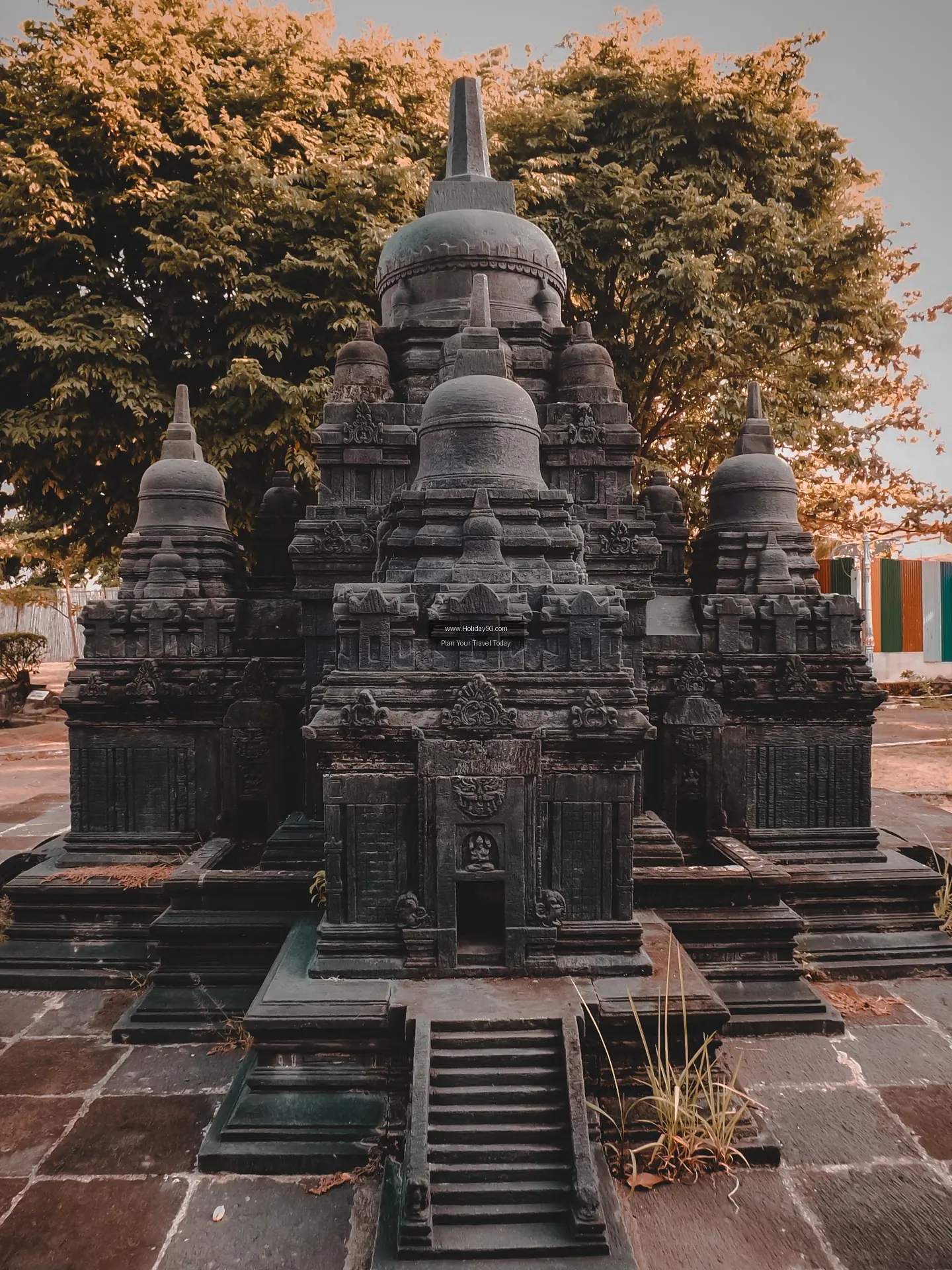
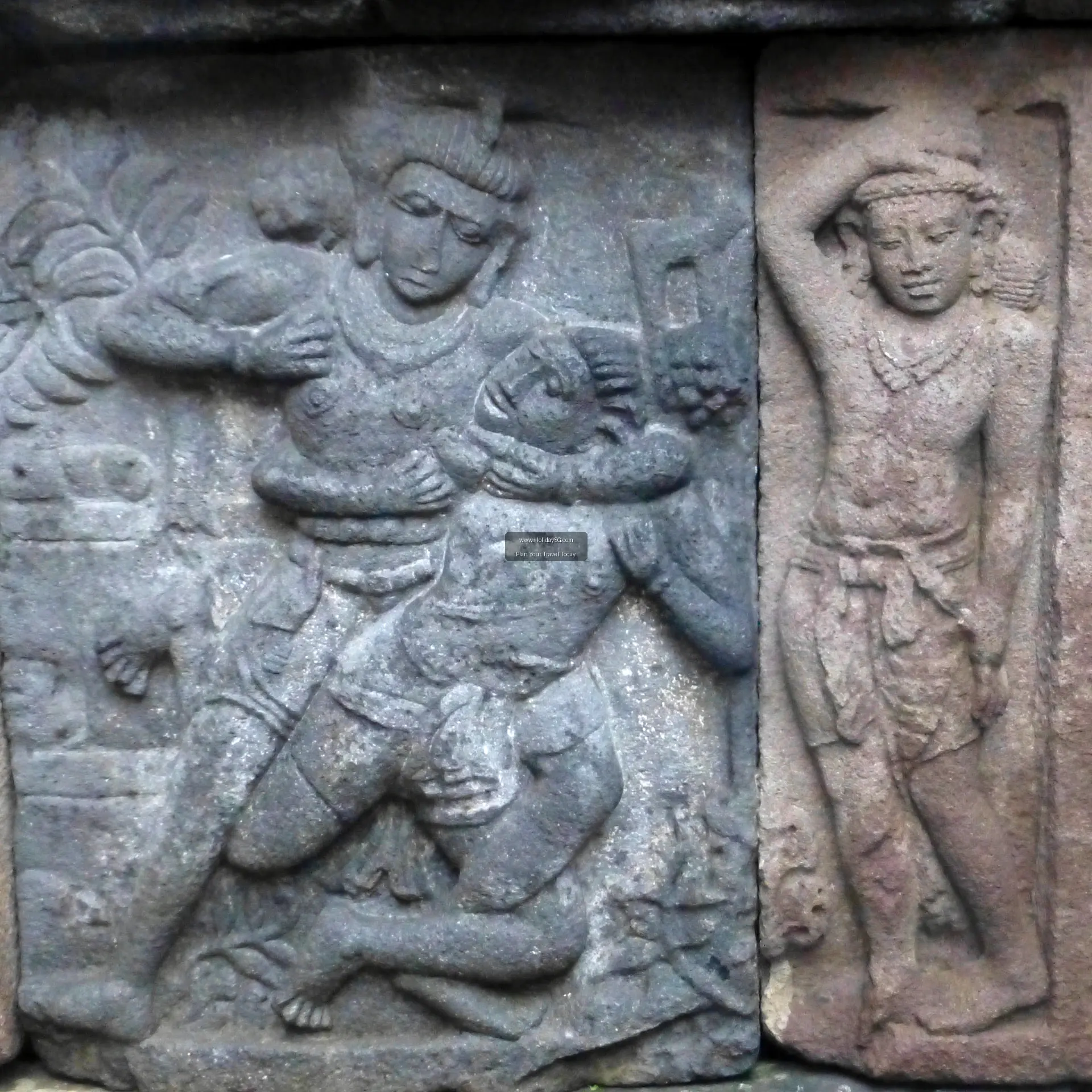
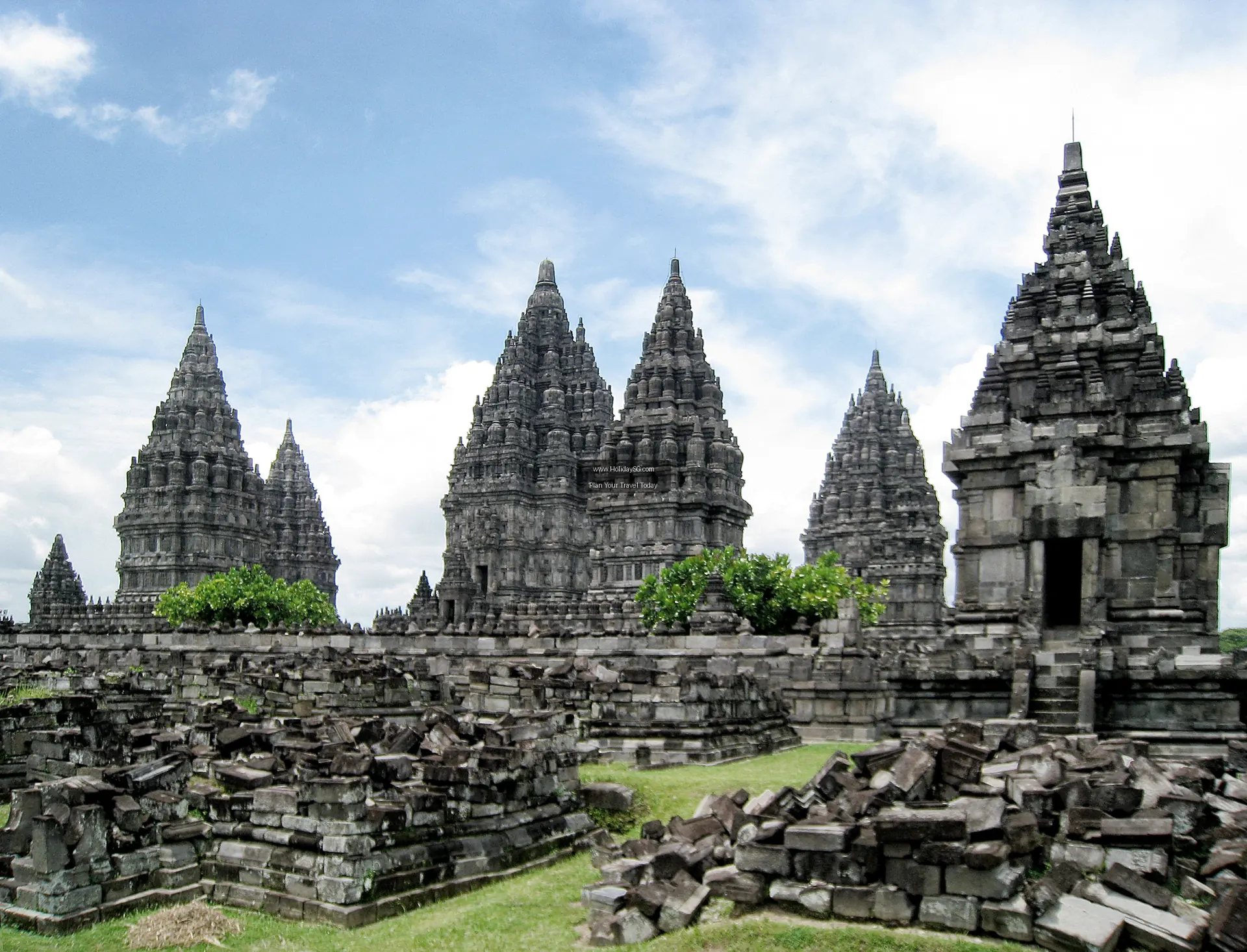
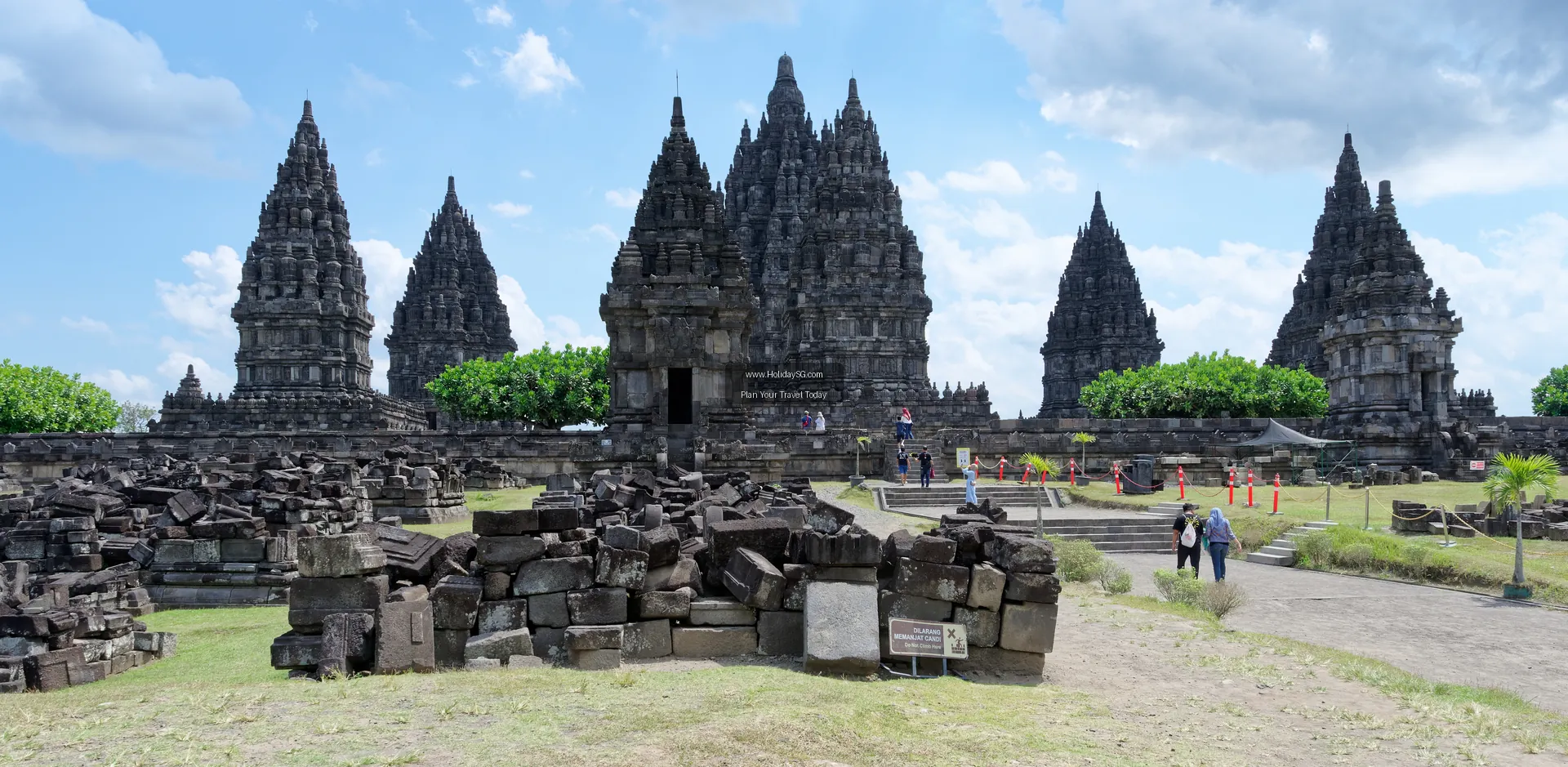
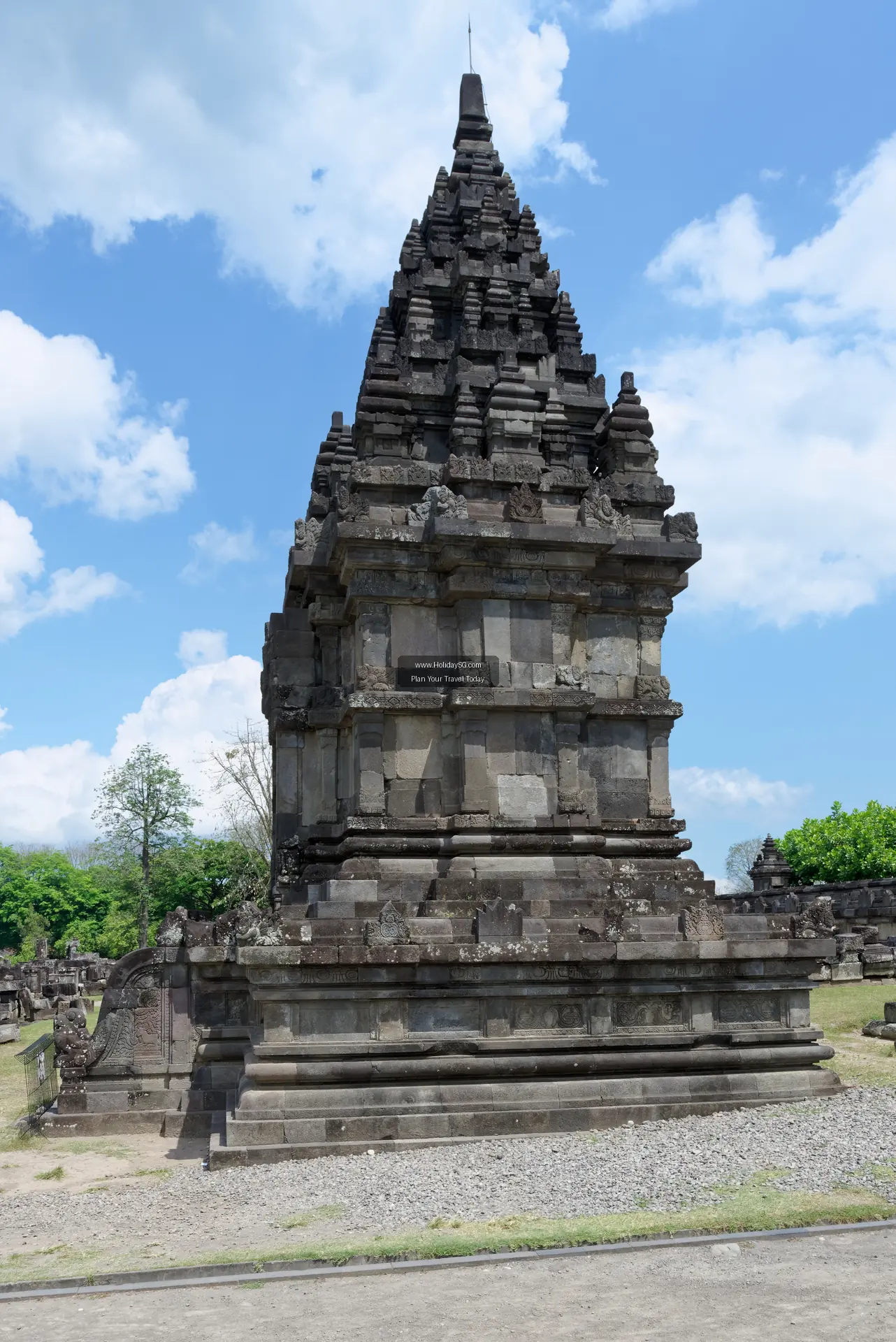
Java is Indonesia’s cultural and historical powerhouse. The Borobudur Temple, a UNESCO World Heritage site, is the world’s largest Buddhist temple and a masterpiece of ancient architecture. Visit at sunrise for a magical experience as the temple emerges from the mist. Nearby, the Prambanan Temple complex, dedicated to Hindu gods, is equally awe-inspiring, especially during its evening Ramayana Ballet performances.
For thrill-seekers, Mount Bromo is a must. The otherworldly landscape of this active volcano, with its smoldering crater and sea of sand, is best explored at sunrise. If you’re up for a challenge, the Ijen Crater offers a surreal trek to see its famous blue fire, a natural phenomenon caused by sulfuric gases.
Yogyakarta, Java’s cultural capital, is the perfect base for exploring these wonders. Visit the Sultan’s Palace, stroll down Malioboro Street for souvenirs, and try your hand at a batik-making workshop to create your own traditional fabric.
**Sumatra: Wildlife and Untamed Beauty**
Sumatra is where Indonesia’s wild side comes to life. Bukit Lawang, a gateway to Gunung Leuser National Park, is one of the best places in the world to see orangutans in the wild. Trek through the jungle with a local guide, and you might also spot gibbons, macaques, and even the elusive Sumatran tiger.
For a change of pace, head to Lake Toba, the largest volcanic lake in the world. The serene waters and surrounding hills are perfect for relaxation, while the Batak villages offer a glimpse into the island’s unique culture. If you’re a surfer, the Mentawai Islands are a dream destination, with world-class waves and a laid-back island vibe.
**Komodo National Park: Where Dragons Roam**
Few places on Earth feel as prehistoric as Komodo National Park. Home to the legendary Komodo dragons, the world’s largest lizards, this UNESCO-listed park is a bucket-list destination for wildlife enthusiasts. Take a guided tour to Rinca or Komodo Island to see these ancient creatures up close, but be sure to follow your guide’s instructions—they may be slow-moving, but they’re powerful predators.
Beyond the dragons, the park is a paradise for divers and snorkelers. Pink Beach, one of only a handful of pink sand beaches in the world, gets its hue from crushed coral. The waters around Padar Island are teeming with marine life, including manta rays, making it a top spot for underwater adventures.
**Raja Ampat: A Diver’s Paradise**
If you’ve ever dreamed of swimming in crystal-clear waters surrounded by vibrant coral reefs, Raja Ampat is the place to be. This remote archipelago in West Papua is often called the “Amazon of the Seas” for its incredible biodiversity. Divers and snorkelers can expect to see everything from pygmy seahorses to reef sharks, all in waters so clear you’ll feel like you’re flying.
Above the water, Wayag Lagoon is the poster child of Raja Ampat. Its karst islands rise dramatically from the turquoise sea, creating a landscape that looks like it’s straight out of a fantasy novel. For birdwatchers, the chance to spot birds of paradise in their natural habitat is a once-in-a-lifetime experience.
**Gili Islands: Lombok’s Tropical Escape**
Just a short boat ride from Bali, the Gili Islands offer a slower pace and some of the best beaches in Indonesia. Gili Trawangan is the liveliest of the three, with beachfront bars, reggae parties, and a vibrant nightlife scene. Gili Meno, the smallest island, is perfect for those seeking peace and quiet, with secluded beaches and excellent snorkeling—keep an eye out for sea turtles gliding through the water.
Gili Air strikes a balance between the two, with a relaxed vibe, great diving spots, and plenty of beachfront cafes. Whether you’re looking to party, unwind, or explore underwater wonders, the Gili Islands deliver.
**Jakarta: The Capital’s Hidden Gems**
Jakarta may not be the first place that comes to mind when planning an Indonesia trip, but the capital has its own charm. Start at the National Monument (Monas), a towering symbol of Indonesia’s independence, and explore Merdeka Square, the heart of the city. For a taste of history, wander through Kota Tua, Jakarta’s Old Town, where colonial-era buildings house museums and cafes.
For a unique cultural experience, visit Taman Mini Indonesia Indah, a theme park that showcases the diversity of Indonesia’s cultures, traditions, and architecture. Don’t miss the cable car ride (Kereta Gantung at Taman Mini Indonesia Indah) for panoramic views of the park. If you’re traveling with kids, Ancol Dreamland offers beaches, theme parks, and seafood restaurants.
**Toraja: Sulawesi’s Cultural Heart**
For a truly off-the-beaten-path experience, head to Toraja in Sulawesi. This highland region is known for its unique funeral rituals, where the deceased are honored with elaborate ceremonies that can last for days. The Tongkonan houses, with their distinctive boat-shaped roofs, are a sight to behold, and the lush landscapes make for incredible trekking.
Toraja is also a great place to experience homestays with local families, giving you a deeper understanding of the region’s traditions. Don’t miss the chance to visit a coffee plantation—Sulawesi is home to some of Indonesia’s best coffee, and the views from the highlands are stunning.
**When to Visit Indonesia: Weather and Crowds**
Indonesia’s climate varies by region, but the dry season (April–October) is generally the best time to visit. This is when you’ll find sunny skies, calm seas, and ideal conditions for trekking, diving, and beach hopping. Bali, Java, and Komodo are particularly pleasant during these months, with lower humidity and fewer rain showers.
The wet season (November–March) brings heavier rains, especially in December and January. While this means fewer crowds and lower prices, some areas—like trekking routes in Java or diving spots in Raja Ampat—may be inaccessible. If you don’t mind the occasional downpour, this can be a great time to explore Indonesia’s cities or cultural sites.
For the best balance of weather and crowds, consider traveling during the shoulder months (April, May, September, or October). You’ll enjoy pleasant conditions without the peak-season rush.
**Budgeting for Your Indonesia Adventure**
Indonesia is one of the most affordable travel destinations in Southeast Asia, but costs can vary widely depending on your style. Here’s a rough breakdown of what to expect:
- Budget travelers ($20–$40/day): Stay in hostels or guesthouses, eat at warungs (local eateries), and use public transport or motorbike rentals. This budget allows for simple but comfortable travel, with room for occasional tours or activities.
- Mid-range travelers ($50–$120/day): Enjoy private rooms in 3-star hotels, dine at mid-range restaurants, and take private tours or taxis. This budget gives you more flexibility to splurge on experiences like diving, temple tours, or a night in a luxury villa.
- Luxury travelers ($150+/day): Stay in 5-star resorts or private villas, dine at high-end restaurants, and book premium experiences like private guides or helicopter tours. This is the budget for those who want to travel in style.
Additional costs to consider:
- Domestic flights: $50–$150 (e.g., Jakarta to Bali, Bali to Lombok).
- Ferries/boats: $10–$50 (e.g., Bali to Gili Islands, Lombok to Flores).
- Tours: $20–$100 (e.g., Mount Bromo sunrise tour, Komodo dragon tour).
- SIM cards: $5–$10 for 10GB of data (essential for staying connected).
**Visa Requirements: What You Need to Know**
Indonesia makes it easy for travelers to visit, with visa-free entry for citizens of over 170 countries, including the US, UK, Australia, and Singapore. This allows you to stay for 30 days, but it’s non-extendable, so plan your trip accordingly.
If you want to stay longer, you can apply for a Visa on Arrival (VOA) at major airports and seaports. The VOA costs ~$35 and is extendable for another 30 days, giving you a total of 60 days in Indonesia. For faster processing, apply for an e-VOA online before your trip.
Pro tip: Overstaying your visa can result in fines of ~$7–$10 per day, so keep track of your departure date. If you’re unsure about your eligibility, check the latest requirements on the Indonesian Immigration website before you travel.
**Getting Around Indonesia: Transportation Tips**
Indonesia’s vast size means you’ll likely need to mix and match transportation methods to explore efficiently. Here’s how to navigate the archipelago like a pro:
**Domestic Flights**
Flying is the fastest way to cover long distances. Garuda Indonesia is the national carrier and offers the best service, while budget airlines like AirAsia, Lion Air, and Citilink provide affordable options. Book early for a great selection of, especially during peak season.
**Trains (Java Only)**
Java has Indonesia’s most developed rail network, with scenic routes connecting major cities. The Jakarta to Yogyakarta journey is a favorite, offering comfortable seats and stunning countryside views. Book tickets in advance via the KAI Access app to secure the best fares.
**Buses**
Buses are a budget-friendly option for shorter distances, but they can be slow and crowded. For example, the Jakarta to Bandung route takes around 3 hours by bus, compared to 2 hours by train. Opt for executive-class buses for a more comfortable ride.
**Ferries and Boats**
Island hopping is a highlight of any Indonesia trip, and ferries are the most common way to travel between islands. Popular routes include Bali to Lombok, Lombok to the Gili Islands, and Labuan Bajo to Komodo National Park. Always check schedules in advance, as weather can cause delays.
**Ride-Hailing Apps**
In cities, Grab and Gojek are lifesavers. These apps offer affordable taxis, motorbike taxis (ojek), and even food delivery. They’re safer and more reliable than hailing a taxi on the street, and you can see the fare upfront.
**Motorbike Rentals**
Renting a motorbike is a popular way to explore destinations like Bali, Lombok, and Yogyakarta. Rates start at ~$5–$10/day, but make sure you’re comfortable riding in busy traffic. An international driving permit (IDP) is technically required, though many travelers rent without one.
**Cultural Etiquette: Do’s and Don’ts**
Indonesia is a predominantly Muslim country, but its culture is a blend of influences from Hinduism, Buddhism, and indigenous traditions. Respecting local customs will enhance your experience and help you connect with locals.
- Dress modestly: Cover your shoulders and knees when visiting temples, mosques, or rural areas. In Bali, where Hinduism is the dominant religion, you’ll see more relaxed dress codes, but it’s still polite to dress respectfully.
- Remove your shoes: Before entering homes, some shops, and sacred sites. Look for a pile of shoes at the entrance as a clue.
- Use your right hand: The left hand is considered unclean in Indonesian culture, so always use your right hand for giving or receiving items, especially food or money.
- Bargain with a smile: Haggling is expected in markets, but do it politely. Start at 30–50% of the asking price and negotiate until you reach a fair deal. Remember, a few dollars may not mean much to you, but it can make a big difference to the seller.
- Tipping: Not mandatory, but appreciated. In restaurants, a 10% tip is standard if service isn’t already included. For drivers or guides, small bills (~$1–$2) are a kind gesture.
**Health and Safety: Staying Safe and Healthy**
Indonesia is generally safe for travelers, but taking a few precautions will help you avoid common pitfalls.
**Vaccinations and Health**
- Recommended vaccinations: Hepatitis A/B, Typhoid, Tetanus, and Rabies (if you plan to visit rural areas or interact with animals).
- Mosquito protection: Dengue fever is a risk year-round, so use DEET-based repellent, wear long sleeves in the evenings, and consider staying in accommodations with screens or air conditioning.
- Tap water: Not safe to drink. Stick to bottled or filtered water, and avoid ice in drinks from street vendors.
- Food safety: “Bali belly” (traveler’s diarrhea) is common. Eat at busy stalls where food is freshly cooked, and avoid raw salads or unpeeled fruits.
**Safety Tips**
- Scams: Be wary of “official” tour guides at temples who demand payment, fake taxis that overcharge, or “free” bracelets or trinkets that come with a hefty price tag. Always agree on prices before accepting services.
- Transport: Use Grab or Gojek for taxis, and avoid unmarked vehicles. If renting a motorbike, wear a helmet and drive defensively—traffic can be chaotic.
- Emergency numbers:
- Police: 110
- Ambulance: 118
- Tourist Police: 021-526-4073 (Jakarta)
**Staying Connected: Internet and SIM Cards**
Staying connected in Indonesia is easy and affordable. Telkomsel is the most reliable provider, with the best coverage across the archipelago. You can buy a SIM card at airports, official stores, or even some convenience stores. A 10GB data plan costs ~$5–$10 and should last most travelers a week or more.
For a hassle-free option, consider an eSIM before you arrive. This allows you to activate data as soon as you land, without the need to swap physical SIM cards. Check out options like the Indonesia eSIM with free roaming mobile data for seamless connectivity.
Wi-Fi is widely available in hotels, cafes, and restaurants, but speeds can vary, especially in remote areas. If you need to access restricted sites (e.g., some Western streaming services), a VPN is a good idea.
**Language Basics: Essential Phrases for Travelers**
While many Indonesians speak some English, especially in tourist areas, learning a few local phrases will go a long way in making connections and showing respect.
- Greetings:
- Hello: “Halo” (formal) or “Hai” (casual)
- Good morning: “Selamat pagi”
- Good afternoon: “Selamat siang”
- Good evening: “Selamat sore/malam”
- Polite phrases:
- Thank you: “Terima kasih” (pronounced “tuh-ree-mah kah-see”)
- You’re welcome: “Sama-sama”
- Excuse me/sorry: “Maaf”
- Essential questions:
- How much? “Berapa harganya?” (useful for bargaining)
- Where is…? “Di mana…?” (e.g., “Di mana toilet?” for “Where is the toilet?”)
- Do you speak English? “Apakah Anda bisa berbahasa Inggris?”
**Unique Local Experiences You Can’t Miss**
Indonesia is full of opportunities to dive deeper into its culture and traditions. Here are a few unique experiences to add to your itinerary:
- Make Balinese offerings (Canang sari): In Ubud, join a workshop to learn how to create these daily offerings, which are an integral part of Balinese Hinduism. You’ll leave with a newfound appreciation for the island’s spiritual traditions.
- Batik-making in Yogyakarta: Batik is a UNESCO-listed art form, and Yogyakarta is one of the best places to try it. Visit a workshop to learn the intricate process of wax-resist dyeing and create your own piece to take home.
- Traditional dance classes in Bali: The Legong and Barong dances are mesmerizing, but why just watch? Join a class in Ubud to learn the graceful movements and vibrant costumes firsthand.
- Coffee plantation tours: Indonesia is famous for its coffee, and a plantation tour is a must for caffeine lovers. In Bali or Sumatra, visit a farm to learn about the process, from bean to cup, and try the infamous Luwak coffee (made from beans digested by civet cats).
- Homestays in Toraja or Flores: For a truly immersive experience, stay with a local family in Toraja or Flores. You’ll gain insight into daily life, enjoy home-cooked meals, and even participate in traditional ceremonies.
**Answering Common Traveler Questions**
**Is Indonesia safe for solo female travelers?**
Yes, Indonesia is generally safe for solo female travelers, but it’s important to take precautions. Dress modestly, especially in rural areas or conservative regions, and avoid walking alone at night in quiet or poorly lit areas. In tourist hubs like Bali or Yogyakarta, you’ll find plenty of other solo travelers, making it easier to meet people and explore together.
**Can I use USD or other currencies in Indonesia?**
While some tourist areas (e.g., Bali, Jakarta) may accept USD, it’s always better to pay in Indonesian Rupiah (IDR). Exchange rates for USD are often poor, and vendors may give you change in IDR at an unfavorable rate. Withdraw IDR (Indonesian Rupiah) from ATMs (use ones attached to banks to avoid skimming) or exchange money at reputable exchange counters.
**How easy is it to travel between islands?**
Traveling between islands is straightforward, but it requires some planning. Domestic flights are the fastest option for long distances, while ferries are ideal for shorter hops (e.g., Bali to Lombok). Keep in mind that ferry schedules can be unreliable due to weather, so always allow extra time in your itinerary.
**What’s the deal with “Bali belly”?**
“Bali belly” is a common term for traveler’s diarrhea, often caused by unfamiliar bacteria in food or water. To avoid it:
- Eat at busy stalls where food is freshly cooked.
- Avoid raw salads, unpeeled fruits, and ice in drinks from street vendors.
- Stick to bottled or filtered water.
- Carry oral rehydration salts or anti-diarrheal medication just in case.
**Are credit cards widely accepted?**
Credit cards are accepted in cities, tourist areas, and mid-to-high-end establishments, but cash is king in rural areas, markets, and small warungs. Always carry some IDR for these situations. Notify your bank of your travel plans to avoid your card being blocked for suspicious activity.
**What’s the nightlife like in Indonesia?**
Indonesia’s nightlife varies by destination. Bali is the epicenter, with beach clubs in Seminyak (e.g., Potato Head, Ku De Ta), rooftop bars in Canggu, and backpacker parties in Kuta. Jakarta has a vibrant club scene, while Gili Trawangan is famous for its beachfront parties. If you’re looking for a more relaxed vibe, Ubud offers live music and cultural performances.
**Sustainable Travel in Indonesia**
Indonesia’s natural beauty is one of its greatest assets, but it’s also under threat from pollution, deforestation, and overtourism. As a traveler, you can help protect the places you visit by making mindful choices:
- Avoid single-use plastics: Bring a reusable water bottle and refill it at hotels or cafes that offer filtered water. Many destinations, like Bali, have banned single-use plastics, but enforcement varies.
- Support local businesses: Eat at warungs (local eateries), buy handicrafts from artisans, and choose locally owned accommodations. This ensures your money goes directly to the community.
- Respect wildlife: Avoid attractions that exploit animals, such as elephant rides, photo ops with caged birds, or “tiger temples.” Instead, visit ethical sanctuaries like Bukit Lawang for orangutan trekking.
- Choose eco-friendly tours: Opt for operators that follow sustainable practices, such as using reef-safe sunscreen for diving or limiting group sizes to reduce environmental impact.
**Recommended HolidaySG Tours**
Planning your Indonesia adventure? Here are some top-rated tours and services to make your trip seamless and unforgettable:
- Kereta Gantung at Taman Mini Indonesia Indah
- Indonesia eSIM Free Roaming Mobile Data
- Indonesia Unlimited 4G/5G Data eSIM
- Funworld Grand Indonesia Shopping Town Arcade
**Final Thoughts: Why Indonesia Should Be Your Next Destination**
Indonesia is a country that rewards curiosity. Whether you’re trekking to the summit of Mount Bromo, diving with manta rays in Raja Ampat, or immersing yourself in the unique traditions of Toraja, every moment feels like an adventure. The affordability, warm hospitality, and sheer diversity of experiences make it a destination that appeals to all types of travelers.
So, what are you waiting for? Start planning your Indonesia trip today and discover why this archipelago is one of the world’s most captivating destinations. Ready to explore? Check out our Kereta Gantung At Taman Mini Indonesia Indah for a unique cultural experience in Jakarta!
Book these with HolidaySG:
Book with HolidaySG online for Kereta Gantung At Taman Mini Indonesia Indah, Indonesia Esim Free Roaming Mobile Data, Indonesia Unlimited 4g5g Data Esim.
More Photos from HolidaySG
“`html
Frequently Asked Questions
Where can I book Kereta Gantung at Taman Mini Indonesia Indah?
You can book your tickets for the Kereta Gantung (cable car) at Taman Mini Indonesia Indah directly through this official booking link. It’s a great way to secure your spot and skip the queues!
Do foreigners (non-citizens) need a different ticket, price, or visa for Indonesia?
Foreigners typically pay the same ticket prices as Indonesian citizens for attractions like Taman Mini Indonesia Indah or Funworld Grand Indonesia, but some tourist sites may have separate pricing. As for visas, Indonesia offers visa-free entry for citizens of many countries for short stays (usually 30 days), while others may require a visa on arrival or an e-visa. Rules can change, so it’s best to check the latest requirements on the official Indonesian immigration website or your local Indonesian embassy before traveling.
What is the best time to visit Taman Mini Indonesia Indah?
The best time to visit Taman Mini Indonesia Indah is during the dry season, from April to October, when the weather is pleasant and outdoor activities are more enjoyable. For the Kereta Gantung (cable car), aim for early morning or late afternoon to avoid the midday heat and crowds. Weekdays are also less busy than weekends.
How long should I spend at Taman Mini Indonesia Indah?
To fully explore Taman Mini Indonesia Indah, including the Kereta Gantung, cultural pavilions, museums, and gardens, plan to spend at least 4–6 hours. If you’re short on time, prioritize the cable car ride and a few key pavilions representing Indonesia’s diverse cultures.
Is Taman Mini Indonesia Indah family-friendly?
Absolutely! Taman Mini Indonesia Indah is one of Jakarta’s most family-friendly attractions, with something for all ages. Kids will love the cable car ride, mini train, playgrounds, and interactive museums, while adults can appreciate the cultural exhibits and scenic views.
What are the typical costs for attractions in Indonesia?
Costs vary by attraction, but here’s a general idea:
- Taman Mini Indonesia Indah: IDR 20,000–50,000 (entry fee), with additional costs for rides like the Kereta Gantung (around IDR 25,000–50,000 per person).
- Funworld Grand Indonesia: Arcade games typically cost IDR 10,000–50,000 per play, depending on the game.
- E-sim/data plans: Prices start at around SGD 5–20 for short-term tourist plans (see Indonesia eSIM options here).
Always check for updated pricing before your visit.
How do I get to Taman Mini Indonesia Indah?
Taman Mini Indonesia Indah is located in East Jakarta. You can reach it by:
- Taxi/Grab/Gojek: The most convenient option, with a ride from central Jakarta taking about 30–45 minutes (
- Public transport: Take the TransJakarta bus (Corridor 9) to the “Taman Mini” stop, then walk or take a short ojek (motorcycle taxi) to the entrance.
- Private car: Parking is available on-site for a small fee (IDR 5,000–10,000).
What should I pack or bring for a day at Taman Mini Indonesia Indah?
Pack light but smart:
- Comfortable walking shoes (you’ll cover a lot of ground!).
- Sunscreen, a hat, and sunglasses (Jakarta’s sun can be intense).
- A refillable water bottle (stay hydrated!).
- Lightweight, modest clothing (some pavilions may require covered shoulders/knees).
- Cash (IDR) for tickets, food, and souvenirs, as not all vendors accept cards.
- A portable charger (for photos and navigation).
Is Funworld Grand Indonesia suitable for all ages?
Funworld Grand Indonesia is an arcade with a mix of games, from kid-friendly options like claw machines and racing simulators to more intense VR experiences. While it’s fun for all ages, some games may have height or age restrictions. It’s a great spot for families, teens, and groups of friends looking for indoor entertainment.
What’s the best time of day to visit Funworld Grand Indonesia?
Weekday afternoons (around 2–5 PM) are ideal for avoiding crowds. Weekends and evenings tend to be busier, especially with families and groups. If you’re visiting during peak hours, consider booking your arcade session in advance to secure your spot.
Do I need an eSIM for Indonesia, and where can I get one?
An eSIM is a convenient way to stay connected in Indonesia without swapping physical SIM cards. You can purchase a data plan before or during your trip. Check out these options:
- Indonesia eSIM with free roaming data
- Unlimited 4G/5G data eSIM for Indonesia
- Tourist eSIM with total data plans
These plans are especially useful for navigating, using ride-hailing apps, and staying in touch.
Is Indonesia safe for tourists?
Indonesia is generally safe for tourists, but like any destination, it’s important to stay aware of your surroundings. Petty theft (e.g., pickpocketing) can occur in crowded areas, so keep valuables secure. Avoid unlicensed taxis and use ride-hailing apps like Grab or Gojek. In Jakarta, stick to well-lit, busy areas at night. For health safety, drink bottled water and be cautious with street food if you have a sensitive stomach. Always check travel advisories from your government before your trip.
What’s the weather like in Indonesia, and how does it affect travel plans?
Indonesia has a tropical climate with two main seasons:
- Dry season (April–October): Sunny, warm, and ideal for outdoor activities like visiting Taman Mini Indonesia Indah or exploring beaches. Humidity is lower, making it more comfortable for sightseeing.
- Wet season (November–March): Frequent rain showers, especially in the afternoons, which can disrupt outdoor plans. However, the rain is usually short-lived, and attractions are less crowded.
Pack a light rain jacket or umbrella if visiting during the wet season.
Are there any local etiquette tips I should know before visiting Indonesia?
Indonesians are warm and polite, and observing local customs will enhance your experience:
- Dress modestly, especially in religious or cultural sites (cover shoulders and knees).
- Use your right hand for giving/receiving items, as the left hand is considered unclean.
- Remove shoes before entering homes or some traditional buildings.
- Greet people with a smile and a slight bow or handshake (use your right hand).
- Avoid public displays of affection, as they’re frowned upon in many areas.
- Bargain politely in markets, but don’t haggle aggressively.
What are some nearby attractions to Taman Mini Indonesia Indah?
If you’re visiting Taman Mini Indonesia Indah, consider adding these nearby attractions to your itinerary:
- Kampung Budaya Betawi: A cultural village showcasing Jakarta’s Betawi heritage, just a short drive away.
- Museum Purna Bhakti Pertiwi: A museum dedicated to Indonesia’s former president, Soeharto, located within the Taman Mini complex.
- Setu Babakan: A scenic lake area with traditional Betawi houses and cultural performances.
- Ragunan Zoo: One of Indonesia’s oldest zoos, home to Komodo dragons and orangutans (about 30 minutes away).
Can I use public transport to get to Funworld Grand Indonesia?
Yes! Funworld Grand Indonesia is located inside the Grand Indonesia Shopping Town, which is easily accessible by public transport:
- TransJakarta bus: Take Corridor 1 (Blok M–Kota) and alight at the “Bundaran HI” stop, then walk to the mall.
- MRT Jakarta: Take the MRT to “Bundaran HI” station, which is directly connected to the mall.
- Commuter train: Alight at “Sudirman” or “Karet” stations, then take a short taxi or ojek to the mall.
What are some must-try foods near Taman Mini Indonesia Indah?
Jakarta is a food lover’s paradise! Near Taman Mini Indonesia Indah, try these local favorites:
- Gado-Gado: A salad with peanut sauce, available at street stalls or warungs (small eateries).
- Soto Betawi: Jakarta’s signature beef soup, rich and coconut milk-based.
- Nasi Uduk: Fragrant coconut rice served with fried chicken, tempeh, and sambal.
- Kue Cubit: Mini pancakes, a popular snack sold by street vendors.
- Es Campur: A refreshing mixed shaved ice dessert with fruits, jelly, and syrup.
For a sit-down meal, visit “Warung Nasi Ulam” or “Soto Betawi H. Ma’ruf” nearby.
Is Taman Mini Indonesia Indah accessible for wheelchair users?
Taman Mini Indonesia Indah has made efforts to improve accessibility, but some areas may still be challenging for wheelchair users due to uneven paths, steps, or steep inclines. The cable car (Kereta Gantung) is wheelchair-accessible, and some pavilions have ramps. It’s best to contact the park in advance or visit with a companion for assistance. Public transport to the park (e.g., TransJakarta buses) is also wheelchair-friendly.
What’s the best way to get around Indonesia as a tourist?
Getting around Indonesia depends on your destination:
- Jakarta: Use ride-hailing apps (Grab, Gojek) for convenience and safety. Public transport (TransJakarta, MRT) is affordable but can be crowded.
- Bali/Yogyakarta: Rent a scooter (if you’re comfortable) or hire a private driver for the day. Taxis and ride-hailing apps are also available.
- Intercity travel: Domestic flights (e.g., Lion Air, Garuda Indonesia) are fast and affordable. Trains (e.g., Jakarta to Yogyakarta) are comfortable for longer distances. Buses are budget-friendly but slower.
- Ferries/boats: Essential for island-hopping (e.g., Bali to Lombok or Gili Islands). Book tickets in advance during peak seasons.
Always plan ahead, especially for popular routes.
Are there any cultural events or festivals at Taman Mini Indonesia Indah?
Yes! Taman Mini Indonesia Indah often hosts cultural events, festivals, and performances, especially during national holidays or weekends. Some highlights include:
- Traditional dance performances: Showcasing Indonesia’s diverse regional dances.
- Craft demonstrations: Learn batik-making, wood carving, or weaving from local artisans.
- Food festivals: Sample regional cuisines from across Indonesia.
- National celebrations: Events like Independence Day (August 17) feature parades, competitions, and cultural shows.
Check the official Taman Mini website for the latest event schedules.
What’s the difference between the Indonesia eSIM options listed?
The eSIM options cater to different needs:
- Indonesia eSIM with free roaming data: Ideal for travelers who need flexibility and roaming across multiple countries (e.g., if you’re visiting Indonesia and neighboring countries).
- Unlimited 4G/5G data eSIM: Best for heavy data users (e.g., streaming, navigation, or remote work) who need fast, unlimited data throughout Indonesia.
- Tourist eSIM with total data plans: Budget-friendly options with fixed data allowances (e.g., 1GB, 3GB, or 10GB) for short trips.
Choose based on your data needs, trip duration, and whether you’ll be visiting multiple cities.
“`
What things cost in Indonesia
Live HolidaySG prices for the experiences in this guide, so you can sanity-check a budget before you commit.
| Experience | Where | From price |
|---|---|---|
| 10 Min - 100 Min Bali Helicopter Tours | Departing from Canggu | Bali | From S$150.47 |
| 10 Min - 100 Min Bali Helicopter Tours | Departing from Nusa D... | Bali | From S$150.47 |
| 4WD Jeep Caldera Sunrise Experience by Bali Volcano Jeep | Bali | From S$52.69 |
| 4WD Jeep Mount Batur Sunrise Experience by Bali Volcano Jeep | Bali | From S$60.13 |
| Black Lava Tour | Bali | From S$154.57 |
| Cimory Dairyland Farm Theme Park Gowa | Makassar | From S$4.00 |
| Seafood Dinner in Jimbaran Bali by New Dewata | Bali | From S$6.59 |
| Dairyland Farm Theme Park Prigen | Surabaya | From S$4.00 |