Discover the best of Switzerland with our guide on top sights, adventures, and tips for exploring the Swiss Alps efficie...
HolidaySG Travel Team
July 26, 2026
15 min read43 views
Discover the best of Switzerland with our guide on top sights, adventures, and tips for exploring the Swiss Alps efficiently.
In this guide.
Switzerland is a country that feels as though it were designed for postcards and dreams. With its dramatic alpine landscapes, pristine lakes, and a reputation for impeccable efficiency, it offers a travel experience that is both exhilarating and effortlessly smooth. Whether you’re an adrenaline junkie, a culture seeker, or simply someone looking for breathtaking beauty, the Swiss Alps deliver. This guide will walk you through the iconic sights, thrilling adventures, and unique experiences that make Switzerland a perennial favourite for knowing what to do in Switzerland.
Switzerland offers world-class mountain scenery, adventure sports in Interlaken, and scenic train journeys like the Glacier Express. Use the Swiss Travel Pass for hassle-free transport between highlights like Zermatt, Lucerne, and Lake Geneva. Be prepared for higher costs, but know that the punctual, integrated public transport system makes exploring car-free entirely possible.
Iconic Sights: From Alpine Peaks to Lakeside Towns
The Swiss landscape is its greatest asset, punctuated by landmarks that have become global icons. Your itinerary will likely orbit around these natural and man-made wonders.
Conquering the Peaks: Jungfrau, Matterhorn & Bernina
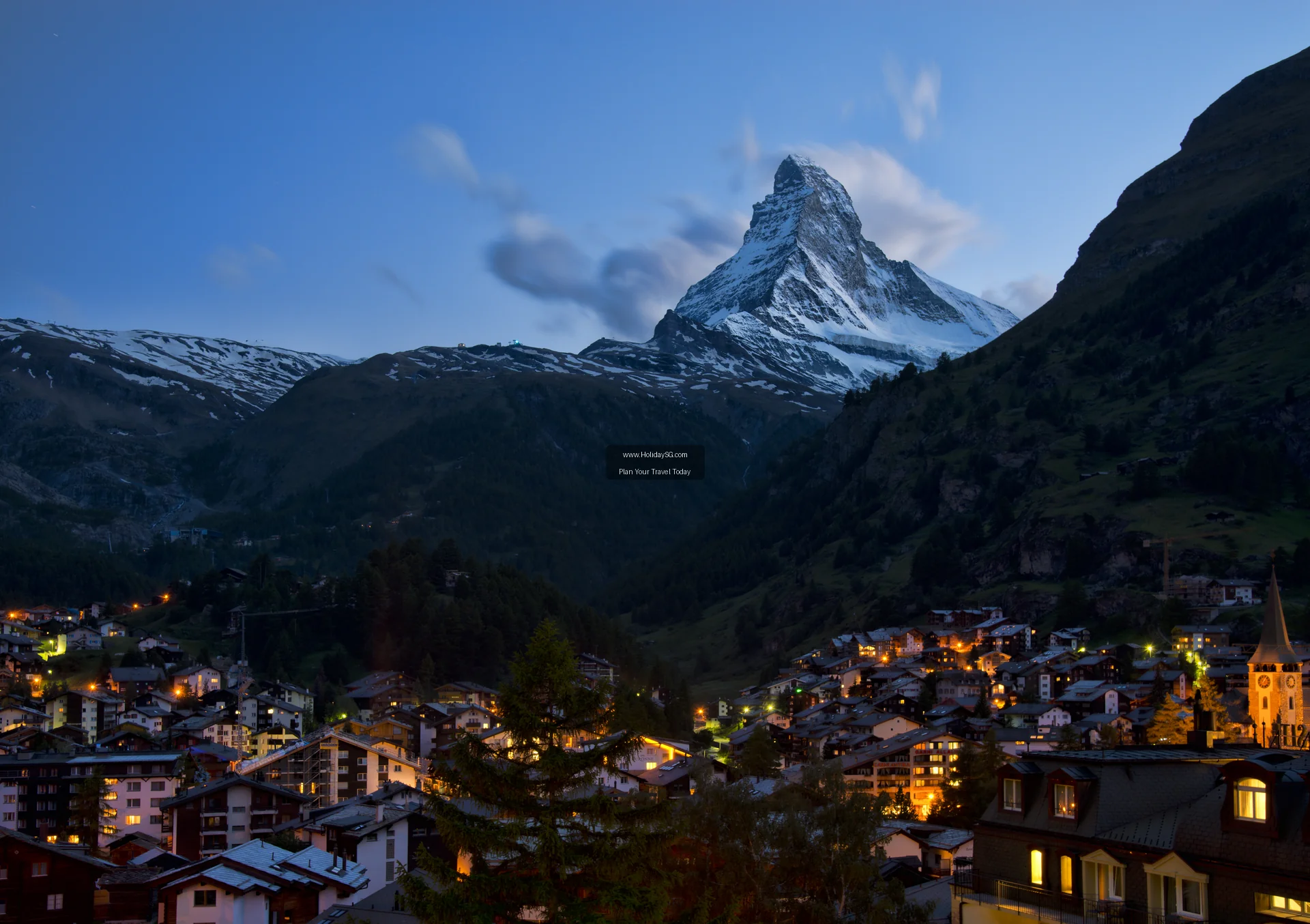
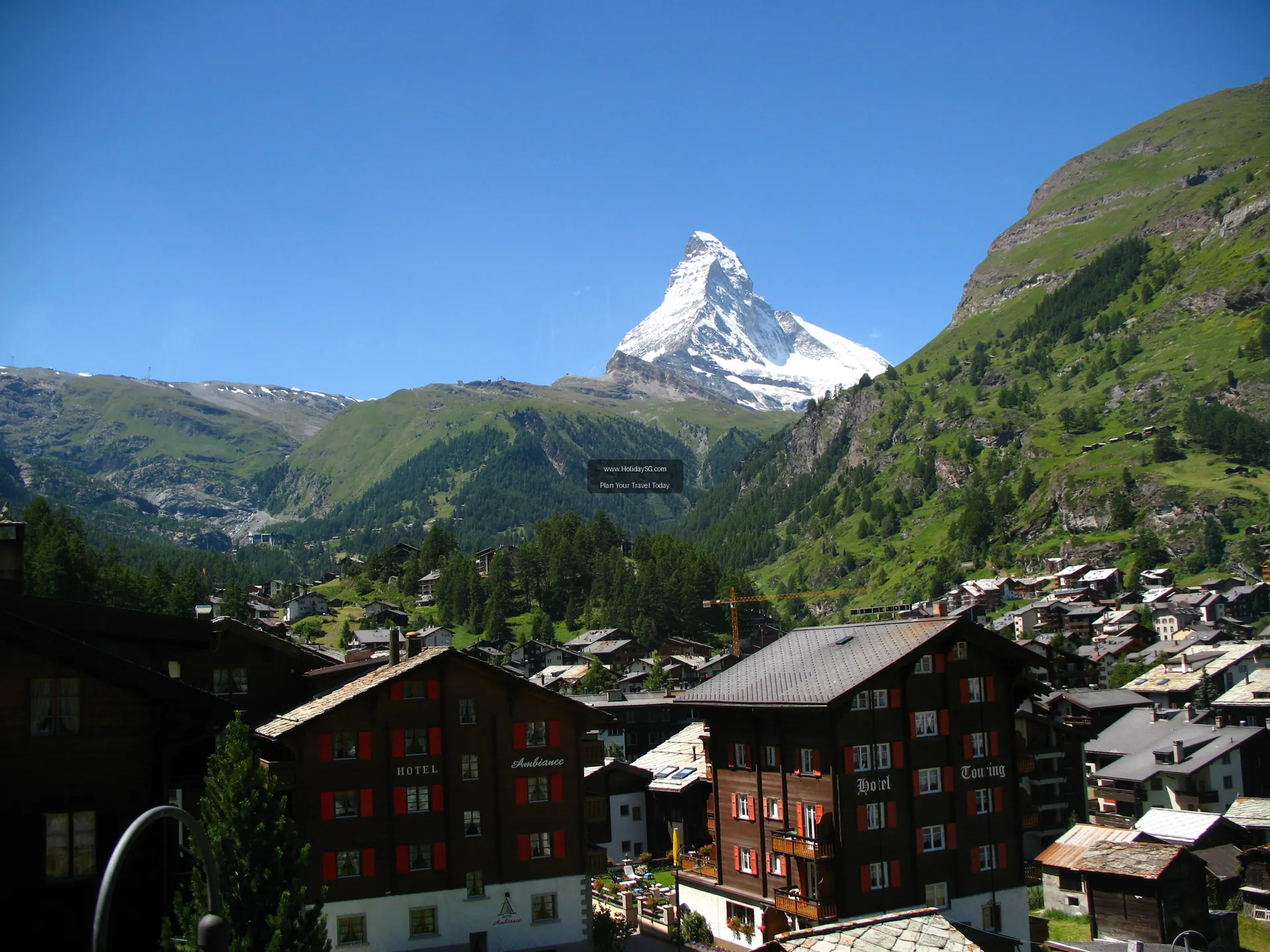
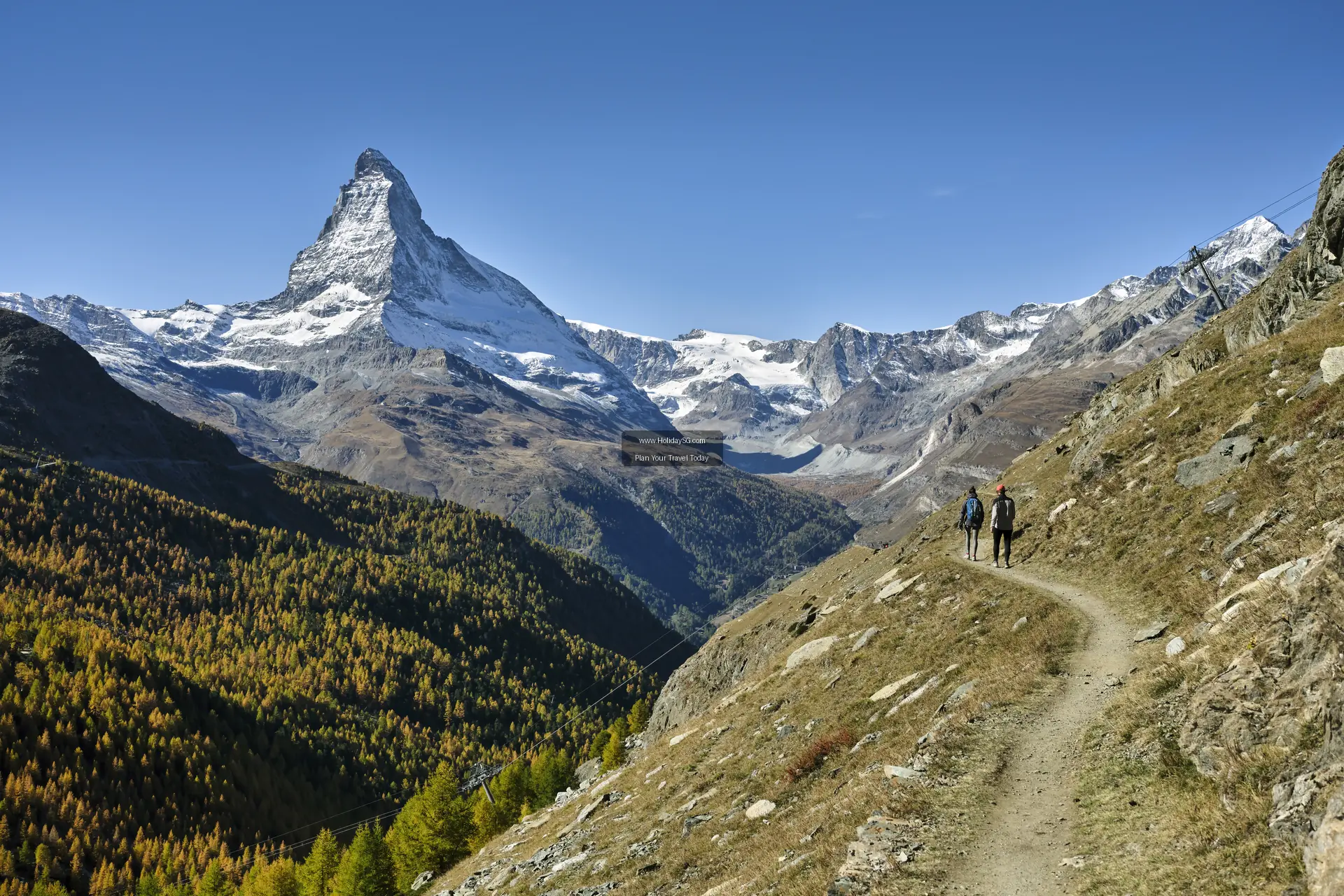
The high Alps are the heart of Switzerland’s allure. At Jungfraujoch, billed as the “Top of Europe,” a cogwheel train ascends through the Eiger mountain to a stunning viewpoint and Sphinx Observatory surrounded by eternal snow and glaciers. It’s a monumental feat of engineering and a breathtaking experience. For the quintessential Swiss postcard, head to Zermatt, a car-free village dominated by the majestic, pyramid-shaped Matterhorn. The journey itself is part of the magic; the train from Visp winds through dramatic valleys, offering perfect photo opportunities long before you reach the village.
For a journey by rail that feels like a roller coaster on the world’s most scenic track, ride the Bernina Express from Chur to Tirano (or vice versa). This UNESCO-listed route climbs over the Bernina Pass, crossing dramatic viaducts and skirting frozen lakes with views of the Morteratsch Glacier. It’s a masterpiece of alpine engineering and a highlight for any railway enthusiast.
Lakes, Vineyards, and Castles
Beyond the peaks, Switzerland’s lakes and valleys offer a gentler, but no less beautiful, form of magic. Lake Geneva is a sprawling jewel, flanked by the Lavaux Vineyard Terraces—another UNESCO site—where neat rows of vines cascade down to the water’s edge. A boat cruise here is pure tranquillity. On the lake’s eastern shore sits Chillon Castle, a medieval fortress seemingly rising from the water, famously immortalised by Lord Byron.
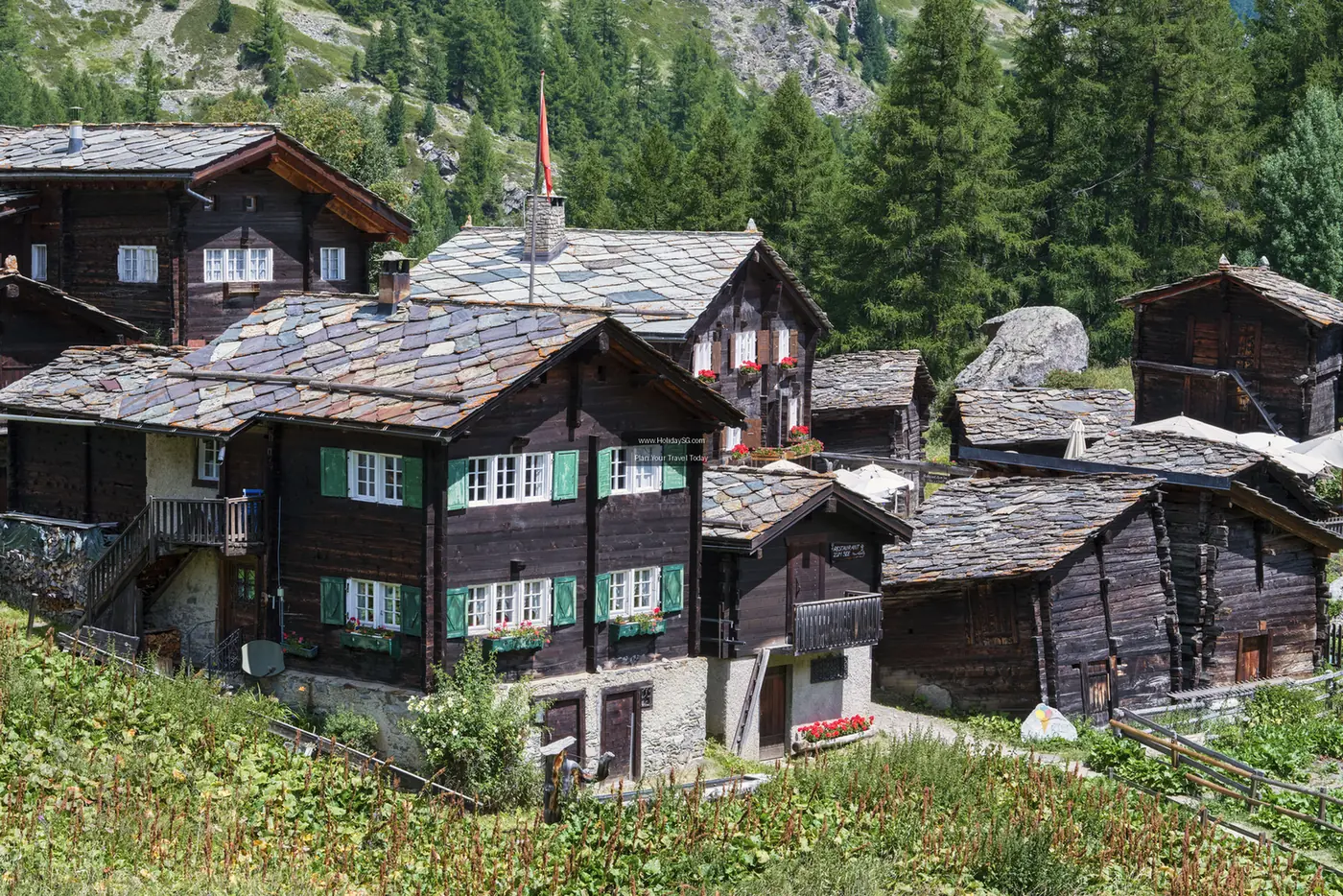
Perhaps the most surreal valley is Lauterbrunnen, the “Valley of 72 Waterfalls.” Towering cliffs frame a U-shaped valley dotted with traditional chalets, while waterfalls like Staubbach plummet hundreds of metres into the green pastures below. It’s a landscape that directly inspired Tolkien’s Rivendell.
Timeless Towns and Historic Bridges
No visit is complete without experiencing Swiss charm in its urban form. Lucerne epitomises this with its covered Chapel Bridge and beautifully preserved Old Town, all set against the backdrop of snow-capped Mount Pilatus. Wander its painted facades and cobblestone streets before taking a boat cruise on the mirror-like Lake Lucerne, a relaxing activity perfect for all ages. For a wilder, untouched side of the country, the Swiss National Park in the Engadin Valley offers pristine forests and alpine meadows teeming with wildlife like ibex and marmots.
Switzerland is an outdoor playground year-round, with activities ranging from serene to extreme.
For the Adrenaline Seeker
If your idea of a holiday involves a racing heart, set your sights on Interlaken. Sandwiched between the turquoise lakes of Thun and Brienz and overlooked by the Eiger, Mönch, and Jungfrau, this town is the undisputed adventure capital of Europe. Here, you can go paragliding over the valley for unparalleled aerial views, try canyoning down glacial torrents, or skydive with a backdrop of giants.
On the Move: Hiking and Biking
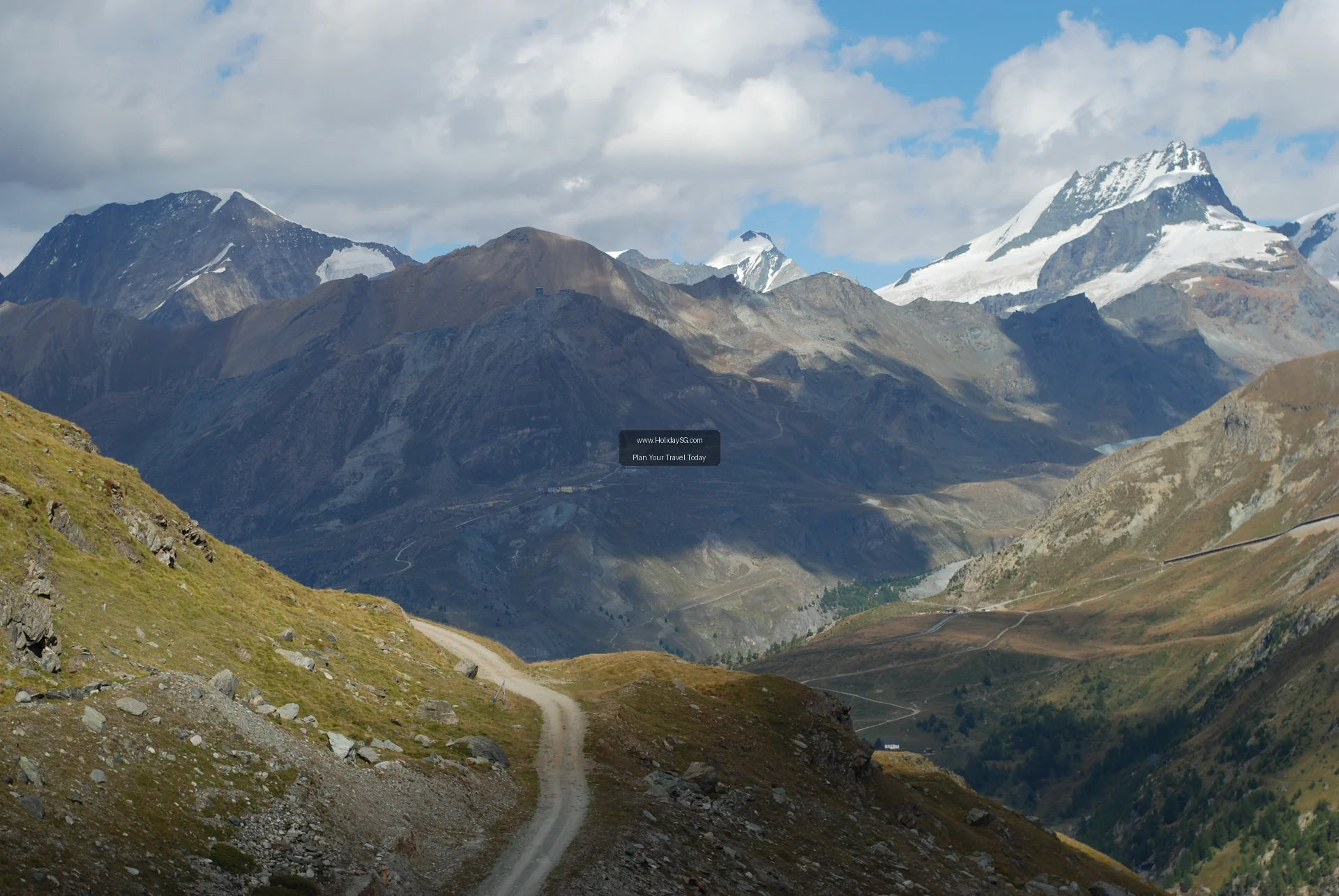
With over 68,000 kilometers of marked trails, Switzerland is a hiker’s paradise. Paths range from gentle lakeside strolls to challenging high-altitude treks. The long-distance routes, like portions of the E5 or the Via Alpina, offer immersive multi-day adventures. In summer, mountain biking trails crisscross the alps, and many villages are connected by well-maintained cycle paths. Exploring a region like the Bernese Oberland is made easy with targeted passes like the Berner Oberland Regional Pass, which grants free access to many railways and cable cars in the area around Interlaken and Grindelwald.
Winter Wonderland
When the first snow falls, Switzerland transforms. From December to March, world-class resorts like Zermatt, St. Moritz, Verbier, and the Jungfrau region offer impeccable slopes for skiing and snowboarding. But winter isn’t just for downhill sports; you can enjoy magical winter hiking through silent forests, try your hand at ice skating on natural rinks, or simply soak up the festive atmosphere at charming Christmas markets.
Swiss trains are more than just transport; they are an experience in themselves. The panoramic windows of the Glacier Express (which technically isn’t an express) frame an 8-hour journey between Zermatt and St. Moritz as it traverses 291 bridges and 91 tunnels. For the ultimate in flexible exploration, consider the Swiss Travel Pass. This all-in-one ticket grants unlimited travel by train, bus, and boat across the entire network, including many mountain railways and free entry to over 500 museums. It simplifies planning and offers incredible value for a 3+ day trip. Learn more about the Switzerland Train Bus Boat Travel Pass Flex here.
A Taste of the Mountains
Swiss cuisine is deeply tied to its alpine past. No visit is complete without indulging in a communal pot of molten fondue or raclette, where the joy is as much in the preparation and company as in the taste. For a hands-on experience, visit a chocolate factory like Maison Cailler in Broc to trace the journey from cocoa bean to confection. Similarly, the Gruyères region offers tours of its famous cheese caves, letting you sample the authentic product at its source.
Summer (June to September): The prime season for hiking, mountain biking, and enjoying lakeside activities. The alpine meadows are in full, vibrant bloom.
Winter (December to March): Ideal for skiing, snowboarding, and experiencing a cosy, snowy Switzerland.
Shoulder Seasons (April-May & October-November): Offer milder weather, fewer tourists, and lower prices. Autumn can be spectacular for fall colours, while spring brings blooming valleys.
Getting Around with Ease
Switzerland’s public transport system is the gold standard—punctual, clean, and comprehensive. For most visitors, a Swiss Travel Pass is the most convenient option, eliminating the need to buy individual tickets. If you’re focusing on a specific area like the Bernese Oberland, a regional pass might be more cost-effective. For complete flexibility to explore remote valleys at your own pace, you could rent a private car, but know that parking in cities and villages can be scarce and expensive.
Budgeting for Swiss Quality
It’s no secret that Switzerland is expensive. A realistic daily budget for a mid-range trip (covering accommodation, meals, and some activities) might be between CHF 150-250. A simple lunch can cost CHF 25-50, and tickets for major mountain excursions (like Jungfraujoch) can be CHF 80-200+. To save money, shop at supermarkets like Coop or Migros for picnic supplies, take advantage of the Swiss Travel Pass inclusions, and consider staying in slightly smaller towns.
Language and Etiquette
Switzerland has four official languages: German (most widely spoken in the north and center), French (west), Italian (south), and Romansh (pockets in the southeast). English is widely understood in tourist areas. Tipping is not obligatory as service is included, but rounding up the bill is appreciated. The most important local custom is punctuality—be on time for trains, tours, and reservations. Also, remember that most smaller shops and supermarkets are closed on Sundays.
Switzerland’s enduring appeal lies in its perfect contrast: wild nature meets supreme order, high-octane adventure meets serene relaxation. Whether you’re riding a panoramic train past glaciers, hiking to a high-altitude lake, or simply enjoying a perfect cup of coffee by a tranquil lakeside, the memories you make here will be framed by some of the most beautiful scenery on earth. Use this guide to build your itinerary, but leave room for spontaneous detours—that’s often where the best Swiss stories begin.
Book with HolidaySG online for Switzerland Train Bus Boat Travel Pass Flex, Switzerland Private Transfer By Car, Switzerland Half Fare Card For Trains Buses And Boats.
Frequently Asked Questions
Where can I book train, bus, or boat travel passes for Switzerland?
You can conveniently book key Swiss travel passes through our partner, HolidaysSG. Popular options include:
Do foreigners (non-citizens) need a different ticket, price, or visa for Switzerland?
Tickets and passes like the Swiss Travel Pass or Half Fare Card are generally available to all visitors at the same price, regardless of nationality. For visa requirements, these depend entirely on your passport and country of residence. Switzerland is part of the Schengen Area. You must check the current visa rules for Swiss embassies or consulates in your country, as requirements can change and vary significantly. Always confirm official entry regulations before booking your trip.
What is the best time (season, or time of day) to visit Switzerland for its main attractions?
The best time depends on your interests. Summer (June-August) is ideal for hiking, lakeside activities, and high alpine train routes, as the weather is warm and all attractions are open. Winter (December-March) is perfect for skiing, snowshoeing, and Christmas markets. Shoulder seasons (April-May, September-October) offer fewer crowds, lower prices, and beautiful autumn foliage or spring blooms. For specific sites like Jungfraujoch or Glacier Express, aim for early morning to avoid crowds and catch the best light.
How many days do I need to see Switzerland?
A minimum of 5-7 days is recommended to get a taste of the highlights, such as combining cities like Zurich and Lucerne with the Bernese Oberland (Interlaken/Jungfrau region). For a deeper experience covering multiple regions (Zermatt, Zürich, Lucerne, Interlaken, Bern), 10-14 days is more ideal. A short 3-day trip can focus on one scenic area like Lucerne and Mt. Pilatus.
Is Switzerland very expensive for tourists?
Yes, Switzerland is consistently ranked among the world’s most expensive countries. Budget for high costs for accommodation, dining, and activities. However, you can save money by using a Half Fare Card, eating at supermarkets (Coop, Migros), choosing picnic lunches, and staying in hostels or budget hotels.
What is the best way to travel between Swiss cities and regions?
The Swiss public transport network is world-class, punctual, and scenic. Trains are the primary mode for long distances. For the Bernese Oberland area, regional passes are very useful. You can also book a private transfer for flexibility and door-to-door comfort.
Do I really need to buy a Swiss Travel Pass, or is a Half Fare Card better?
It depends on your itinerary and pace. A Swiss Travel Pass offers unlimited travel on trains, buses, and boats, plus free entry to 500+ museums and discounts on mountain railways. It’s cost-effective if you plan to travel extensively every day. A Half Fare Card is cheaper to buy upfront and gives you 50% off most tickets, which is better if you’ll have several non-travel days or prefer a slower pace. Use the official Swiss Travel System calculator to compare.
Is Switzerland family-friendly for travel with kids?
Absolutely. Switzerland is exceptionally family-friendly with clean, safe public transport, playgrounds everywhere, and attractions that cater to all ages. Many trains have family compartments. Activities like boat cruises, easy hiking trails (e.g., Trümmelbach Falls), and animal parks are great for children. Children under 6 travel free on public transport; kids 6-16 often get discounted “Junior Cards.”
What should I pack for a trip to Switzerland?
Pack layers! The weather can change quickly, especially in the mountains. Essentials include: comfortable walking/hiking shoes, a waterproof jacket, a warm fleece or sweater, sunglasses, sunscreen, and a daypack. For summer, bring shorts and t-shirts alongside warm layers. In winter, you’ll need thermal wear, a good winter coat, gloves, and a hat.
Is Switzerland safe for tourists?
Switzerland is one of the safest countries in the world for tourists, with very low rates of violent crime. Standard precautions apply: watch for pickpockets in crowded tourist areas and train stations, and be aware of your surroundings. Nature-related safety is important—stay on marked trails when hiking and check weather conditions before heading into the mountains.
What are the must-see scenic train routes?
The most famous are the Glacier Express (Zermatt to St. Moritz), the Bernina Express (Chur to Tirano, Italy), and the GoldenPass Line (Lucerne to Montreux). Regional panoramic routes like the line from Interlaken to Lucerne are also spectacular. Book scenic train seats in advance during peak season.
Can I use credit cards everywhere, or do I need cash?
Credit and debit cards (especially Mastercard and Visa) are widely accepted in cities, hotels, trains, and larger shops. However, always carry some Swiss Francs (CHF) in cash for smaller establishments, mountain huts, public toilets, or rural markets that might be cash-only. ATMs are readily available.
What is the local etiquette and customs I should know?
Punctuality is highly valued. Greet people with “Grüezi” (Hello) in German-speaking areas. When entering a shop, say “Grüezi” to the staff. Tipping is not obligatory as service is included in the bill, but rounding up or leaving small change for excellent service is appreciated. Respect the quiet atmosphere on trains and in nature.
What are the best day trips from Zurich or Geneva?
From Zurich: Take a train to Lucerne (45 mins) to see the Chapel Bridge and Mt. Pilatus/Rigi, or to Rhine Falls at Schaffhausen (1 hour). From Geneva: Visit Lausanne and the Olympic Museum, take a boat cruise on Lake Geneva, or explore the medieval town of Gruyères.
Is there affordable food in Switzerland, or is eating out always expensive?
Eating at restaurants for all meals will be very expensive. Affordable options include: eating at supermarket deli counters (like Migros or Coop), buying baked goods from bakeries, having a picnic with local cheeses and bread, or opting for a “Plättli” (daily menu) at a restaurant, which is often a cheaper set lunch. Fast-food chains also exist but are priced higher than elsewhere.
What are the best Swiss foods to try?
Don’t miss Cheese Fondue and Raclette (melted cheese dishes). Try Rösti (fried potato dish), Zürich-style Veal (Zürcher Geschnetzeltes), and for dessert, Swiss chocolate (visit a Läderach or Sprüngli shop) and Apfelstrudel (apple strudel).
How accessible is Switzerland for travelers with disabilities?
Switzerland has excellent accessibility standards. The national rail network is largely step-free, with staff assistance available. Many cable cars, boats, and mountain railways accommodate wheelchairs. Cities have accessible sidewalks and public buildings. However, some alpine hiking trails can be challenging. It’s best to research specific attractions and routes in advance.
What is the weather like, and when does it rain the most?
The climate varies by region but is generally temperate. Rain can occur year-round. The wettest months are typically May through August, with summer afternoon thunderstorms in the mountains. Winter brings consistent snowfall in the Alps. Always check the forecast for your specific region before a day out.
Can I drink tap water in Switzerland?
Yes, absolutely. Tap water in Switzerland is of excellent, safe drinking quality, often of a higher standard than bottled water. It’s perfectly fine to refill your water bottle from any tap.
What things cost in Switzerland
Live HolidaySG prices for the experiences in this guide, so you can sanity-check a budget before you commit.
Important: Some of the links recommended here are paid placements or have sponsored our stay in one way. We have paid for these accommodations ourselves. If you book through any of our links, we make a small commission at no extra cost to you. This helps keep our site running – so thank you in advance for your support!
Written by
HolidaySG Travel Team
Singapore-based travel specialists covering attractions, tours and travel experiences across Asia-Pacific and beyond. Licensed travel agency (TA04014).
This conversation was resolved. Reply below to continue, or
We use cookies
We use cookies to enhance your browsing experience, serve personalised content, and analyse our traffic. By clicking "Accept All", you consent to our use of cookies.
Read our Cookie Policy