15 Things To Know Before Visiting Turkey + 11 Best Tips
Your guide to 15 things to know before visiting Turkey and 11 best tips for a perfect trip. Essential advice for travele...
HolidaySG Travel Team
July 27, 2026
15 min read58 views
Your guide to 15 things to know before visiting Turkey and 11 best tips for a perfect trip. Essential advice for travelers.
In this guide.
15 things to know before visiting turkey + 11 best tips is exactly what this guide covers.
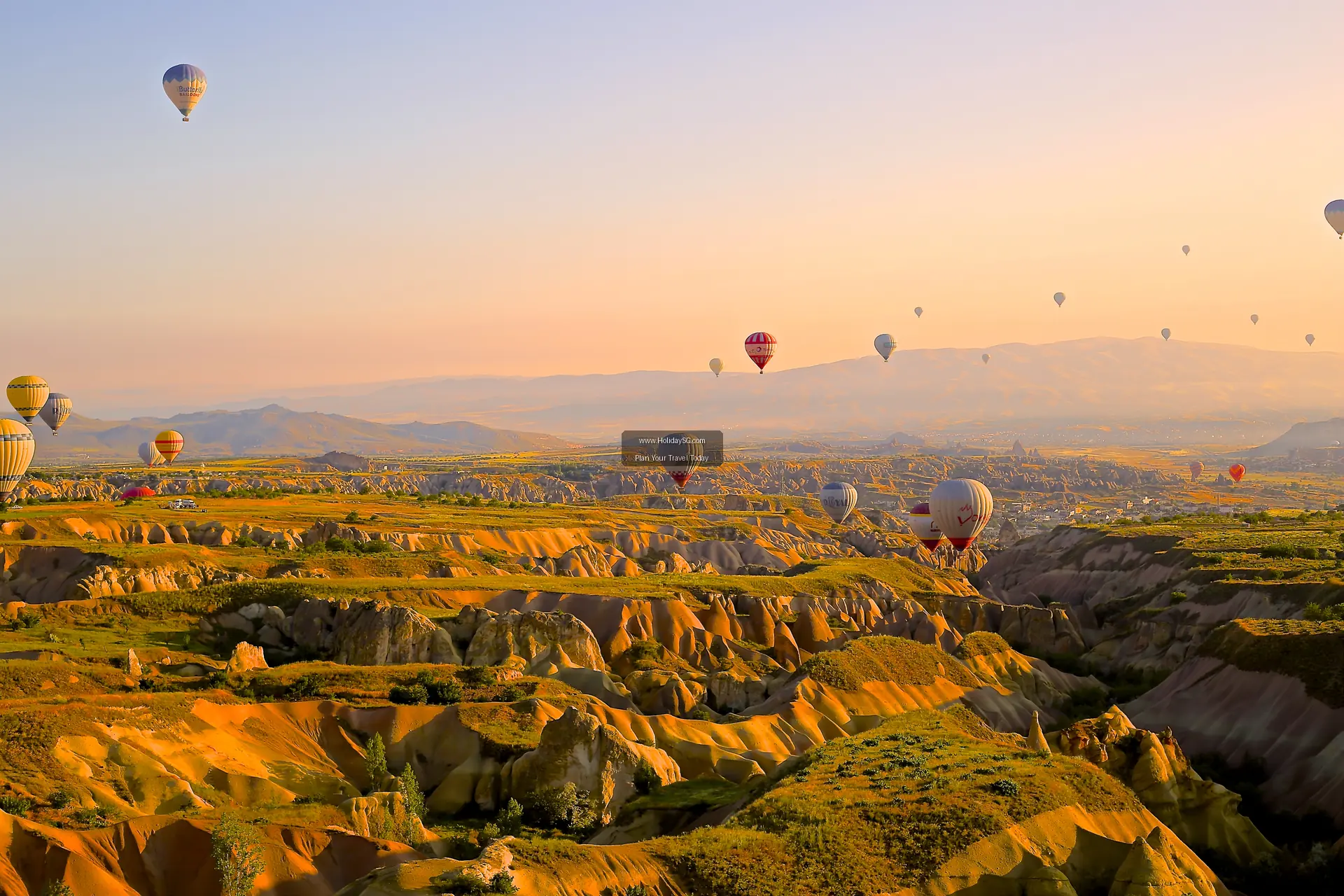
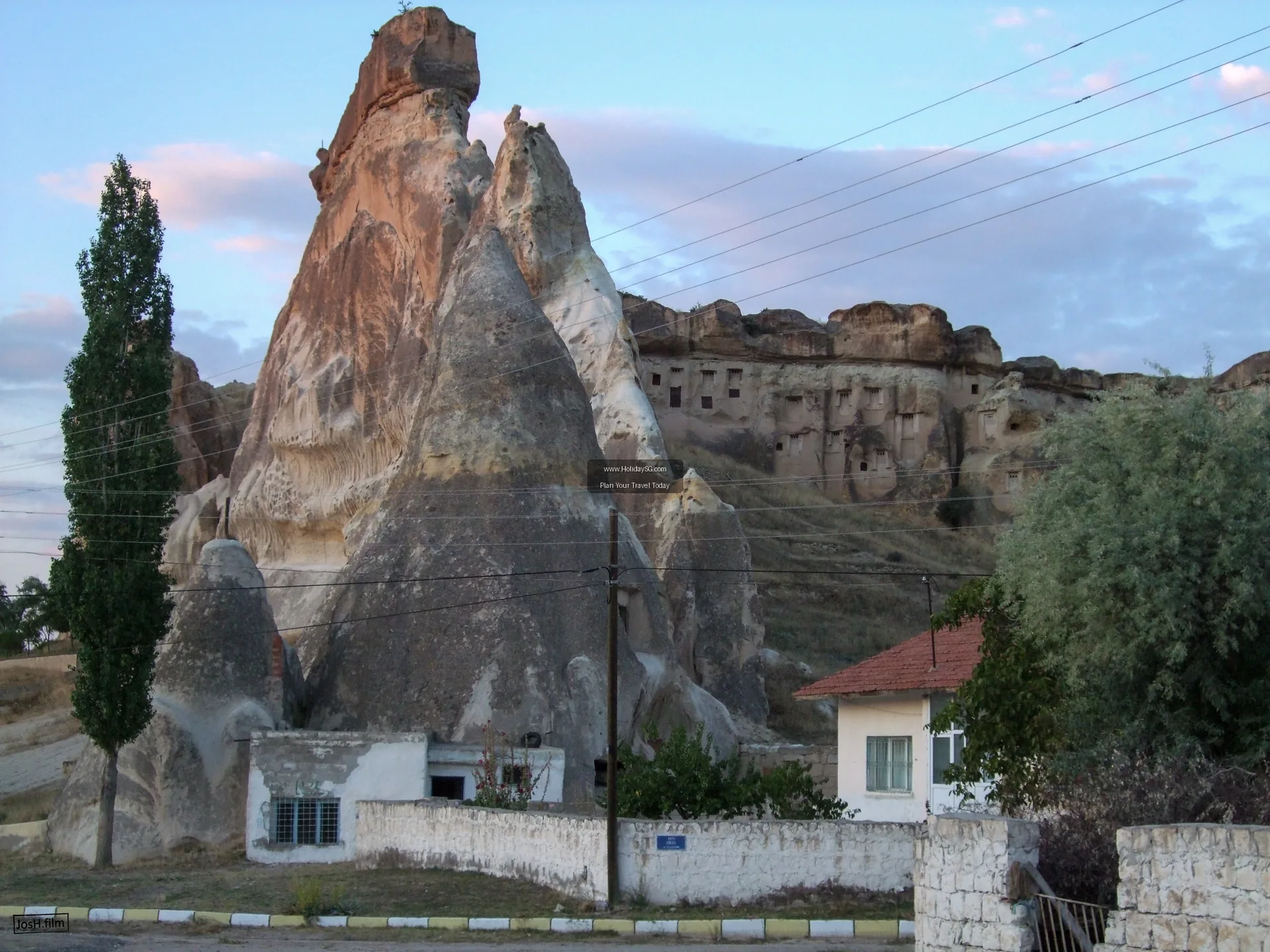
Picture this: the call to prayer echoing over the Golden Horn, the scent of freshly baked simit mingling with exotic spices in the Grand Bazaar, and the surreal sight of hundreds of hot air balloons drifting over Cappadocia’s fairy chimneys at dawn. Turkey is a sensory overload in the best possible way, a country where East truly meets West—a theme we explore further in our guide to the history of the Silk Road. It is a destination that rewards the prepared traveler. To help you navigate its incredible history, diverse landscapes, and rich culture, we’ve put together 15 things to know before visiting Turkey and 11 best tips, from practical logistics to essential etiquette tips.
TL;DR: Ensure you get your e-Visa online before your flight, plan your visit for spring or autumn to enjoy mild weather, and embrace local customs like bargaining in the bazaars and dressing modestly at mosques. Budget around SGD 50–80 per day for a comfortable backpacker experience, and always book your Cappadocia hot air balloon ride well in advance.
1. The e-Visa is Your Golden Ticket. Skip the embassy queues. Most nationalities, including Singaporean passport holders, can secure a tourist visa in minutes through the official Turkish e-Visa website. It’s valid for up to 90 days within a 180-day period. Print a copy to keep with your passport—it’s a simple step that avoids any entry confusion.
2. Timing the Perfect Trip. Turkey’s regions have very different personalities. Spring (April–May) and Autumn (September–November) are objectively the best times for the Aegean and Mediterranean coasts, with pleasant temperatures for hiking and sightseeing. Summer (June–August) is peak season for beach resorts, bringing crowds and high prices. Winter (December–February) transforms Istanbul into a moody, less-crowded wonderland, and it is prime time for skiing in Uludağ or Eastern Turkey.
3. Choose Your Arrival City Wisely. Istanbul has two major airports (IST and SAW), while Ankara and Izmir are key gateways for central and coastal Anatolia. Booking an open-jaw flight (arriving in one city, departing from another) can save hours of bus travel if you plan to visit both Istanbul and Cappadocia or the coast.
Money and Logistics
4. Embrace the Lira. The Turkish Lira (TRY) is TRY (Turkish Lira). Exchange rates have been favourable for foreign visitors, making everything from kebabs to carpets excellent value. Credit cards are widely accepted in hotels, shops, and chain restaurants, but cash is still essential for taxis, small markets, and tipping. Look for “PTT” ATMs or exchange bureaus (Döviz) for the best rates.
5. Getting Around is an Adventure. The country’s infrastructure is surprisingly modern for its size. Domestic flights are cheap and quick, connecting Istanbul to Antalya, Cappadocia, Izmir, and more. Intercity bus companies like Kamil Koç and Metro Turizm offer free Wi-Fi and snacks. Renting a car is fantastic for the Lycian Way or exploring Cappadocia’s valleys at your own pace. If you are looking for a thrill, consider an adrenaline-packed sunset ride through the valleys on a Quad Safari Through Rose Sword And Love Valleys, which we highly recommend in our Cappadocia adventure guide.
6. A Sense of Daily Costs. Turkey remains superb value. Budget travellers can get by on roughly SGD 50–80 per day, covering a bed in a hostel, street food, and basic transport. Mid-range travel (comfortable boutique hotels, sit-down dinners) runs SGD 100–200 daily. A luxury trip with high-end restaurants and exclusive tours will average SGD 300 or more.
Culture and Etiquette
7. The Art of Turkish Hospitality. Turks are famously warm and welcoming. Don’t be surprised if a shopkeeper offers you a glass of apple tea (elma çayı) while you browse. This generosity is genuine, but remember that accepting an invitation might imply a willingness to negotiate or buy. A polite “Thank you, just looking” is perfectly fine.
8. Tipping is Appreciated. Tipping, or bahşiş, is common. In restaurants, rounding up the bill or leaving 5–10% is standard practice. Valets, hotel porters, and tour guides will appreciate a small tip (20–50 Lira), and even gas station attendants often get a few Lira.
9. Haggling is a Dance. In the Grand Bazaar, Spice Bazaar, and local markets, bargaining is expected. It is a social ritual, not a confrontation. Start with a counter-offer of roughly half the asking price and negotiate with a smile. Always carry cash for these transactions. Taxis in cities should always use the meter (taksi metre) where available.
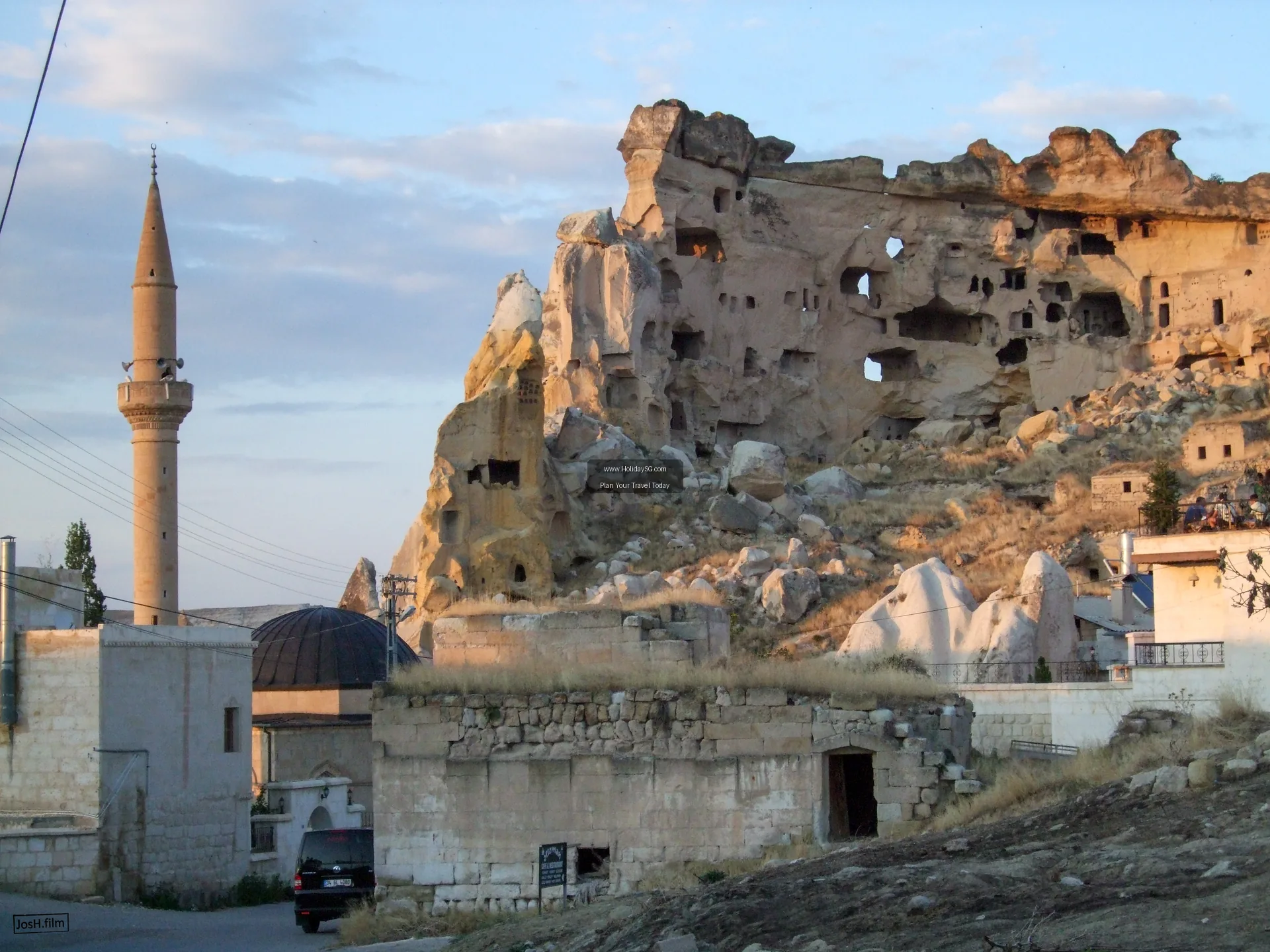
10. Respect Sacred Spaces. Turkey is a secular country with a deeply Muslim culture. During call to prayer, you will hear the melodic adhan. When entering mosques (like the Blue Mosque or Süleymaniye), women should cover their hair with a scarf, and everyone must cover their shoulders and knees. Shoes must be removed at the entrance. Silence is golden; avoid taking photos of people praying.
On the Ground
11. A Feast for the Senses. Turkish cuisine is a highlight of any visit. Beyond the ubiquitous döner, try lahmacun (Turkish pizza), pide (a boat-shaped flatbread), and the full breakfast spread (kahvaltı) filled with cheeses, olives, honey, and kaymak. The meze culture (cold starters) in coastal regions is fantastic.
12. What to Drink. Tap water is not safe for drinking—stock up on bottled water (1.5L is very cheap). For alcohol, sample the national spirit, raki, mixed with water or sipped with seafood. Turkish wines from the Cappadocia region are surprisingly good. For something non-alcoholic, try ayran (a salty yogurt drink) or salep (a hot orchid drink, perfect in winter).
13. Speaking the Language. Turkish is a beautiful, melodic language. While English is widely spoken in tourist-heavy areas, learning a few phrases goes a long way: Merhaba (Hello), Teşekkür ederim (Thank you), Evet/Hayır (Yes/No), and Çok güzel (Very beautiful). The effort is always met with a wide smile.
14. Stay Connected. Free Wi-Fi is common in hotels and cafes, but a reliable mobile connection is a lifesaver for maps and translation. Singaporeans can easily stay connected by purchasing an eSIM before they leave. Options like the Airalo Turkey E Sim Package allow you to skip the local SIM card hassle and get online immediately—a tip we always share in our travel connectivity guides.
15. General Safety. Turkey is generally very safe for tourists. The main concern in crowded areas like Taksim Square or the Grand Bazaar is pickpocketing. Keep your valuables secure and have a copy of your passport handy. Avoid the southeastern border regions with Syria and Iraq unless you are on a specific guided tour.
Part 2: 11 Pro Tips to Perfect Your Turkish Adventure
1. Book Major Attractions in Advance. The hot air balloon ride in Cappadocia, tickets for the Hagia Sophia, and top-tier restaurants in Istanbul can be booked out weeks in advance. Plan and reserve these early to avoid disappointment and inflated last-minute prices.
2. Master the Art of Layering. The weather can change abruptly in Turkey, especially in Istanbul and the central Anatolian plateau. A combination of a t-shirt, a light sweater, and a waterproof jacket will serve you well from the Bosphorus to the fairy chimneys.
3. Pack the Right Tech. Turkey uses Type F power plugs (the same as mainland Europe). A universal adapter is essential. A portable charger is your best friend on long bus rides or day trips exploring the ruins of Ephesus or the travertines of Pamukkale.
Saving Money and Beating the Crowds
4. Master the Museum Pass. If you plan to visit Istanbul’s top palaces and museums, or the ancient cities along the Aegean coast, the Museum Pass (Müzekart) offers excellent value. It provides skip-the-line entry to many major sites and saves you a significant amount compared to buying individual tickets.
5. Explore Beyond the Greatest Hits. Istanbul and Cappadocia are incredible, but Turkey is vast. Consider the Black Sea region for its lush green mountains and incredible tea culture, or Southeastern Anatolia (Gaziantep, Mardin) for the world’s best baklava and ancient bazaars far from the tourist trail.
6. Take a Sunset Cruise on the Bosphorus. This is pure value for money. You can take the public ferries (Şehir Hatları) for a fraction of a private tour. The view of the city lit up from the water is unforgettable. For a different coastal vibe, a pirate boat trip in Alanya is a fantastic way to experience the turquoise Mediterranean waters if your travels take you south.
Deepening Your Cultural Experience
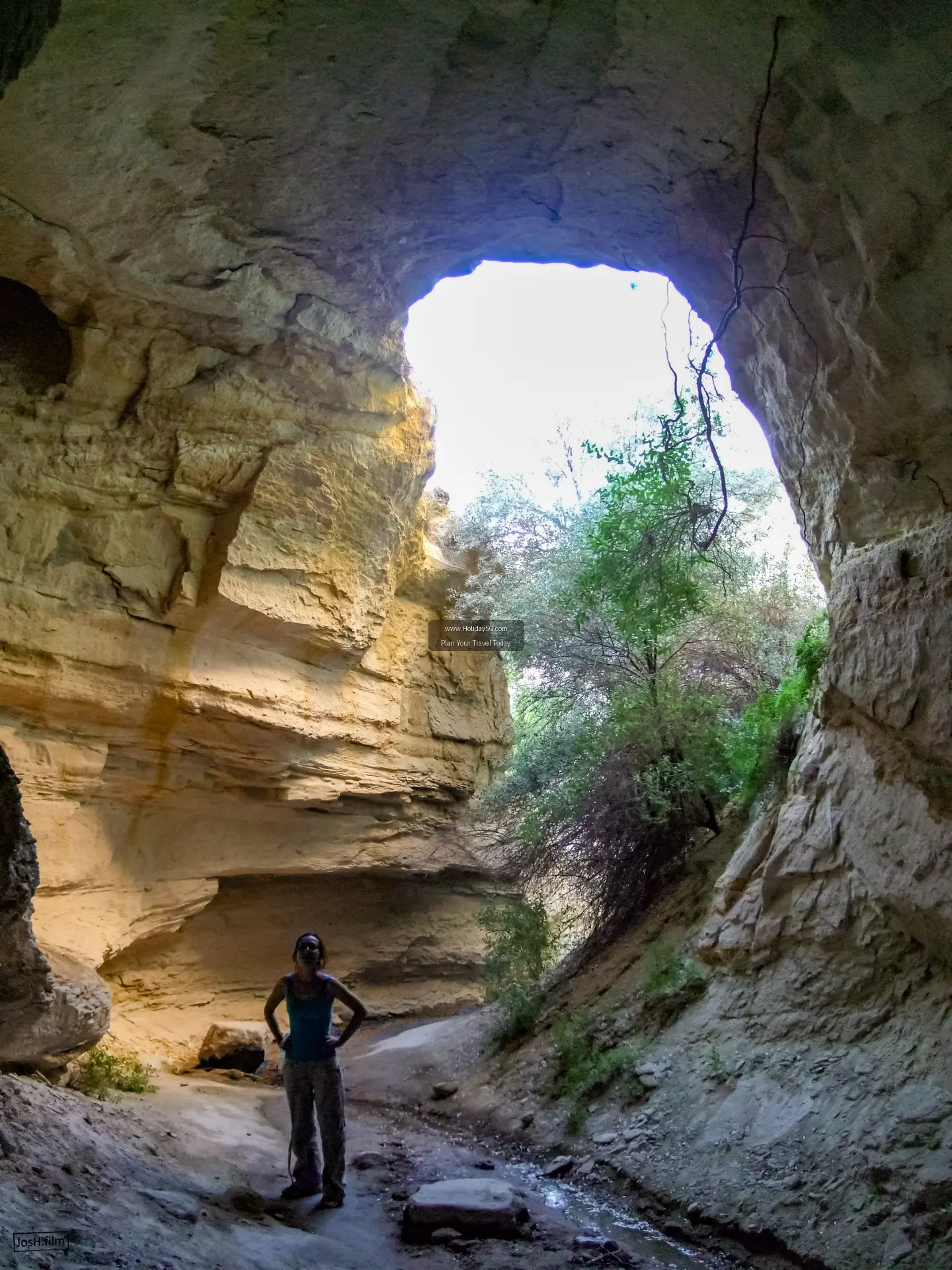
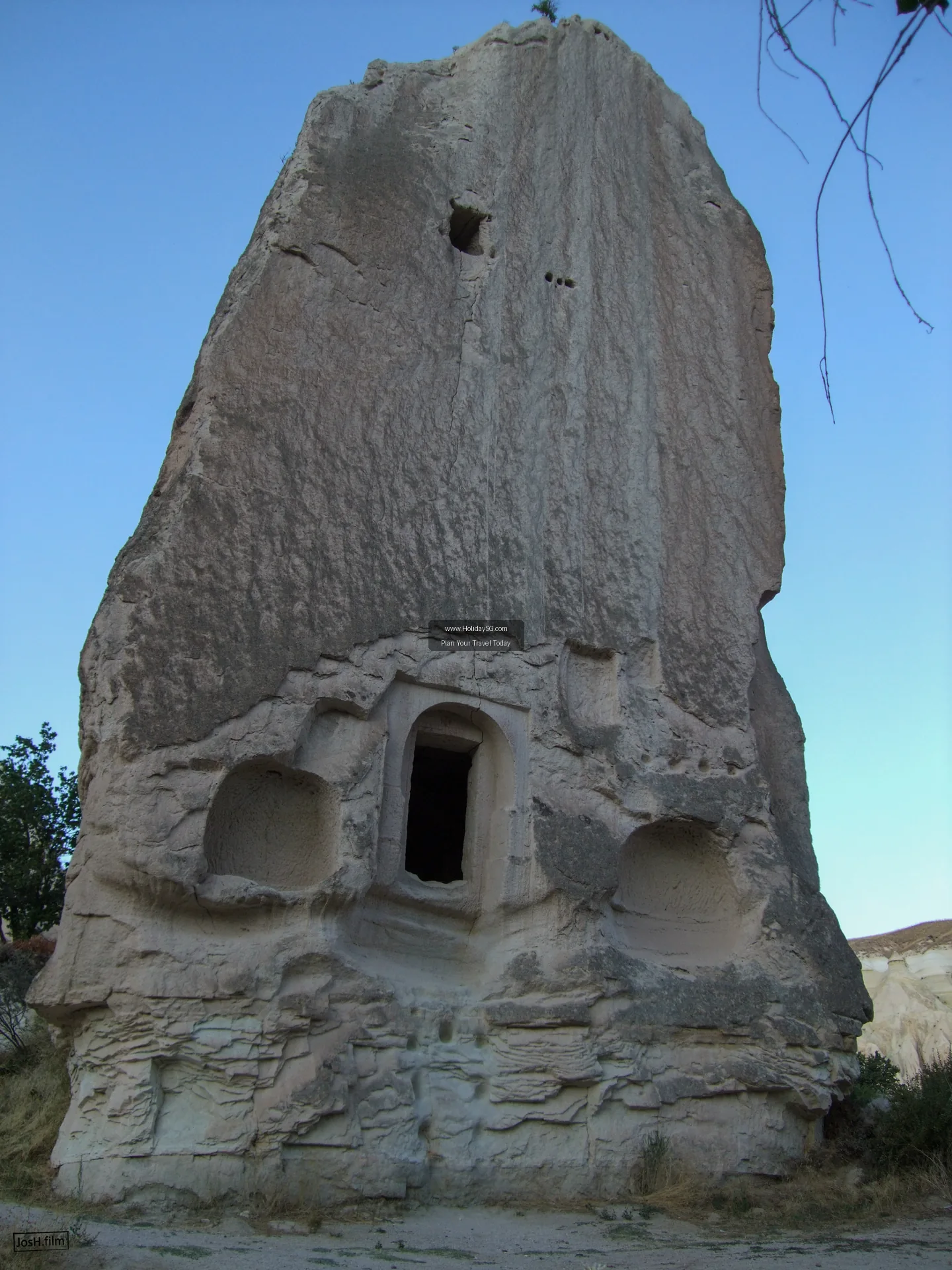
7. Get Off the Beaten Path in Cappadocia. The balloon ride is a must, but don’t stop there. The region is a hiker’s paradise. Walk through the Rose Valley or the Pigeon Valley to discover hidden cave churches and have the landscape to yourself.
8. Learn to Cook Turkish Food. A cooking class is a fantastic souvenir. Learning how to layer a perfect meze, wrap a proper dolma, or master the flaky pastry of baklava gives you a deeper appreciation for the cuisine you will be enjoying.
9. Take a Traditional Hamam. A Turkish bath is an essential sensory experience. It focuses on deep cleansing and relaxation. Go to a historic hamam (like Çemberlitaş or Cağaloğlu in Istanbul) for an authentic experience, but check the prices and services beforehand to avoid surprises.
Practical Wisdom for the Road
10. Download Offline Apps. Maps.Me is a lifesaver for hiking in Cappadocia or navigating Istanbul’s backstreets without burning your data. Google Translate with the Turkish language pack downloaded is also brilliant for menus and signs.
11. Trust Your Instincts, But Know Your Prices. Spontaneity has its charm, but having a rough idea of what a taxi ride, a souvenir, or a meal should cost helps you avoid being overcharged. Ask your hotel or hostel for a standard price for a taxi to a certain landmark. A little research goes a long way.
From the bustling streets of Istanbul to the quiet valleys of Cappadocia and the sun-soaked shores of the Mediterranean, Turkey is a destination that defies simple description. It is a country of breathtaking diversity, deep history, and unmatched hospitality. With these 15 essential things to know and 11 pro tips in your back pocket, you are ready to explore with confidence. All that is left is to buy your e-Visa, pack your bags, and start planning your Turkish odyssey today! Ready to stay connected? Check out our Esim Turki Esim Turkey Big Data Global for reliable data on your journey.
Book with HolidaySG online for Esim Turki Esim Turkey Big Data Global, Turkey Esim Free Roaming Mobile Data, Airalo Turkey E Sim Package.
Do foreigners (non-citizens) need a different ticket, price, or visa for Turkey?
Foreign tourists generally need a visa to enter Turkey, but requirements vary by nationality—some countries are exempt, while others require an e-visa or visa on arrival. Prices for attractions, eSIMs, and tours are typically the same for all visitors. However, visa rules can change, so I strongly recommend checking the official Turkish government website or your nearest embassy for the most current information before traveling.
What is the best time (season, or time of day for the site/activity) to go?
The best time to visit Turkey is during spring (April to May) and autumn (September to October) for mild weather and fewer crowds. Summer (June to August) is ideal for coastal areas like Alanya but can be hot and crowded, while winter (November to March) suits ski resorts but is cold inland. For specific activities, such as a quad safari in Cappadocia, early morning or late afternoon avoids midday heat; boat trips in Alanya are best in summer months.
How long should I spend in Turkey?
A typical trip to Turkey lasts 7-10 days to cover highlights like Istanbul, Cappadocia, and coastal regions. For a more relaxed pace, consider 2 weeks. Shorter trips of 4-5 days can focus on one area, such as Istanbul or Antalya, depending on your interests.
What are the typical costs for a trip to Turkey?
How do I get to Turkey from Singapore?
There are direct flights from Singapore to Istanbul with airlines like Singapore Airlines and Turkish Airlines, taking about 12-14 hours. From Istanbul, you can connect to other Turkish cities via domestic flights or buses for further exploration.
Is Turkey family-friendly for travel?
Yes, Turkey is very family-friendly, with attractions suitable for all ages, such as beaches in Antalya, interactive museums in Istanbul, and historical sites. Cities like Antalya and Cappadocia offer family-oriented activities, and most hotels cater to children.
What should I pack or bring to Turkey?
Pack light, breathable clothing for summer, layers for spring and autumn, and warm clothes for winter. Comfortable walking shoes are essential. Don’t forget sunscreen, a hat, a reusable water bottle, and adapters for electronics. For connectivity, consider an eSIM for easy mobile data access.
Is Turkey accessible for travelers with disabilities?
Accessibility varies across Turkey. Major cities like Istanbul have improving infrastructure with ramps and elevators in some attractions and hotels, but historical sites can be challenging. It’s advisable to research specific locations in advance and contact venues for accessibility details.
How safe is Turkey for tourists?
Turkey is generally safe for tourists, but it’s important to stay informed about current events. Avoid border areas near Syria and Iraq. Practice common sense, keep an eye on belongings, and follow local advice. Travel insurance is recommended for any trip.
What’s the weather like in Turkey?
Turkey has a diverse climate: coastal areas have hot, dry summers and mild, wet winters; inland regions like Cappadocia experience cold winters and hot summers. Always check the weather for your specific destination and travel dates to pack appropriately.
What are local etiquette and customs to be aware of?
Turkish people are hospitable. Dress modestly when visiting mosques—cover shoulders and knees, and remove shoes. Use your right hand for eating and giving items. Tipping is customary in restaurants and for services, usually around 5-10%.
What are some must-try foods in Turkey?
Don’t miss kebabs, mezes (appetizers), baklava, Turkish delight, and breakfast specialties like simit (sesame bread) and menemen (scrambled eggs with tomatoes). Street food like döner is popular, and for a full experience, try a traditional Turkish meal with raki.
What are nearby attractions or day trips from major cities?
From Istanbul, day trips to the Princes’ Islands or Bursa are popular. In Cappadocia, explore hot air balloon rides and underground cities. Antalya offers visits to ancient Perge or Düden Waterfalls. Research local options based on your itinerary.
Do I need to know any Turkish phrases?
English is widely spoken in tourist areas, but learning basic phrases like “Merhaba” (hello), “Teşekkürler” (thank you), and “Lütfen” (please) is appreciated. Locals enjoy when visitors make an effort to speak Turkish.
What are the best ways to get around within Turkey?
Domestic flights are efficient for long distances, while buses are affordable and comfortable. Within cities, use trams, metros, and taxis. Renting a car offers flexibility for rural areas, but traffic can be challenging in urban centers.
Are there any health or vaccination requirements?
No specific vaccinations are required for entry from most countries, but routine vaccines should be up to date. It’s advisable to have travel health insurance and carry any necessary medications. Check with a healthcare provider for personalized advice.
What are the best shopping experiences in Turkey?
Shop for carpets, ceramics, spices, and leather goods in bazaars like Istanbul’s Grand Bazaar or local markets. Bargaining is common. Modern malls are also available in cities for international brands and contemporary shopping.
Important: Some of the links recommended here are paid placements or have sponsored our stay in one way. We have paid for these accommodations ourselves. If you book through any of our links, we make a small commission at no extra cost to you. This helps keep our site running – so thank you in advance for your support!
Written by
HolidaySG Travel Team
Singapore-based travel specialists covering attractions, tours and travel experiences across Asia-Pacific and beyond. Licensed travel agency (TA04014).
This conversation was resolved. Reply below to continue, or
We use cookies
We use cookies to enhance your browsing experience, serve personalised content, and analyse our traffic. By clicking "Accept All", you consent to our use of cookies.
Read our Cookie Policy