15 Travel Tips for Turkey: Actually Useful Things to Know!
Discover 15 travel tips for Turkey that are actually useful, from visas to local customs, for an unforgettable trip.
HolidaySG Travel Team
July 27, 2026
15 min read52 views
Discover 15 travel tips for Turkey that are actually useful, from visas to local customs, for an unforgettable trip.
In this guide.
15 travel tips for turkey: actually useful things to know! is exactly what this guide covers.
Planning a trip to the land of ancient empires, stunning coastlines, and incredible hospitality? Turkey is a destination that captivates the senses, but a little insider knowledge can transform your journey from good to unforgettable. Forget generic advice; here are 15 genuinely useful travel tips, from navigating bureaucracy to avoiding scams, ensuring your Turkish adventure is as smooth and rewarding as possible.
TL;DR: Secure your e-Visa in advance, budget $30-$200 daily depending on your style, and use buses or affordable flights for travel between cities. Embrace bargaining in bazaars, dress modestly for mosques, and stay safe by using official taxis. The best times for sightseeing are spring and autumn.
15 Actually Useful Travel Tips for Your Trip to Turkey
For most foreign nationals—including citizens from the US, UK, EU, Australia, and Canada—a visa is mandatory. Fortunately, the process is digital. Apply for your e-Visa through the official Republic of Türkiye website at least 48 hours before your flight. This simple step avoids airport queues and protects you from unofficial scam sites. It’s your first essential piece of pre-trip admin.
2. Master TRY (Turkish Lira) & The Art of Bargaining
The Turkish Lira (TRY) is the currency, and its value can fluctuate, so check it before your trip. Bargaining is expected and part of the fun in traditional settings like Istanbul’s Grand Bazaar, local markets (pazars), and often with taxi drivers. However, it’s not appropriate in modern supermarkets, restaurants with fixed menus, or for public transport tickets. A good rule: if there’s no price tag, a polite negotiation is likely acceptable.
3. Choose the Best Season for Your Style
Timing is everything. Spring (April-May) and autumn (September-November) are the golden periods for city sightseeing and coastal travel, with comfortable temperatures. Summer (June-August) brings intense heat and crowded beaches along the Turkish Riviera, perfect for a dedicated sun-and-sea holiday. Winter (December-March) is ideal for skiing in places like Uludağ or for experiencing Istanbul and Cappadocia without the crowds, albeit with colder weather.
4. Budget Wisely: Know the Daily Costs
Turkey can be incredibly affordable. Budget travelers staying in hostels, eating at local lokantas (casual eateries), and using public transport can get by on $30-$50 USD per day. Mid-range travelers opting for 3-4 star hotels, occasional nicer meals, and some guided tours should budget around $100-$200 USD. A sample meal at a lokanta might cost 100-200 TRY ($3-$7), while a kebab at a mid-range spot is 200-400 TRY ($7-$15). Don’t forget the ultra-cheap pleasure of Turkish tea and coffee, usually under 50 TRY ($1-$2).
5. Navigate Like a Local: Transportation Tips
Turkey’s intercity transport network is excellent. For budget-friendly ground travel, reputable bus companies like Metro Turizm and Kamil Koç offer comfortable, punctual services between all major towns. For longer distances, domestic flights on carriers like Turkish Airlines, Pegasus, and AnadoluJet are surprisingly affordable and save hours. Within cities, especially Istanbul, get an Istanbulkart immediately. This rechargeable card works seamlessly on trams, metros, ferries, and buses, saving you time and money on every ride.
6. Learn a Few Key Turkish Phrases
While English is widely understood in tourist hubs and hotels, it fades in rural areas and local neighborhoods. Learning basic Turkish phrases is not just practical—it’s deeply appreciated. Start with Merhaba (Hello), Teşekkür ederim (Thank you), Lütfen (Please), and Kaç para? (How much?). A smile and an attempt at the language go a long way in opening doors to authentic experiences.
7. Eat Like a Local for Amazing Value
Turkish cuisine is a highlight, and you don’t need to spend a fortune. The best value is found in neighborhood lokantas, where you can point at a selection of home-style dishes for a bargain. For a more refined experience, seek out meyhanes (taverns) for a spread of meze (starters) and grilled meats. As mentioned, fuel your day with endless glasses of tea or robust Turkish coffee, which are both cheap and integral to the social fabric.
8. Stay Safe and Avoid Common Scams
Turkey is generally very safe for tourists, but like any popular destination, it has its share of petty crime and scams. Be wary of overly friendly strangers who invite you for a drink, only to present an outrageous bill later. Unlicensed taxis that don’t use meters are another common pitfall. Stick to official yellow taxis or use the ride-hailing app BiTaksi for predictable fares. In bazaars, persistent shopkeepers are part of the culture—a firm but polite “no thank you” is sufficient.
9. Respect Cultural Etiquette
Respect for local customs enriches your trip. When visiting mosques, dress modestly by covering shoulders and knees; women should carry a scarf to cover their hair. You’ll always be asked to remove shoes before entering a mosque or a private home. Hospitality is a cornerstone of Turkish culture, so if you’re offered a glass of tea in a shop or a home, accepting it is a warm gesture of friendship, not a commitment to buy.
10. Keep Health & Hydration in Check
Tap water in Turkey is generally not recommended for drinking. Bottled water is cheap, widely available, and the safe choice. Pharmacies (eczane), marked with a green cross, are plentiful and well-stocked.
11. Experience a Traditional Turkish Hamam
A visit to a historic hamam (Turkish bath) is a quintessential experience. The standard ritual involves being scrubbed down and then lathered in a glorious cloud of foam, followed by a massage. Prices at historic bathhouses typically range from 800-1500 TRY ($25-$50 USD). Always confirm the full price and what’s included beforehand to avoid surprises. It’s a deeply relaxing and authentic way to connect with centuries-old traditions.
12. Protect Yourself with the Right Connectivity
Staying connected is easy and affordable. Buying a local SIM card from providers like Turkcell or Vodafone at the airport or city centers gives you ample data for maps, translation apps, and sharing your journey. You will need your passport for registration. Alternatively, consider an eSIM for ultimate convenience before you even land. Providers like Komunika or Airalo offer excellent data packages for travelers, ensuring you’re online from touchdown.
13. Don’t Miss These Must-See Attractions
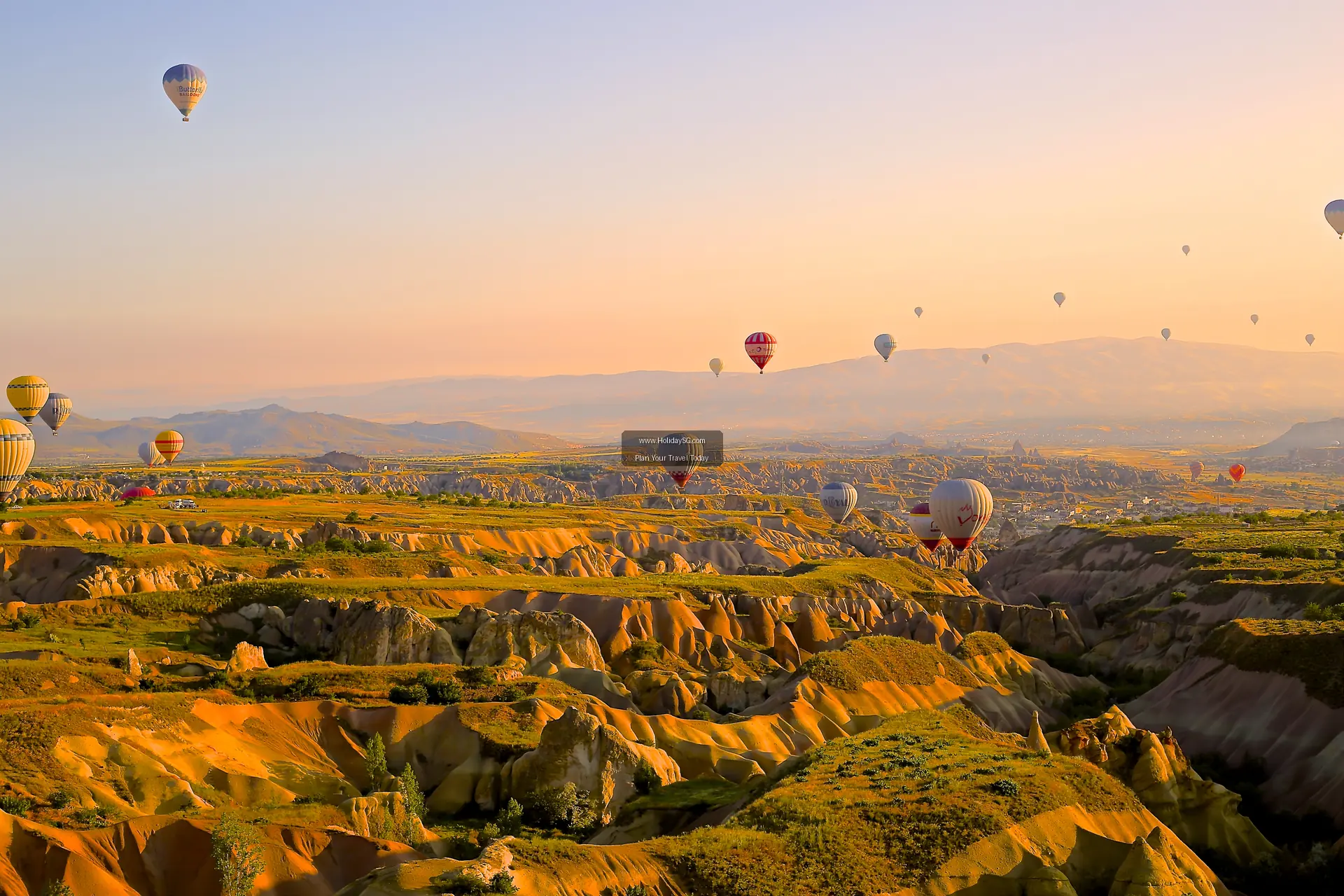
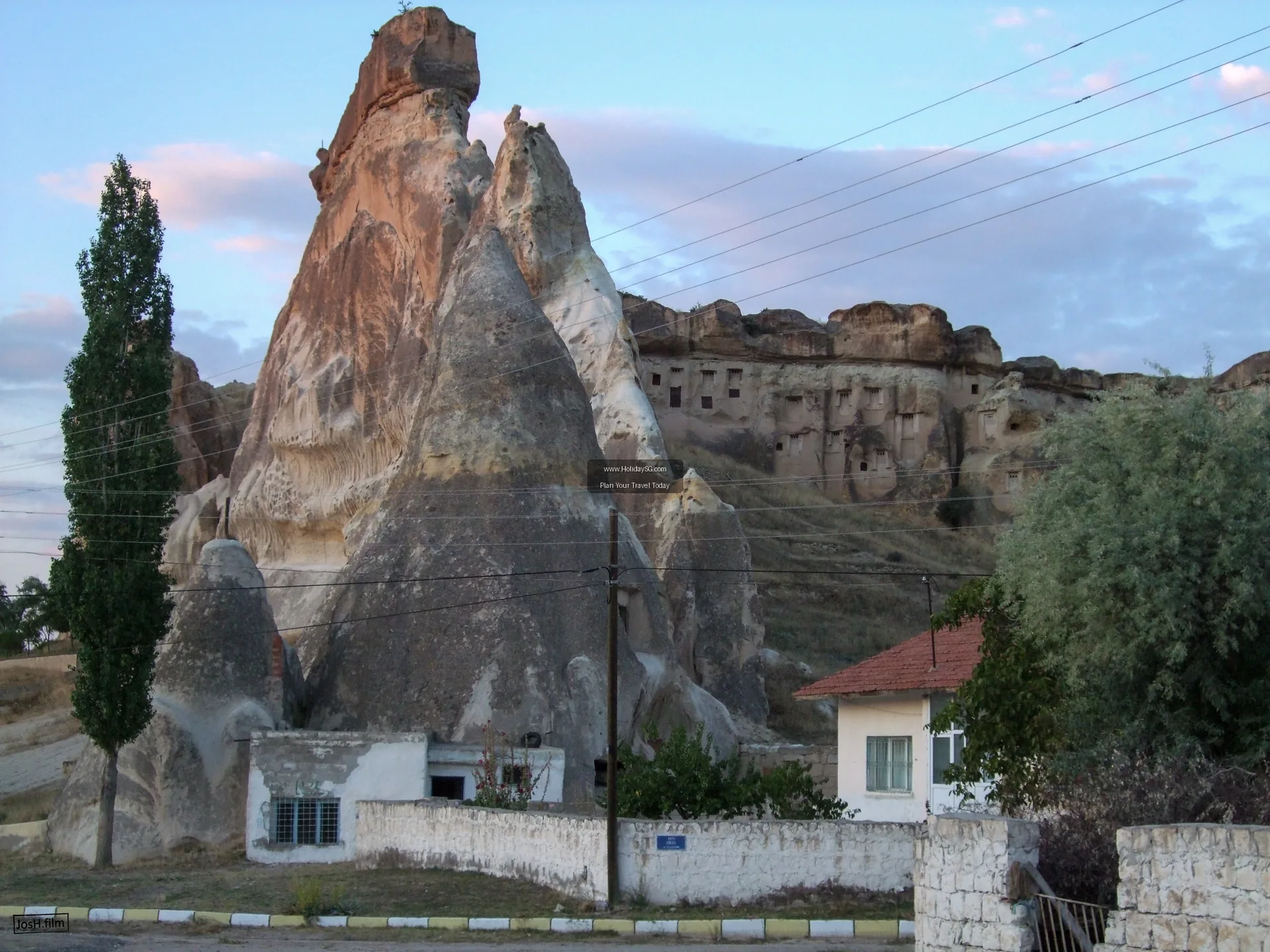
Beyond the iconic sites like Istanbul’s Hagia Sophia and the Blue Mosque, venture further. Float in a hot air balloon over the fairy chimneys of Cappadocia, explore the remarkably preserved ancient city of Ephesus, and witness the surreal white travertine terraces of Pamukkale. For those heading to the Antalya region, consider adventurous day trips that combine nature and history, like a Sunken City and Ancient Myra tour or a thrilling combo adventure safari.
14. Pack for Comfort and Practicality
Comfortable walking shoes are non-negotiable for exploring cobblestone streets and archaeological sites. Pack layers, as weather can change quickly, especially in spring and autumn. A universal power adapter is essential for your electronics. A small daypack, sunscreen, and a reusable water bottle will also serve you well.
15. Embrace Spontaneity and Hospitality
Say yes to a detour recommended by a local, linger over tea in a tiny café, or accept an invitation to join a family meal. The greatest souvenir is often an unexpected story or connection. This spirit of discovery is what makes travel in Turkey so memorable.
Ready to embark on your Turkish adventure? Don’t forget to stay connected with our Esim Turki Esim Turkey Big Data Global for seamless data access throughout your journey.
Do foreigners (non-citizens) need a different ticket, price, or visa for Turkey?
Visa requirements for Turkey vary by nationality. Many foreign visitors can enter visa-free for short stays (e.g., up to 90 days for some countries), while others may need an e-Visa or sticker visa. There are no different ticket or price tiers for foreigners at most attractions, but entry fees for sites like museums can vary for international tourists. For the most accurate and current information, always check the official Turkish government website or your local embassy before traveling.
What is the best time (season, or time of day for the site/activity) to go?
The best time to visit Turkey is generally during spring (April to June) and autumn (September to November) when the weather is mild and crowds are smaller. Summer (July to August) is hot and busy, especially in coastal areas, while winter (December to February) can be cold with snow in some regions, ideal for skiing. For outdoor activities like hiking in Cappadocia or beach visits, early morning or late afternoon avoids midday heat. Always check specific activity recommendations based on weather and seasons.
How many days should I spend in Turkey to see the highlights?
A minimum of 10 days is recommended to experience Turkey’s key highlights, such as Istanbul, Cappadocia, Ephesus, and the Mediterranean coast. For a more relaxed pace or to include off-the-beaten-path destinations, consider 2 weeks or longer. Focus on regions based on your interests—history lovers might allocate more time to western Turkey, while beachgoers could stay on the southern coast.
What is the average cost of a 10-day trip to Turkey?
Costs vary widely based on travel style. Budget travelers might spend around $500-800 USD, mid-range travelers $1,200-2,000 USD, and luxury travelers upwards of $3,000 USD. This includes accommodation, food, transportation, and activities. Turkey is generally affordable, but prices in tourist areas like Istanbul can be higher. Booking tours and eSIMs in advance can help manage costs.
How do I get from Singapore to Turkey, and are there direct flights?
There are no direct flights from Singapore to Turkey; most routes involve a stopover in cities like Dubai, Doha, or Istanbul. Airlines such as Singapore Airlines, Turkish Airlines, and Qatar Airways offer connecting flights. The total travel time is typically 15-20 hours. Book in advance for better deals, and consider using an eSIM for connectivity during your trip.
Is Turkey a suitable destination for families with young children?
Yes, Turkey is family-friendly with many attractions for all ages, such as beaches in Antalya, interactive museums in Istanbul, and hot air balloon rides in Cappadocia (for older kids). Family-oriented tours are available, and accommodations often offer child-friendly services. However, plan for shorter activities and be mindful of crowded areas.
What essential items should I pack for a trip to Turkey?
Pack lightweight, breathable clothing for summer, layers for cooler seasons, comfortable walking shoes, a hat, sunscreen, and a reusable water bottle. For visits to mosques or religious sites, bring modest clothing covering shoulders and knees. Don’t forget a universal power adapter, travel insurance documents, and copies of your passport. An eSIM can be useful for staying connected without roaming charges.
How accessible is Turkey for travelers with mobility issues?
Accessibility varies; major cities like Istanbul and tourist sites are increasingly accessible with ramps and elevators, but older areas may have cobblestones and uneven terrain. Coastal resorts often have better facilities. Research specific attractions in advance and consider guided tours that cater to accessibility needs. Contact your accommodation for details on room accessibility.
Are there any safety concerns I should be aware of when visiting Turkey?
Turkey is generally safe for tourists, but stay informed about local news, avoid large demonstrations, and follow travel advisories from your government. Be cautious in crowded areas and keep valuables secure. Always have emergency contacts and travel insurance on hand.
What’s the weather like in different regions of Turkey throughout the year?
Turkey has diverse climates: Istanbul and the north have mild, wet winters and warm summers; the Mediterranean coast (e.g., Antalya) is hot and dry in summer, mild in winter; Cappadocia has cold winters with snow and hot summers; eastern regions can be very cold. Check regional weather patterns and pack accordingly.
What are some important local customs and etiquette tips for tourists in Turkey?
Respect local customs by removing shoes when entering homes or mosques, dressing modestly at religious sites, and using your right hand for greetings and eating. Bargaining is common in bazaars but not in shops with fixed prices. Learn a few Turkish phrases like “Merhaba” (hello) and “Teşekkür ederim” (thank you) to show appreciation.
What are the top local dishes to try in Turkey, and where can I find them?
Must-try dishes include kebabs, mezes (appetizers), baklava for dessert, and Turkish tea or coffee. For authentic experiences, visit local eateries like lokantas (traditional restaurants) in Istanbul’s Kadıköy or street food stalls in Ankara. Food tours are a great way to sample regional specialties.
What other attractions are near popular sites like Cappadocia or Ephesus?
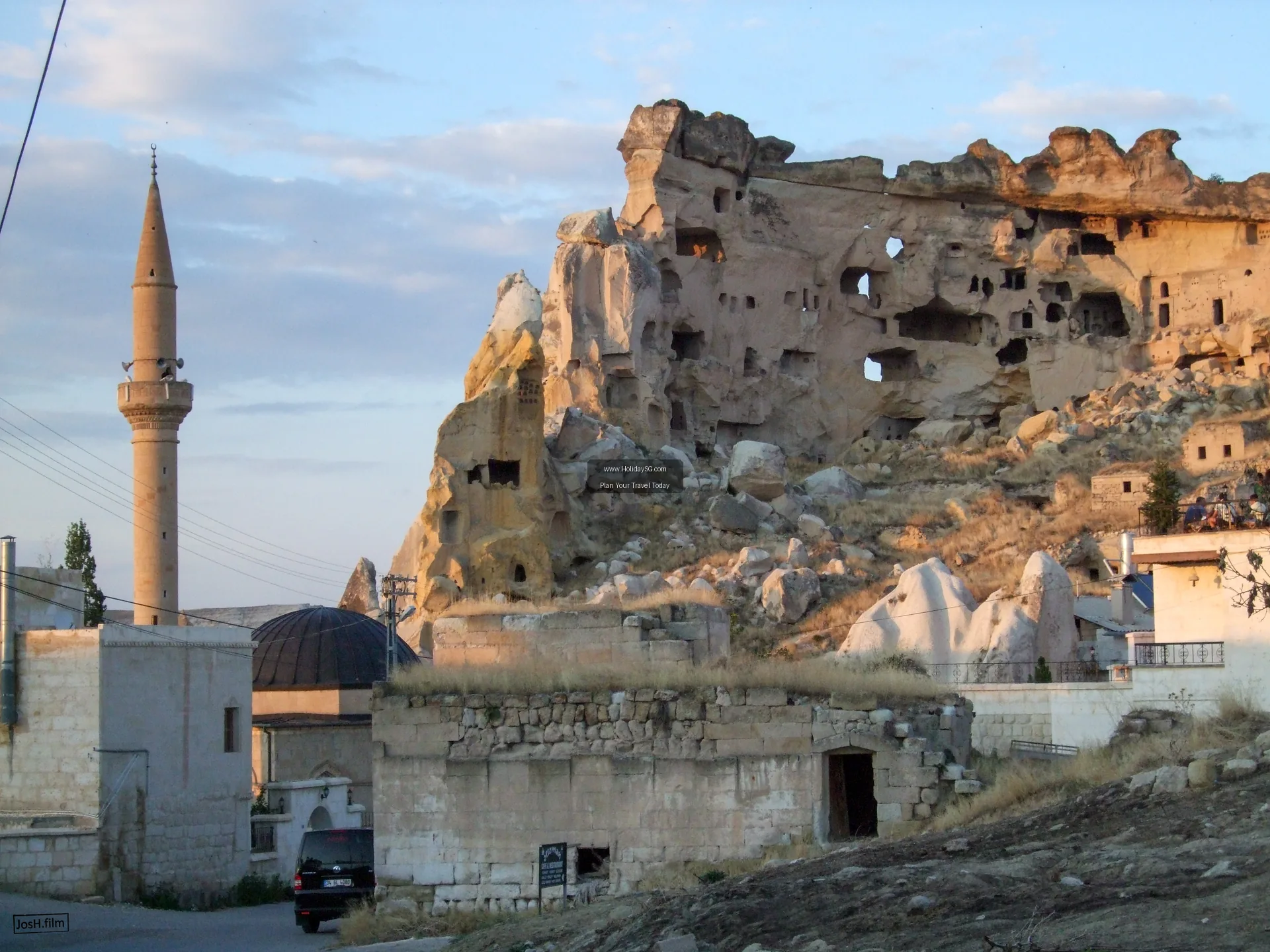
Near Cappadocia, explore underground cities like Derinkuyu or nearby towns such as Göreme and Avanos. Ephesus is close to the House of the Virgin Mary, Sirince village, and the beach at Kusadasi. Combining these with day tours, like the Sunken City Kekova Demre And Myra Day Tour From Antalya, can enrich your itinerary.
Is travel insurance necessary for a trip to Turkey?
While not mandatory, travel insurance is highly recommended to cover medical emergencies, trip cancellations, and lost luggage. Ensure your policy includes activities you plan to do, such as adventure sports. Check with your provider for specific coverage in Turkey.
What currency is used in Turkey, and should I exchange money before arriving?
The Turkish lira (TRY) is TRY (Turkish Lira). Exchange some money before arrival for immediate expenses, but ATMs are widely available in cities and towns. Use credit cards where accepted, and inform your bank of travel plans to avoid blocks. Avoid exchanging money at airports, as rates are less favorable.
Do I need any vaccinations or health precautions before traveling to Turkey?
Standard vaccinations like hepatitis A and B, typhoid, and routine boosters are recommended. Check with your doctor or a travel clinic 4-6 weeks before departure for personalized advice. Carry any prescription medications in original packaging, and consider a basic health kit with anti-diarrhea and pain relief medications.
What are the main transportation options within Turkey, such as buses, trains, or domestic flights?
Turkey has an extensive network of intercity buses (affordable and frequent), trains (slower but scenic, like the Eastern Express), and domestic flights (quick between major cities). Rental cars are available for flexibility, but driving in cities can be challenging. For tours, operators often provide transport from hubs like Antalya.
Is English commonly spoken in tourist areas of Turkey?
English is widely understood in tourist areas, hotels, and major attractions, but less common in rural regions. Learning basic Turkish phrases can enhance your experience and is appreciated by locals. Tour guides often speak multiple languages.
What are the best neighborhoods or areas to stay in Istanbul or other cities?
In Istanbul, Sultanahmet is ideal for first-time visitors close to historical sites, while Beyoğlu and Kadıköy offer vibrant nightlife and local culture. In Cappadocia, Göreme is popular for cave hotels. For coastal stays, Bodrum or Fethiye provide beachfront options. Choose based on your travel style and proximity to attractions.
What things cost in Turkey
Live HolidaySG prices for the experiences in this guide, so you can sanity-check a budget before you commit.
Important: Some of the links recommended here are paid placements or have sponsored our stay in one way. We have paid for these accommodations ourselves. If you book through any of our links, we make a small commission at no extra cost to you. This helps keep our site running – so thank you in advance for your support!
Written by
HolidaySG Travel Team
Singapore-based travel specialists covering attractions, tours and travel experiences across Asia-Pacific and beyond. Licensed travel agency (TA04014).
This conversation was resolved. Reply below to continue, or
We use cookies
We use cookies to enhance your browsing experience, serve personalised content, and analyse our traffic. By clicking "Accept All", you consent to our use of cookies.
Read our Cookie Policy