Discover 18 essential Turkey travel tips covering visas, budgeting, and must-see spots for an unforgettable adventure.
HolidaySG Travel Team
July 27, 2026
16 min read33 views
Discover 18 essential Turkey travel tips covering visas, budgeting, and must-see spots for an unforgettable adventure.
In this guide.
18 turkey travel tips you need to know! is exactly what this guide covers.
Turkey is a country that effortlessly bridges continents and centuries, offering travelers an intoxicating mix of ancient ruins, futuristic cities, stunning coastlines, and world-class cuisine. Whether you’re gazing at fairy chimneys in Cappadocia, sailing the Bosphorus in Istanbul, or soaking in the thermal pools of Pamukkale, a little local know-how goes a long way. These 18 Turkey travel tips you NEED to know cover everything from visa logistics and cultural etiquette to smart budgeting and staying connected, ensuring your Turkish adventure is as smooth as it is unforgettable.
TL;DR: Spring and autumn offer the best weather and fewest crowds. Secure your e-Visa before you fly. Pack comfortable shoes and a scarf for mosques, and consider a reliable eSIM from HolidaySG so you are connected from the moment you land.
These shoulder months offer the perfect trifecta for travelers: mild temperatures ideal for exploring ancient cities like Ephesus, fewer tourists at major sights, and lower accommodation prices. It’s the prime window for hiking the Lycian Way or taking a hot-air balloon ride over Cappadocia without the extreme heat.
While the beaches are tempting, July and August bring extreme heat, especially in Istanbul and Central Anatolia. Prices skyrocket, queues for the Hagia Sophia can last hours, and the crowds can diminish the magic of places like Ephesus. If you travel in summer, plan indoor visits for midday and carry plenty of water.
Winter Travel (November–March)
Winter is highly underrated for a comprehensive travel guide to Turkey. Experience Istanbul dusted in romantic snow, ski the slopes of Uludağ, or witness Cappadocia’s fairy chimneys under a white blanket. The downsides? Many coastal resorts shut down completely, and it gets very cold in Central and Eastern Anatolia.
One of the most critical practical tips for visiting Turkey is securing your e-Visa well in advance. Nationals from the US, UK, EU, Singapore, and many other countries must apply online at the official e-Visa website. Costs vary by nationality ($50–$80) and the visa is valid for 90 days within a 180-day period. Avoid third-party sites that charge hidden fees. Your passport must be valid for at least six months beyond your travel dates.
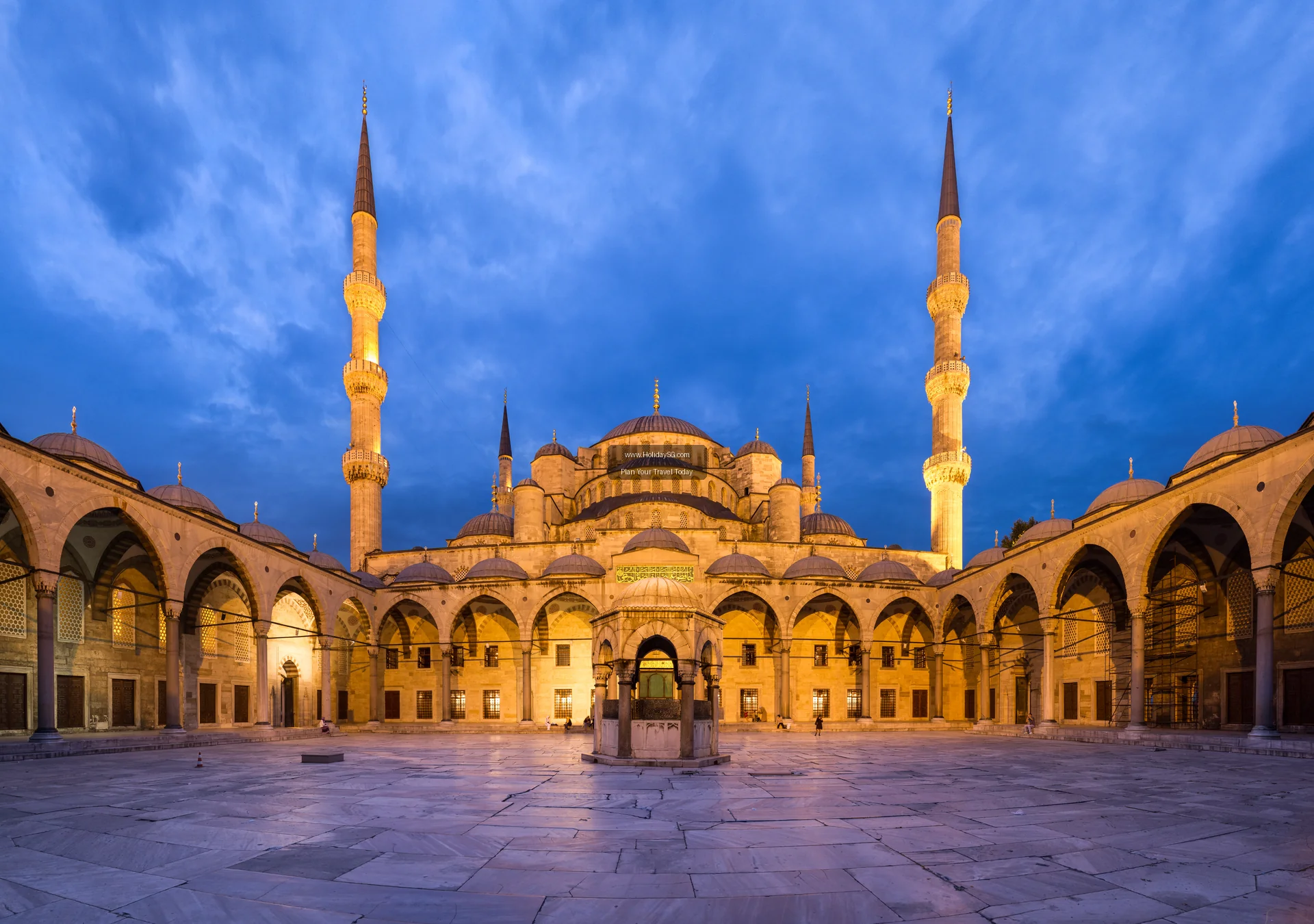
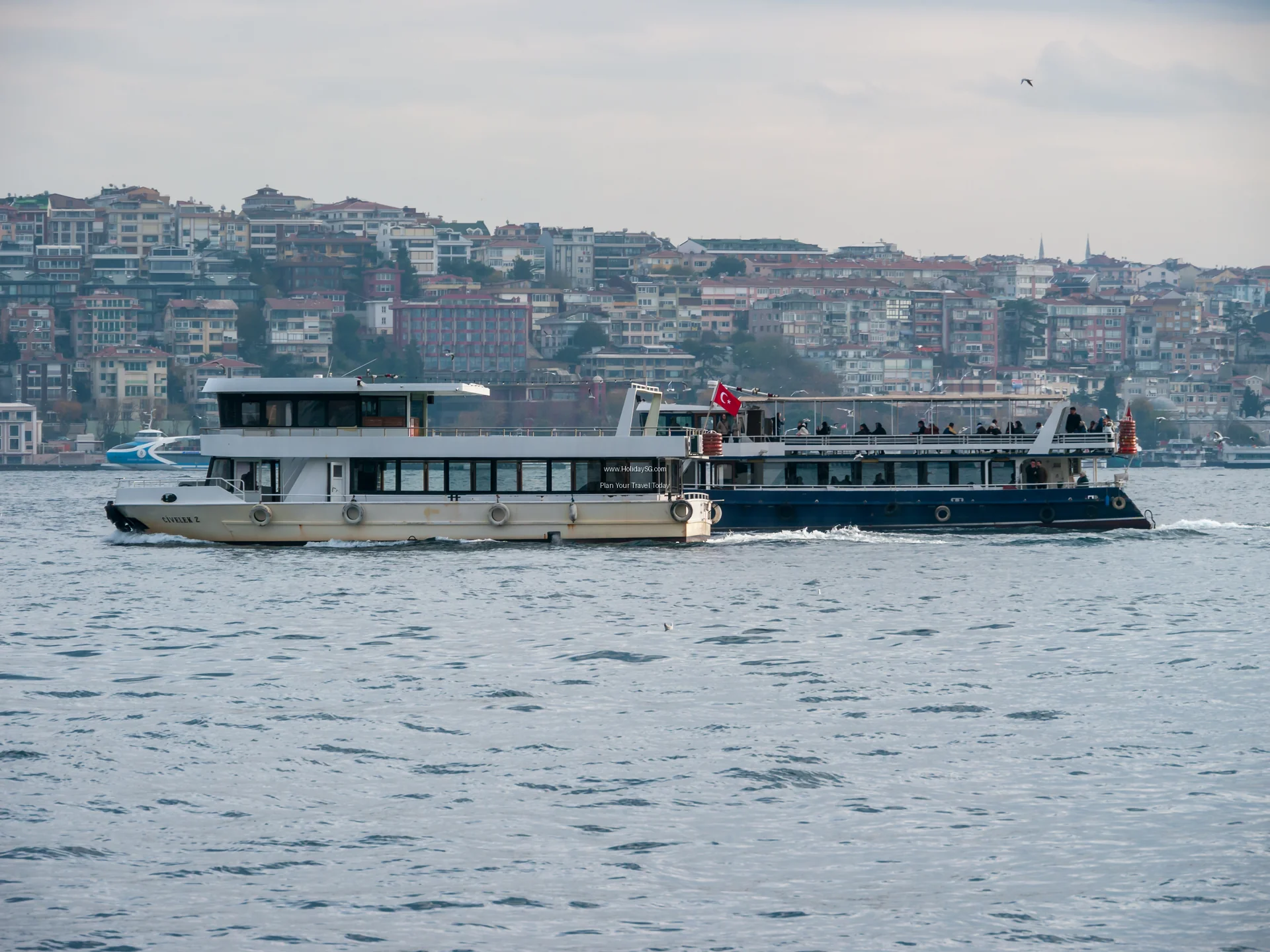
You cannot visit Turkey without experiencing Istanbul. Tick off the massive Hagia Sophia, the serene Blue Mosque, and the opulent Topkapi Palace. Get lost in the Grand Bazaar and Spice Bazaar (haggle politely), and take an affordable Bosphorus cruise at sunset for incredible skyline views.
Cappadocia: Fairy Chimneys & Hot-Air Balloons
This surreal landscape is a once-in-a-lifetime experience. A sunrise hot-air balloon ride is the iconic activity, but exploring the Göreme Open-Air Museum and staying in a cave hotel are equally memorable.
Ephesus
The Library of Celsus and the Terrace Houses are the highlights of this well-preserved Roman city. Visit right when it opens to avoid the intense heat and the tour bus crowds.
Pamukkale & Antalya
The stark white travertine terraces of Pamukkale are a natural wonder. If you are based on the Turquoise Coast, a Salda Lake and Pamukkale Full Day Guided Tour from Antalya lets you cover the famous thermal pools and the stunningly blue Salda Lake in one seamless day trip.
Antalya’s old town (Kaleiçi) is a maze of charming Ottoman houses. For a break from the city, a Sapadere Canyon Tour with Waterfalls and Lunch offers a refreshing escape into nature with beautiful waterfalls and turquoise pools perfect for a swim.
While inflation has affected local prices, Turkey remains a great value destination for your trip budget. Always keep some Turkish Lira (TRY) on you, as small shops and bazaars rely on cash. USD and EUR are sometimes accepted for larger purchases, but you’ll get a worse exchange rate.
Budget Traveler: $40–$70/day (hostels, street food like simit and döner, public transport).
Domestic Flights: Distances are vast in Turkey. Budget airlines like Pegasus and the national carrier Turkish Airlines offer frequent cheap flights between Istanbul, Cappadocia, Antalya, and Izmir.
Intercity Buses: This is the backbone of Turkish travel. Companies like Metro, Kamil Koç, and Pamukkale are surprisingly comfortable, offering snacks and Wi-Fi on board. Overnight buses save you a night’s accommodation.
Istanbul Public Transport: Buy an Istanbulkart from a kiosk. It works on the metro, tram, funicular, and ferries. Avoid driving in Istanbul—the traffic is notoriously heavy.
Renting a Car: Ideal for the coastal areas like the Lycian Way or the backroads of Cappadocia. Just avoid the big cities.
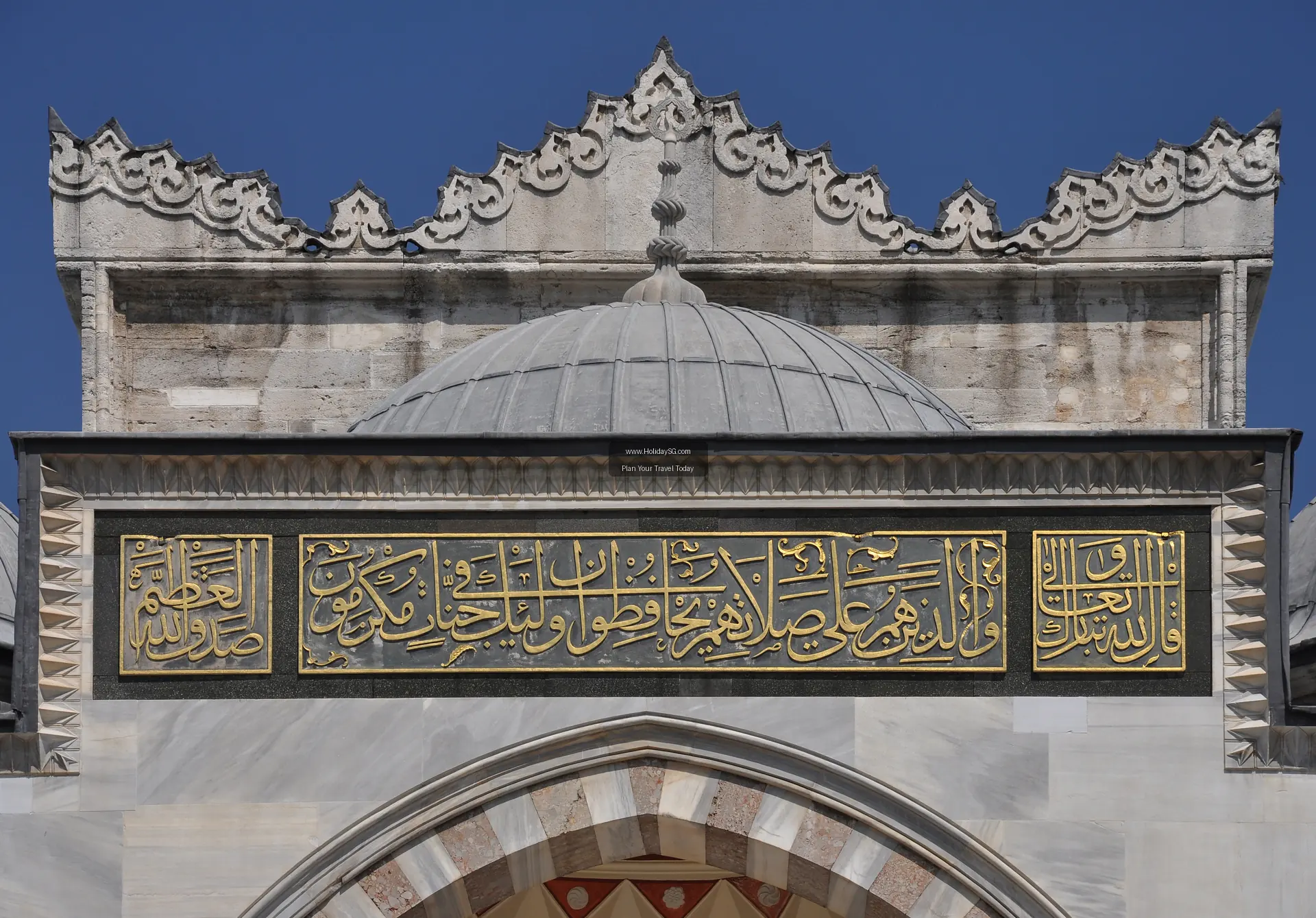
Turkey is a predominantly Muslim country, and respecting local customs is important. Dress modestly when visiting mosques (cover shoulders and knees; women should carry a scarf). Remove your shoes when entering a home. Tipping is standard: 10% in restaurants, loose change for porters and guides. Learn a few words of Turkish like Merhaba (hello) and Teşekkür ederim (thank you); locals will greatly appreciate the effort.
Safety & Scams: How to Stay Smart
Turkey is generally very safe for tourists, but typical big-city scams exist. Use official taxi meters or apps like Bitaksi and Uber. Haggle in the bazaars (start at 50% of the asking price). Be wary of locals who offer to guide you unsolicited or invite you for a drink. Watch for pickpockets in Taksim Square and on crowded trams, similar to what we cover in our tips for navigating busy urban destinations.
Turkish cuisine is a major highlight of any visit. You cannot miss a traditional Turkish breakfast (serpme kahvaltı), a feast of cheeses, olives, and bread. For lunch, try street food like balık ekmek (fish sandwich) in Istanbul. For dinner, order a few meze followed by an Adana kebab. Save room for baklava and strong Turkish coffee. Raki, the anise-flavored spirit, is the national drink—enjoy it with seafood along the Aegean coast.
Language Basics: Key Turkish Phrases
English is widely spoken in tourist zones, but knowing these words helps break the ice and enriches your local etiquette:
Tap water is not drinkable in Turkey. Stick to bottled water, which is very cheap. Salads washed in tap water are generally safe in high-turnover restaurants, but be cautious if you have a sensitive stomach. Pharmacies (eczane, marked by a green cross) are excellent and can dispense many medications without a prescription. No special vaccinations are required, but standard travel insurance is a must.
Staying Connected: SIM Cards & Wi-Fi
Free Wi-Fi is common in cafes and hotels, but speeds vary. For constant connectivity, you can buy a physical tourist SIM at the airport. For the ultimate convenience before you land, you can easily pre-order an Airalo Turkey e-Sim Package or the Esim Turki Esim Turkey Big Data Global from HolidaySG. This ensures you have maps, translation apps, and booking tools working the second you step off the plane.
Versatility is key. Pack comfortable walking shoes for cobblestones and archaeological sites. Always have a scarf handy for mosque visits. In summer, light linens and sun protection are essential. In winter, bring thermal layers and a waterproof coat. A power adapter for European Type F plugs is a must, as is a refillable water bottle.
Common Traveler Questions
Is Turkey safe for tourists right now? Yes, the main tourist areas of Istanbul, Cappadocia, and the coast are very safe. Travel advisories mainly concern the border regions with Syria and Iraq, which are far from the tourist trail.
Can I use a credit card everywhere? Almost all hotels, shops, and restaurants in cities accept cards. However, you need cash for small vendors, taxis, and in rural areas. ATMs are plentiful and offer great rates.
What is the dress code? Very liberal in cities and resort areas. Bikinis are fine on the beach, but cover up when walking through town. In mosques, cover your shoulders, knees, and hair.
Turkey is a land of contrasts—ultra-modern yet deeply traditional, chaotic yet impossibly charming. Armed with these 18 Turkey travel tips, you are ready to explore bustling bazaars, ancient ruins, incredible landscapes, and warm hospitality. Don’t just stick to the tourist trail; go deeper. Afiyet olsun and have an incredible journey!
Do foreigners (non-citizens) need a different ticket, price, or visa for Turkey?
Most foreign tourists need a visa to enter Turkey. The requirement depends on your nationality. Many countries, including most EU nations, the US, and the UK, can apply for an e-Visa online before travel. Entry ticket prices for historical sites (like Ephesus or Topkapi Palace) are generally the same for all adults, with discounts for children and sometimes students. However, visa requirements are strict, so always verify the latest rules for your specific passport on the official Turkish government e-Visa website (evisa.gov.tr) or with your country’s embassy before booking.
What is the best time (season, or time of day for the site/activity) to go to Turkey?
The best time to visit Turkey is during the shoulder seasons of spring (April-May) and autumn (September-October), when the weather is pleasantly warm across most of the country, ideal for sightseeing and outdoor activities. Summer (June-August) is hot and crowded, especially on the coasts, while winter is cold and snowy in central and eastern regions. For specific activities like visiting Pamukkale’s travertines, early morning (as part of a Salda Lake And Pamukkale Full Day Guided Tour) is best to avoid crowds and heat. For canyon hikes like Sapadere Canyon, mornings are also recommended before the midday sun.
How long do I need for a trip to Turkey?
A comprehensive trip covering Istanbul, Cappadocia, Pamukkale, and the coast typically requires 10-14 days. If you’re short on time, a well-planned 7-day itinerary focusing on Istanbul and one other region (like Cappadocia) is feasible. For a quick cultural stopover in Istanbul alone, 3-4 days is recommended.
What is the typical daily budget for a traveler in Turkey?
Budget travelers can expect to spend around $50-$70 USD per day on a shoestring budget (hostels, street food, public transport). Mid-range travelers should budget $100-$150 USD per day for comfortable hotels, sit-down meals, and guided tours. Luxury has no limit, but expect to pay European prices for high-end services.
Is Turkey safe for tourists?
Turkey’s major tourist areas like Istanbul, Cappadocia, and the coastal resorts are generally safe for visitors. Exercise standard precautions as you would in any major city: be wary of pickpockets in crowded areas, use registered taxis, and stay informed about your surroundings. Check your government’s travel advisory for the latest updates on specific regions, especially those near borders.
What should I pack for a trip to Turkey?
Pack layers, as temperatures can vary. Comfortable walking shoes are essential. Bring modest clothing for mosque visits (women should cover their hair, shoulders, and knees; men should wear long pants). A universal power adapter is useful, as Turkey uses Type C and F plugs. For connectivity, consider an eSIM like Airalo Turkey E Sim Package.
Do they accept credit cards in Turkey?
Yes, credit and debit cards are widely accepted in cities, hotels, restaurants, and larger shops. However, always carry some Turkish Lira (TRY) cash for small purchases at bazaars, markets, street vendors, and for tips.
Is Turkey family-friendly?
Absolutely. Turkey is a very family-friendly destination with a culture that warmly welcomes children. There are numerous playgrounds, shallow-water beaches, and kid-friendly tours. The landscapes of Cappadocia and the cable cars in Istanbul are particular hits with kids.
How do I get around in Turkey?
Domestic flights are efficient for long distances (e.g., Istanbul to Cappadocia). For intercity travel, comfortable intercity buses (Otobüs) are a popular and affordable option. Within cities, use public trams, metros, ferries, or reputable taxi apps like BiTaksi. For tours to specific sites, pre-booked day trips are very convenient.
What is the local etiquette I should know about?
Remove your shoes when entering a home or a mosque. Dress conservatively when visiting religious sites. It’s polite to accept offers of tea (çay). Tipping is customary: round up bills at restaurants or leave 5-10% for good service.
What is the currency in Turkey?
The currency is the Turkish Lira (TRY or ₺). Credit cards are common, but you will need cash for many transactions. Exchange money at banks or official exchange offices (Döviz) for better rates than airports or hotels.
What is the weather like in Turkey?
It varies greatly by region and season. Istanbul has a temperate climate with warm summers and cool, rainy winters. The Mediterranean coast (Antalya) has hot, dry summers and mild winters. Central Anatolia (Cappadocia) experiences continental climate with cold winters and hot summers.
Is tap water safe to drink in Turkey?
In major cities, tap water is generally treated and safe, but the taste can be different due to chlorination. Most travelers and locals prefer to drink bottled water, which is inexpensive and readily available everywhere.
What food must I try in Turkey?
Essential dishes include kebabs (especially İskender and Adana), pide (Turkish pizza), lahmacun, mezes (appetizer platters), and fresh seafood on the coast. For dessert, try baklava, künefe, and the famous Turkish ice cream (dondurma).
Are there any cultural taboos or important gestures?
The “thumbs up” gesture is offensive in Turkey, similar to the middle finger elsewhere. Use the “OK” sign (thumb and forefinger making a circle) instead. Avoid pointing the sole of your foot at someone or a religious symbol.
Most major museums and archaeological sites open between 8:30 AM or 9:00 AM and close between 5:00 PM and 7:00 PM, with the last entry an hour before closing. Hours can change seasonally and on religious holidays. Always check the official site’s website before visiting.
Is Turkey accessible for travelers with disabilities?
Accessibility varies. Major hotels and some new museums in Istanbul are well-equipped, but navigating historic sites with uneven terrain and cobbled streets can be challenging. Public transport has improved with elevators and ramps in many stations, but not all. Research specific venues in advance.
What are the best souvenirs to buy?
Popular souvenirs include Turkish carpets and kilims, ceramics (İznik tiles), lanterns, leather goods, spices and Turkish delight, olive oil, and traditional evil eye (nazar) talismans. Bazaars like Istanbul’s Grand Bazaar are perfect for shopping, but remember to bargain respectfully.
What should I know about bargaining in Turkey?
Bargaining is expected and customary in bazaars (pazars), markets, and with independent sellers, but not in fixed-price shops, supermarkets, or restaurants. Start by offering a lower price and enjoy the polite negotiation process.
What things cost in Turkey
Live HolidaySG prices for the experiences in this guide, so you can sanity-check a budget before you commit.
Important: Some of the links recommended here are paid placements or have sponsored our stay in one way. We have paid for these accommodations ourselves. If you book through any of our links, we make a small commission at no extra cost to you. This helps keep our site running – so thank you in advance for your support!
Written by
HolidaySG Travel Team
Singapore-based travel specialists covering attractions, tours and travel experiences across Asia-Pacific and beyond. Licensed travel agency (TA04014).
This conversation was resolved. Reply below to continue, or
We use cookies
We use cookies to enhance your browsing experience, serve personalised content, and analyse our traffic. By clicking "Accept All", you consent to our use of cookies.
Read our Cookie Policy