
20 cambodia travel tips you need to know! is exactly what this guide covers.
Cambodia is a land of profound contrasts and captivating beauty, where ancient, moss-draped temples stand silently against bustling modern cities, and serene riverside towns offer respite from vibrant markets. It’s a country that stirs the soul, inviting you to explore its profound history and warm culture. However, to truly make the most of your journey from the chaotic streets of Phnom Penh to the mystical ruins of Angkor, a little preparation goes a long way. This guide to 20 essential Cambodia travel tips you NEED to know will equip you with the practical knowledge to navigate like a pro, respect local customs, and focus on what matters – creating unforgettable memories.
Cambodia is an incredible and generally safe destination, but mastering local logistics like the dual-currency system and visa process is key. Always respect temple dress codes, be savvy to common scams, and embrace the local pace of life. These 20 tips will ensure your adventure is smooth, respectful, and deeply rewarding.
The Essentials: Planning Your Trip
1. Get Your Visa Sorted Early
Most foreign visitors need a tourist visa. The easiest method is the **e-Visa**, which costs $36 and can be applied for online a few weeks before your trip. This grants you smooth entry at major airports and certain land borders. The alternative is the **Visa on Arrival (VOA)** at airports and overland borders, costing $30 (plus a passport photo). Having your visa sorted removes the first hurdle, letting you start exploring immediately.
2. Master the Dollar-Riel Dual Currency
Here’s a unique aspect of Cambodian life: the **US Dollar is the primary currency** for most transactions, from hotel bills to restaurant meals and tuk-tuk fares. However, the Cambodian Riel (KHR) is used for small change, typically for amounts under $1 USD (approx. 4,000 KHR = $1 USD). You’ll receive a mix of notes. **Always carry a good supply of small US bills ($1, $5, $10).** Vendors often cannot break a large note for a cheap meal or drink.
3. Time Your Visit for the Best Experience
Cambodia’s climate dictates the travel rhythm. The **dry season (November to March)** is peak time, offering cooler, more comfortable temperatures and minimal rain. The **wet season (May to October)** brings lush, green landscapes and fewer crowds, but be prepared for heavy afternoon downpours that can cause temporary flooding. The shoulder months of April and November are often considered the sweet spot.
4. Budget According to Your Travel Style
Your money will go far here. A **budget traveler** can get by on $30-50/day using hostels, street food, and local transport. A **mid-range** experience with nicer hotels, restaurant meals, and guided tours averages $70-150/day. For those seeking **luxury** with boutique resorts and private tours, expect to spend $200+ per day. For a deeper dive into costs, consider our guide to planning a Cambodian adventure on any budget.
5. Stay Connected with a Local SIM
Getting a local SIM card is cheap and easy, offering vital data for maps and translation. Providers like Smart, Cellcard, and Metfone sell packages for about $3-5 for 30 days of data. You’ll need your passport for registration. To avoid the hassle upon arrival, you can also arrange an e-SIM for Cambodia with unlimited data before you leave home, ensuring you’re connected the moment you land.
Getting Around & On the Ground
Ready to go? Book Commbitz Cambodia E Sim Daily with HolidaySG.
6. Navigate Transport Like a Local
For long distances, like from Phnom Penh to Siem Reap, comfortable and affordable **buses** are the go-to. Within cities, the iconic **tuk-tuk** is your best friend. To avoid haggling and get fixed fares, use ride-hailing apps like **PassApp** or **Grab**. For intercity travel with a group, a private transfer can be a convenient option. Renting a motorbike is popular but only recommended for experienced, confident riders due to chaotic traffic.
7. Embrace the Art of Bargaining
Haggling is expected in markets, with independent tuk-tuk drivers, and for some handicrafts. It’s a social dance, not a confrontation. **Start by offering 50-60% of the initial asking price** and negotiate politely with a smile. Never bargain for food, drinks, or in shops with fixed prices. A successful haggle should leave both parties feeling they’ve reached a fair deal.
8. Respect the Dress Code at Sacred Sites
This is non-negotiable. When visiting temples, pagodas, the Royal Palace, and other religious sites, you **must cover your shoulders and knees**. This applies to both men and women. The simplest solution is to carry a lightweight **sarong or scarf** in your daypack. It can be quickly wrapped around your waist or shoulders to ensure you’re always appropriately dressed for these sacred spaces.
Culture, Safety & Health
9. Prioritize Personal Safety
Cambodia is generally safe for tourists, but basic precautions are wise. Keep your belongings secure against petty theft, especially in crowded areas. Be cautious when crossing roads – traffic rules are often guidelines! Avoid large political gatherings or protests. The main risks are often traffic accidents and occasional bag snatching, so stay alert, especially at night.
10. Be Aware of Common Scams
While most people are genuinely kind, stay wary of common tourist scams. These include the “lost traveler” who needs money, offers for unlicensed gem or brick factory tours (which are fronts for overpriced shops), and overly friendly strangers who offer unsolicited help or deals. If an offer seems too good to be true, it almost certainly is. Stick to reputable operators and trust your instincts.
11. Eat and Drink with Confidence
Khmer cuisine is delicious and street food is a must-try. To stay healthy, **always drink bottled or filtered water**. For food, apply the “freshly cooked” rule: eat at stalls where food is prepared in front of you and is piping hot. This is generally a safe bet. Avoid pre-cut fruit that’s been sitting out.
12. Prepare for Health Needs
Consult a travel doctor well before your departure. Ensure routine vaccinations are up-to-date, and consider Hepatitis A/B, Typhoid, and Rabies (especially if you’ll be around animals). Pack a basic medical kit with rehydration salts, anti-diarrheal medication, and any personal prescriptions.
13. Practice Cultural Etiquette
The Khmer people are warm and polite. Reciprocate this respect. **Avoid pointing at people or sacred objects with your index finger**; instead, use an open hand or your thumb. **Never touch anyone’s head**, as it’s considered the most sacred part of the body. Learn a few simple phrases like “So-kuhn” (thank you) – the effort will be deeply appreciated.
Must-Do Experiences & Final Thoughts
Ready to go? Book Commbitz Cambodia E Sim Daily with HolidaySG.
14. Don’t Miss the Iconic Highlights
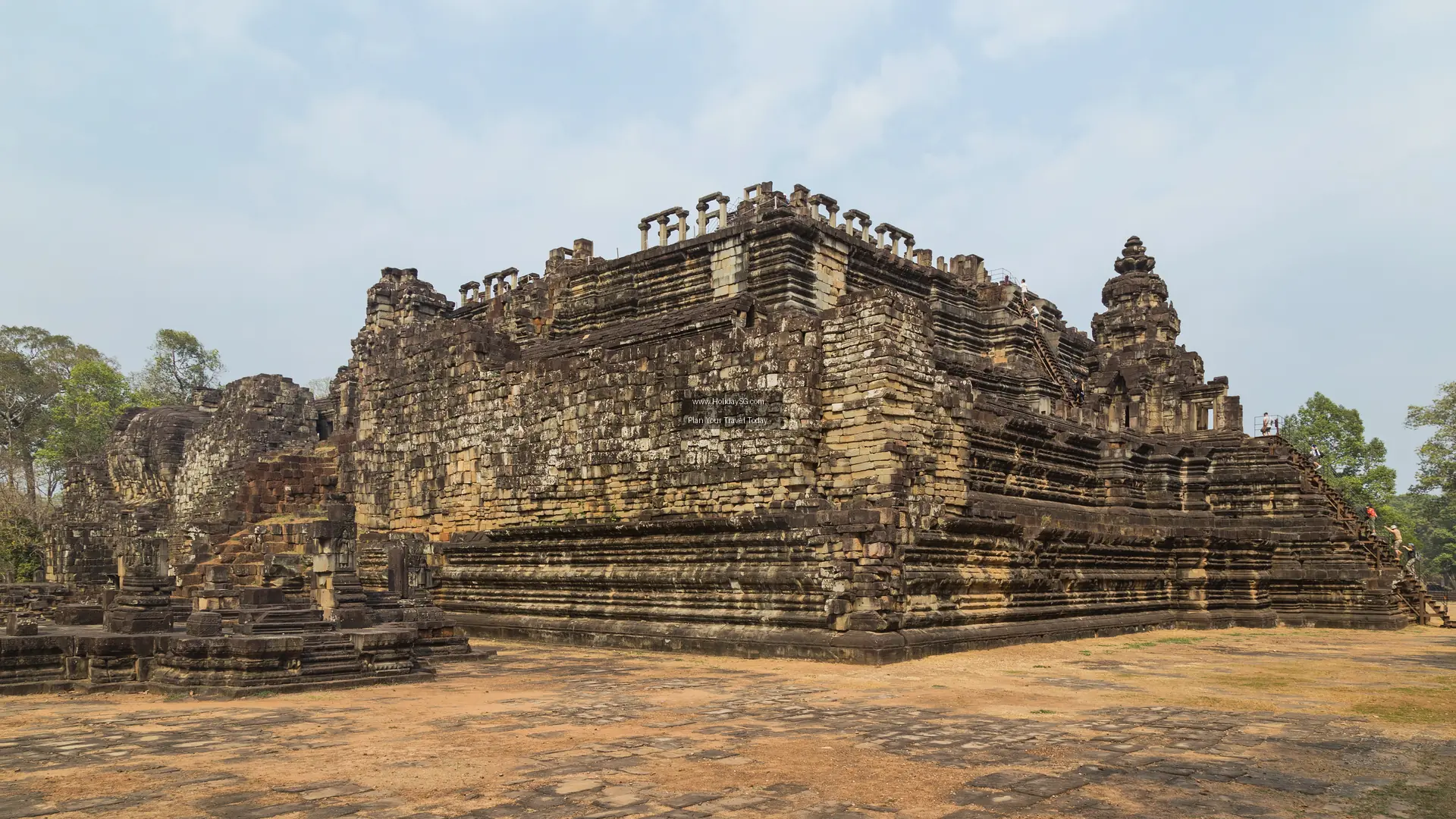
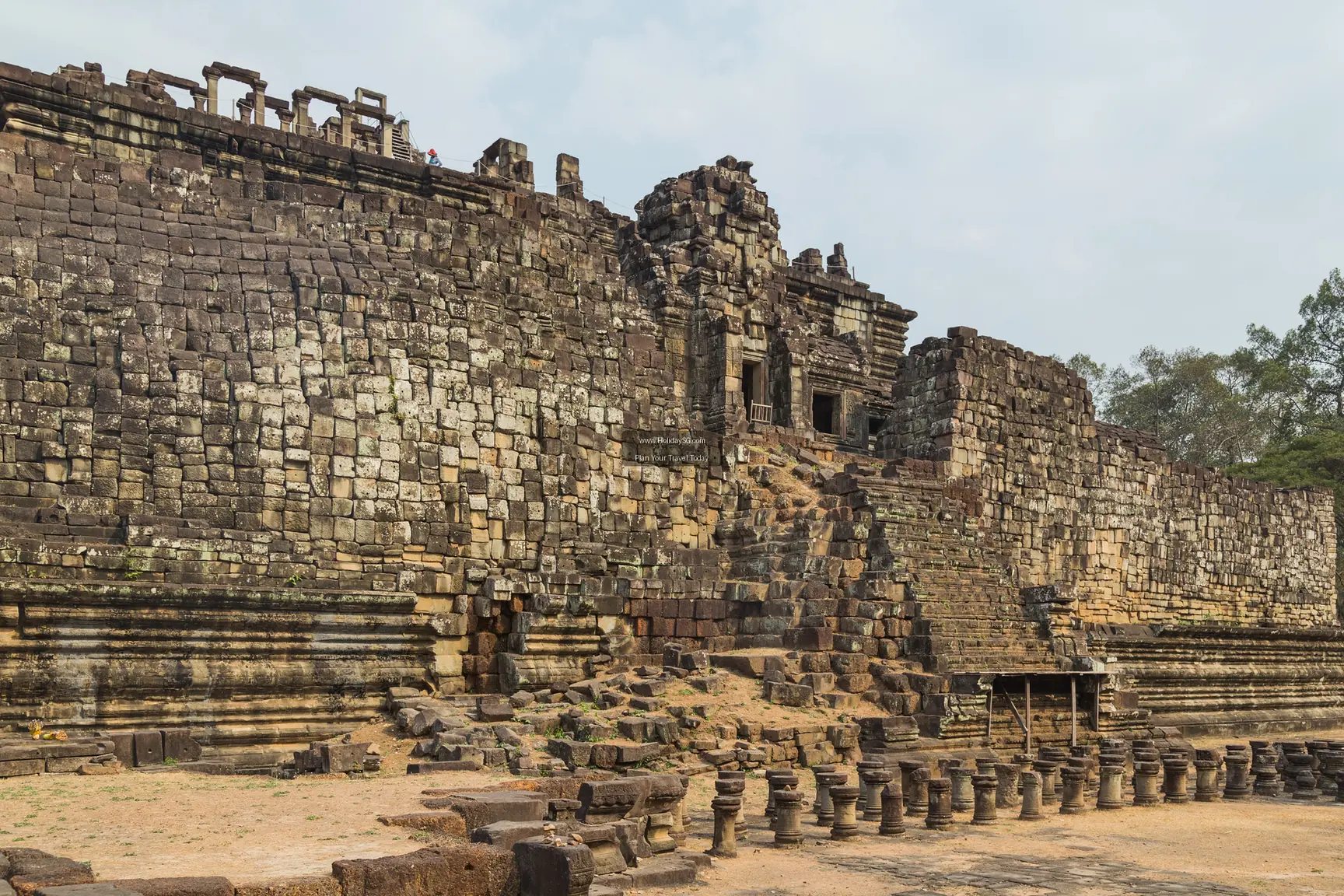
While this guide covers practicalities, don’t forget the magic that awaits. The **Angkor Archaeological Park** is a world unto itself, beyond the iconic Wat. In the capital, the **Royal Palace and Silver Pagoda** shimmer in Phnom Penh. For sun and sea, the islands off **Sihanoukville** offer tropical bliss, while the riverside town of **Kampot** provides a relaxed, atmospheric escape. Each destination offers a different facet of Cambodia’s soul.
15. Is Cambodia Safe for Tourists?
To reiterate, yes, Cambodia is a safe destination for travelers who exercise common sense. By securing your valuables, being cautious in traffic, and avoiding scams, you significantly minimize risks. Political stability is generally good, and violence against tourists is extremely rare. Focus on the warm hospitality you’ll encounter everywhere.
Recommended HolidaySG Tours
- Cambodia Unlimited 4g5g Data Esim
- Airalo Cambodia E Sim Package
- Commbitz Cambodia E Sim Package
- Commbitz Cambodia E Sim Daily
- Private Transfer Phnom Penh Udong Within 35km
Conclusion
Ready to go? Book Commbitz Cambodia E Sim Daily with HolidaySG.
Cambodia rewards the prepared traveler with an experience that is both humbling and exhilarating. By understanding its dual-currency system, respecting its sacred dress codes, and navigating its transportation with savvy, you move beyond being a mere tourist to becoming a welcomed guest. These tips are designed to empower you, helping you avoid common pitfalls so you can fully immerse yourself in the country’s incredible history and resilient spirit. With these essentials in your toolkit, you’re ready to explore the Kingdom of Wonder with confidence and respect. Your unforgettable Cambodian adventure awaits.
Ready to stay connected on your journey? Ensure you have reliable data with our Commbitz Cambodia E Sim Daily for hassle-free navigation and communication throughout your trip.
Book with HolidaySG online for Commbitz Cambodia E Sim Daily, Commbitz Cambodia E Sim Package, Cambodia Unlimited 4g5g Data Esim.
Frequently Asked Questions
Where can I book this / what’s the link?
For specific tours and transfers in Cambodia, you can book directly with trusted providers through our partner. For instance, if you need a private transfer from Phnom Penh to Udong, you can book it via the link. For connectivity products like eSIMs, you can find options such as the Commbitz Cambodia E-SIM Package or the Cambodia Unlimited 4G/5G Data E-SIM.
Do foreigners (non-citizens) need a different ticket, price, or visa for Cambodia?
Yes, foreigners typically need a visa to enter Cambodia. The most common is the Tourist Visa (T-class), which can often be obtained on arrival at major airports and land borders, or via an e-Visa. Prices and requirements can change, so it is crucial to check the official Ministry of Foreign Affairs and International Cooperation of the Kingdom of Cambodia or your nearest Cambodian embassy for the latest, most accurate information before traveling.
What is the best time (season, or time of day for the site/activity) to go?
The ideal time to visit Cambodia is during the dry season, from **November to April**, with the coolest months being November to February. For visiting Angkor Wat, sunrise is famously spectacular, but sunset is also beautiful and less crowded. To avoid the biggest crowds at temples, aim to start your day early in the morning.
How long should I spend in Cambodia?
A popular itinerary is 10-14 days, which allows enough time to explore Phnom Penh, the temples of Siem Reap (Angkor), and perhaps the beaches of Sihanoukville or Koh Rong, or the laid-back atmosphere of Kampot. A shorter 5-7 day trip focusing on Siem Reap and Phnom Penh is also very feasible.
Is Cambodia expensive to travel in?
Cambodia is generally very affordable for travelers. You can find budget guesthouses for as low as $10-15 per night, enjoy a local meal for $2-5, and a tuk-tuk ride across town for a few dollars. Prices rise in major tourist hubs and for higher-end resorts, but overall, it offers excellent value.
What is the currency, and should I use cash or card?
The official currency is the Cambodian Riel (KHR), but the US Dollar (USD) is widely used and accepted everywhere. You will often receive change in a mix of both. While hotels and larger restaurants accept credit cards, cash (USD) is king for markets, tuk-tuks, small shops, and most daily transactions.
How do I get around Cambodia?
Common transport includes tuk-tuks (ideal for short distances), motorbike taxis (“moto-dops”), domestic flights (between Phnom Penh and Siem Reap), and long-distance buses. For private, comfortable travel between cities or to specific sites, consider booking a private transfer.
Is Cambodia safe for tourists?
Cambodia is generally safe for tourists, but like any destination, you should exercise common sense. Petty theft (like bag snatching) can occur in cities, so be vigilant with your belongings. Use reputable transport, avoid isolated areas at night, and be aware of common scams targeting tourists.
Do I need any special vaccinations or health advice?
Consult your doctor or a travel clinic before your trip. Common recommendations include vaccines for Hepatitis A and B, Typhoid, and ensuring your routine vaccinations are up to date. Malaria prophylaxis might be advised for remote areas, but not for major tourist zones like Siem Reap or Phnom Penh. Use insect repellent and drink bottled or purified water.
What should I pack?
Pack light, breathable clothing suitable for hot, humid weather. Crucially, bring clothes that cover your shoulders and knees for entering temples and religious sites. Don’t forget sunscreen, a hat, sunglasses, insect repellent, a reusable water bottle, and a good power bank for your devices. A portable eSIM, like the Cambodia Unlimited 4G/5G Data E-SIM, is a smart addition for connectivity.
Is Cambodia family-friendly?
Yes, Cambodia can be a fantastic family destination. Many hotels and resorts have pools and kid-friendly amenities. The temples of Angkor are a huge outdoor adventure, and there are elephant sanctuaries (choose ethical ones) and Tonle Sap lake visits. Be prepared for the heat and plan activities with younger children in mind.
What is the local etiquette I should know?
Respect is key. Always ask before photographing someone, especially monks. Dress modestly (cover shoulders and knees) at religious sites. Remove your shoes before entering someone’s home or a temple. The Cambodian greeting, the “sampeah,” involves pressing palms together in a prayer-like gesture.
Can I use my phone and get a SIM card?
Yes, getting a local SIM card is easy and cheap, available at airports and shops. Alternatively, you can buy an eSIM for instant connectivity before you arrive, such as the Commbitz Cambodia E-SIM Package or the Airalo Cambodia E-SIM Package.
What are the must-see attractions besides Angkor Wat?
Don’t miss the Royal Palace and Silver Pagoda in Phnom Penh, the poignant Tuol Sleng Genocide Museum and Killing Fields of Choeung Ek, the floating villages of Tonle Sap, the beaches of the southern islands, and the relaxed riverside town of Kampot known for its pepper farms.
Is bargaining expected?
Yes, bargaining is a normal and expected part of the culture in markets, with tuk-tuk drivers, and for most tourist-oriented goods and services. Do it with a smile, start at around 50-70% of the asking price, and be prepared to walk away if you can’t agree on a price.
What is the food like in Cambodia?
Cambodian (Khmer) cuisine is flavorful, often using herbs, lemongrass, and galangal. Try fish amok (a coconut milk curry steamed in banana leaves), lok lak (stir-fried beef), and num banh chok (Khmer noodles). Street food is delicious and cheap—look for bustling stalls with high turnover.
Do I need travel insurance?
Travel insurance is highly recommended for any international trip. It can cover medical emergencies, trip cancellations, lost luggage, and evacuation. Ensure your policy covers the specific activities you plan to do, such as motorbike riding.
What are the best day trips from Siem Reap or Phnom Penh?
From Siem Reap, explore the remote temples of the Grand Circuit or take a boat trip to the floating villages of Tonle Sap. From Phnom Penh, popular day trips include the ancient temples of Udong (via a private transfer), the Silk Island, or the beach town of Sihanoukville (though this is now a longer journey).
Is there a dress code for temples?
Absolutely. You must cover your shoulders and knees. No tank tops, sleeveless shirts, shorts, or short skirts are allowed at Angkor Wat and other major temples. Bring a scarf or sarong as a convenient cover-up if needed.
Can I drink the tap water?
Do not drink the tap water in Cambodia. Always opt for bottled water, which is cheap and widely available. Ensure the seal is intact when you buy it. You can also use water purification tablets or a filtered water bottle to reduce plastic waste.
What language do they speak? Will I need to learn Khmer?
The official language is Khmer. While English is widely spoken in tourist areas (hotels, restaurants, major attractions), learning a few basic phrases like “hello” (suo s’dei) and “thank you” (awkun) is appreciated and can open doors to warmer interactions.
What things cost in Cambodia
Live HolidaySG prices for the experiences in this guide, so you can sanity-check a budget before you commit.
| Experience | Where | From price |
|---|---|---|
| 4 Hours Phnom Penh Capital Tour by Cyclo | Phnom Penh | From S$102.41 |
| Chamka Sne Boat Ticket | Phnom Penh | From S$16.00 |
| Angkor Lounge Siem Reap-Angkor International Airport | Siem Reap | From S$37.06 |
| (Free e-SIM) Classic Angkor Wat Sunrise or Sunset Full DayTour | Siem Reap | From S$16.40 |
| Siem Reap Car Charter Small Circle or Big Circle Tour with sun... | Siem Reap | From S$26.33 |
| Siem Reap Happy Horse Riding | Siem Reap | From S$85.64 |
| Tonle Sap half-day tour with free Hi-Tea at Shitamini hotel | Siem Reap | From S$94.16 |
| Cooking class at Shinta Mani | Siem Reap | From S$76.65 |