Planning your first trip to Turkey in 2026? This guide shares 22 must-know tips for visas, itineraries, safety, and cultural insights.
22 turkey travel tips for first-timers 2026 is exactly what this guide covers.
Planning a trip to the crossroads of Europe and Asia? Turkey, with its ancient ruins, vibrant bazaars, and stunning landscapes, is an unforgettable destination for first-time visitors. However, navigating its unique culture, logistics, and scams requires some insider knowledge. This guide provides 22 essential tips to help you plan a smooth and memorable journey in 2026, from securing your visa to savoring the perfect kebab.
TL;DR: For first-timers, Turkey is best explored over 10-14 days, covering Istanbul, Cappadocia, and a coastal region. Prioritise shoulder-season travel (April-May, September-October) for pleasant weather and fewer crowds. Always apply for your official e-Visa online beforehand and use a Museum Pass to save on entry fees and skip lines.
## Before You Go: Essential Planning
Browse Turkey Activities & Tickets →
### Visas and Documentation
Most travelers, including Singaporeans, need an e-Visa for tourist stays up to 90 days. **Crucially, apply only through the official Turkish government e-Visa website.** Never use third-party visa services that charge excessive fees for the same service. The process is straightforward and should be done at least a week before departure.
### Timing Your Trip: Seasonal Guide
The ideal times to visit are the shoulder seasons. Spring (April-May) and autumn (September-October) offer mild temperatures perfect for sightseeing in Istanbul and hiking in Cappadocia. Summer (June-August) brings peak crowds, high prices, and sweltering heat along the coasts like the Turquoise Coast. Winter is quiet and budget-friendly but cold, especially in central Anatolia.
### Budgeting for Your Adventure
Your daily spend will vary. Budget travelers can manage on $50-$70 per day, mid-range on $100-$180, and luxury experiences start at $200+. Key costs to pre-plan include entrance fees for major attractions, the iconic hot air balloon ride in Cappadocia, and intercity transport. A comprehensive guide to managing your travel budget elsewhere on our site covers similar principles.
### Crafting Your Itinerary
For a first trip, allocate a minimum of 10-14 days. This allows a balanced exploration of Istanbul’s historical heart (2-3 days), the surreal landscapes of Cappadocia (2-3 days), and a relaxing break on the coast in Antalya or Bodrum. Rushing through just one or two cities will leave you with a narrow view of this diverse country.
## Getting Around: Transportation Tips
### Flying and Bussing Between Cities
Domestic flights are affordable and quick, with Turkish Airlines and Pegasus offering extensive networks. For a more scenic and economical option, Turkey’s long-distance buses (like Metro and Kamil Koç) are incredibly comfortable, often featuring Wi-Fi and power outlets, making them great for overnight journeys.
### City Transport Hacks
In Istanbul, the **Müzekart (Museum Pass Istanbul)** is a worthwhile investment for accessing top attractions like Topkapi Palace and the Archaeological Museums, saving you money and queue time. For public transport, get a **Kuküllükart** to use on trams, buses, and metro in major cities. Istanbul’s ferries are not just transport but a cheap, scenic way to cross the Bosphorus between continents.
## On the Ground: Practical Must-Knows
### Money Matters
The currency is the Turkish Lira (TRY). While cards are widely accepted in cities, cash is essential for small vendors, taxis, and many local eateries. Withdraw Lira from ATMs for the best rates, and always avoid currency exchange booths at airports. For hassle-free connectivity to check maps and translations, consider a local data plan like the Turkey Esim Free Roaming Mobile Data.
### Mastering the Art of the Bargain
Haggling is an expected and enjoyable part of the market experience in places like Istanbul’s Grand Bazaar, local carpet shops, and street stalls. It’s not appropriate in supermarkets, fixed-price restaurants, or modern retail stores. Always keep it friendly and respectful.
### Navigating Safety and Scams
Turkey is generally very safe for tourists, but be aware of common scams. A classic is the “friendly stranger” who invites you for a drink, only to present an exorbitant bill. Another is the “shoe-shine” scam where a dropped brush is picked up, “cleaned” for you, and a fee demanded. Use official, licensed taxis with meters or reputable apps like BiTaksi for peace of mind.
## Cultural Etiquette and Dress Code
### Dressing Respectfully
When visiting mosques, both men and women must dress modestly. Women should cover their hair, shoulders, and knees; a large scarf or shawl is a must-carry item. Men should wear long trousers. For general sightseeing, casual, comfortable clothing is fine, but packing layers is wise due to variable weather.
### Understanding Turkish Social Norms
Turkish hospitality (*misafirperverlik*) is legendary. Accepting offered tea (*çay*) is a gesture of friendship. When entering a home, remove your shoes. Tipping around 5-10% in restaurants for good service is customary, though not as deeply ingrained as in some other countries.
## Eating and Drinking: A Culinary Journey
### The Turkish Food Experience
Turkish cuisine is a highlight. Don’t leave without trying succulent *kebabs*, a variety of *meze* (small plates), *pide* (Turkish pizza), and sweet, flaky *baklava*. Breakfast (*kahvaltı*) is a lavish spread of cheeses, olives, eggs, and bread. Seek out authentic *lokanta* (local eateries) for home-style cooking away from tourist traps.
### Drinks and Social Spots
Tea (*çay*) is consumed constantly throughout the day, and Turkish coffee (*kahve*) is a strong, ritualistic experience. In the evening, *meyhane* (tavern) culture comes alive. They serve *rakı*, an anise-flavored spirit, alongside meze and are perfect for a relaxed social evening.
## Must-Do Experiences Beyond the Basics
### Istanbul Highlights
Beyond the iconic Hagia Sophia and Blue Mosque, explore the ancient Hippodrome and the subterranean wonder of the Basilica Cistern. While the Grand Bazaar is overwhelming and historic, the Spice Bazaar offers a more aromatic and slightly less chaotic experience. A Bosphorus cruise is another non-negotiable for a unique perspective on the city.
### The Magic of Cappadocia
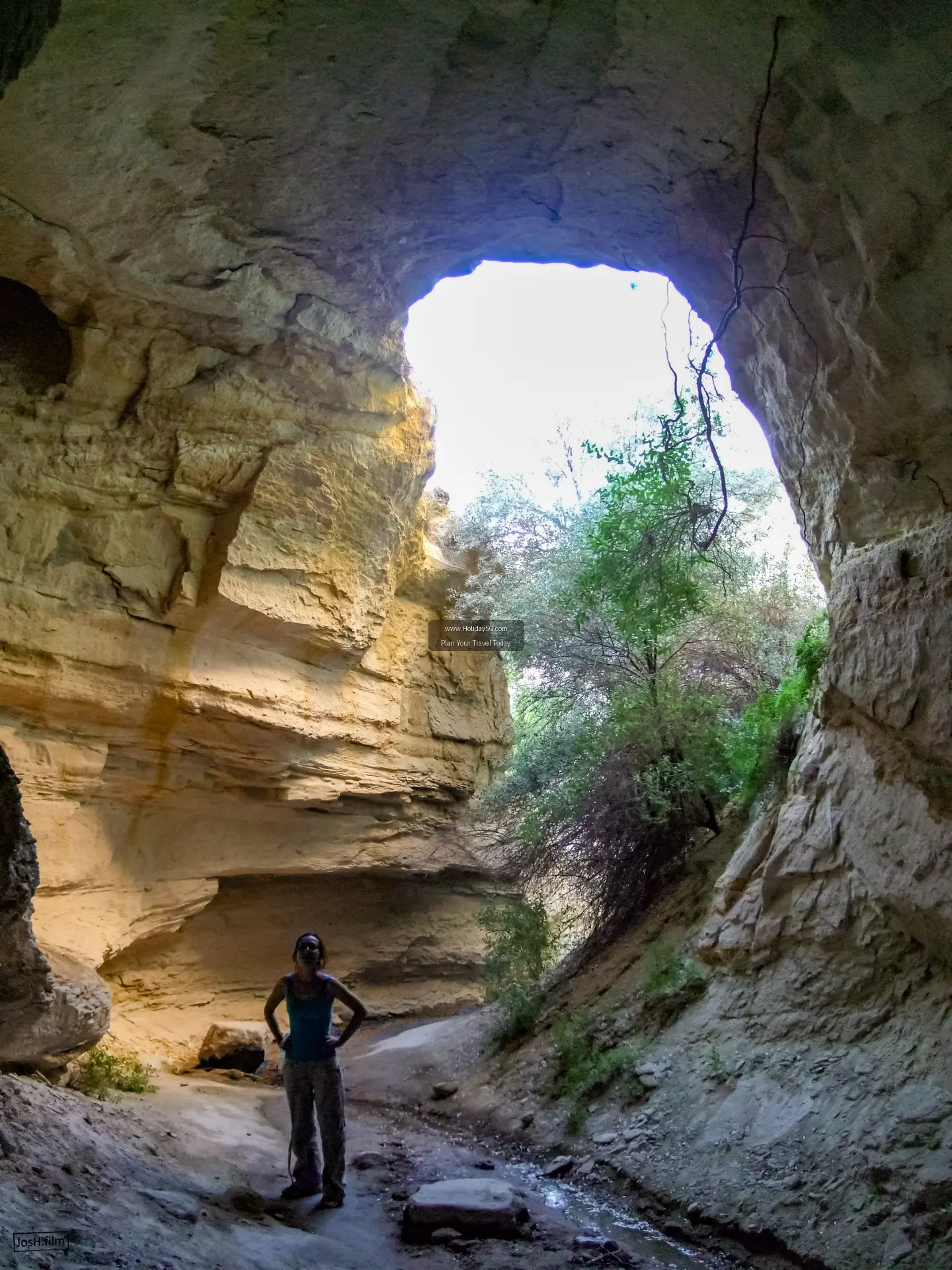
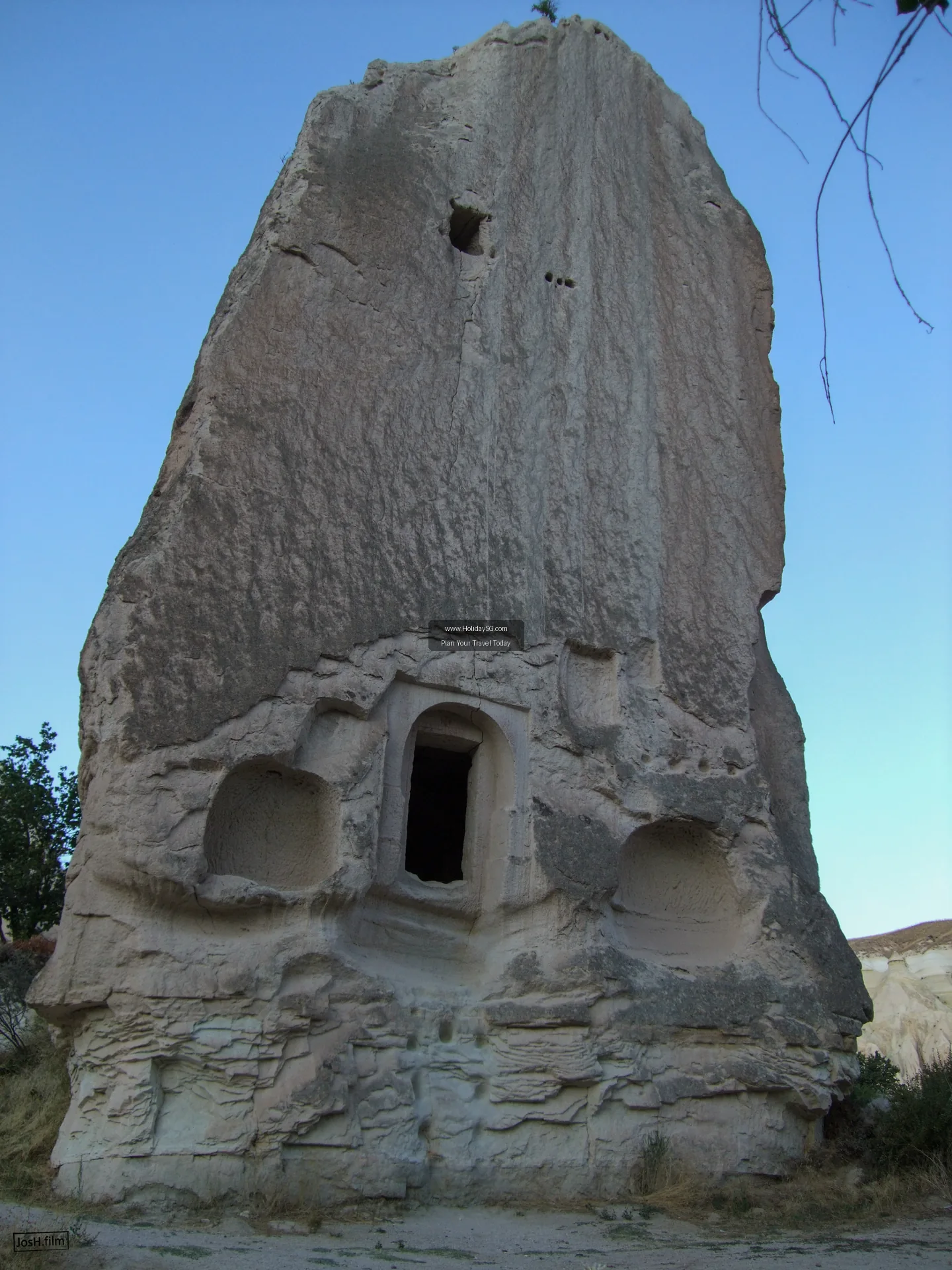
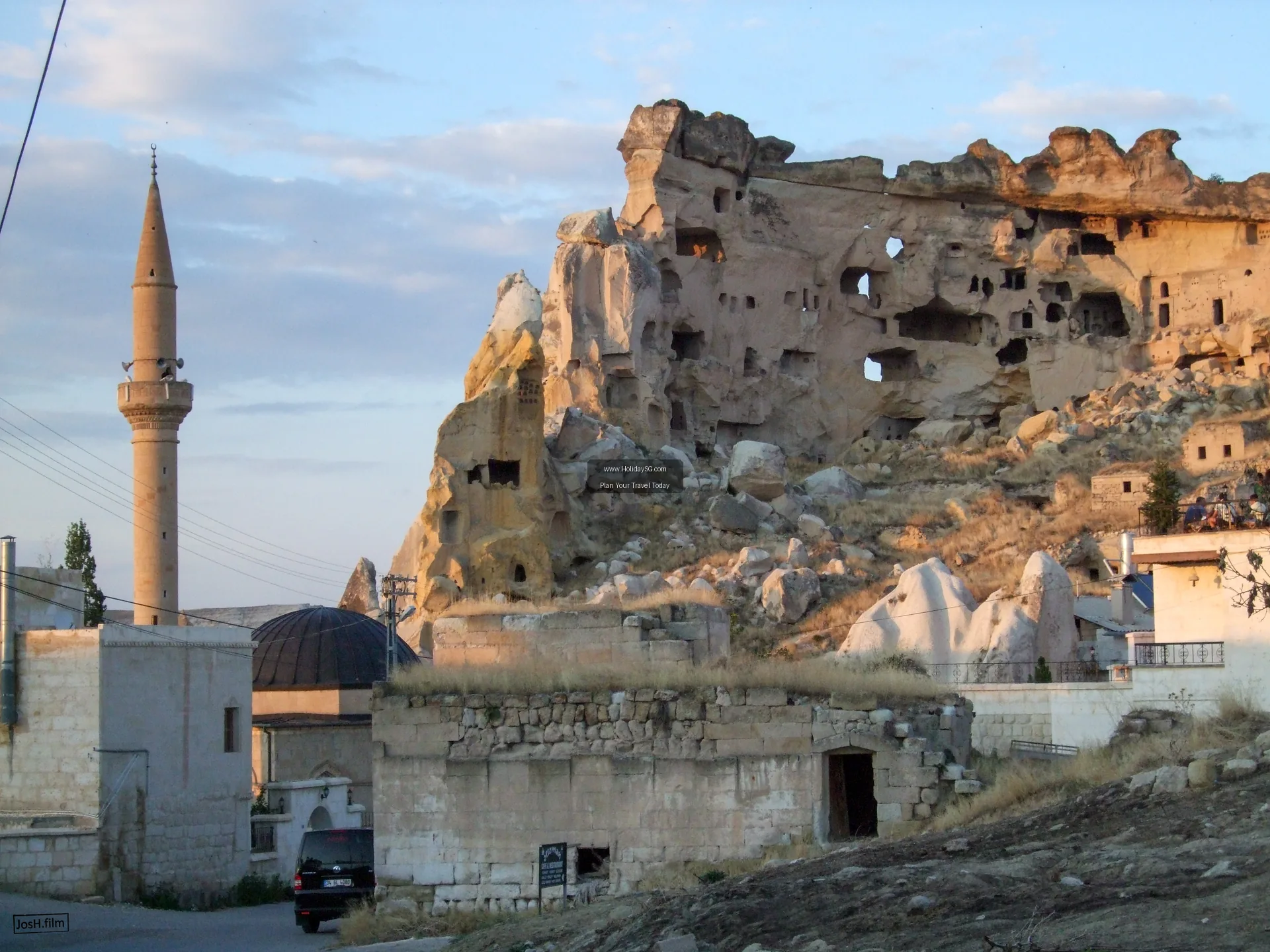
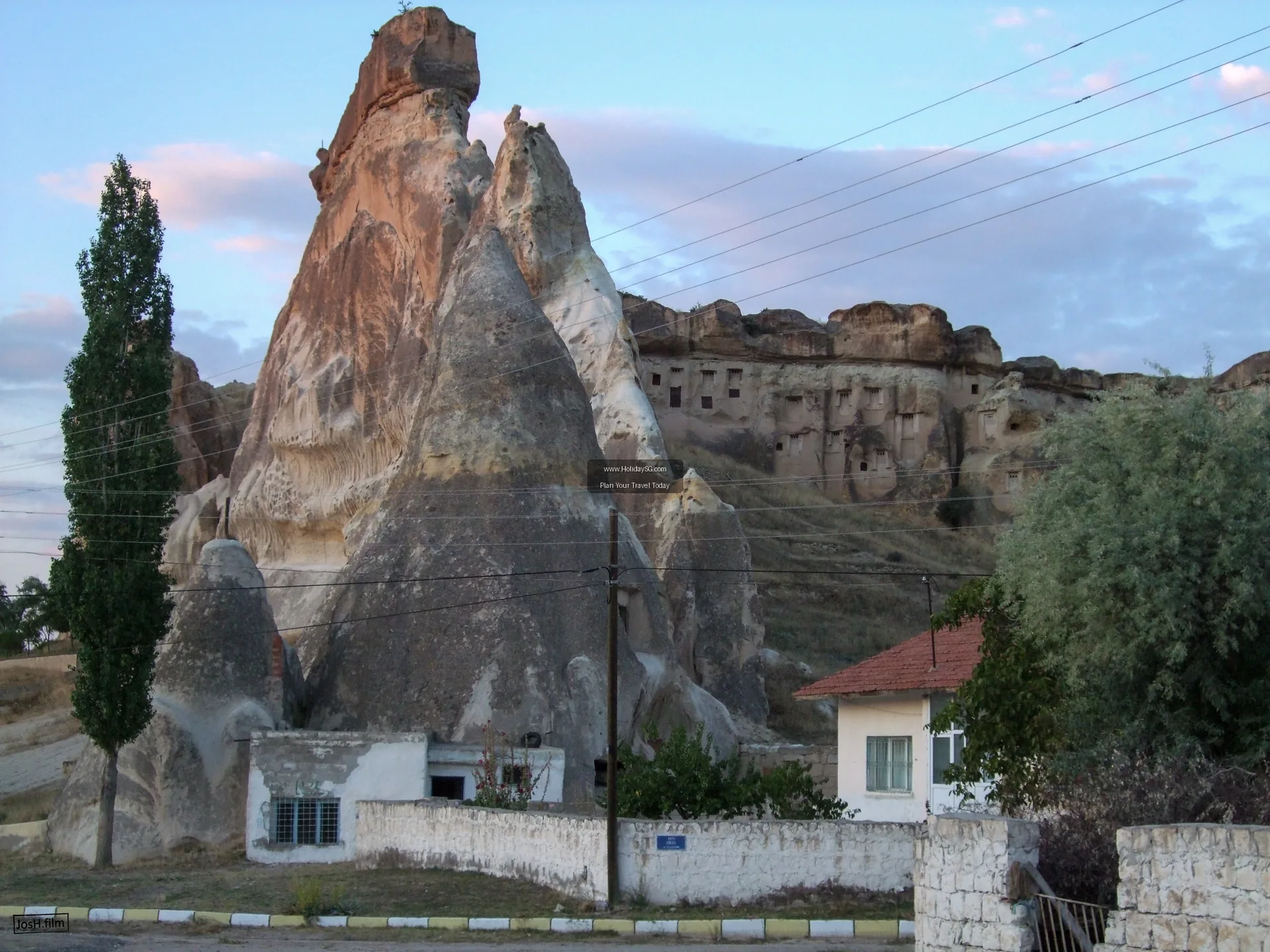
The hot air balloon ride at dawn is a bucket-list experience. **Book this months in advance**, as tours depart 30-60 minutes before sunrise. Stay in a unique cave hotel and spend an afternoon hiking through the Rose Valley or Love Valley, where fairy chimneys create an otherworldly landscape.
### Coastal and Ancient Wonders
The Turquoise Coast offers beautiful beaches and resort towns. Bodrum is a hub for vibrant nightlife and boat trips; for adventure, a Scuba Diving Tour in Bodrum reveals vibrant underwater worlds. Antalya combines stunning coastline with a charming old town. Don’t miss a day trip to the magnificent Greco-Roman ruins of Ephesus near Selçuk.
## Recommended HolidaySG Tours
With these tips, you’re ready to navigate Turkey with confidence. From the bustling streets of Istanbul to the silent valleys of Cappadocia and the sunny coasts of the Aegean, your first trip will be an incredible journey through history, culture, and unmatched hospitality. *İyi yolculuklar!* (Have a good journey!)
For seamless connectivity throughout your Turkish adventure, check out our Esim Turki Esim Turkey Big Data Global for reliable mobile data.
Book with HolidaySG online for Esim Turki Esim Turkey Big Data Global, Turkey Esim Free Roaming Mobile Data, Airalo Turkey E Sim Package.
More Photos from HolidaySG
Frequently Asked Questions
Where can I book a scuba diving tour in Bodrum or a canyon tour in Turkey?
You can book these specific tours directly through our partner. For the Bodrum dive experience, check out the Scuba Diving Tour In Bodrum. For an adventure that includes waterfalls and lunch, the Sapadere Canyon Tour is an excellent choice.
Do foreigners need a different ticket, price, or visa for Turkey?
Visa requirements for Turkey vary by nationality. Many passport holders, including citizens from Singapore, can apply for an e-Visa online before travel. However, rules and prices can change. We strongly recommend checking the official Republic of Turkey Electronic Visa Application System website or consulting your nearest Turkish embassy for the most current and accurate information specific to your citizenship.
What is the best time to visit Turkey?
The ideal time depends on your itinerary. For coastal areas like Bodrum, the best season is from May to October for beach and diving activities. For cities like Istanbul and Cappadocia, spring (April-May) and autumn (September-November) offer pleasant weather for sightseeing. For a specific tour like the Sapadere Canyon, mornings are generally best to avoid midday crowds and heat.
How many days should I spend in Turkey?
A minimum of 10-14 days is recommended to comfortably explore a classic itinerary including Istanbul, Cappadocia, and the Mediterranean coast. You could do a highlights-focused trip in 7 days, but you’ll need to be selective. For a deep dive into multiple regions, two weeks or more is ideal.
What is the typical cost per day for a traveller in Turkey?
Costs vary greatly by travel style. On a budget, you might spend $50-80 USD per day. Mid-range travellers should budget $100-200 USD, while luxury experiences can exceed $300 USD. Major expenses are accommodation, intercity transport (flights/buses), and tours. Food is generally very affordable.
How do I get around the country?
Domestic flights are efficient for long distances (e.g., Istanbul to Cappadocia). For coastal regions, intercity buses are comfortable and cheap. In cities, use public trams, metros, and ferries. For flexibility, renting a car is an option, but be prepared for challenging driving in some areas. Ride-hailing apps like BiTaksi work well in cities.
Is Turkey safe for tourists?
Generally, yes. Tourist areas and major cities are considered safe, and millions visit without incident. However, like any destination, it’s wise to stay aware of your surroundings, secure your belongings, and follow local news and advice from your government’s travel advisories, especially regarding border regions.
What should I pack for my trip?
Pack layers, as temperatures can vary. Include modest clothing (covering shoulders and knees) for visiting mosques and conservative areas. Comfortable walking shoes are essential. Don’t forget sunscreen, a hat, sunglasses, and a reusable water bottle. A universal power adapter is needed, as Turkey uses Type C and F plugs.
Is Turkey family-friendly?
Absolutely. Turkey offers something for all ages, from fascinating historical sites and puppet shows for kids to beautiful beaches and easy-going resorts. Many hotels and resorts are geared towards families, and Turkish people are generally very warm and welcoming to children.
What is the etiquette for visiting mosques in Turkey?
Remove your shoes before entering. Women should cover their heads, shoulders, and knees; scarves are often available at entrances. Men should wear long trousers. Speak softly and avoid walking directly in front of people who are praying. Most major mosques, like the Blue Mosque, have separate entrance times or areas for tourists.
How do I get a local SIM card or eSIM for data?
Purchasing a local SIM card upon arrival at the airport is straightforward with your passport. Alternatively, you can buy an eSIM online for immediate connectivity before you land. For easy online options, see Esim Turki Esim Turkey Big Data Global, Turkey Esim Free Roaming Mobile Data, or the Airalo Turkey E Sim Package.
What is TRY (Turkish Lira) and should I use cash or card?
The currency is the Turkish Lira (TRY). Cards are widely accepted in hotels, restaurants, and larger shops. However, it’s essential to carry some cash for small vendors, markets, taxis, and tipping. Using a debit/credit card with no foreign transaction fees is advisable.
Do I need to tip in Turkey?
Tipping is customary for good service. In restaurants, rounding up the bill or leaving 5-10% is common. For hotel porters, a few lira is appreciated. For tour guides and drivers, a gratuity of 10-15% of the tour cost is a good guideline.
What are the must-try Turkish foods?
Beyond kebabs, try “meze” (appetizers) like hummus and haydari, “lahmacun” (thin Turkish pizza), “pide” (Turkish flatbread), and “manti” (Turkish dumplings). For breakfast, enjoy a traditional spread with cheeses, olives, honey, and eggs. Don’t miss the street-side “simit” (sesame bagels) and fresh pomegranate juice.
Is the water safe to drink?
In major cities like Istanbul, tap water is generally treated and safe for brushing your teeth. However, it has a strong taste due to chlorine, so most visitors and locals prefer to drink bottled or filtered water, which is cheap and widely available.
What are some popular day trips from Istanbul?
Popular day trips include the Bosphorus cruise to see the strait, a visit to the Princes’ Islands for a car-free escape, or a historical tour to the Black Sea coast town of Anadolu Kavağı. The Asian side, particularly Kadıköy, offers a great local neighbourhood experience.
Can I use my credit/debit card, or should I exchange cash?
You can do both. It’s best to exchange some cash (Euros or US Dollars are good to bring) upon arrival for immediate needs. ATMs are widespread and usually offer good exchange rates. Notify your bank of your travel plans to avoid card blocks.
Is Turkey accessible for travellers with mobility issues?
Accessibility can be challenging. While modern hotels and airports often have facilities, many historic sites, cobblestone streets, and older neighbourhoods can be difficult to navigate. It’s crucial to research specific attractions and hotels in advance and consider guided tours that can assist.
What should I know about bargaining in Turkey?
Bargaining is expected in traditional markets (bazaars) and for fixed-price items like souvenirs and carpets. It’s not common in supermarkets, restaurants, or for transport fares. Start by offering around 50-60% of the initial asking price and negotiate with a smile.
What is a good Turkish souvenir to bring home?
Consider high-quality ceramics from Iznik or Cappadocia, hand-woven textiles like Turkish towels (“peshtemal”) or kilim rugs, traditional Turkish coffee sets, or artisanal olive oil and spices from the Egyptian Bazaar. Avoid buying leather goods that are suspiciously cheap.
Are there any specific laws or customs I should be aware of?
Always carry your passport or a copy. It’s illegal to insult Turkey or its flag, and criticism of the government can be sensitive. Drug laws are extremely strict. While alcohol is widely available, public drunkenness is frowned upon. Dress modestly outside of resort areas.
What things cost in Turkey
Live HolidaySG prices for the experiences in this guide, so you can sanity-check a budget before you commit.
Important: Some of the links recommended here are paid placements or have sponsored our stay in one way. We have paid for these accommodations ourselves. If you book through any of our links, we make a small commission at no extra cost to you. This helps keep our site running – so thank you in advance for your support!
Written by
HolidaySG Travel Team
Singapore-based travel specialists covering attractions, tours and travel experiences across Asia-Pacific and beyond. Licensed travel agency (TA04014).
Last updated: October 10, 2026
#Turkey
#travel tips
#Travel Guides
#HolidaySG