

Introduction
Ho Chi Minh City, formerly known as Saigon, is Vietnam's largest and most dynamic city. It is a fascinating destination where historic landmarks, French colonial architecture, modern skyscrapers, lively markets, and world-famous street food come together to create an unforgettable travel experience. Whether you're visiting for a weekend or including the city in a longer Vietnam itinerary, there are countless attractions and activities to suit every type of traveller.
From exploring historic sites like the War Remnants Museum and Independence Palace to shopping at Ben Thanh Market, cruising along the Saigon River, and enjoying rooftop views of the city skyline, Ho Chi Minh City offers something for families, couples, solo travellers, and food lovers alike. The city's vibrant café culture, exciting nightlife, and easy access to nearby attractions such as the Cu Chi Tunnels and Mekong Delta make it one of Southeast Asia's most popular destinations.
This guide highlights the best things to do in Ho Chi Minh City, along with practical travel tips, suggested itineraries, nearby attractions, dining recommendations, and essential information to help you make the most of your visit.
Quick Information
| Information | Details |
|---|---|
| Country | Vietnam |
| Region | Southern Vietnam |
| Best Duration | 2–4 Days |
| Best Time to Visit | December to April |
| Nearest Airport | Tan Son Nhat International Airport |
| Family Friendly | Yes |
| Solo Traveller Friendly | Yes |
| Couple Friendly | Yes |
| Public Transport | Bus, Grab, Taxi |
| Currency | Vietnamese Dong (VND) |
Why Visit Ho Chi Minh City?
Ho Chi Minh City is one of Vietnam's most exciting destinations because it combines history, culture, entertainment, shopping, and modern attractions in one vibrant metropolis.
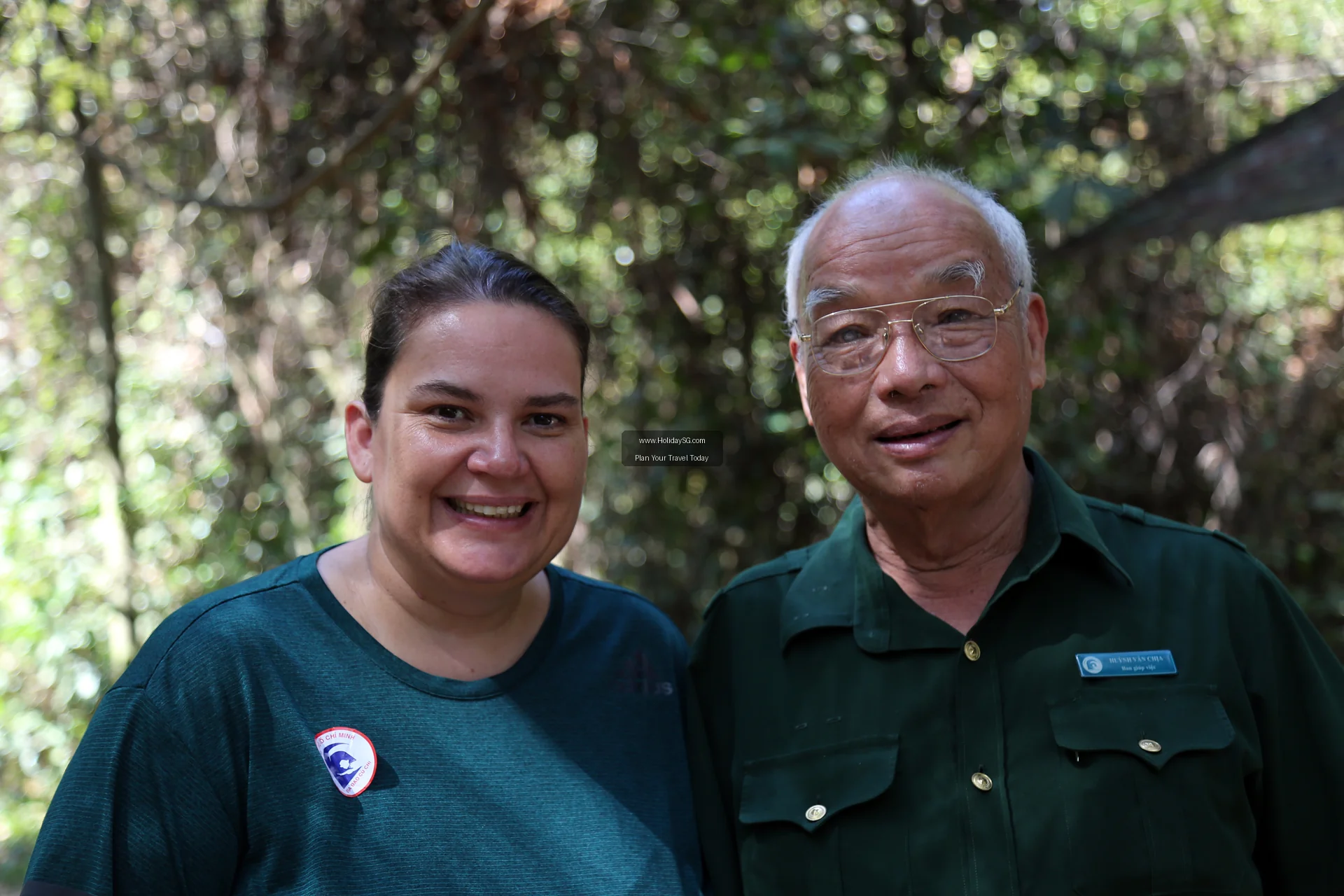
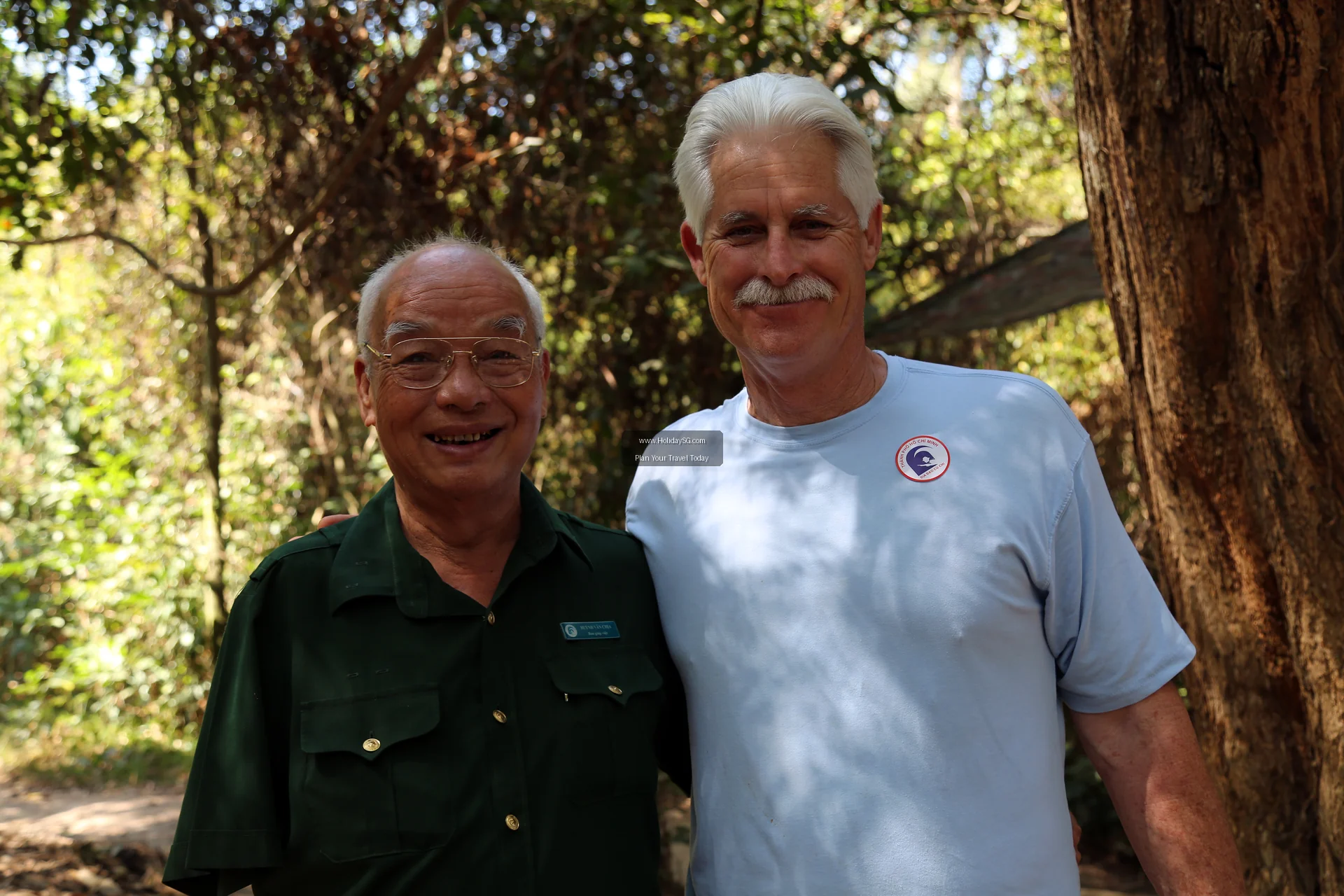
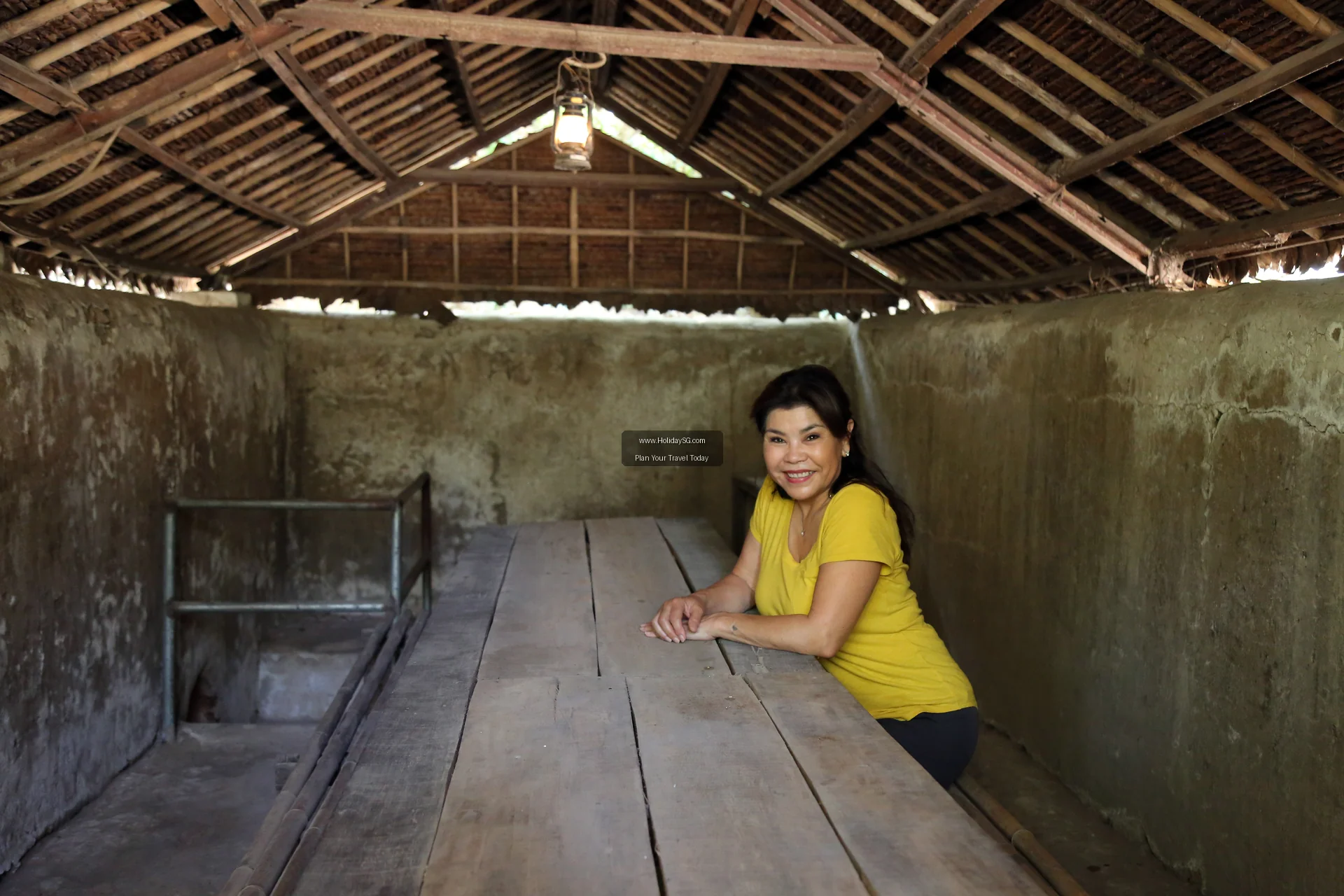
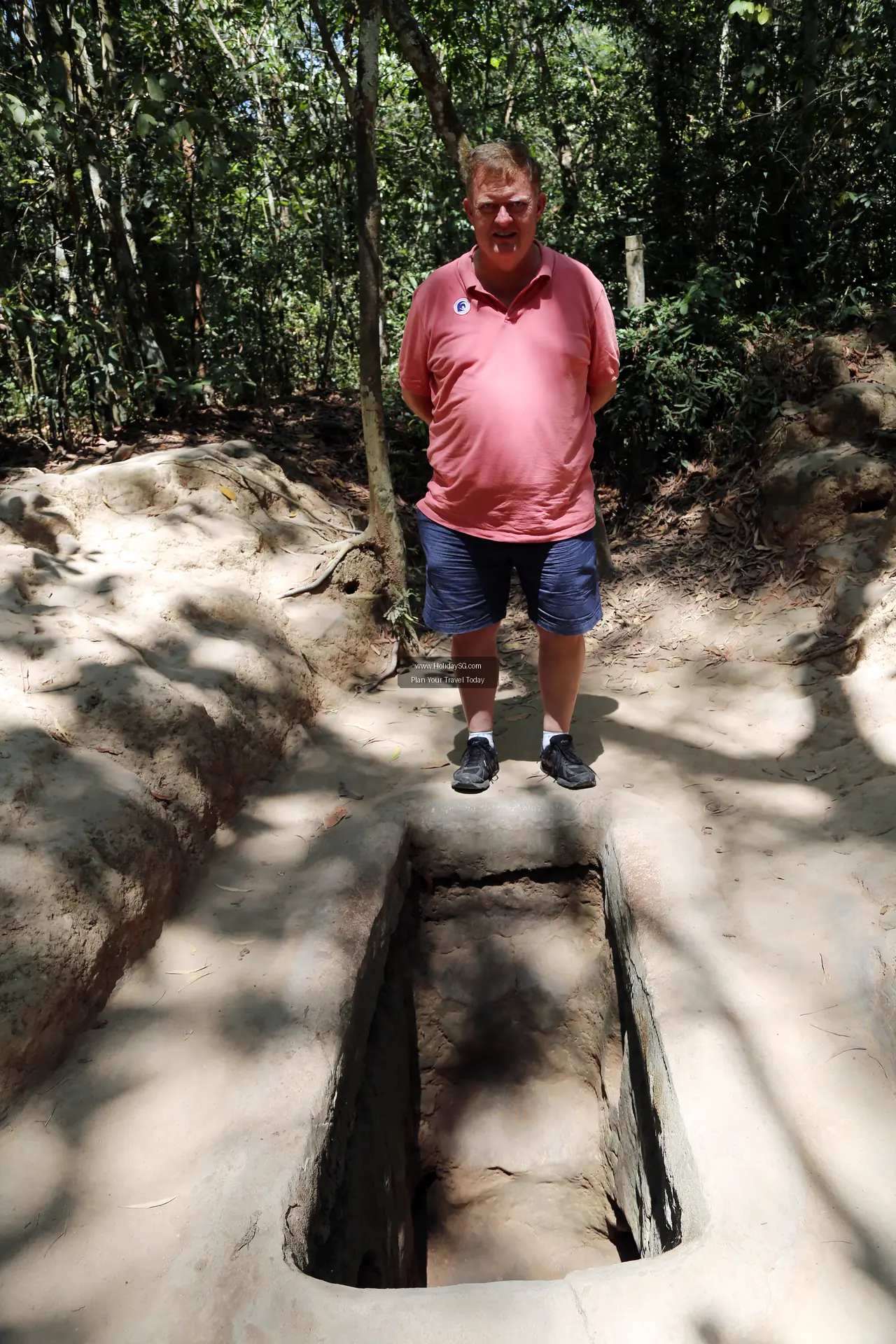
Some of the biggest reasons to visit include:
- Rich historical landmarks
- Excellent street food
- Affordable shopping
- Vibrant nightlife
- Beautiful French colonial architecture
- Modern rooftop bars
- Fascinating museums
- Easy day trips
- Friendly atmosphere
- Excellent café culture
20 Best Things to Do in Ho Chi Minh City
1. Visit the War Remnants Museum
One of Vietnam's most visited museums, the War Remnants Museum provides an insightful look into the country's history through photographs, military equipment, and exhibitions. It offers valuable historical context for visitors interested in learning more about Vietnam's past.
2. Explore Independence Palace
Also known as the Reunification Palace, this historic building played a significant role in Vietnam's modern history. Visitors can explore preserved meeting rooms, underground bunkers, and elegant reception halls.
3. Shop at Ben Thanh Market
Ben Thanh Market is one of Ho Chi Minh City's most famous landmarks.
Popular purchases include:
- Coffee
- Souvenirs
- Handicrafts
- Silk products
- Local snacks
- Clothing
Don't forget to negotiate politely when shopping.
4. Admire Notre-Dame Cathedral Area
Although restoration work may continue at times, the cathedral remains one of the city's most iconic French colonial landmarks and an excellent photo stop.
5. Visit the Central Post Office
Designed with impressive colonial architecture, the Central Post Office is both a functioning post office and a popular tourist attraction.
6. Walk Along Nguyen Hue Walking Street
This lively pedestrian boulevard is perfect for:
- Evening walks
- Street performances
- Cafés
- Photography
- Family outings
7. Enjoy Saigon River Cruise
A river cruise offers a different perspective of the city skyline.
Options include:
- Sunset cruises
- Dinner cruises
- Sightseeing cruises
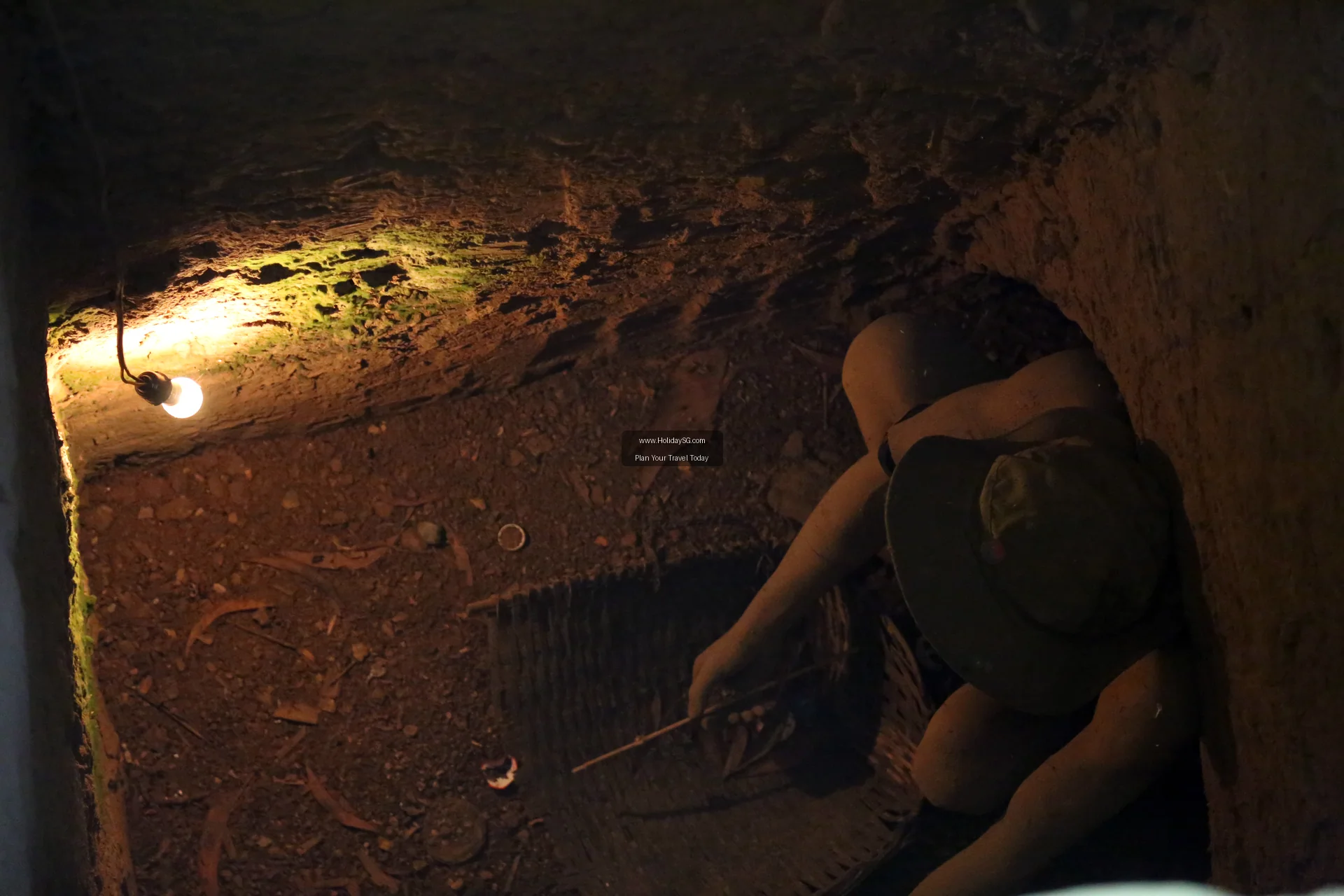
8. Discover the Cu Chi Tunnels
Located outside the city, the Cu Chi Tunnels provide a fascinating insight into Vietnam's wartime history.
Visitors can:
- Explore underground tunnels
- Learn about military strategies
- View historical displays
9. Visit Jade Emperor Pagoda
This beautifully decorated temple is known for its intricate carvings, peaceful atmosphere, and cultural significance.
10. Explore Binh Tay Market
Located in Chinatown, this market offers a more local shopping experience than Ben Thanh Market.
11. Experience Chinatown (Cho Lon)
Cho Lon is filled with:
- Traditional temples
- Herbal medicine shops
- Chinese restaurants
- Historic streets
12. Relax at Tao Dan Park
A peaceful green space perfect for:
- Morning walks
- Exercise
- Family picnics
- Bird enthusiasts
13. Visit Saigon Skydeck
Located in the Bitexco Financial Tower, the observation deck offers panoramic views of Ho Chi Minh City.
14. Explore Fine Arts Museum
Art lovers can discover Vietnamese paintings, sculptures, and historical exhibits inside this elegant colonial building.
15. Join a Street Food Tour
One of the best ways to experience Ho Chi Minh City is through its incredible food scene.
Popular dishes include:
- Pho
- Banh Mi
- Bun Bo Hue
- Com Tam
- Goi Cuon
- Banh Xeo
16. Visit the Saigon Opera House
Admire the beautiful French architecture or watch a cultural performance if available during your visit.
17. Enjoy Rooftop Bars
Especially after sunset, numerous rooftop venues in Ho Chi Minh City offer stunning views of the skyline.
18. Explore Local Coffee Shops
Vietnam is famous for its coffee culture.
Try:
- Vietnamese iced coffee
- Egg coffee
- Coconut coffee
- Salt coffee
19. Take a Mekong Delta Day Trip
Many travellers combine their city stay with a day trip to the Mekong Delta, featuring:
- Boat rides
- Floating villages
- Fruit orchards
- Local crafts
20. Experience the Nightlife
From night markets and live music venues to cocktail lounges and rooftop bars, Ho Chi Minh City's nightlife caters to a wide range of tastes.
Best Food to Try
Don't leave the city without tasting:
- Pho
- Banh Mi
- Com Tam
- Bun Thit Nuong
- Hu Tieu
- Goi Cuon
- Banh Xeo
- Bun Bo Hue
- Che
- Vietnamese Iced Coffee
Family-Friendly Activities
Families visiting Ho Chi Minh City can enjoy:
- City parks
- Museums
- Walking streets
- Shopping malls
- River cruises
- Water parks
- Indoor play centres
- Zoo and botanical garden
Travel Tips
- Use Grab for convenient transportation.
- Carry small denominations of Vietnamese Dong.
- Start sightseeing early to avoid heat.
- Wear lightweight clothing.
- Stay hydrated.
- Cross roads confidently but carefully.
- Keep valuables secure in crowded areas.
- Book popular tours in advance.
- Respect local customs at temples.
- Learn a few basic Vietnamese greetings.
Best Time to Visit
The most comfortable period to visit Ho Chi Minh City is generally December to April, when the weather is drier and ideal for sightseeing.
Morning and late afternoon are excellent times to explore outdoor attractions, while evenings are perfect for markets, river cruises, and rooftop dining.
Frequently Asked Questions
How many days should I spend in Ho Chi Minh City?
Two to four days are ideal for exploring the city's major attractions while allowing time for a day trip to the Cu Chi Tunnels or Mekong Delta.
Is Ho Chi Minh City safe for tourists?
Yes. The city is generally safe for visitors, though travellers should remain aware of their belongings in busy tourist areas and use reputable transportation services.
What is Ho Chi Minh City famous for?
The city is known for its rich history, French colonial architecture, vibrant street food, lively markets, nightlife, and cultural landmarks.
Can I visit the Cu Chi Tunnels in one day?
Yes. Most organised tours complete the visit within half a day or a full day, making it an easy excursion from the city.
Is Ho Chi Minh City family-friendly?
Absolutely. Families will find museums, parks, shopping centres, river cruises, and cultural attractions suitable for visitors of all ages.
Why Book with HolidaySG?
Conclusion
Few destinations combine history, culture, modern attractions and memorable cuisine as effortlessly as Ho Chi Minh City. Whether you're exploring historic landmarks, enjoying authentic Vietnamese food, shopping in lively markets, or taking day trips to the Cu Chi Tunnels and Mekong Delta, the city offers endless opportunities for memorable experiences. Add these top attractions to your itinerary and you'll discover why Ho Chi Minh City remains one of Vietnam's popular destinations.
Why Ho Chi Minh City stands out
Although many people still call it Saigon, Ho Chi Minh City is the largest city in Vietnam and its commercial heart. Its streets are full of motorbikes, its markets are busy from early morning, and its history is visible in the museums, pagodas and colonial buildings scattered across the districts. The city rewards visitors who are willing to walk, eat at street stalls and talk with local people. A few days are enough to see the main sights and to get a feel for the pace of daily life.
The top sights in the city
The war remnants museum and the reunification palace are the best places to understand the country's recent history. Notre Dame Cathedral and the old central post office are reminders of the French colonial period, and the pagodas offer a quieter atmosphere. The Ben Thanh market is the most visited shopping spot, while the Binh Tay market shows wholesale trade. For views, the observation decks of the tall towers give a panorama of the Saigon River and the districts beyond.
Comparing the main districts
The city is divided into districts with different characters. The table below compares the main areas by their atmosphere, what they offer and the type of visitor who will enjoy them most.
| District | Atmosphere | What it offers | Best for |
|---|---|---|---|
| District 1 | Central and busy | Museums, cathedrals and cafés | First visits |
| District 3 | Leafy and residential | Pagodas and villas | Culture seekers |
| District 5 (Chinatown) | Crowded and colourful | Markets and temples | Food and shopping |
| Thu Duc City | Modern and spacious | Parks and new developments | Families and residents |
Frequently asked questions about the city
How many days do I need?
Two to three days covers the main sights, the markets and one day trip. Longer stays suit those who want to explore the districts slowly.
Is the city safe for visitors?
Visitors generally feel safe. Watch your belongings in crowded markets and at night, and use registered taxis or ride-hailing apps.
What is the best way to get around?
Ride-hailing apps are the easiest option for most trips, and motorbike taxis suit short hops. Walking works well in District 1 and District 3.
Markets and shopping
Ben Thanh market is the best known, with clothing, souvenirs, food and handicrafts under one roof. Smaller markets in the outer districts offer fresher produce and a more local feel. Bargaining is normal in markets, though a friendly tone and a fair offer work best. Check the quality of silk and leather goods before you buy, and keep receipts for larger items.
Food and drink in the city
Some of the finest street food in Vietnam can be found in Ho Chi Minh City. Banh mi from a cart, com tam broken rice with grilled pork, and bun bo Hue noodle soup are local favourites. Sit at a small plastic table on the pavement for the most authentic experience. Coffee shops along the streets serve strong coffee with ice, and rooftop bars offer a cooler finish to the evening.
Frequently asked questions about daily life
Is it easy to find vegetarian food?
Yes. Many restaurants serve vegetarian dishes, and Buddhist vegetarian restaurants are common in the city. Ask for food without fish sauce if you are strict about ingredients.
What currency should I use?
The local currency is the dong. Carry small notes for street food and taxis, and check the current exchange rates before changing money.
A walking route through District 1
Start at Notre Dame Cathedral and the post office, then walk to the Opera House and the nearby boulevards lined with trees. Continue to the Reunification Palace, where the rooms show the building as it was during the war. In the late afternoon, cross to the riverside for views, and finish with a cold drink at a rooftop bar. The whole walk covers a few kilometres and can be divided with a café break.
Day trips from the city
The Cu Chi tunnels, about two hours away, show how local fighters lived and fought underground. The Mekong Delta offers boat trips through canals and fruit orchards, with stops at markets and family workshops. Both trips are popular and easy to book through local operators, though the travel time means an early start is needed.
Frequently asked questions about day trips
Are the tunnels suitable for everyone?
The tunnels involve narrow, dark passages and low ceilings. Visitors with breathing problems or claustrophobia should choose the surface displays instead.
Is the Mekong Delta worth a full day?
A full day allows a boat trip, a market stop and time to eat local fruit and food. A shorter trip works if you have limited time.
Nightlife and evenings
The evenings are lively, with bia hoi corners where cheap draught beer is served on low stools, rooftop bars with city views and live music venues in the centre. Street food stalls stay busy late into the night, and the riverside is pleasant for a stroll after dark. Dress comfortably, keep your phone secure in crowded areas, and agree on a meeting point if you are with a group.
Getting ready for the city
Pack light, breathable clothing and comfortable shoes for the walking. Carry a copy of your passport, a little cash and a phone with a local data plan if you can. Learn a few words of Vietnamese, such as cam on for thank you, since a polite phrase is always welcome in markets and small restaurants.
Arriving at Tan Son Nhat and getting into the city
Most visitors land at Tan Son Nhat International Airport, which sits only a few kilometres northwest of the central districts. The short distance can be misleading, because rush-hour traffic can turn a ten-minute trip into an hour. Arrival halls are busy in the evening, so pick a ride option before you leave the terminal. Ride-hailing apps are the easiest way to get a fixed fare, and official metered taxis are also available from the rank outside the arrivals hall. Avoid touts who approach you inside the terminal offering a ride, since they often quote a higher fare.
If your hotel is in District 1, ask the driver to avoid the main avenues during peak hours and to use the smaller back roads, which can save time. Keep the hotel address written in Vietnamese on your phone, since drivers do not always read English well. Plan to arrive before dark for your first evening, so that the streets feel less overwhelming while you adjust to the heat and the noise.
Choosing a neighbourhood that fits your trip
District 1 is the historic and commercial heart of the city, with most of the major sights, the central post office area and the busiest walking streets. It is the most convenient base for a first visit, but it can be loud and crowded. District 3 is a leafy, residential area with pagodas, quiet cafés and older villas, and it suits travellers who prefer a calmer evening. District 4 sits beside the river and is known for seafood restaurants and waterfront views. District 7, to the south, has modern shopping centres, expatriate restaurants and riverside apartments, and it works well for families who want more space.
Chinatown, known locally as Cho Lon, is a little further west and has its own rhythm, with temples, markets and the lively streets that surround them. Staying there gives you early access to the local food scene and the early morning market stalls.
Matching the base to your daily plan
If you plan to walk to most sights, stay in District 1 or 3. If you plan day trips to the Mekong or the tunnels, a hotel near a main road with easy access to the tour pick-up points can save you a lot of time. Look at a map of your planned activities before you book, and check how far the tour buses will need to drive from your street.
Crossing the street and moving with the traffic
Crossing a Saigon street for the first time is an experience many visitors remember. Motorbikes move in a steady flow, and the trick is to walk at a slow, predictable pace rather than stopping or running. Step off the kerb and keep moving, so that riders can see you and steer around you. Do not expect cars to stop for you at every junction, but do expect motorbikes to weave around a steady walker.
Traffic is at its heaviest in the late afternoon and early evening, when workers head home and families go out for dinner. Plan your long walks for the morning or the late evening, and use taxis or a ride-hailing app when you need to cross the city quickly.
- Wear a helmet and carry a light rain cape if you rent a scooter.
- Check that your travel insurance covers motorbike riding, as many policies exclude it unless you hold the right licence.
- Keep your bag on the side away from the road when you walk.
Money, dong and everyday payments
The local currency is the Vietnamese dong, and the notes come in large denominations, so the numbers can look intimidating at first. Keep a careful eye on how many zeros you are handling when you pay, and count your change before you leave the counter. Larger hotels, shopping centres and some restaurants accept cards, but street food stalls, markets and small cafés prefer cash. ATMs are common in District 1, though a few machines may impose a withdrawal fee.
Tipping is appreciated but not compulsory. Rounding up a bill in a local restaurant or leaving a small amount for a guide who has been helpful is a kind gesture. Mobile payment apps are increasingly used by locals, but foreign visitors usually need cash or a card for most purchases.
Temple and pagoda etiquette
Many of the city's pagodas and temples are active places of worship, and visitors are welcome if they behave with respect. Dress modestly, covering shoulders and knees, and remove sunglasses and hats before entering the main hall. Speak quietly and never point your feet at the altar or at the statues. Incense is a traditional offering, and you may be invited to light a stick and place it in the urn. Follow the lead of local worshippers.
Photography rules vary from one site to another. Ask before taking pictures of monks, nuns or worshippers, and avoid using flash inside the halls. Some pagodas have a donation box near the entrance, and a modest contribution is appreciated.
Weather, rain and the best way to dress
For most of the year, the city is hot and humid. Light cotton clothes, a hat and sunscreen are essential, and a small umbrella doubles as protection from the sun. The rainy season brings heavy but often short downpours, usually in the afternoon or evening, and the streets can flood briefly. Pack a light waterproof jacket, quick-drying shoes and a bag with a cover. Keep electronics in a zip-lock bag if you are walking in the rain.
Air conditioning is strong in hotels, shopping centres and taxis, so a light layer is useful when you move between indoor and outdoor spaces. Drink plenty of water, and take a break in the shade during the hottest part of the day.
Sample three-day plan for a first visit
Day one: visit the Independence Palace and the Notre-Dame area in the morning, have lunch at a local restaurant, and spend the afternoon at a museum or a café near the river. In the evening, take a walk along the lit-up central streets and enjoy street food. Day two: join a half-day trip to the Cu Chi area or spend the morning at the Mekong, then return for a relaxed afternoon in District 3. Day three: take an early walk through Chinatown and the market, visit a pagoda, and finish the trip with a rooftop drink and a final dinner.
Adjust the plan according to the weather and your energy. Two full days in the city, with one day trip, is enough for most visitors to feel they have seen the highlights, while a longer stay gives you time to explore the quieter districts and to repeat favourite meals.
Health, water and staying comfortable
Drink bottled or filtered water and avoid ice in small street stalls unless you are sure it is made from purified water. Hand sanitiser is useful in markets, and a small first aid kit should include plasters, rehydration sachets and any personal medicines. Pharmacies are common in District 1, and staff can help with minor complaints. For anything more serious, ask your hotel to call a reputable clinic or hospital.
Travel insurance is strongly recommended and should cover medical treatment, evacuation if needed and any activities you plan, such as scooter riding or water sports. Carry the policy details with you, and keep the emergency number saved on your phone.
Frequently asked questions about getting around
Is it safe to walk at night?
The central districts are busy and well lit in the evening, and many visitors walk comfortably after dark. Stick to main roads, keep valuables out of sight and be alert to bag snatchers on motorbikes.
Should I hire a private driver for the day?
A private driver is a good option for families or for travellers with limited mobility, because the car can wait while you visit several places. Agree the hours, the route and the total in advance, and confirm whether the fuel and tolls are included.
Can HolidaySG help me book tours?
We can help you book tours and attraction tickets. Your booking is confirmed by our team after review, and the e-ticket is emailed to you once it is issued. Our support team is available from 9 AM to 11 PM SGT daily to help with questions before you travel.
Closing thoughts on the city
Curious travellers find much to reward them in Ho Chi Minh City. Its history, its food and its everyday energy are best experienced at a walking pace, with time to sit down, watch the scooters and talk to the people who run the stalls. Plan your base, respect the temples and allow for the heat and the traffic, and the city will reward you with memories that outlast the trip.
More arriving at Tan Son Nhat and getting into the city
More choosing a neighbourhood that fits your trip
More matching the base to your daily plan
More crossing the street and moving with the traffic
- Wear a helmet and carry a light rain cape if you rent a scooter.
- Check that your travel insurance covers motorbike riding, as many policies exclude it unless you hold the right licence.
- Keep your bag on the side away from the road when you walk.
More money, dong and everyday payments
More temple and pagoda etiquette
More weather, rain and the best way to dress
More sample three-day plan for a first visit
More health, water and staying comfortable
More frequently asked questions about getting around
Shopping, tailoring and souvenirs worth carrying home
Shoppers can find clothes, silk scarves, lacquerware, coffee and handmade paper goods here. Tailors in the central districts can make a shirt or dress in a few days, and fittings are part of the fun. Ask to see fabric samples, check the stitching on the seams and agree the price and delivery date before you pay a deposit. A friendly bargain is normal in markets, but keep the tone light and smile when you walk away.
Vietnamese coffee makes an excellent gift. Look for ground coffee sold in sealed packs, and check whether the shop can vacuum seal it for the flight. Lacquered boxes and embroidered cloth are light to carry and easy to wrap. Keep receipts for larger purchases, and check the customs rules for your home country before you pack food or antiques.
- Visit a covered market in the morning, when the produce is freshest and the stalls are less crowded.
- Carry a canvas bag, since plastic bags are less common than in some other countries.
- Ask for a receipt in shops that offer tax refunds on eligible purchases.
Learning a few words and communicating well
English is widely spoken in tourist areas, hotels and larger restaurants, but many local vendors speak only Vietnamese. A handful of phrases goes a long way. Xin chao means hello, cam on means thank you, and bao nhieu means how much. Smiling and using a polite tone earn goodwill quickly. Pointing at a dish on another table, or at a picture on a menu, is an accepted way to order when language is a barrier.
Translation apps with offline Vietnamese packs are very useful for menus, signs and short conversations. Download the language pack before you leave your hotel, since mobile data can be unreliable in narrow lanes and inside older buildings.
More closing thoughts on the city
Ho Chi Minh City Travel Questions and FAQ
What's the best way to get around Ho Chi Minh City?
Grab (Southeast Asia's ride-hailing app) is the most reliable option for tourists and locals alike, offering both bike and car rides at fixed prices shown upfront. For a more adventurous experience, rent a motorbike or bicycle to explore neighbourhoods like District 1 and the backpacker area around Pham Ngu Lao Street, though traffic can feel chaotic if you're not used to it. Local buses are cheap but often crowded and signage is limited; taxis from established companies are another option if you prefer not to use apps.
How much should I budget per day in Ho Chi Minh City?
Budget travellers can eat street food meals from vendors in Ben Thanh Market for under USD 2 per meal and stay in hostels around USD 8-15 per night. Mid-range visitors should allow USD 50-80 daily for accommodation, meals at local restaurants, and attractions like the War Remnants Museum or Saigon Skydeck. Rooftop bars in District 1 cost more (USD 5-10 per cocktail), so nightlife spending varies widely depending on where you go.
What should I know about monsoon season in Ho Chi Minh City?
The southwest monsoon from May to September brings heavy rainfall, often in short afternoon bursts that can flood certain streets in District 1 and 3. Despite the rain, temperatures stay warm (28-30°C) and humidity is high, so pack lightweight, quick-dry clothing and waterproof bags. These months are less crowded, which means fewer tourists at popular spots like Independence Palace and lower prices on accommodation and tours.
Can you haggle at the markets in Ho Chi Minh City?
Haggling is expected at local markets like Binh Tay Market and Cho Lon, especially for souvenirs, textiles, and handicrafts—expect to negotiate 20-30% off the initial asking price. Ben Thanh Market is more tourist-oriented and prices are often already semi-fixed, though polite negotiation can still work on larger purchases. Supermarkets and modern shopping centres have set prices with no haggling.
Is it easy to find vegetarian or dietary-specific food in Ho Chi Minh City?
Vietnamese cuisine relies heavily on fish sauce and meat broths, so vegetarian options exist but require checking labels and asking directly at street food stalls. Many restaurants now cater to dietary requirements; the Central Post Office area and cafes around Tao Dan Park have vegetarian-friendly options. Learning a few Vietnamese phrases or using translation apps helps communicate dietary restrictions to vendors and restaurant staff.
Quick answers
What currency do I need and where do I change money?
Vietnamese dong (VND) is the local currency. ATMs are plentiful throughout District 1 and near Ben Thanh Market; most accept international cards. Money changers and banks offer fair rates, though ATM withdrawals sometimes give better rates than exchange counters.
How do I get from Tan Son Nhat Airport to the city centre?
Grab rides are the simplest option and cost around USD 5-8 to District 1. Airport buses run to central areas but require more navigation; taxis outside the terminal are available but use the official rank to avoid overpricing.
Can I visit the Cu Chi Tunnels and the Mekong Delta in one day?
Technically possible but rushed; the tunnels take 2-3 hours and the Mekong Delta needs at least 4 hours to feel worthwhile. Most travellers dedicate separate days or choose one based on their interests and available time.
Where is the best neighbourhood to stay in Ho Chi Minh City?
District 1 puts you near attractions like the War Remnants Museum and Saigon Opera House; the Pham Ngu Lao area suits backpackers with budget hostels and social venues. District 3 and 4 offer a quieter, more local experience away from the tourist buzz.
Things to book on this trip
Plan the rest of your trip
- HolidaySG eSIM plans for Vietnam - Buy a data plan before you fly and install it on your phone.
- Hotels in Ho Chi Minh City, Vietnam - Compare hotels and check room rates for your dates.
