
| Introduction |
| Borobudur Temple is one of Indonesia's most iconic landmarks and the largest Buddhist temple in the world. Located in Central Java, near the city of Yogyakarta, this magnificent UNESCO World Heritage Site attracts millions of travelers every year with its breathtaking architecture, spiritual significance, ancient stone carvings, and unforgettable sunrise views. |
| Built during the 8th and 9th centuries during the reign of the Sailendra Dynasty, Borobudur represents one of the greatest achievements of ancient Buddhist architecture. The temple was constructed using millions of volcanic stones and features thousands of intricate relief panels that tell stories from Buddhist teachings, daily life, and ancient Javanese culture. |
| Unlike traditional temples with large interior chambers, Borobudur is designed as a massive pyramid-shaped monument with nine stacked platforms leading to a central dome known as the main stupa. The structure symbolizes the Buddhist journey toward enlightenment, with visitors physically ascending through different levels representing stages of spiritual development. |
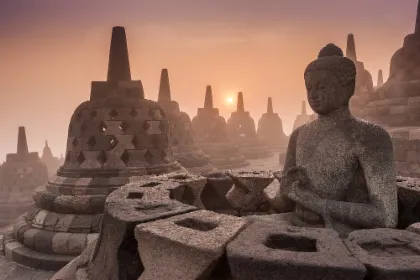
| One of the most popular experiences at Borobudur is watching the sunrise over the temple, where golden morning light illuminates the ancient stupas while Mount Merapi and surrounding landscapes create a spectacular backdrop. This peaceful experience has made Borobudur one of Southeast Asia's most memorable cultural attractions. |
| Beyond the temple itself, visitors can explore nearby attractions including Mendut Temple, Pawon Temple, traditional villages, local handicraft workshops, and scenic viewpoints such as Punthuk Setumbu, which offers panoramic views of Borobudur surrounded by misty mountains. |
| Borobudur is not only a historical monument but also an active spiritual destination where Buddhist ceremonies and cultural events continue to take place. Visitors can witness the famous Vesak Day celebrations, when thousands of monks and pilgrims gather at the temple for prayers and lantern ceremonies. |
| Whether you are a history lover, photography enthusiast, spiritual traveler, or simply exploring Indonesia's cultural treasures, Borobudur Temple offers a once-in-a-lifetime experience. This complete guide covers everything you need to know about Borobudur tickets, history, architecture, sunrise tours, nearby attractions, transportation, hotels, travel tips, and itineraries to help you plan the perfect visit. |
| HolidaySG Travel Tip: Stay overnight near Borobudur if possible. An early morning visit allows you to experience cooler weather, fewer crowds, and the magical sunrise atmosphere. |
| Quick Information Table |
| Information |
| Attraction |
| Location |
| Nearest City |
| UNESCO Status |
| Built |
| Builder |
| Religion |
| Best For |
| Recommended Duration |
| Best Time to Visit |
| Famous Experience |
| Nearest Airport |
| Distance from Yogyakarta |
| Main Attraction |
| Why Visit Borobudur Temple? |
| Borobudur is more than an ancient monument—it is a journey through history, spirituality, and incredible architecture. |
| Reasons to visit include: |
| World's largest Buddhist temple |
| UNESCO World Heritage Site |
| Stunning ancient architecture |
| Thousands of detailed stone carvings |
| Famous sunrise experience |
| Incredible photography opportunities |
| Rich Buddhist history |
| Beautiful mountain scenery |
| Cultural ceremonies |
| Nearby attractions and villages |
| Top 20 Reasons to Visit Borobudur Temple |
| 1. See the World's Largest Buddhist Temple |
| Borobudur holds the title of the world's largest Buddhist temple and remains one of the greatest architectural achievements in human history. |
| 2. Experience the Famous Borobudur Sunrise |
| Watching sunrise from the temple terraces is one of Indonesia's most unforgettable travel experiences. |
| 3. Explore Ancient Buddhist Architecture |
| The temple showcases remarkable engineering from more than 1,200 years ago. |
| 4. Discover Thousands of Stone Reliefs |
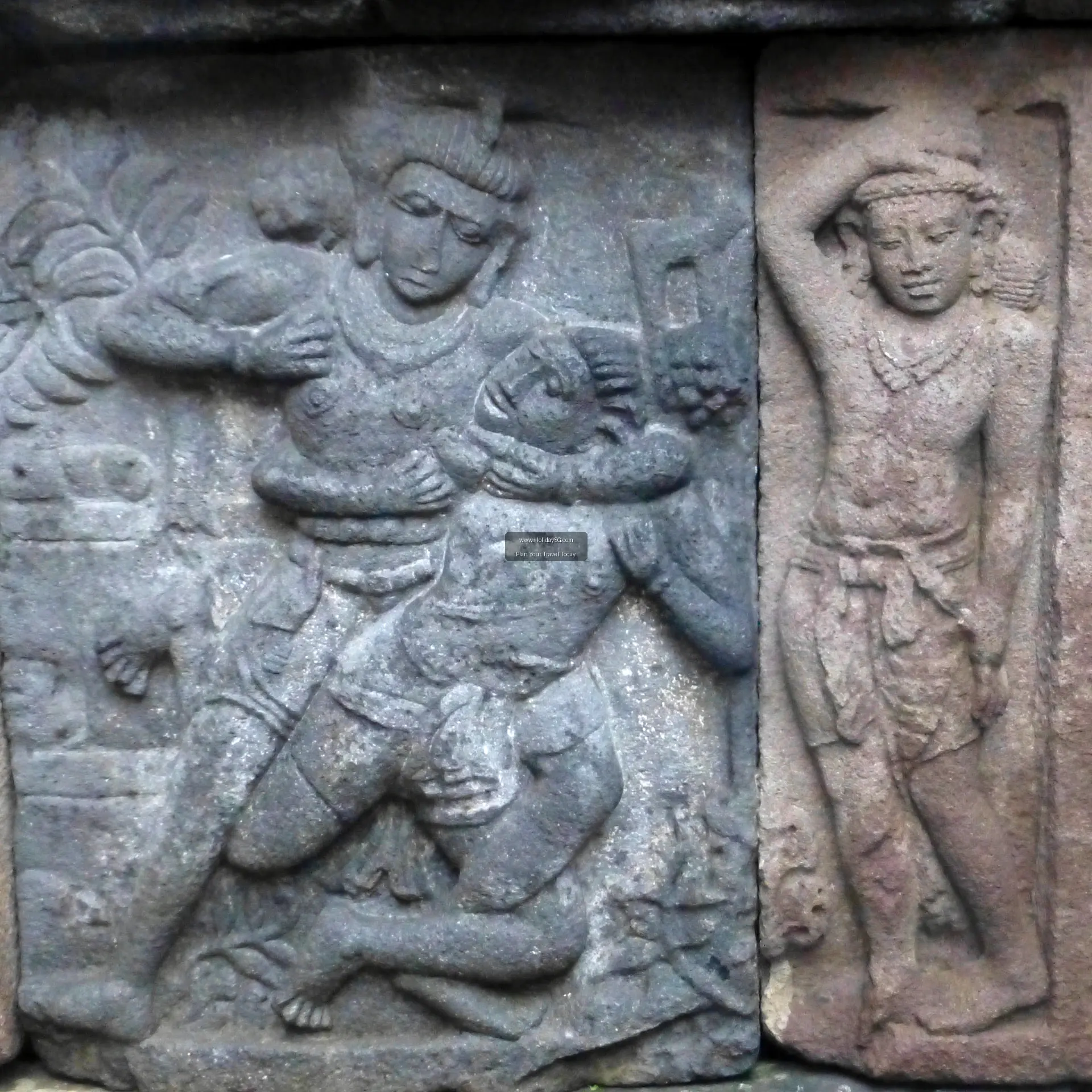
| The walls feature detailed carvings depicting Buddhist teachings, mythology, and ancient Javanese life. |
| 5. Visit a UNESCO World Heritage Site |
| Borobudur is recognized globally for its outstanding cultural and historical importance. |
| 6. Enjoy Mountain Views |
| The temple is surrounded by beautiful landscapes with views of volcanoes and green countryside. |
| 7. Learn About Buddhist Philosophy |
| The temple's design represents the Buddhist path toward enlightenment. |
| 8. Capture Incredible Photography |
| The combination of temples, stupas, sunrise, and mountains creates amazing photo opportunities. |
| 9. Experience Vesak Celebrations |
| Visitors can witness one of Indonesia's most important Buddhist festivals. |
| 10. Explore Nearby Temples |
| Combine your visit with Mendut and Pawon Temples. |
| 11. Discover Ancient Javanese History |
| Learn about Indonesia's powerful kingdoms and cultural development. |
| 12. Enjoy a Peaceful Spiritual Atmosphere |
| The temple provides a calm environment away from busy city life. |
| 13. Visit Traditional Villages |
| Explore local communities and experience authentic Javanese culture. |
| 14. Try Local Food |
| Taste traditional Central Javanese dishes near the temple area. |
| 15. Learn Traditional Crafts |
| Discover batik, stone carving, and local handicrafts. |
| 16. Perfect Day Trip from Yogyakarta |
| Borobudur is easily accessible from Yogyakarta. |
| 17. Great Destination for Families |
| Children can learn about history, culture, and architecture. |
| 18. Ideal for Photography Lovers |
| Every corner of the temple offers unique compositions. |
| 19. Combine History with Nature |
| Enjoy temples, villages, mountains, and scenic landscapes together. |
| 20. Create a Lifetime Memory |
| A visit to Borobudur is one of Indonesia's most meaningful travel experiences. |
| History of Borobudur Temple |
| Borobudur was constructed during the Sailendra Dynasty, a powerful Buddhist kingdom that ruled parts of Central Java between the 8th and 9th centuries. |
| The temple is believed to have been built around the 9th century, requiring decades of planning and construction. Thousands of workers carefully placed millions of volcanic stones to create the massive monument. |
| For centuries, Borobudur remained an important center of Buddhist learning and pilgrimage. However, after volcanic activity, political changes, and the decline of Buddhism in Java, the temple was gradually abandoned and became covered by volcanic ash and jungle growth. |
| The monument was rediscovered in the early 19th century during the British administration of Java. Later restoration projects helped preserve Borobudur, including major international conservation efforts supported by UNESCO. |
| Today, Borobudur stands as a symbol of Indonesia's rich cultural heritage and remains an important pilgrimage destination for Buddhists worldwide. |
| Architecture & Design Overview |
| Borobudur's unique design combines art, engineering, and Buddhist philosophy. |
| The temple consists of: |
| 9 stacked platforms |
| 72 perforated stupas |
| 1 central main stupa |
| Over 500 Buddha statues |
| Thousands of carved relief panels |
| The entire structure was built without cement, using an advanced interlocking stone technique. |
| Buddhist Symbolism & Meaning |
| Borobudur represents the Buddhist concept of reaching enlightenment. |
| The temple is divided into three spiritual zones: |
| 1. Kamadhatu (World of Desire) |
| Represents human desires and worldly attachments. |
| 2. Rupadhatu (World of Forms) |
| Represents the stage where humans overcome desires and focus on spiritual understanding. |
| 3. Arupadhatu (World of Formlessness) |
| Represents enlightenment and ultimate spiritual freedom. |
| Visitors symbolically travel upward through these levels toward enlightenment. |
| Best Time to Visit Borobudur |
| Dry Season (May–September) |
| Recommended period: |
| Clear skies |
| Comfortable weather |
| Best sunrise views |
| Ideal photography conditions |
| Early Morning |
| Best for: |
| Sunrise experience |
| Cooler temperatures |
| Fewer crowds |
| Better photographs |
| Rainy Season (October–April) |
| Advantages: |
| Green landscapes |
| Fewer visitors |
| Fresh scenery |
| However, sunrise visibility may be affected by clouds. |
| Sunrise Experience Guide |
| The Borobudur sunrise tour is the temple's most famous experience. |
| Why Visit at Sunrise? |
| Soft golden lighting |
| Peaceful atmosphere |
| Fewer crowds |
| Beautiful mountain views |
| Unique photography opportunities |
| Tips: |
| Arrive before sunrise |
| Bring a jacket (morning temperatures can be cool) |
| Reserve tickets in advance |
| Carry a camera or smartphone |
| Check weather conditions |
| Visitor Tips |
| Wear comfortable walking shoes. |
| Dress respectfully at this religious site. |
| Carry water, especially during daytime visits. |
| Apply sunscreen. |
| Arrive early to avoid crowds. |
| Follow temple preservation rules. |
| Avoid touching ancient carvings. |
| Respect Buddhist ceremonies. |
| Carry cash for local purchases. |
| Hire a guide for deeper historical understanding. |
| Suggested Half-Day Itinerary |
| ###### |
| Arrive for sunrise experience. |
| ###### |
| Explore the main temple structure and relief panels. |
| ###### |
| Visit the museum and temple surroundings. |
| ###### |
| Enjoy local food before continuing your journey. |
| Suggested Full-Day Itinerary |
| Morning |
| Borobudur Sunrise Tour |
| Temple exploration |
| Museum visit |
| Afternoon |
| Mendut Temple |
| Pawon Temple |
| Local village experience |
| Traditional craft shopping |
| Evening |
| Return to Yogyakarta or stay overnight near Borobudur. |
| Complete Borobudur Temple Attraction Guide |
| Borobudur Temple is not only about the main monument. The surrounding area offers fascinating historical sites, cultural experiences, scenic viewpoints, and unique activities that make your visit even more memorable. |
| From exploring ancient stupas and Buddhist carvings to enjoying sunrise views, traditional villages, and nearby temples, Borobudur provides a complete cultural journey through Central Java. |
| Main Temple Structure |
| The Borobudur monument is designed as a massive mandala, representing the Buddhist universe and the journey toward enlightenment. |
| The temple consists of three main sections: |
| Lower Section |
| Represents the world of human desires and everyday life. |
| Visitors can observe detailed carvings showing: |
| Human activities |
| Moral lessons |
| Buddhist teachings |
| Middle Section |
| Represents the transition toward spiritual understanding. |
| This level features: |
| Buddha statues |
| Narrative relief panels |
| Meditation areas |
| Upper Section |
| Represents enlightenment and spiritual perfection. |
| Highlights include: |
| 72 bell-shaped stupas |
| Central main stupa |
| Panoramic views of Central Java |
| Nine Levels of Borobudur |
| The temple has nine levels that visitors climb as part of the symbolic journey toward enlightenment. |
| Levels 1–6: Rupadhatu |
| The world of forms. |
| Visitors discover: |
| Hundreds of Buddha statues |
| Detailed stone reliefs |
| Ancient Buddhist stories |
| Levels 7–9: Arupadhatu |
| The world beyond physical form. |
| Features: |
| Circular platforms |
| Open-air stupas |
| Peaceful meditation atmosphere |
| Stupas & Buddha Statues |
| One of Borobudur's most recognizable features is its collection of stupas. |
| Main Central Stupa |
| Located at the highest point of the temple. |
| Symbolizes: |
| Ultimate enlightenment |
| Spiritual perfection |
| Buddhist wisdom |
| 72 Perforated Stupas |
| The upper terraces contain 72 smaller stupas surrounding the main dome. |
| Each stupa contains a Buddha statue inside. |
| Buddha Statues |
| Borobudur originally contained more than 500 Buddha statues. |
| Visitors can observe different Buddha hand positions (mudras), each representing different teachings. |
| Relief Panels Guide |
| Borobudur contains more than 2,600 carved relief panels, making it one of the world's greatest collections of ancient stone artwork. |
| The reliefs tell stories about: |
| Buddha's life |
| Buddhist philosophy |
| Karma and morality |
| Ancient Javanese society |
| Daily activities from centuries ago |
| Famous Relief Stories |
| Lalitavistara |
| Describes the life journey of Buddha. |
| Jataka Tales |
| Stories about Buddha's previous lives and moral lessons. |
| Karmawibhangga |
| Shows the consequences of human actions and choices. |
| Borobudur Sunrise Tour |
| The sunrise experience is the most popular activity for visitors. |
| What Makes Sunrise Special? |
| Golden light over ancient stupas |
| Misty mountain landscapes |
| Quiet morning atmosphere |
| Unique photography opportunities |
| Sunrise Tour Tips |
| Book tickets early during high season. |
| Arrive at least 30 minutes before sunrise. |
| Carry a light jacket. |
| Bring a camera or tripod. |
| Be respectful of other visitors. |
| Check weather forecasts. |
| Borobudur Sunset Experience |
| Although sunrise is more famous, sunset also offers a beautiful experience. |
| Highlights: |
| Warm evening colors |
| Fewer morning crowds |
| Peaceful temple atmosphere |
| Beautiful silhouettes of stupas |
| Nearby Attractions |
| 1. Mendut Temple |
| Located a short distance from Borobudur. |
| Highlights: |
| Ancient Buddhist temple |
| Large Buddha statue |
| Historical importance |
| Peaceful surroundings |
| Mendut is often visited together with Borobudur during Buddhist pilgrimage routes. |
| 2. Pawon Temple |
| A small but historically significant Buddhist temple. |
| Features: |
| Beautiful stone carvings |
| Ancient architecture |
| Connection to Borobudur and Mendut |
| 3. Punthuk Setumbu Viewpoint |
| One of the best viewpoints near Borobudur. |
| Popular for: |
| Sunrise photography |
| Temple and mountain views |
| Misty morning landscapes |
| Many travelers visit Punthuk Setumbu before heading to Borobudur. |
| 4. Mount Merapi Views |
| On clear days, visitors can enjoy views of one of Indonesia's most active volcanoes. |
| Activities include: |
| Scenic photography |
| Nature tours |
| Landscape exploration |
| 5. Local Villages Around Borobudur |
| Experience authentic Javanese life through village visits. |
| Activities include: |
| Cycling tours |
| Traditional cooking classes |
| Farming experiences |
| Craft workshops |
| Meeting local communities |
| Photography Tips |
| Borobudur is one of Indonesia's best photography destinations. |
| Best Photography Locations |
| Temple Summit |
| Capture: |
| Stupas |
| Mountains |
| Sunrise views |
| Lower Temple Platforms |
| Perfect for: |
| Architecture shots |
| Relief details |
| Symmetrical compositions |
| Surrounding Landscapes |
| Capture: |
| Rice fields |
| Villages |
| Volcano views |
| Photography Tips for Best Results |
| Visit during sunrise or golden hour. |
| Use wide-angle lenses for temple architecture. |
| Capture details of stone carvings. |
| Include people for scale. |
| Avoid touching ancient structures. |
| Use a tripod where permitted. |
| Protect cameras during rainy weather. |
| Carry extra batteries. |
| Family Activities Near Borobudur |
| Borobudur is suitable for family travelers. |
| Family-friendly experiences include: |
| Temple exploration |
| Bicycle tours |
| Village visits |
| Traditional craft workshops |
| Museum visits |
| Local food experiences |
| Scenic viewpoints |
| Children can learn about: |
| History |
| Architecture |
| Buddhism |
| Indonesian culture |
| Cultural Experiences |
| Visitors can enjoy authentic Javanese traditions around Borobudur. |
| Traditional Batik Workshop |
| Learn: |
| Wax-resist dye techniques |
| Traditional patterns |
| Local artistic methods |
| Gamelan Music |
| Experience traditional Javanese musical performances. |
| Traditional Dance |
| Enjoy cultural performances featuring: |
| Javanese storytelling |
| Traditional costumes |
| Classical movements |
| Buddhist Ceremonies |
| Major celebrations such as Vesak Day provide opportunities to witness spiritual traditions. |
| Food & Restaurants Near Borobudur |
| After exploring the temple, visitors can enjoy delicious Central Javanese cuisine. |
| Must-Try Local Foods |
| Gudeg |
| Yogyakarta's famous sweet and savory jackfruit dish. |
| Nasi Boranan |
| A traditional rice dish from the region. |
| Bakso |
| Popular Indonesian meatball soup. |
| Satay |
| Grilled meat served with flavorful sauces. |
| Popular Dining Options Near Borobudur |
| Visitors can find: |
| Local warungs |
| Traditional restaurants |
| Cafés |
| Hotel restaurants |
| Riverside dining spots |
| Recommended areas: |
| Borobudur village |
| Magelang town |
| Main roads around the temple |
| Helpful Visitor Tips |
| Spend extra time exploring the surrounding attractions. |
| Combine Borobudur with Mendut and Pawon temples. |
| Start early to avoid heat and crowds. |
| Hire a local guide for historical stories. |
| Carry small cash for local shops. |
| Respect religious activities. |
| Avoid climbing restricted areas. |
| Keep the temple clean. |
| How to Reach Borobudur Temple |
| Borobudur Temple is located in Magelang Regency, Central Java, approximately 40 kilometers from Yogyakarta city. Most international travelers visit Borobudur as a day trip from Yogyakarta, which offers the best transportation connections. |
| From Yogyakarta City |
| By Private Car with Driver |
| The most convenient option for tourists. |
| Advantages: |
| Comfortable journey |
| Flexible schedule |
| Ideal for families and groups |
| Easy combination with nearby attractions |
| Travel Time: |
| Around 1–2 hours depending on traffic |
| By Taxi or Ride-Hailing Apps |
| Grab and Gojek are available in Yogyakarta, though availability for return trips from Borobudur may vary. |
| Recommended for: |
| Solo travelers |
| Couples |
| Short visits |
| By Tour Package |
| Many travel agencies offer: |
| Sunrise tours |
| Hotel pickup |
| Temple tickets |
| Local guides |
| Combined Borobudur and Prambanan packages |
| By Public Transportation |
| Budget travelers can use buses from Yogyakarta to Magelang and continue by local transport. |
| Advantages: |
| Affordable |
| Local experience |
| Disadvantages: |
| Longer travel time |
| Less convenient with luggage |
| From Jakarta |
| Travelers coming from Jakarta can reach Borobudur through Yogyakarta. |
| Options: |
| Flight |
| Fly from Jakarta to Yogyakarta |
| Continue by car to Borobudur |
| Train |
| Take a train from Jakarta to Yogyakarta |
| Continue by taxi, rental car, or tour |
| Private Road Trip |
| Possible but requires a long journey. |
| Travel Time: |
| Approximately 10–12 hours by road |
| Transportation Options Around Borobudur |
| Bicycle Tours |
| A popular way to explore villages and countryside. |
| Benefits: |
| Eco-friendly |
| Scenic |
| Cultural experience |
| Scooter Rental |
| Suitable for experienced riders. |
| Useful for exploring: |
| Nearby villages |
| Small temples |
| Local attractions |
| Local Guides |
| Hiring a guide helps visitors understand: |
| Temple history |
| Buddhist symbolism |
| Ancient carvings |
| Best Hotels Near Borobudur |
| Staying near Borobudur allows visitors to enjoy sunrise tours without early morning travel. |
| Luxury Hotels |
| 1. Plataran Borobudur Resort & Spa |
| A premium resort offering: |
| Luxury villas |
| Temple views |
| Spa facilities |
| Traditional Javanese design |
| 2. Amanjiwo Resort |
| One of Indonesia's most exclusive luxury resorts. |
| Highlights: |
| Direct Borobudur views |
| Elegant architecture |
| Private experiences |
| 3. Hotel Manohara Borobudur |
| Located within the temple complex area. |
| Benefits: |
| Extremely convenient location |
| Easy access for sunrise experiences |
| Temple atmosphere |
| Mid-Range Hotels |
| 4. Sarasvati Borobudur Hotel |
| Popular for: |
| Comfortable rooms |
| Traditional design |
| Convenient location |
| 5. The Omah Borobudur |
| A peaceful stay with local village atmosphere. |
| 6. Bhumi Kasuryan |
| Offers: |
| Comfortable rooms |
| Scenic surroundings |
| Relaxing environment |
| Budget Accommodation |
| Guesthouses Near Borobudur |
| Good for: |
| Backpackers |
| Solo travelers |
| Budget visitors |
| Benefits: |
| Affordable prices |
| Local interaction |
| Homely atmosphere |
| Homestays |
| Popular for experiencing: |
| Javanese culture |
| Traditional lifestyle |
| Local hospitality |
| Estimated Travel Budget |
| Expense |
| Temple Ticket |
| Transportation |
| Food |
| Accommodation |
| Guide |
| Budget Traveler |
| Suitable choices: |
| Public transport |
| Local food |
| Guesthouses |
| Self-guided exploration |
| Mid-Range Traveler |
| Recommended: |
| Private transport |
| Comfortable hotel |
| Local restaurants |
| Guided temple visit |
| Luxury Traveler |
| Options: |
| Premium resort |
| Private guide |
| Sunrise experience |
| Fine dining |
| Exclusive tours |
| Packing Checklist |
| Essential Items |
| Passport |
| Travel documents |
| Cash (Indonesian Rupiah) |
| Credit/debit cards |
| Travel insurance details |
| Clothing |
| Comfortable walking clothes |
| Light jacket for sunrise visits |
| Comfortable shoes |
| Hat or cap |
| Sunglasses |
| Photography Equipment |
| Camera |
| Smartphone |
| Extra batteries |
| Power bank |
| Memory cards |
| Health Items |
| Sunscreen |
| Insect repellent |
| Personal medication |
| Hand sanitizer |
| Water bottle |
| Optional Items |
| Small backpack |
| Rain jacket |
| Binoculars |
| Travel guidebook |
| Safety Tips |
| Borobudur is a safe and well-managed tourist destination, but travelers should follow these precautions: |
| Wear comfortable footwear as there are many steps. |
| Stay hydrated during daytime visits. |
| Follow temple preservation rules. |
| Do not touch or climb restricted structures. |
| Respect Buddhist ceremonies. |
| Protect valuables in crowded areas. |
| Check weather conditions before sunrise tours. |
| Carry a rain cover during the rainy season. |
| Follow instructions from temple staff. |
| Take care when traveling on scooters or rural roads. |
| Frequently Asked Questions (FAQs) |
| 1. How long should I spend at Borobudur Temple? |
| Most visitors need 3–5 hours to explore the temple, take photos, and visit nearby areas. A full day allows time for surrounding attractions. |
| 2. What is the best time to visit Borobudur? |
| The best time is during the dry season (May–September), especially early morning for sunrise views. |
| 3. Is Borobudur suitable for children? |
| Yes. Families can enjoy the temple, museums, village tours, and cultural experiences. |
| 4. Can I visit Borobudur and Prambanan on the same day? |
| Yes, many travelers combine both temples, though starting early is recommended. |
| 5. How far is Borobudur from Yogyakarta? |
| Borobudur is approximately 40 kilometers from central Yogyakarta and usually takes around 1–2 hours by car. |
| 6. Do I need a guide at Borobudur? |
| A guide is not mandatory, but it is highly recommended to understand the temple's history, carvings, and symbolism. |
| 7. What should I wear to Borobudur? |
| Wear comfortable, modest clothing suitable for visiting a religious and cultural site. |
| Sample 1-Day Borobudur Itinerary |
| #### |
| Depart from Yogyakarta for sunrise experience. |
| #### |
| Arrive at Borobudur and enjoy sunrise views. |
| #### |
| Explore: |
| Temple terraces |
| Stupas |
| Buddha statues |
| Relief panels |
| #### |
| Visit: |
| Borobudur Museum |
| Local craft shops |
| #### |
| Enjoy lunch at a nearby restaurant. |
| #### |
| Explore: |
| Mendut Temple |
| Pawon Temple |
| Local villages |
| #### |
| Return to Yogyakarta or continue exploring Central Java. |
| Why Borobudur Should Be on Your Indonesia Itinerary |
| Borobudur is one of Indonesia's greatest cultural treasures. |
| Highlights include: |
| World's largest Buddhist temple |
| UNESCO World Heritage Site |
| Incredible ancient architecture |
| Famous sunrise experience |
| Thousands of historical carvings |
| Buddhist spiritual significance |
| Beautiful natural surroundings |
| Nearby cultural attractions |
| Unique photography opportunities |
| Conclusion |
| Borobudur Temple is more than an ancient monument—it is a journey through Indonesia's history, spirituality, art, and culture. From the breathtaking sunrise views and magnificent stupas to the detailed relief carvings and peaceful surroundings, every part of Borobudur tells a story that has survived for more than a thousand years. |
| Whether you are visiting as part of a Yogyakarta itinerary, exploring Indonesia's cultural heritage, or searching for a unique travel experience, Borobudur deserves a place at the top of your destination list. Plan your visit carefully, arrive early, respect the sacred environment, and prepare to experience one of Southeast Asia's most unforgettable landmarks. |
How Borobudur Temple Guide Compares to Other Experiences
When planning a trip to the region, it helps to compare what different attractions and experiences offer. Here is how Borobudur Temple Guide stacks up against other popular choices:
| Feature | Borobudur Temple Guide | Travel Planning | Budget Tips |
|---|---|---|---|
| Best For | History & culture lovers | All types of travellers | All types of travellers |
| Duration Needed | 1–2 hours | 2–4 hours | 2–4 hours |
| Budget Level | Moderate ($$) | Moderate ($$) | Moderate ($$) |
| Crowd Level | Moderate | Moderate | Moderate |
| Unique Factor | UNESCO or heritage site | Distinctive local experience | Distinctive local experience |
Our recommendation: If you have limited time in the region, prioritise Borobudur Temple Guide for its unique appeal. However, combining it with Travel Planning creates a well-rounded itinerary that captures the best of the region.