

Cambodia travel tips: essential guide for visitors is exactly what this guide covers.
Cambodia is a land of contrasts—where ancient temples rise from the jungle, bustling cities pulse with energy, and serene islands offer a slice of paradise. Whether you’re drawn by the mystique of Angkor Wat, the vibrant streets of Phnom Penh, or the laid-back charm of Kampot’s riverside, this Southeast Asian gem promises an unforgettable adventure. But with its unique blend of history, culture, and natural beauty, Cambodia also requires a bit of know-how to navigate smoothly. From visa rules to temple etiquette, these Cambodia travel tips cover everything you need to plan a hassle-free trip.
Visit Cambodia between November and February for the best weather, secure an e-visa in advance, and budget $20–$100/day depending on your travel style. Prioritize safety by sticking to marked paths, dressing modestly at temples, and using reputable transport like PassApp or Giant Ibis buses.
When to Go: Timing Your Trip for the Best Experience
Cambodia’s tropical climate means warm temperatures year-round, but the timing of your visit can dramatically shape your experience. The country has three distinct seasons, each offering something unique.
Cool and Dry Season (November to February)
This is peak travel season for good reason. With temperatures hovering between 20–30°C (68–86°F) and minimal rain, it’s the perfect time to explore Angkor Wat, cruise Tonlé Sap Lake, or wander Phnom Penh’s riverside. However, crowds and prices peak too—book accommodations and tours well in advance, especially around major festivals like Bon Om Touk (Water Festival) in November or Khmer New Year in April.
Hot Season (March to May)
Temperatures soar to 40°C (104°F) during these months, making midday temple-hopping a sweaty affair. But if you can handle the heat, you’ll enjoy fewer tourists and lower prices. The upside? April’s Khmer New Year celebrations are a riot of color, water fights, and street parties—just pack plenty of sunscreen and stay hydrated.
Rainy Season (June to October)
Don’t let the word “rainy” deter you. While afternoon downpours are common, they’re usually short-lived, leaving the countryside lush and green. This is the best time for photography, with Angkor Wat’s moats reflecting the sky and the Cardamom Mountains shrouded in mist. Fewer tourists mean better deals on hotels and flights, though some rural roads may become muddy or impassable.
Visa Requirements: What You Need to Enter Cambodia
Ready to go? Book Commbitz Cambodia E Sim Daily with HolidaySG.
Ready to go? Book Commbitz Cambodia E Sim Daily with HolidaySG.
Most travelers need a visa to enter Cambodia, but the process is straightforward. Here’s what you need to know:
E-Visa vs. Visa on Arrival
- E-Visa: The most convenient option. Apply online via the official e-visa website for $36, and receive approval within 3 business days. Print your e-visa and present it at immigration. Note: E-visas are only valid for entry at Phnom Penh and Siem Reap international airports, or at land borders like Bavet (Vietnam) or Poipet (Thailand).
- Visa on Arrival: Available at most entry points for $30. Bring a passport-sized photo (or pay an extra $2–$5 if you don’t have one). Processing takes about 15–30 minutes, but lines can be long during peak season.
Passport Validity and Extensions
Your passport must be valid for at least 6 months from your date of entry. If you overstay your visa, fines are $10 per day. Need more time? Extend your visa through an immigration office or a local travel agency for 1, 3, 6, or 12 months (fees vary).
Must-See Attractions: From Temples to Tropical Islands
Cambodia’s highlights span millennia, from the grandeur of the Khmer Empire to the tranquil beauty of its coastline. Here’s where to focus your time:
Siem Reap and Angkor Wat: The Heart of Cambodia
No trip to Cambodia is complete without visiting Angkor Wat, the world’s largest religious monument. Built in the 12th century, this UNESCO-listed temple complex is a masterpiece of Khmer architecture, with its iconic lotus-shaped towers and intricate bas-reliefs. But Angkor is more than just one temple—it’s a sprawling archaeological park with over 1,000 structures to explore.
- Sunrise at Angkor Wat: Arrive by 5 AM to secure a spot at the reflecting pools. The sight of the sun rising behind the temple’s spires is worth the early wake-up call.
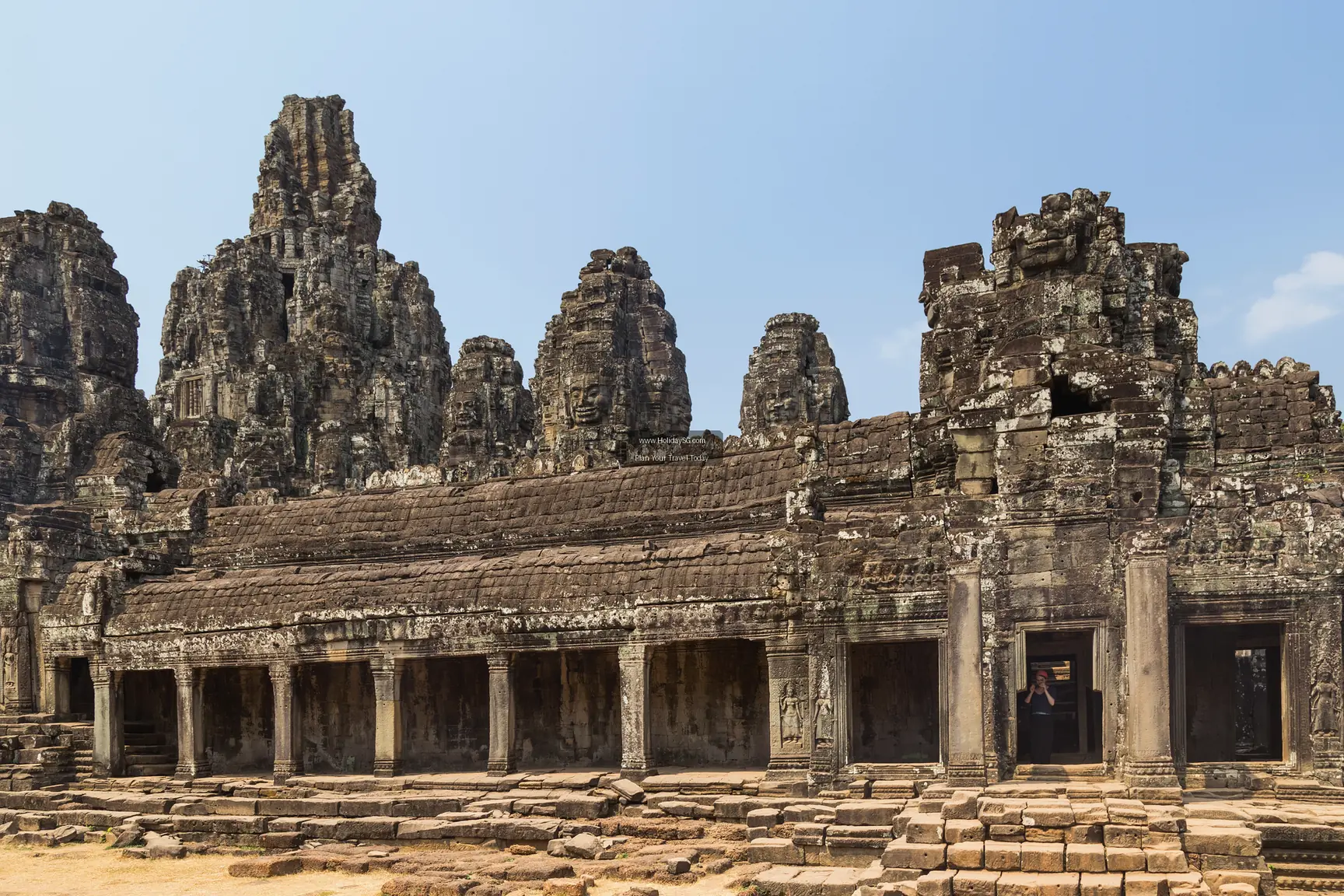
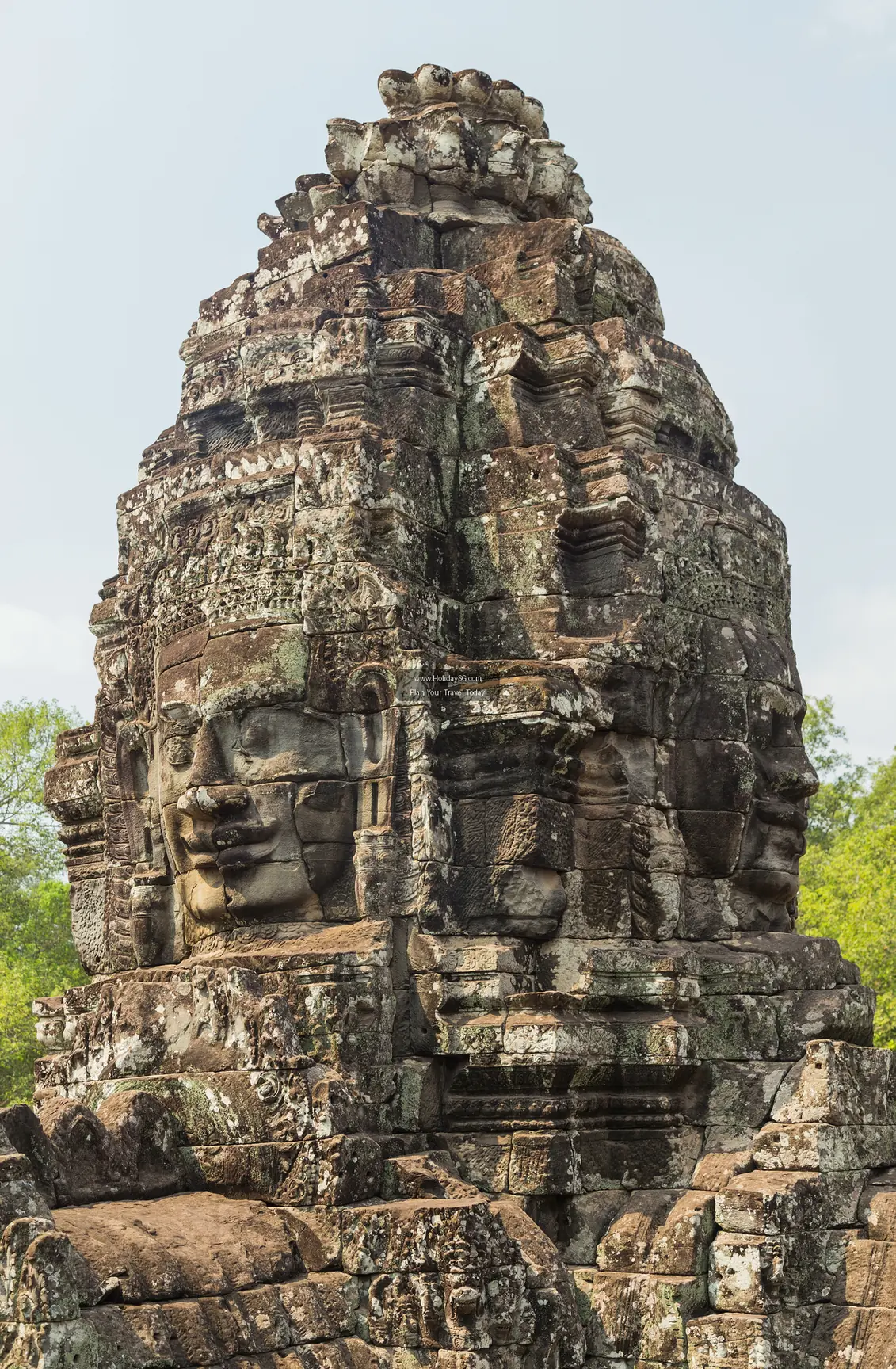
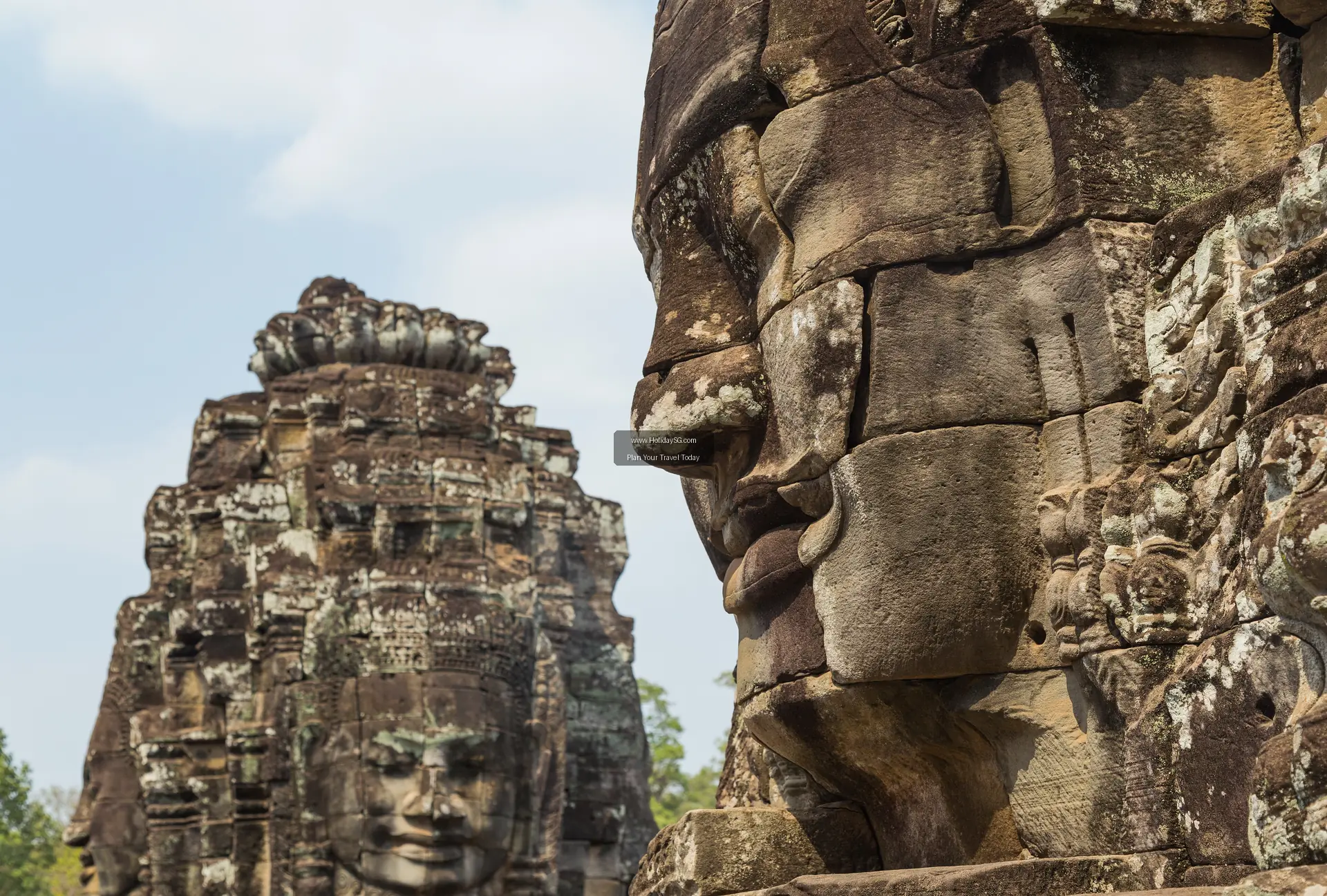
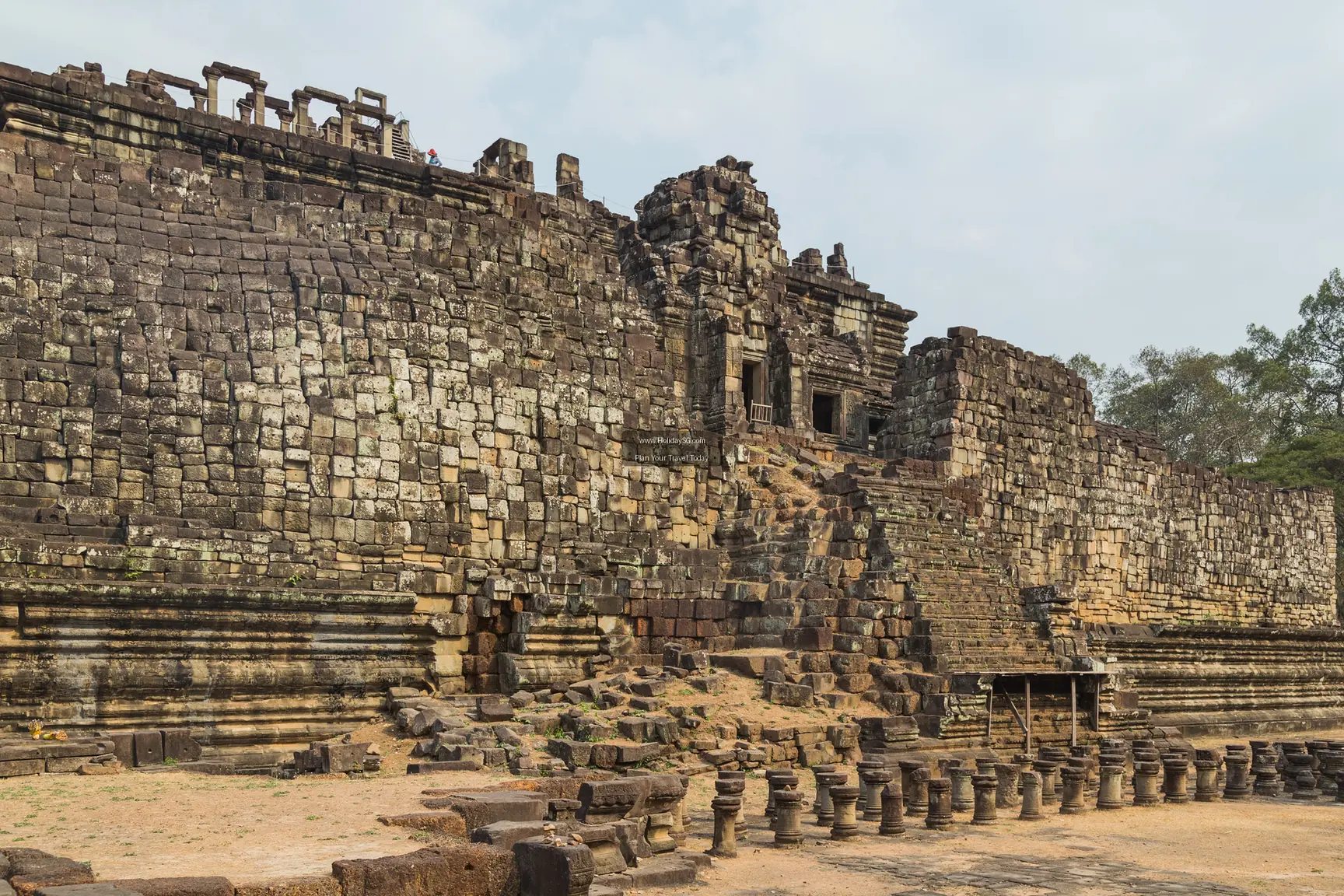
- Beyond the Main Temples: Venture to Ta Prohm (the “Tomb Raider” temple, swallowed by jungle), Bayon (with its 200+ smiling stone faces), and Banteay Srei (famous for its pink sandstone carvings).
- Angkor Pass: Purchase a 1-day ($37), 3-day ($62), or 7-day ($72) pass at the official ticket center. The 3-day pass is ideal for most travelers, allowing you to explore at a leisurely pace.
Phnom Penh: History, Culture, and Contrasts
Cambodia’s capital is a city of contrasts, where French colonial architecture rubs shoulders with glittering pagodas and somber memorials. Start at the Royal Palace and Silver Pagoda, home to a floor of 5,329 silver tiles and a life-sized gold Buddha encrusted with diamonds. For a deeper dive into Cambodia’s recent history, visit the Tuol Sleng Genocide Museum (a former Khmer Rouge prison) and the Choeung Ek Killing Fields, where audio guides narrate the harrowing stories of victims.
By evening, head to the riverside for dinner and drinks. Try Romdeng (a restaurant run by Friends International that trains former street children in hospitality) or sip a cocktail at Raffles Hotel Le Royal, a colonial-era landmark.
Battambang: Colonial Charm and Countryside Adventures
Often overlooked by tourists, Battambang is a charming riverside town with a laid-back vibe. Stroll along the Sangker River to admire the French colonial architecture, then hop on the bamboo train—a rickety rail cart that zips through the countryside at 50 km/h. For a surreal experience, visit Phnom Sampeau at dusk to watch millions of bats emerge from a cave in a swirling black cloud.
Kampot and Kep: Riverside Relaxation and Pepper Crab
Kampot is the perfect antidote to Cambodia’s bustling cities. Rent a bicycle and pedal through pepper plantations (Cambodia’s Kampot pepper is world-renowned), then kayak along the Kampot River at sunset. Nearby, Bokor Hill Station offers cool mountain air and eerie abandoned French colonial buildings, including a crumbling casino and a church with panoramic views.
Just 30 minutes away, Kep is famous for its crab market, where you can feast on fresh seafood drizzled with Kampot pepper sauce. Don’t miss a boat trip to Rabbit Island (Koh Tonsay), a tiny island with white-sand beaches and hammocks strung between palm trees.
Sihanoukville and the Islands: Beach Bliss and Diving
Sihanoukville has undergone rapid development in recent years, but its nearby islands remain a paradise for beach lovers. Otres Beach is the most relaxed option, with beachfront bungalows and seafood shacks. For something more secluded, take a speedboat to Koh Rong or Koh Rong Samloem, where powdery white sand and turquoise waters await. At night, don’t miss the bioluminescent plankton that light up the waves—best seen on a moonless night.
Divers and snorkelers should head to Koh Tang or Koh Prins, where coral reefs teem with marine life. For a unique experience, try night diving to spot octopuses, lobsters, and sleeping fish.
Money Matters: Currency, Costs, and Budgeting
Ready to go? Book Commbitz Cambodia E Sim Daily with HolidaySG.
Ready to go? Book Commbitz Cambodia E Sim Daily with HolidaySG.
Cambodia is one of Southeast Asia’s most affordable destinations, but costs can add up if you’re not mindful. Here’s how to stretch your dollar (or riel):
Currency and Payments
Cambodia operates on a dual-currency system. US dollars are widely accepted, but always carry small bills—vendors often refuse torn or damaged notes. For small purchases (under $1), you’ll receive change in Cambodian riel (1 USD ≈ 4,000 KHR). ATMs dispense USD, but be aware of withdrawal fees ($4–$5 per transaction).
Credit cards are accepted in hotels, upscale restaurants, and some shops, but cash is king for markets, tuk-tuks, and street food. Always carry small denominations to avoid scams where vendors claim they don’t have change.
Daily Budget Breakdown
- Budget Traveler ($20–$40/day): Hostels ($5–$10/night), street food ($1–$3/meal), local buses, and free/cheap attractions (e.g., walking tours).
- Mid-Range Traveler ($50–$100/day): Private rooms in guesthouses ($20–$40/night), restaurant meals ($5–$15), tuk-tuks, and guided tours.
- Luxury Traveler ($150+/day): Boutique hotels ($80+/night), fine dining ($20+/meal), private drivers, and VIP experiences (e.g., helicopter tours over Angkor Wat).
Tipping and Bargaining
Getting Around: Transport Options for Every Traveler
Cambodia’s transport network is improving, but options vary widely in comfort and safety. Here’s how to navigate the country like a pro:
Tuk-Tuks and Ride-Hailing Apps
Tuk-tuks are Cambodia’s iconic mode of transport—just be prepared to negotiate fares in advance. Short trips within cities cost $2–$5, while day-long temple tours can run $15–$25. For a hassle-free experience, use ride-hailing apps like PassApp or Grab, which offer fixed prices and driver ratings.
Buses and Minivans
For long-distance travel, buses are the safest and most affordable option. Giant Ibis is the gold standard, with comfortable seats, free Wi-Fi, and USB charging ports. Popular routes include:
Minivans are faster but less comfortable—avoid them if you’re prone to motion sickness.
Domestic Flights
Cambodia’s domestic flight network is limited but convenient for long distances. Cambodia Angkor Air operates flights between Phnom Penh, Siem Reap, and Sihanoukville (1 hour, $80–$120). Book in advance for a great selection of.
Motorbike Rentals
Renting a motorbike ($5–$15/day) is a great way to explore at your own pace, but it’s not for the faint of heart. Traffic in cities is chaotic, and roads in rural areas can be rough. Always wear a helmet, avoid riding at night, and carry an international driver’s permit (though police rarely ask for it). For a safer alternative, hire a driver for the day ($15–$25).
Boats and Ferries
Boats are a scenic way to travel between Siem Reap and Battambang (4–6 hours, $20–$25) or to explore Tonlé Sap Lake’s floating villages. For island hopping, speedboats run from Sihanoukville to Koh Rong ($20–$25, 45 minutes).
Staying Safe: Tips to Avoid Scams and Health Risks
Ready to go? Book Commbitz Cambodia E Sim Daily with HolidaySG.
Ready to go? Book Commbitz Cambodia E Sim Daily with HolidaySG.
Cambodia is generally safe for travelers, but petty crime and scams do occur. Follow these tips to stay out of trouble:
Petty Theft and Scams
- Bag snatching: Use an anti-theft bag or cross-body purse, and avoid walking alone at night in poorly lit areas.
- Tuk-tuk scams: Agree on a fare before getting in, or use a ride-hailing app. Some drivers may take you to overpriced shops where they earn commission.
- ATM skimming: Use ATMs inside banks or malls, and cover your PIN when entering it.
Health and Hygiene
- Water safety: Drink only bottled or filtered water. Avoid ice in drinks from street vendors, and brush your teeth with bottled water.
- Food safety: Eat at busy stalls where food is cooked fresh. Avoid raw vegetables, unpeeled fruits, and undercooked meat.
- Mosquito protection: Dengue fever and malaria are risks in rural areas. Use DEET repellent, wear long sleeves at dusk, and sleep under a mosquito net if staying in budget accommodations.
Rural and Remote Areas
While landmines are no longer a widespread threat, they remain in some rural areas, particularly near the Thai and Vietnamese borders. Stick to marked paths and avoid wandering into unmarked fields. If you’re venturing off the beaten track, hire a local guide.
Solo and Female Travelers
Cambodia is relatively safe for solo travelers, including women, but take standard precautions. Dress modestly to avoid unwanted attention, and avoid walking alone at night. In nightlife areas like Siem Reap’s Pub Street, keep an eye on your drink and don’t accept rides from strangers.
Cultural Etiquette: Respecting Local Customs
Cambodians are warm and welcoming, but it’s important to respect their customs to avoid causing offense. Here’s what to keep in mind:
Greetings and Respect
- Sampeah: The traditional greeting involves pressing your palms together in a prayer-like gesture and bowing slightly. Use it when greeting elders or in formal settings.
- Monks: Women should never touch monks or hand items directly to them. If you want to offer something, place it on a table or hand it to a male companion to pass along.
Dress Code
- Temples: Cover your shoulders and knees. Scarves or sarongs are often available for rent if you forget.
- Beaches: Swimwear is fine at the beach, but cover up when leaving the sand.
Taboos and Sensitivities
- Head and feet: The head is considered sacred, so never touch someone’s head (even a child’s). Similarly, feet are seen as dirty—avoid pointing them at people or objects.
- Public displays of affection: Holding hands is fine, but kissing or hugging in public is frowned upon.
- Photography: Always ask permission before taking photos of locals, especially monks or villagers.
Health Precautions: Vaccines, Insurance, and More
Ready to go? Book Commbitz Cambodia E Sim Daily with HolidaySG.
Ready to go? Book Commbitz Cambodia E Sim Daily with HolidaySG.
Cambodia’s healthcare system is limited outside major cities, so it’s crucial to take precautions before and during your trip.
Recommended Vaccines
Consult a travel clinic 4–6 weeks before your trip to discuss the following vaccines:
- Routine vaccines: Hepatitis A/B, Typhoid, Tetanus
- Optional vaccines: Japanese Encephalitis (for rural areas), Rabies (for long stays or animal encounters)
Malaria and Dengue Fever
Malaria is a risk in remote regions like Ratanakiri and Mondulkiri. If you’re visiting these areas, take antimalarial medication and use mosquito repellent. Dengue fever is more widespread—there’s no vaccine, so prevention is key. Sleep under a mosquito net and wear long sleeves at dawn and dusk.
Travel Insurance
Never travel without insurance. Look for a policy that covers:
- Medical emergencies (including COVID-19)
- Adventure activities (e.g., motorbike riding, diving)
Internet and Connectivity: Staying Online
Staying connected in Cambodia is easy and affordable. Here’s how to get online:
SIM Cards and Data
Pick up a local SIM card at the airport or a convenience store for as little as $1–$5. The main providers are:
- Cellcard: Best coverage in rural areas
- Smart: Fastest speeds in cities
- Metfone: Good for island hopping
For hassle-free connectivity, consider an eSIM like the Cambodia Unlimited 4G/5G Data eSIM, which you can activate before you arrive.
Wi-Fi and VPNs
Most hotels, cafés, and restaurants offer free Wi-Fi, but speeds can be slow. If you need to access restricted sites (e.g., Facebook, WhatsApp), use a VPN like NordVPN or ExpressVPN.
Common Traveler Questions Answered
Ready to go? Book Commbitz Cambodia E Sim Daily with HolidaySG.
Ready to go? Book Commbitz Cambodia E Sim Daily with HolidaySG.
Is Cambodia Safe for Solo Female Travelers?
Yes, but take standard precautions. Dress modestly, avoid walking alone at night, and trust your instincts. Siem Reap and Phnom Penh are the safest cities, while rural areas require more caution. For more tips, check out our guide to solo female travel in Southeast Asia.
How Many Days Do I Need for Angkor Wat?
A 1-day pass lets you see the highlights, but it’s rushed. A 3-day pass is ideal for exploring the main temples at a leisurely pace, while a 7-day pass is best for serious temple enthusiasts. If you’re short on time, focus on Angkor Wat, Bayon, and Ta Prohm.
Can I Use Credit Cards in Cambodia?
Credit cards are accepted in hotels, upscale restaurants, and some shops, but cash is preferred for markets, tuk-tuks, and street food. Always carry small USD bills for tips and small purchases.
What’s the Deal with Orphanage Tourism?
Avoid it. Many orphanages in Cambodia are scams that exploit children for profit. Instead, support reputable NGOs like Friends International or Cambodian Children’s Trust, which focus on family-based care.
Is Tap Water Safe to Drink?
No. Stick to bottled or filtered water, even for brushing your teeth. Ice is generally safe in reputable restaurants and hotels.
What’s the Nightlife Like in Cambodia?
Siem Reap’s Pub Street is the epicenter of nightlife, with bars, clubs, and live music. Phnom Penh offers rooftop lounges and riverside dining, while Sihanoukville has beachfront parties (though some areas are seedy). Drink responsibly and avoid excessive alcohol to stay safe.
Sustainable and Responsible Travel in Cambodia
Cambodia’s tourism industry is booming, but it’s important to travel responsibly to protect its people and environment. Here’s how:
Support Local Communities
- Buy local: Purchase handicrafts from markets like Artisans Angkor, which employs and trains local artisans.
- Eat local: Dine at family-run restaurants and street food stalls to support small businesses.
Wildlife and Environmental Conservation
- Avoid animal tourism: Elephant rides and tiger temples often involve cruel practices. Instead, visit ethical sanctuaries like Elephant Valley Project in Mondulkiri.
- Reduce plastic waste: Carry a reusable water bottle and refuse single-use plastics. Some hotels and cafés offer refill stations.
Ethical Volunteering
If you want to give back, research organizations thoroughly. Avoid “voluntourism” scams that exploit vulnerable communities. Reputable NGOs include PEPY Empowering Youth (education) and Wildlife Alliance (conservation).
Final Tips and Packing List
Ready to go? Book Commbitz Cambodia E Sim Daily with HolidaySG.
Ready to go? Book Commbitz Cambodia E Sim Daily with HolidaySG.
Essential Items to Pack
- Clothing: Lightweight, breathable fabrics (long sleeves for sun protection), modest temple attire (cover shoulders/knees), swimwear, and a light jacket for cooler evenings.
- Footwear: Comfortable walking shoes (for temples), sandals (for beaches), and flip-flops (for showers).
- Accessories: Sun hat, sunglasses, reusable water bottle, power adapter (Type A/C, 230V), and a portable charger.
- Health: Mosquito repellent (DEET 30–50%), hand sanitizer, basic first-aid kit (band-aids, antiseptic, diarrhea medication), and any prescription medications.
- Miscellaneous: Copies of your passport and visa, travel insurance documents, and a small padlock for hostel lockers.
Last-Minute Checks Before You Go
- Confirm your passport has 6+ months of validity and blank pages for your visa.
- Print your e-visa (if applicable) and travel insurance policy.
- Check if you need a yellow fever certificate (required if coming from a risk country).
- Save emergency contacts, including your country’s embassy in Cambodia and your hotel’s address in Khmer script (for tuk-tuk drivers).
Recommended HolidaySG Tours
Enhance your Cambodia trip with these convenient and reliable options:
- Commbitz Cambodia E Sim Daily
- Cambodia Unlimited 4G/5G Data Esim
- Phnom Penh Transfer To Bavet Border Or Back
Conclusion
Ready to go? Book Commbitz Cambodia E Sim Daily with HolidaySG.
Ready to go? Book Commbitz Cambodia E Sim Daily with HolidaySG.
Cambodia is a country that captivates the soul—whether you’re marveling at the sunrise over Angkor Wat, savoring a bowl of fish amok by the river, or chatting with locals over a game of petanque in a village square. By planning ahead, respecting local customs, and traveling responsibly, you’ll leave with memories that last a lifetime (and maybe a few extra riel in your pocket).
Ready to explore Cambodia with seamless connectivity? Grab your Commbitz Cambodia E Sim Daily here and stay connected from the moment you arrive!
Have you been to Cambodia? Share your favorite tips or hidden gems in the comments below!
Book these with HolidaySG:
Book with HolidaySG online for Commbitz Cambodia E Sim Daily, Commbitz Cambodia E Sim Package, Cambodia Unlimited 4g5g Data Esim.
“`html
Book with HolidaySG online for Commbitz Cambodia E Sim Daily, Commbitz Cambodia E Sim Package, Cambodia Unlimited 4g5g Data Esim.
Book these with HolidaySG:
Frequently Asked Questions
Where can I book an eSIM or arrange a car rental for my trip to Cambodia?
- For data eSIMs: Commbitz Cambodia E Sim Daily, Commbitz Cambodia E Sim Package, Cambodia Unlimited 4g5g Data Esim, or Airalo Cambodia E Sim Package.
- For convenient car rentals: Phnom Penh Safari Car Rental (Within 20km), Phnom Penh Half Day Car Rental In City (Within 10km), or Phnom Penh Full Day Car Rental In City (Within 10km).
Do foreigners (non-citizens) need a different ticket, price, or visa for Cambodia?
What is the best time (season, or time of day for the site/activity) to go?
How many days do I need to see the main highlights?
What is the typical daily cost for a traveler in Cambodia?
How do I get from the airport to the city center in Phnom Penh or Siem Reap?
Is it safe to travel in Cambodia? What should I be aware of?
What currency should I use, and are credit cards accepted?
What is the best way to get around cities and between provinces?
Is Cambodia a family-friendly destination?
What should I pack for a trip to Cambodia?
Are the temples and sites wheelchair accessible?
What are some must-try foods in Cambodia?
What local etiquette should I know?
What is there to do near Kulen National Park?
Is it safe to drink tap water and eat street food?
What is the electrical outlet type in Cambodia?
Can I use my phone’s data connection in Cambodia?
How do I handle tipping in Cambodia?
What are the opening hours for major attractions like Angkor Wat?
Are there any specific health precautions for visiting Cambodia?
What things cost in Cambodia
Live HolidaySG prices for the experiences in this guide, so you can sanity-check a budget before you commit.
| Experience | Where | From price |
|---|---|---|
| 4 Hours Phnom Penh Capital Tour by Cyclo | Phnom Penh | From S$102.41 |
| Chamka Sne Boat Ticket | Phnom Penh | From S$16.00 |
| Angkor Lounge Siem Reap-Angkor International Airport | Siem Reap | From S$37.06 |
| (Free e-SIM) Classic Angkor Wat Sunrise or Sunset Full DayTour | Siem Reap | From S$16.40 |
| Siem Reap Car Charter Small Circle or Big Circle Tour with sun... | Siem Reap | From S$26.33 |
| Siem Reap Happy Horse Riding | Siem Reap | From S$85.64 |
| Tonle Sap half-day tour with free Hi-Tea at Shitamini hotel | Siem Reap | From S$94.16 |
| Cooking class at Shinta Mani | Siem Reap | From S$76.65 |