

Singapore’s tropical climate means there’s never a truly “bad” time to visit, but the monsoon season often gives travelers pause. Can you visit Singapore during monsoon season? The answer is a resounding yes—with a bit of smart planning. The city-state transforms into a different kind of destination during these months, and for many, it’s actually the ideal time to explore.
Visiting Singapore during the monsoon season (November–January) is entirely feasible and can be advantageous. While frequent afternoon showers occur, they’re typically short-lived, leaving the rest of the day clear. You’ll enjoy lower prices, thinner crowds at major attractions, and a festive holiday atmosphere. The key is to embrace both the vibrant outdoor sights and the world-class indoor experiences.
What the Monsoon Season Actually Means in Singapore
First, let’s clear up a common misconception. The “monsoon” in Singapore isn’t a relentless, week-long deluge. It refers to the Northeast Monsoon, which brings a season of higher rainfall. The rain usually comes in intense, predictable bursts—most often in the late afternoon or evening. The rest of the day is often sunny, hot, and humid, perfect for sightseeing. Think of it as nature’s built-in air conditioner, bringing a temporary drop in temperature and a welcome respite from the scorching midday sun.
Weather Realities: What to Expect Day-to-Day
Ready to go? Book Singapore Esim Free Roaming Mobile Data with HolidaySG.
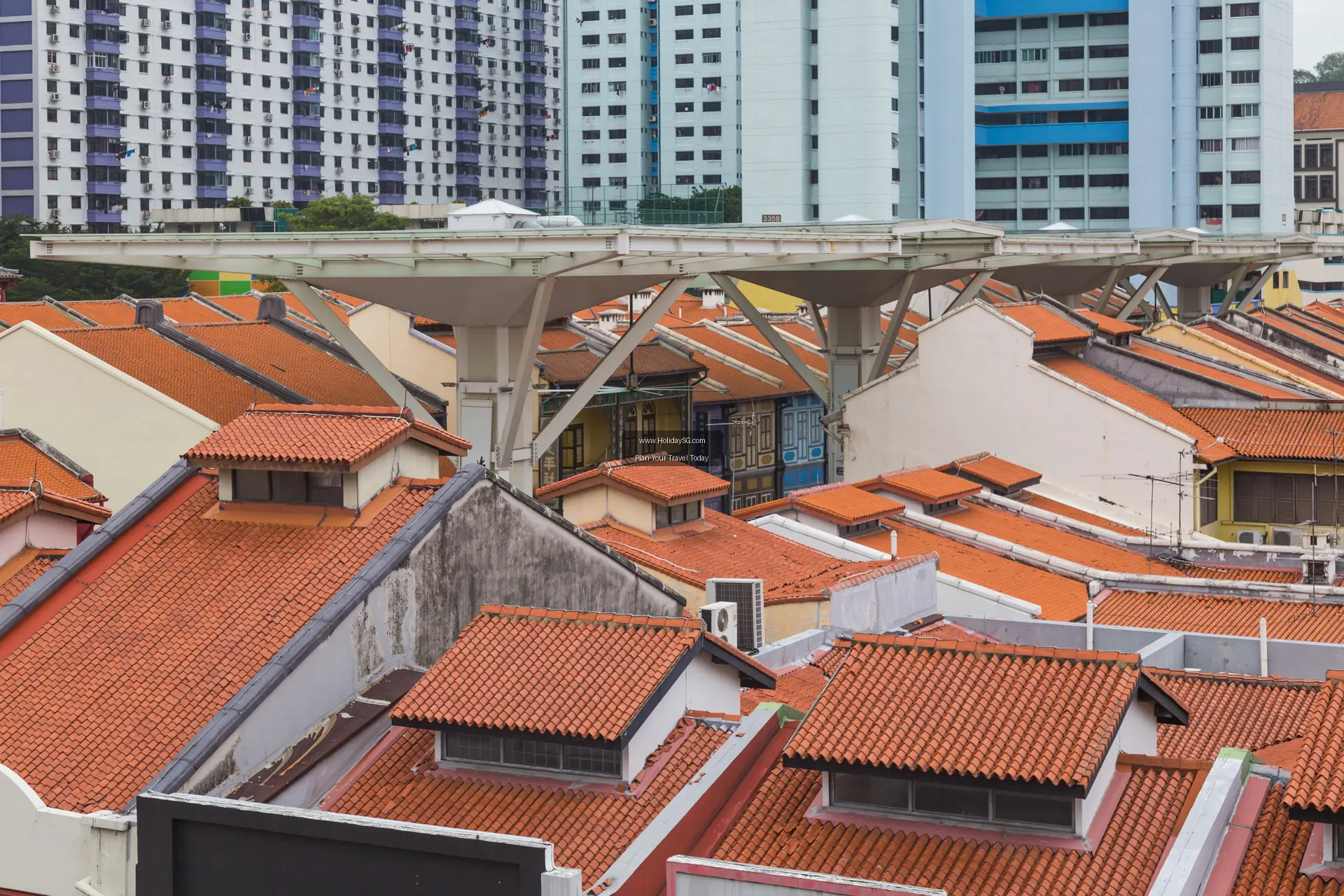
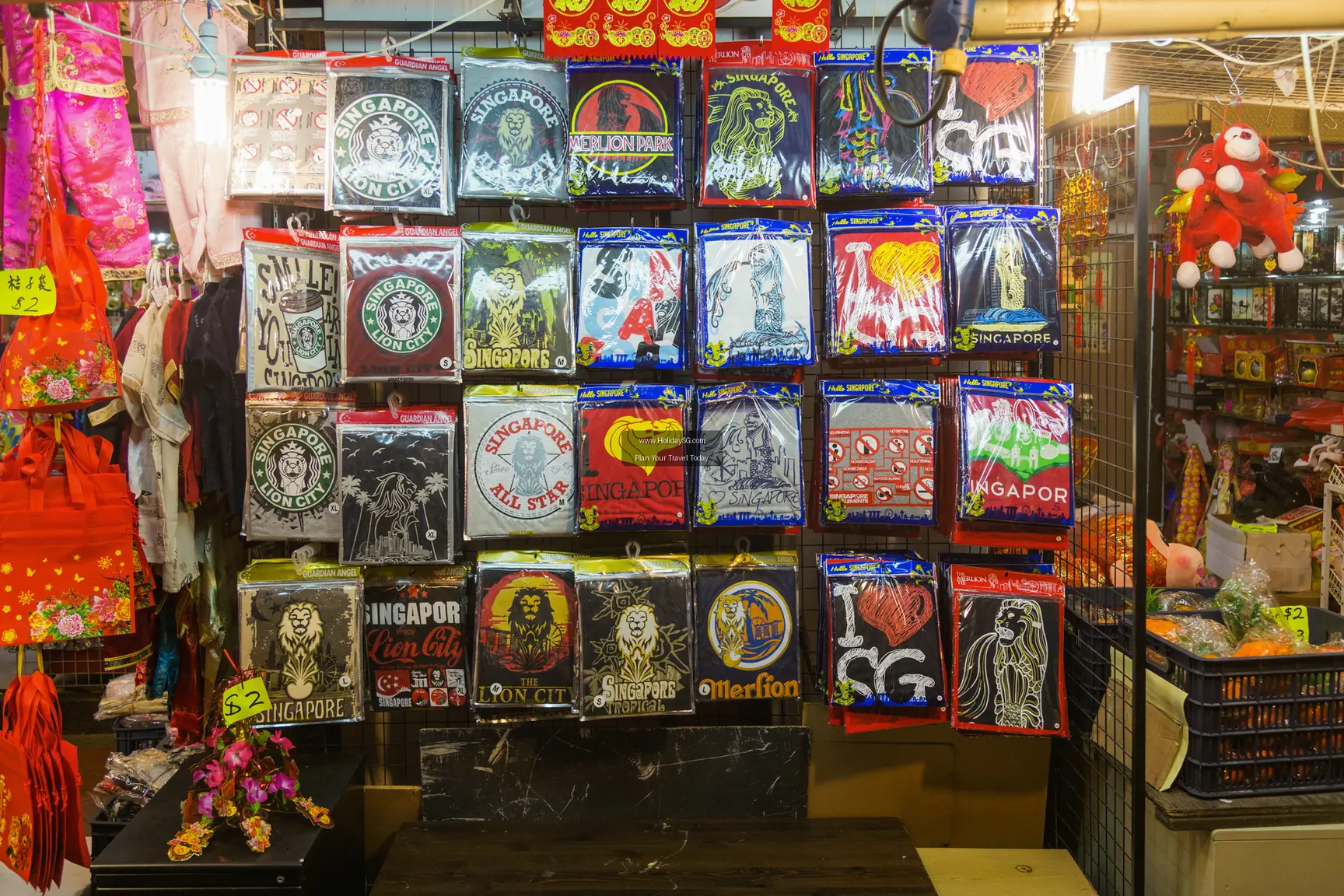
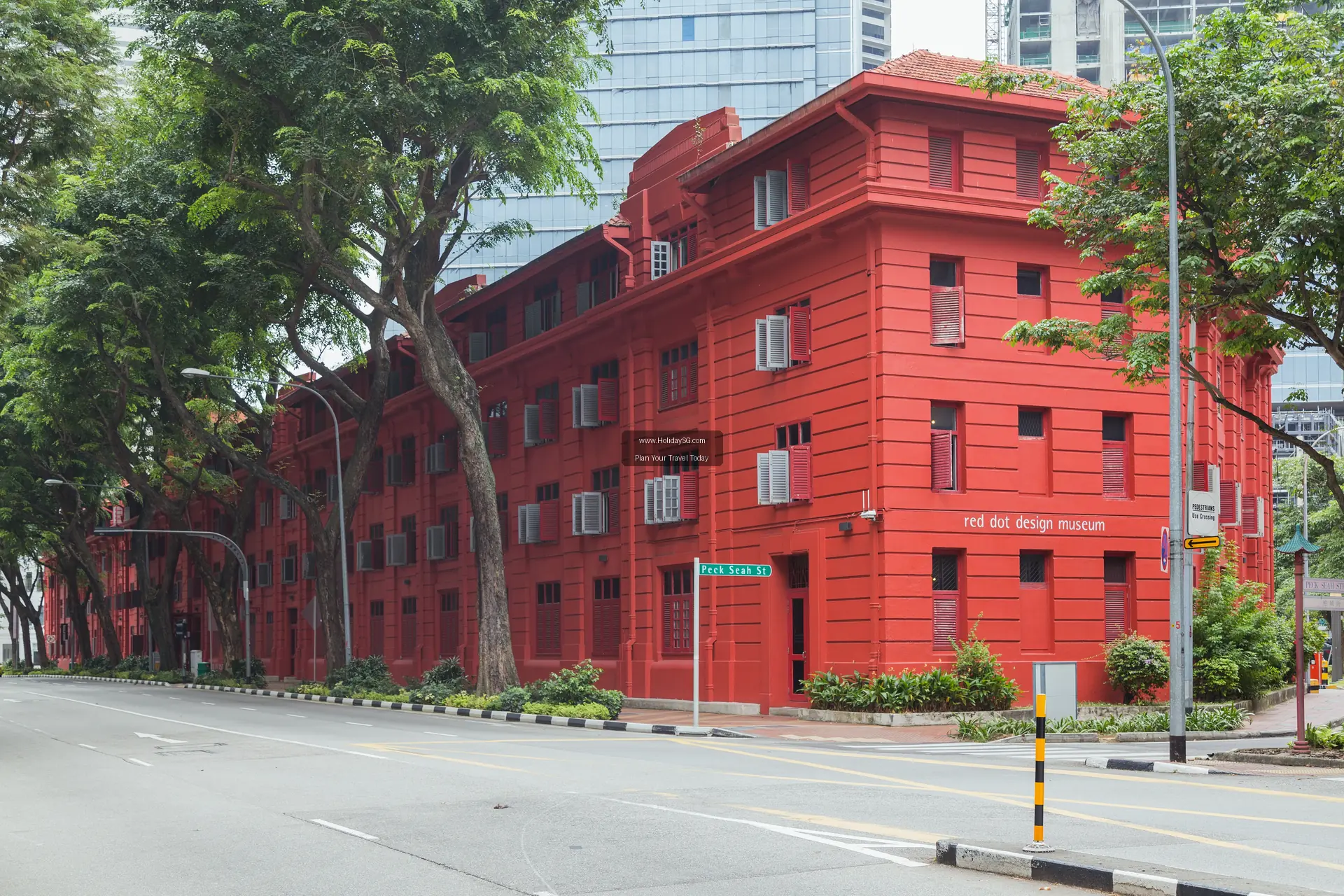
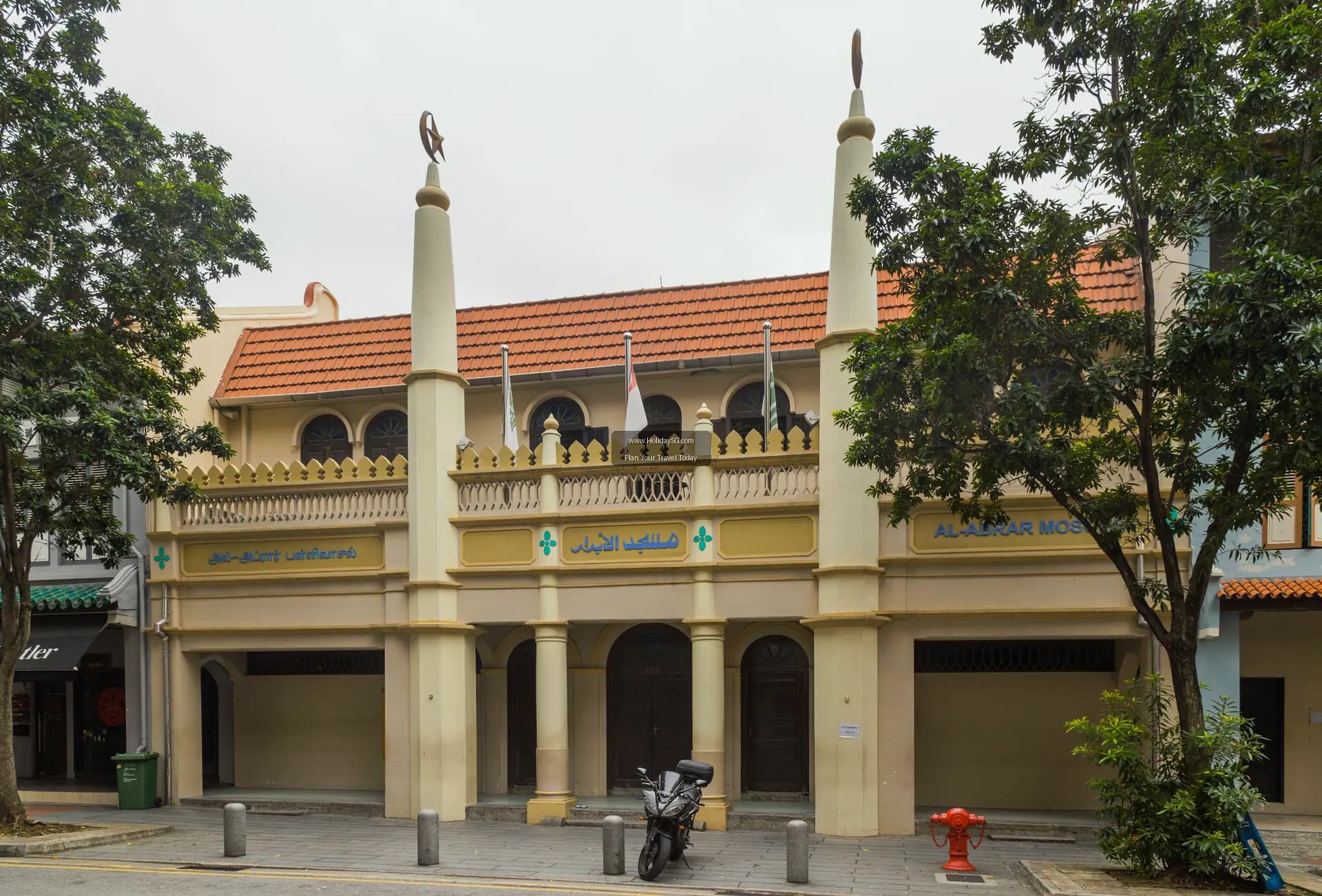
From November through January, you’re in the heart of the wettest period, with December seeing average rainfall peaks of over 300mm. However, this is spread across numerous days of brief, heavy showers. A typical pattern involves bright, humid mornings ideal for exploring, followed by a dramatic sky, a torrential downpour that cleanses the streets, and then a return to clear skies. The average temperature remains a warm 25°C to 31°C (77°F to 88°F), but with humidity levels often soaring above 80%, the air feels thick. Dressing in light, breathable fabrics is essential.
The Surprising Upsides of a Wet-Season Visit
Beyond the lower hotel and flight rates (which can be 10-20% cheaper than the peak June-August period), the monsoon season offers distinct advantages for the savvy traveler.
Experience the City with Fewer Fellow Explorers
Major attractions like Gardens by the Bay and the Singapore Zoo see significantly thinner crowds. This means shorter queues for the Cloud Forest dome, more space on the pathways, and a more relaxed pace. You can often get those coveted photos without dozens of strangers in the frame. The famously efficient public transport system also feels less hectic.
A Festive and Flavorful Atmosphere
If you visit in December, you’ll be treated to a spectacular city-wide transformation. Orchard Road lights up with dazzling Christmas illuminations, and festive markets pop up across the city. It’s a magical time to be out and about, especially in the evenings after the day’s rain has passed. The weather is also perfect for sampling comforting bowls of laksa or hot pot without breaking a sweat.
Smart Planning: Blending Outdoor Adventures with Indoor Havens
Ready to go? Book Singapore Esim Free Roaming Mobile Data with HolidaySG.
A flexible itinerary is your greatest asset. Plan your mornings for outdoor pursuits when the weather is at its most cooperative, and reserve the afternoons for indoor gems when showers are likely.
Top-Notch Indoor Escapes for Rainy Afternoons
Singapore excels at world-class indoor attractions. The ArtScience Museum offers captivating digital art exhibitions. Jewel Changi Airport is an attraction in itself, with its stunning indoor waterfall, forests, and hundreds of shops and eateries. On Sentosa island, the S.E.A. Aquarium provides a mesmerizing journey through marine worlds. The National Gallery, housing a premier collection of Southeast Asian art, is another excellent refuge.
Enjoying the Green City Come Rain or Shine
Outdoor sites adapt well to the weather. The pathways at Gardens by the Bay are designed to be navigable even in rain, with ample sheltered areas. Shows at the Singapore Zoo and Night Safari may have adjusted schedules, so it’s wise to check the app or website before heading out. For a unique urban hike, consider the elevated walkways at MacRitchie Reservoir, which are mostly canopied. Remember, a little rain can make the tropical greenery even more lush and vibrant.
The Dazzling Evening Spectacle Continues
One of Singapore’s signature experiences, the Spectra – A Light and Water Show at Marina Bay Sands, generally proceeds during light rain, offering a unique visual against the droplets. However, it may be canceled during severe thunderstorms for safety. The Symphony of Lights along the Singapore River is similarly resilient. These events are best enjoyed with the waterproof bag you packed for your phone and camera.
Essential Tips for a Comfortable Wet-Season Trip
A little preparation ensures a smooth and enjoyable visit.
- Pack Strategically: A compact, sturdy umbrella is non-negotiable. Quick-dry clothing and comfortable, waterproof sandals or shoes will keep you comfortable. A lightweight rain jacket is also a good idea. Use a waterproof pouch or bag for electronics, passports, and important documents.
- Master the MRT: Singapore’s Mass Rapid Transit (MRT) system and public buses are the most reliable way to travel during the monsoon. They are unaffected by road traffic, which can congest when rain causes temporary disruptions. This is especially helpful when moving between different neighborhoods.
- Book with Flexibility: If you’re booking outdoor tours or activities, always check the cancellation or rescheduling policy. Most reputable operators, like those running walking tours or nature excursions, offer flexible options due to the weather. For instance, a guided walk through a historic district like Chinatown, such as the Singapore Ultimate Chinatown Heritage Walking Tour, can easily be adapted or rescheduled if a downpour occurs.
The Verdict: Is This the Right Time for Your Trip?
Ready to go? Book Singapore Esim Free Roaming Mobile Data with HolidaySG.
The monsoon season is perfect for travelers who are budget-conscious, flexible in their plans, and more interested in culture, food, and unique experiences than in perfectly sunny beach days. It’s an excellent time to dive into Singapore’s incredible food scene, explore its museums and galleries deeply, and enjoy the city’s festive spirit without the overwhelming peak-season crowds.
Ultimately, the monsoon season allows you to embrace a different side of Singapore. It’s a chance to see the city through rain-streaked windows from a rooftop bar, to watch the mist rise off the botanical gardens, and to discover cozy hawker centres bustling with locals escaping a sudden shower. With the right mindset and a plan that accounts for the weather, it can be one of the most rewarding times to visit.
Recommended HolidaySG Tours
- Singapore Ultimate Chinatown Heritage Walking Tour
- Singapore Signature Guided Tour Chinatown Botanic Garden
- Singapore Private Transfers
- Singapore eSIM Free Roaming Mobile Data
Ready to explore Singapore during the monsoon season? Stay connected effortlessly with our Singapore eSIM Free Roaming Mobile Data for hassle-free adventures.
Book these with HolidaySG:
Book with HolidaySG online for Singapore Esim Free Roaming Mobile Data, Singapore Ultimate Chinatown Heritage Walking Tour, Singapore Signature Guided Tour Chinatown Botanic Garden.
Frequently Asked Questions
Where can I book a tour or activity for my monsoon season visit to Singapore?
You can book highly-rated tours and transfers directly through our partners. For a deep dive into culture, consider the Singapore Ultimate Chinatown Heritage Walking Tour or the Singapore Signature Guided Tour Chinatown Botanic Garden. To explore nature trails with an expert guide, try the Singapore Mount Faber Trails And Garden Tea Private Guided Tour. For convenient, stress-free transport between your hotel and attractions, book Singapore Private Transfers. Don’t forget to stay connected with a Singapore Esim Free Roaming Mobile Data plan.
Do foreigners (non-citizens) need a different ticket, price, or visa for Singapore?
Generally, tickets for attractions, tours, and transport are priced equally for all visitors regardless of nationality. For visas, requirements vary significantly based on your country of passport. Citizens of many countries, including most Western nations, are granted visa-free entry for short stays (typically 30-90 days). However, it is crucial to verify the current entry requirements for your specific nationality. We strongly recommend checking the official Singapore Immigration & Checkpoints Authority (ICA) website or consulting with your nearest Singaporean embassy or consulate for the most accurate and up-to-date information before you travel.
What is the best time (season, or time of day for the site/activity) to go?
If you’re visiting during the monsoon season (November to January), the best time of day for outdoor activities is in the morning (before 11 AM). Showers often occur in the late afternoon or evening. For indoor attractions like museums, gardens like the Cloud Forest, or shopping malls, time of day is less critical. The driest and “best” overall weather is typically from February to April, but the monsoon season offers fewer crowds and occasional sunny breaks.
Is Singapore safe to visit during the monsoon season?
Yes, Singapore is exceptionally safe for travelers during the monsoon season. The weather is managed, and the country’s infrastructure is well-prepared for heavy rain. The main considerations are practical: wear appropriate rain gear, be cautious of slippery surfaces, and stay informed about potential flash flood warnings, which are issued via the “MyENV” app and local news.
What should I pack for a trip during the monsoon season?
Pack lightweight, breathable, quick-dry clothing. Essential items include a compact, sturdy umbrella, a waterproof jacket or poncho, and a waterproof bag or cover for your electronics. Bring waterproof footwear or shoes with good grip. Don’t forget sunscreen, as UV rays can still be strong on cloudy days, and insect repellent for potential mosquitoes.
How long should I spend in Singapore?
For a comprehensive experience covering major sights, cultural neighborhoods, and a day trip, a minimum of 4 full days is recommended. This allows time for key attractions, food exploration, and relaxation. You can enjoy highlights in a 3-day itinerary, but a longer stay (5-7 days) lets you explore at a more relaxed pace or include a nearby island like Sentosa.
What is a typical daily budget for a traveler in Singapore?
Singapore can suit various budgets. A budget traveler might spend SGD 150-200 per day on a dorm bed, hawker center meals, and public transport. A mid-range traveler should expect SGD 300-500 per day for a 3-4 star hotel, a mix of hawker and restaurant meals, occasional attractions, and taxis. High-end travelers can easily spend SGD 700+ per day for luxury hotels, fine dining, and private tours.
How do I get around Singapore efficiently?
The Mass Rapid Transit (MRT) train system is the fastest and most efficient way to travel, complemented by an extensive public bus network. Tap a contactless credit/debit card or purchase a stored-value card. For door-to-door convenience, especially with luggage, private transfers or ride-hailing apps (Grab, Gojek) are excellent options.
Are the attractions in Singapore family-friendly?
Absolutely. Singapore is renowned as a top family destination. Attractions like Gardens by the Bay, the S.E.A. Aquarium, Universal Studios Singapore, and the Singapore Zoo are designed with families in mind. Many restaurants and public spaces are child-friendly, and the public transport system is easy to navigate with strollers.
Will heavy rain ruin my outdoor plans?
Not necessarily. Monsoon rains are typically intense but short-lived, often clearing up within an hour. Plan indoor activities or covered attractions for the likely rainy periods (usually afternoons). Always have a backup plan, like a museum or shopping mall, and use the rain as a chance to relax at a café. Carry rain gear so you can continue exploring once the shower passes.
Is it true that food and activities are more expensive in Singapore?
Singapore has a reputation for being costly, but there are excellent ways to save. Eating at hawker centres (food courts) provides world-class meals for SGD 5-10. Using public transport instead of taxis significantly reduces costs. Many parks, gardens, and walking tours are free or low-cost. Booking attractions online in advance often offers discounts.
Do I need travel insurance for a trip to Singapore?
Yes, comprehensive travel insurance is highly recommended for any international trip, regardless of the destination. It should cover medical expenses, trip cancellation or interruption, and lost or stolen belongings. Ensure your policy is valid for the duration of your stay in Singapore.
What are the local customs or etiquette I should be aware of?
Singapore is a multicultural society with a strong emphasis on courtesy and cleanliness. Key etiquette includes: queuing properly, keeping your voice down in public, avoiding eating or drinking on the MRT train, and not littering (which carries heavy fines). When visiting temples or mosques, dress modestly and remove footwear if required.
Is tap water safe to drink in Singapore?
Yes, Singapore’s tap water is completely safe, clean, and meets or exceeds WHO standards. It is perfectly fine to drink from the tap. You can easily refill a reusable water bottle throughout the city to save money and reduce plastic waste.
Are credit cards widely accepted?
Yes, credit and debit cards (especially Visa and Mastercard) are accepted almost everywhere, from hawker centres (often with a minimum spend) to luxury stores. However, it’s always wise to carry some Singapore Dollars (SGD) in cash for small purchases, at traditional markets, or in case of any technical issues.
What are some must-try local dishes even in the rain?
Monsoon season is perfect for enjoying comforting, warming local fare. Don’t miss Hainanese Chicken Rice, Laksa (spicy coconut noodle soup), Chili Crab (with mantou buns), and Char Kway Teow (stir-fried noodles). These are readily available at hawker centres and restaurants, providing a delicious refuge from the rain.
How can I avoid crowds during my visit?
Visiting during the monsoon season (November-January) already means fewer tourists than the peak season (June-August). For daily crowds, aim to visit major attractions like Gardens by the Bay or the Merlion Park early in the morning (right at opening) or later in the evening. Weekdays are generally less crowded than weekends.
Is there reliable Wi-Fi available around the city?
Yes, Singapore has extensive free public Wi-Fi coverage called “Wireless@SG” available in malls, libraries, parks, and community centers. To use it, you’ll need to register with a local or international mobile number. For seamless connectivity everywhere, consider purchasing a local SIM card or an eSIM upon arrival.
What are some good indoor alternatives for a rainy afternoon?
Singapore excels at indoor attractions. Consider visiting the ArtScience Museum, the National Gallery Singapore, or the interactive Future World exhibit at Marina Bay Sands. You could also explore the Jewel Changi Airport with its stunning Rain Vortex, shop in the Orchard Road belt, or enjoy a traditional Singaporean tea experience at a heritage café.
Can I still enjoy gardens and outdoor spaces during the monsoon?
Yes, but strategically. Visit lush spaces like the Singapore Botanic Gardens or Gardens by the Bay early in the day. The Cloud Forest and Flower Dome at Gardens by the Bay are magnificent climate-controlled conservatories that let you enjoy botanical beauty regardless of the rain outside. The sheltered walkways at many attractions also allow for pleasant exploration.
Is Singapore generally wheelchair accessible for visitors with mobility issues?
Singapore is one of the most accessible cities in Asia. The MRT system is fully wheelchair accessible with lifts and priority seating. Major attractions, hotels, and shopping malls generally have excellent accessibility features like ramps, lifts, and accessible toilets. It’s always best to check specific attraction websites in advance for detailed accessibility information.
What things cost in Singapore
Live HolidaySG prices for the experiences in this guide, so you can sanity-check a budget before you commit.
| Experience | Where | From price |
|---|---|---|
| Shirakawa Day Tour from Nagoya: One-day tour of Shirakawa-go w... | Nagoya | From S$50.03 |
| #INSTAWALK: BUGIS, WATERLOO, KAMPONG GLAM | Singapore | From S$45.32 |
| +Twelve | Singapore | From S$127.05 |
| ABOUT MR. LEE | Singapore | From S$66.17 |
| Harry Potter Visions of Magic | Singapore | From S$41.79 |
| Action Motion | Singapore | From S$37.07 |
| Adventure HQ | Singapore | From S$65.55 |
| Alphard / Vellfire | Singapore | From S$34.43 |