

Stepping into Singapore as Chinese New Year approaches is like walking into a city draped in crimson and gold, buzzing with the electrifying energy of its biggest annual celebration. This Chinese New Year in Singapore guide will show you how the Lion City transforms into a dazzling spectacle where ancient traditions meet modern pageantry, offering travelers a uniquely vibrant way to ring in the Lunar New Year. Whether you’re here for the spectacular parades, the mouth-watering festive foods, or the sheer cultural immersion, this guide will help you navigate the festivities, avoid the pitfalls, and plan a truly prosperous visit.
Singapore’s Chinese New Year is a month-long celebration peaking in the 1-2 weeks before the Lunar New Year’s Day. For the full experience, visit during this window, but book accommodation far in advance and prepare for large crowds. Focus on Chinatown for tradition and Marina Bay for modern spectacles like River Hongbao, and don’t miss tasting festive delicacies like pineapple tarts and yusheng.
Timing is Everything: When the Festivities Unfold

Chinese New Year is a two-day public holiday, but the festive atmosphere builds for weeks. Decorations go up, and street markets open, typically one to two weeks before New Year’s Day itself. This pre-holiday period is the golden window for visitors. The most intense energy and all major public events, like the River Hongbao and the Chingay Parade, usually fall on the weekends leading up to the holiday. The two days after New Year’s Eve are public holidays where many Singaporeans stay home for family gatherings, so public areas can be quieter.
Where the Magic Happens: Key Festive Hubs
Ready to go? Book Shirakawa Day Tour From Nagoya One Day Tour Of Shirakawa Go With Chinese English And Japanese Guide with HolidaySG.
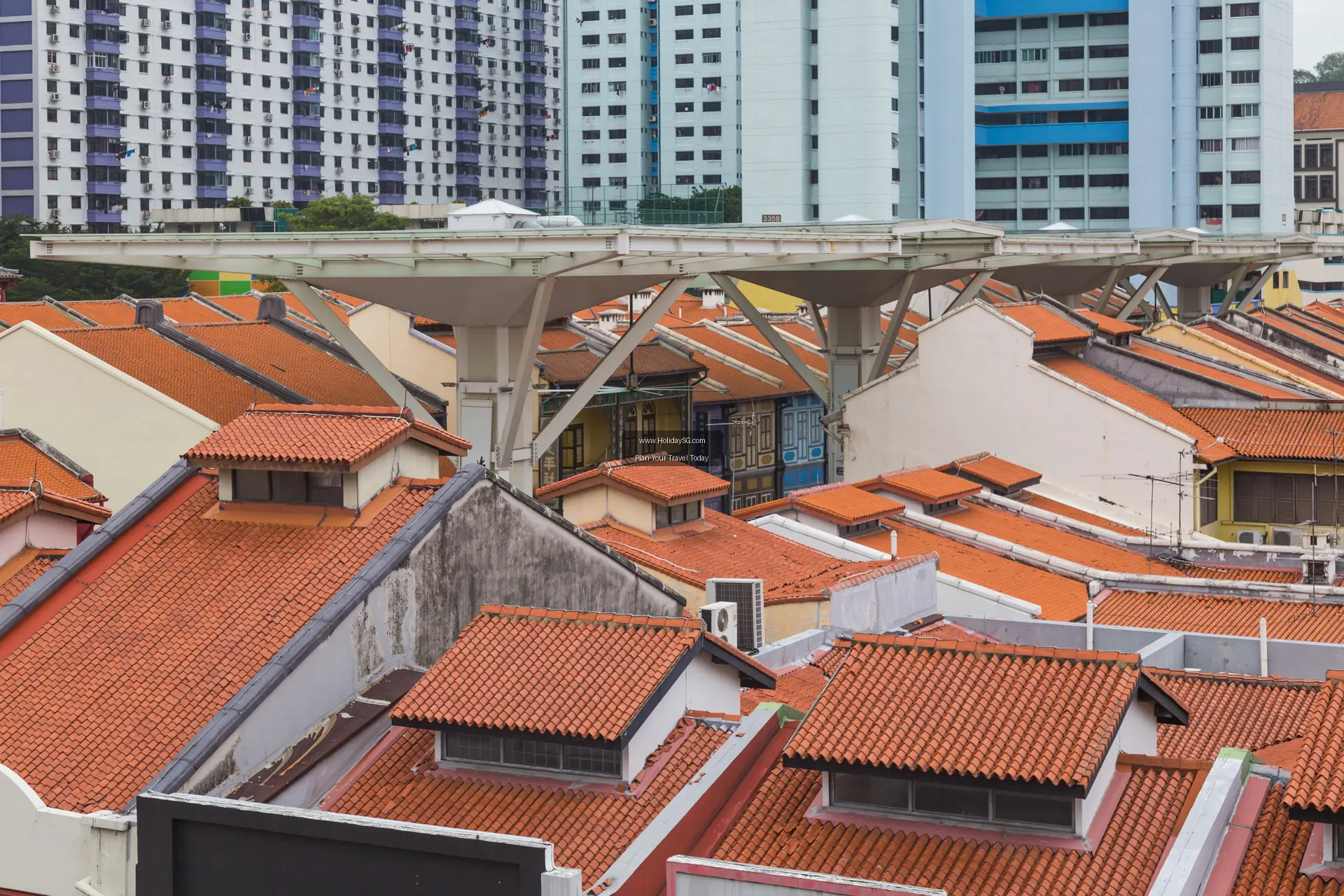
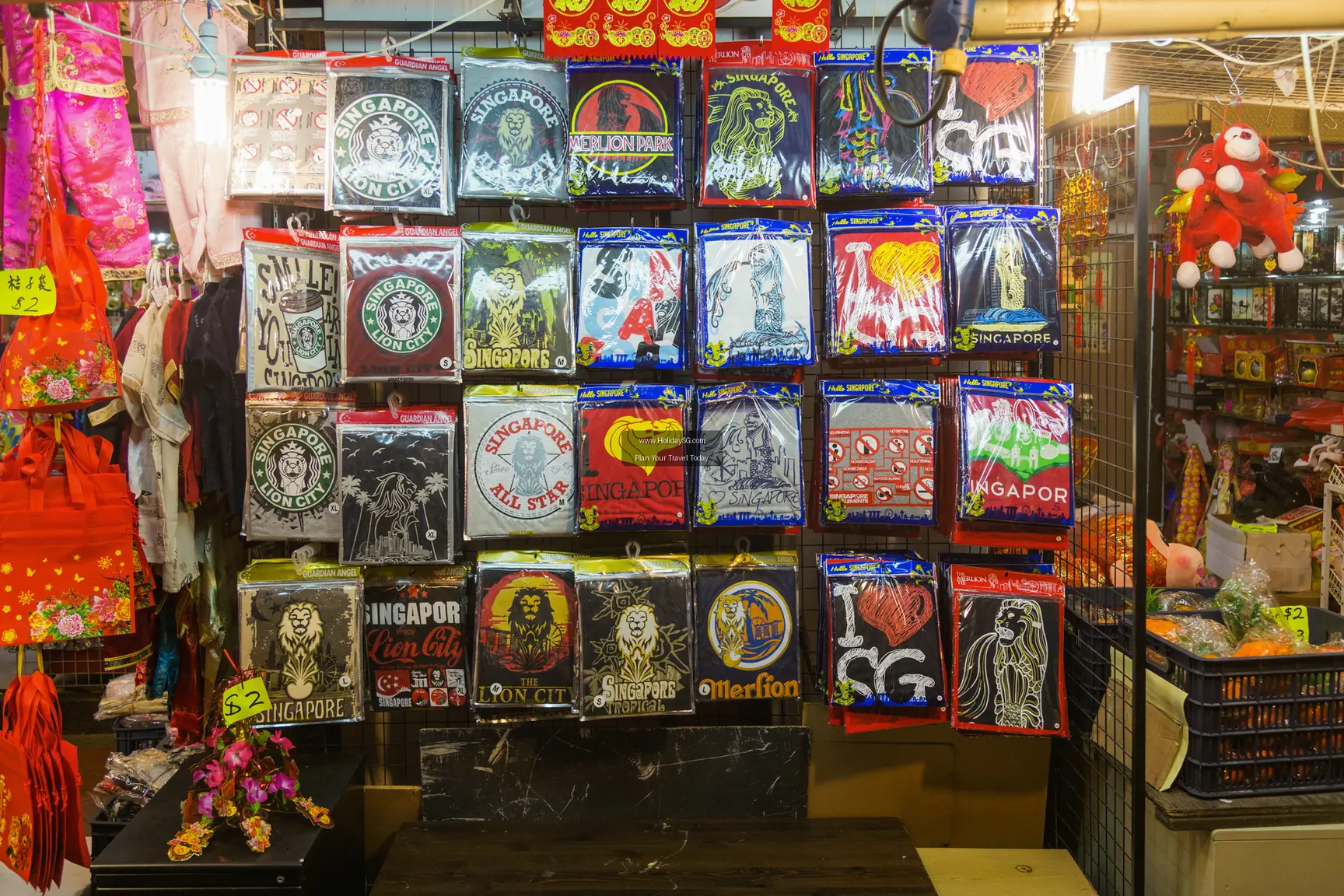
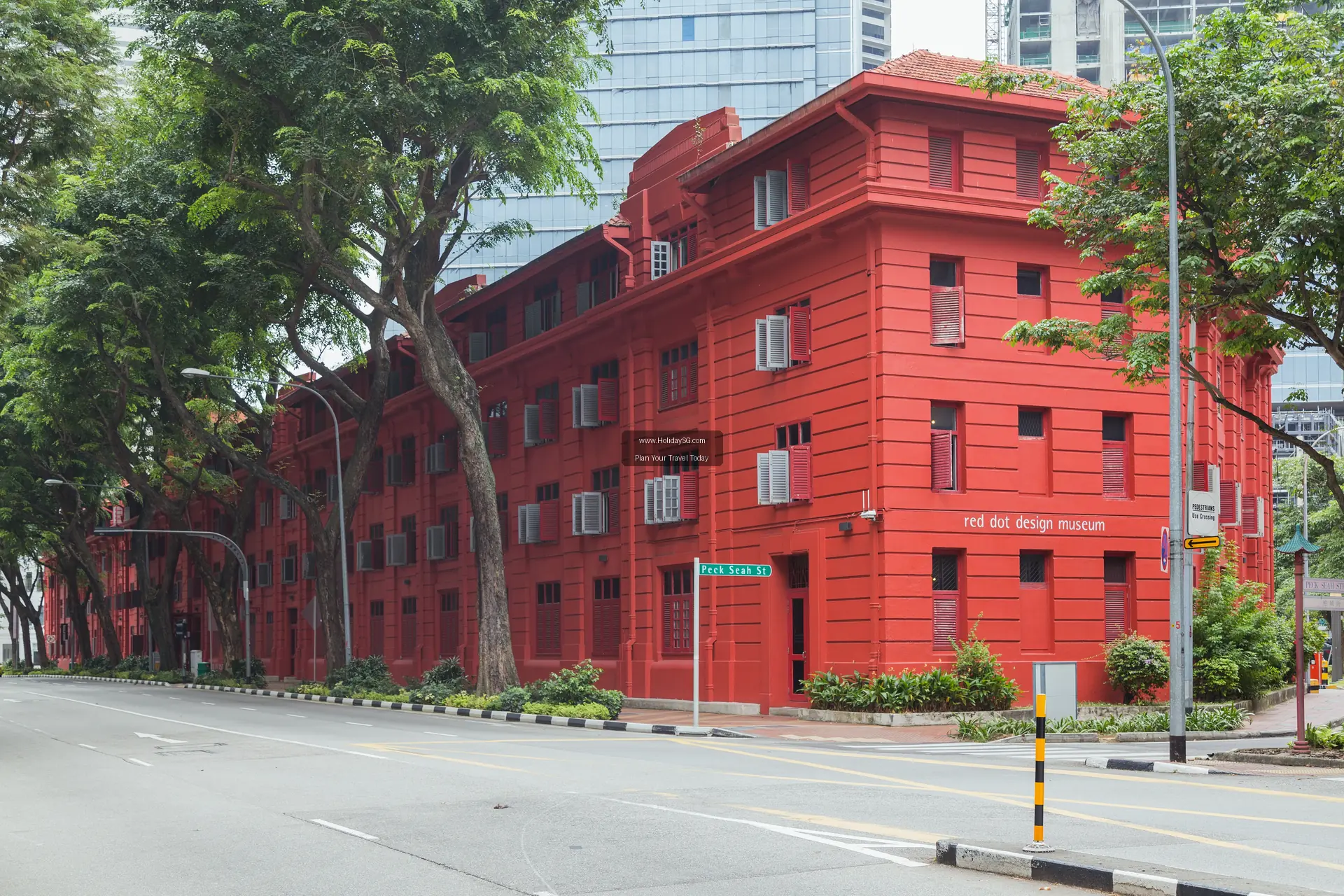
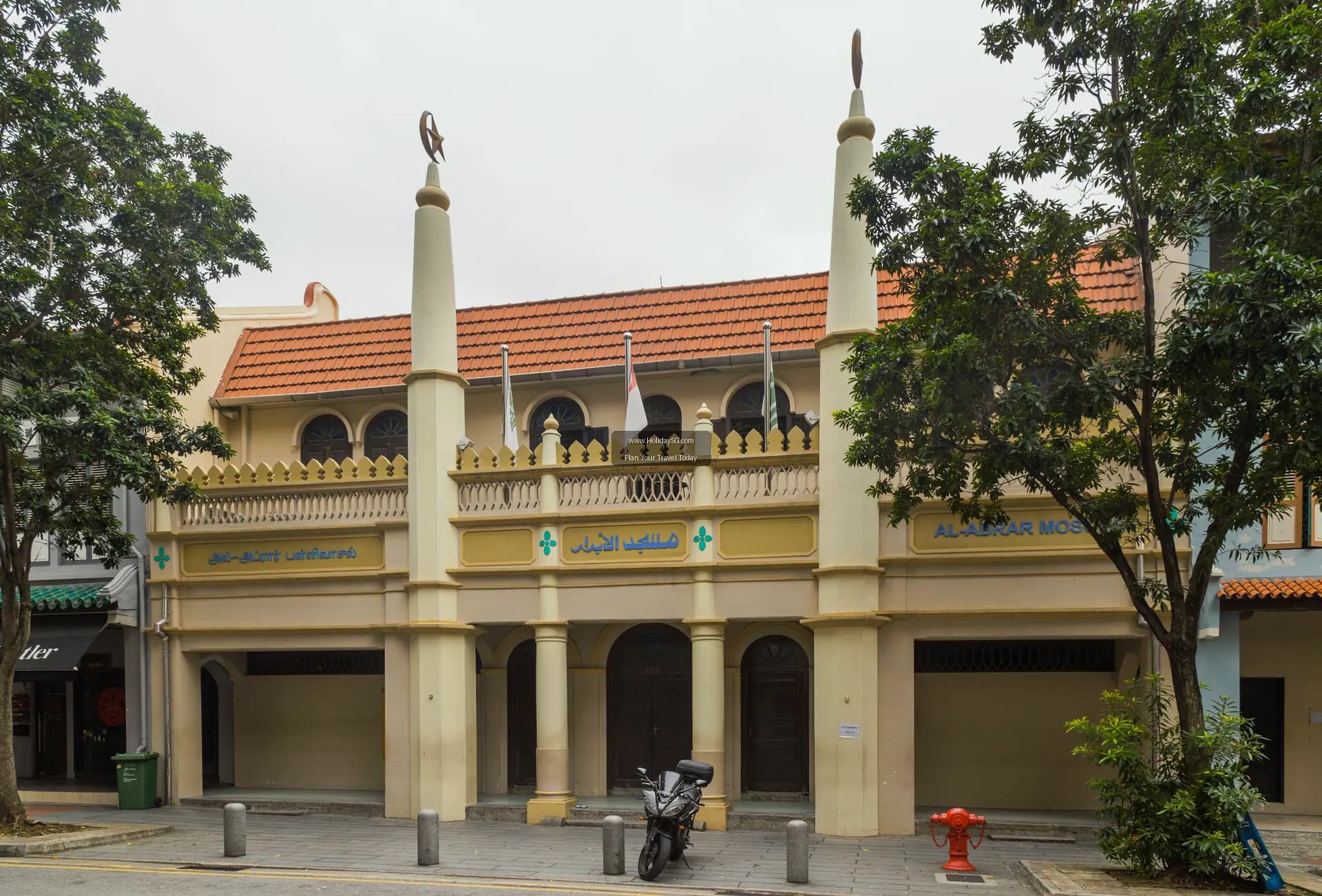
Chinatown: The Traditional Epicentre
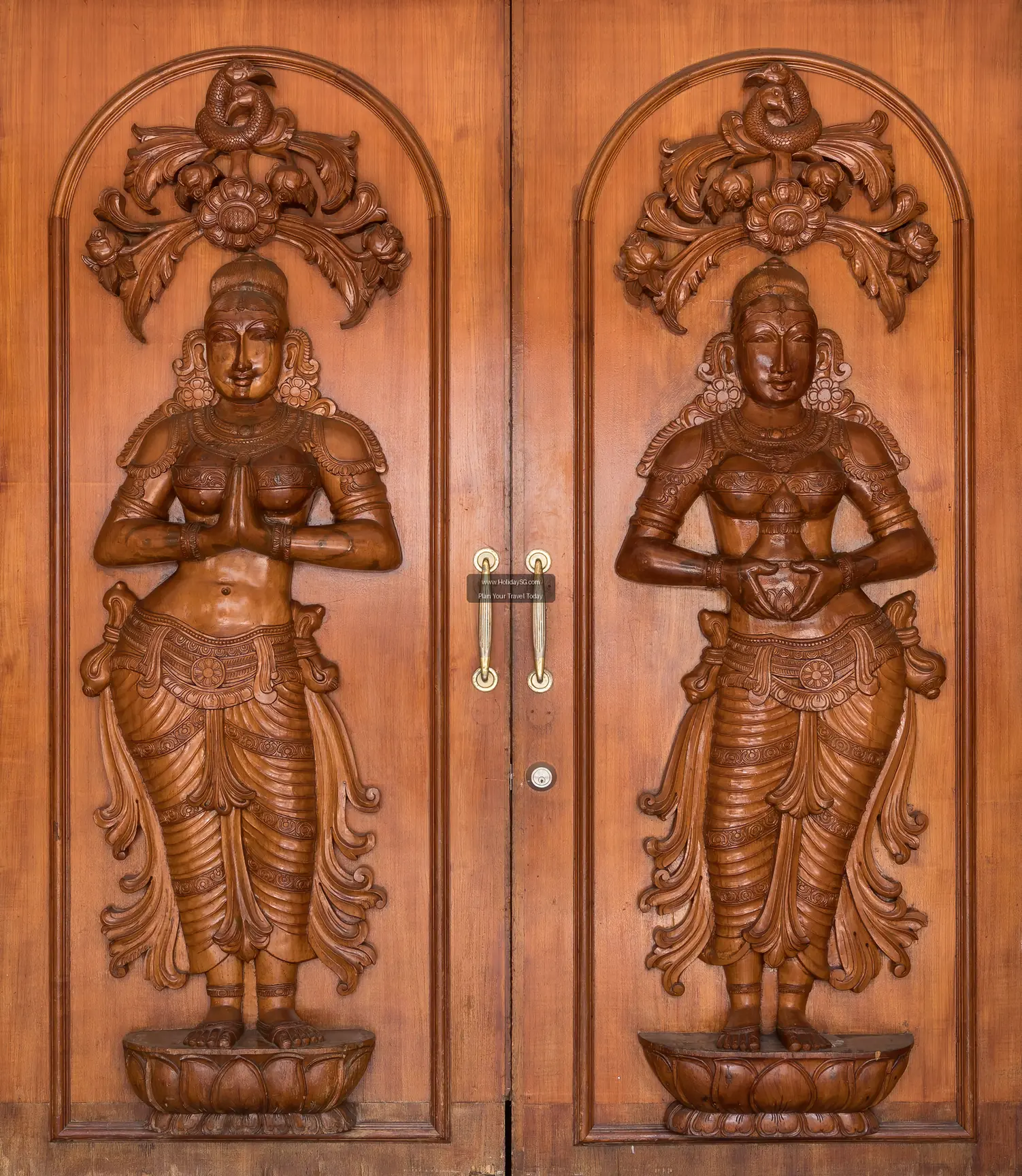
This is the undisputed heart of the celebrations. Streets are adorned with massive, intricate lantern installations and thousands of red decorations. The Chinatown Street Market becomes a bustling bazaar selling everything from symbolic kumquat plants and festive sweets to new red attire. You’ll find traditional song and dance performances echoing through the streets. To truly savor the culinary side of this district, consider joining one of the many Singapore Food Tours at Chinatown Complex Hawker Center, which can guide you through the overwhelming array of festive treats.
Marina Bay & Gardens by the Bay: A Modern Spectacle
The city’s iconic skyline gets a festive makeover. The Supertree Grove at Gardens by the Bay is illuminated with stunning light shows synced to festive music. The promenade around Marina Bay Sands and the waterfront area features large-scale art installations and light displays that blend traditional motifs with futuristic design. This area offers a fantastic contrast to Chinatown’s heritage vibe.
Must-See Events & Attractions
River Hongbao: A Carnival at the Waterfront
Located at the Marina Bay Floating Platform, River Hongbao is a massive fairground experience. Expect a dazzling fireworks display on opening night, massive lantern sculptures, traditional performances, and rows of food stalls selling festive snacks and games. It’s a family-friendly carnival that perfectly captures the communal spirit of the season.
The Chingay Parade: Asia’s Largest Street Party
Held over one or two nights before the holiday, the Chingay Parade is an absolute must-see. This spectacular event features over 2,000 performers, elaborate floats, and dance troupes from Singapore and around the world, all parading through the heart of the city. It’s a kaleidoscope of colour, music, and cultural expression that you won’t forget.
Navigating the Festivities: Practical Tips
Ready to go? Book Shirakawa Day Tour From Nagoya One Day Tour Of Shirakawa Go With Chinese English And Japanese Guide with HolidaySG.
Crowds, Transport, and Closures
Be prepared for immense crowds, especially at Chinatown and event venues. Public transport, particularly the MRT, is by far your best option. Road closures around event sites make driving extremely difficult. Many shops, especially in traditional areas, and some hawker centres will close for the first two days of the Lunar New Year. Plan your meals and souvenir shopping ahead of time. Accommodation prices surge dramatically—often two to three times the usual rate—so booking your hotel 3-6 months in advance is non-negotiable.
Dress for the Occasion
Comfort is key as you’ll be doing a lot of walking, so wear your most comfortable shoes. It’s also traditional and fun to wear red or other bright colours to match the festive decor. Some upscale events or dinners might have a smart casual dress code.
A Taste of the Festive Season
Chinese New Year in Singapore is a feast for the senses, especially taste. Look out for iconic festive snacks: buttery bak kwa (sweet dried meat jerky), crispy love letters (wafer rolls), and auspicious pineapple tarts, where the word for pineapple in dialect sounds like “fortune arrives.” For a communal experience, many families and restaurants serve yusheng, a raw fish salad that is ceremoniously tossed high in the air with shouts of “Lo Hei!” (tossing up good fortune). You can find these treats everywhere, from high-end hotel buffets to neighbourhood bakeries and hawker centres. Don’t leave without trying a quintessential Singaporean dish like chilli crab, available year-round but perfect for a festive meal; you could even try a chilli crab mantou combination.
Understanding the Customs
Ready to go? Book Shirakawa Day Tour From Nagoya One Day Tour Of Shirakawa Go With Chinese English And Japanese Guide with HolidaySG.
The colour red symbolises luck and prosperity, which is why it’s everywhere. Red lanterns ward off bad spirits, and spring couplets with poetic phrases are pasted on doorframes for good fortune. A key tradition is the giving of ang bao (red packets) filled with money from married couples to children and unmarried younger relatives. As a tourist, you will not be expected to participate, but it’s courteous to be aware and not to open an ang bao in front of the giver. When visiting homes, it’s polite to bring gifts like mandarin oranges or pineapple tarts.
Is This a Good Time to Visit Singapore?
Weighing the Pros and Cons
The Pros: You’ll experience Singapore at its most culturally vibrant. The energy is infectious, the decorations are stunning, and it’s a fantastic opportunity to witness living traditions. The variety of events means there is something for everyone.
The Cons: The downsides are significant: record-breaking crowds, peak pricing on flights and hotels, and temporary closures of some beloved local spots. The city is busier than at any other time of year.
Verdict: If you thrive on festival atmosphere, don’t mind planning around crowds, and book well in advance, Chinese New Year is an incredible time to visit. If you prefer a quieter, more budget-friendly trip to explore Singapore’s other facets, consider visiting in the shoulder seasons. You can always enjoy the city’s world-class attractions and food scene, much like we cover in our general guide to Singapore’s best hawker centres.
Recommended HolidaySG Tours
Ready to go? Book Shirakawa Day Tour From Nagoya One Day Tour Of Shirakawa Go With Chinese English And Japanese Guide with HolidaySG.
Enhance your festive Singapore trip with these curated experiences:
- Singapore Food Tours Chinatown Complex Hawker Center
- Singapore Flyer Ticket Captain Explorer Dukw Tour
- Singapore Chilli Crab Mantou
Conclusion: A Prosperous Start in the Lion City
Celebrating Chinese New Year in Singapore is an unforgettable immersion into a culture that honours its past while brilliantly illuminating its present. By planning ahead, embracing the crowds with good humour, and diving into the food and festivities, you can experience the heart and soul of this incredible annual transformation. May your trip be filled with joy, good fortune, and maybe even a little prosperity from a well-tossed yusheng. Gong Xi Fa Cai!
Ready to explore more of Asia? Enhance your trip with our Shirakawa Day Tour From Nagoya One Day Tour Of Shirakawa Go With Chinese English And Japanese Guide for a unique cultural experience in Japan.
Book with HolidaySG online for Shirakawa Day Tour From Nagoya One Day Tour Of Shirakawa Go With Chinese English And Japanese Guide, Singapore Food Tours Chinatown Complex Hawker Center, Singapore Flyer Ticket Captain Explorer Dukw Tour.
Frequently Asked Questions
Where can I book tickets for the Chinese New Year celebrations and related activities?
You can book tickets and tours for various Chinese New Year activities in Singapore directly through these links:
For a festive food tour in Chinatown, book the Singapore Food Tours Chinatown Complex Hawker Center.
To get a panoramic view of the city’s CNY lights, you can book the Singapore Flyer Ticket Captain Explorer Dukw Tour.
Enjoy a festive meal with a classic dish like Singapore Chilli Crab Mantou.
Do foreigners (non-citizens) need a different ticket, price, or visa for Singapore?
Generally, attractions like the Singapore Flyer, Chinatown light-ups, and food tours have standard ticket prices that are the same for all visitors, regardless of citizenship. For entry into Singapore itself, visa requirements depend on your nationality. Many countries enjoy visa-free entry for short stays. It is essential to verify the current entry requirements, including visa needs, with the official Singapore government sources or your nearest Singapore embassy/consulate before you travel, as rules can change.
What is the best time to visit for Chinese New Year events?
The peak of the festivities is during the two public holidays (usually the first two days of the Lunar New Year) and the weekends before. For light-ups in Chinatown and other areas, the evenings are the most spectacular. For visiting temples or markets, early afternoons can be slightly less crowded than late evenings. The festive atmosphere is strong for about two weeks, from the lead-up to the end of the Lantern Festival.
How long should I spend in Singapore for Chinese New Year?
A trip of 4 to 5 days is ideal to experience the main events, explore the light-ups, visit key temples, and enjoy the city beyond the festivities. This allows time for Chinatown, Gardens by the Bay, and other attractions without feeling rushed.
What are the typical costs for Chinese New Year activities in Singapore?
Costs can vary. Many public events like light displays and street performances are free. Food tours, like the Chinatown Complex Food Tour, have a set price. Attraction tickets (e.g., Singapore Flyer), dining, and shopping will be additional. Budget for a moderate to high cost of living during this peak season.
How do I get to Chinatown and other festive areas?
Singapore’s MRT (train) system is the most efficient way. Chinatown Station (on the North-East and Downtown Lines) drops you right in the heart of the action. Other areas like Marina Bay or Kampong Glam are also well-connected by MRT. Buses and ride-hailing services are readily available.
Is the Chinese New Festival in Singapore family-friendly?
Absolutely. It’s a very family-oriented celebration. Children enjoy the colorful decorations, lion and dragon dances, and festive snacks. The street bazaars and open spaces are generally safe and welcoming for families.
What should I pack or bring for the celebrations?
Comfortable walking shoes are a must as you’ll likely be exploring on foot. A light, breathable outfit is suitable for Singapore’s tropical weather, but bring a light jacket for overly air-conditioned malls. A portable power bank, camera, and a reusable water bottle are also recommended. If visiting temples, modest clothing (covering shoulders and knees) is respectful.
Are the events and venues accessible for visitors with mobility challenges?
Major public spaces and modern attractions like the Singapore Flyer are wheelchair accessible. However, some older streets in heritage districts like Chinatown may have uneven surfaces. Public transport (MRT) is generally accessible. It’s best to check specific attraction websites for detailed accessibility information.
Is it safe to travel to Singapore during Chinese New Year?
Singapore is exceptionally safe, even during large festivals. Crowds are well-managed, and public security is high. Standard precautions apply: be mindful of your belongings in crowded areas, keep hydrated, and follow the instructions of officials or event staff.
What will the weather be like?
Singapore is hot and humid year-round. Chinese New Year (January/February) falls during the northeast monsoon season, which typically means more rainfall. Expect occasional afternoon showers, warm temperatures (around 25-31°C), and high humidity. Pack an umbrella!
Are there any local etiquettes or customs I should know?
It’s polite to receive and give items, especially red envelopes (hongbao), with both hands. When visiting temples, be respectful and follow any guidelines. Tossing yu sheng (prosperity salad) is a common custom at restaurants; joining in is a fun way to participate.
What are the must-see festive attractions besides Chinatown?
The Marina Bay area features stunning light shows and often has festive decor. The River Hongbao festival, usually held at The Float @ Marina Bay, is a massive event with lanterns, games, and performances. Gardens by the Bay may have special floral displays.
What festive food should I try?
Look for pineapple tarts, love letters (kueh kapit), bak kwa (barbecued meat slices), and yu sheng. Of course, classic Singaporean dishes like chilli crab with mantou are always a highlight.
Can I buy souvenirs and festive decorations?
Yes! The Chinatown Street Market is packed with stalls selling everything from traditional tea sets and silk clothing to modern souvenirs and festive trinkets. Expect to haggle a bit at street stalls.
What’s the best way to see all the light-ups?
Walking is ideal for exploring the intricate light tunnels and decorations in Chinatown. For a grander view, you can take the Singapore Flyer for a bird’s-eye perspective of the illuminated city.
Are there any events for the Lantern Festival (end of CNY)?
Yes, the Lantern Festival marks the end of celebrations. River Hongbao and Gardens by the Bay often have extensive lantern displays and activities extending into this period. Chinatown also hosts a closing street parade.
Is photography allowed at events and temples?
Photography is generally allowed and encouraged at outdoor light-ups, street markets, and public performances. In temples, be respectful—avoid using flash and always check for any “no photography” signs in specific prayer halls or areas.
How crowded will it be, and how can I avoid the worst crowds?
It will be very crowded, especially on festive evenings and weekends. To avoid the worst, visit popular spots like Chinatown or Marina Bay on a weekday evening if possible. Arriving early in the day for temple visits can also help you beat the peak crowds.
Are there any vegetarian or halal food options during the festival?
Yes. Many traditional CNY snacks are naturally vegetarian. Singapore’s diverse food scene means you’ll find vegetarian stalls at hawker centres and vegetarian restaurants in Chinatown. For halal food, you can find many options in nearby areas like Kampong Glam or at certified stalls throughout the city. It’s always best to check with vendors directly about ingredients.
What things cost in Singapore
Live HolidaySG prices for the experiences in this guide, so you can sanity-check a budget before you commit.
| Experience | Where | From price |
|---|---|---|
| Shirakawa Day Tour from Nagoya: One-day tour of Shirakawa-go w... | Nagoya | From S$50.03 |
| #INSTAWALK: BUGIS, WATERLOO, KAMPONG GLAM | Singapore | From S$45.32 |
| +Twelve | Singapore | From S$127.05 |
| ABOUT MR. LEE | Singapore | From S$66.17 |
| Harry Potter Visions of Magic | Singapore | From S$41.79 |
| Action Motion | Singapore | From S$37.07 |
| Adventure HQ | Singapore | From S$65.55 |
| Alphard / Vellfire | Singapore | From S$34.43 |