
Complete hong kong travel guide: essential tips for first-time vi is exactly what this guide covers.
This complete Hong Kong travel guide provides essential tips for first-time visitors to navigate the city’s dazzling fusion of East and West, where soaring skyscrapers meet ancient temples, and Michelin-starred street food stalls sit beneath luxury boutiques. For first-time visitors, the city’s energy can be both exhilarating and overwhelming. This guide cuts through the noise to give you the essential, practical tips you need to navigate, eat, and explore like a pro, ensuring your trip is smooth from touchdown to takeoff.
TL;DR: Hong Kong is an incredibly accessible and rewarding destination for first-timers. Use your Visa-free entry, load up an Octopus Card for effortless transport, and dive into the incredible food scene. Be prepared for possible typhoons in summer and book accommodation in advance to secure the best value.
Getting Your Planning Right
Visa & Entry Requirements
One of the easiest parts of your planning is sorting your entry permit. Holders of passports from Singapore, the US, UK, most EU countries, and many others can enter Hong Kong visa-free for periods ranging from 7 to 180 days. However, it is absolutely crucial to double-check the latest requirements for your specific nationality on the official Hong Kong Immigration Department website before you book.
Timing Your Trip & Weather
Choosing when to visit can significantly impact your experience. The sweet spot is October to December, offering comfortable temperatures, lower humidity, and clear skies perfect for sightseeing. Spring (March-April) is also pleasant but comes with a higher chance of rain. Be aware that typhoon season runs from June to October. While the city has an excellent warning system, a direct hit can shut down transport and attractions. Monitor local weather apps and broadcasts if you’re traveling during these months.
Budget & Money Matters
Hong Kong can cater to all budgets, but it’s wise to plan. A mid-range daily budget (covering accommodation, food, and transport) typically falls between $50-$100 USD per person. HKD (Hong Kong Dollar) is the Hong Kong Dollar (HKD). While credit cards are widely accepted in hotels, malls, and larger restaurants, you will need cash for many smaller eateries, market stalls, and some taxis. ATMs are plentiful. For a smarter way to handle daily expenses, get an Octopus Card—more on that below.
Where to Stay
Book your accommodation well in advance, especially if visiting during peak seasons or public holidays. To balance cost and convenience, consider staying in Kowloon (like Tsim Sha Tsui or Mong Kok) or on Hong Kong Island (like Causeway Bay or Wan Chai). These areas offer excellent MTR access. While hotels can be pricier than in some other Asian cities, the value is often excellent given the location and amenities. For a deeper dive into neighborhoods, you might want to consult our guide to choosing the best area to stay in Hong Kong.
Mastering the Transport System
Ready to go? Book Private Tour Of Hong Kong First Timers with HolidaySG.
The MTR: Your Urban Lifeline
The Mass Transit Railway (MTR) is the backbone of Hong Kong. It’s fast, incredibly clean, efficient, and covers nearly all major tourist areas. Trains run frequently from early morning until around 1 a.m. English signage and announcements are standard, making it very user-friendly.
The Indispensable Octopus Card
Forget fumbling with coins. The rechargeable Octopus Card is your key to the city. You can use it to pay for the MTR, buses, ferries, minibuses, and even at convenience stores, supermarkets, and some vending machines. You can purchase one at any MTR station customer service counter and load it with credit. It’s a simple, cost-effective way to handle all your transit and minor purchases.
Ferries, Buses & Taxis
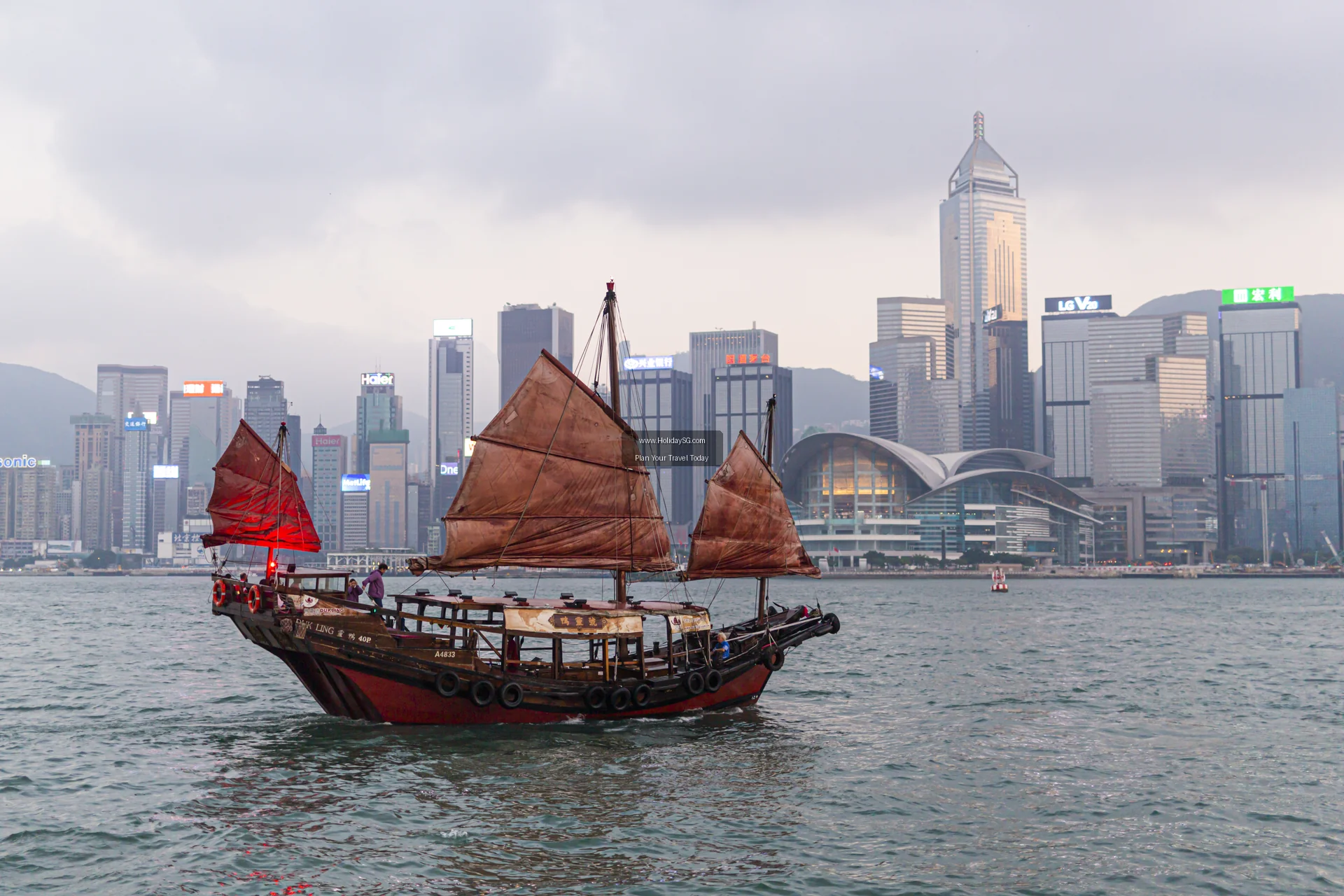
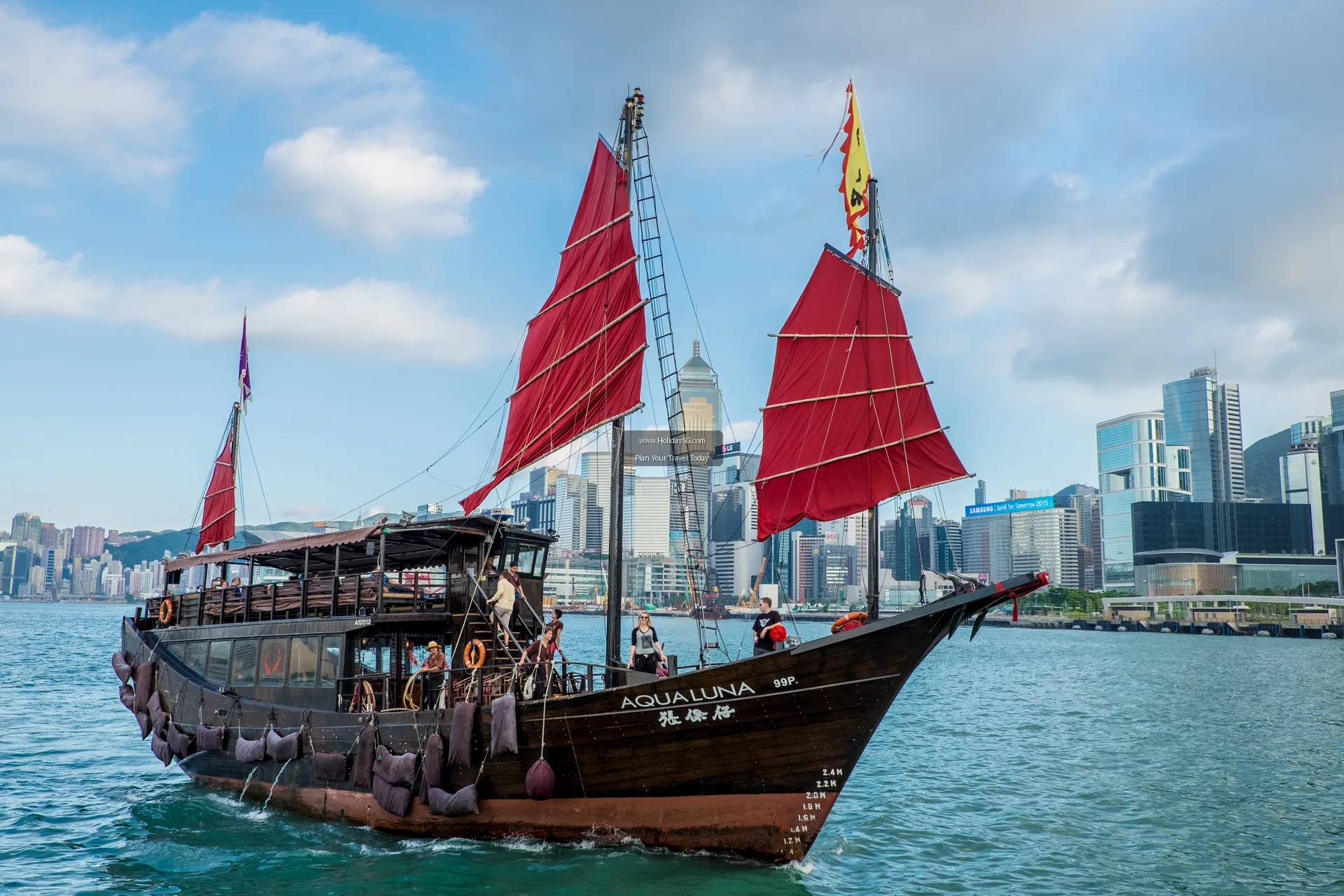
Beyond the MTR, Hong Kong has other iconic transport. The Star Ferry is a must-do experience, offering a stunning, low-cost harbour crossing between Hong Kong Island and Kowloon. Extensive bus networks reach areas the MTR doesn’t, and the red, urban taxis are plentiful. For a unique and unforgettable way to see the harbour skyline, consider a night cruise—check out options like the Star Chaser Luxury Yacht Night Cruise.
Staying Connected
Public Wi-Fi is available in many spots, including MTR stations and parks, but it can be spotty. For reliable and affordable data, your best bet is to pick up a local SIM card at the airport or any convenience store. This will give you data and a local number, which can be useful for ride-hailing apps.
Exploring the Iconic Sights
The View from the Top: Victoria Peak
The panoramic view of Victoria Harbour and the skyline from Victoria Peak is Hong Kong’s signature image. Take the historic Peak Tram up, explore the Sky Terrace 428, and wander the Peak Circle Walk for stunning vistas in every direction. Go in the late afternoon to see the city transition from day to night.
The Star Ferry Crossing
As mentioned, this isn’t just transport; it’s an attraction. A few dollars on the Star Ferry buys you a 10-minute journey with breathtaking, front-row views of the towering skyscrapers of both Hong Kong Island and Kowloon. It’s a humble, historic, and utterly magical experience.
Serenity Amidst the City: Big Buddha & Po Lin Monastery
Escape the urban rush with a trip to Lantau Island. Here, you’ll find the Tian Tan Buddha (Big Buddha), a 34-meter bronze statue seated in majestic tranquility. Climb the 268 steps for a close-up view and visit the beautifully ornate Po Lin Monastery at its base. The journey on the Ngong Ping 360 cable car (especially the crystal-bottomed cabin) is an adventure in itself.
The Pulse of the City: Mong Kok’s Markets
To feel Hong Kong’s frantic energy, head to Mong Kok. This district is a dense, vibrant tapestry of neon signs, bustling markets, and endless shopping. Don’t miss the Ladies’ Market for clothes and accessories, the Goldfish Market, and the Flower Market. It’s a sensory overload in the best possible way, especially at night.
The Unmissable Food Scene
Ready to go? Book Private Tour Of Hong Kong First Timers with HolidaySG.
Essential Dishes to Eat
Eating is a national pastime in Hong Kong. Your must-try list should include:
- Dim Sum: Steamed shrimp dumplings (har gow), pork buns (cha siu bao), and rice noodle rolls (cheung fun). Go for a traditional tea house experience.
- Roast Goose: Crispy-skinned, succulent, and served with rice or noodles.
- Wonton Noodles: Silky noodles in a clear, savory broth topped with plump shrimp wontons.
- Egg Tarts: A flaky, buttery crust holding a sweet, custard center. Perfect with milk tea.
The Street Food Phenomenon
Don’t be surprised to find humble stalls with Michelin stars. The city is famous for its Michelin-starred street food, like the roasted meats at Yat Lok or wonton noodles at Mak’s. Explore the street food stalls in areas like Sham Shui Po or near the Wan Chai heritage trail for some of the most authentic and affordable bites.
Navigating Local Eateries
Many popular local restaurants use a ticketing or number system. When you enter, grab a ticket from the machine or find a seat and note the number on it—a staff member will eventually come to you. Menus are often only in Chinese, so using translation apps or pointing at pictures from other customers’ tables is perfectly acceptable.
Safety, Etiquette & Practical Tips
A Very Safe City
Hong Kong has a very low crime rate, and it is generally very safe for tourists, even at night. Standard precautions apply: watch your belongings in crowded markets and be aware of your surroundings.
Preparing for Typhoons
If you are visiting between June and October, a typhoon is a possibility. The city’s system is incredibly well-organized. If a signal 8 or above is raised, public transport will stop, and businesses will close. Stay indoors, follow official updates, and see it as part of the adventure—everything springs back to normal very quickly after it passes.
Local Customs & Etiquette
The people are generally polite and welcoming. Show respect by:
- Queuing orderly for everything.
- Speaking quietly on public transport.
- Not tipping in restaurants (a 10% service charge is usually included).
- Carrying business cards if you’re there for work.
Packing & Final Essentials
Ready to go? Book Private Tour Of Hong Kong First Timers with HolidaySG.
What to Pack
- Lightweight, breathable clothing for the heat and humidity.
- A light jacket or sweater for aggressive air conditioning indoors.
- Comfortable walking shoes—you will walk a lot on hilly streets.
- A portable umbrella for sudden rain showers.
- Your passport (with sufficient validity) and any required documents.
- A power adapter (Hong Kong uses a unique three-pin plug).
Final Recap
Your Hong Kong adventure awaits. Secure your visa-free entry, load up your Octopus Card, and prepare for a sensory feast. Whether you’re there for the views, the food, or the vibrant street life, this city delivers. For a curated introduction to the highlights, consider a guided option like the Private Tour Of Hong Kong First Timers.
Recommended HolidaySG Tours
- Private Tour Of Hong Kong First Timers
- Limited Time 55% Off Star Chaser Luxury Yacht Night Cruise On Victoria Harbour In Hong Kong Transport Passes
- Limited Time 50% Off Hong Kong Luxury Yacht Dream Cruise Victoria Harbour Night Sightseeing Transport Passes
- Hong Kong Wan Chai Historical Heritage Trail One Day Tour Exquisite Small Group Old Wan Chai Post Office Yuxu Palace
Ready to dive into Hong Kong’s vibrant culture and sights? Start your adventure with confidence by checking out our Private Tour Of Hong Kong First Timers, designed specifically for first-time visitors.
Book these with HolidaySG:
Book with HolidaySG online for Private Tour Of Hong Kong First Timers, Limited Time 55 Off Star Chaser Luxury Yacht Night Cruise On Victoria Harbour In Hong Kong Transport Passes, Limited Time 50 Off Hong Kong Luxury Yacht Dream Cruise Victoria Harbour Night Sightseeing Transport Passes.
Frequently Asked Questions
Where can I book this / what’s the link?
You can book various Hong Kong tours and activities through HolidaySG. For a private tour ideal for first-timers, use this link: Private Tour Of Hong Kong First Timers. For luxury yacht night cruises on Victoria Harbour, check out Star Chaser Luxury Yacht Night Cruise or Luxury Yacht Dream Cruise. For adventure, consider Yacht Charter Wake Surfing at Repulse Bay, and for a cultural deep-dive, the Wan Chai Historical Heritage Trail is excellent.
Do foreigners (non-citizens) need a different ticket, price, or visa for Hong Kong?
Generally, many nationalities can enter Hong Kong visa-free for short stays (e.g., 7 to 180 days depending on your passport), and there are no different tickets or prices for foreigners at most attractions—tourists pay the same rates. However, visa requirements vary widely, so it’s essential to check the official Hong Kong Immigration Department website or consult your local consulate for the most accurate and up-to-date information before traveling.
What is the best time (season, or time of day for the site/activity) to go?
The best seasons to visit Hong Kong are autumn (October to December) and spring (March to April), with comfortable temperatures and lower humidity. Summers are hot and humid, while winters are mild but can be cool. For activities like the Star Ferry or Victoria Harbour cruises, evening times offer spectacular views of the city lights. For hiking or outdoor sites, mornings are ideal to avoid afternoon heat and rain.
How many days should I spend in Hong Kong?
A typical first-time visit to Hong Kong lasts 3 to 5 days, allowing you to see major attractions like Victoria Peak, Disneyland, and local markets. If you want to explore more deeply or take day trips to places like Macau, consider extending your stay to a week.
What are the typical costs for a trip to Hong Kong?
Hong Kong can be moderately expensive. Budget travelers might spend around SGD 100-150 per day on accommodation, food, and transport. Mid-range costs could be SGD 200-300, and luxury options go higher. Factor in additional costs for attractions, shopping, and dining, which can add up quickly.
How do I get to Hong Kong from Singapore?
Direct flights from Singapore to Hong Kong take about 4 hours and are offered by airlines like Singapore Airlines, Cathay Pacific, and budget carriers. Hong Kong International Airport is well-connected to the city center via the Airport Express train, which takes around 24 minutes.
Is Hong Kong family-friendly?
Yes, Hong Kong is very family-friendly with attractions like Hong Kong Disneyland, Ocean Park, and interactive museums. The efficient public transport system makes it easy to navigate with children, and many restaurants offer kid-friendly menus and high chairs.
What should I pack for a trip to Hong Kong?
Pack light, breathable clothing for summer, and layers for cooler months. Comfortable walking shoes are a must, as you’ll likely explore on foot. Don’t forget an umbrella for rain, sunscreen, a portable charger, and any necessary medications or adapters.
Is Hong Kong accessible for travelers with disabilities?
Hong Kong has made strides in accessibility, with many MTR stations, buses, and major attractions equipped for wheelchair users. However, some older areas, steep hills, and stairs can be challenging. It’s advisable to check specific venues in advance and use resources like the Access Hong Kong guide for detailed information.
How safe is Hong Kong for tourists?
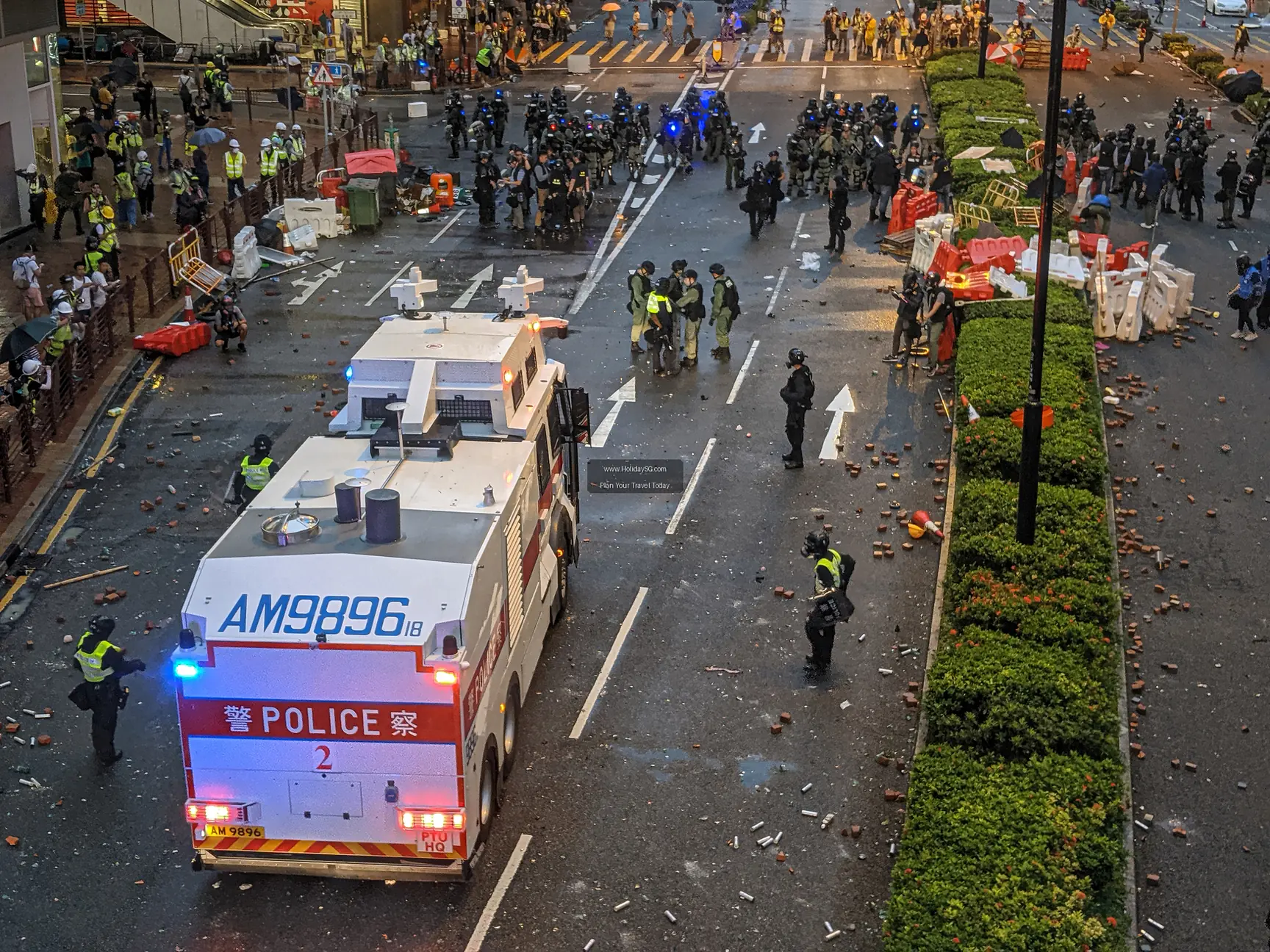
Hong Kong is generally safe for tourists, with a low crime rate and reliable public transport. Exercise normal precautions like safeguarding belongings in crowded areas and avoiding isolated places at night. Stay informed about local laws and any potential protests or demonstrations.
What is the weather like in Hong Kong throughout the year?
Hong Kong has a subtropical climate. Summers (June to August) are hot and humid with temperatures around 26-33°C and frequent rain. Winters (December to February) are mild, around 15-20°C, with occasional cold fronts. Spring (March to April) and autumn (October to December) are the most pleasant seasons with moderate temperatures and lower humidity.
What are some local etiquette tips for Hong Kong?
Be polite and respectful; avoid pointing with your finger and use an open hand instead. Tipping is not mandatory but appreciated for good service, usually around 10%. When dining, wait for the eldest to start eating first in traditional settings, and avoid sticking chopsticks upright in rice, as it’s associated with funerals.
What are must-try foods in Hong Kong?
Hong Kong is a food paradise. Try dim sum at a traditional restaurant, roast goose from a specialist shop, egg tarts for dessert, and street food like fish balls and stinky tofu from markets such as Temple Street Night Market or Dai Pai Dongs.
What are the top attractions in Hong Kong?
Top attractions include Victoria Peak for panoramic views, the Star Ferry for harbor crossings, Tian Tan Big Buddha on Lantau Island, and bustling markets like Ladies’ Market and Temple Street Night Market. Don’t miss the Avenue of Stars and Hong Kong Disneyland for family fun.
How do I get around Hong Kong using public transport?
Hong Kong’s public transport is efficient and affordable. Use the MTR (subway), buses, trams, and ferries. Get an Octopus Card for convenient payment across all modes; it’s available at MTR stations and convenience stores.
Are there any cultural norms I should be aware of?
Yes, respect for elders is important in Hong Kong culture. Avoid public displays of affection. When receiving business cards, take them with both hands and read them before putting them away. In temples, dress modestly and follow local customs, such as removing shoes if required.
What are some day trips from Hong Kong?
Popular day trips include Macau for its casinos and Portuguese heritage, Shenzhen in mainland China for shopping and theme parks, and the New Territories for hiking and rural scenery like the Sai Kung area or Tai O fishing village.
Is Hong Kong expensive compared to other destinations?
Compared to Singapore, Hong Kong has similar costs for food and transport, but accommodation can be pricier due to high demand. Overall, it’s on the higher end for Asia but offers good value for the diverse experiences available.
What is the best way to exchange currency in Hong Kong?
HKD (Hong Kong Dollar) is the Hong Kong Dollar (HKD). Exchange money at banks, licensed money changers, or ATMs for convenience. ATMs are widely available, and credit cards are accepted in most places. Avoid exchanging at airports for better rates.
Do I need travel insurance for Hong Kong?
While not mandatory, travel insurance is highly recommended for any trip to Hong Kong to cover medical emergencies, trip cancellations, or lost luggage. Ensure your policy includes coverage for activities you plan to do and check for any specific requirements.
What things cost in Hong Kong
Live HolidaySG prices for the experiences in this guide, so you can sanity-check a budget before you commit.
| Experience | Where | From price |
|---|---|---|
| Open-top bus: Hong Kong open-top sightseeing night tour double... | All Cities | From S$25.09 |
| Hong Kong Skyline Tour Victoria Harbour Cruise Transport Passe... | Hong Kong | From S$17.00 |
| [Hong Kong Glamping] Long Coast Seasports | Camping, Caravanni... | Hong Kong | From S$40.84 |
| Hong Kong Special Sightseeing Victoria Harbour Night Cruise (9... | Hong Kong | From S$16.02 |
| [Official Ticket] Cotai Water Jet one-way Boat Ticket (Macau T... | Hong Kong | From S$36.93 |
| Hong Kong Ngong Ping 360 cable car ticket - standard cabin/Cry... | Hong Kong | From S$19.50 |
| LEGOLAND Discovery Centre Hong Kong | Hong Kong | From S$33.44 |
| Airport Private Transfer - Hong Kong International Airport to... | Hong Kong | From S$78.12 |