

Singapore is often celebrated for its futuristic skyline and seamless efficiency, but to visit and only see the steel and glass is to miss its soul. Beyond the gleaming towers lies a rich, multicultural tapestry woven from centuries of migration, trade, and tradition. The city-state is a vibrant mosaic of Malay, Chinese, Indian, and Peranakan cultures, each layer adding depth to its unique identity. This guide explores the best cultural experiences in Singapore, taking you beyond the modern façade to discover the living heritage, historic neighborhoods, and immersive experiences that reveal its true cultural heart.
Singapore’s cultural depth is found in its historic ethnic enclaves like Chinatown, Kampong Glam, and Little India, its world-class museums, and its vibrant festivals. For a short trip, a guided food tour offers the best quick immersion. Plan your budget, respect local etiquette at religious sites, and use the efficient MRT for easy exploration.
Must-Visit Cultural Institutions & Museums
The city’s museums are essential gateways to understanding its complex past. They don’t just display artifacts; they tell the compelling stories of the people and events that shaped the nation.
National Museum of Singapore
Start your journey at the National Museum of Singapore, the oldest in the city. Its Singapore History Gallery offers a comprehensive narrative from the 14th century to the present, using immersive multimedia displays. It’s the perfect primer for understanding the island’s transformation from a humble fishing village to a global metropolis.
Asian Civilisations Museum
Located by the scenic Singapore River, the Asian Civilisations Museum traces the rich artistic heritage of Asia. Explore galleries dedicated to trade routes, belief systems, and the ancestral cultures that have influenced Singapore. The permanent galleries provide a deep dive into the connections across the region.
Peranakan Museum
For a unique cultural lens, visit the Peranakan Museum (currently undergoing a refresh, but worth checking for reopening status). It explores the fascinating Peranakan or Straits-Chinese culture—a blend of Chinese migrants and local Malays that emerged during colonial times, known for its exquisite beadwork, vibrant porcelain, and distinct cuisine.
The Battlebox at Fort Canning
History enthusiasts should not miss The Battlebox at Fort Canning Park. This former British underground command centre is where the decision to surrender Singapore to the Japanese in 1942 was made. A guided tour here provides a dramatic and insightful look into the city’s wartime history.
Walking Through Living History: Ethnic Enclaves
Ready to go? Book Whisky Tours Experiences with HolidaySG.
The most vibrant cultural experiences are found in the city’s historic neighborhoods, where heritage is alive in the streets, shophouses, and daily life.
Chinatown
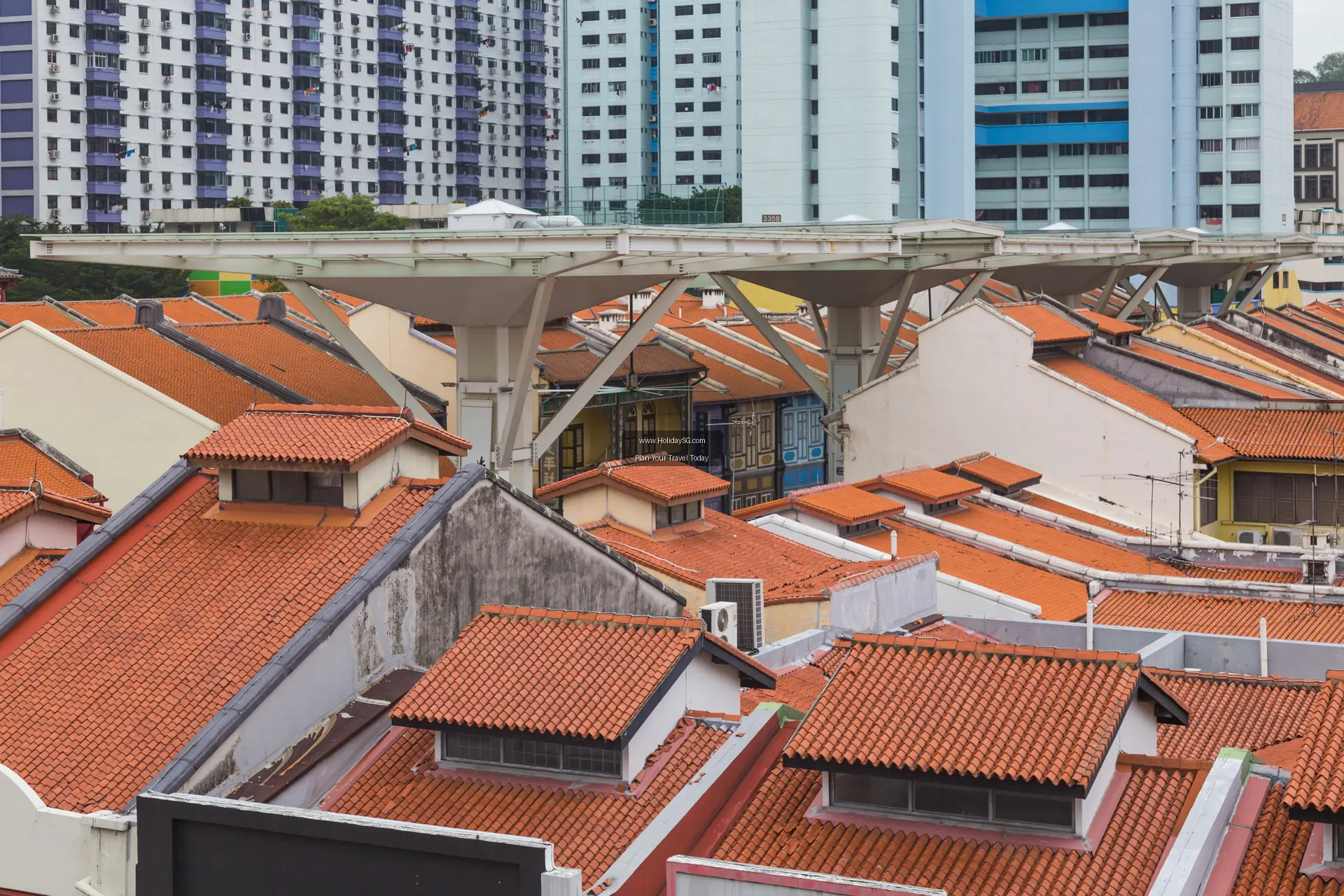
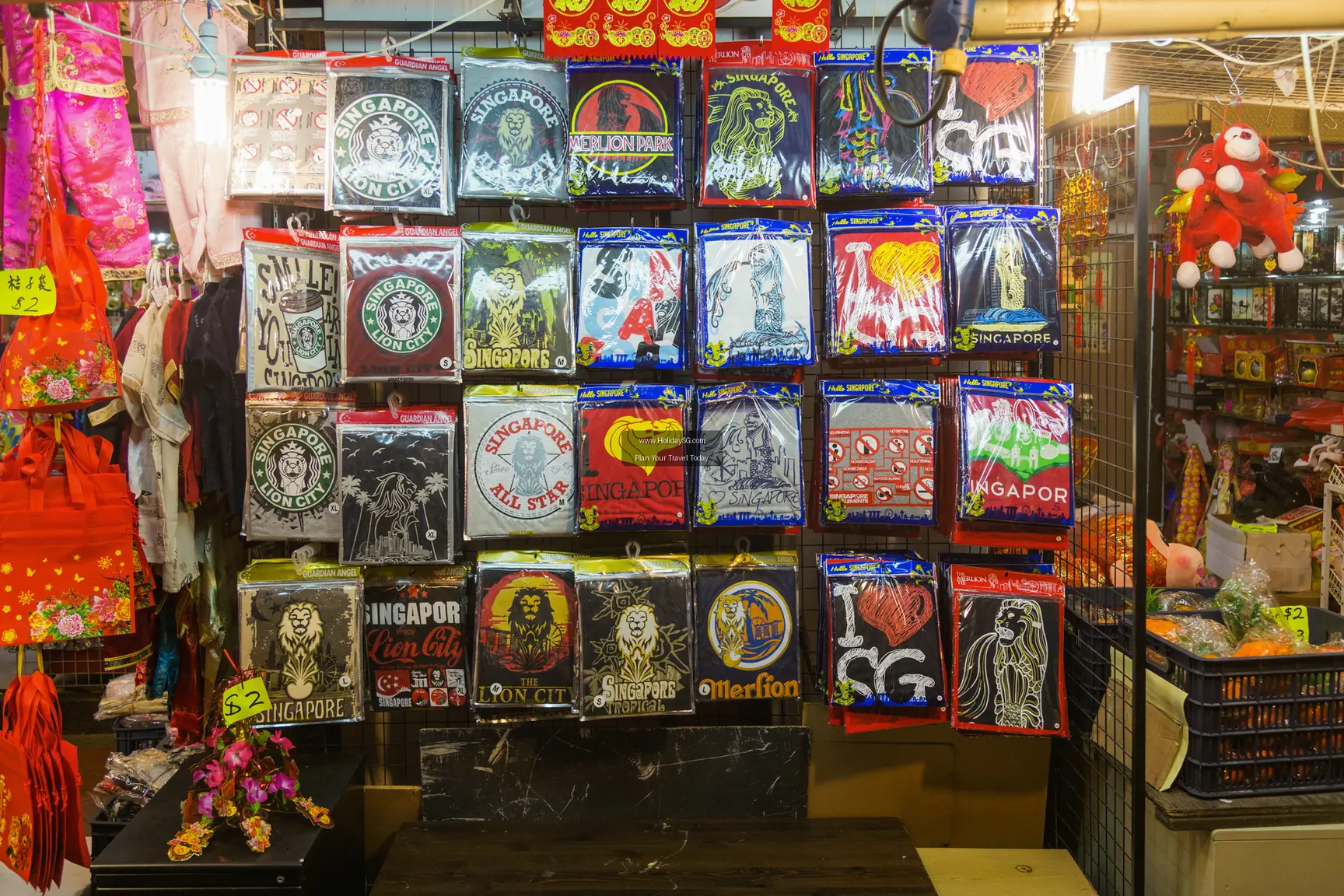
Wander through the bustling streets of Chinatown, where century-old temples sit alongside contemporary bars. Visit the majestic Buddha Tooth Relic Temple and Museum, explore the traditional medicine halls on South Bridge Road, and lose yourself in the labyrinth of shops at Chinatown Complex. To really understand the area, consider a Singapore DuckTour, which gives a fun overview from the land and water before you dive into the details on foot.
Kampong Glam (Arab Quarter)
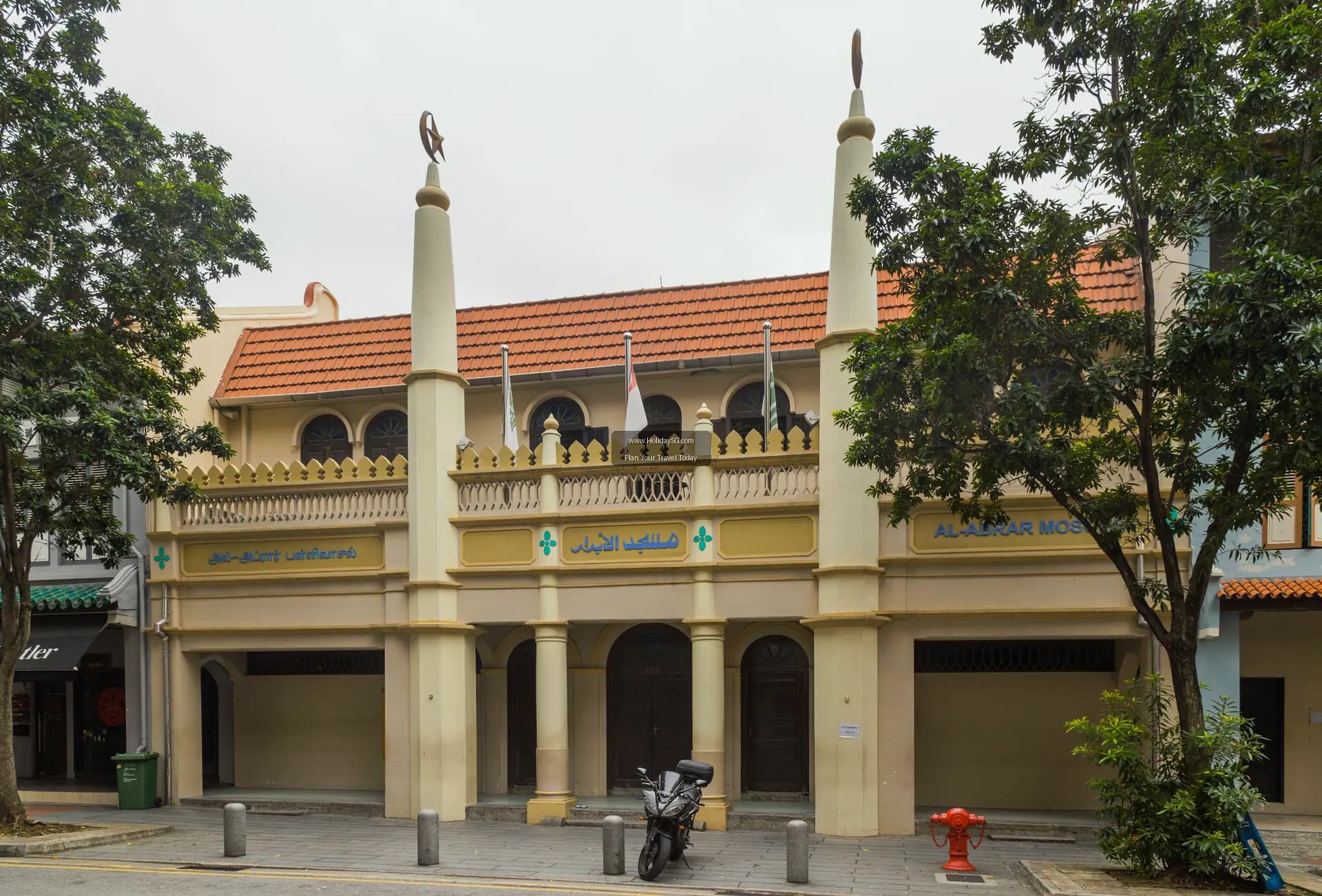
At the heart of Kampong Glam is the golden-domed Sultan Mosque, an iconic landmark. After admiring its architecture, explore the surrounding streets. Haji Lane is famed for its eclectic boutiques and vibrant street art, while Arab Street is lined with shops selling Persian carpets, batik fabrics, and traditional perfumes.
Little India
A sensory feast awaits in Little India. The air is fragrant with spices and incense, the streets are awash with color, and the sound of Tamil film music fills the air. Visit the ornate Sri Veeramakaliamman Temple, browse the flower garlands and silks at Tekka Centre, and immerse yourself in the festive atmosphere, especially along Serangoon Road.
Practical Tip: Navigating with the MRT
Getting between these cultural districts is effortless with Singapore’s MRT system. Stations are located near all major sites. For unlimited travel, consider the Singapore Tourist Pass, which offers great value and convenience for a packed cultural itinerary.
Arts, Performances, and Intangible Heritage
Explore the living arts and performances that continue Singapore’s storytelling traditions.
Catching a Show at the Esplanade
Known locally as “the Durian” for its distinctive architecture, The Esplanade – Theatres on the Bay is Singapore’s premier performing arts centre. Check its schedule for everything from world-class concerts and ballet to traditional Malay dikir barat or Chinese opera performances, especially during festival periods.
Experiencing Traditional Arts
Keep an eye out for free public performances. The Esplanade Concourse often hosts traditional dance and music showcases. You might also encounter cultural troupes practicing in community spaces or see the art of lion dance being honed in the back lanes of Chinatown.
Timing Your Trip: Major Cultural Festivals
Ready to go? Book Whisky Tours Experiences with HolidaySG.
Aligning your visit with a cultural festival is the ultimate immersion. The city transforms, offering unique insights into its diverse communities.
Chinese New Year
Celebrated in January or February, Chinese New Year is a city-wide spectacle. Chinatown is adorned with lanterns and decorations, and the main celebration zone comes alive with street performances, nightly shows, and a festive bazaar.
Deepavali (The Festival of Lights)
Typically in October or November, Little India glows with thousands of lights and intricate kolam (floor designs). The official Light-Up transforms Serangoon Road into a dazzling corridor of light and sound, celebrating the victory of light over darkness.
Hari Raya Puasa
The date varies each year following Ramadan. It marks the end of the fasting month for the Malay Muslim community. It’s a time of forgiveness and celebration, with open houses where you can sample traditional Malay delicacies like ketupat and rendang.
Thaipusam
A dramatic Hindu festival usually falling in January or February. Witness the spectacular procession from Sri Srinivasa Perumal Temple to Sri Thendayuthapani Temple, where devotees carry ornate kavadis (structures) in acts of thanksgiving and penance.
Best Times to Visit
Singapore is a year-round destination. However, the shoulder seasons of February to April and July to September often offer more pleasant weather with slightly fewer crowds, making exploration more comfortable.
The Ultimate Short Cultural Immersion: A Guided Food Tour
For travelers with limited time asking, “What’s a must-do for a short cultural immersion?” the answer is unequivocally: a guided food tour. Food is the universal language in Singapore, and a tour through Chinatown or Little India does more than satisfy your palate—it blends history, migration stories, and culinary heritage into one delicious experience. Guides will introduce you to iconic dishes like Hainanese chicken rice or fish head curry, explain their origins, and often lead you to hidden gems and family-run stalls that define a neighborhood’s identity. It’s the quickest way to taste and understand the multicultural harmony that defines the nation.
Practical Guide & Etiquette for Cultural Respect
Ready to go? Book Whisky Tours Experiences with HolidaySG.
To navigate cultural sites with confidence and respect, keep these tips in mind.
Planning Your Budget
A culture-focused day is quite affordable. Entry to major museums typically ranges from S$5 to S$20 per adult. Many religious sites, like temples and mosques, are free to enter, though donations are encouraged. A daily budget covering transport, entry fees, and meals at hawker centres and local eateries can be managed for S$30 to S$70 per person.
Essential Etiquette
- Dress Modestly: When visiting mosques, temples, and other religious sites, cover your shoulders and knees. Some places provide wraps or robes if needed.
- Ask Before Photographing: Always seek permission before taking photos of people, especially during religious rituals or in private settings.
- Remove Shoes: This is required before entering mosques and many Hindu temples. Look for designated areas at the entrance.
Language Tips
English is the working language and is widely spoken. However, learning a simple greeting like “Selamat pagi” (Malay for “good morning”) or “Xin nian kuai le” (Mandarin for “Happy New Year”) during the appropriate festival shows wonderful respect and appreciation for the local culture.
Recommended HolidaySG Tours
Enhance your cultural exploration with these curated experiences:
- National Gallery Singapore Ota – Explore Southeast Asia’s largest visual arts collection in a stunning landmark building.
- Singapore – See the city’s historic districts and modern landmarks from both land and water.
- Singapore Oceanarium – Discover marine life and the cultural stories of the region’s seafaring heritage.
- Whisky Tours Experiences – A niche cultural dive into the world of spirits and Singapore’s colonial-era trade connections.
Conclusion: Weaving Your Own Singapore Story
Ready to go? Book Whisky Tours Experiences with HolidaySG.
Singapore’s culture is not a static exhibit behind glass; it is a living, breathing entity that thrives in its bustling markets, serene temples, and joyous festivals. It is found in the sizzle of a hawker’s wok and the echo of prayers from a centuries-old shrine. By venturing into these ethnic enclaves, respecting local customs, and engaging with the myriad traditions on display, you do more than sightsee—you begin to weave your own thread into Singapore’s ever-evolving multicultural mosaic. Your story awaits in the heart of this remarkable city.
Ready to explore more? Delve into Singapore’s colonial-era trade connections with our Whisky Tours Experiences for a unique cultural perspective.
Book these with HolidaySG:
Book with HolidaySG online for Whisky Tours Experiences, Singapore Cable Car, Singapore Oceanarium.
Frequently Asked Questions
Where can I book cultural experiences in Singapore, and what are the links?
You can book a variety of cultural experiences through reputable tour operators. For instance, explore Singapore’s whisky heritage with Whisky Tours Experiences, enjoy scenic views from the Singapore Cable Car, discover marine life at the Singapore Oceanarium, take a fun city tour with Singapore Duck Tours, or immerse yourself in art at the National Gallery Singapore. Always check the official websites for the latest information and booking options.
Do foreigners (non-citizens) need a different ticket, price, or visa for Singapore?
Foreign visitors may require a visa to enter Singapore, depending on their nationality, but ticket prices for most cultural attractions are standard for all guests. For accurate and current visa requirements, it’s advisable to check the official Immigration & Checkpoints Authority of Singapore or consult your nearest Singapore embassy before traveling.
What is the best time (season, or time of day for the site/activity) to go?
Singapore has a tropical climate with warm temperatures year-round, so cultural experiences can be enjoyed anytime. For outdoor sites, mornings are ideal to avoid midday heat and crowds. The dry season from February to April offers slightly more comfortable weather. Indoor attractions like museums are least crowded on weekday mornings.
How long should I spend at each cultural attraction in Singapore?
Time spent varies by site: plan 2-3 hours for major museums like the National Gallery Singapore, 1-2 hours for the Singapore Oceanarium, and about an hour for the Singapore Cable Car ride. Allow half a day for whisky tours or duck tours to include travel and activities.
What are the typical costs for visiting cultural sites in Singapore?
Costs vary: entry to the National Gallery Singapore is around SGD 20 for adults, the Singapore Oceanarium about SGD 41, and the Singapore Cable Car approximately SGD 35. Whisky tours and duck tours range from SGD 50 to SGD 150 per person. Prices are subject to change, so check the official booking sites.
How do I get to the main cultural attractions in Singapore?
Singapore has excellent public transport: use the MRT (subway) to reach most sites—like the National Gallery Singapore near City Hall station. Buses, taxis, and ride-sharing apps are also convenient. For attractions like the Singapore Cable Car, take the MRT to HarbourFront station.
Are cultural experiences in Singapore suitable for families with children?
Yes, many cultural experiences are family-friendly, such as the Singapore Oceanarium with interactive exhibits, the Singapore Cable Car for scenic rides, and the National Gallery Singapore’s family programs. Duck tours are also popular with kids due to their novelty.
What should I pack or bring when visiting cultural museums and galleries?
Wear comfortable, lightweight clothing and shoes suitable for walking. Bring a light jacket for air-conditioned interiors. Carry a refillable water bottle, sunscreen, and an umbrella for the tropical weather. A small bag for essentials is recommended, and always have your booking confirmation handy.
Is Singapore accessible for travelers with mobility issues?
Most cultural attractions in Singapore are accessible, with wheelchair ramps, elevators, and accessible restrooms. The National Gallery Singapore and the Singapore Oceanarium offer facilities for visitors with disabilities. However, it’s best to check specific venues in advance for detailed accessibility information.
How safe is it to explore cultural areas in Singapore?
Singapore is one of the safest cities in the world, with low crime rates. Cultural areas are well-maintained and patrolled. As with any travel, stay aware of your surroundings, keep belongings secure, and follow local laws.
What is the weather like in Singapore, and how might it affect my plans?
Singapore is hot and humid, with temperatures around 25-35°C (77-95°F) and frequent rain showers. Carry an umbrella or rain gear, and plan indoor activities during wet days. Hydration is key, and light clothing is advisable.
What local customs or etiquette should I observe at cultural sites?
Respect local customs: remove shoes when entering some religious sites, dress modestly, and speak softly in museums. Tipping is not expected but appreciated. Be mindful of photography rules, and always ask before taking photos of people.
Where can I find good food near cultural attractions in Singapore?
Near cultural sites, you’ll find diverse dining options. Around the National Gallery Singapore, try hawker centres like Lau Pa Sat or restaurants in the Civic District. The Singapore Oceanarium is near VivoCity mall with food courts. Explore local dishes like chicken rice or laksa.
Are there other attractions nearby that I can combine with my cultural itinerary?
Yes, combine visits: the National Gallery Singapore is near the Merlion Park and Marina Bay Sands. The Singapore Oceanarium is part of Resorts World Sentosa, which has Universal Studios and S.E.A. Aquarium. The Singapore Cable Car connects to Sentosa Island attractions.
What are the opening hours for places like the National Gallery Singapore?
Opening hours vary: the National Gallery Singapore is typically open daily from 10 AM to 7 PM, with extended hours on weekends. The Singapore Oceanarium usually opens at 10 AM and closes at 5 PM or later. Check official websites for current schedules before visiting.
Should I book tickets in advance for cultural experiences?
Booking in advance is recommended, especially for popular attractions like the Singapore Oceanarium or guided tours like whisky experiences. This ensures entry and often offers discounted rates. Use the provided links for hassle-free reservations.
Can I take photographs inside museums and cultural sites?
Photography policies differ: most museums allow non-flash photography for personal use, but some exhibits or areas may be restricted. Always check signage or ask staff. At the Singapore Oceanarium, photography is generally permitted without flash.
What languages are used at cultural attractions, and is English widely spoken?
English is one of Singapore’s official languages and is widely spoken at cultural attractions. Information is typically available in English, Malay, Chinese, and Tamil. Staff at museums and tours can communicate effectively in English.
Are guided tours available for cultural experiences, and how do I book them?
Guided tours are available for many experiences, such as whisky tours or art walks at the National Gallery Singapore. You can book these through the official links provided, like Whisky Tours Experiences, or directly on attraction websites.
Which area or neighborhood in Singapore is best to stay in for easy access to cultural sites?
The Civic District, Marina Bay, and Sentosa are excellent areas for cultural exploration. Staying near these hubs provides easy access to the National Gallery Singapore, Singapore Cable Car, and other attractions via public transport. Choose based on your itinerary and budget.
What things cost in Singapore
Live HolidaySG prices for the experiences in this guide, so you can sanity-check a budget before you commit.
| Experience | Where | From price |
|---|---|---|
| Shirakawa Day Tour from Nagoya: One-day tour of Shirakawa-go w... | Nagoya | From S$50.03 |
| #INSTAWALK: BUGIS, WATERLOO, KAMPONG GLAM | Singapore | From S$45.32 |
| +Twelve | Singapore | From S$127.05 |
| ABOUT MR. LEE | Singapore | From S$66.17 |
| Harry Potter Visions of Magic | Singapore | From S$41.79 |
| Action Motion | Singapore | From S$37.07 |
| Adventure HQ | Singapore | From S$65.55 |
| Alphard / Vellfire | Singapore | From S$34.43 |