

Introduction: Your Gateway to Myanmar
Myanmar, the “Golden Land,” is a destination that steals your breath with its sheer beauty and profound spirituality. For first-time visitors, it’s a land of over 2,000 ancient temples in Bagan, fishermen with remarkable leg-rowing skills on Inle Lake, and the shimmering golden spire of Yangon’s Shwedagon Pagoda. It’s a place where time moves to a different rhythm, and genuine smiles are the universal greeting. Essential Myanmar travel tips for first timers are invaluable for planning your first trip here, as it requires a bit more insider knowledge than some other Southeast Asian destinations, but the rewards are immeasurable.
TL;DR: This guide provides essential Myanmar travel tips for first timers, covering everything from securing your visa and choosing the right season to understanding cultural etiquette and practical transport options. We focus on helping you navigate this beautiful country confidently and respectfully.
Why Myanmar Captivates First-Time Travelers
Beyond the iconic sights, Myanmar offers a rare sense of timelessness. The cultural tapestry is rich, with over 135 ethnic groups, and the pace of life, especially outside major cities, allows for deep cultural immersion. Whether you’re exploring Mandalay’s royal history or trekking in the hills, the country offers an adventure that feels both epic and intimate.
Before You Go: The Absolute Essentials
Ready to go? Book Full Day Trekking In Inle Lake with HolidaySG.
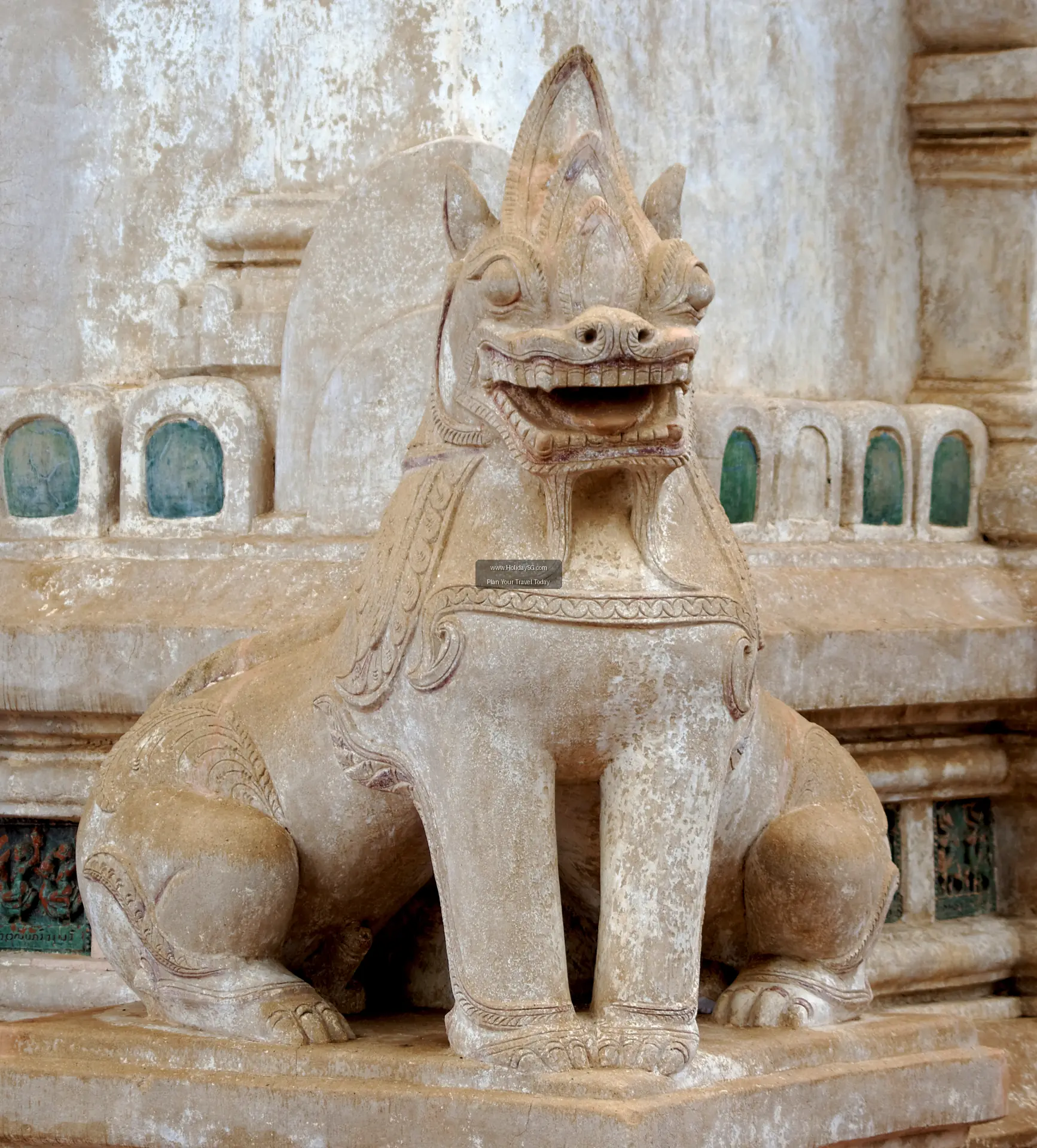
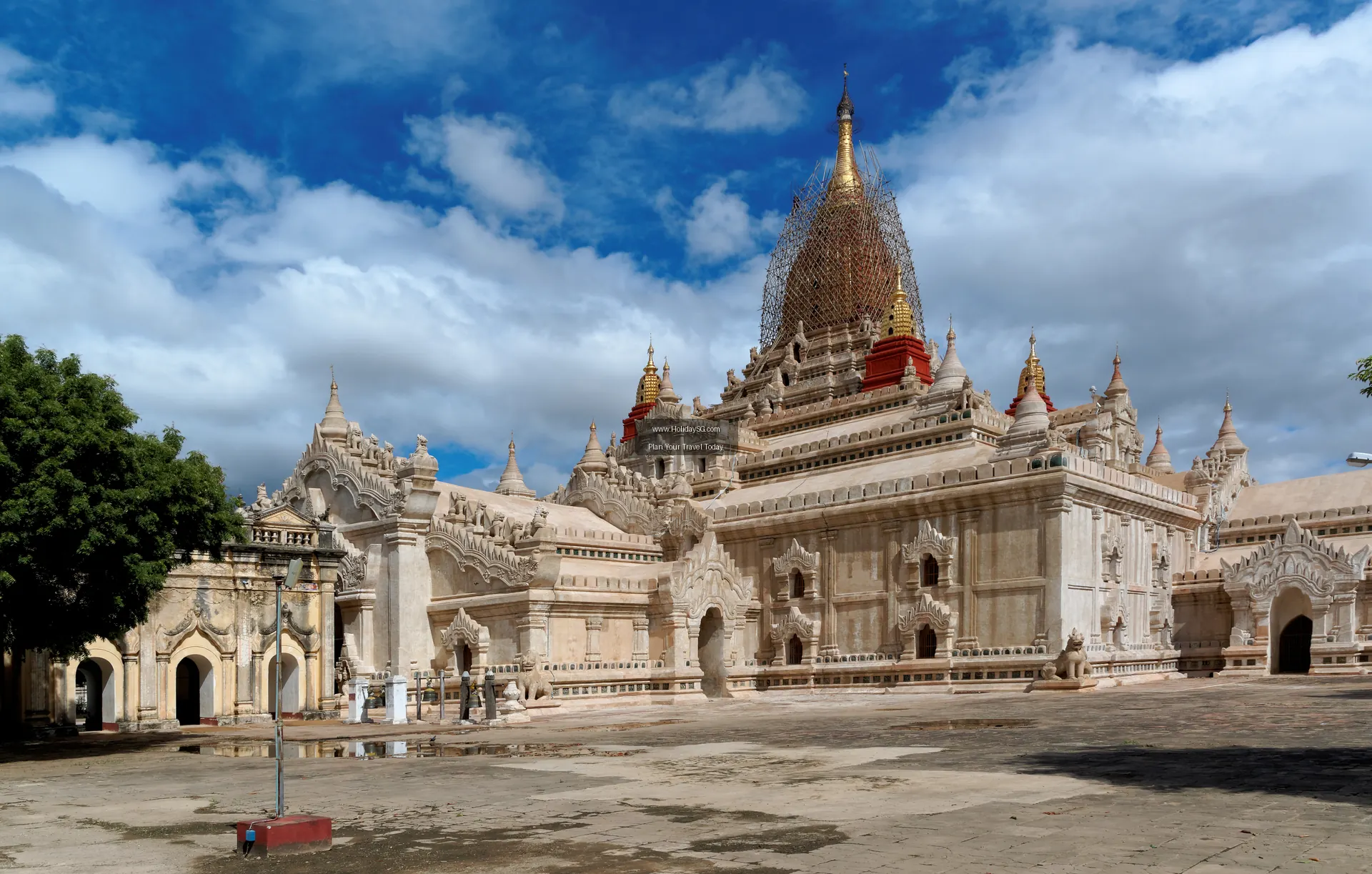
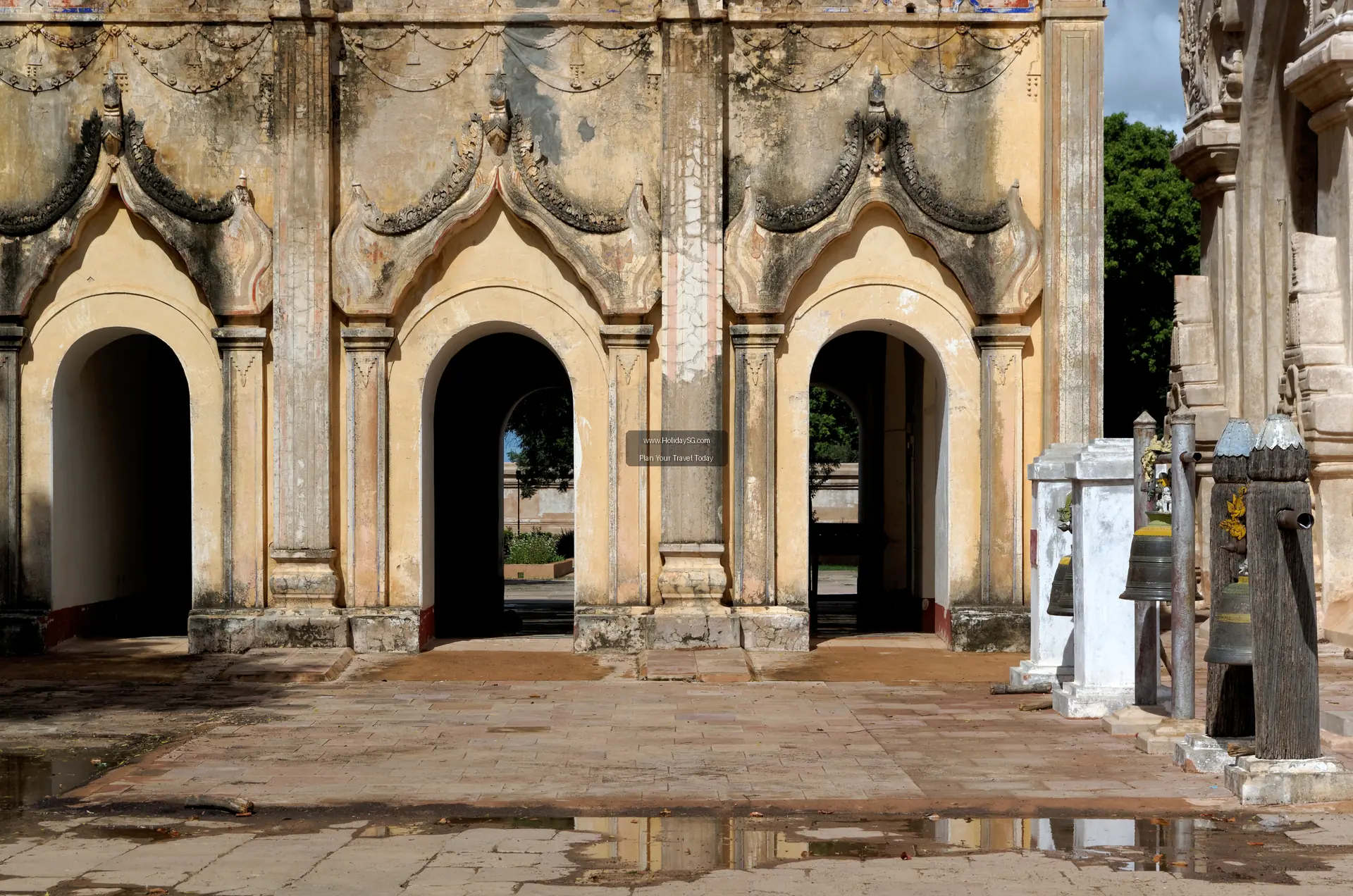
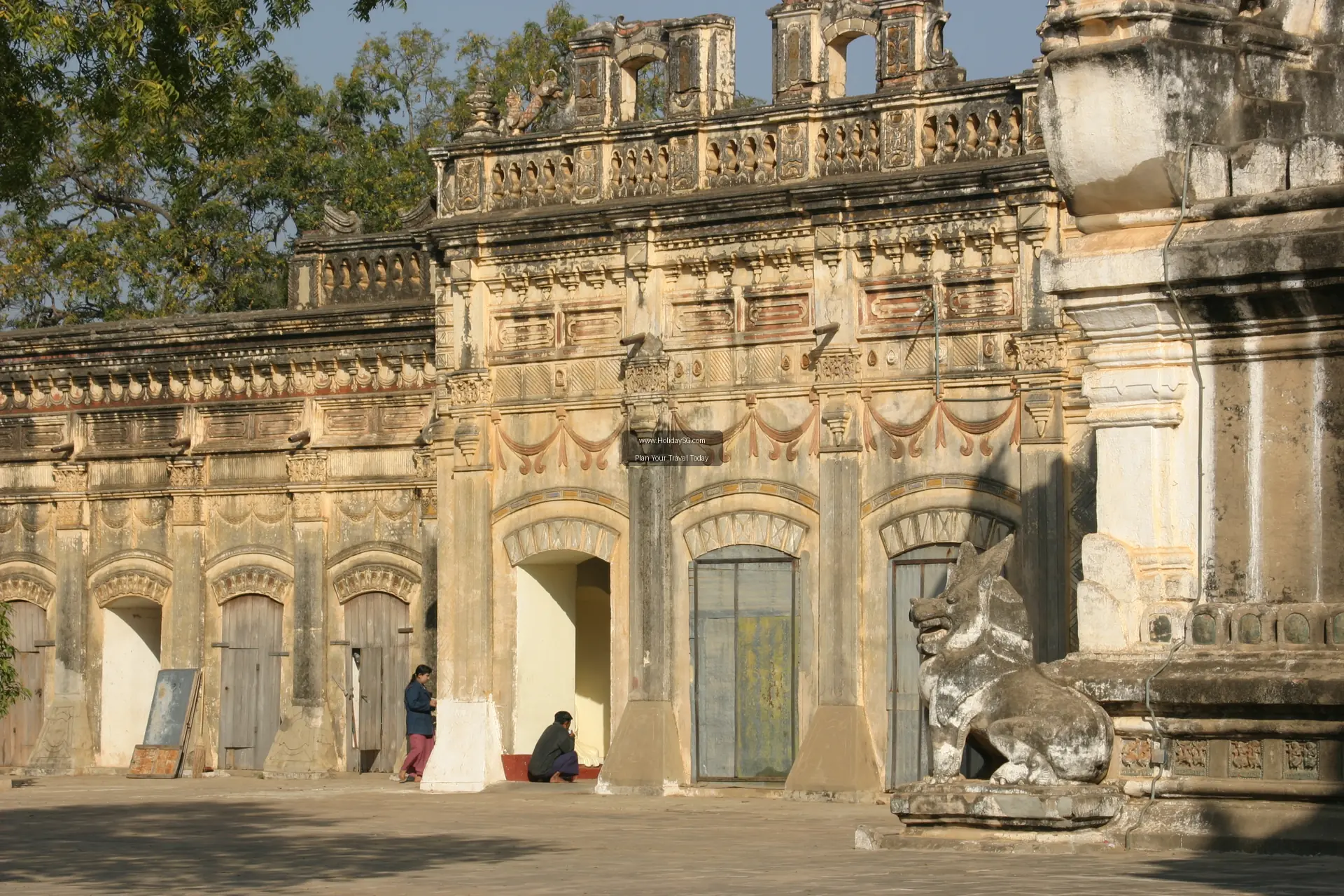
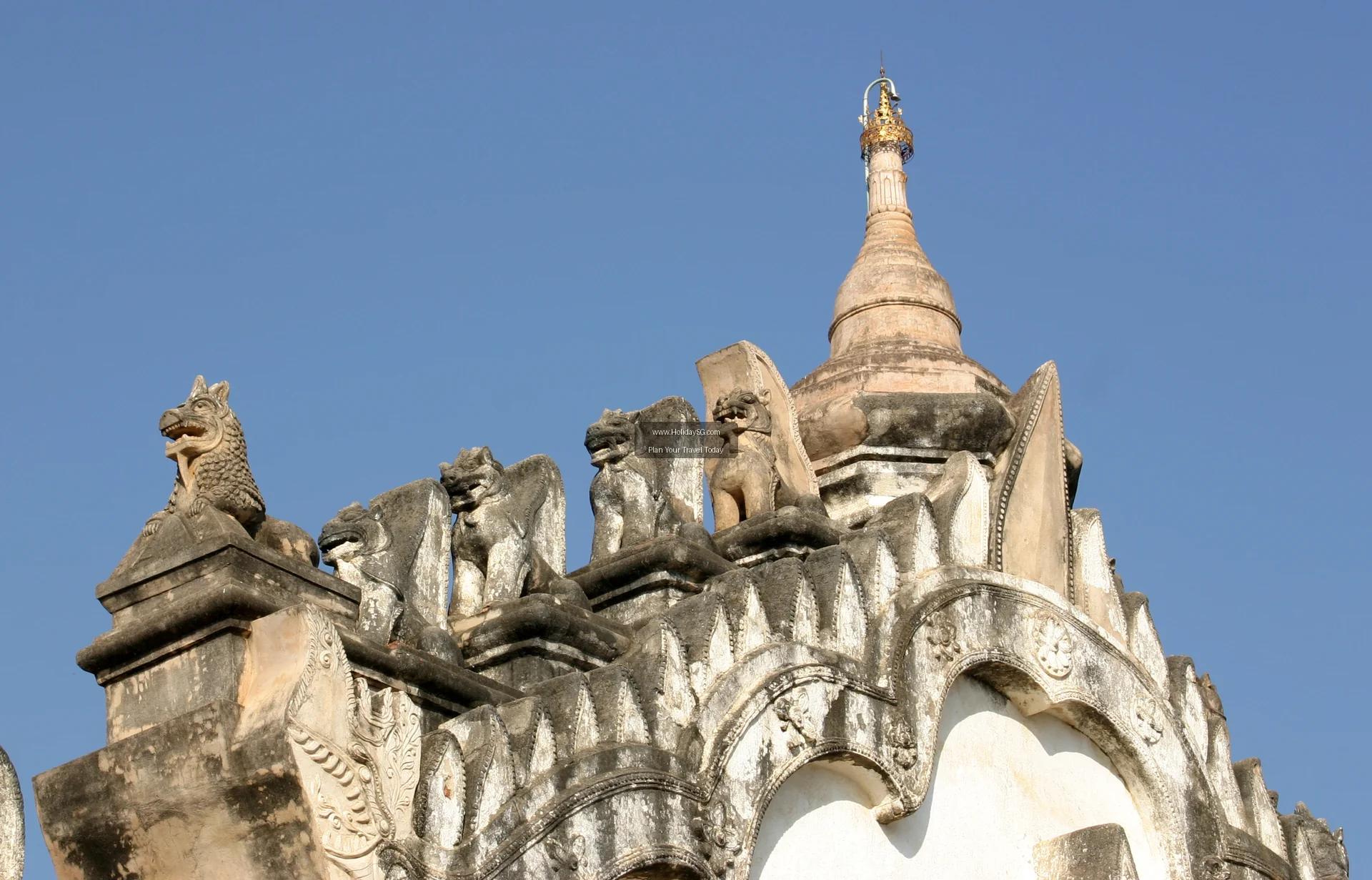
A little pre-trip planning goes a long way in Myanmar. Here’s what you need to sort out before you even pack your bags.
Visa Requirements: Your Essential E-Visa Process
Most nationalities require a visa to enter Myanmar. The simplest method for tourists is the e-Visa. Apply online at the official Myanmar e-Visa website at least 3 days before your travel date. The cost is approximately $50 USD. Your e-Visa will be valid for a single entry and a stay of up to 28 days. Always double-check the latest requirements on the official site before applying.
Timing Your Trip: The Best Seasons to Visit
The ideal time to visit Myanmar is during the cool, dry season from November to February. You’ll enjoy pleasant daytime temperatures, clear skies, and minimal rainfall, making it perfect for temple exploration in Bagan or boating on Inle Lake. The hot season from March to May can see temperatures soar, especially in the central plains. The rainy season from June to October brings lush greenery but also heavy downpours that can disrupt travel plans.
Budgeting for Your Journey
Myanmar can cater to various budgets, but it’s wise to plan financially.
- Budget Travelers: Expect to spend around $30-50 USD per day, covering basic guesthouses, local food, and public transport.
- Mid-Range Comfort: For hotels costing $50-120 USD per night, better dining, and more flexible transport, budget $70-120 USD per day.
- Attraction Fees: Major sites like Shwedagon Pagoda and temples in Bagan have entry fees of $10-15 USD. Keep cash handy for these.
Health, Safety, and Current Advisories
Your wellbeing is paramount. Drink only purified or bottled water. While street food is a culinary adventure, choose lively stalls with high turnover to ensure freshness. Petty theft can occur, so use hotel safes and keep valuables secure. Most importantly, political instability is ongoing. It is crucial to check your government’s latest travel advisories and stay informed about local conditions throughout your trip.
Getting Around Myanmar: Practical Transport Tips
Internal travel is an adventure in itself. Here’s how to navigate it smoothly.
Arriving & City Transfers
Yangon International Airport (RGN) is the main gateway. For city transfers, official airport taxis are reliable. In both Yangon and Mandalay, use the Grab app for convenient and fixed-price ride-hailing, similar to Uber.
Domestic Flights: The Fastest Way to Cover Ground
With limited road and rail networks, domestic flights are the most efficient way to travel between distant cities like Yangon, Mandalay, and Heho (for Inle Lake). Airlines like Myanmar National Airlines and Air KBZ are reputable. Book in advance during peak season to secure the best fares.
Hiring a Private Car & Driver
For the ultimate flexibility, especially in key temple regions, hiring a private car with a driver is highly recommended. It’s a cost-effective way to explore Bagan’s vast archaeological zone at your own pace, or to embark on a full-day tour of Inle Lake’s shores and hills, like this Full Day Trekking In Inle Lake experience, where a driver can drop you at trailheads and wait.
Buses, Trains, and Other Options
Overnight buses are a popular, budget-friendly way to cover long routes like Yangon to Bagan. For a scenic (but slower) experience, consider the train journey from Mandalay to Pyin Oo Lwin, which winds through beautiful countryside.
Navigating the Culture with Confidence
Ready to go? Book Full Day Trekking In Inle Lake with HolidaySG.
Respecting local customs will enrich your experience and endear you to the Myanmar people.
Cultural Etiquette: Dress, Temples, and Respect
When visiting temples and pagodas, modest dress is mandatory. This means covering your shoulders and knees (no shorts, sleeveless tops, or short skirts). You must always remove your shoes and socks before entering any religious site, regardless of how hot the ground is. Avoid pointing your feet at people or Buddha images, as feet are considered the lowest and most impure part of the body in Buddhist culture.
Language Basics
Burmese is the official language. English is spoken in tourist hotels, major agencies, and by guides, but less so in rural areas. Learning a few basic phrases goes a long way. Start with “Mingalabar” (hello) and “Kyay Zu Tin Bar Deh” (thank you).
Connectivity: Staying Online
Getting a local SIM card is easy and affordable. At the airport or official shops, purchase one from providers like Telenor or Ooredoo by showing your passport. 4G data is reliable in cities and major tourist zones but becomes patchy in remote areas like rural Bagan or the trekking paths around Inle Lake.
First-Timer Must-Knows on the Ground
These practical tips will help you handle day-to-day situations.
Money Matters
The official currency is the Myanmar Kyat (MMK). While kyat is essential for daily spending, US dollars are widely accepted for larger expenses like hotels, flights, and tour payments. Crucially, these bills must be brand new, crisp, unmarked, and not torn. ATMs dispensing kyat are common in cities and towns, but always carry some cash for smaller vendors or emergencies.
Eating and Drinking Safely
Myanmar cuisine is delicious and varied. Embrace it! Street food is generally safe when cooked fresh in front of you. Always opt for bottled water with an intact seal. In restaurants, if you’re unsure, ask for drinks without ice. Similar to what we cover in our guide to Southeast Asian food safety, trusting your instincts with busy stalls is key.
Safety Smarts
As with any travel destination, be aware of your surroundings. Use a money belt or secure bag in crowded markets. Keep digital copies of your passport and visa. While Myanmar is generally safe for tourists, it’s wise to avoid large political gatherings or demonstrations.
Managing Expectations in a Changing Landscape
Myanmar is a country in transition. Infrastructure can be basic, power outages happen, and the political situation can evolve. Travel here requires patience, flexibility, and an open mind. The reward is an authentic encounter with one of Asia’s most fascinating cultures, with far fewer tourists than in previous years.
Recommended HolidaySG Tours
Ready to go? Book Full Day Trekking In Inle Lake with HolidaySG.
Conclusion: Embracing the Magic Responsibly
Final Checklist for Your Myanmar Adventure
You’ve secured your e-Visa, booked your flights, packed modest clothing, and learned a few Burmese phrases. Now, it’s time to embrace the golden spires, serene lakes, and incredibly warm people. Remember to travel with a mindful attitude, support local businesses where you can, and be patient with the pace of life.
A Message on Mindful and Respectful Travel
Your visit contributes to the local economy and helps support communities. Travel with curiosity, respect, and humility. Listen to stories, try the tea leaf salad, and let Myanmar’s gentle spirit captivate you. Your first trip won’t be your last.
Ready to explore? Check out our Full Day Trekking In Inle Lake tour for an unforgettable adventure.
Book with HolidaySG online for Full Day Trekking In Inle Lake.
Frequently Asked Questions
Where can I book the “Full Day Trekking In Inle Lake” tour?
You can book the “Full Day Trekking In Inle Lake” tour directly through this link on HolidaysG, which offers a curated experience for travelers.
Do foreigners (non-citizens) need a different ticket, price, or visa for Myanmar?
Foreigners typically need a visa to enter Myanmar, which can be obtained via eVisa or through an embassy. Attraction tickets often have different prices for foreigners compared to locals, but it varies by site. For the most accurate and current rules on visas and pricing, always check official sources like the Myanmar Immigration website or your nearest embassy, as regulations can change.
What is the best time (season, or time of day for the site/activity) to go?
The best time to visit Myanmar is during the dry season from November to February, when the weather is cooler and ideal for sightseeing. For outdoor activities like trekking in Inle Lake, early mornings are best to avoid the midday heat and crowds.
How long should I spend in Myanmar for a first-time visit?
For a first-time visit, plan to spend at least 10 to 14 days to cover key destinations like Yangon, Bagan, and Inle Lake. This allows a balanced itinerary without rushing, but you can adjust based on your interests and schedule.
What is the typical daily budget for travelers in Myanmar?
A typical daily budget ranges from $30-50 USD for budget travelers, $50-100 USD for mid-range, and $100+ USD for luxury, covering accommodation, meals, local transport, and activities. Costs can vary by season and location.
How do I get to Myanmar from Singapore?
You can fly from Singapore to Myanmar’s major cities like Yangon or Mandalay, with direct flights available on airlines such as Singapore Airlines, AirAsia, or Myanmar National Airlines. Check flight booking platforms for schedules and prices.
Is Myanmar a family-friendly destination?
Myanmar can be family-friendly with its cultural attractions and natural scenery, but consider factors like travel infrastructure, health precautions, and child-friendly accommodations. Research in advance and plan for a comfortable pace with kids.
What should I pack for a trip to Myanmar?
Pack light, breathable clothing for warm weather, modest attire for temple visits (covering shoulders and knees), comfortable walking shoes, sunscreen, insect repellent, and any necessary medications. A universal power adapter for Type C or D plugs is also useful.
How accessible are tourist sites in Myanmar for people with disabilities?
Accessibility in Myanmar is limited, with many historic sites featuring steps, uneven terrain, and lack of ramps. Research specific attractions beforehand, contact them for accessibility details, and consider guided tours for assistance.
Is Myanmar safe for tourists?
Myanmar is generally safe for tourists, but it’s important to stay informed about current events, avoid political gatherings, and follow local advice. Use reputable tour operators, keep valuables secure, and register with your embassy if needed.
What is the weather like in Myanmar during different seasons?
Myanmar has a tropical climate with a hot dry season from March to May, a rainy season from June to October, and a cool dry season from November to February. Weather varies by region, so check specific destinations for details.
What are some local customs and etiquette I should know?
Respect local customs by dressing modestly at religious sites, removing shoes before entering temples, asking permission before photographing people, and using both hands when giving or receiving items. Learn basic greetings in Burmese to enhance interactions.
What are the must-try foods in Myanmar?
Try local dishes like mohinga (fish noodle soup), tea leaf salad, shan noodles, and samosas from street vendors or markets. Be cautious with spicy foods and stick to bottled water for safety.
What are the top attractions near Inle Lake?
Near Inle Lake, visit the Indein Pagoda complex, explore floating villages, see the Nga Phe Kyaung Monastery, and take boat tours. Nearby towns like Kalaw offer trekking opportunities.
How can I get around within Myanmar?
Within Myanmar, use domestic flights for long distances, buses or trains for budget travel, and private taxis or ride-hailing apps in cities. For Inle Lake, boats are the primary transport, and you can book tours through local agencies or hotels.
Do I need any vaccinations before traveling to Myanmar?
Recommended vaccinations include Hepatitis A and B, Typhoid, and Tetanus. Consult a travel health clinic for personalized advice based on your health history and itinerary.
What is the currency in Myanmar, and how should I handle money?
The currency is Myanmar Kyat (MMK). Carry cash, as ATMs are available in cities but may be unreliable. Exchange money at authorized dealers or banks, and credit cards are accepted in major hotels and some shops.
Are there any travel restrictions or areas to avoid in Myanmar?
Some border areas may have travel restrictions due to security concerns. Check the latest travel advisories from your government, avoid regions with active conflicts, and always stay updated on local conditions.
What language do they speak in Myanmar, and will English be widely understood?
The official language is Burmese. English is spoken in tourist areas like hotels and major attractions but is not widely understood elsewhere. Learn basic phrases and carry a translation app for convenience.
How do I connect to the internet while in Myanmar?
Get a local SIM card from providers like MPT or Telenor at the airport for affordable data plans. Wi-Fi is available in hotels, cafes, and restaurants, but coverage can be spotty in rural areas.
What things cost in Myanmar
Live HolidaySG prices for the experiences in this guide, so you can sanity-check a budget before you commit.
| Experience | Where | From price |
|---|---|---|
| Full day trekking in Inle Lake | Mandalay | From S$42.68 |
| Mingalar Sky Business Class Lounge Domestic Yangon Internation... | Yangon | From S$15.25 |
| Mingalar Sky Business Class Lounge International Yangon Intern... | Yangon | From S$44.06 |
Setting your expectations for a first trip
Myanmar rewards travellers who slow down. Roads can be long and bumpy, internet connections can be patchy outside the main cities, and some plans change at short notice. Visitors who arrive expecting a polished, fast-moving tourist network often feel frustrated within a day or two. Those who accept the pace tend to remember the country for its warmth, its unhurried markets and the sense of being somewhere that has not yet been reshaped for mass tourism. Go with a flexible mind and a steady sense of humour, and most of the small frustrations turn into good stories.
It also helps to read a little about the recent history before you go. The country has been through long periods of political change, and the situation can shift. Keep up with reliable news from your government and from established international outlets, and avoid making firm plans for remote areas until you have checked the current position.
A realistic first-week route
A first trip is often built around Yangon, the old capital, and the temples of Bagan, with a shorter detour to Mandalay or the lake region depending on how much time you have. Yangon is the natural starting point because the international airport is there, and its colonial-era architecture, markets and waterfront make a good introduction. Bagan is one of the most striking archaeological sites in Southeast Asia, with thousands of temples scattered across the plain, and the best way to see it is slowly, by e-bike or horse cart, with time to climb a few of the temples at sunrise or sunset.
Mandalay offers a different rhythm. It is a hub for pagodas and monasteries, and the views from Mandalay Hill across the plain are worth the climb. From there, many travellers take a boat along the Ayeyarwady River, which gives a slower look at village life and riverside towns. Build in at least one unplanned afternoon, because the best moments often happen when you wander without a list.
How many days do you need?
Two weeks is a comfortable first trip for most visitors, long enough to cover the main centres without feeling rushed. A shorter visit of a week or ten days works if you concentrate on Yangon and Bagan. Travellers with longer time can add the Shan State hills, the Inle Lake area or a quieter coastal stretch, but these take more planning because of transport times.
Money matters you should know about
Card payments are far less widely accepted than in neighbouring countries, and many hotels, restaurants and shops work in cash. Bring enough clean, undamaged banknotes in the major currency for your trip, because worn or torn notes are often refused. Check the current exchange rate and the rules on currency declarations before you travel, since they change. Carry smaller denominations for taxis, street food and tips, and keep cash in more than one place so that a single loss does not leave you stranded.
Budget travellers can live comfortably on modest daily amounts, while those who prefer boutique hotels and private guides will spend more. Ask for prices in writing when you book a tour or a boat, and agree on the total before you set off. Keep receipts for anything you pay for in advance, since it helps if something changes.
Bargaining with good manners
Bargaining is part of market life, but it should be friendly rather than aggressive. Start from a fair price, smile, and accept that the seller also needs to make a living. For fixed-price shops, simply pay the amount shown. In taxis, agree the fare before you get in, or ask the driver to use the meter if one is fitted.
Dress, etiquette and temple manners
Myanmar is a devoutly Buddhist country, and the way you dress and behave at religious sites matters. Cover your shoulders and knees when you visit pagodas and monasteries, and carry a light scarf or sarong so that you can adjust quickly. Remove your shoes before you enter a temple, and check whether you should take off your socks too. Stand or sit so that your feet are never pointing at a Buddha image or a monk, and do not climb on monuments or lean against them for photographs.
Monks and nuns should be treated with respect. Women should avoid direct physical contact with monks, and it is polite to wait for a monk to take the lead when you are offered something. Photography is generally welcome, but ask before you take pictures of people, especially older residents and families in rural areas.
Using your right hand
Use your right hand, or both hands, when you hand over money, food or a gift. Avoid touching anyone on the head, which is considered the most sacred part of the body. Pointing with your feet is seen as rude, so keep them tucked away when you are seated on the floor, which you will often be in homes and teahouses.
Staying connected and staying informed
Mobile coverage is better in the cities than in the countryside, and it can change quickly. If you need a data connection, check the options for a local SIM at the airport or in a reputable shop, and bring your passport because registration is usually required. Download offline maps before you travel, and save key addresses and phone numbers in your phone as well as on paper. Tell a family member or friend your rough itinerary so that someone knows where you are expected to be.
Keep your embassy or consulate contact details to hand, and check their advice for travellers before you leave home. A short message each evening to someone at home is a simple habit that gives everyone peace of mind.
Health and everyday comfort
Hot, humid weather and long days on the road can take a toll. Drink bottled or filtered water, carry rehydration sachets, and use sun protection every day. Street food can be delicious, but choose busy stalls where the food is cooked fresh and served hot. Pack a basic kit with plasters, pain relief, anti-diarrhoea tablets and any prescription medicine you need, with the original packaging and a letter from your doctor.
Travel health advice changes, so speak to a doctor or travel clinic several weeks before you fly and ask about routine vaccinations and any recommendations for your route. Check your travel insurance covers medical care and evacuation, and keep the policy number and emergency line in your phone.
Night travel and roads
Long-distance buses can be comfortable, but journeys often take much longer than the timetable suggests, and night driving on rural roads carries extra risk. Where possible, travel in daylight, book a reputable operator, and avoid unlicensed vehicles. Ask your hotel to help with reliable transport, since they usually know which companies run on time.
Getting around the country
Domestic flights link the main cities and save a great deal of time on long routes, although schedules can change and luggage limits are strict. Trains are slow but scenic, and they suit travellers who enjoy a relaxed pace. Buses cover most routes, and the better companies offer air-conditioned coaches with reserved seats. In Yangon and Mandalay, taxis, ride-hailing services and cycle rickshaws are all options. Within Bagan, e-bikes and horse carts are the most popular ways to explore the temple fields.
Plan your route so that you do not spend every day in a vehicle. One long transfer followed by two or three nights in the same place gives you time to enjoy each destination.
More frequently asked questions
Is Myanmar safe for solo women travellers? Many women travel there independently and report a friendly reception. Dress modestly, be cautious at night, and keep in touch with someone at home.
Do I need a visa? Entry rules depend on your nationality and change from time to time. Check the official government site for current requirements and processing details before you apply.
Can I use my phone abroad? Connectivity depends on your carrier and on the local network. Check roaming options and consider a local SIM for data.
What should I not bring? Avoid carrying large quantities of cash in worn notes, and check the rules for importing medicines and electronics before you travel.
For questions about tours and bookings with HolidaySG, our team is available Monday to Sunday from 9 AM to 11 PM SGT. Always confirm current entry rules, road conditions and advisories with official sources before you travel.
Food worth seeking out
Burmese food is less well known abroad than Thai or Vietnamese, which makes it a pleasure to discover. Tea-leaf salad, a crisp mix of fermented tea leaves, fried garlic, peanuts and dried shrimp, is a signature dish worth trying at least once. Mohinga, a fragrant fish noodle soup usually eaten for breakfast, is the country's most loved comfort food. Ask locals where they eat, and sit on the low plastic stools that line the street stalls, because some of the best meals in the country are served from the pavement.
Vegetarians can usually find rice, vegetable curries and fresh salads, but it helps to learn a few phrases and to ask whether a dish contains fish sauce or shrimp paste. Drinks made from fresh sugarcane, tamarind or coconut are refreshing in the heat, provided the ice is made from treated water.
Take time on your last evening to walk along a river or a lake at dusk. Many first-time visitors say that quiet moment, watching monks, families and vendors go about their evening, is what they remember most when they get home.
Pack a small notebook as well, because a few lines written each evening help you remember the details of a trip that moves quickly.
Myanmar Travel: Answers to Your Most Common Questions
What's the realistic daily budget for a first-time visitor to Myanmar?
Budget around USD 30-50 per day if you're staying in mid-range guesthouses, eating at local teahouses, and using public transport. A meal at a typical Myanmar restaurant costs USD 2-4, while a night in a decent guesthouse in Yangon or Bagan runs USD 20-35. If you upgrade to three-star hotels and private cars, expect to spend USD 70-120 daily. Inle Lake boat tours and temple visits add USD 10-20 per activity, but these aren't required daily expenses.
How many days should I spend in Myanmar on my first visit?
Ten to fourteen days gives you a solid introduction without rushing. A typical first week covers Yangon (2-3 days), Bagan (2-3 days), and Inle Lake (2-3 days), with travel days in between. If you have only a week, choose two regions and go deeper rather than chasing every highlight. Two weeks lets you add Mandalay or slower-paced towns like Hsipaw, where you can experience daily life beyond the tourist circuit.
What should I know about Myanmar's rainy season before booking?
The rainy season runs roughly May through October, with peak rainfall in July and August. During this time, roads can become difficult, some villages flood temporarily, and visibility for temple photography drops. However, prices fall significantly, temples are quieter, and the landscape turns lush green. If you're flexible on timing, shoulder months like May or October offer lighter rain with fewer tourists. Check local weather reports closer to your travel dates rather than relying on historical averages.
Is English widely spoken in Myanmar, and will I struggle to communicate?
English is spoken in tourist areas and by younger generations, but outside Yangon and Bagan you'll find it much less common. Learning basic phrases like "Mingalaba" (hello) and "Kyay zu tin ba" (thank you) opens doors and shows respect. Carry a phrasebook or translation app for restaurants and markets. In remote areas like Hsipaw or smaller villages, gesturing, smiles, and patience work as well as words—locals are remarkably patient with visitors trying to communicate.
What medical precautions should I take before traveling to Myanmar?
Check with a travel health clinic 4-6 weeks before departure about vaccinations relevant to your health history and the regions you're visiting. Malaria prevention is recommended for rural areas and Inle Lake. Tap water isn't safe to drink—stick to bottled water and avoid ice in drinks outside Yangon's better hotels. Pack a basic first-aid kit with diarrhea medication, antihistamines, and pain relief; pharmacies in Yangon are well-stocked, but supplies thin out in smaller towns.
Quick answers
Can I use my credit cards in Myanmar?
ATMs are widely available in Yangon, Mandalay, and Bagan, though they sometimes run out of cash on weekends. Visa and Mastercard work at larger hotels and restaurants, but street vendors, local buses, and small shops demand cash only. Carry Myanmar Kyat (MMK) withdrawn from ATMs or exchanged at official money changers in major cities. Keep USD notes as backup—many guesthouses and tours accept them, though you'll get a slightly worse rate.
What's the easiest way to get from Yangon airport to the city center?
Hire a private driver through your hotel or book ahead (USD 15-20), which beats negotiating with taxis. Public buses run but stop frequently and cram with luggage. Grab (the Southeast Asian app) works in Yangon and charges roughly USD 8-12 depending on traffic. The airport sits 30-45 minutes from downtown depending on congestion, so leave extra time if catching an onward flight.
Should I haggle in markets and shops?
Bargaining is normal in street markets like Bogyoke Aung San Market in Yangon but not in fixed-price shops or restaurants. Start at 70-80% of the asking price and settle somewhere in the middle. Stay good-natured—haggling here is a social interaction, not a battle. Selling tourist goods is often a thin margin job, so pushing too hard feels disrespectful.
What's the rule about photographing people and sacred sites?
Things to book on this trip
Plan the rest of your trip
- HolidaySG eSIM plans - Buy a data plan before you fly and install it on your phone.
- Myanmar visa requirements - Check who needs a visa, the documents and the processing time.
