

The locals know something most tourists don't. We're sharing their secrets.
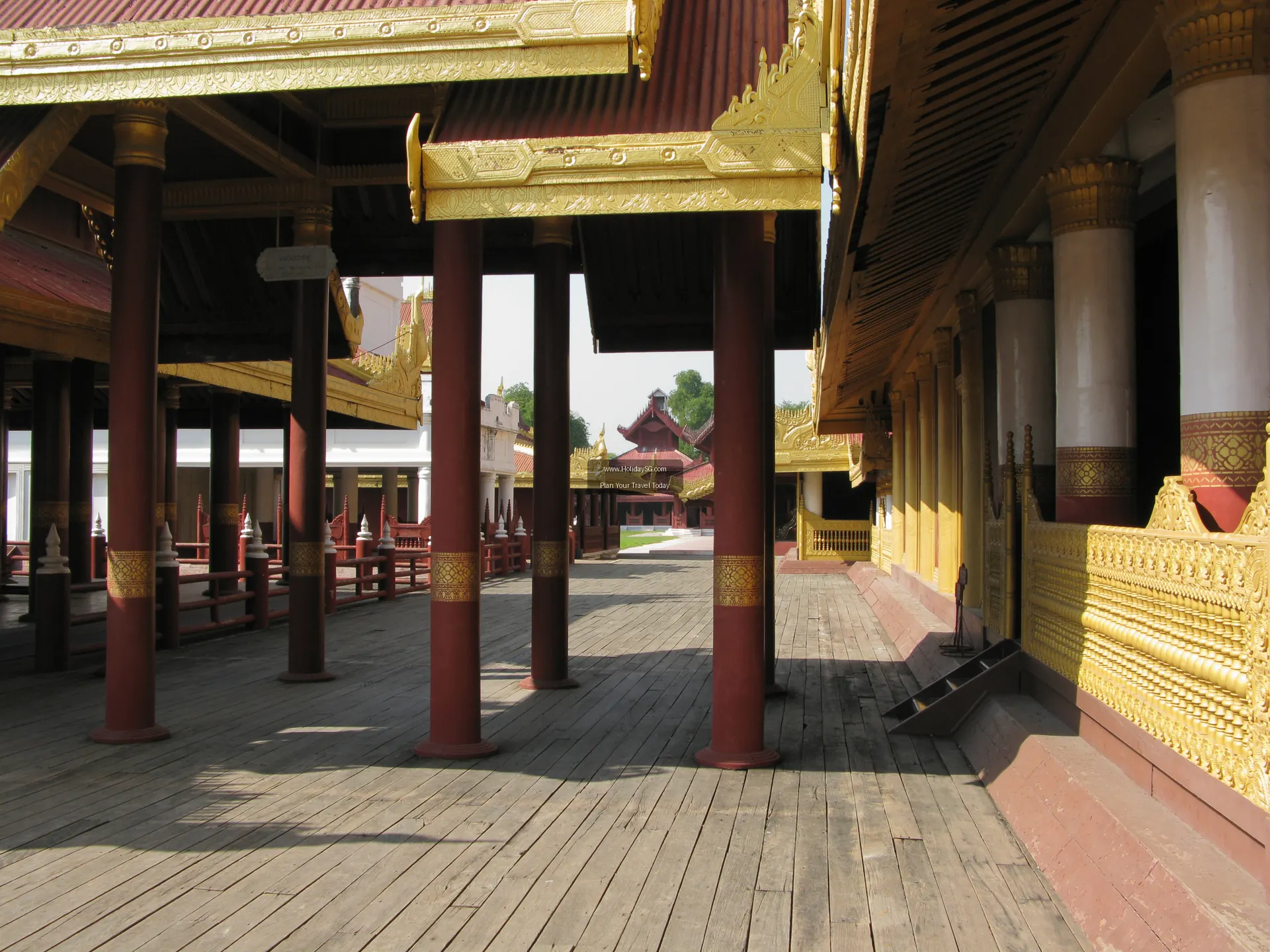
The Hidden Side of Bagan
Beyond the tourist trail lies a world of undiscovered gems waiting for curious travellers willing to venture off the beaten path.
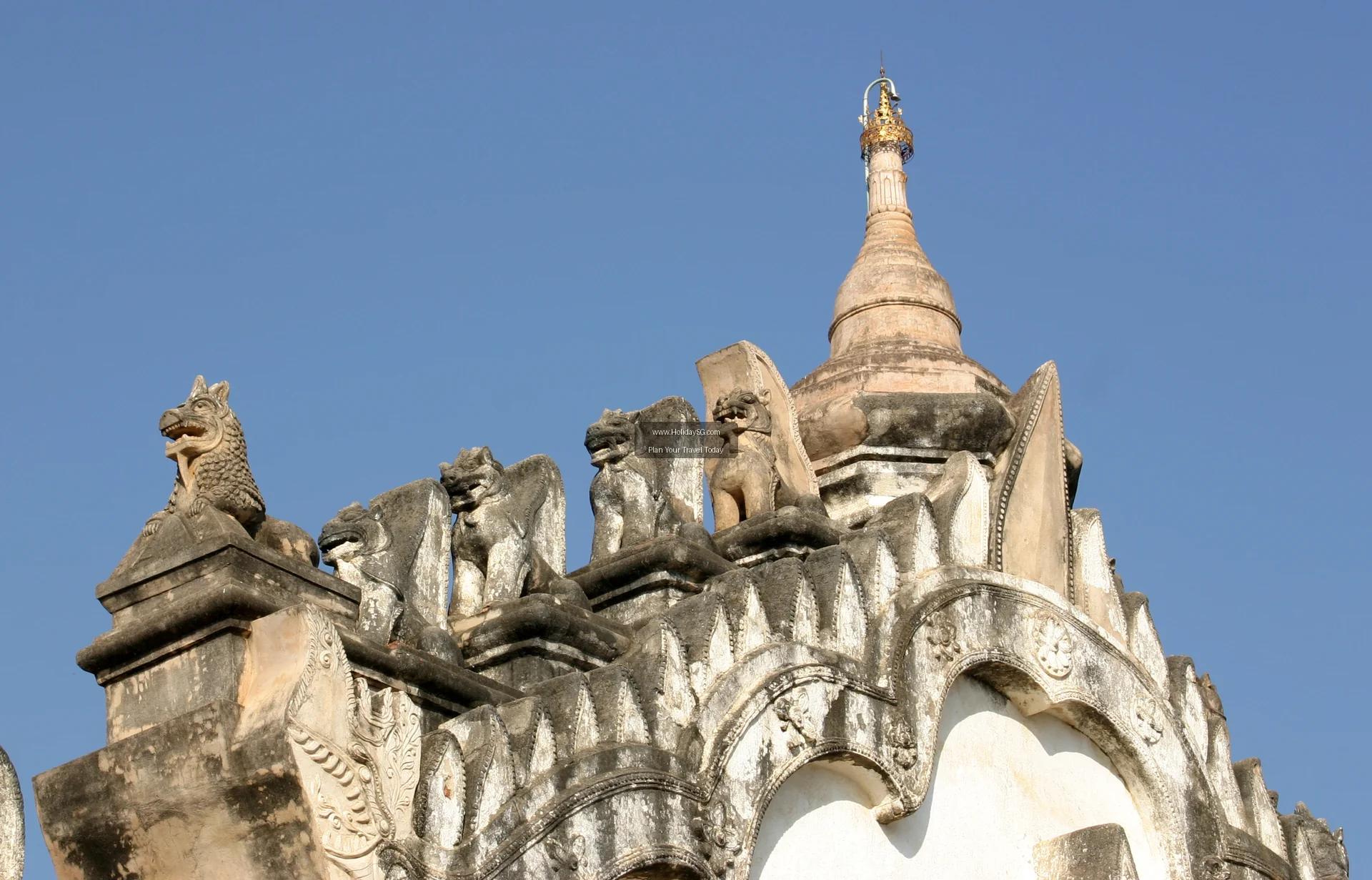
Local Secrets Most Visitors Miss
The best experiences in Bagan aren't in any guidebook. They're shared by word of mouth among locals and seasoned travellers.
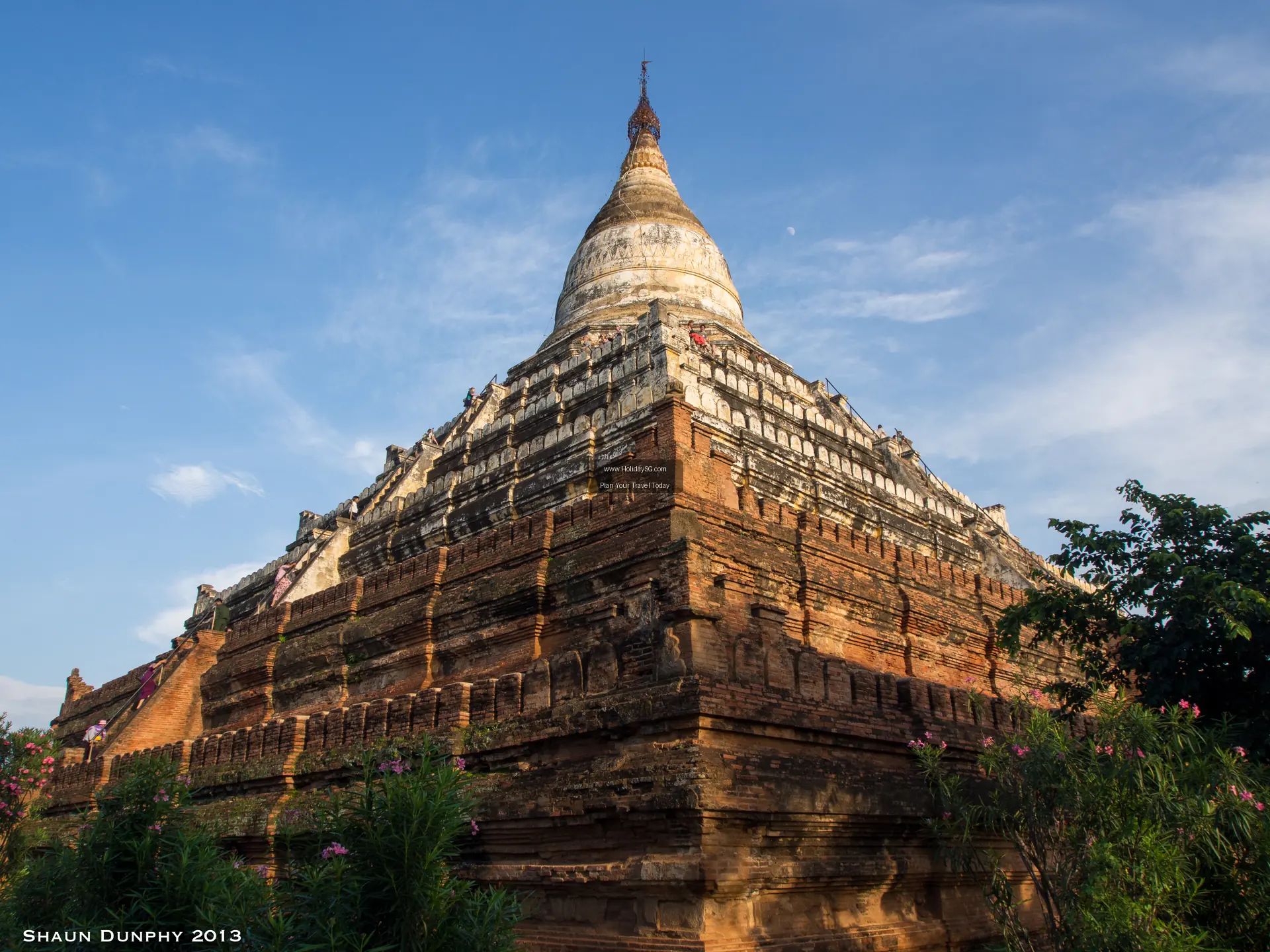
Where to Find Authentic Experiences
Skip the tourist traps and head straight for these spots where you'll experience the real Myanmar.
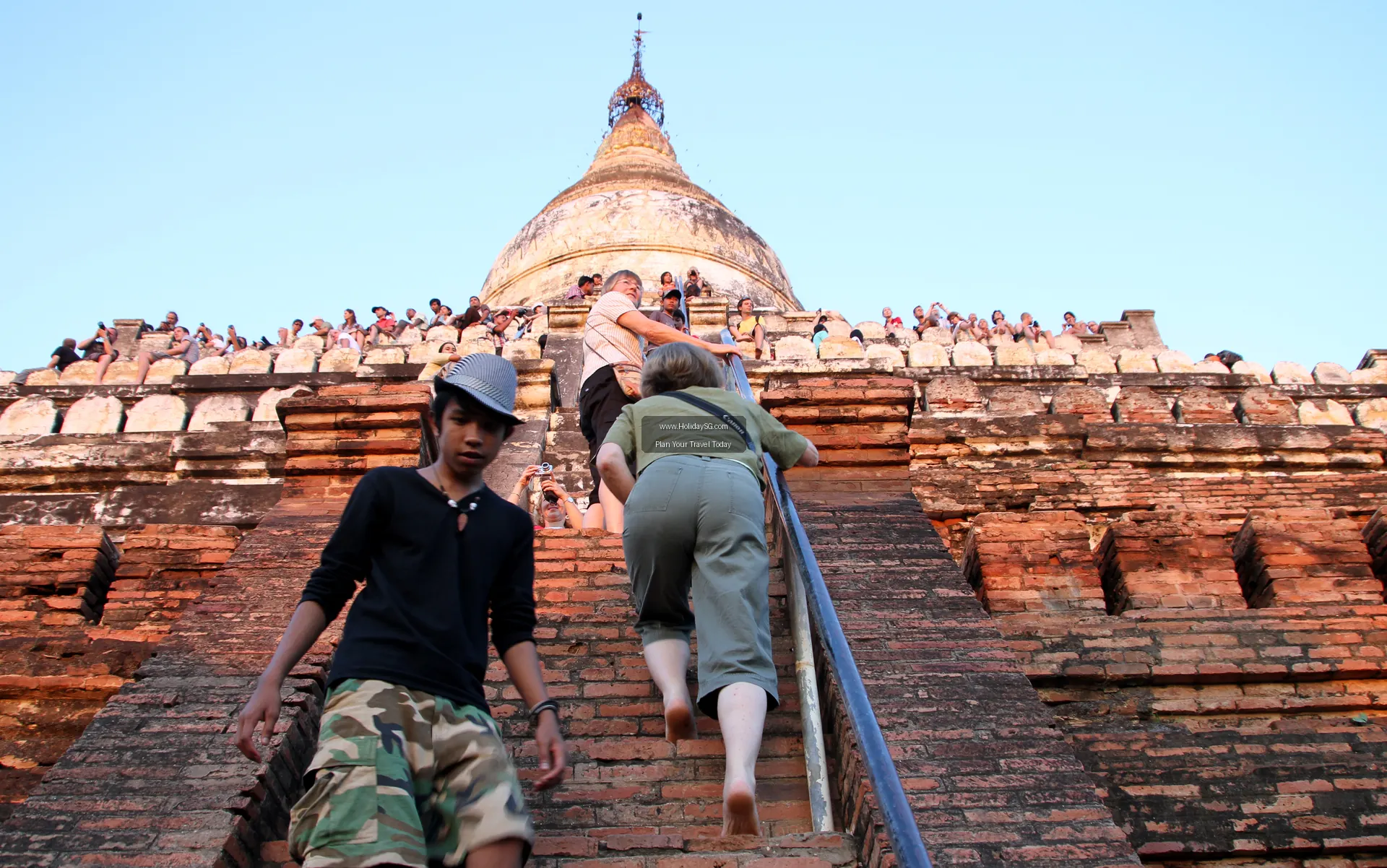
Insider Tips for Your Visit
Timing, transport, and local customs — here's everything you need to know to make the most of these hidden gems.
Planning Your Discovery Trip
Ready to explore beyond the obvious? Here's how to build an itinerary that uncovers the best-kept secrets.
Book Your Myanmar Experience
Get Bagan activities, tours, and attractions through HolidaySG.
Explore Myanmar DealsRecommended Activities in Myanmar
Ready to Explore Bagan?
View All Myanmar ActivitiesFrequently Asked Questions
What is the best time to visit Bagan?
The ideal time depends on weather and crowd preferences. Check our guide above for seasonal tips.
How much does a trip to Bagan cost?
Is Bagan safe for tourists?
Bagan is generally very safe for tourists. Take normal precautions and enjoy your trip.
What things cost in France
Live HolidaySG prices for the experiences in this guide, so you can sanity-check a budget before you commit.
| Experience | Where | From price |
|---|---|---|
| Top of Innsbruck: Roundtrip Cable Car Ticket | Innsbruck | From S$74.36 |
| Pergamon Museum – The Panorama: Exhibition by Yadegar Asisi | Berlin | From S$13.25 |
| Big Bus Paris: Hop-on Hop-off Tour + Seine River Cruise | Paris | From S$60.91 |
| Château de Vincennes: Entry Ticket | Paris | From S$15.84 |
| Dinner at Le Bistro Parisien with Seine River Cruise | Paris | From S$26.40 |
| From Paris: Versailles Palace Guided Tour & Gardens Access | Paris | From S$205.14 |
| La Marina Dinner Cruise, Eiffel Tower by Night and Moulin Roug... | Paris | From S$362.08 |
| The Batobus Pass | Paris | From S$15.00 |
Quick answers
What's the main difference between visiting Myanmar and staying in Bagan? Myanmar as a whole country spans diverse regions—Yangon's colonial architecture, Inle Lake's floating villages, Mandalay's cultural heart—while Bagan concentrates on ancient temples and archaeological wonders. If you have two weeks, you could experience both; if you have four days, Bagan alone offers more depth.
Do I need a separate visa for Bagan or is it part of Myanmar entry? Bagan is within Myanmar, so one Myanmar visa covers your entire trip. Check your country's embassy website for current visa requirements and processing times, as these change periodically.
Can you visit Myanmar and Bagan in the same trip? Yes, absolutely. Most travellers fly into Yangon, spend 2-3 days exploring, then take a domestic flight or overnight bus to Bagan for 3-4 days. The flight takes just over an hour; the bus takes 9-10 hours.
What months should I avoid visiting Bagan? June through September is monsoon season with heavy rainfall and high humidity. Many travellers skip these months, though prices drop and crowds thin considerably if you don't mind the weather.
Understanding the Myanmar versus Bagan choice
Most people asking "Myanmar vs Bagan" are actually wondering whether to explore the whole country or focus on just one region. This isn't really an either-or decision—it's about matching your time and interests to what each place offers. Myanmar includes Bagan, so the real question is: how much of the country do you want to see?
Bagan, meanwhile, is singular in its purpose. You come here to explore over 3,000 temples scattered across a dry plain, to watch sunrise over the temples from a hot-air balloon, to understand Burmese Buddhism through architecture spanning centuries. It's meditative and focused rather than chaotic.
A practical tip: if you have 7-10 days, create a loop hitting Yangon (2 nights), Bagan (3 nights), and Inle Lake (2 nights). Flights between these hubs are short and affordable. If you have only 4-5 days, pick either Bagan as your main focus or do Yangon plus Mandalay to experience urban Myanmar.
Bagan temple prices and entrance fees in 2026
One surprise many travellers face: Bagan charges a separate archaeological zone entrance fee on top of accommodation and meals. This is not something you pay at individual temples—you purchase one ticket to access the entire zone. The fee structure has changed several times, so rather than quoting an outdated figure here, check the official Myanmar tourism board website or contact Bagan hotels directly, as they can tell you the current rate and whether it includes sunrise viewing zones.
One reality worth knowing: the zone entrance fee increased significantly in recent years as infrastructure improved and the site gained UNESCO recognition. Many travellers budget this as one of their bigger Bagan expenses, comparable to a full day's accommodation in a mid-range hotel. If you're visiting Myanmar and Bagan, this fee applies only to Bagan; other regions don't charge comparable archaeological zone tickets.
Practical tip: buy your zone ticket on your first day at the entrance checkpoint near Old Bagan. Some hotels offer to purchase it for you, which can save time but often costs slightly more. Keep your ticket safe—you may be asked to show it if you're photographing temples or exploring less-trafficked areas.
Bagan weather patterns and when to visit
The reality of Bagan's climate is that there's a clear winner and loser season. October through February is cool and dry, with temperatures between 20-30 degrees Celsius. This is why nearly everyone flocks to Bagan then. March through May gets progressively hotter, reaching 40+ degrees Celsius by May; if you've never experienced that heat while walking between temples all day, it's exhausting.
June through September brings monsoon rains, sometimes heavy. The upside: the landscape turns green, you have temples largely to yourself, and many guesthouses reduce rates by 20-30 percent. The downside: sunrise viewing is unreliable due to clouds, some unpaved temple roads become muddy, and the humidity makes physical activity draining. Few visitors choose this period, so if solitude appeals to you and you're flexible about photo conditions, it's worth considering.
November and December represent peak season within the cool months. December especially attracts holiday travellers, making accommodation prices higher and popular sunrise spots crowded. January remains busy but slightly less intense. February is when you're most likely to encounter organized tour groups competing for the same viewpoints.
If you're combining Myanmar and Bagan travel, timing matters. You might spend October in Yangon and Mandalay (pleasant weather nationwide), then move to Bagan in November as the dry season peaks. Or plan Bagan for early May if you're visiting Myanmar during shoulder season—you'll endure heat but skip crowds, and can use the savings on accommodation to upgrade your hotel or splurge on a sunset hot-air balloon ride.
Transportation between Myanmar cities and reaching Bagan
Getting to Bagan from elsewhere in Myanmar shapes your entire travel rhythm. Most international visitors fly into Yangon, so your first Myanmar decision is how to reach Bagan from there. You have three realistic options, each with different trade-offs.
Flying from Yangon to Bagan takes 75-90 minutes. Multiple domestic airlines operate this route, and flights depart multiple times daily. You'll pay more than other methods, but you arrive fresh and have immediate access to the site. This suits travellers on tight schedules or those who dislike overnight travel. From Yangon International Airport, take a taxi or arrange pickup through your hotel—the airport is about 15 kilometers from central Yangon.
The overnight bus from Yangon covers roughly 530 kilometers and takes 9-10 hours. You board around 6-7 PM and arrive early morning in Nyaung U (the gateway town for Bagan). The buses vary wildly in comfort; mid-range companies offer reclining seats and air-conditioning, while budget options feel cramped. This option costs roughly one-third of the flight price, making it popular with budget travellers. You sleep en route, which saves a night's accommodation, but you lose an evening and wake groggy.
Practical tip: once you reach Nyaung U town, most hotels arrange pickup for around 5-8 USD. Don't rely on taxis from the bus station unless you speak Burmese; the town isn't touristy and drivers may not speak English. Communicate your arrival details to your accommodation at least one day ahead.
Accommodation types in Bagan and where to stay
Bagan's accommodation spreads across three main areas: Old Bagan (near the river and oldest temples), New Bagan (the tourist centre with restaurants and shops), and Nyaung U town (budget-friendly, less scenic). Your choice affects how you experience Bagan because location determines sunrise viewing logistics and which temples feel closest.
New Bagan is busier and more commercial. Hotels here typically include restaurants, spa services, and convenience stores. You're 20-30 minutes by car from prime sunrise spots like Shwesandaw, which means either an early driver pickup or joining a sunrise tour group. But your evenings offer more dining variety and social atmosphere if you want to meet other travellers.
Nyaung U town is genuinely local and notably cheaper, but you're farthest from the temples. Your options skew toward basic guesthouses rather than resort-style hotels. The 25-kilometer journey to central Bagan means you're definitely hiring a driver or e-bike daily, adding transport costs.
Practical tip: if watching sunrise over temples matters to you (and for most Bagan visitors it does), stay in Old Bagan and arrange your hotel pickup for 4:30 AM. You'll be at your chosen temple by 5 AM, ready for that golden hour before crowds arrive. New Bagan stays feel more polished, but they trade convenience for commerce.
Daily costs for eating, transport, and activities in Bagan
Understanding Bagan's actual spending patterns helps you budget realistically. Your costs depend almost entirely on whether you book activities in advance or make daily choices, and whether you eat at tourist restaurants or local joints.
Meals show the widest range. A simple curry and rice at a local teashop costs 2-4 USD. Mid-range restaurants catering to tourists charge 8-15 USD for similar portions with English menus. A dinner at a nicer hotel restaurant runs 12-25 USD. Most travellers budget 20-30 USD daily for all meals by mixing local and tourist-oriented spots.
Transportation within Bagan works several ways. Hiring a private driver for the day (typically for sunrise, temple exploration, and sunset) costs 40-60 USD depending on your negotiation and driver experience. Renting an e-bike for full-day exploration is 5-8 USD—this saves money but requires navigating sandy roads and managing heat exposure. Joining organized sunrise or sunset tours runs 15-25 USD per person and includes hotel pickup.
Hot-air balloon rides are the signature Bagan activity. These operate at sunrise and cost 250-350 USD per person depending on balloon company and season (peak season charges more). It's a significant expense, not something to budget casually. Most people do it once during a Bagan stay if they're doing it at all.
A sample day: sunrise tour (20 USD), three meals (25 USD total), e-bike rental (6 USD), massage or spa treatment (10-15 USD), sunset at a temple (included with entry fee), and evening beer at a restaurant (3-5 USD). Total: roughly 60-75 USD. Add a balloon ride once during your stay, or skip it entirely and stay within 60 USD daily for everything except accommodation.
Practical tip: book your sunrise tour through your hotel the evening before rather than at booking websites. Hotels typically get group rates and can coordinate timing with your preferences. You'll often save 5 USD and the hotel staff speaks to the guide about pickup timing.
How many days you actually need in Bagan
This question comes down to your personality and what "seeing" Bagan means to you. Are you the person who wants to check off major temples, or do you prefer wandering quiet paths discovering smaller, less-known stupas?
Three days is minimum if you've travelled to Bagan specifically. Day one: arrive, explore Old Bagan on foot or e-bike, relax. Day two: sunrise tour or sunrise at a temple, full-day temple exploration with a driver, sunset. Day three: either continue temple exploration or do a specialized activity like balloon riding, ceramics workshop, or Inle Lake day trip. You'll see the major temples, experience sunrise and sunset, and leave understanding why Bagan is significant.
Four or five days lets you slow down. You can explore different regions of the temple zone each day without rushing. Day one remains arrival and orientation. Days two and three involve temple exploration, but you're not cramming every major site into one frenetic day. Day four might be a full-day activity like a hot-air balloon ride, or a trip to nearby Salay village (famous for lacquerware workshops) or Mount Popa (a volcanic outcrop with monkeys and a hilltop monastery). This pace lets temples sink in emotionally rather than feeling like a checkbox exercise.
Two days is genuinely rushed. You'll see major temples but miss the rhythm that makes Bagan meditative. Sunrise, a few temple stops, sunset, then leaving. It's possible but feels like you've skimmed rather than experienced.
If you're combining Myanmar and Bagan, consider 3 days minimum for Bagan, 2 days in Yangon, and either 2-3 days in Mandalay or Inle Lake. This gives each place proper weight and reduces the feeling that you're just travelling constantly without settling anywhere.
Practical tip: book your accommodation for exactly three nights, then decide on day two if you're staying longer. This prevents over-committing if you're tired or want to move elsewhere, while leaving room for spontaneous extension if you fall in love with the place.
What makes Bagan different from temples elsewhere in Myanmar
Historical depth creates another distinction. Bagan's temples date from the 11th to 13th centuries, built during the Bagan Kingdom's height as a major Southeast Asian power. Visiting Ananda Temple (built 1091) or Tharabar Gate (built 1254) connects you to specific centuries of Burmese civilization. It's not just a religious site; it's archaeology. Yangon's Shwedagon was constructed much later (founded 6th century but current structure largely from the 19th century), and Mandalay's temples date mostly to the 19th century during the last Burmese kingdom.
More quick answers
Can you visit both Myanmar and Bagan on the same trip? Yes, most travellers combine them. Yangon or Mandalay serve as entry points, then a short flight or drive reaches Bagan. Many spend 3-5 days exploring Bagan's temples, then return to a larger city or venture to Inle Lake.
What's the main difference between Myanmar and Bagan as travel destinations? Myanmar is a country with diverse regions, cities, and cultures. Bagan is a single archaeological zone famous for over 2,000 ancient temples spread across a plains landscape. Think of Bagan as Myanmar's headline attraction, not its entirety.
Do you need a guide in Bagan? Not mandatory, but hiring a local guide unlocks stories, hidden temples, and context that solo exploration misses. Many hotels arrange guides for half-day or full-day rates that vary by season.
Which season has fewer tourists in Bagan? May to September brings rain and fewer visitors, though some temples close during monsoon. October to March is peak season, with November to February offering the clearest skies and most comfortable temperatures.
Visiting Bagan during monsoon: what you actually encounter
Most travel guides warn you away from Bagan's monsoon season, but the reality is more nuanced. From May through September, the Irrawaddy plains turn green, afternoon downpours arrive predictably between 2 and 5 pm, and tourist crowds thin dramatically. You'll see working monks in saffron robes moving between temples without camera crews trailing them. Accommodation prices drop by 30 to 40 percent, and local restaurants feel less performative.
The trade-off: sunrise viewing is unreliable because clouds linger until mid-morning, and some lesser-known temples become temporarily inaccessible due to muddy approaches. The main circuit temples—Shwesandaw, Ananda, Dhammayangyi—stay open and navigable. Pack quick-dry clothing, waterproof bags, and a basic first-aid kit in case leeches appear on overgrown paths. Bring an umbrella, not just a rain jacket; the rain often comes sideways.
One practical tip: travel between mid-July and late August if you choose monsoon. July floods can wash out certain roads temporarily, and September's tail end still catches scattered storms. Your reward is exploring Bagan with reflection pools at temple bases and the landscape looking almost mythical under brooding skies.
How Bagan temple architecture reveals Myanmar's spiritual history
Bagan's 2,000-plus temples aren't random piles of brick. They represent distinct periods and architectural philosophies spanning Myanmar's 11th to 13th centuries, and understanding these differences transforms a passive temple-hopping tour into genuine discovery. The city was a spiritual power centre, and each temple tells you something about competing dynasties, trade routes, and Buddhist practice at the time.
Shwesandaw, one of Bagan's most visited temples, shows Pyu influences in its solid, tapering stupa design. Ananda temple, built in 1091, represents the Mon style with its cruciform layout and four interior Buddha statues facing cardinal directions. Dhammayangyi is the largest in Bagan by volume, a squat, fortress-like structure with thick walls where it's easy to get turned around inside. Walk through these three and you're seeing the architectural vocabulary of Myanmar's medieval period.
The brickwork itself tells stories. Look for intricate terracotta plaques showing Jataka tales—birth stories of Buddha—embedded into exterior walls. These weren't decorative flourishes; they were teaching tools for a largely non-literate population. Many smaller temples around Nyaung U village still have original plaques that major temples had replaced during later restorations. One practical tip: visit Ananda in late afternoon when tour groups clear out, and you'll notice carved details that vanish under midday glare and camera flashes.
Getting around Bagan without organised tours
Plenty of independent travellers explore Bagan solo, but logistics matter more here than in cities. There are no metro systems, limited bus infrastructure, and navigating the 42-square-kilometre archaeological zone on foot burns energy quickly in the heat. Your realistic options are e-bikes, motorcycles, cars with drivers, or horses.
E-bikes work well if you're staying in New Bagan and tackling the main temples within a few kilometres. Rental shops near the hotels charge modest daily rates, and the bikes reach most major sites without needing fuel stops. The catch: you're slower than a motorcycle, more exposed to sun, and maps in the zone are inconsistent because many temple access roads shift seasonally.
Motorcycle rental gives you independence but demands attention—some roads have loose gravel, and an accident far from a clinic becomes complicated. Horse cart drivers work informal routes and know side paths that bypass crowds, but negotiating price beforehand prevents frustration. Hiring a car with driver for a full day costs less than you'd expect and removes navigation worry.
One practical tip: combine methods. Rent an e-bike for morning exploration around Nyaung U, then negotiate a horse cart for afternoon temple-hopping in less-trafficked areas. This gives you flexibility and avoids the fatigue that comes from a single mode covering 40 kilometres.
Where to eat in Bagan beyond hotel restaurants
Hotel restaurants in Bagan cater to tourists and reflect that in their pricing and blandness. Real meals happen in local teashops, night markets, and family-run restaurants where you'll actually eat what residents eat. This is where Myanmar versus Bagan distinction matters—Bagan restaurants tend toward catering to foreigner expectations, while smaller towns nearby preserve authentic regional dishes.
Shan noodles appear in every teashop, served with chicken or pork and crispy fried shallots. Nyaung U's morning market has vendors selling fermented tea leaf salads, a distinctly Myanmar preparation that's sour, crunchy, and addictive. Mohinga, a fish broth with rice noodles, is breakfast staple—seek it in small alleys where locals queue, not where signs advertise "authentic experience."
The night market appearing near the clock tower after 5 pm serves grilled meats, sticky rice, and curries at fraction of hotel prices. Bring cash, point at what you want, and sit at communal tables. You'll eat better food and spend less than in any tourist-oriented establishment. One practical tip: eat lunch around 11:30 am before restaurants shut down during afternoon heat, then eat dinner after 6 pm when the night market opens. This rhythm matches local habit and means you're never hunting for open restaurants.
Bagan entrance fees and what they actually fund
An archaeological zone ticket covers your temple access for a set period, usually three days in most countries' schemes. In Bagan, the fee structure supports ongoing site management, conservation work on ancient structures, and local community development projects. Knowing this context helps you understand why prices exist and what proper fee payment preserves.
Tickets are sold at gates, and most visitors enter through the main checkpoint near New Bagan. You'll receive a paper pass with your photograph; keep it safe because re-entry checks happen randomly. Multi-day tickets cost more upfront but spread the cost across longer exploration and spare you from gate queues daily.
Current pricing changes periodically, so check the official archaeological zone office website before arrival rather than relying on outdated blog estimates. This approach also shows you any recent policy changes, like seasonal discounts or restricted areas due to restoration work. The zone office also publishes information about which temples have entry restrictions due to ongoing conservation.
Buying your ticket early on arrival day is a useful idea, since it lets you enjoy the afternoon light while most visitors are still at their hotels. Three-day tickets give you flexibility to skip a day if weather turns bad or fatigue sets in, and you won't feel rushed to extract maximum value from a single-day pass.
Quick answers (part 3)
Is it possible to see Bagan and other parts of Myanmar on a single trip? Yes, most travellers spend 3–4 days in Bagan, then travel to Mandalay (3 hours by bus), Yangon (1 hour flight), or Inle Lake (requires domestic flight). The circuit works well over 10–14 days.
What's the single biggest expense in Bagan? Accommodation varies wildly—budget guesthouses run 15,000–25,000 kyat per night, while mid-range hotels (Thante, View Bagan, Aureum Palace) cost 80,000–150,000 kyat. The entrance ticket to the archaeological zone is a fixed cost per visit.
When do locals actually avoid Bagan? April and May are brutally hot (40°C+), and many guesthouses reduce prices but staff disappear. June through September brings rain, making unpaved paths slippery, though temples feel eerily empty and accommodation is negotiable.
Bagan vs Myanmar's other ancient sites: what makes Bagan archaeology unique
The architectural story here is also distinct. Early stupas like Shwesandaw (mid-11th century) show Mon influence—rounded, solid domes. Later temples such as Gawdawpalin (12th century) reveal Pagan dynasty innovation: multi-level interiors, carved stone friezes, and passages designed to frame sunrise light at precise angles. Nothing else in Myanmar concentrates this evolution so clearly.
Bagan also differs because you can actually enter and climb most temples. At Shwedagon in Yangon, tourists must remove shoes and navigate tightly controlled walkways. In Bagan, you'll find yourself alone inside Htilominlo at dawn, studying 13th-century plaster carvings by phone torch, or scrambling up Thatbyinnyu's internal staircase (seven storeys, genuinely dizzy-making).
Why Bagan's entrance system costs vary and how it actually works
The ticket structure for Bagan's archaeological zone has shifted over recent years. Rather than quote a figure that might change, you should verify current rates at the official Myanmar Ministry of Hotels and Tourism website or ask your accommodation upon arrival. What matters is understanding what your ticket covers.
The entrance fee grants access to the entire archaeological zone for the calendar day you purchase it (not 24 hours—if you buy a ticket at 4 p.m., it expires at midnight). You'll receive a paper pass and a receipt. Keep both. There are checkpoints at the main gates near Nyaung U and Old Bagan, but also roving inspectors on quiet temple paths. Occasionally, you'll be asked to produce your ticket at random stupas.
Multi-day passes exist. Many travellers buy separate daily tickets, thinking it's cheaper, but a three-day pass often costs only slightly more. Since Bagan genuinely requires three to four days to feel less rushed, the multi-day option usually makes sense financially and logistically.
Quick answers (part 4)
Should I visit Myanmar as a whole or focus only on Bagan?
That depends on your time and energy. Bagan itself requires 2-3 days minimum to see the temples meaningfully, but Myanmar's other regions—Mandalay's monasteries, Inle Lake's floating villages, Yangon's colonial architecture—offer completely different experiences. If you have 5-7 days, split between Bagan and at least one other region.
Can you reach Bagan from Yangon without flying?
Yes, but it takes 14-16 hours by bus and ferry combined. Most travellers fly from Yangon to Nyaung U airport (1 hour flight), which is near Bagan's entrance. Buses exist but involve overnight journeys and slower connections through Mandalay.
Do you need a guide to visit Bagan temples?
What is actually included in Bagan's entrance fee?
Your fee covers access to the entire archaeological zone for three days and funds ongoing conservation. It does not include guide services, transport, or meals inside the zone—those are separate costs you arrange independently.
Bagan versus Myanmar's larger cities: what you actually see
How different is Bagan from Yangon and Mandalay?
Bagan's dry season versus monsoon: which suits your travel style
What happens if you visit Bagan during the monsoon months?
May to October brings afternoon downpours that last 1-2 hours, then clear skies. Many travellers avoid monsoon thinking it ruins the trip, but the opposite is true: temples are nearly empty, locals run their daily lives without tourist interference, and the landscape turns green. Sunrise and early morning exploration still work perfectly. Rain is brief and predictable, so you can plan around it. Hotels and restaurants stay open but offer lower rates.
Why is the cool season (November-February) so crowded?
Perfect weather—clear skies, 20-28°C temperatures, low humidity—attracts everyone. December and January are the absolute peak. Shwesandaw and Pyathada temples have queues by 5am for sunrise. Accommodation rates triple. If you want solitude and authentic temple exploration, avoid these months entirely.
